
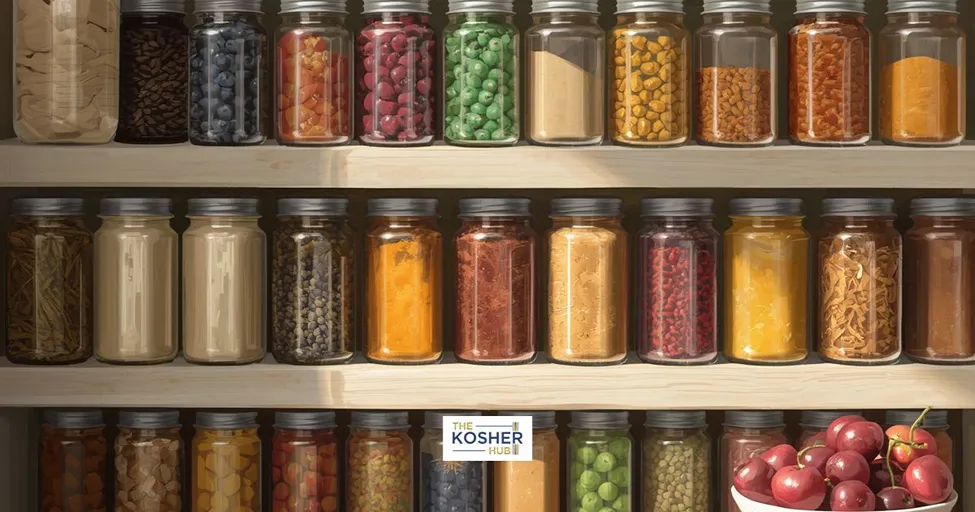
A well-stocked kitchen starts with the right basics, and these are the kosher pantry items worth keeping on your shelves all year. This guide rounds up 20 shelf-stable staples, from rice, flour and oats to olive oil, canned tuna, spices and baking essentials, all available on Amazon. Every item here stores happily in a cupboard, so there is nothing fresh to worry about, and each one earns its place through everyday usefulness in a kosher home. Whether you are setting up your first kosher kitchen, restocking before Shabbat or a holiday, or simply want one reliable list to shop from, you will find the essentials grouped by how you cook. Each section is short and practical, with a note on kosher certification where it matters, so you can add to your basket with confidence. Always check the label for your preferred hechsher before you buy, as standards vary between communities.
🌾 Grains and Flour
Rice, flour and oats for everyday cooking and baking.
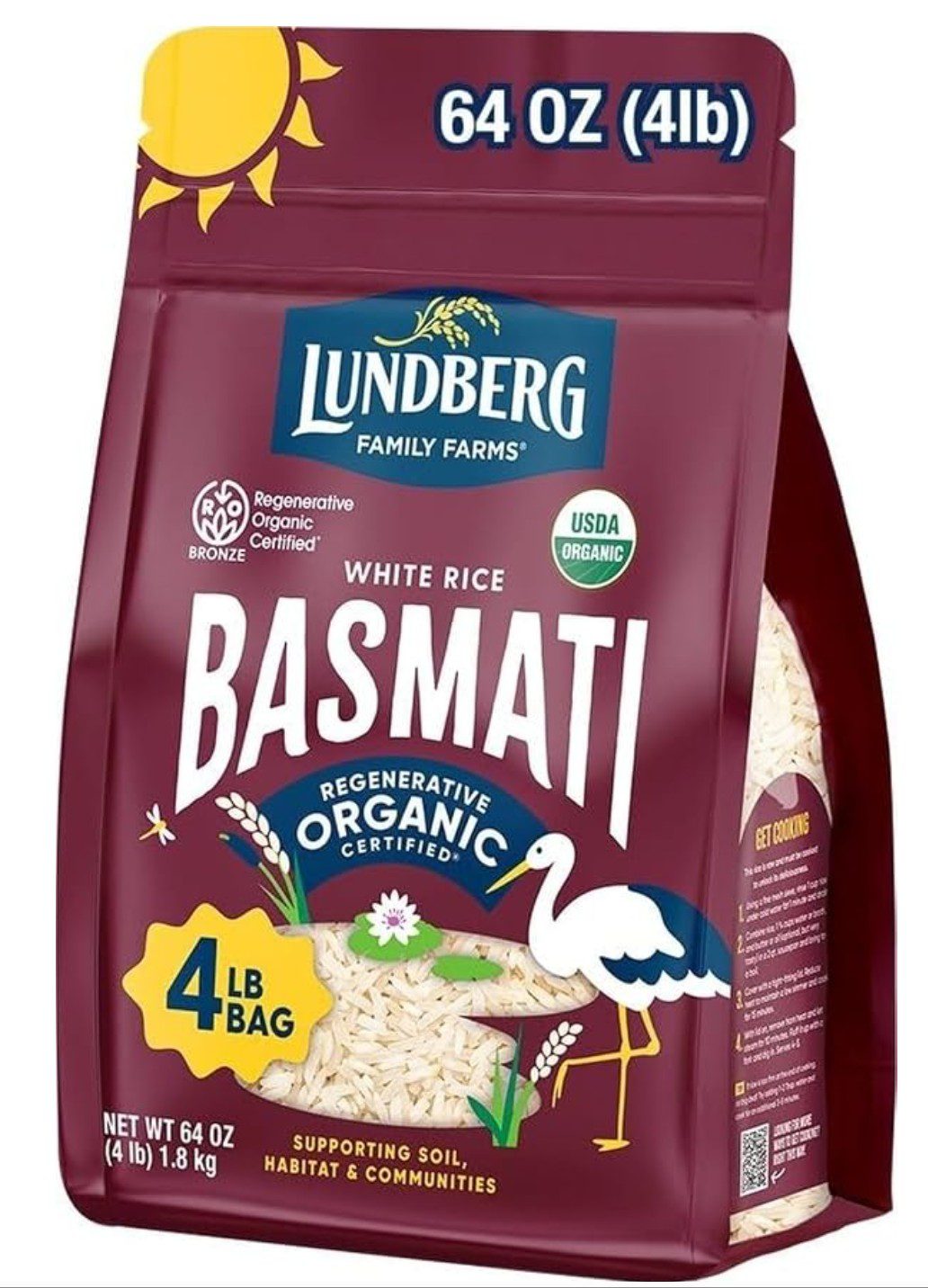
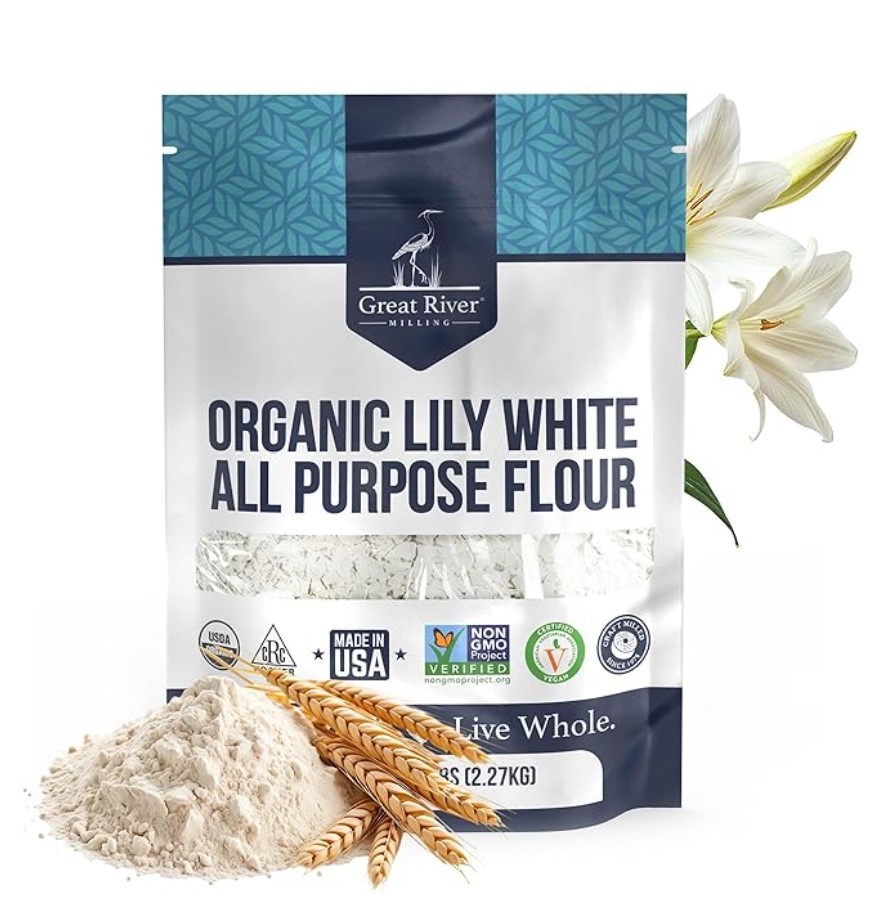
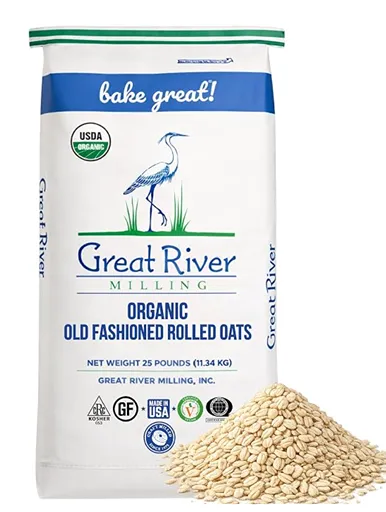
Rice, flour and oats sit at the base of almost every kosher meal, from Shabbat challah dough to a quick weekday porridge. We chose a long grain basmati for side dishes, an all purpose flour for everyday baking and organic rolled oats that work for breakfast, cookies and granola. All three keep well in airtight containers for months. Grains and flours are best inspected before use, as many families sift flour and check rice for insects. If you bake often, see our guide to the most popular kosher all purpose flour on Amazon.

🍝 Pasta, Lentils and Tomatoes
Quick, filling staples for weeknight meals.
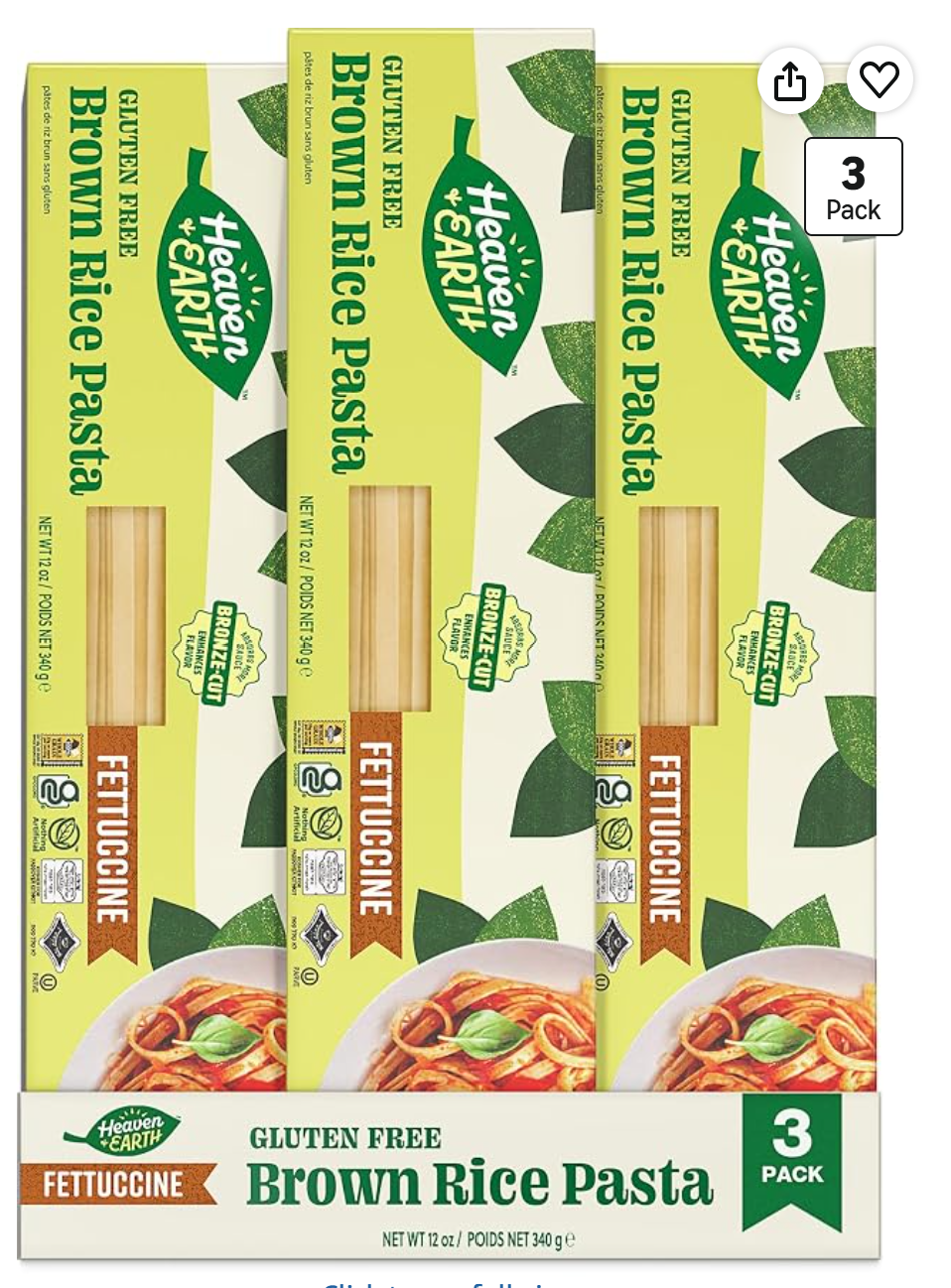
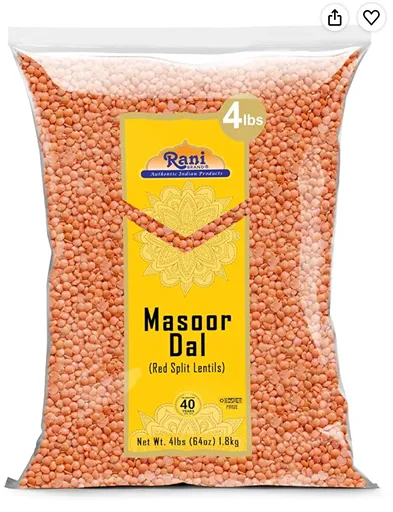
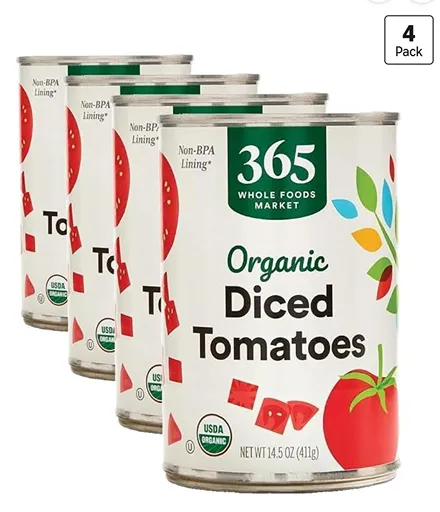
These three ingredients form the backbone of quick, naturally pareve weeknight cooking. A gluten free brown rice fettuccine suits guests with dietary needs, red lentils cook down into soups and dals in about twenty minutes, and canned diced tomatoes become sauces, shakshuka and stews with almost no effort. They are affordable, shelf stable and easy to double up on when feeding a crowd. Packaged and canned foods like these are where a reliable hechsher matters most, so read the label rather than assuming.

🫒 Oils and Vinegar
Cooking oils, olive oil and balsamic for flavour.
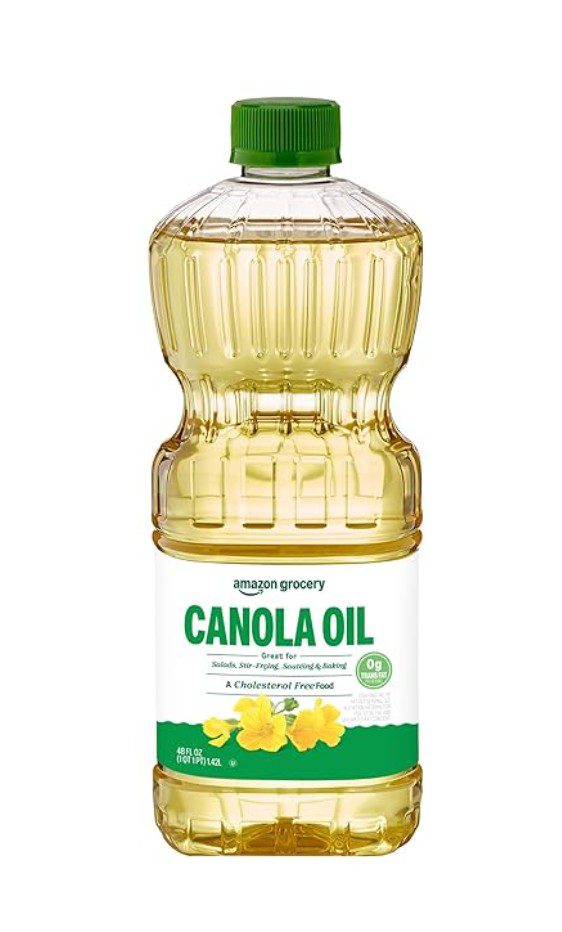
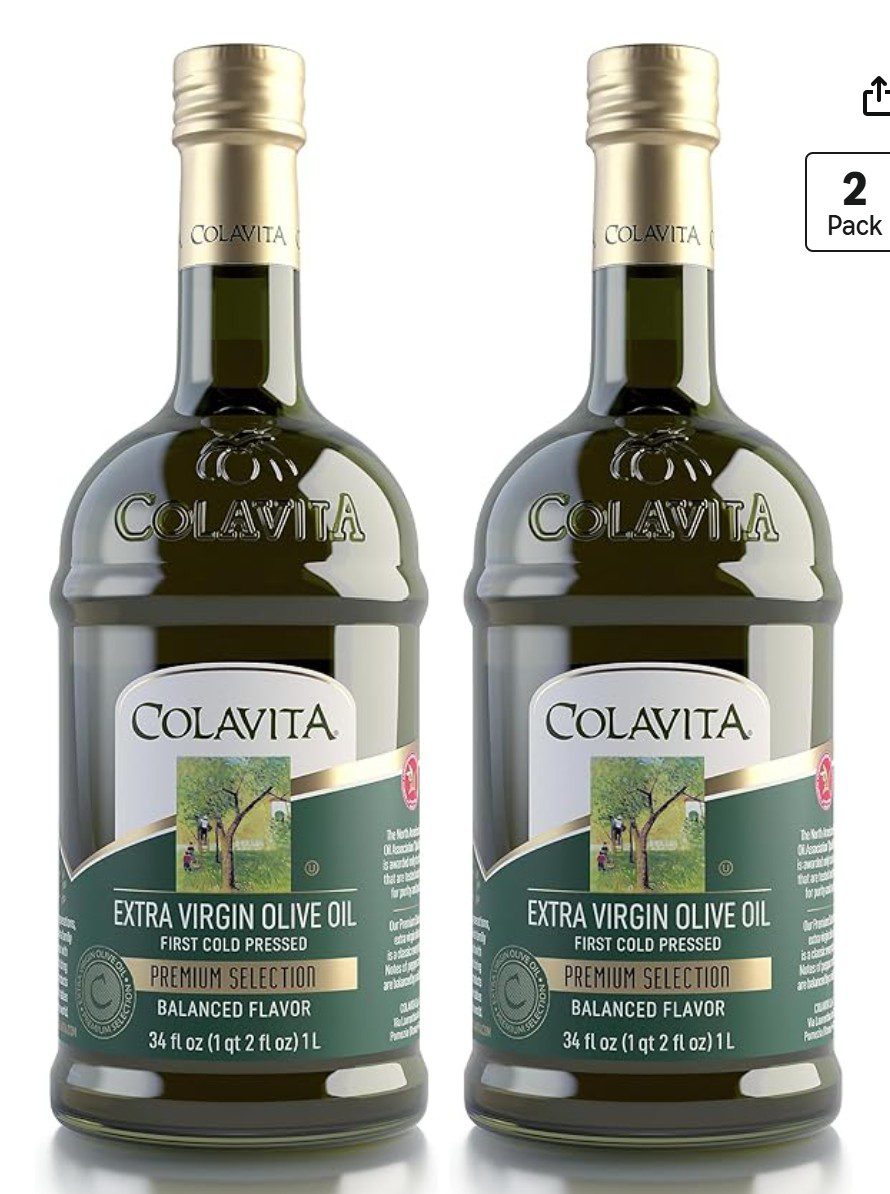
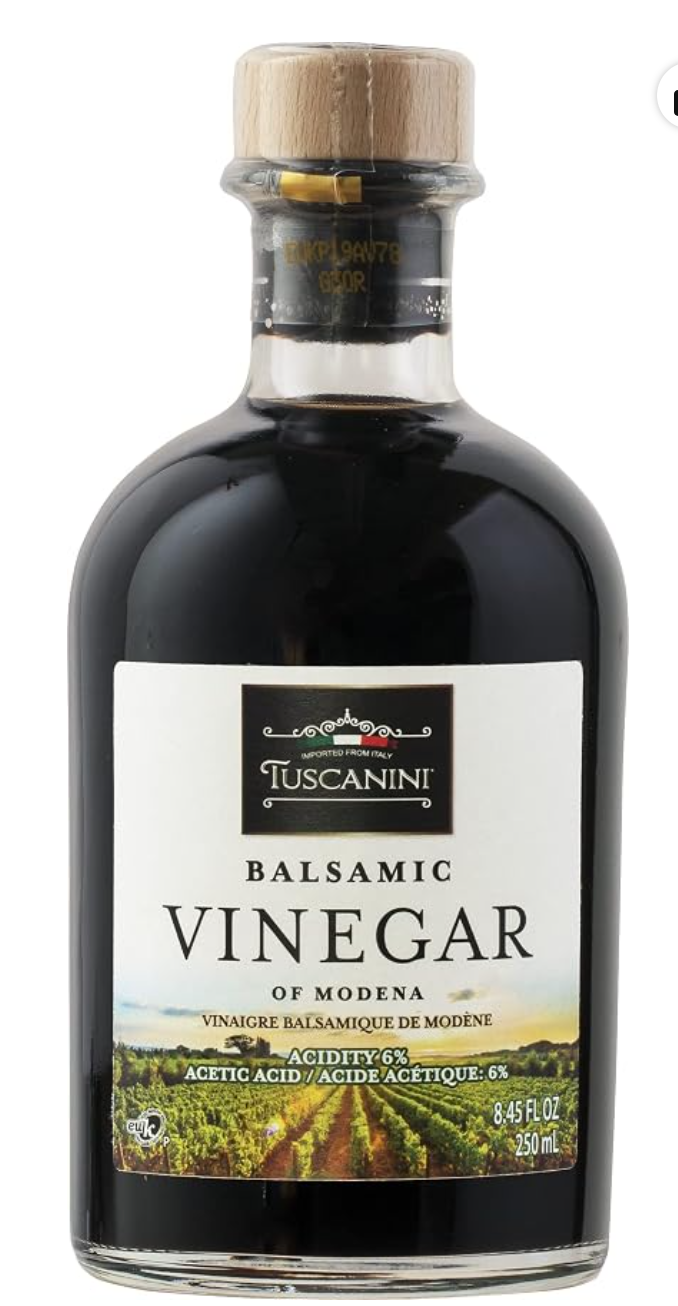
Oils and vinegar carry a surprising amount of flavour in a kosher kitchen. Canola oil is the neutral choice for baking and frying, while extra virgin olive oil suits dressings, roasting and finishing. Balsamic vinegar adds depth to salads and glazes, and because vinegar can be made from grapes, certification is especially worth checking on that bottle. For more detail, see our guides to kosher olive oil and the most popular kosher balsamic vinegar.
🍯 Sauces, Tuna and Honey
Savory sauce, easy protein and natural sweetness.
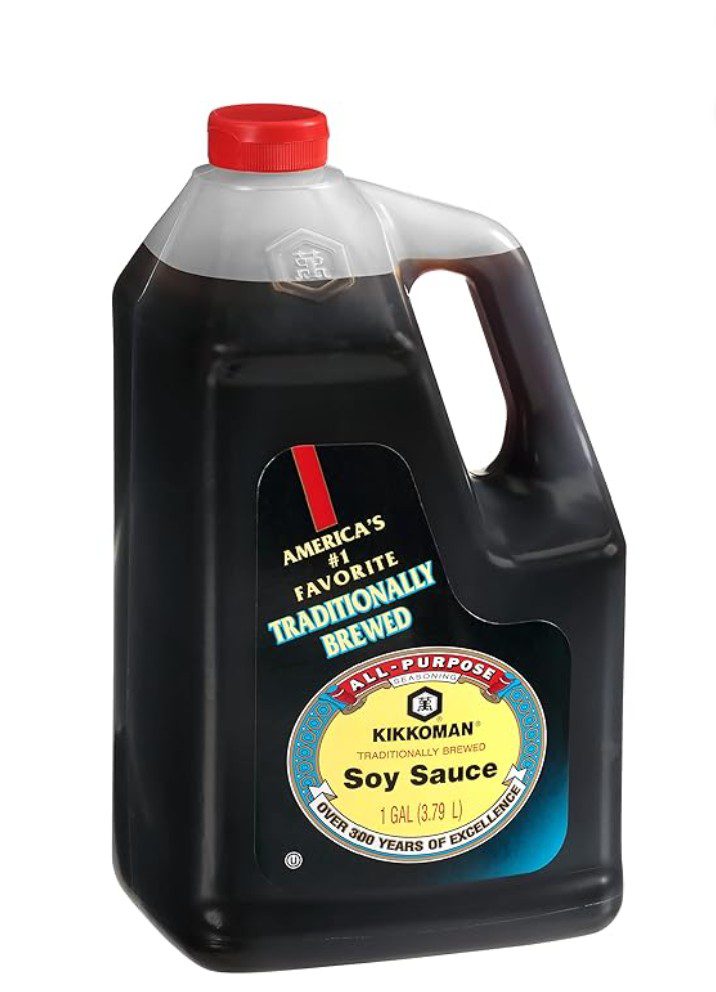
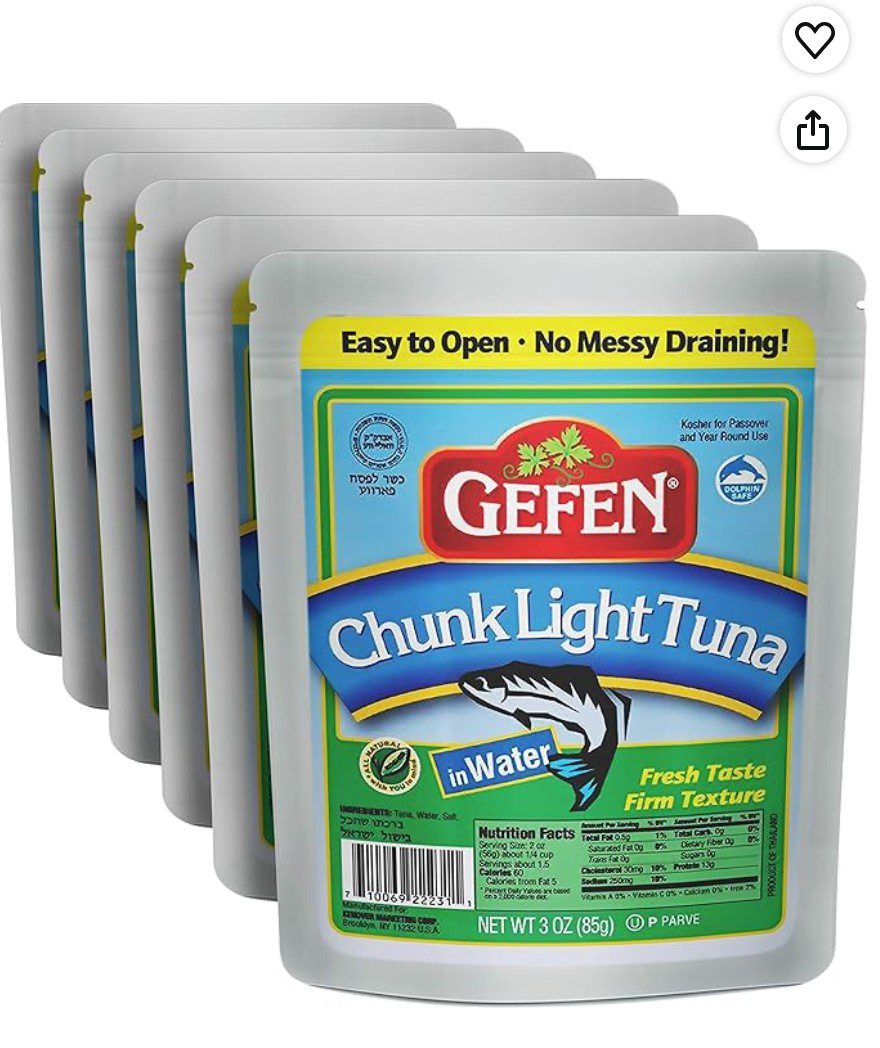
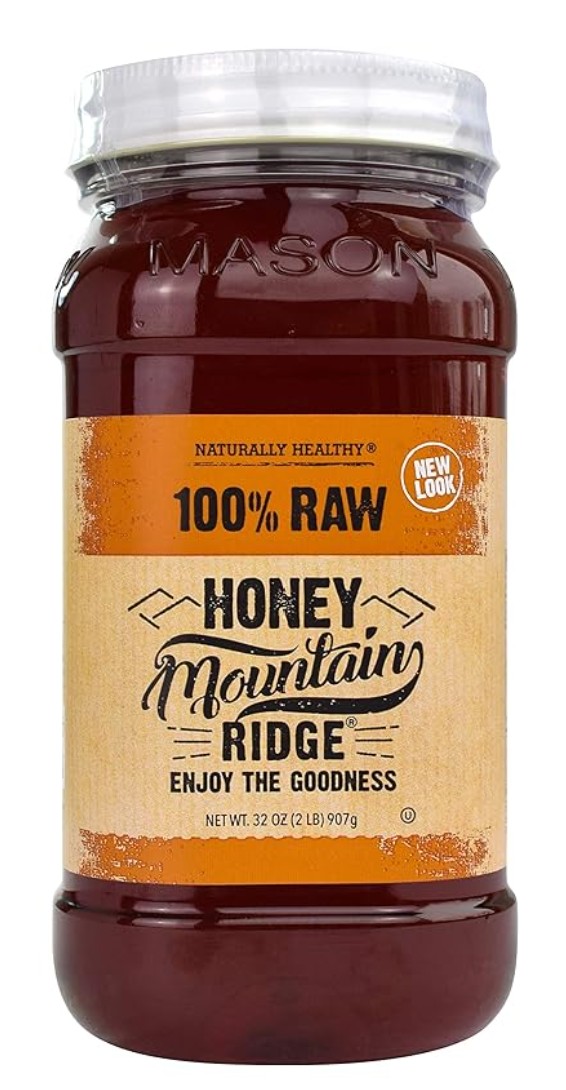
Soy sauce, canned tuna and honey earn their place for flavour, protein and natural sweetness. Soy sauce seasons everything from stir fries to marinades, a pack of tuna makes a no cook lunch, and honey sweetens tea, challah and baked goods. Honey is accepted as kosher even though bees are not a kosher species, but flavoured honeys and blends still need checking. Fish should always carry a hechsher, and our Kosher Fish guide explains what to look for. You can also read more in our kosher honey guide.
🧂 Salt and Seasonings
Kosher salt, garlic powder and dried herbs.
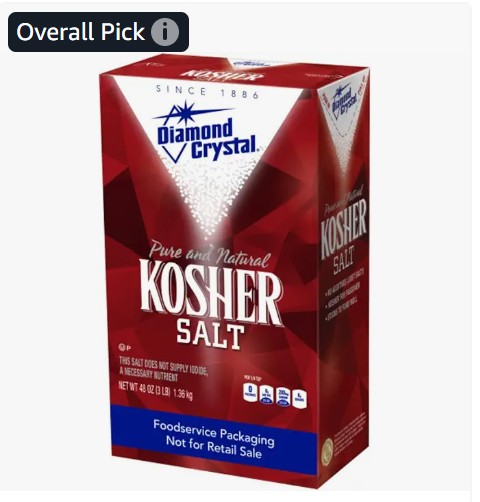
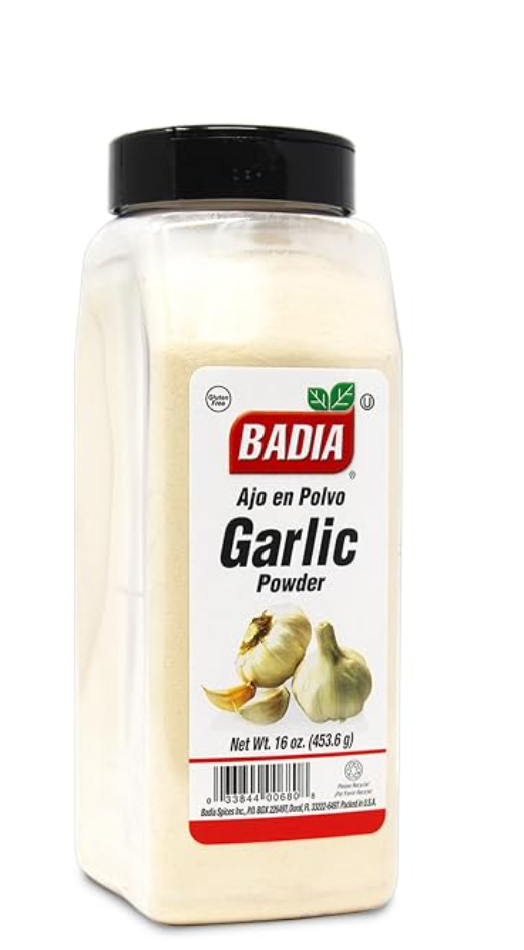
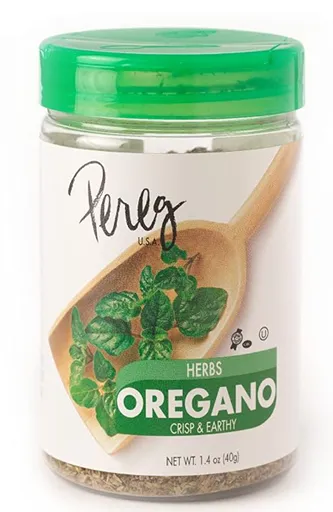
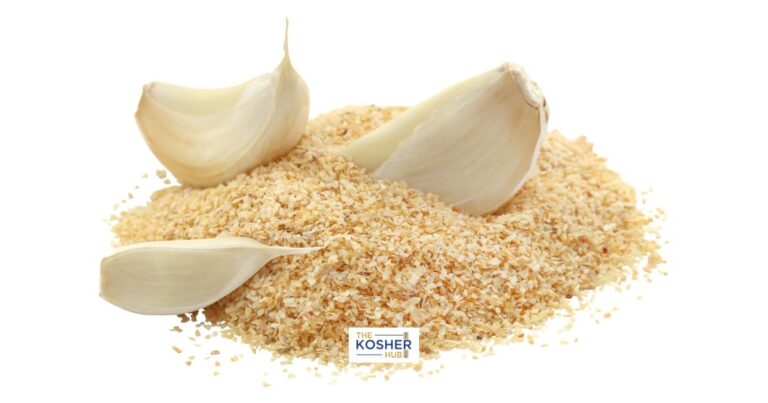
Seasoning is where a pantry pays you back every single day. Diamond Crystal is the coarse kosher salt many cooks reach for, garlic powder builds flavour in rubs, sauces and soups without any peeling, and dried oregano covers Italian and Mediterranean dishes. Dried herbs and spices are worth checking for insects, which is why many families stick to brands with reliable supervision. Our guide to the best kosher salt on Amazon compares more options.
🧁 Baking Basics
Sugar, baking powder and chocolate chips.
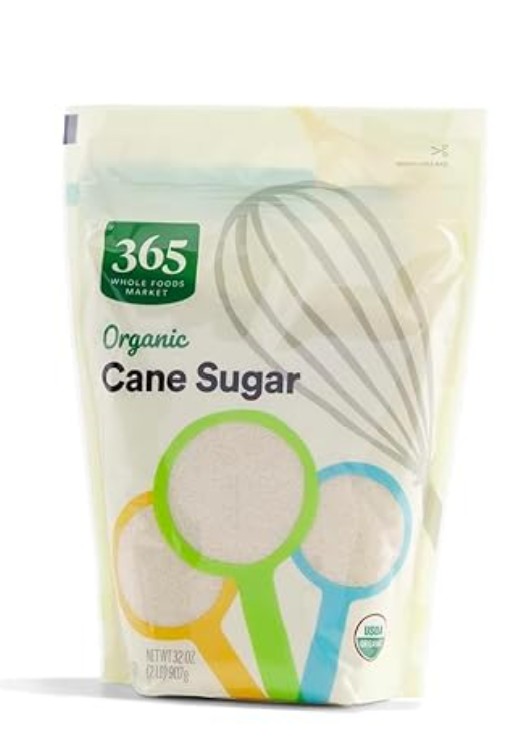
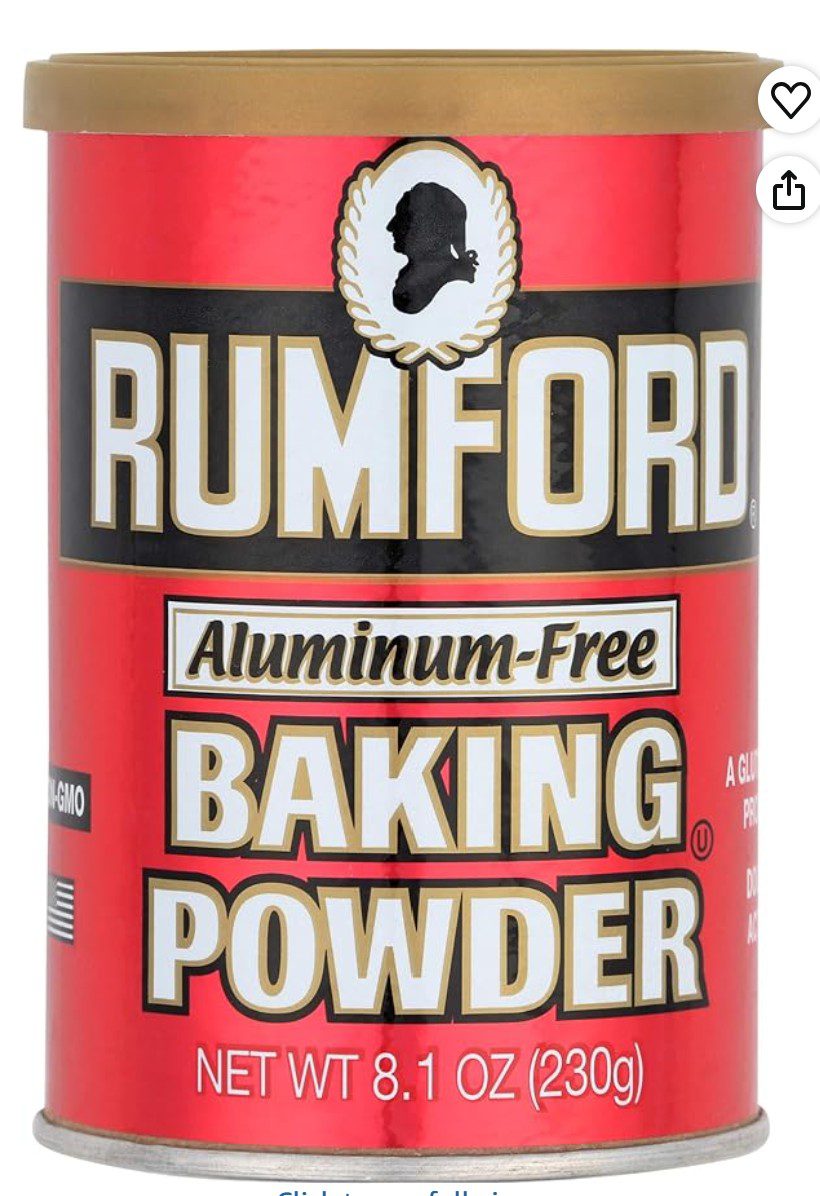

Sugar, baking powder and chocolate chips are the trio behind most cookies, cakes and muffins. We picked an organic sugar, an aluminium free baking powder and dairy free chips that keep your baking pareve, so the results suit any kind of meal. Stock these three and you can bake at short notice for guests or Shabbat. For gluten free or grain free baking, see our guide to kosher almond flour.
🌰 Nuts and Dried Fruit
Almonds and dates for snacking and baking.
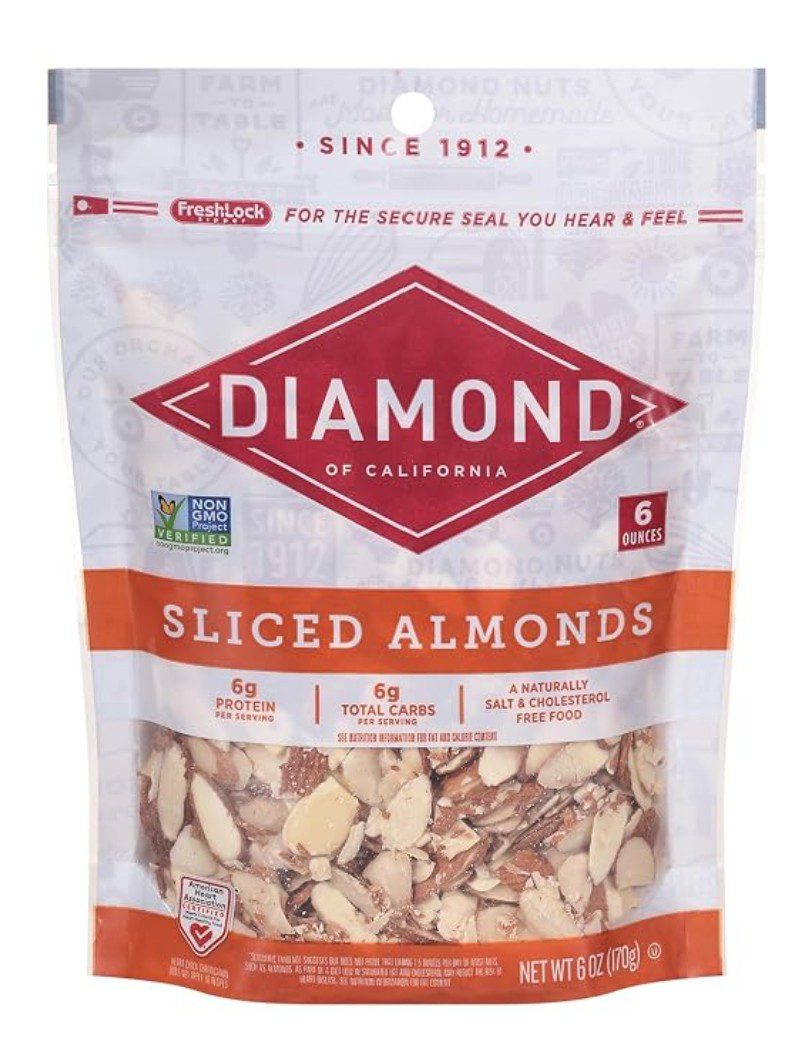
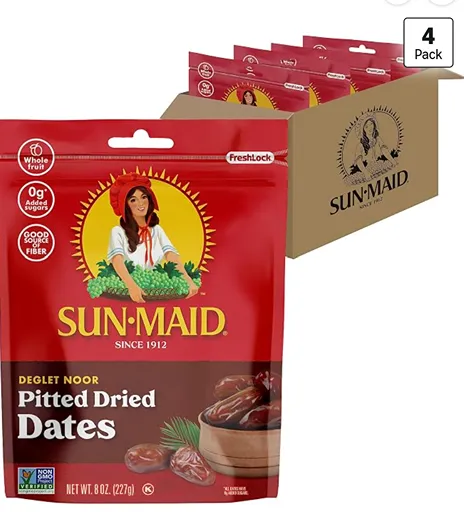
Almonds and dates round out the list with naturally sweet, energy dense staples. Chopped almonds go into cakes, granola and salads, while pitted dates make a quick snack or a natural sweetener for baking. Both keep well in sealed containers. As with all nuts and dried fruit, check the label for certification, since processing and added ingredients can vary.

✅ What to Look For
Kosher certification tips for stocking your pantry.
Stocking a kosher pantry is simple once you know what to check. These are the points we use when choosing products for this list, and they apply to almost every shelf-stable food you buy.
- Look for a reliable hechsher. Well known symbols include OU, OK, Star-K, KOF-K and CRC. A plain letter K is not an agency symbol, so check who stands behind the certification.
- Check for pareve or dairy markings. A D or the word Dairy means milk ingredients or dairy equipment are involved. Pareve items are neutral, but always confirm on the label, especially for chocolate and baked goods.
- Do not skip packaged and canned foods. Canned fish, vinegar, sauces and anything processed should carry certification. Single ingredient items such as plain salt or dried legumes are treated differently by different authorities, so ask your local Kashrut Authority.
- Inspect grains, flour and herbs. Flour is commonly sifted, and rice, lentils and dried herbs are checked for insects. Store dry goods in sealed containers to keep infestation away.
- Know that Passover is separate. Year round kosher certification does not make a product Kosher for Passover. Look for an explicit Passover symbol and use your local Kashrut Authority’s current Passover guide.
- Recheck when you reorder. Brands change suppliers and packaging, so glance at the label each time you restock.

❓ Frequently Asked Questions
Quick answers about stocking a kosher pantry.
What are the essential kosher pantry items?
The essentials are rice, flour, oats, pasta, lentils, canned tomatoes, cooking oil, olive oil, vinegar, soy sauce, canned fish, honey, salt, spices, sugar, baking powder, chocolate chips, nuts and dried fruit. Together they cover breakfast, weeknight dinners, Shabbat and baking. Our top 20 list includes an Amazon option for each one.
Does every pantry item need a kosher symbol?
Processed and packaged foods such as canned fish, vinegar, sauces, baked goods and chocolate chips should carry a reliable hechsher. Some single ingredient items, like plain salt or dried legumes, are accepted without a symbol by some authorities but not by all. It is best to ask your local Kashrut Authority and choose certified products when in doubt.
What is kosher salt and is it different from regular salt?
Kosher salt gets its name from its traditional use in koshering meat, where its coarse flakes draw out blood. The name describes the texture and use, so it is not automatically certified. Check the box for a hechsher if certification matters to you. Read more: What is Kosher Salt?.
Is honey kosher?
Honey is accepted as kosher even though bees are not a kosher species, because it is treated as an exception. Pure honey is generally accepted, while flavoured honeys and blends with added ingredients should be checked for certification. Read more: Kosher Honey.
Is canned tuna kosher?
Tuna, salmon, sardines and herring come from fish with fins and scales, which are kosher species. Canned fish is processed, so look for a hechsher on the can or pack before buying. Read more: Kosher Fish.
Are all these pantry items pareve?
Many are naturally pareve, such as rice, flour, sugar, oils and dried herbs. Always check the label for dairy markings, particularly on chocolate, baked goods and processed foods. Our chocolate chips pick is listed as dairy free and pareve.
Are pantry staples kosher for Passover?
Not automatically. Year round kosher certification and Kosher for Passover certification are separate. Items such as flour, oats and pasta are generally not suitable for Passover unless specifically labelled, so look for a Passover symbol and check your local Kashrut Authority’s current Passover guide. Read more: Passover.
Do I need to check flour, rice and lentils for insects?
Many authorities recommend it. Flour is commonly sifted, and rice, lentils and dried herbs are inspected before use. Storing dry goods in sealed containers helps prevent infestation.
The Kosher Hub is not a Kosher Authority. For any advice please refer to your local Kashrut Authority.
As an Amazon Affiliate we earn from qualifying purchases.
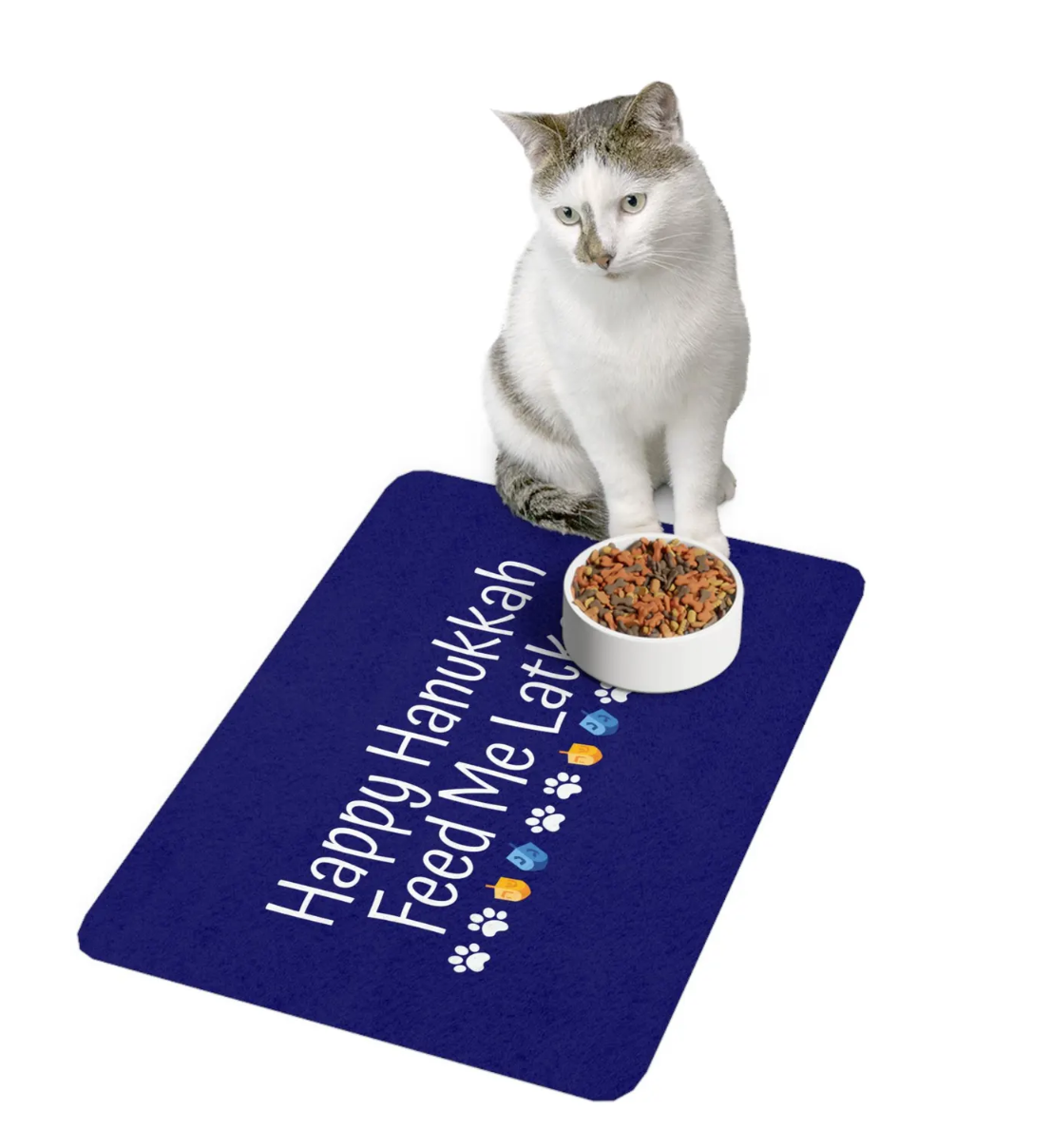
🕎 Our Own Hanukkah Designs
Designed by us and available on Etsy.







Understanding Our Kosher Certifications
The Kosher Hub references products certified by recognized kosher authorities, including OU, OK, Star-K, Kof-K, and CRC. Certification symbols and status can change, so always confirm the current kosher status directly on the product packaging or via the certifying agency's own listings before purchasing.