

Yom Kippur — the Day of Atonement — is the holiest day of the Jewish year, the culmination of the Ten Days of Repentance that begin with Rosh Hashanah. For roughly 25 hours, from sunset to nightfall the following evening, Jewish tradition sets aside food, drink, comfort and ordinary life to focus entirely on prayer, reflection and forgiveness. Five prayer services carry the day from Kol Nidre on the eve of the fast through Ne'ilah as the gates of the day are said to close at dusk.
This guide covers everything you need to understand and observe Yom Kippur with intention: its meaning and history, the 2026 dates and fast times, the laws that shape the day, the prayers recited at each service, and the machzorim, prayer shawls, memorial candles and break-fast foods that families rely on year after year. Whether you're preparing for your first Yom Kippur or restocking familiar essentials, every product below is sourced from verified kosher and Judaica listings on Amazon.
📜 What Is Yom Kippur?
The meaning, history and significance of the Day of Atonement.
Yom Kippur (יוֹם כִּפּוּר), meaning "Day of Atonement," falls on the 10th day of the Hebrew month of Tishrei — ten days after Rosh Hashanah, at the close of the "Days of Awe." Jewish tradition teaches that on Rosh Hashanah the Book of Life is opened, and on Yom Kippur it is sealed, making this the most solemn and consequential day of the entire year.
Unlike Tisha B'Av, which mourns historical catastrophe, Yom Kippur looks forward — it is a day of repentance (teshuvah), forgiveness and renewal. The Torah commands that on this day "you shall afflict your souls" (Leviticus 16:29), which the Oral Law interprets as five specific prohibitions observed for roughly 25 hours: no eating or drinking, no bathing or washing for pleasure, no anointing with oils or lotions, no wearing of leather shoes, and no marital relations. Despite the physical austerity, Yom Kippur is considered a joyous day at its core — the day forgiveness becomes possible.
The day's liturgy centers on the Avodah service, which recounts the ancient Temple ritual performed by the High Priest, including the sending of the scapegoat and the one moment each year the High Priest entered the Holy of Holies to speak G-d's name. Though the Temple no longer stands, this service remains a spiritual centerpiece of the Musaf prayers.
📅 Yom Kippur Dates — Next 10 Years
When does Yom Kippur begin and end each year?
Yom Kippur begins at sunset and ends at nightfall the following evening — a full 25-hour fast, one of only two full-day fasts on the Jewish calendar (the other is Tisha B'Av).
| Year | Hebrew Year | Fast Begins | Fast Ends | Days |
|---|---|---|---|---|
| 2025 | 5786 | Sunset, Oct 1 | Nightfall, Oct 2 | Wed–Thu |
| 2026 ★ | 5787 | Sunset, Sep 20 | Nightfall, Sep 21 | Sun–Mon |
| 2027 | 5788 | Sunset, Oct 10 | Nightfall, Oct 11 | Sun–Mon |
| 2028 | 5789 | Sunset, Sep 29 | Nightfall, Sep 30 | Fri–Sat * |
| 2029 | 5790 | Sunset, Sep 18 | Nightfall, Sep 19 | Tue–Wed |
| 2030 | 5791 | Sunset, Oct 6 | Nightfall, Oct 7 | Sun–Mon |
| 2031 | 5792 | Sunset, Sep 26 | Nightfall, Sep 27 | Fri–Sat * |
| 2032 | 5793 | Sunset, Sep 14 | Nightfall, Sep 15 | Tue–Wed |
| 2033 | 5794 | Sunset, Oct 2 | Nightfall, Oct 3 | Sun–Mon |
| 2034 | 5795 | Sunset, Sep 22 | Nightfall, Sep 23 | Fri–Sat * |
* When Yom Kippur falls on Shabbat, the observance combines with Shabbat restrictions — consult your rabbi regarding local practice. Always verify times at chabad.org or hebcal.com for your city. ★ = Current year.
🕯️ Yom Kippur 2026 — Fast Times by City
When does the fast start and end near you?
The fast of Yom Kippur 2026 begins at sunset on Sunday, September 20 and ends at nightfall on Monday, September 21. Candles are typically lit around 18 minutes before sunset. Times below are approximate — always verify with a halachic calendar for your precise location.
Begins: ~6:58 PM Sun Sep 20
Ends: ~7:52 PM Mon Sep 21
Begins: ~6:57 PM Sun Sep 20
Ends: ~7:50 PM Mon Sep 21
Begins: ~7:02 PM Sun Sep 20
Ends: ~8:00 PM Mon Sep 21
Begins: ~6:03 PM Sun Sep 20
Ends: ~6:56 PM Mon Sep 21
Begins: ~6:41 PM Sun Sep 20
Ends: ~7:34 PM Mon Sep 21
Times are approximate. For exact zmanim visit chabad.org or hebcal.com.
⚖️ Laws & Prohibitions of Yom Kippur
What is permitted and forbidden on the Day of Atonement?
Yom Kippur is a Yom Tov (festival day) observed like Shabbat, with five additional prohibitions layered on top — traditionally understood as ways to "afflict the soul" so the focus shifts entirely from body to spirit. These apply for the full ~25-hour fast.
No food or drink for the full 25 hours, including water. Those who are ill, pregnant, nursing or elderly should consult their rabbi.
Bathing for pleasure is forbidden. Minimal washing for hygiene is permitted.
Wearing leather shoes is prohibited. Canvas, rubber or fabric shoes are worn instead — the same footwear used on Tisha B'Av.
Applying creams, lotions or perfumes for pleasure is not permitted. Necessary medical applications are allowed.
Marital intimacy is forbidden, consistent with the day's ascetic, angel-like character.
Unlike Tisha B'Av, all forms of work are fully forbidden on Yom Kippur, as on Shabbat.
Many also refrain from wearing gold jewelry, as a reminder of the Golden Calf, and from wearing leather bags or belts alongside leather shoes. It is customary to wear white clothing, symbolizing purity and the angelic state many strive to embody on this day.
🕍 What to Do on Yom Kippur
The five prayer services and key moments of the day.
Yom Kippur is structured around five consecutive prayer services — more than any other day in the Jewish calendar.
🕯️ Kol Nidre
The evening service opens with Kol Nidre ("All Vows"), a legal declaration annulling personal vows made to G-d in the coming year. It is one of the only times all year a tallit is worn at night, and its haunting melody sets the tone for the entire fast.
🙏 Vidui — The Confession
Recited at every one of the five services, Vidui is a communal confession of sins recited alphabetically, said aloud while gently striking the chest. Because it is communal, everyone recites the full list together regardless of which sins apply personally.
📖 The Avodah Service
During Musaf, the Avodah service re-enacts the Temple-era ritual of the High Priest, including the moment he entered the Holy of Holies — the spiritual high point of the ancient Yom Kippur service, still recited today even without a Temple standing.
🕯️ Yizkor — Remembering the Departed
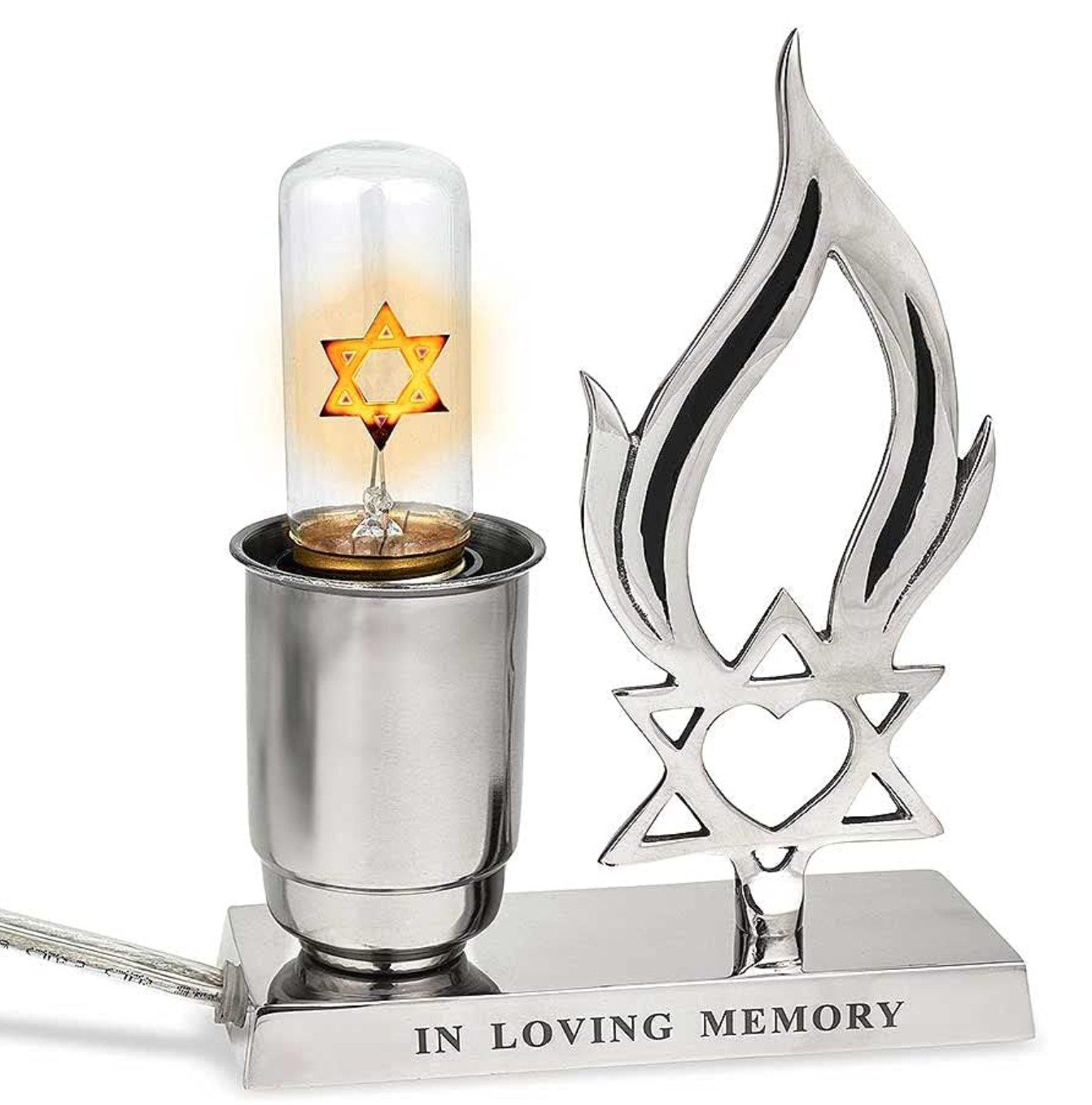
The Yizkor memorial service is recited on Yom Kippur morning for those who have lost a parent or close relative. It is customary to light a 24-hour memorial (Yizkor) candle before the holiday begins, and to pledge charity in memory of loved ones during the service.
🎺 Ne'ilah & the Final Shofar
As the sun sets, the closing Ne'ilah service asks that the gates of prayer remain open just a little longer before they close for the year. The day ends with a single long shofar blast, followed by Havdalah and the joyous break-fast meal.
🙏 Prayers & Blessings of Yom Kippur
Key prayers recited on the Day of Atonement.
🕯️ Kol Nidre — Opening Declaration
כָּל נִדְרֵי וֶאֱסָרֵי וּשְׁבוּעֵי
Kol nidrei ve'esarei ushevu'ei
"All vows, prohibitions and oaths..." — the opening words of the declaration recited three times as the sun sets on Yom Kippur eve, annulling personal vows made unknowingly in the year ahead.
🤲 Avinu Malkeinu — Our Father, Our King
אָבִינוּ מַלְכֵּנוּ חָנֵּנוּ וַעֲנֵנוּ
Avinu Malkeinu chaneinu va'aneinu
"Our Father, our King, be gracious to us and answer us" — a call-and-response prayer recited throughout the Ten Days of Repentance and especially on Yom Kippur, asking for mercy directly from G-d as King and Father.
📖 U'Netaneh Tokef — On This Day It Is Written
וּנְתַנֶּה תֹּקֶף קְדֻשַּׁת הַיּוֹם
U'netaneh tokef kedushat hayom
"Let us proclaim the sacred power of this day" — one of the most stirring prayers of the High Holidays, reflecting on the fragility of life and the power of repentance, prayer and charity to change our fate.
📖 Yom Kippur Machzorim
The complete prayer book for the Day of Atonement, available on Amazon.
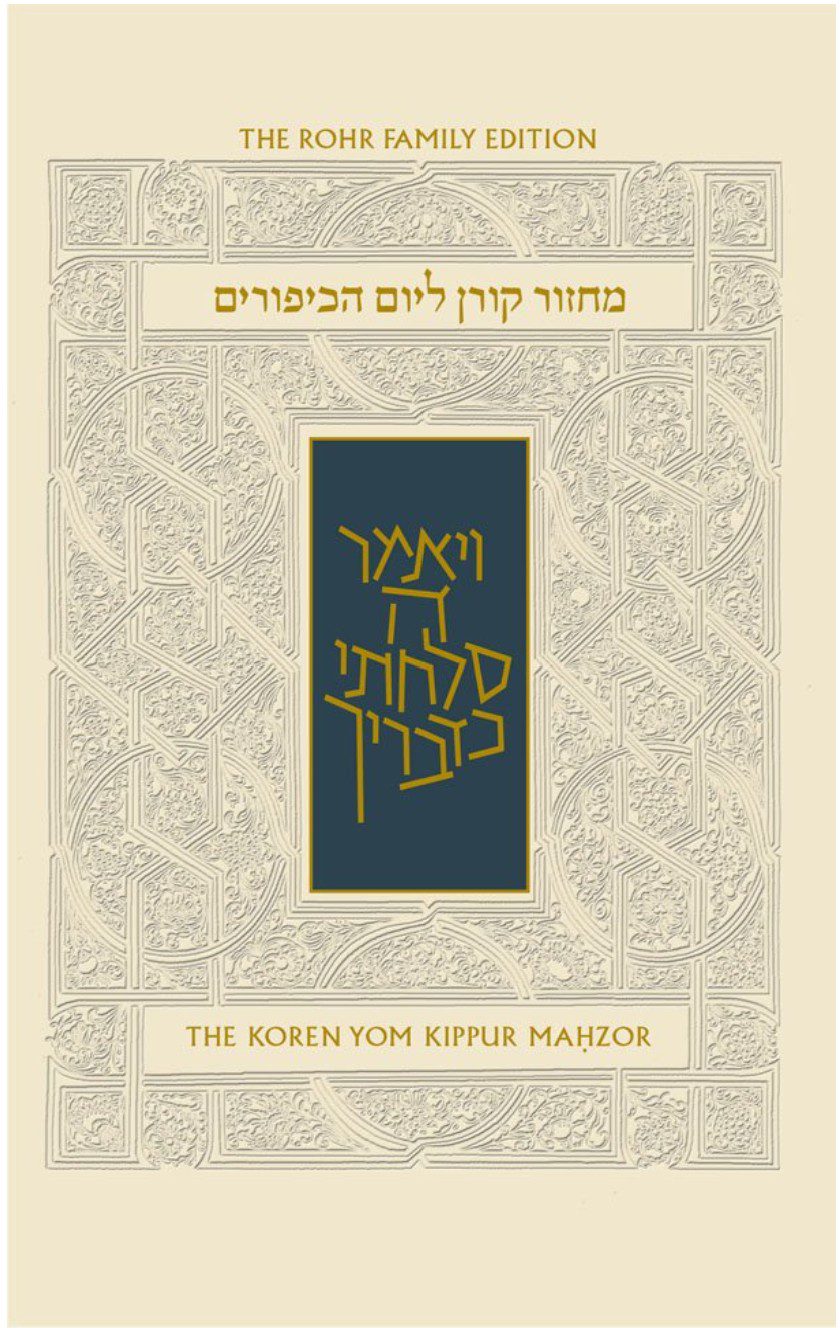
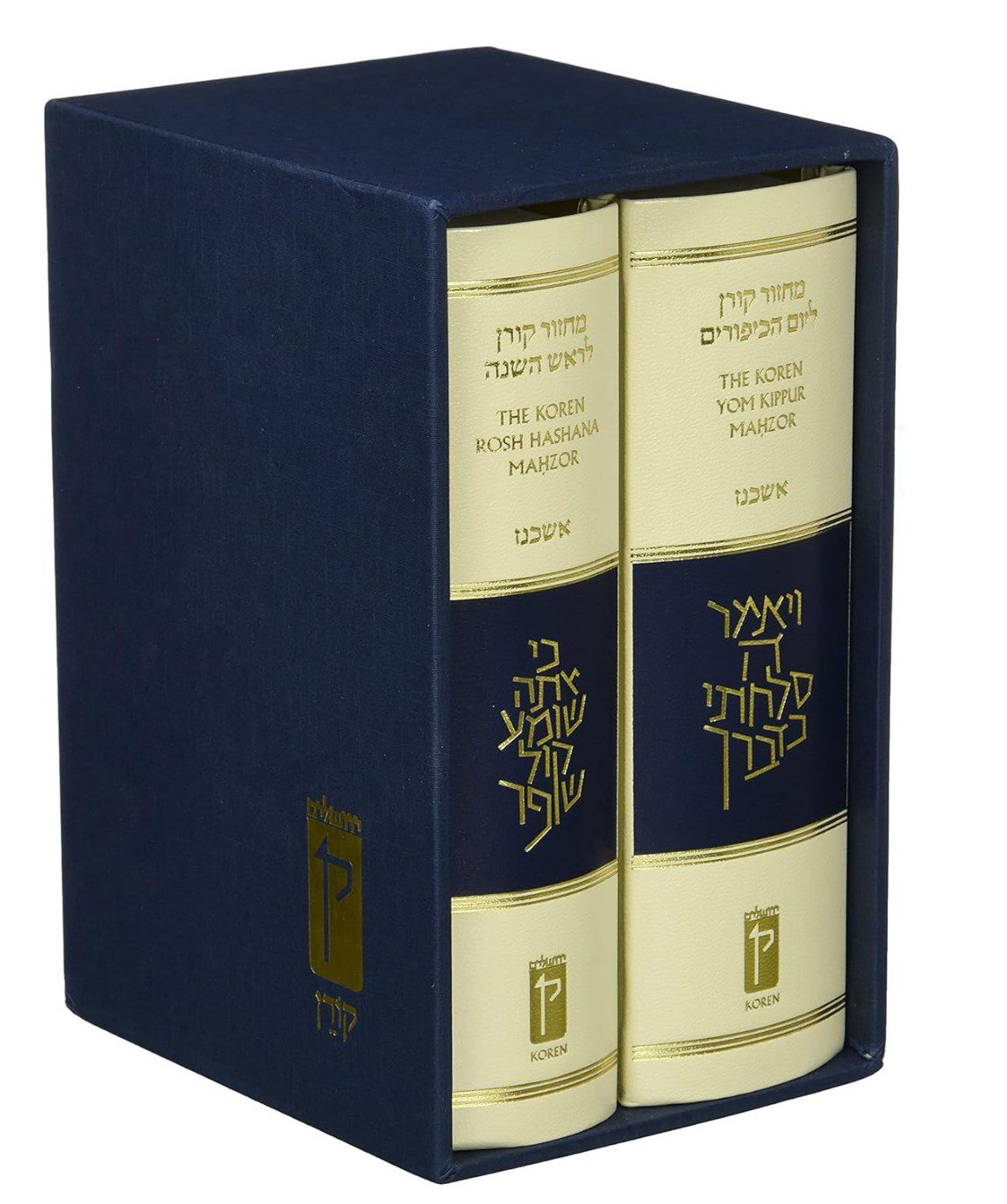
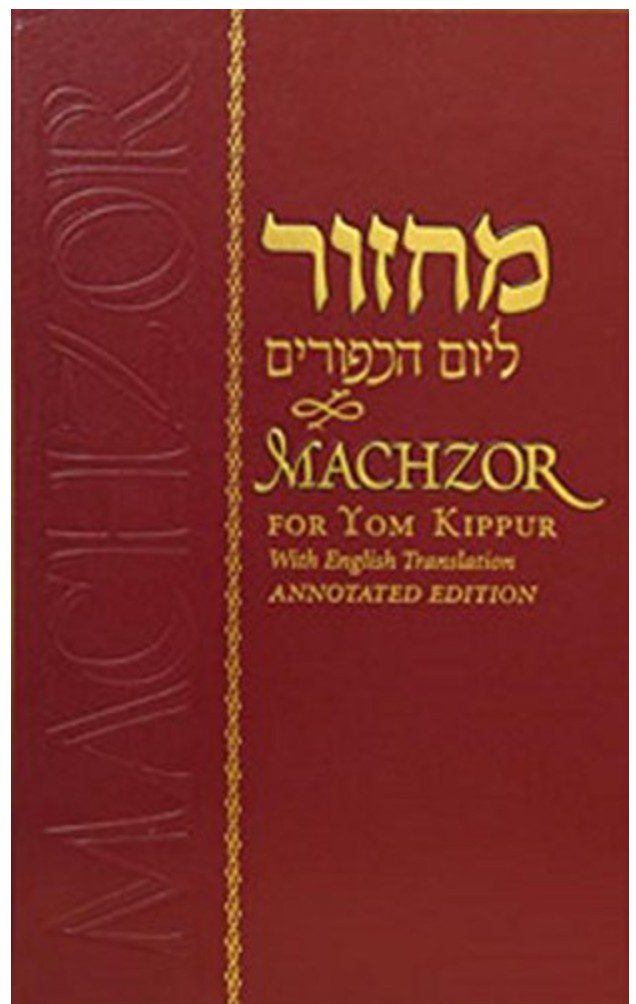
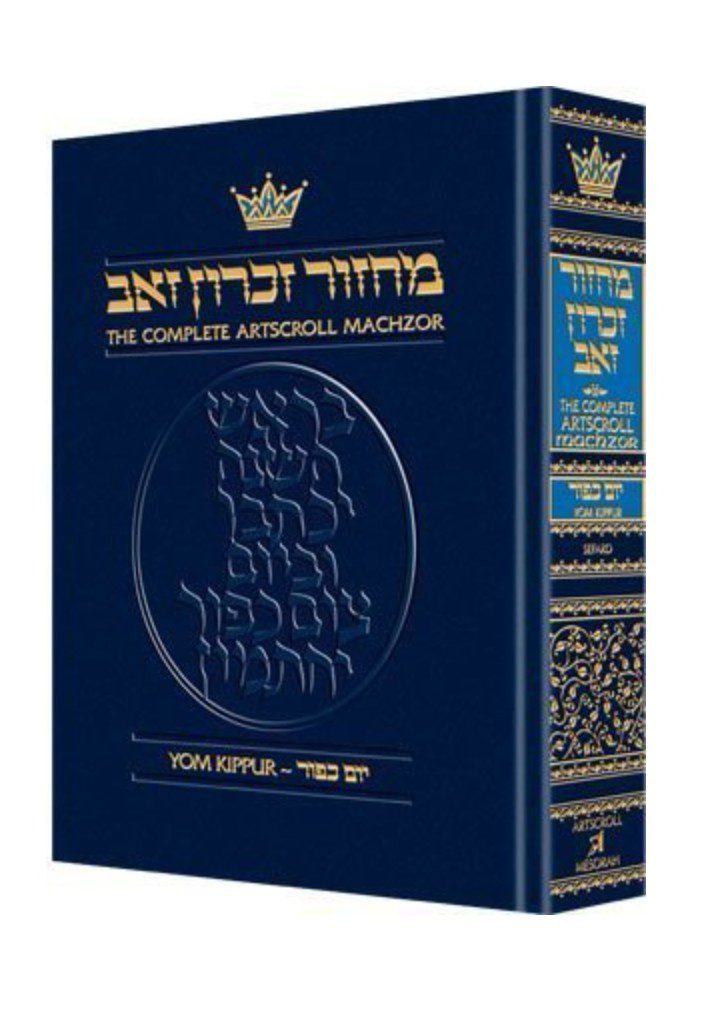
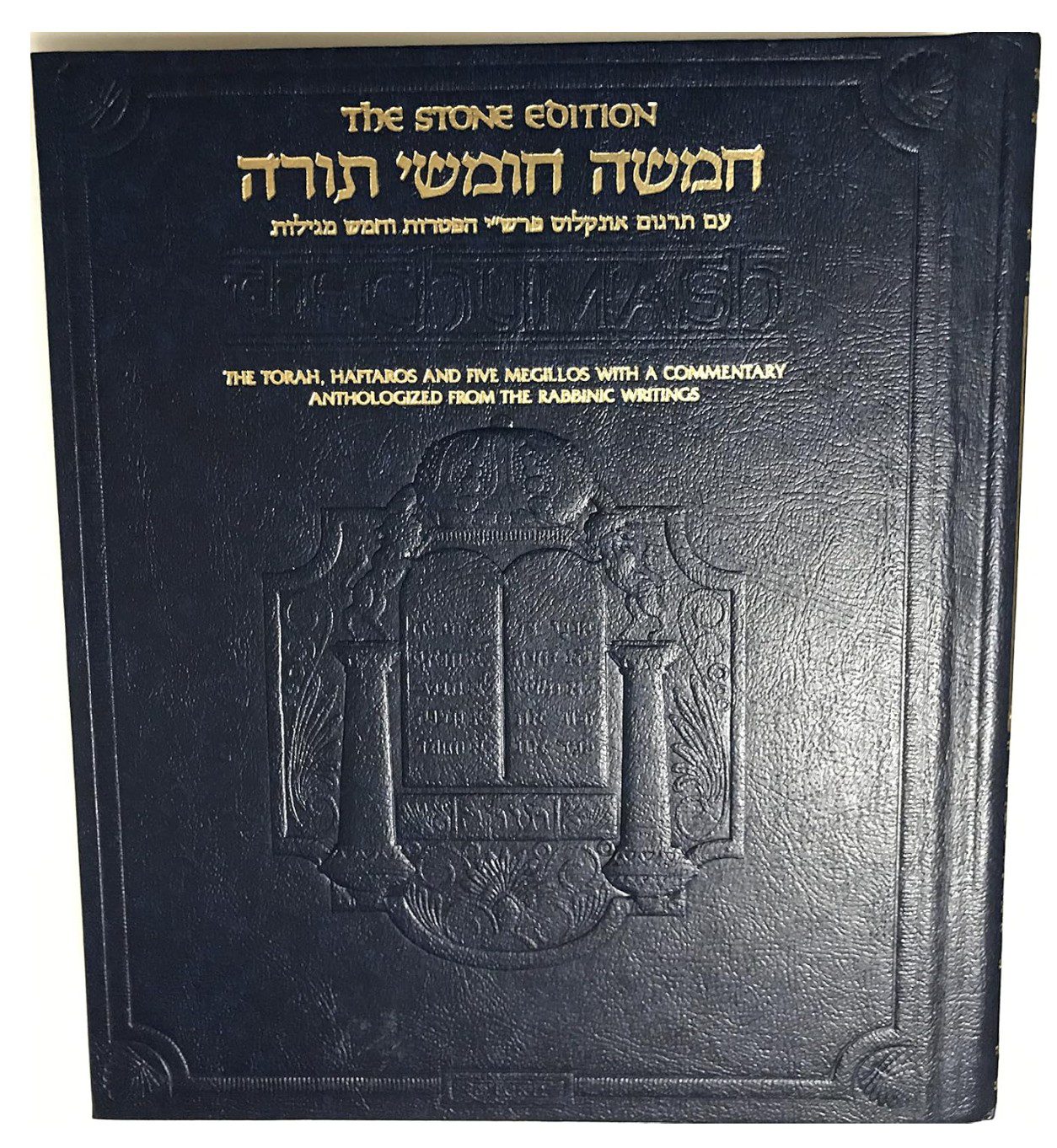
These four machzorim cover the full range of how families observe Yom Kippur — a standalone Hebrew/English edition for home or synagogue use, a boxed set pairing Rosh Hashanah and Yom Kippur for the full High Holiday season, a Red Book edition favored for its clear commentary, and a dedicated Sephardic-nusach edition. Look for an edition with facing-page English translation if you or your family are less comfortable reading Hebrew fluently, and confirm the nusach (Ashkenazi or Sephardic) matches your community's custom before ordering.

🕊️ Prayer Shawls & Holiday Clothing
Traditional white for the Day of Atonement.

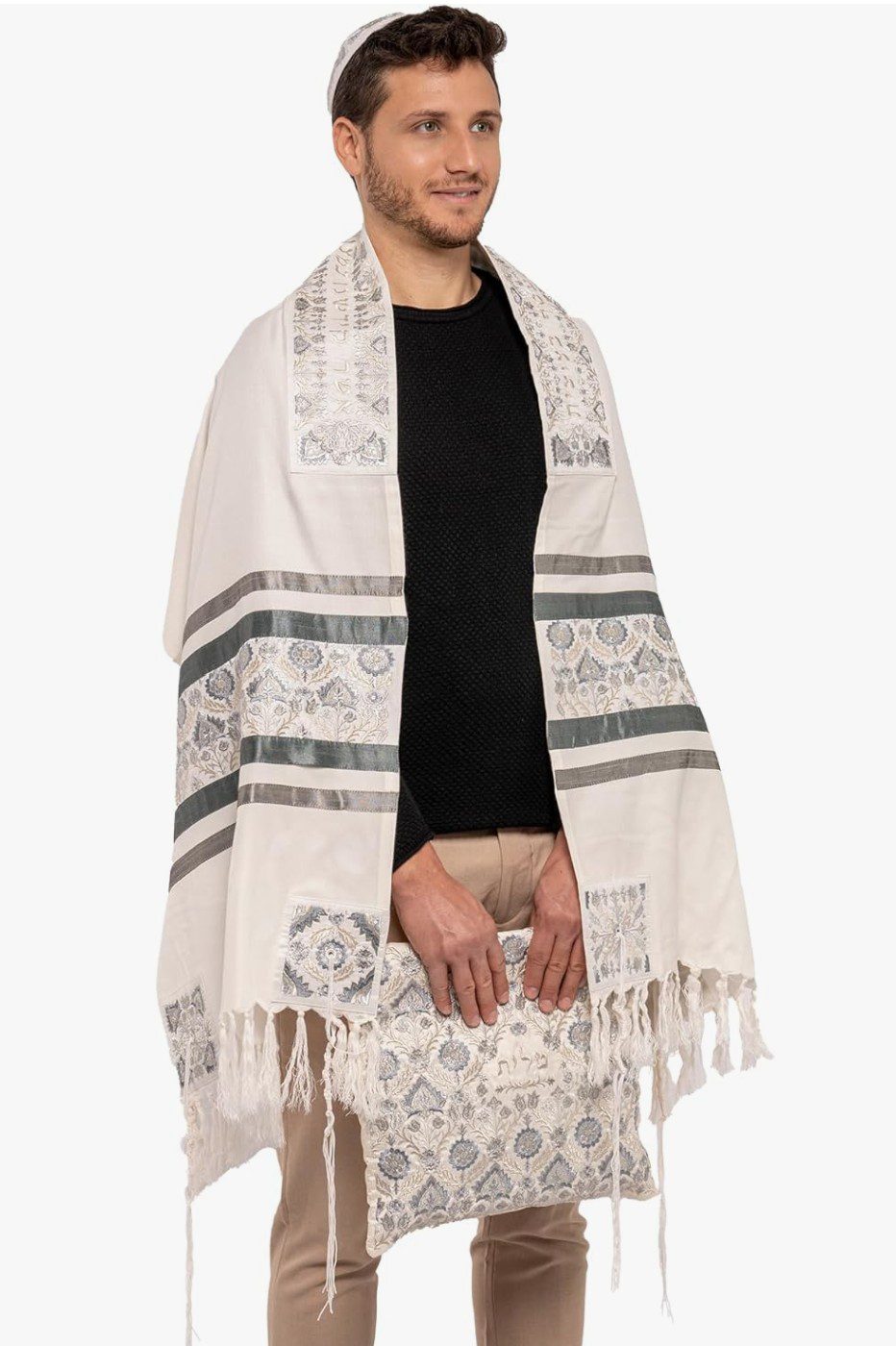
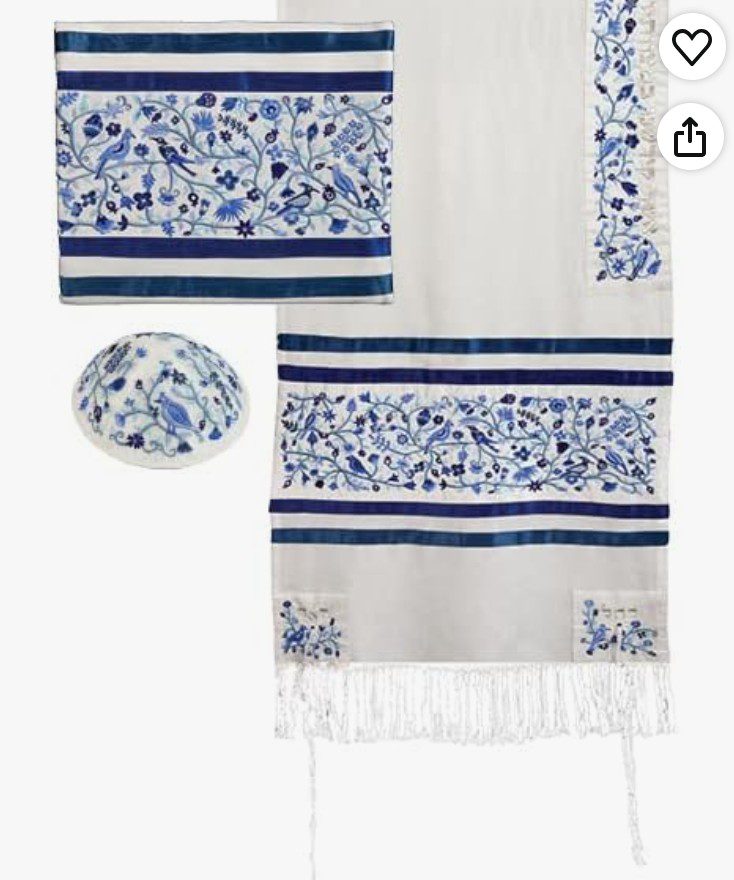
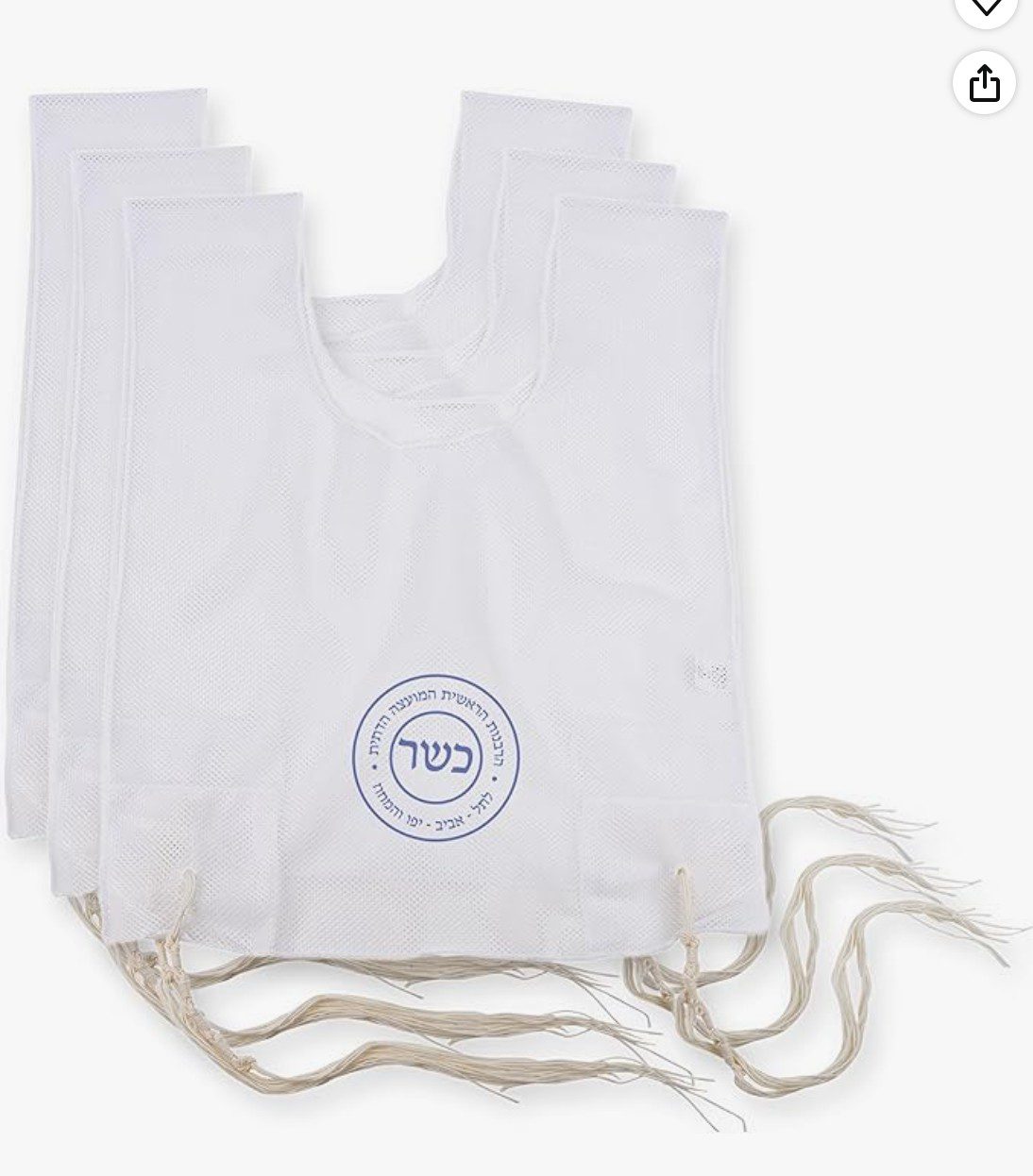
While any kosher tallit is technically valid for Yom Kippur, there is a widespread custom of wearing all-white on this day — a symbol of purity that also evokes the plain white burial shroud, reminding worshippers of their mortality and the seriousness of repentance. Married Ashkenazi men in particular wear their tallit for all five services, including the Kol Nidre evening service, one of the only times of year the tallit is worn after dark. These items are Judaica textiles rather than certified food products, so no kosher certification applies — accuracy that matters for genuine expertise.
🕯️ Ritual & Home Essentials
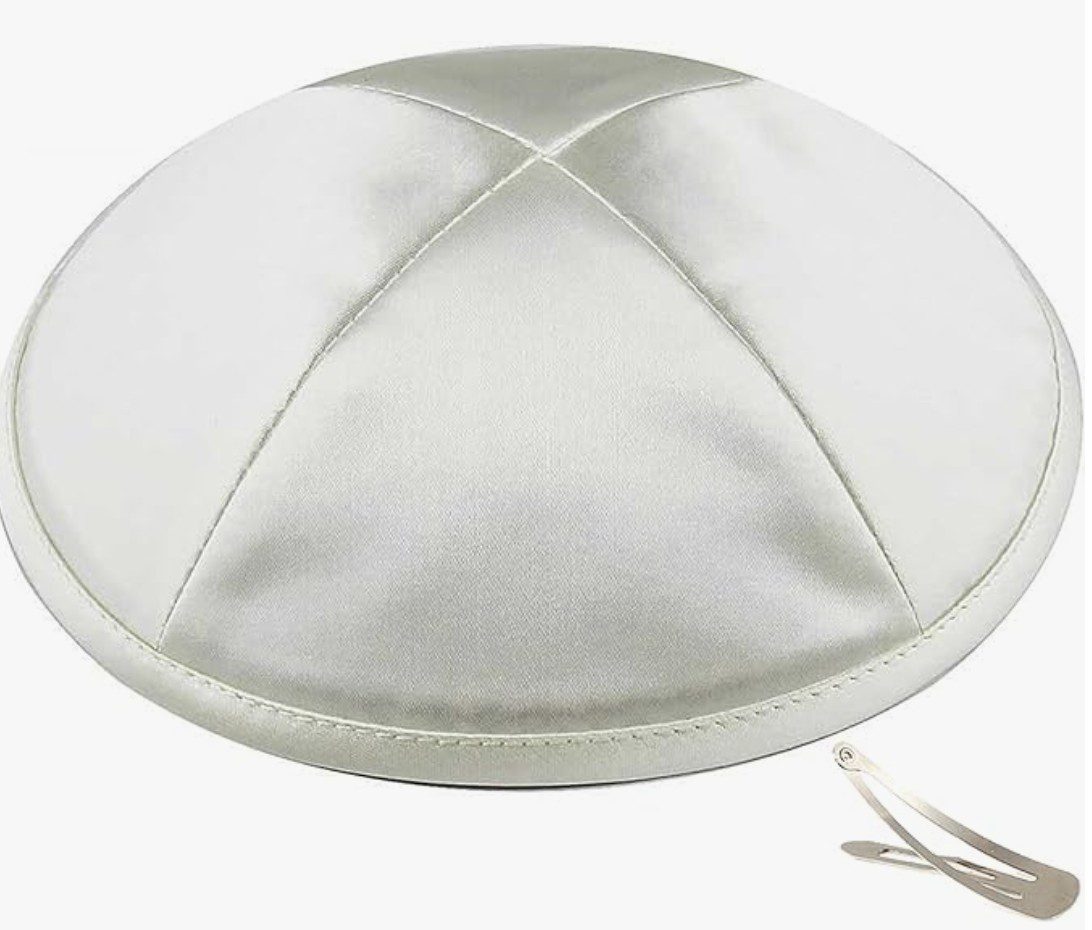
Kippah, tzitzit and home items for the holiday.
🕯️ Yizkor Memorial Candles
24-hour candles lit in memory of loved ones.
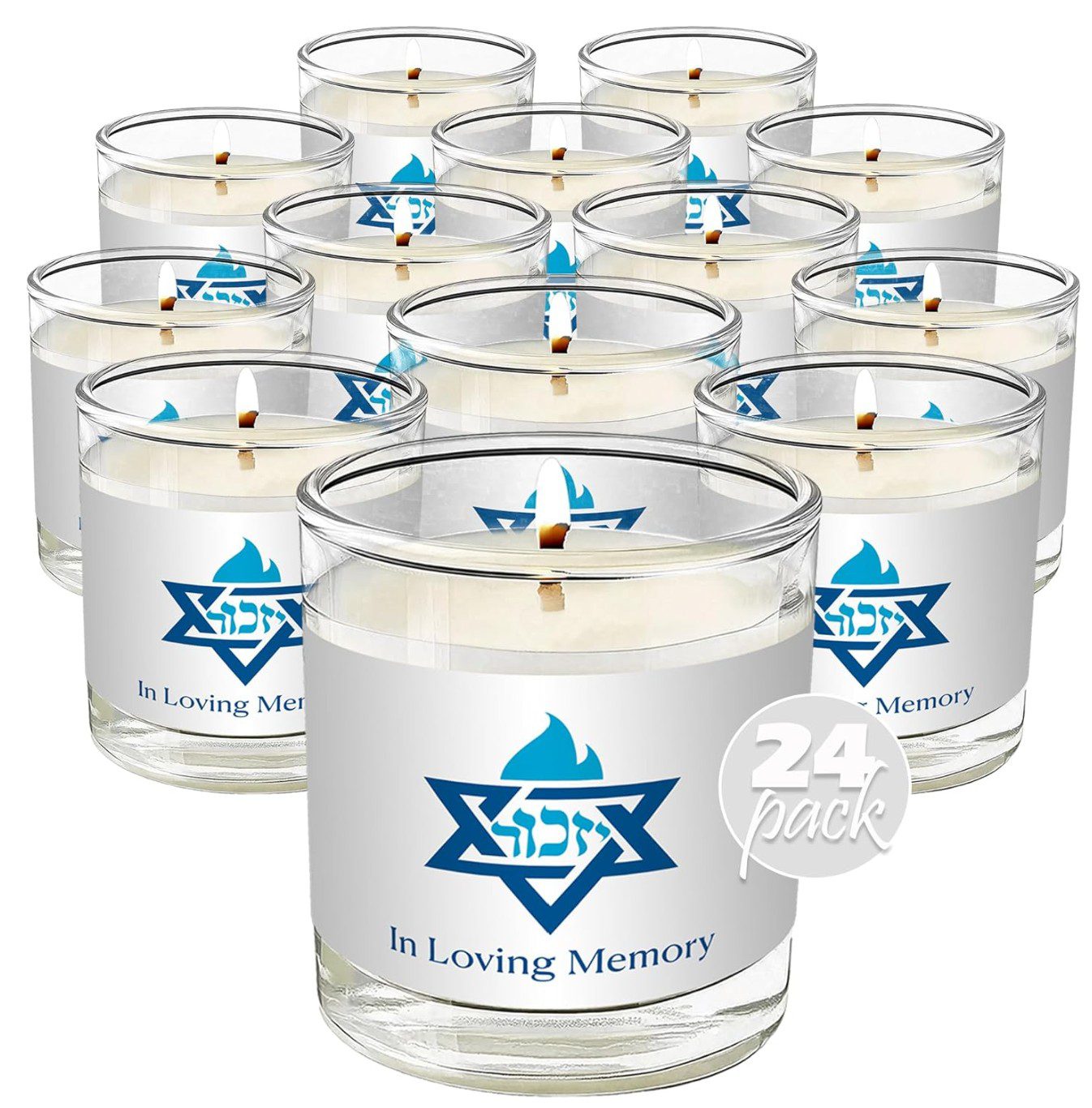
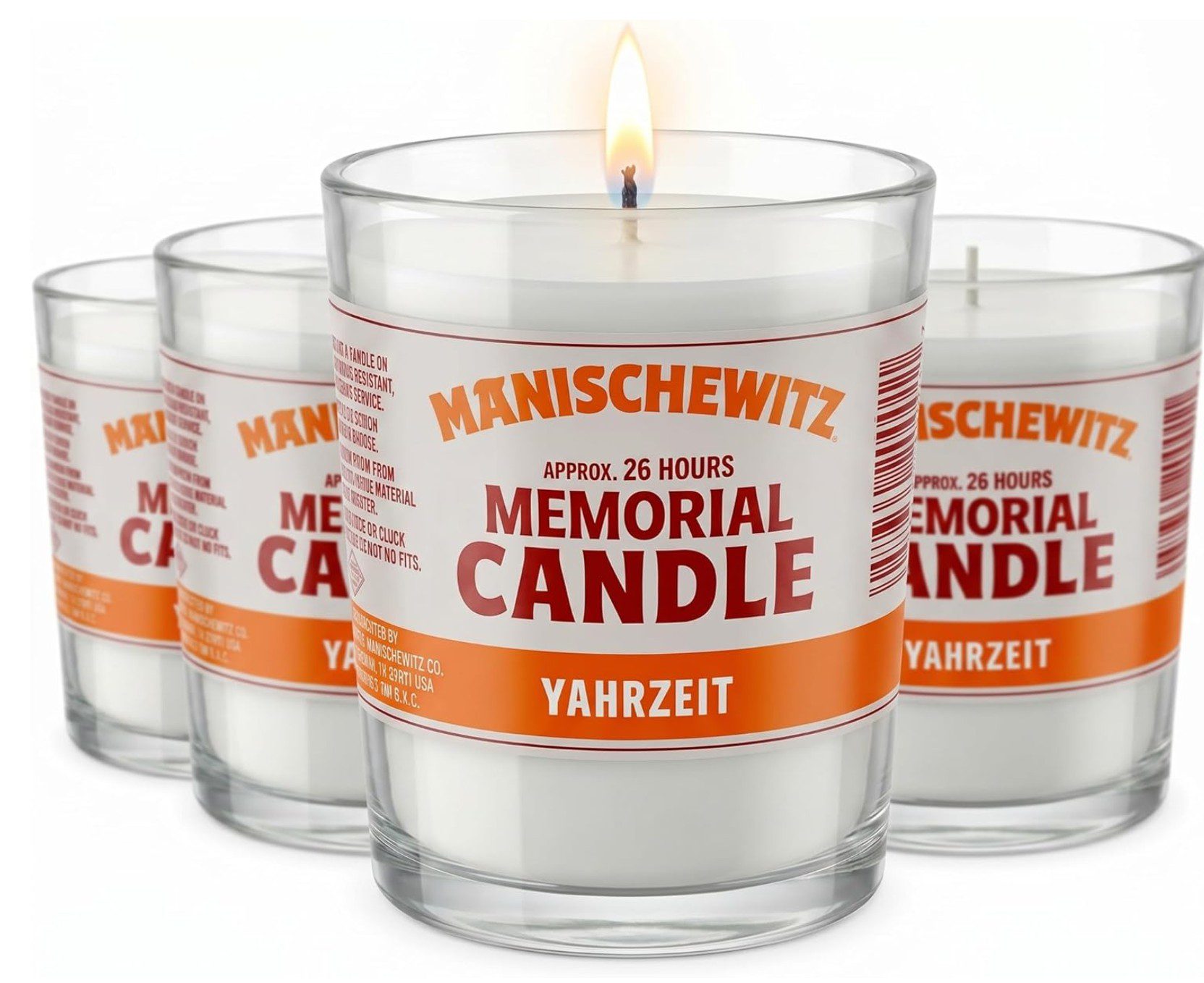
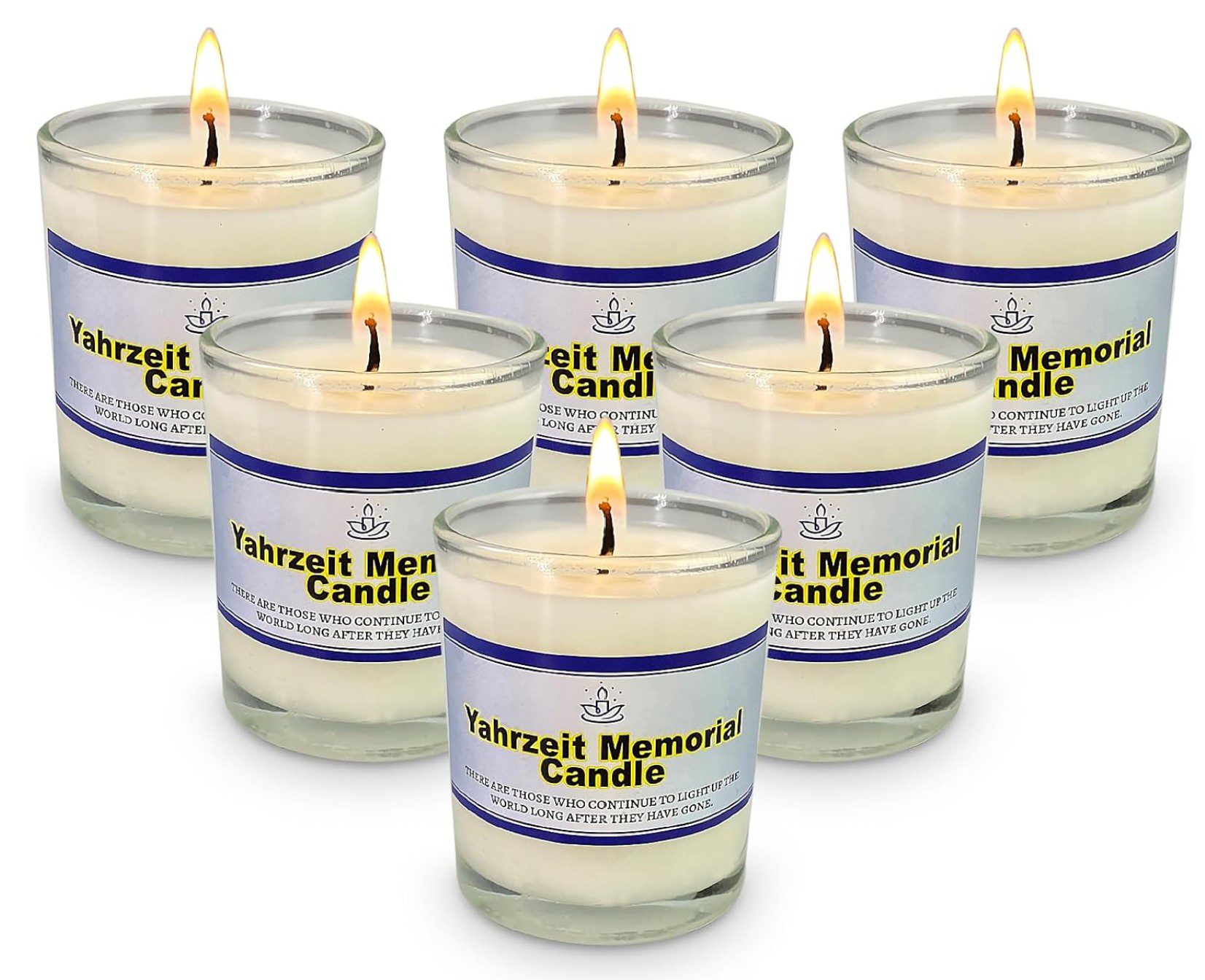
It is customary to light a 24-hour Yizkor candle before Yom Kippur begins for anyone who has lost a parent, spouse, sibling or child, to burn throughout the fast and be extinguished naturally rather than blown out. Any of these three options will burn the full length of the holiday; the choice between them largely comes down to brand preference and glass style for your home.
👶 Yom Kippur Books for Kids
Age-appropriate stories that teach forgiveness and repentance.
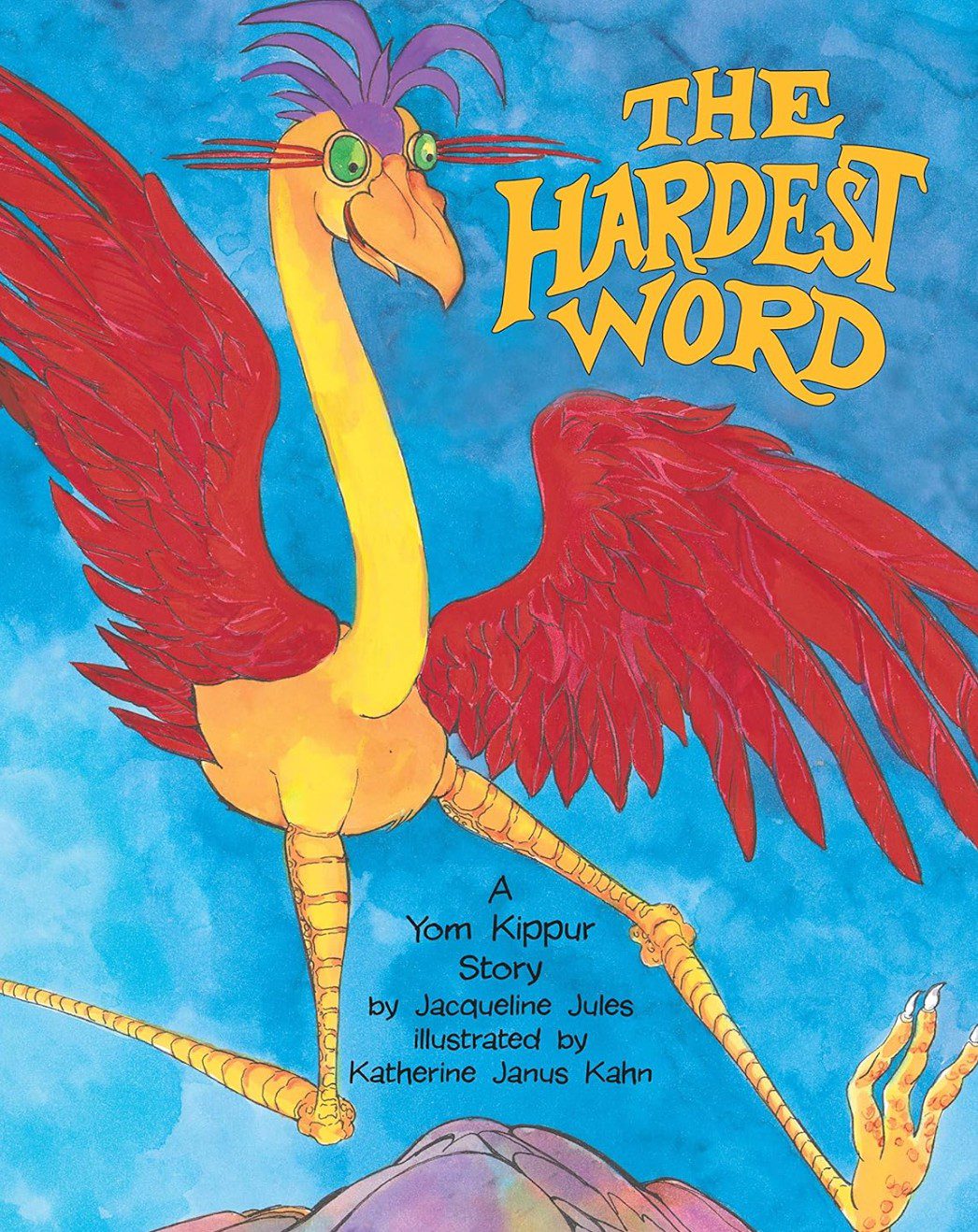
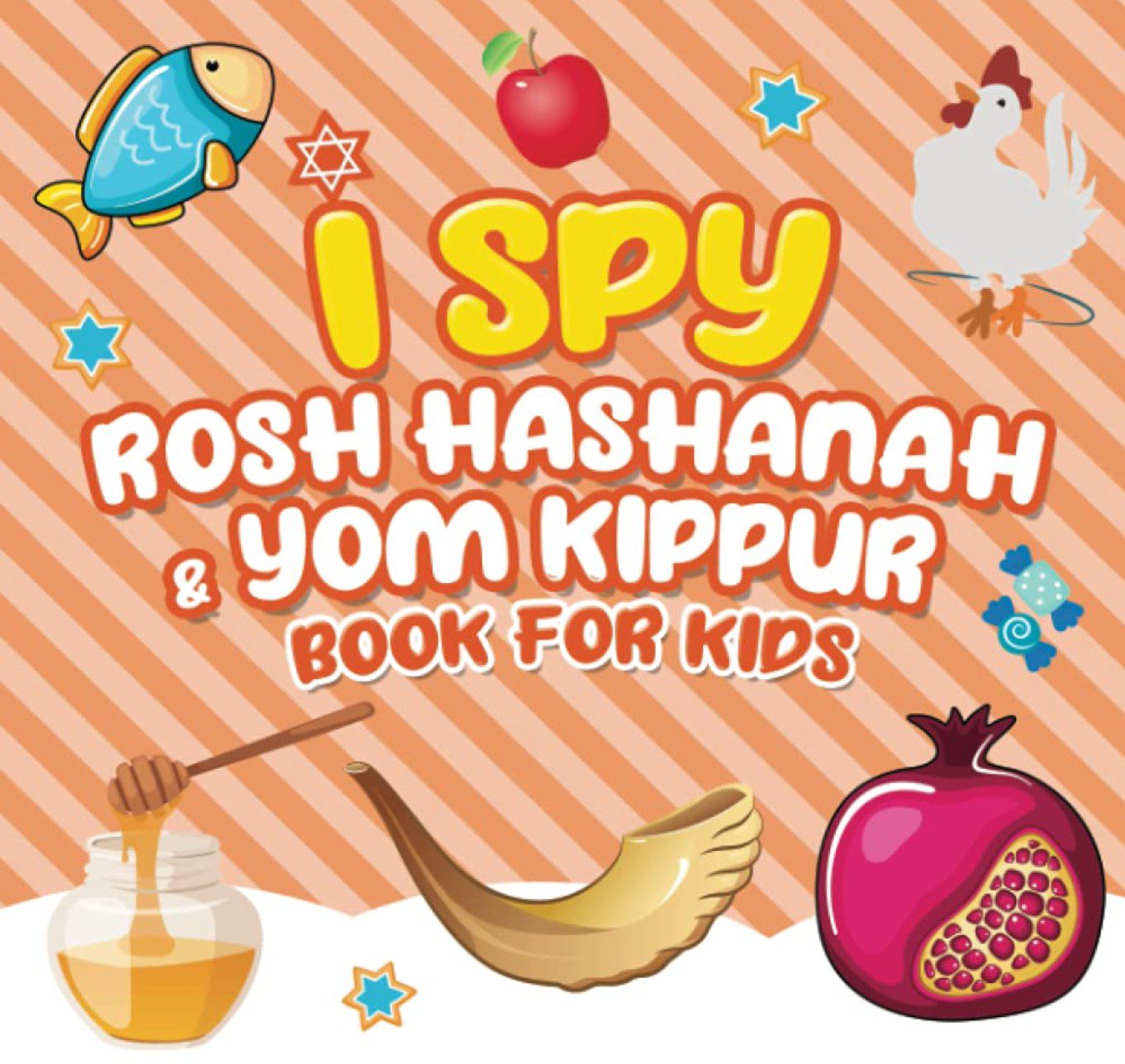
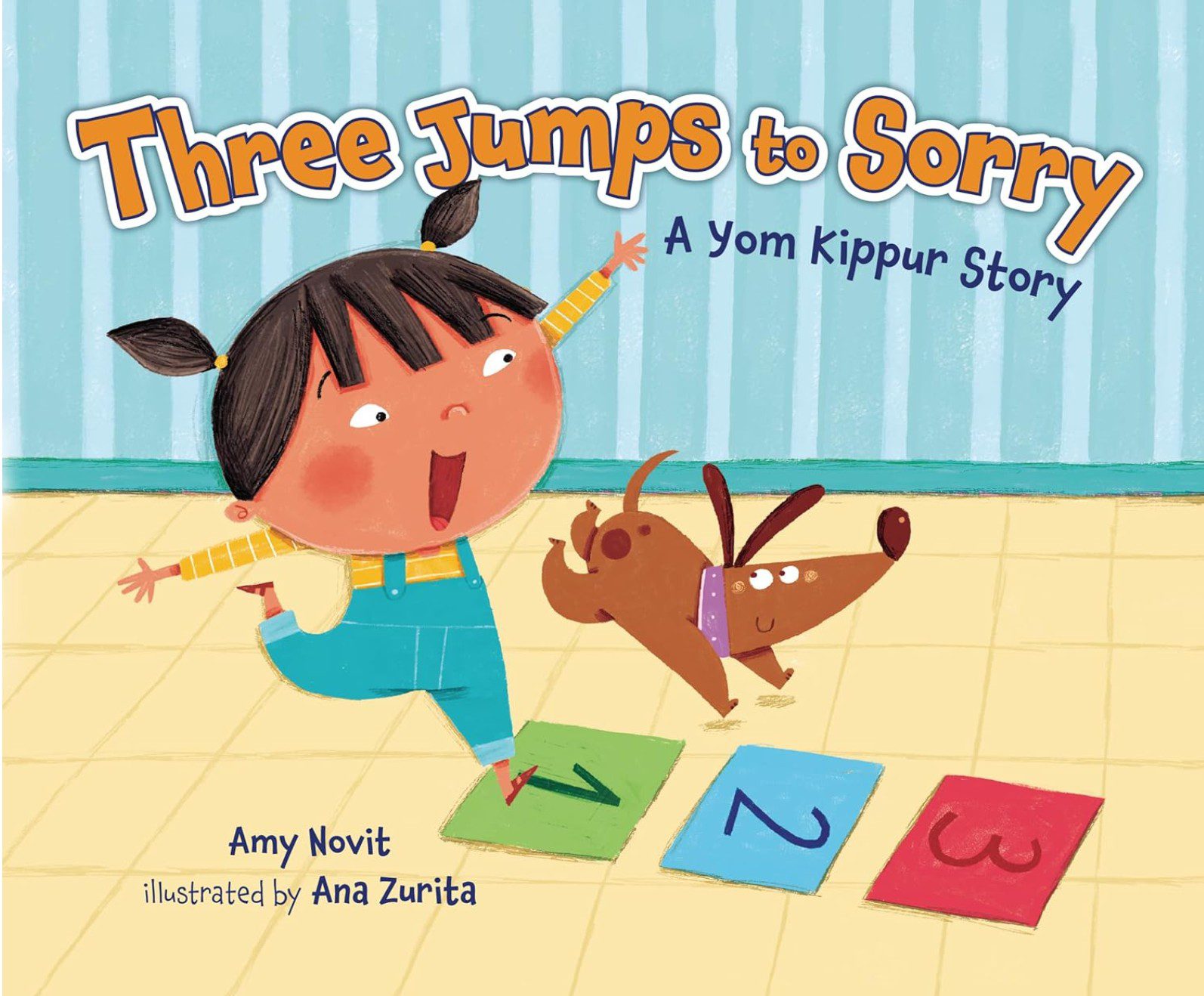
Yom Kippur's themes of apology, forgiveness and self-reflection translate naturally into children's storytelling. These titles introduce young readers to the holiday's meaning and the practice of saying sorry, without requiring them to understand the adult liturgy or the fast itself — ideal reading in the days leading up to the holiday.
🍽️ Pre-Fast & Break-Fast Foods
Traditional foods for before and after the fast, on Amazon.
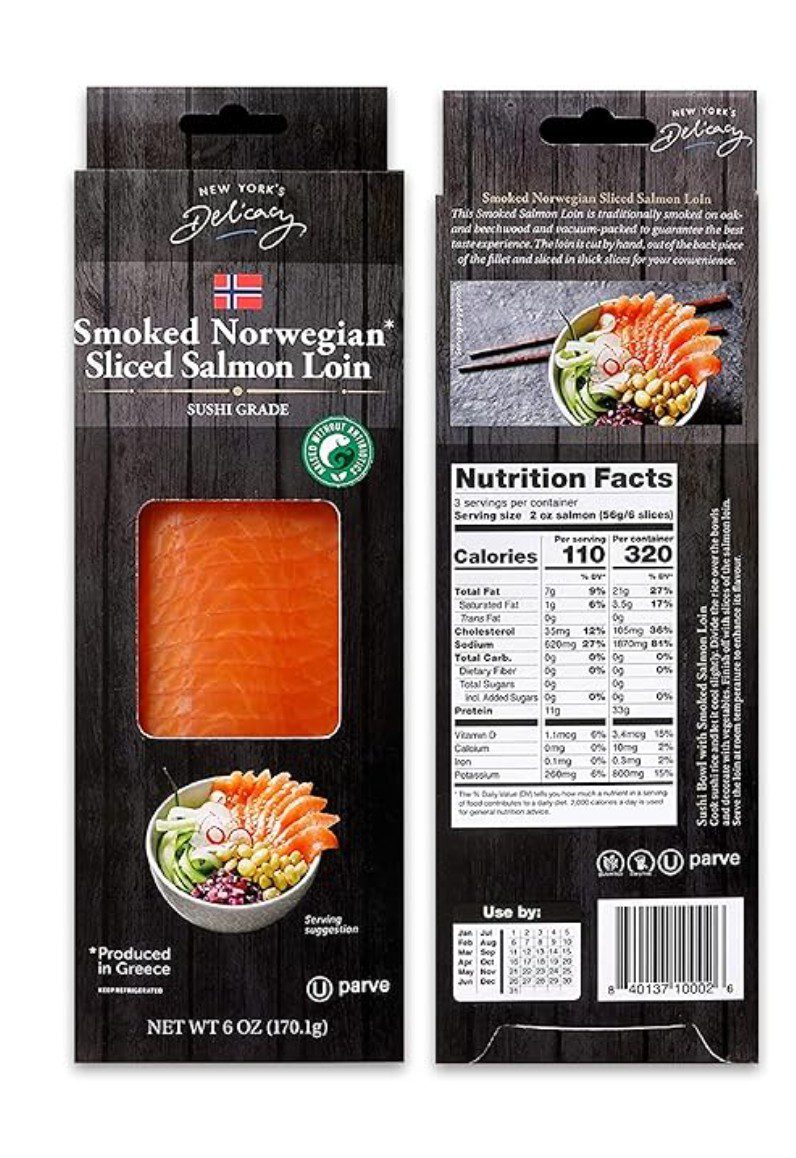

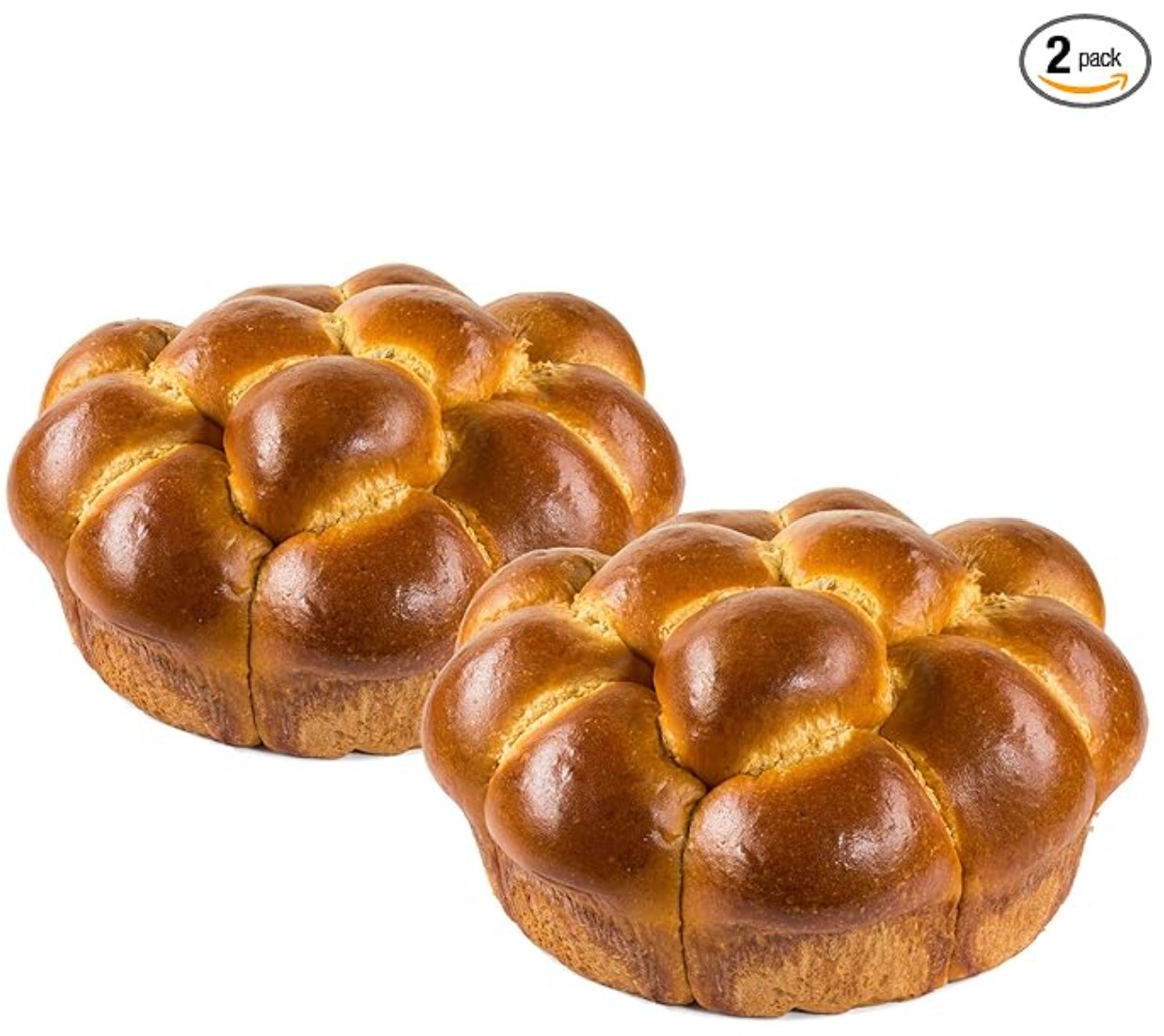

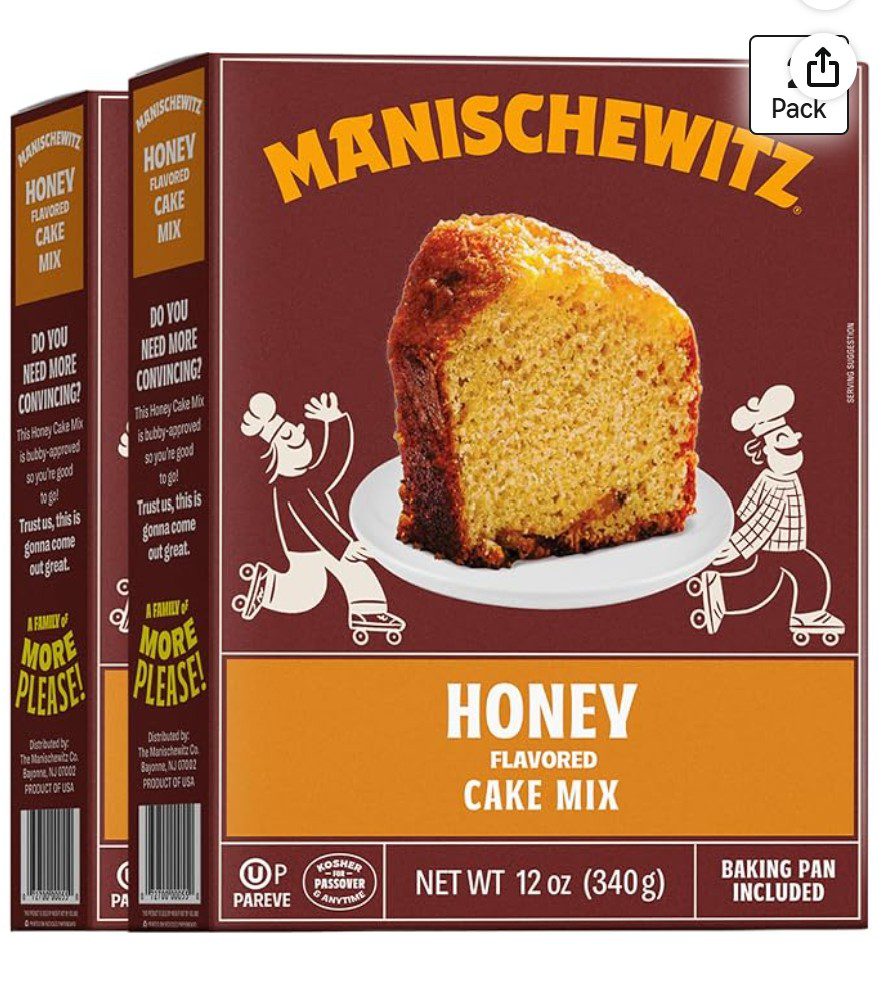

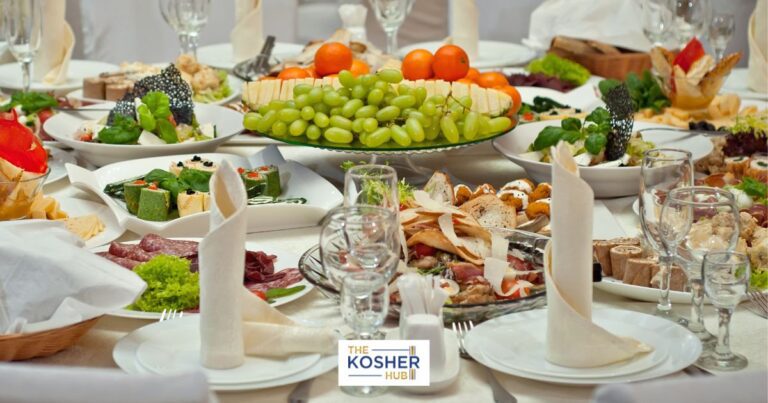
Yom Kippur food falls into two distinct moments: the pre-fast Seudah Hamafseket, eaten before candle-lighting, and the break-fast meal once Ne'ilah and the shofar have concluded the day. The pre-fast meal favors mild, hydrating, lower-sodium foods like chicken broth and kugel that won't leave you thirsty during the fast, while the break-fast spread — smoked salmon, herring, round challah and honey cake — leans festive and celebratory, echoing many of the same foods enjoyed at Rosh Hashanah.
🔍 What to Look For When Buying Yom Kippur Items
Expert guidance from The Kosher Hub.
- Nusach (liturgical tradition): Confirm whether your family or congregation follows Ashkenazi, Sephardic, or another nusach before buying a machzor — the prayers and their order differ meaningfully between traditions.
- Tallit color: While any kosher tallit is valid, an all-white tallit (rather than a colored or heavily striped one) is the traditional Yom Kippur choice for those following that custom.
- Memorial candle burn time: Confirm the candle is rated for a full 24-hour burn — a standard Shabbat candle will not last through the fast.
- Kosher certification symbols: Look for a recognized hechsher (OU, OK, Star-K, KOF-K etc.) on every food item; the certification body should be visible in the product listing or packaging photos.
- Pareve vs. dairy: Smoked salmon and herring are typically pareve, but always check the label if you're planning a meat-based pre-fast meal to avoid mixing meat and dairy.
- Leather-free construction: For non-leather shoes, check that both the upper and the sole are non-leather — the prohibition covers both.
- Amazon listing trust signals: Favor listings with clear kosher certification visible in the product photos, a healthy number of reviews, and an active "buy box" — some machzor listings show no featured offers, which can signal limited stock.
❓ FAQs About Yom Kippur
1. What is Yom Kippur?
Yom Kippur is the Day of Atonement — the holiest day of the Jewish year, marking the end of the Ten Days of Repentance that begin with Rosh Hashanah. It is observed with a full 25-hour fast, five prayer services, and a focus on repentance and forgiveness.
2. When is Yom Kippur 2026?
Yom Kippur 2026 begins at sunset on Sunday, September 20 and ends at nightfall on Monday, September 21, 2026.
3. How long is the Yom Kippur fast?
The fast lasts approximately 25 hours, from sunset to nightfall the following day. It is one of only two full 25-hour fasts on the Jewish calendar, along with Tisha B'Av.
4. Can you wear a tallit on Yom Kippur?
Yes — Yom Kippur is the one day of the year a tallit is worn at all five prayer services, including the Kol Nidre evening service, when a tallit is not normally worn at night.
5. Why do people wear white on Yom Kippur?
White symbolizes purity and evokes the plain white burial shroud, reminding worshippers of their mortality and encouraging sincere repentance. Some also compare the custom to appearing before G-d "like the angels," who are described as clothed in white.
6. What is a kittel?
A kittel is a simple white robe worn by some men on Yom Kippur, as well as at their wedding and eventual burial — a recurring symbol of purity and mortality across major life moments.
7. What is the difference between an Ashkenazi and Sephardic machzor?
Ashkenazi and Sephardic machzorim follow different nusach (liturgical traditions), with variations in the wording, order, and selection of piyyutim (liturgical poems) recited throughout the day, particularly during Selichot and Musaf.
As an Amazon Affiliate we earn from qualifying purchases.


Understanding Our Kosher Certifications
The Kosher Hub references products certified by recognized kosher authorities, including OU, OK, Star-K, Kof-K, and CRC. Certification symbols and status can change, so always confirm the current kosher status directly on the product packaging or via the certifying agency's own listings before purchasing.