When you pick up a product and spot a small symbol on the packaging, that mark tells you everything you need to know about its kosher status. Kosher symbols — issued by certifying agencies around the world — are the shorthand that observant shoppers rely on every day. From the Orthodox Union's iconic OU to regional authorities in the UK, Australia, Canada, and Israel, this guide covers the most internationally recognized kosher certification symbols so you always know what you're looking for.
Please note — this is not a definitive list. These are some of the more internationally recognized kosher symbols. For any kashrut advice, always refer to your local rabbinical or kashrut authority.
🇺🇸 United States
The most widely recognized kosher certifying agencies in North America.
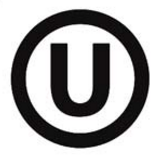
Orthodox Union (OU)
📍 New York, USA | ou.org
The Orthodox Union is the world's largest and most widely recognized kosher certification agency. The OU's iconic circled-U symbol appears on over one million products in 100+ countries, making it the gold standard of kosher certification globally. If you only learn one kosher symbol, this is it.
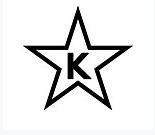
Star-K
📍 Baltimore, Maryland, USA | star-k.org
Star-K Kosher Certification is one of the most respected agencies in North America. Known for its rigorous standards and extensive educational resources, Star-K certifies thousands of products and facilities worldwide and is particularly well regarded in the Ashkenazi Orthodox community.
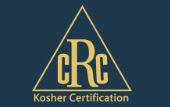
Chicago Rabbinical Council (cRc)
📍 Chicago, Illinois, USA | crckosher.org
The Chicago Rabbinical Council has been certifying kosher products and establishments since 1932, making it one of the oldest kosher agencies in the United States. The cRc is especially well known for its publicly available kosher liquor and airline meal lists, which are widely used resources across the observant community.
OK Kosher
📍 Brooklyn, New York, USA | ok.org
OK Kosher Certification is one of the "Big Four" kosher certifying agencies in the USA alongside the OU, Star-K, and cRc. The OK symbol is recognized on products across dozens of countries, and the agency is known for its accessible approach to both manufacturers and consumers.

Kof-K Kosher
📍 Teaneck, New Jersey, USA | kof-k.org
The Kof-K certifies thousands of products and ingredients across the globe. It is particularly prominent in the industrial and food-service sectors, certifying everything from raw ingredients to finished consumer goods. The symbol is widely accepted across all major Orthodox communities.

Ko Kosher Service
📍 Philadelphia, USA | kokosher.com
Ko Kosher Service provides kosher certification to manufacturers and food businesses across the eastern United States. While smaller than the "Big Four" agencies, Ko Kosher is a recognized and accepted certification body within the broader observant community.
🇬🇧 UK & Europe
Leading kosher certifying authorities across the United Kingdom and continental Europe.
KLBD — London Beth Din
📍 London, UK | kosher.org.uk
The KLBD is the primary kosher certifying authority for the United Kingdom, operating under the London Beth Din. It is the most recognized kosher symbol across the UK and much of Europe, certifying a wide range of food manufacturers, restaurants, and caterers. For shoppers in the UK, the KLBD mark is the most common and trusted indicator of kosher status.
BDP Kosher
📍 Paris, France | lesvinsids.com
BDP Kosher is a leading French kosher certification agency, serving the large and observant Jewish community in Paris and across France. As one of the primary kosher authorities in continental Europe, BDP-certified products are widely found in French supermarkets and specialist kosher stores throughout the country.
🇨🇦 Canada
Trusted kosher certifying agencies serving Canada's Jewish communities coast to coast.
Kashrut Council of Canada (COR)
📍 Toronto, Canada | cor.ca
The COR (Council of Orthodox Rabbis) is Canada's premier kosher certification agency, based in Toronto. Serving the Canadian Jewish community for decades, COR certifies hundreds of food manufacturers and restaurants across the country. Its symbol is universally recognized and accepted within Canadian and broader North American Orthodox communities.
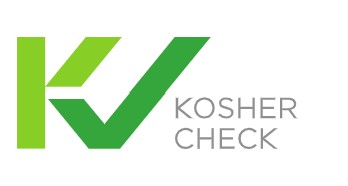
Kosher Check
📍 Vancouver, British Columbia, Canada | koshercheck.org
Kosher Check is the primary kosher certification agency serving Western Canada. It certifies a range of food manufacturers, restaurants, and food-service operations across the region, ensuring that Canada's West Coast Jewish community has access to reliably certified kosher products.
🌏 Australia & International
Kosher certifying authorities in Australia and South Africa.

Kosher Australia
📍 Melbourne, Australia | kosher.org.au
Kosher Australia, based in Melbourne, is the largest kosher certifying body in Australia. It oversees certification of food products, restaurants, and catering operations across the country, and is the go-to authority for the observant Jewish community throughout Victoria and beyond.
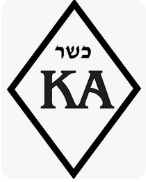
Kashrut Authority of Australia (KA)
📍 Sydney, Australia | ka.org.au
The Kashrut Authority of Australia, based in Sydney, is the other major kosher certifying body in the country, serving New South Wales and beyond. The KA works closely with local manufacturers and importers to ensure a wide range of certified products is available to Australia's observant Jewish community. Its diamond-shaped KA symbol is widely recognized throughout the country.
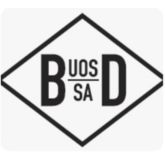
Beit Din Kosher Authority — South Africa
📍 Cape Town, South Africa | kosherquest.org
Operating out of Cape Town, the Beit Din Kosher Authority serves South Africa's observant Jewish community, one of the most established Jewish communities on the African continent. It certifies local food manufacturers and imported products, ensuring kosher options remain accessible across the country.
🇮🇱 Israel
Israel's most widely recognized and stringent kosher certifying authority.
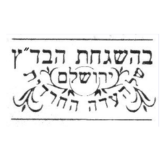
Badatz Eda Haredit
📍 Jerusalem, Israel
The Badatz Eda Haredit, based in Jerusalem, is one of the most stringent and highly regarded kosher certification bodies in the world. Widely respected by Charedi and Mehadrin-observant communities globally, a Badatz certification is considered among the highest standards of kosher supervision available. Products bearing this symbol are accepted across virtually all observant communities worldwide.
❓ FAQs About Kosher Symbols
Common questions about kosher certification and what the symbols mean.
What does a kosher symbol actually mean?
A kosher symbol — also called a hechsher — indicates that a certifying rabbinical authority has inspected and approved the product's ingredients, production process, and facility to ensure it meets the requirements of Jewish dietary law (kashrut). The symbol is your assurance that the product has been independently verified, not just self-declared kosher by the manufacturer.
Which kosher symbol is the most widely accepted?
The Orthodox Union (OU) is generally considered the most universally accepted kosher symbol worldwide. It is recognized by virtually all Jewish communities regardless of denomination or level of observance. Other widely accepted symbols include the Star-K, OK Kosher, and cRc.
Is one kosher symbol stricter than another?
All mainstream certifying agencies maintain rigorous standards, but some agencies — such as the Badatz Eda Haredit — are known for applying particularly stringent mehadrin requirements. The right certification for you depends on your personal standard of observance. When in doubt, consult your local rabbi or kashrut authority.
Can I trust a kosher symbol from another country?
Generally yes — major international kosher symbols are widely recognized and accepted across communities globally. However, standards can vary, and some communities may only accept certain agencies. If you are unsure whether a specific symbol is accepted within your community, it is always best to check with your local rabbi.
What is the difference between kosher, kosher dairy, and kosher pareve?
A plain kosher symbol means the product is certified kosher. A symbol followed by "D" or "Dairy" means the product contains dairy or was produced on dairy equipment. "Pareve" means the product contains neither meat nor dairy and can be eaten with either. These designations appear alongside the certifying agency's symbol on the packaging.
Is The Kosher Hub a kosher certifying authority?
No — The Kosher Hub is an independent resource and affiliate website. We are not a kosher certifying body and do not provide kashrut rulings. For any kashrut advice, always refer to your local rabbinical or kashrut authority.
The Kosher Hub is not a Kosher Authority. For any advice please refer to your local Kashrut Authority.
As an Amazon Affiliate we earn from qualifying purchases.










Understanding Our Kosher Certifications
The Kosher Hub references products certified by recognized kosher authorities, including OU, OK, Star-K, Kof-K, and CRC. Certification symbols and status can change, so always confirm the current kosher status directly on the product packaging or via the certifying agency's own listings before purchasing.