
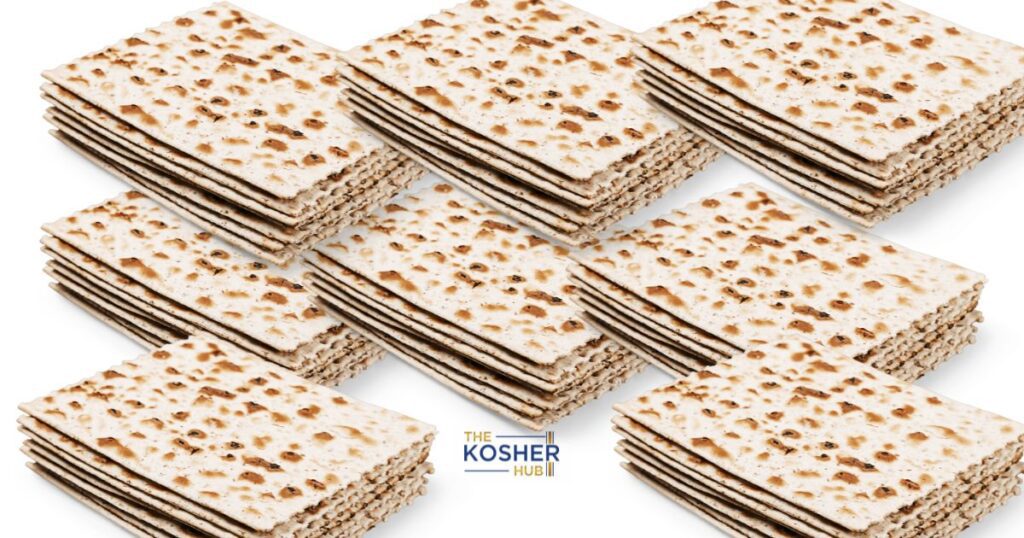
Finding kosher matzah for Passover shouldn't mean guessing which box on the shelf is actually certified for the holiday. Matzah sits at the center of the Seder table, but the category is bigger than one plain box of crackers — from hand-baked Shmurah matzah to gluten-free options, egg matzah for those who can eat it, and the matzo meal and matzo ball mixes that turn into soup, kugel, and Pesach baking. Below you'll find every major matzah product available on Amazon with kosher-for-Passover certification, organized so you can shop by exactly what you need — whether that's traditional Seder matzah, a gluten-free alternative, or the pantry basics for matzo ball soup. Every product listed here carries verified Passover kosher certification; nothing is included on the strength of a "kosher" label alone.
🫓 Traditional Matzah
The classic Seder-table staple, in every style.
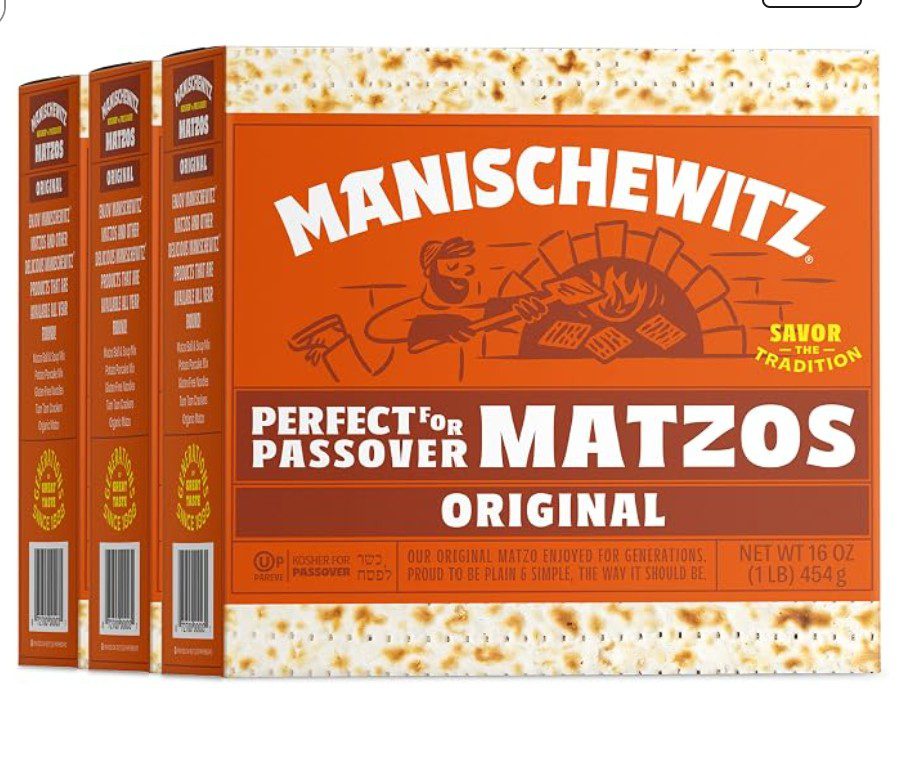
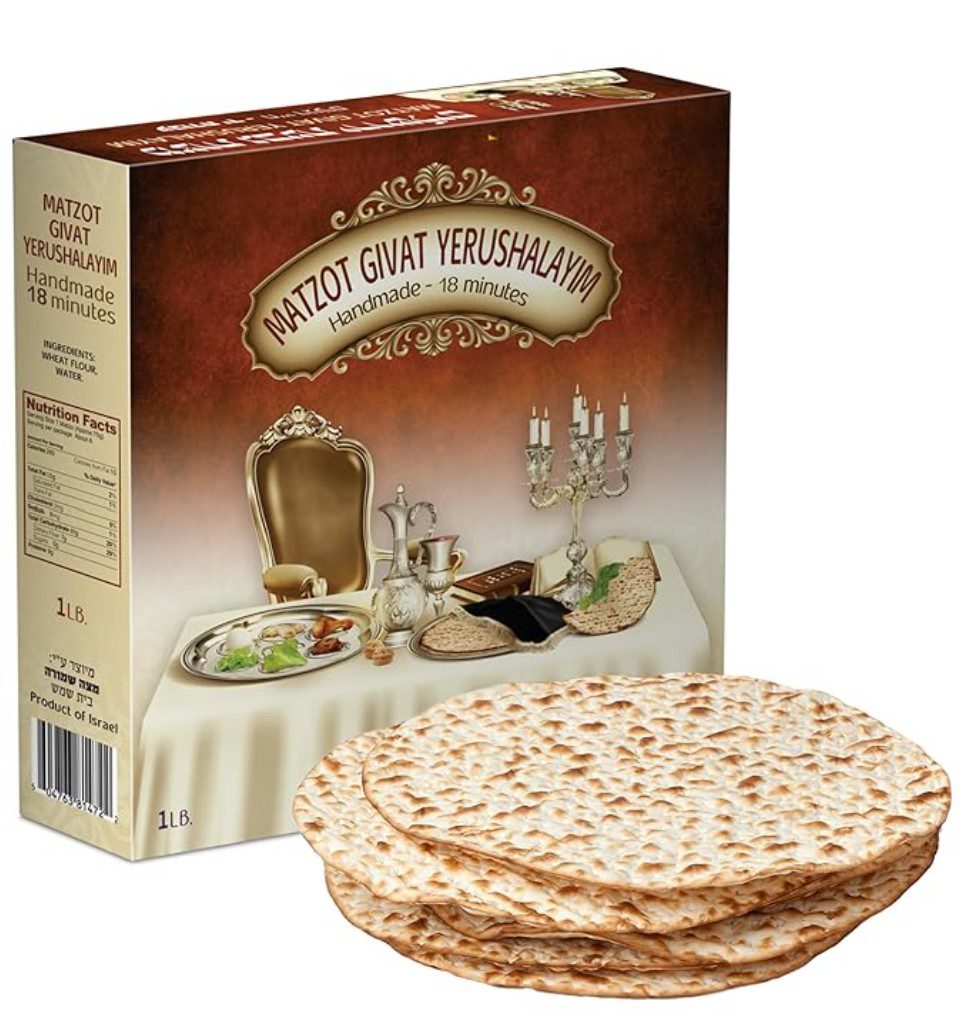
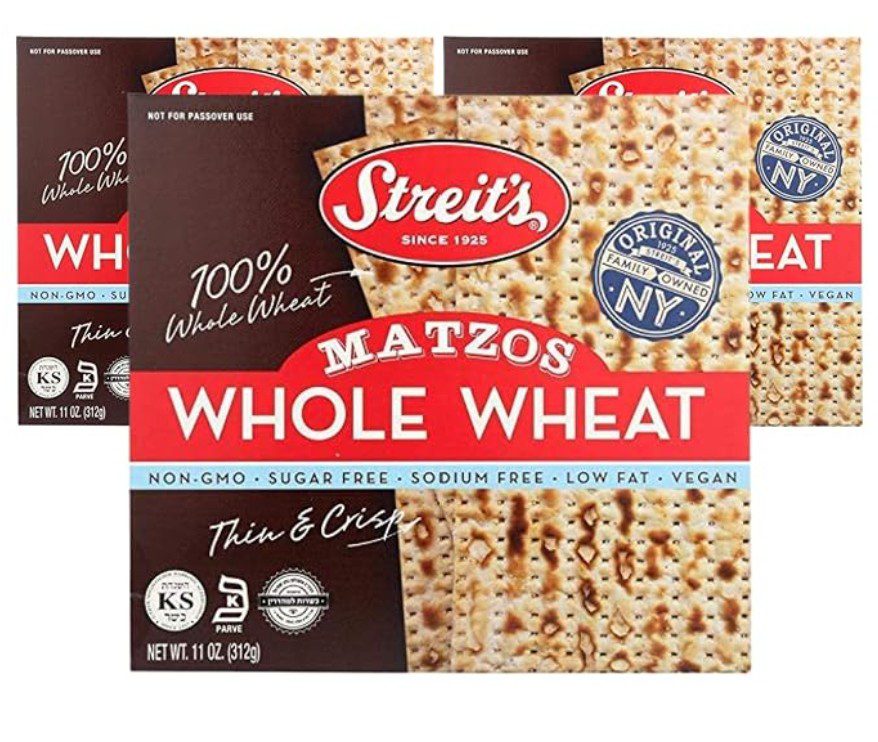
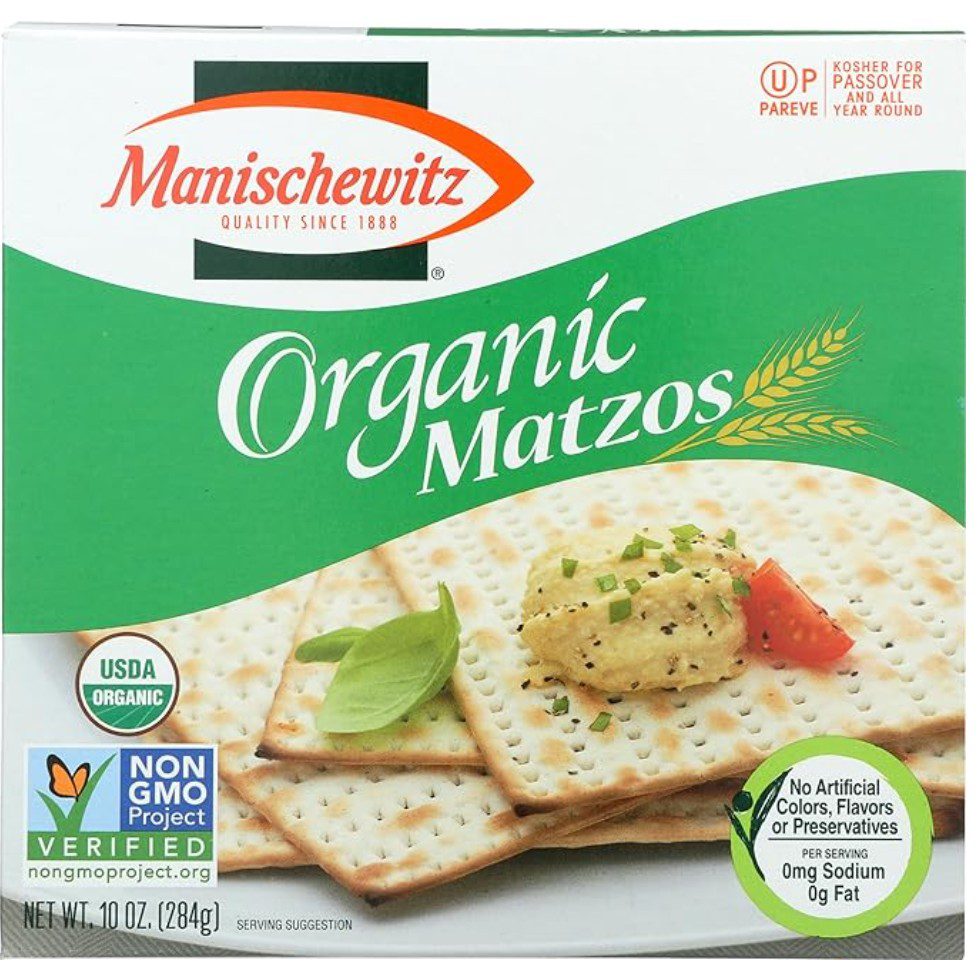
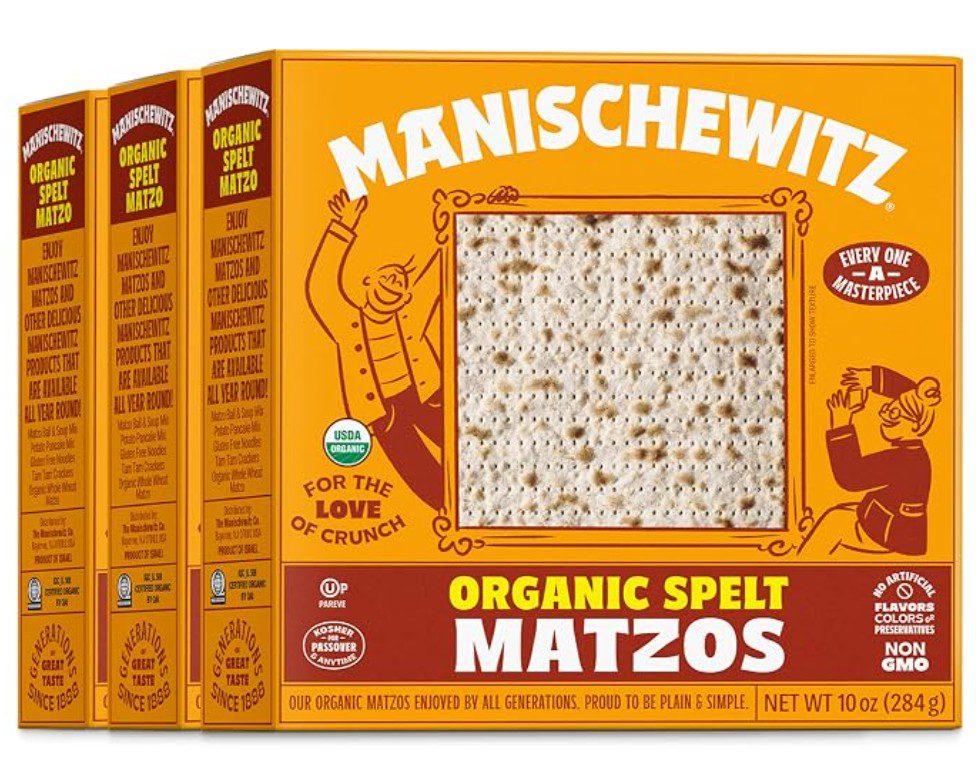
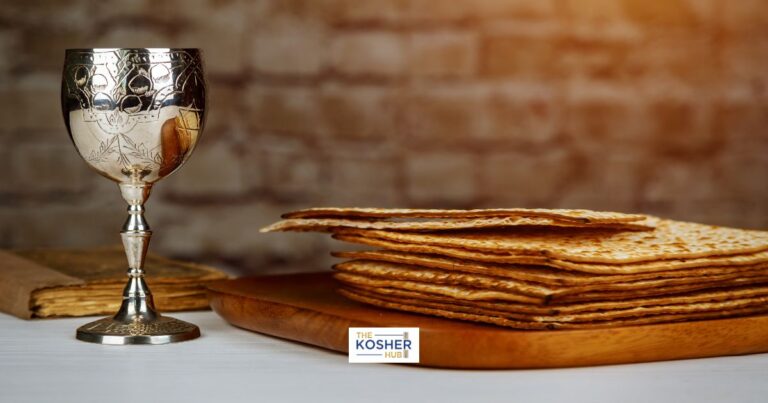
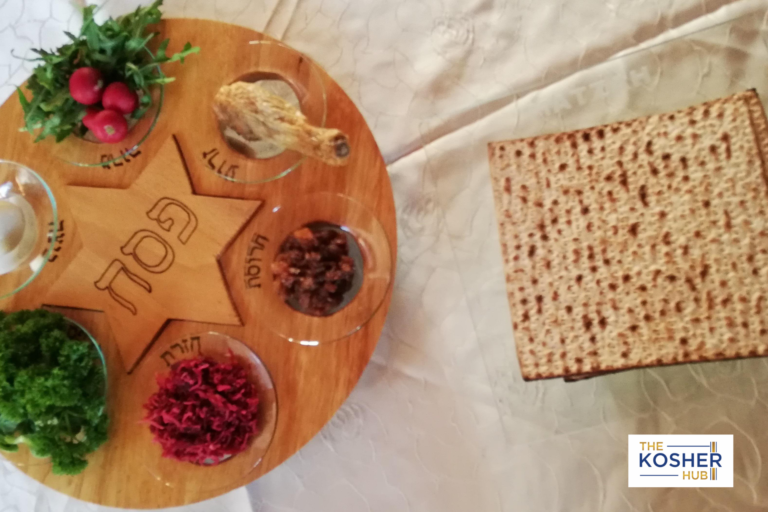
Traditional matzah is the foundation of every Seder table, and the choice largely comes down to custom and texture. Shemura matzah — watched from the time of harvest — is the preference for many families for at least the Seder-night portion, while machine-made original matzah is perfectly kosher for Passover and used throughout the week. Whole wheat and spelt versions follow the same production standards but offer a different texture and flavor for those who want variety across the eight days. All are pareve and contain no kitniyot.
🍫 Enriched & Flavored Matzah
Egg matzah, chocolate matzah, and more — for after the Seder.
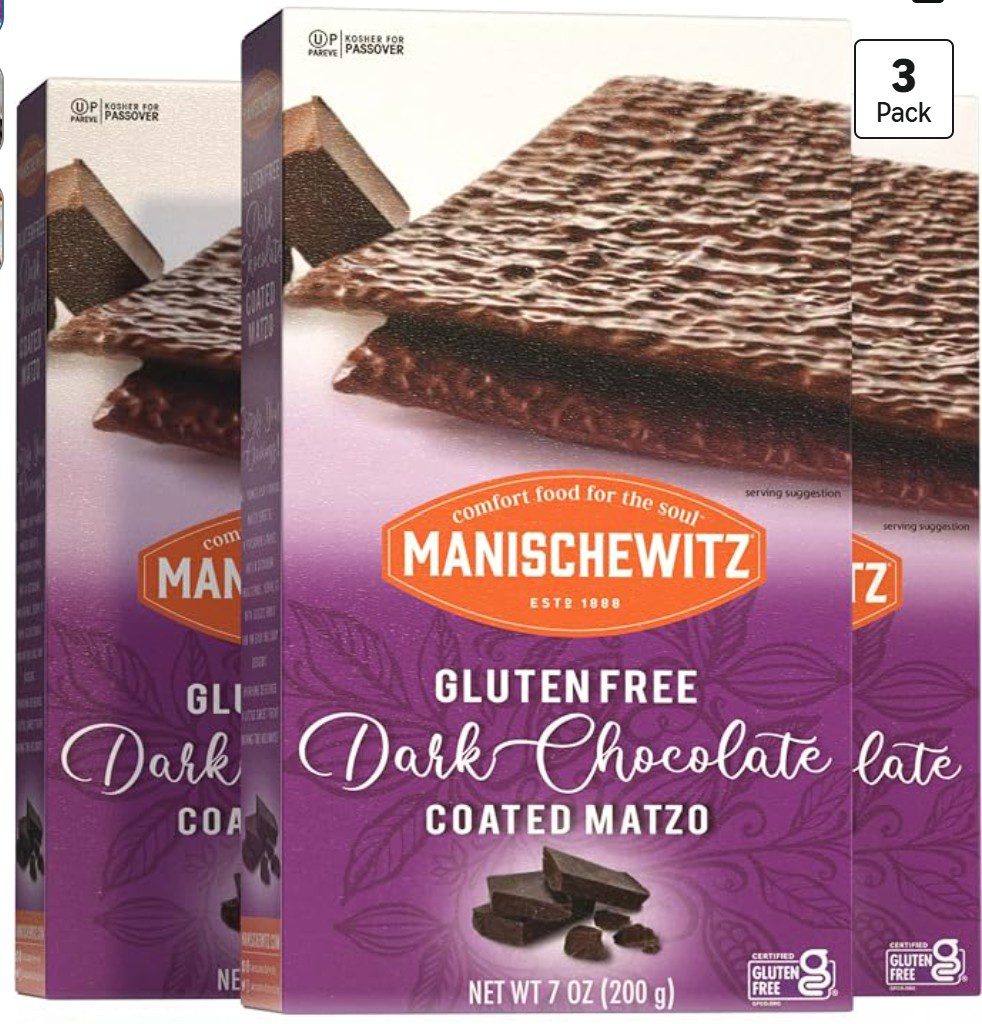
Matzah White Chocolate
The same crunchy favorite, dipped in white chocolate instead.
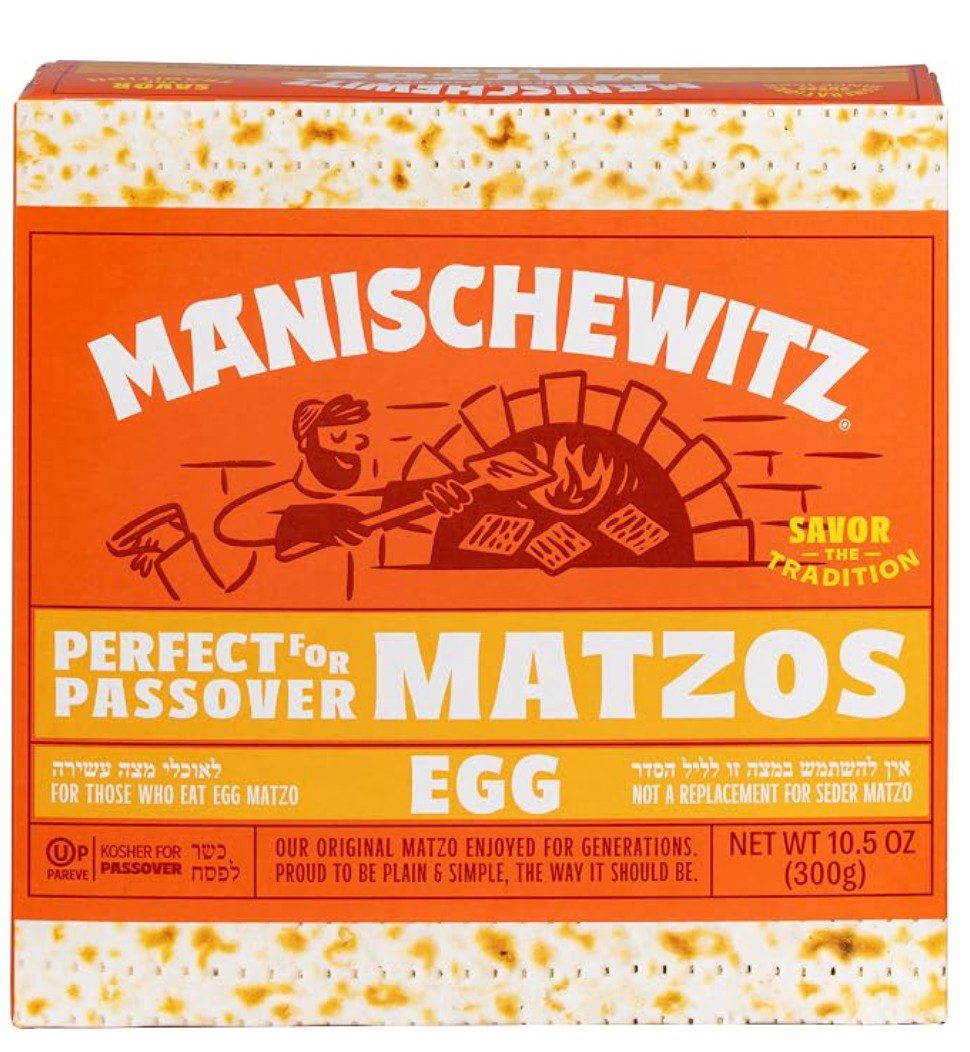
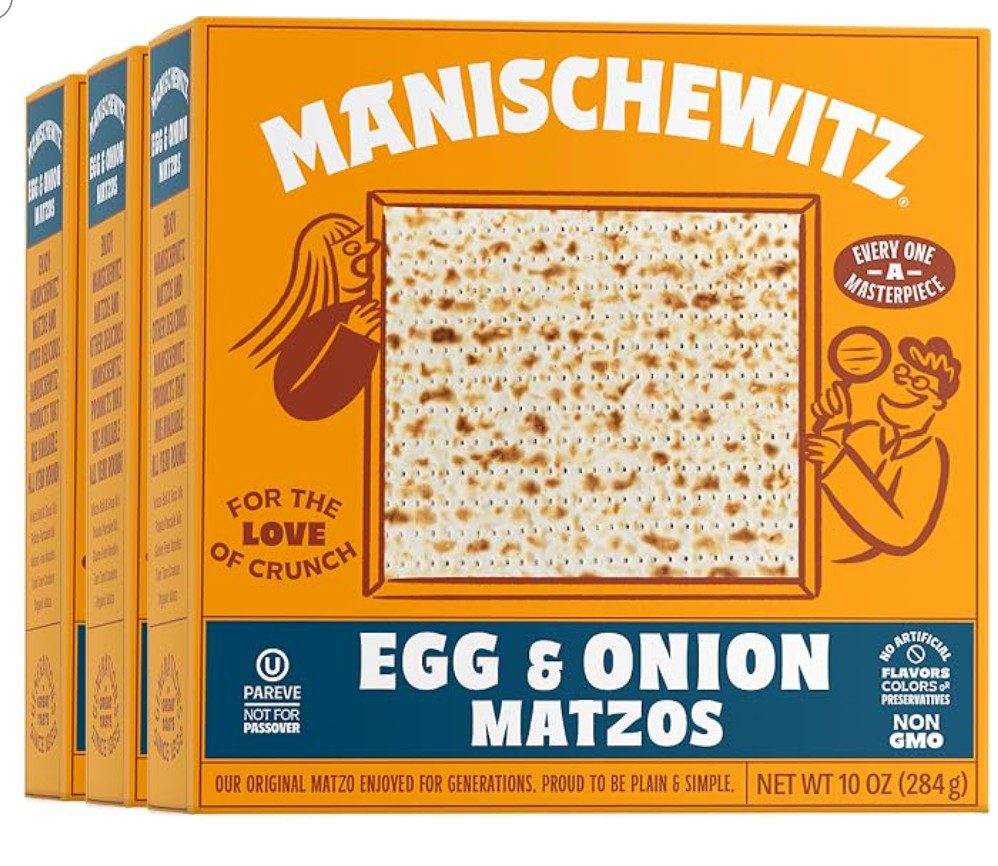
Enriched matzah — egg matzah, and by extension the egg-and-onion and chocolate-coated versions built on it — is made with fruit juice or egg in place of some or all of the water. Ashkenazi custom is generally not to eat enriched matzah during Passover itself (this restriction does not apply to the elderly, sick, or infants, and Sephardim should follow their own Rabbi's guidance), so these are best positioned as treats for the rest of the week rather than for the Seder table. All are dairy-free and kitniyot-free unless otherwise marked on the package.

🌾 Gluten-Free Matzah & Matzo Meal
Passover-friendly options for gluten-sensitive guests.
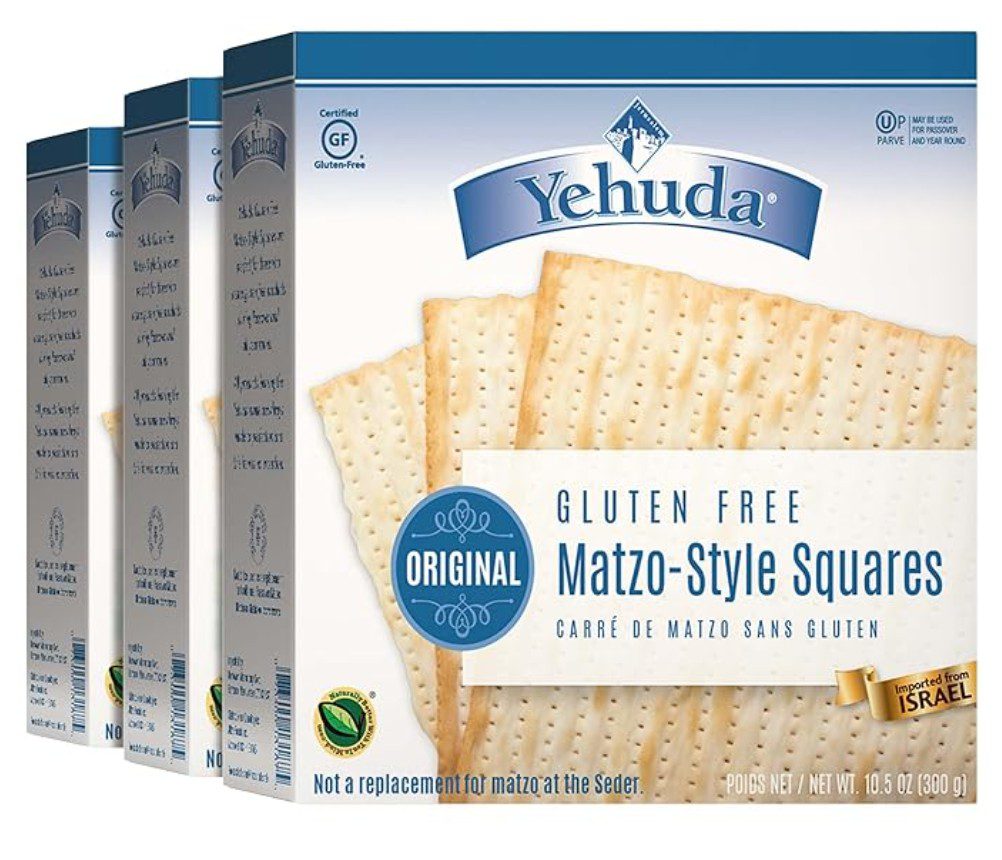
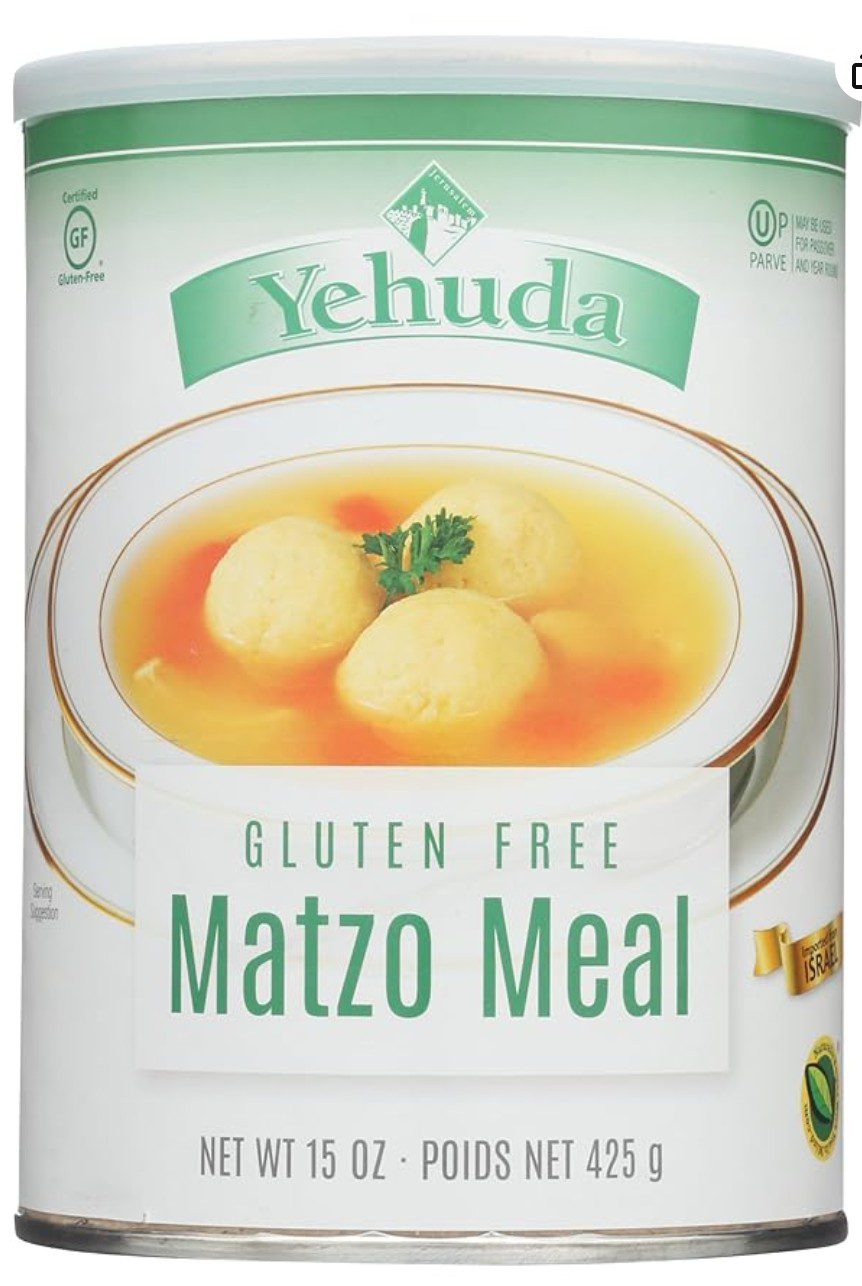
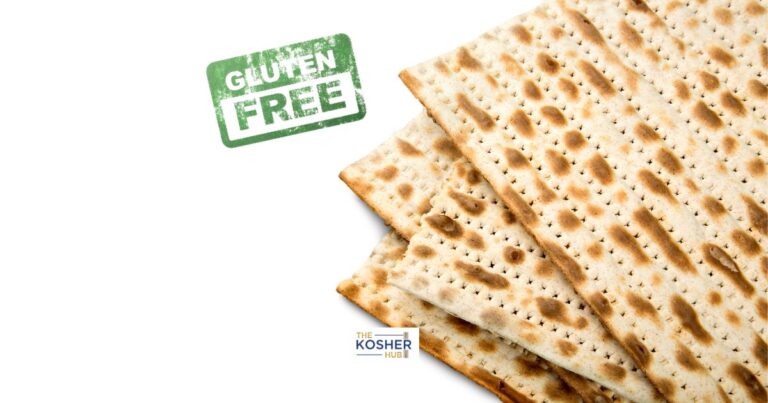
Gluten-free matzah is a genuinely different category from regular "gluten-free crackers" sold near it — most of those are made from tapioca or potato starch and are not halachically matzah at all, so they cannot fulfill the Seder mitzvah. Oat matzah, made specifically for Passover from oat flour and water under supervision, is the recognized alternative for those who need it. Always confirm the packaging is labeled for the Seder night specifically before relying on it for the mitzvah.
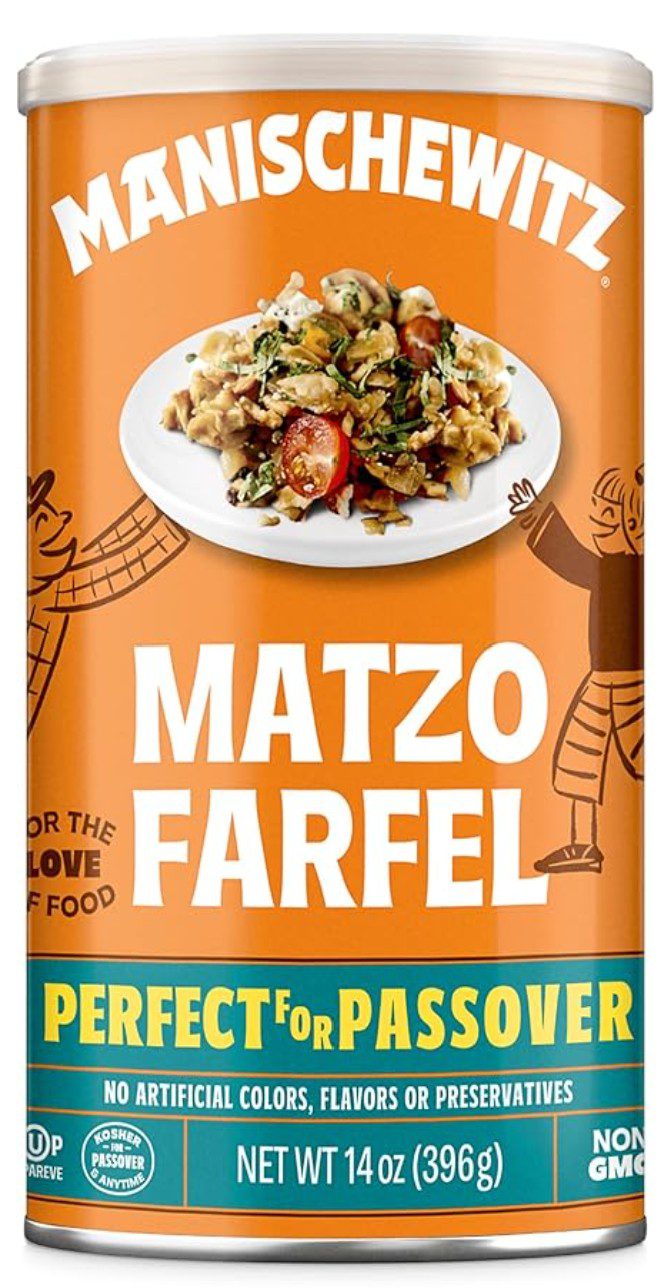
🥣 Matzo Meal & Farfel
Pantry staples for Passover baking and cooking.
🍲 Matzo Ball Mixes
Everything you need for the perfect kneidlach.
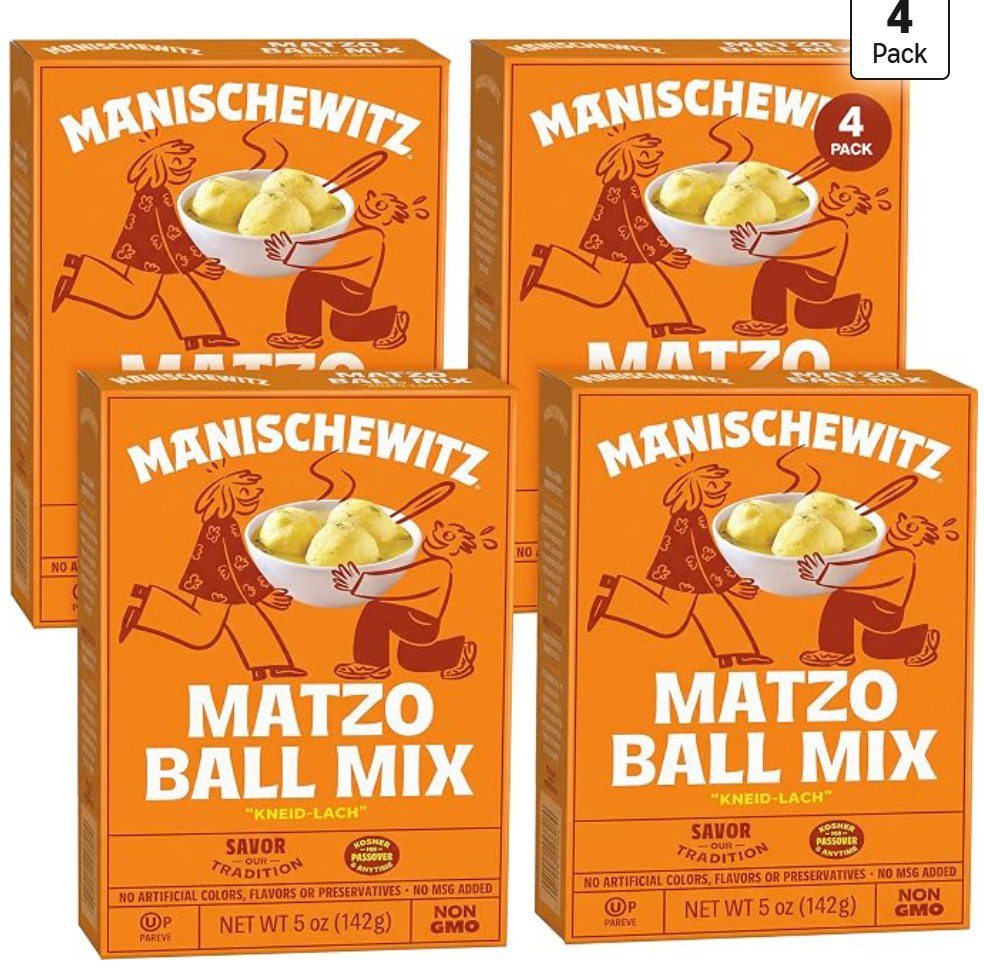
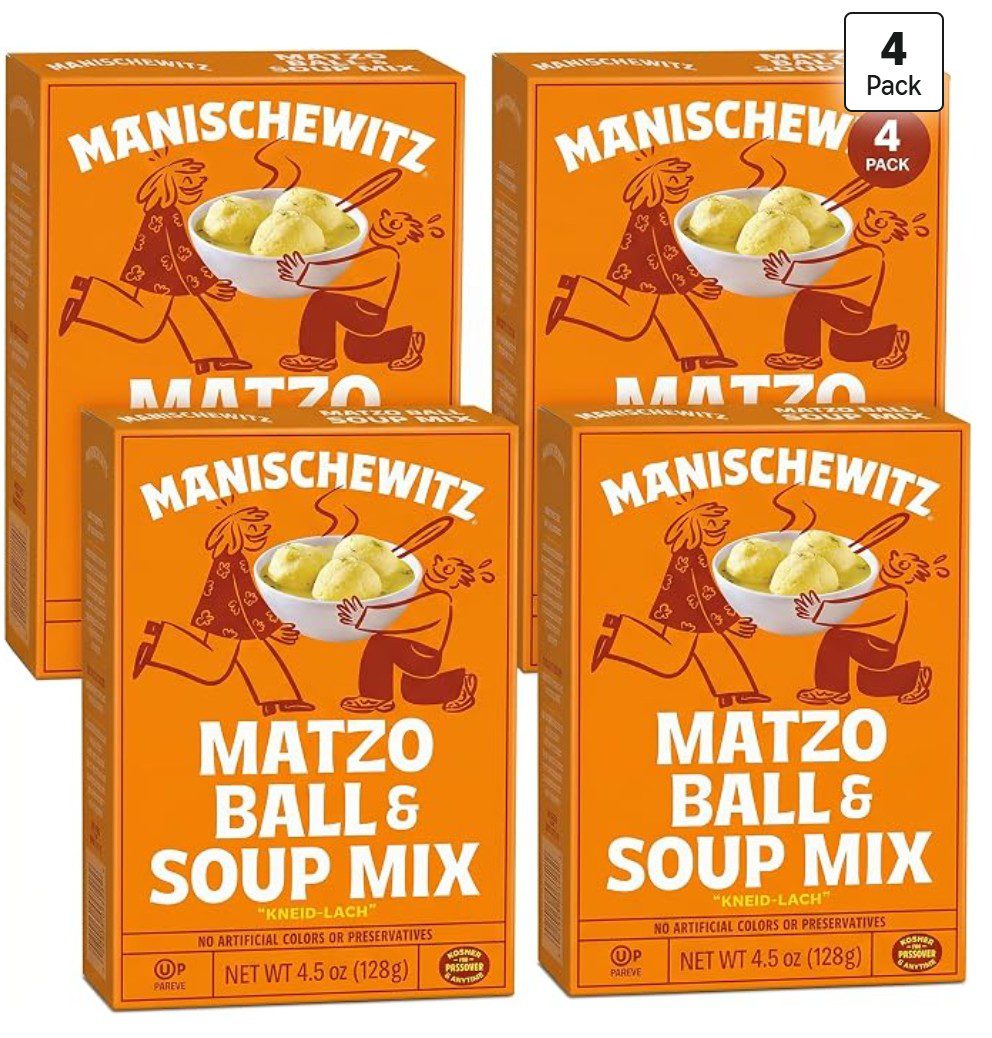
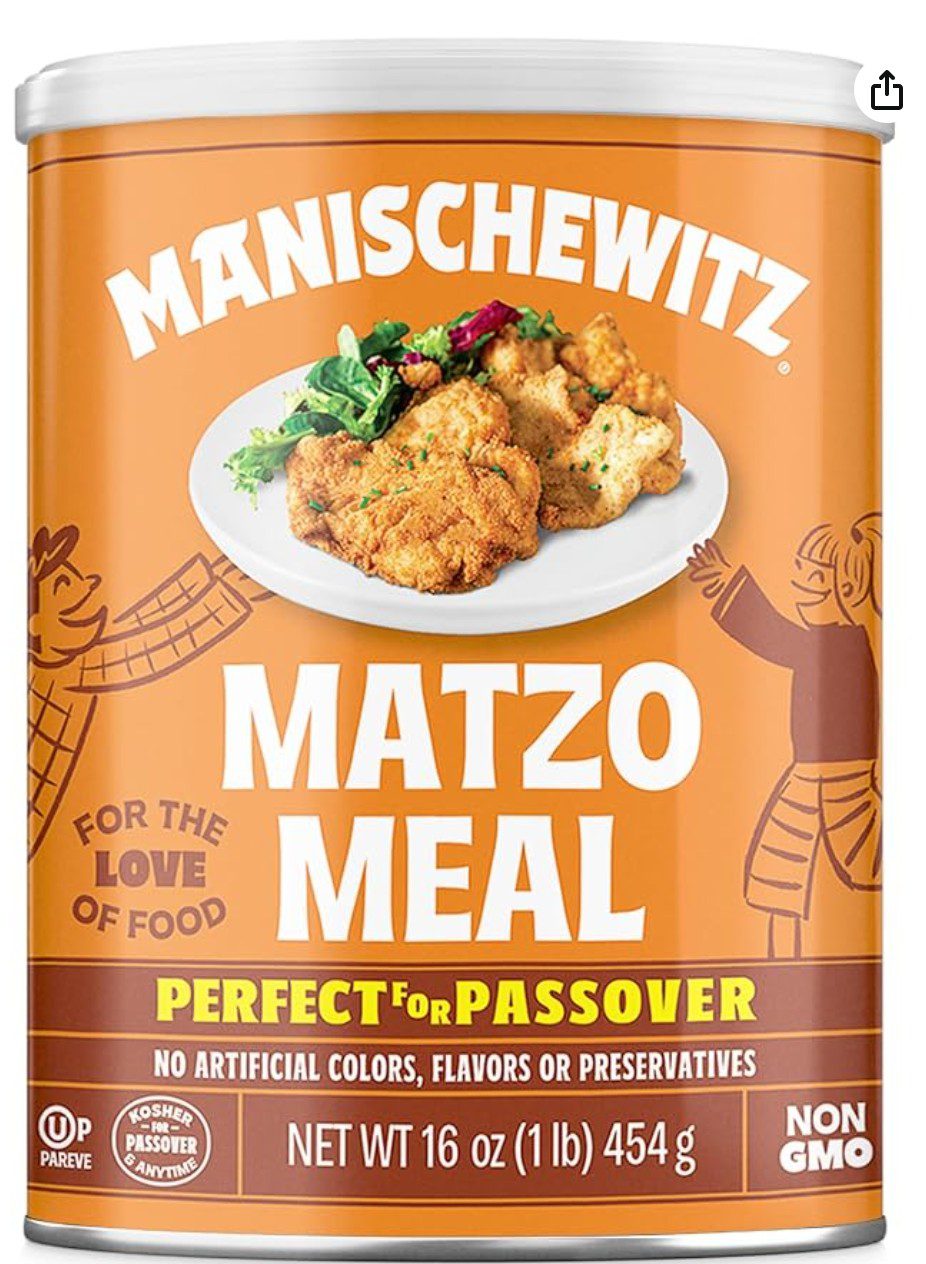
Matzo meal is the backbone of Passover cooking beyond the Seder plate itself — used for breading, thickening, and of course matzo balls. Farfel (coarsely broken matzah) is the traditional choice for kugel and stuffings, while fine matzo meal works better for delicate baking and matzo ball mixes. All are pareve unless the specific mix notes otherwise, so check the label if you're serving a dairy or meat meal.

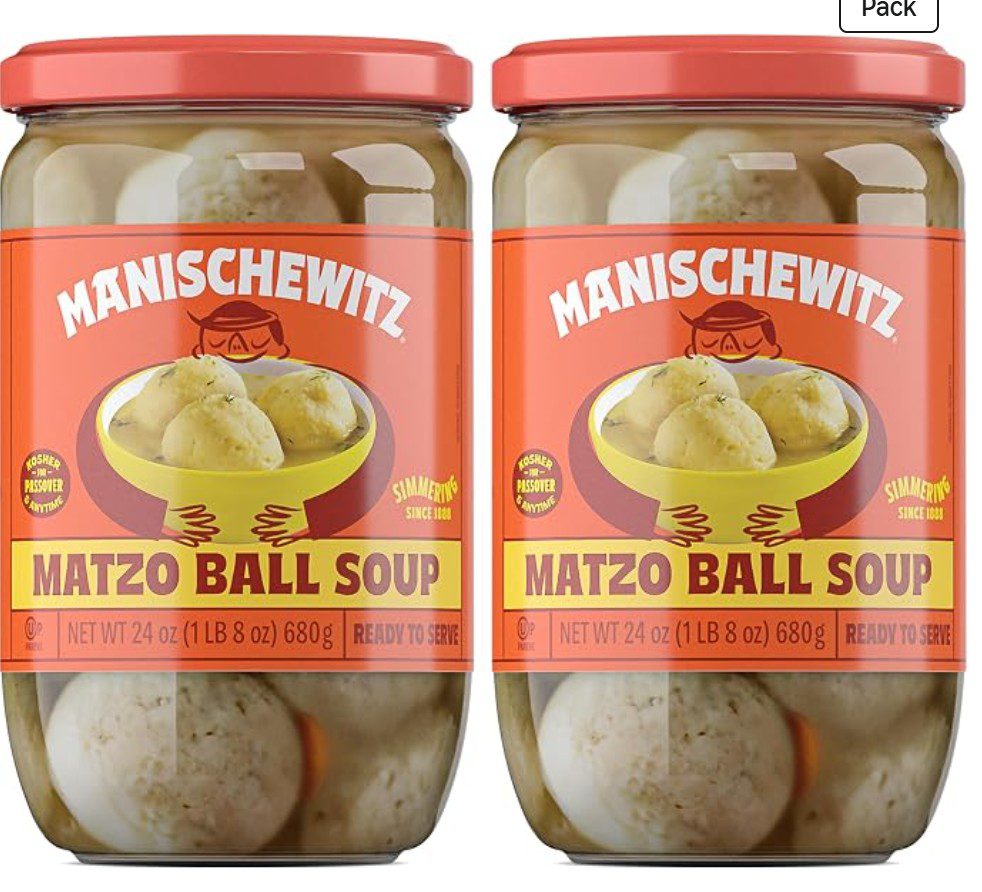
🍜 Ready-Made Soup & Broths
For the shortcut version of matzo ball soup.
Passover Pretzel Crumbs
The crunchy topping that finishes off a bowl of soup.
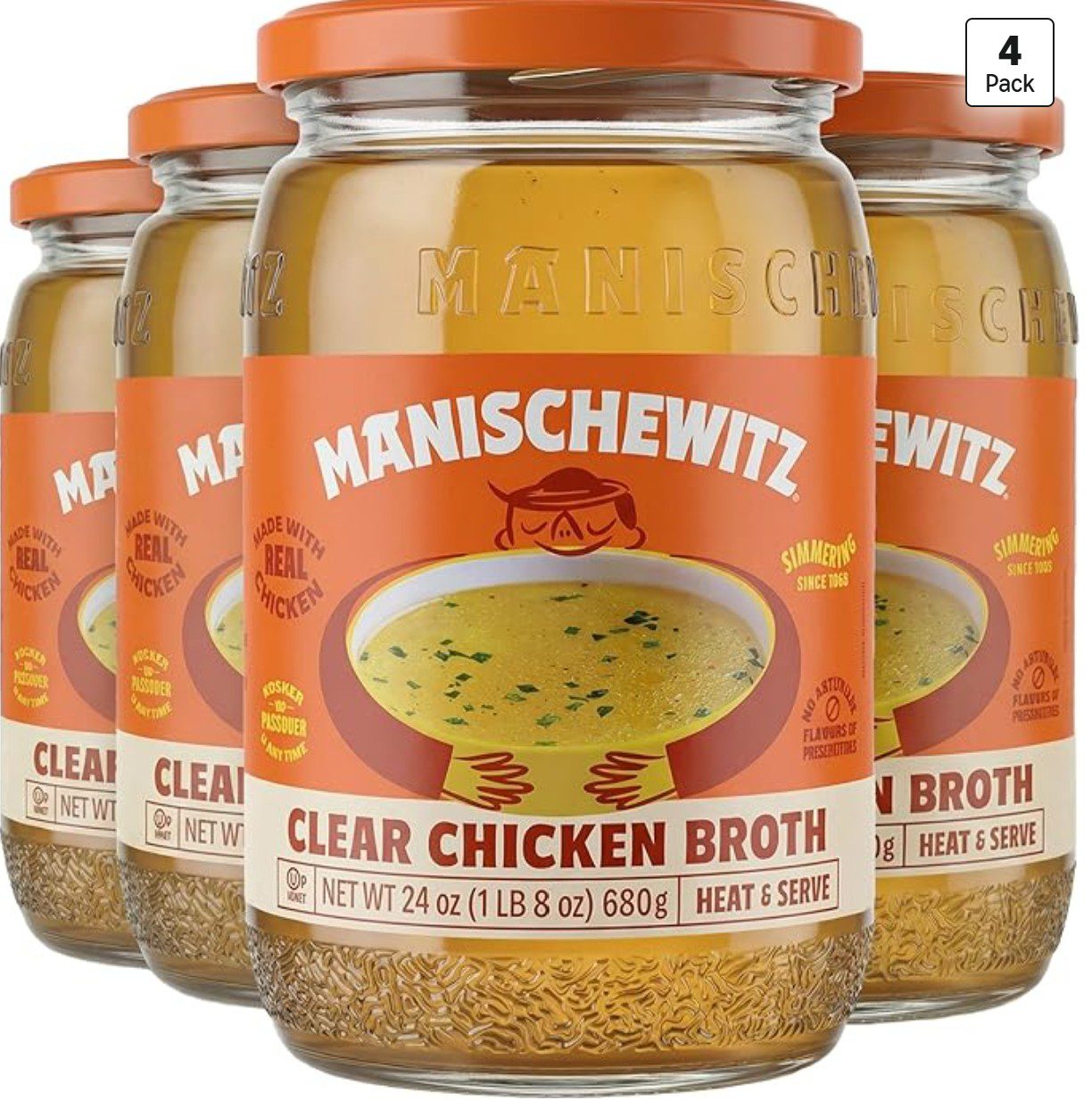
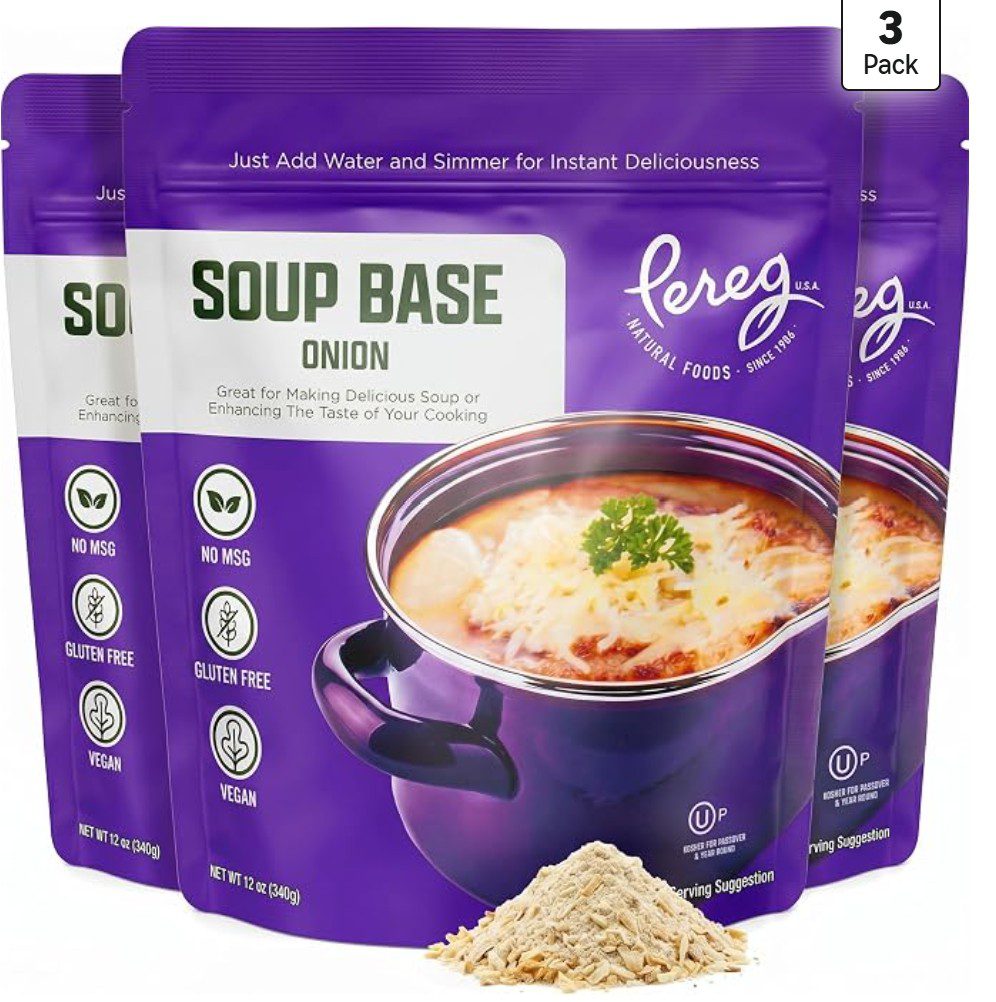
Not everyone has time to make matzo balls from scratch, and ready-made soup and broths are a fully kosher-for-Passover shortcut worth having in the pantry as a backup. Chicken and beef broths both work as a base for matzo ball soup or as a cooking liquid for other Pesach dishes, and soup nuts add the finishing crunch. As always, confirm the specific product carries Passover certification each season, since broths made for year-round use are not automatically kosher for Pesach.
🔎 What to Look For
Genuine kosher-for-Passover buying guidance.
Look for the OU-P (or equivalent Passover-specific) symbol, not just a year-round kosher mark. Regular kosher-certified products, including matzah made for year-round use, are not automatically kosher for Passover. The product must carry a specific Passover certification.
Understand the difference between Shemura and machine matzah. Shemura matzah is watched from the time of harvest (or from grinding, depending on custom) and is preferred by many for the Seder-night portion specifically; machine matzah is kosher for Passover throughout and commonly used for the rest of the week.
Enriched matzah (egg, fruit-juice, or chocolate-coated) generally cannot be used for the Seder-night mitzvah under Ashkenazi custom, and is customarily avoided during Passover altogether except by the elderly, sick, or infants. Treat it as a Passover-week snack rather than a Seder substitute, and check with a Rabbi if unsure.
"Gluten-free matzah" is not one single thing. Only matzah made from flour of the five grains (wheat, spelt, rye, barley, or oats) and water, under proper supervision, can fulfill the mitzvah — this is what genuine oat matzah is for. Gluten-free crackers made from tapioca or potato starch are not matzah at all, regardless of how they're labeled.
Check matzo meal, farfel, and matzo ball mixes for Passover certification each season — these are pantry staples that are also produced year-round, so the Pesach-certified version is a distinct product from the everyday one.

❓ Frequently Asked Questions
Common questions about kosher matzah for Passover.
Is machine-made matzah kosher for Passover?
Yes. Machine-made matzah bearing reliable Passover certification is fully kosher for Passover and is what most families use throughout the week, alongside or instead of Shemura matzah for the Seder.
What is Shemura matzah and do I need it?
Shemura matzah is watched from harvest onward to ensure no contact with moisture that could cause leavening. Many families use it specifically for the required portions at the Seder, while using regular kosher-for-Passover matzah the rest of the week — but this varies by custom, so check with your Rabbi if unsure.
Can I eat egg matzah during Passover?
Ashkenazi custom is generally to avoid enriched matzah (egg, fruit juice, etc.) during Passover, except for the elderly, sick, or infants who may need the extra nutrition. It also cannot be used to fulfill the Seder-night mitzvah. Sephardic practice may differ — consult your Rabbi.
Does gluten-free matzah fulfill the Seder mitzvah?
Only if it's genuine matzah made from flour of the five grains (commonly oats) and water under Passover supervision. Gluten-free "matzah-style" crackers made from tapioca or potato starch are not matzah and cannot be used for the mitzvah.
What's the difference between matzo meal and matzo meal farfel?
Matzo meal is finely ground matzah, used for breading, baking, and matzo balls. Farfel is coarsely broken matzah pieces, traditionally used in kugel and stuffing.
Are matzo ball mixes kosher for Passover?
Only when specifically certified kosher for Passover — regular year-round matzo ball mixes are not automatically Pesach-compliant. Always check for current-season Passover certification on the package.
Is matzah kitniyot-free?
Traditional matzah made from wheat flour and water is not kitniyot. Some flavored or enriched versions may include additional ingredients, so it's worth checking the label if you keep a strict kitniyot-free kitchen.
How much matzah do I need for the Seder?
Halachic requirements are measured by volume rather than weight, and vary depending on whether you're eating Shemura or machine matzah — a Rabbi or your community's Pesach guide can give you the exact measurements for your household size and custom.
The Kosher Hub is not a Kosher Authority. For any advice please refer to your local Kashrut Authority.
As an Amazon Affiliate we earn from qualifying purchases.




Understanding Our Kosher Certifications
The Kosher Hub references products certified by recognized kosher authorities, including OU, OK, Star-K, Kof-K, and CRC. Certification symbols and status can change, so always confirm the current kosher status directly on the product packaging or via the certifying agency's own listings before purchasing.