
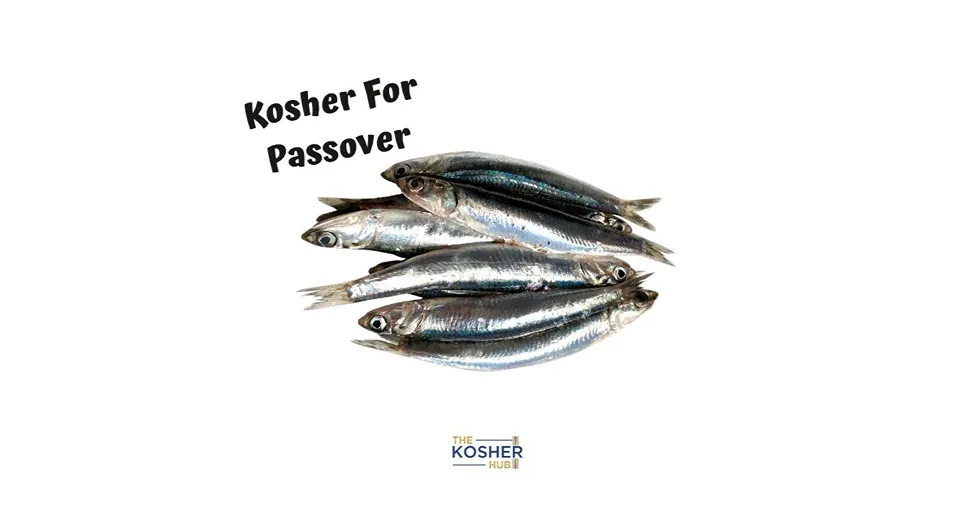
Finding the best kosher for Passover anchovies is harder than it should be. Most tins and tubes on the shelf are packed in soybean oil or sold without a Passover symbol, which rules them out for a lot of Seder tables. This guide gathers the options we could confirm and gives anchovies pride of place, then rounds out the rest of the Passover fish aisle: gefilte fish for the Seder plate, canned tuna for quick lunches, and sardines and mackerel in olive oil for salads and snacks. Every product is available on Amazon and sorted by type, so you can jump straight to what you need. Anchovies add savory depth to Caesar dressing, pasta sauces, roasted vegetables and braises without any chametz, and fish of all kinds is pareve. Scroll down to compare the choices, then use our checklist to confirm the Passover symbol on the pack that arrives at your door.
🐟 Kosher for Passover Anchovies
Sea Castle anchovy fillets and paste for sauces, salads and Seder-week cooking.
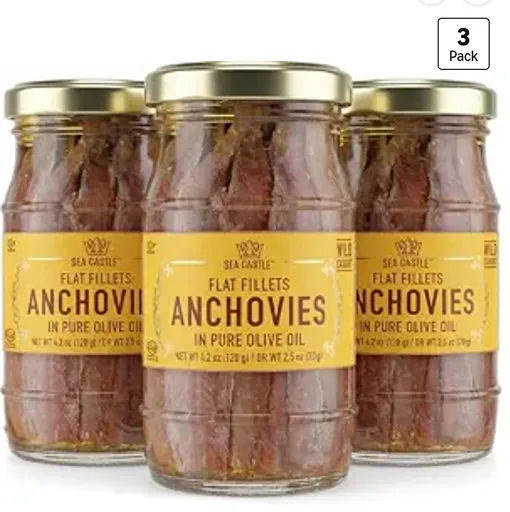
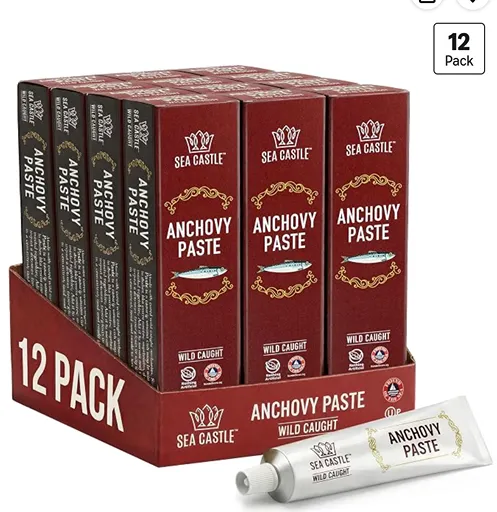
Anchovies are a small but mighty pantry staple, and over Pesach they are surprisingly hard to source with the right hechsher. We lead with Sea Castle’s flat fillet anchovies and anchovy paste because they cover the two ways most cooks use them: whole fillets for salads and dressings, and paste that dissolves into sauces, braises and marinades. Both match the only anchovy products listed in the fish section of the OU’s 2026 Passover guide, Sea Castle’s Anchovy Fillets in Olive Oil and Anchovy Paste, and both are packed in olive oil, which avoids the kitniyot concerns of soybean oil. Fish is pareve, which keeps both options flexible for meat-free and dairy-free menus, although many families follow the custom of not serving fish and meat together. Always confirm the Passover symbol on the product you receive before using it for Pesach.

🍽️ Kosher for Passover Gefilte Fish
The classic Seder starter in whitefish & pike, sweet, jelly broth and liquid broth styles.
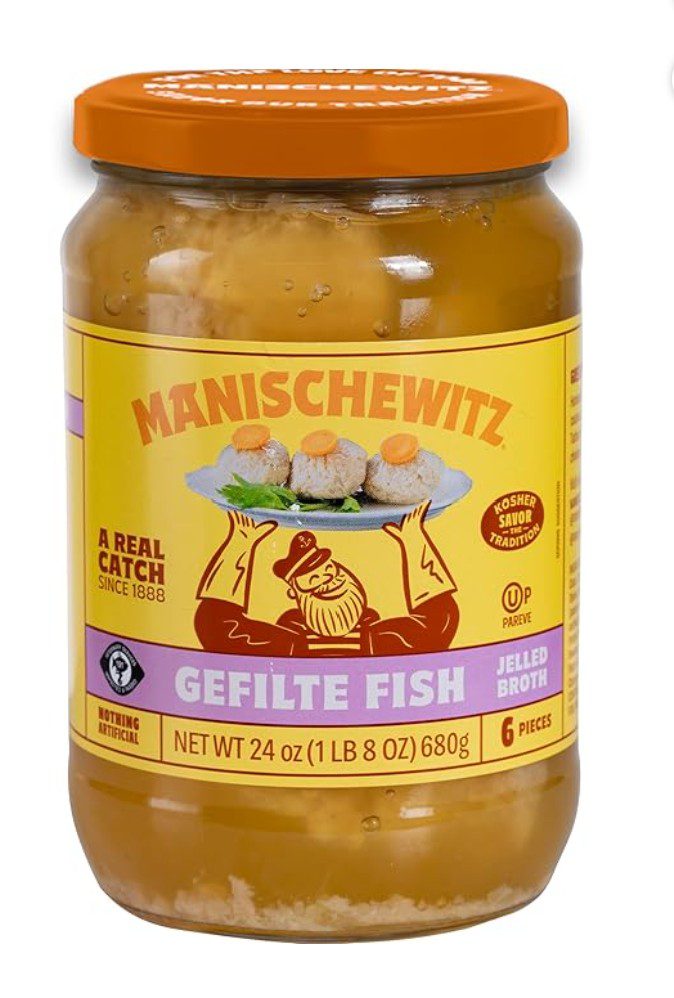
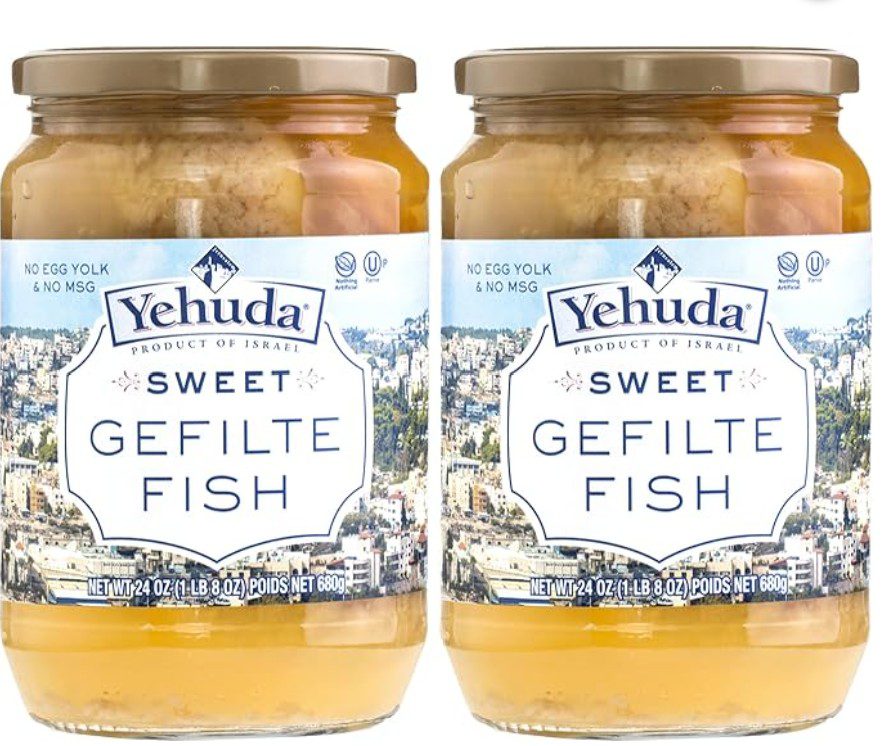
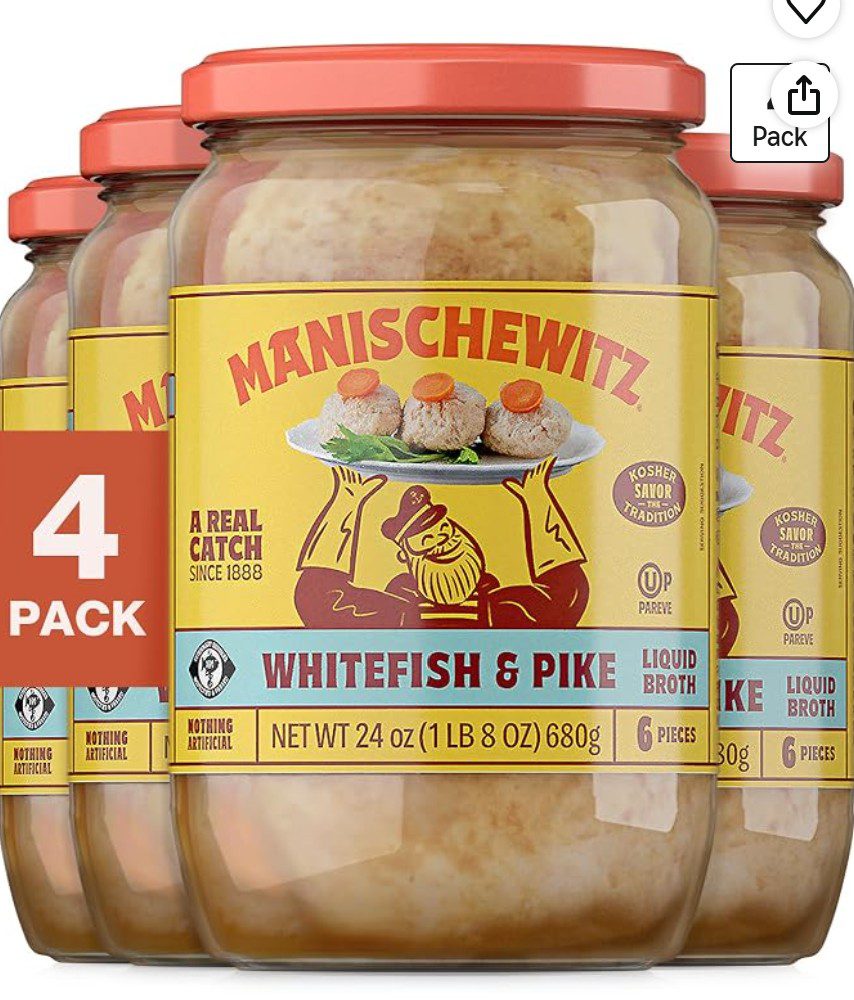
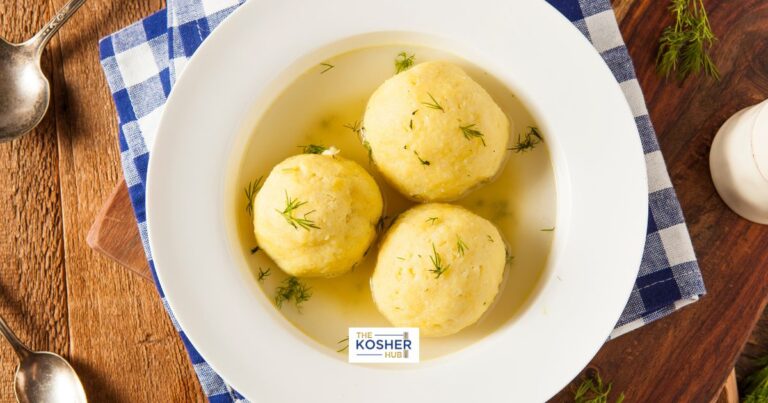
Gefilte fish is the traditional Ashkenazi opener at the Seder, and these six options cover the choices families argue about most. Manischewitz and Yehuda are both listed in the OU’s 2026 Passover guide, with whitefish and pike, sweet, jelled and liquid varieties among the gefilte fish it names. Jelly broth is served chilled in a set broth, liquid broth is looser and easy to warm, sweet suits tables that grew up on the sweeter Polish-style recipe, and whitefish and pike is the classic blend. Serve it with beet horseradish and sliced carrot, and remember that fish is pareve, so it fits comfortably before either a meat or dairy meal. Check the pack for the Passover symbol, because the same brand can sell non-Passover versions year-round.
🕎 Our Own Hanukkah Designs
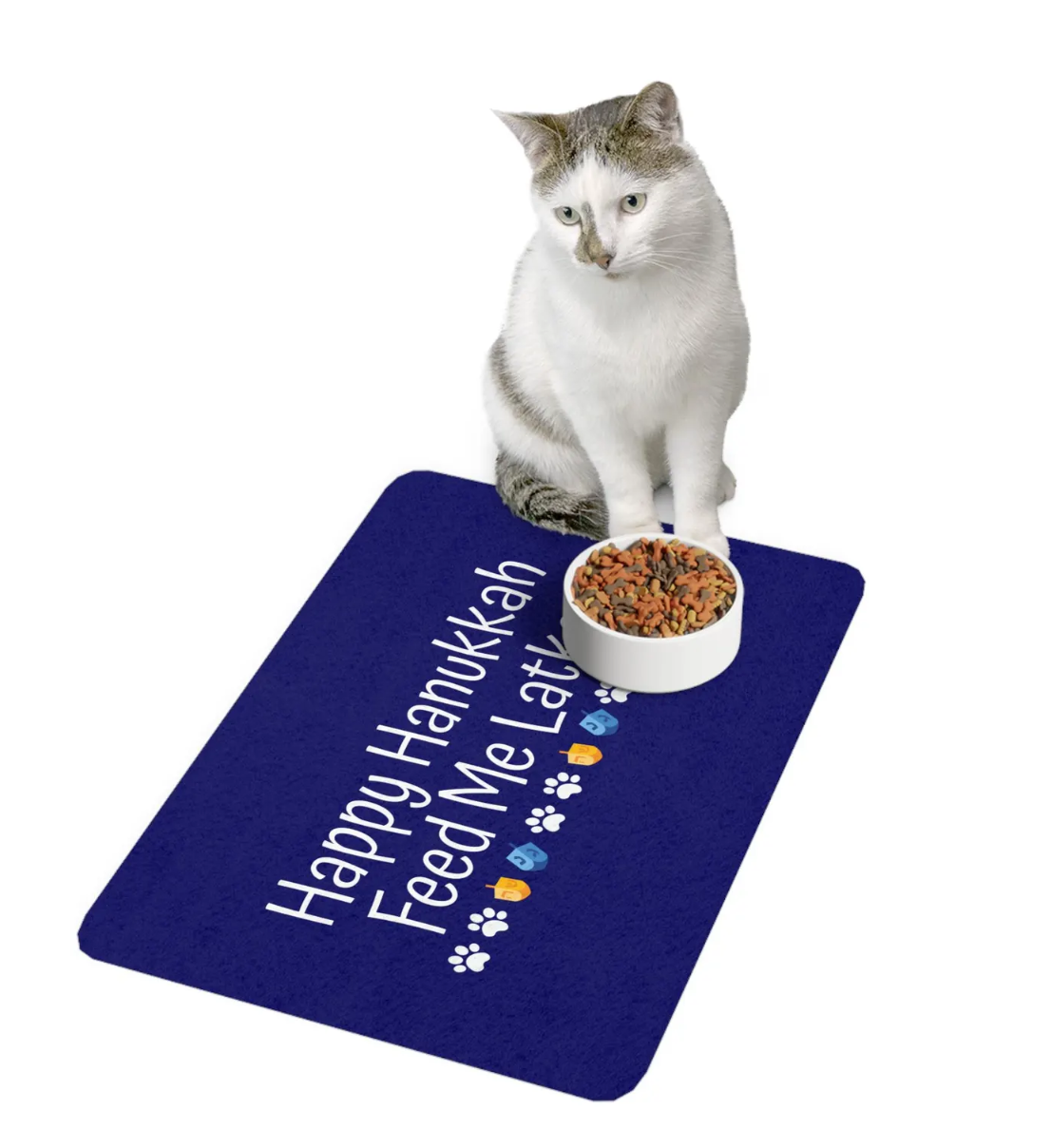
Designed by us and available on Etsy.



🥫 Kosher for Passover Tuna
Tuscanini yellowfin tuna in olive oil, water and with chili, plus everyday canned tuna.
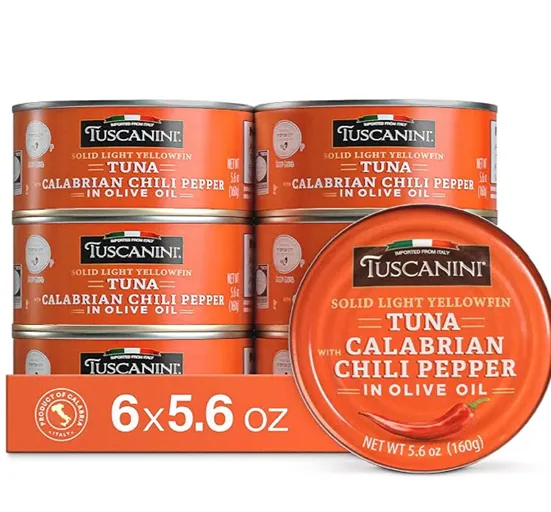
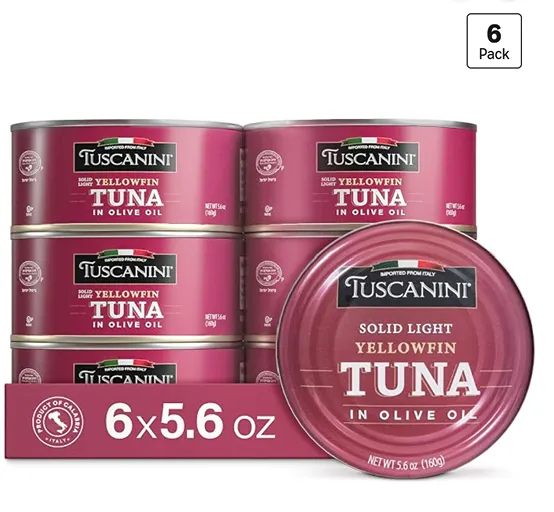
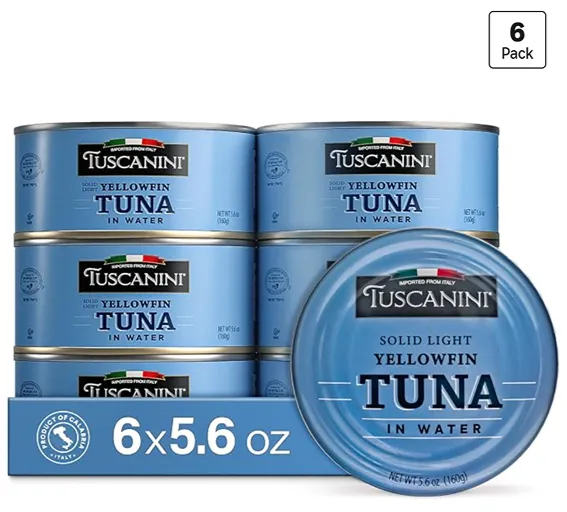
Canned tuna is the workhorse of the Passover pantry, since it needs no cooking and pairs with everything from salads to egg dishes. We lead with three Tuscanini options: yellowfin in olive oil with Calabrian chili peppers, yellowfin in plain olive oil, and yellowfin in water for a lighter, leaner choice. The OU’s 2026 Passover guide lists Tuscanini tuna in all of these styles, including solid light in oil with chili peppers, yellowfin in olive oil and yellowfin in water. Two further canned tuna options sit below them for everyday use. On Passover, the packing liquid matters as much as the fish, so tuna in water or olive oil is the safe default. Fish is pareve, which means it also works in dairy-free and meat-free cooking.

🐠 Kosher for Passover Sardines & Mackerel
Olive oil–packed sardines and mackerel for salads, snacks and light meals.


Sardines and mackerel are protein-packed, shelf-stable and ready in seconds, which makes them ideal for busy days between the Seder meals. Many tins are packed in soybean oil, which is kitniyot and avoided by Ashkenazi families on Pesach, so we chose olive oil–packed options only. The OU’s 2026 Passover guide lists Sea Castle sardines in olive oil among its OU-P products. Mash sardines onto matzah with lemon and red onion, or flake mackerel into a salad with cucumber and herbs. Check the can itself for a Passover symbol before you buy, since packaging and certification can differ between product lines.
✅ What to Look For in Kosher for Passover Fish
A quick certification checklist before you add anything to your cart.
A reliable Passover symbol. Look for a mark such as OU-P on the pack itself. Canned and tinned fish is processed with oils, broths and additives, so a regular kosher symbol alone is not enough for Pesach.
The packing liquid. Olive oil and water are the safe choices. Soybean and other seed oils are kitniyot, which many Ashkenazi families avoid, and some tins add vegetable broth or flavorings.
Kitniyot and additives. Read the ingredient list for legumes, corn derivatives and flavorings. Flavored and sauced varieties, such as tomato sauce, need a Passover symbol of their own.
Gefilte fish ingredients. Passover gefilte fish is made with matzah meal rather than flour. Regular year-round versions can contain chametz, so only buy packs marked for Pesach.
Pareve status. Fish is pareve, but cooking or eating fish and meat together is avoided by many families. Check with your rabbi if you follow a specific custom.
Fresh or frozen fish. Fish with scales and fins is kosher, but fresh fish should come from a kosher fishmonger or still carry its skin with scales attached. Processed fish needs supervision.
Year-to-year changes. Packaging, ingredients and certification can change, so check your local Kashrut Authority’s current Passover guide each year.
❓ Frequently Asked Questions
Quick answers about kosher for Passover anchovies and fish.
Are anchovies kosher for Passover?
Plain anchovies can be kosher for Passover when the pack carries a reliable Passover symbol. Anchovies are a kosher fish species, but tinned products are processed with oils and additives, so the Passover certification on the label is what matters. In the OU’s 2026 Passover guide, the anchovy products listed are Sea Castle’s anchovy fillets in olive oil and anchovy paste, which are the two products featured here.
Is anchovy paste kosher for Passover?
Anchovy paste is kosher for Passover only if the tube or jar is certified for Pesach. Pastes can include oils, vinegars and flavorings that are not allowed on the holiday. Check the symbol on the packaging you receive, and confirm it against your local Kashrut Authority’s Passover guide.
Is canned tuna kosher for Passover?
Canned tuna is kosher for Passover when it carries a Passover symbol and is packed in water or olive oil. Many other tuna products contain vegetable broth or soybean oil, which are avoided by many Ashkenazi families. The OU’s 2026 guide lists several Tuscanini tuna varieties, including yellowfin in olive oil and in water.
Are sardines kosher for Passover?
Sardines are kosher for Passover when packed in olive oil or water and certified for the holiday. Soybean oil is kitniyot, so sardines in that oil are a common mistake. The OU’s 2026 Passover guide lists Sea Castle sardines in olive oil.
Is gefilte fish kosher for Passover?
Gefilte fish is kosher for Passover only when the pack is marked for Pesach, because it is made with matzah meal instead of flour. Year-round versions from the same brand may contain chametz. The OU’s 2026 guide lists several brands, including Manischewitz and Yehuda, with whitefish and pike, sweet, jelled and liquid varieties.
What is the difference between jelly and liquid gefilte fish?
Jelly gefilte fish is served in a set broth, usually chilled, while liquid gefilte fish sits in a looser broth that is easy to warm or serve cold. The fish itself is similar, so the choice comes down to texture and family tradition. Sweet varieties add a different flavor profile.
Can I eat fish and meat together on Passover?
Fish is pareve, but many families follow the custom of not cooking or eating fish and meat together. This applies year-round and is not specific to Pesach. Ask your rabbi if you are unsure about your family’s practice.
How should I store opened anchovies, sardines or tuna?
Transfer leftovers to an airtight container, keep them refrigerated and follow the storage guidance on the label. Fish packed in oil should stay covered in its oil. Use opened tins within a couple of days for best quality and safety.
The Kosher Hub is not a Kosher Authority. For any advice please refer to your local Kashrut Authority.
As an Amazon Affiliate we earn from qualifying purchases.





Understanding Our Kosher Certifications
The Kosher Hub references products certified by recognized kosher authorities, including OU, OK, Star-K, Kof-K, and CRC. Certification symbols and status can change, so always confirm the current kosher status directly on the product packaging or via the certifying agency's own listings before purchasing.