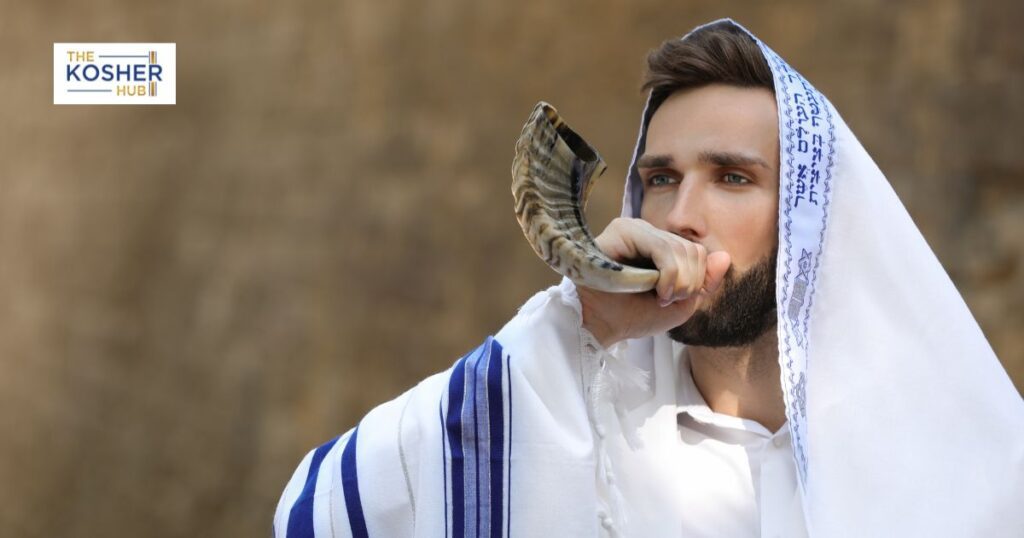
The shofar is one of the most powerful and ancient symbols of Rosh Hashanah — a hollowed ram's horn blown in the synagogue to call the Jewish people to reflection, repentance, and renewal at the start of the High Holidays. Choosing the right shofar on Rosh Hashanah, whether for synagogue use, a family gift, or a first-time blower learning the tekiah, teruah, and shevarim blasts, comes down to horn type, size, finish, and how easy it is to sound. Below, we've gathered a range of authentic shofars sourced from Israel — from natural, unpolished ram's horns to elegant silver-plated shofars, polished kudu horns, and a rarer oryx horn option — so you can find one that matches both the occasion and the person who will be blowing it. Every shofar here is genuine animal horn, hand-shaped in the traditional way, and suitable for use throughout the Rosh Hashanah and Yom Kippur services. We've also included a short video guide on how to blow the shofar, useful for anyone picking one up for the first time this year.
🐏 Traditional Israeli Ram's Horn Shofars
Natural, authentic shofars imported from Israel.
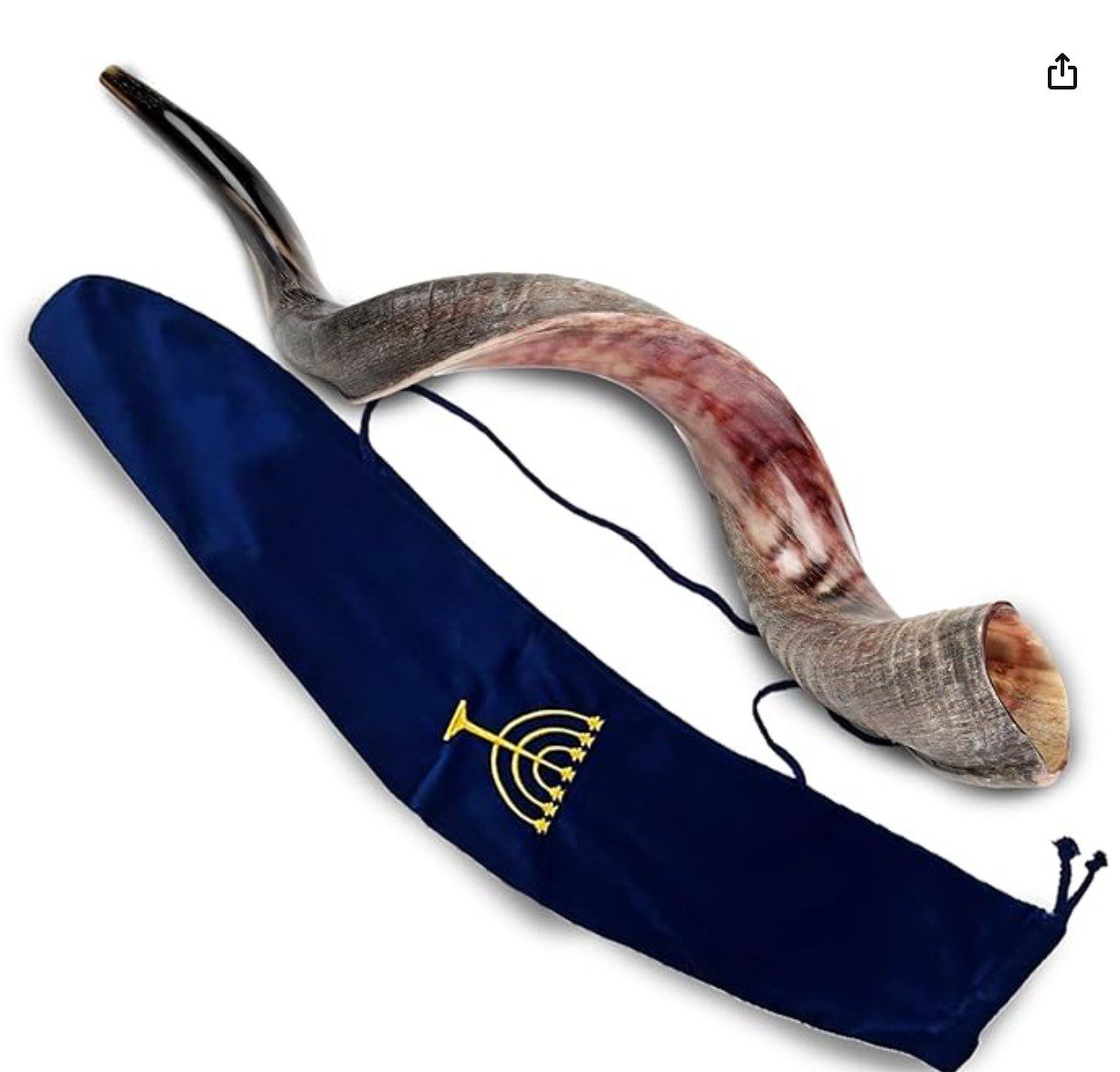
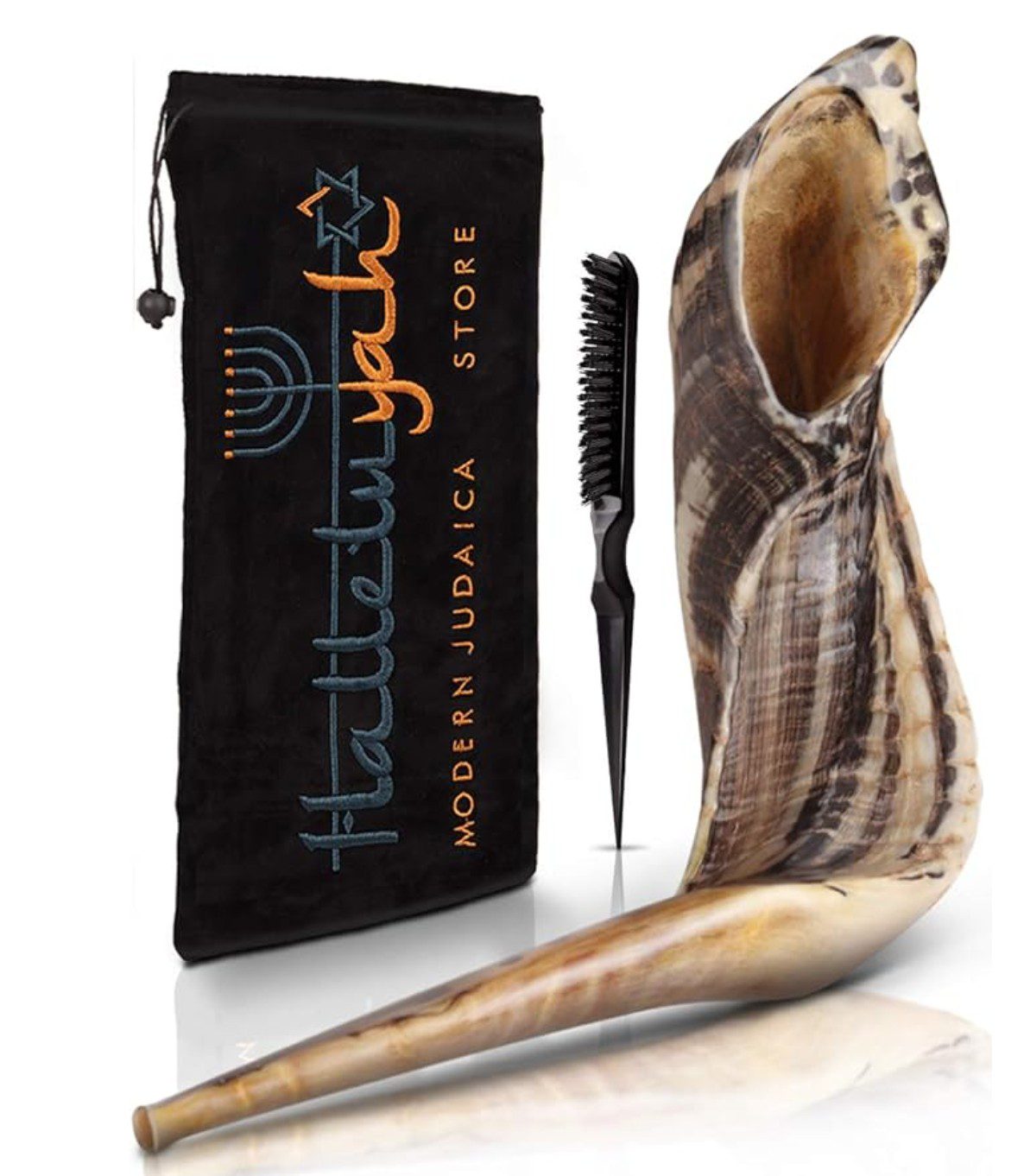
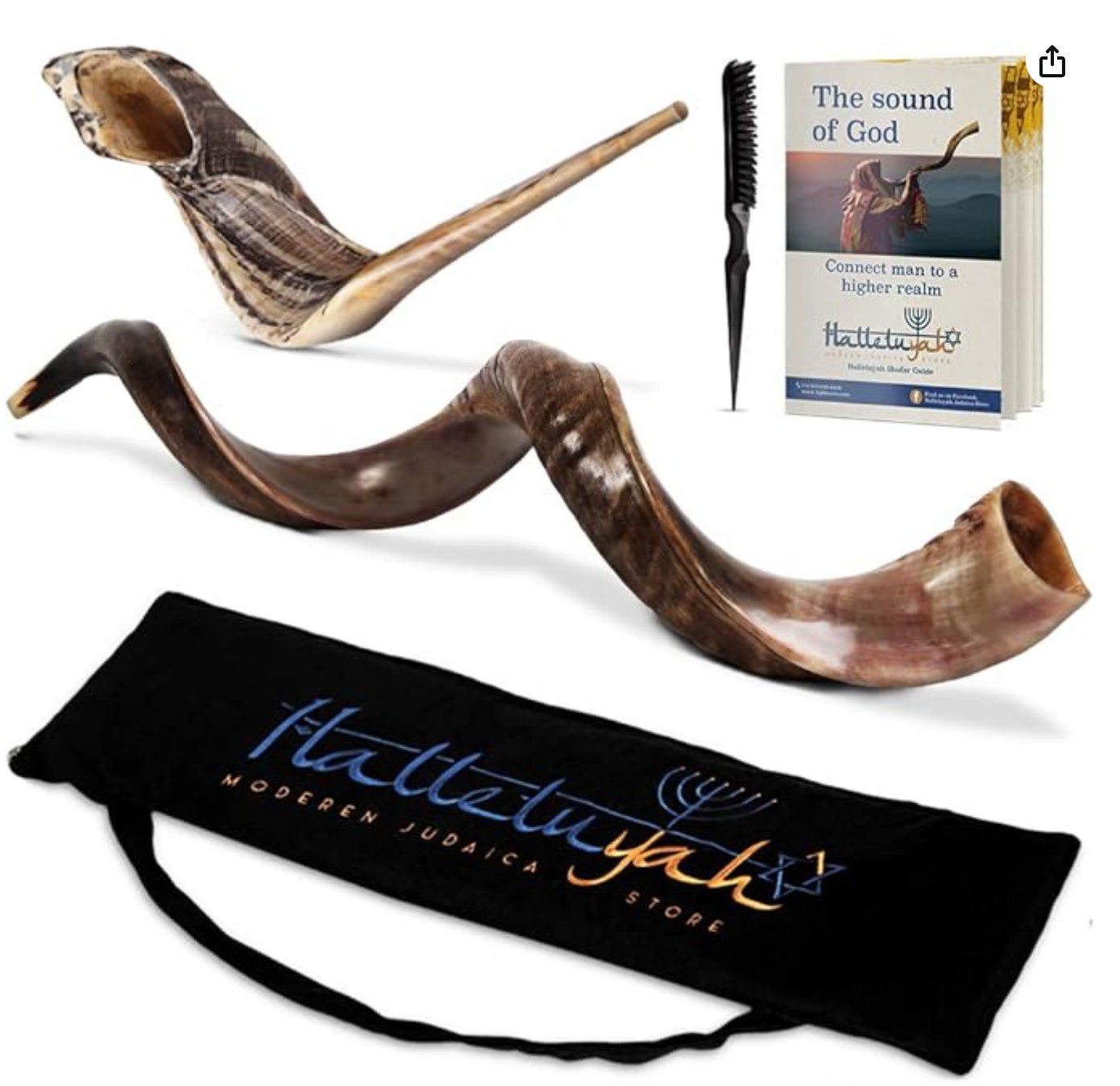
These three shofars represent the classic, natural end of the spectrum — genuine ram's horn and kudu horn instruments shaped using traditional methods and imported from Israel. The Kudu Shofar from Israel is prized for its long, dramatic curve and deep, resonant tone, making it a popular choice for synagogue use or as a striking display piece. The Israeli Ram's Horn Shofar has been odor-treated, addressing one of the most common concerns first-time buyers raise about natural horn instruments, while still keeping an authentic, traditional look and sound. The Ram's Horn Shofar with bonus items is a practical option for beginners, arriving with extras to help someone get started. A valid shofar must come from a kosher-species animal — a ram or an antelope like kudu, never a cow or ox — but this is a halachic requirement about the animal itself, not a food kosher certification, so you won't see a hechsher symbol on a shofar listing the way you would on a food product.

🎺 How to Blow the Shofar
A short video guide for first-time shofar blowers.
Blowing a shofar takes practice, and even a well-chosen horn can stay silent in untrained hands at first. The video above walks through the basic embouchure and airflow used to produce the tekiah, shevarim, and teruah blasts, and is a useful watch before Rosh Hashanah for anyone who will be sounding the shofar this year — whether for the first time or the fiftieth.
✨ Holy Voice Premium Shofars
Polished and silver-plated shofars for gifting and display.
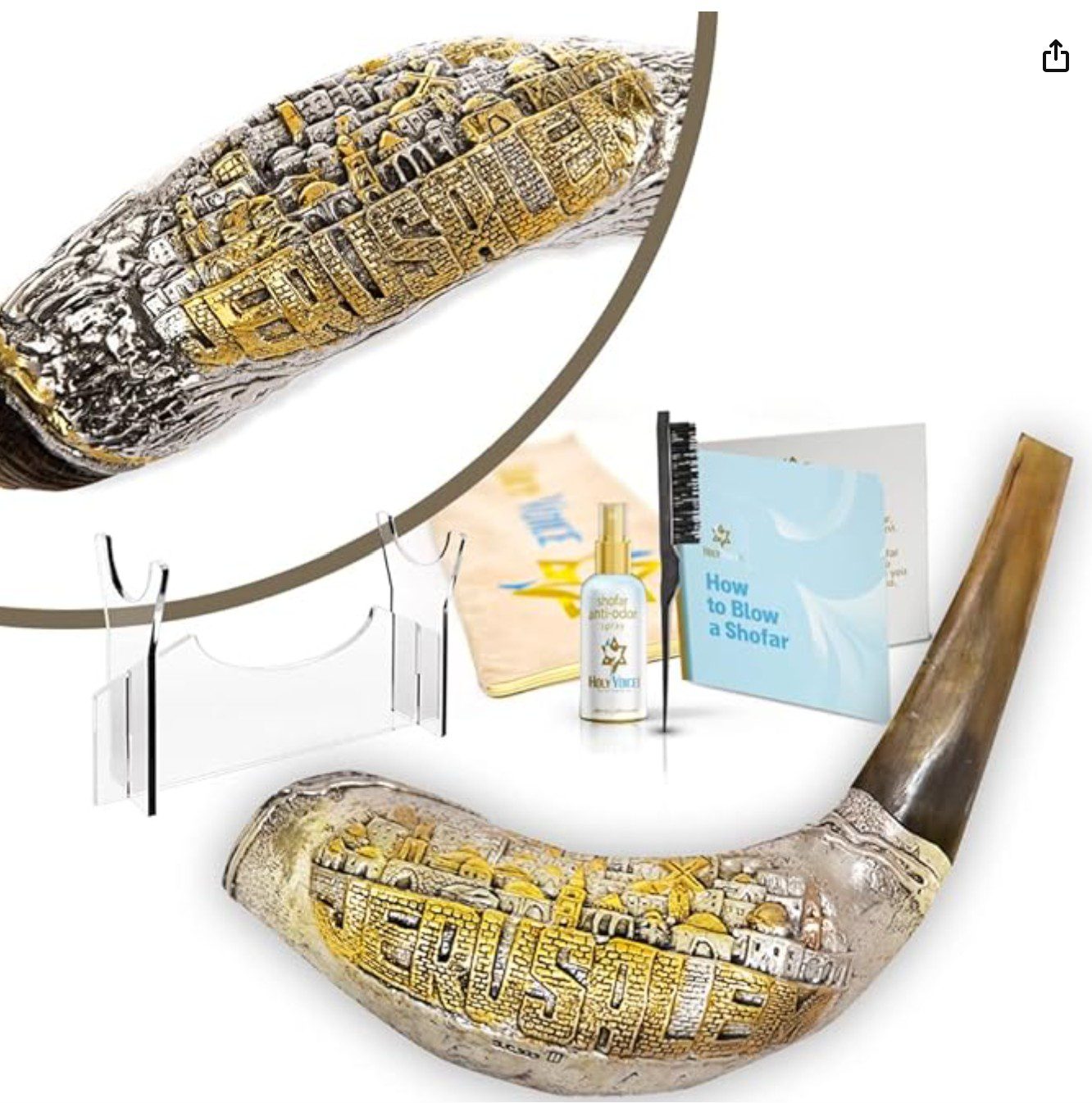
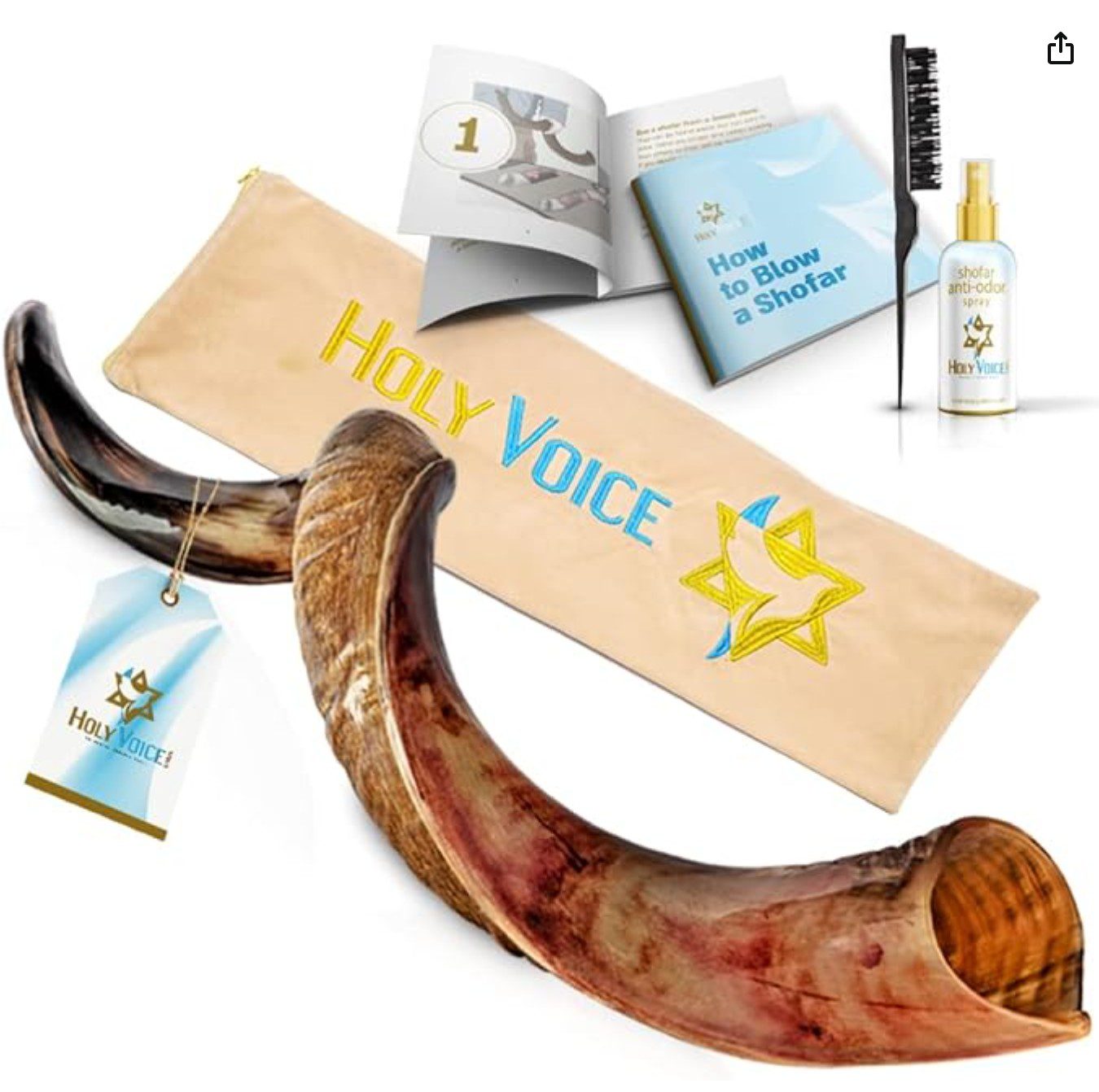
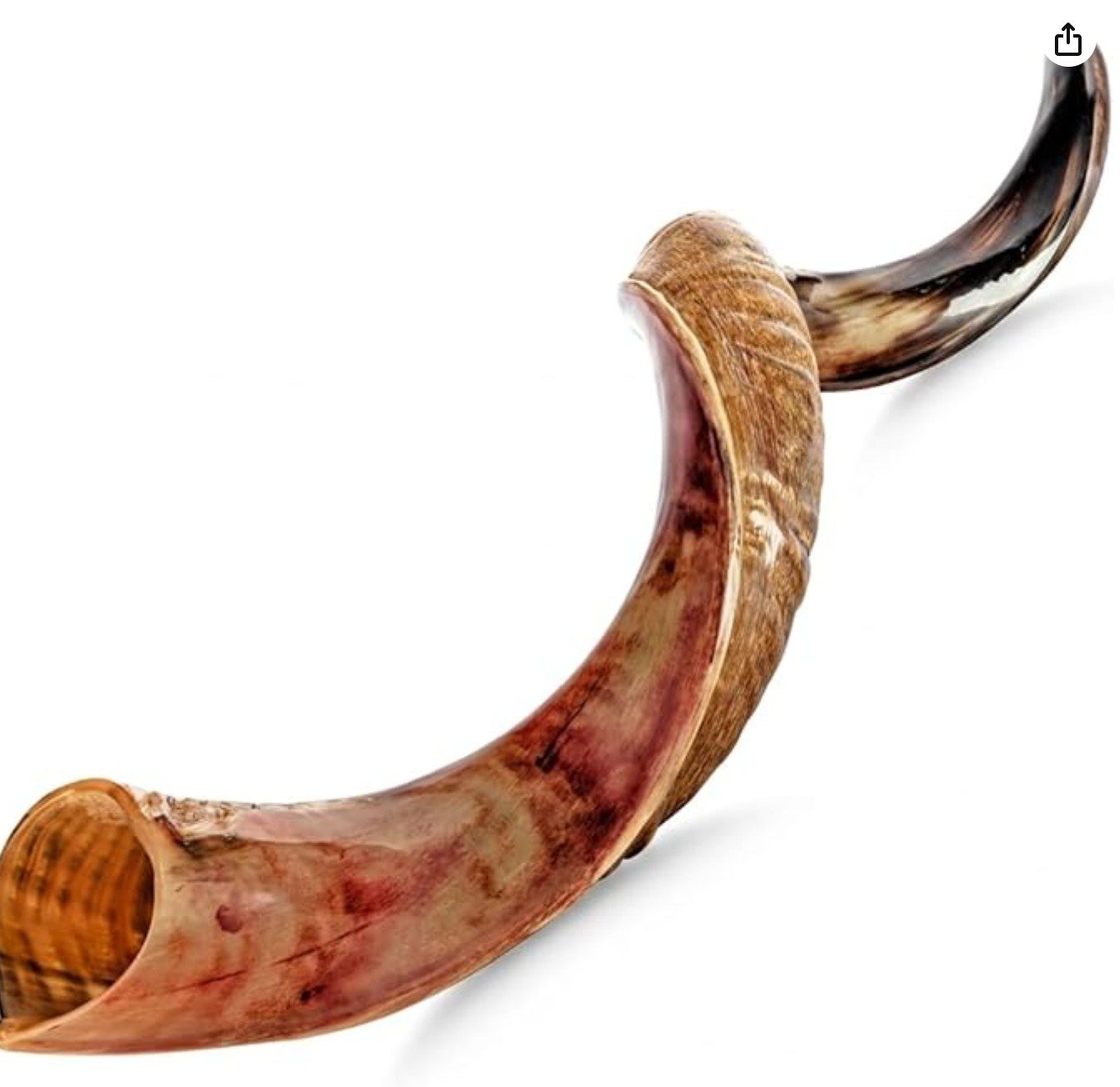
The Holy Voice shofars offer a more refined, gift-ready presentation while remaining fully traditional instruments. The Silver-Plated Shofar adds a decorative metal band and mouthpiece finish, making it a popular Rosh Hashanah gift for a rabbi, cantor, or family member who already owns a plain shofar and wants something special for display. The Holy Voice Kudu Shofar is polished to a smooth, glossy finish along its full length, which many first-time blowers find easier to grip and sound than a rough natural horn. The Half-Polished Shofar from Israel splits the difference, with a smoothed mouthpiece and upper horn but a natural, unpolished lower section — a look many buyers prefer for its balance of tradition and refinement. As with any shofar, sound quality depends more on horn shape and mouthpiece than on polish, so all three are genuinely playable instruments rather than purely decorative pieces.
🌿 Proshofar Collection from Israel
Craftsman-made shofars, including a rarer oryx horn option.
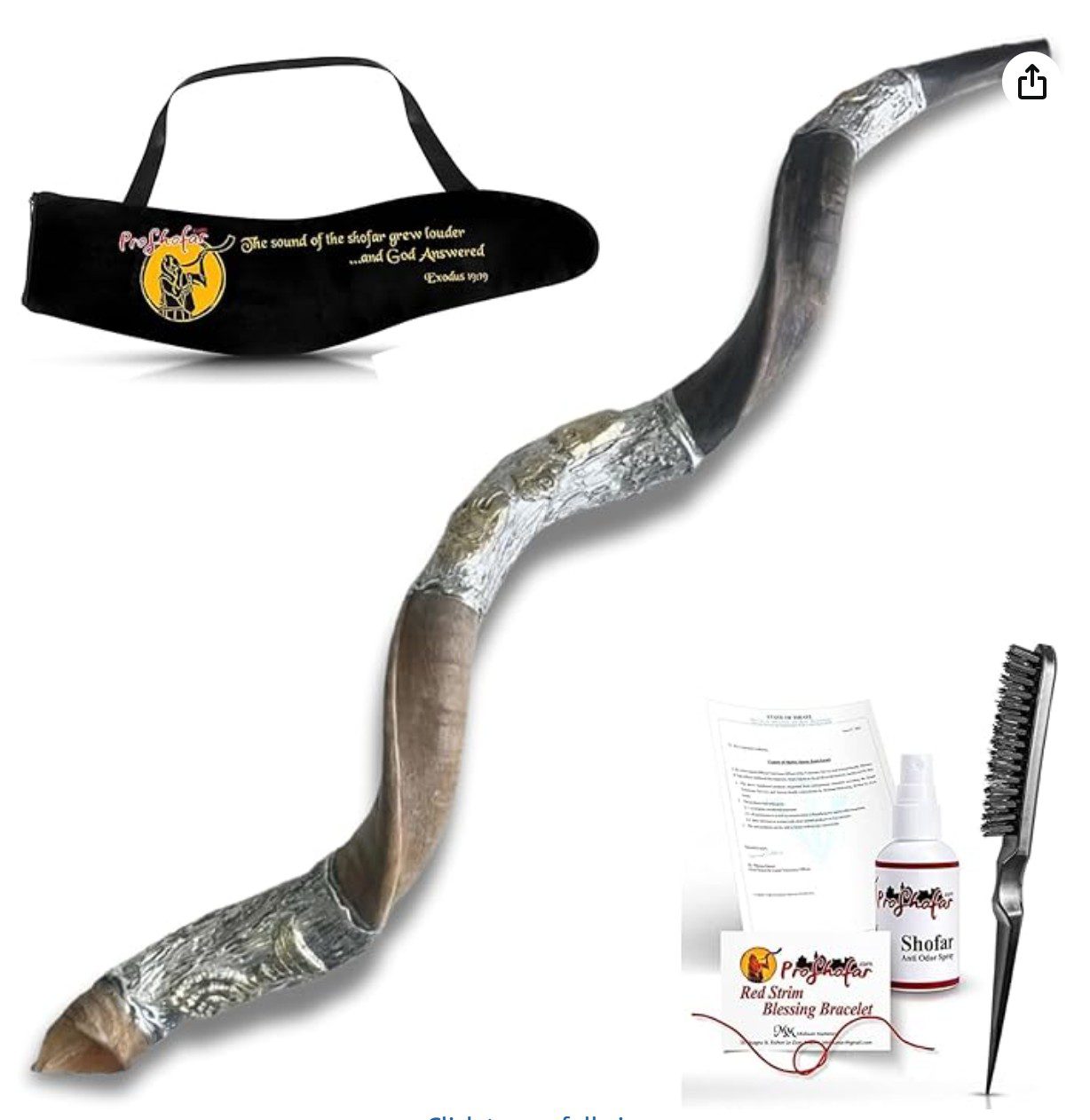
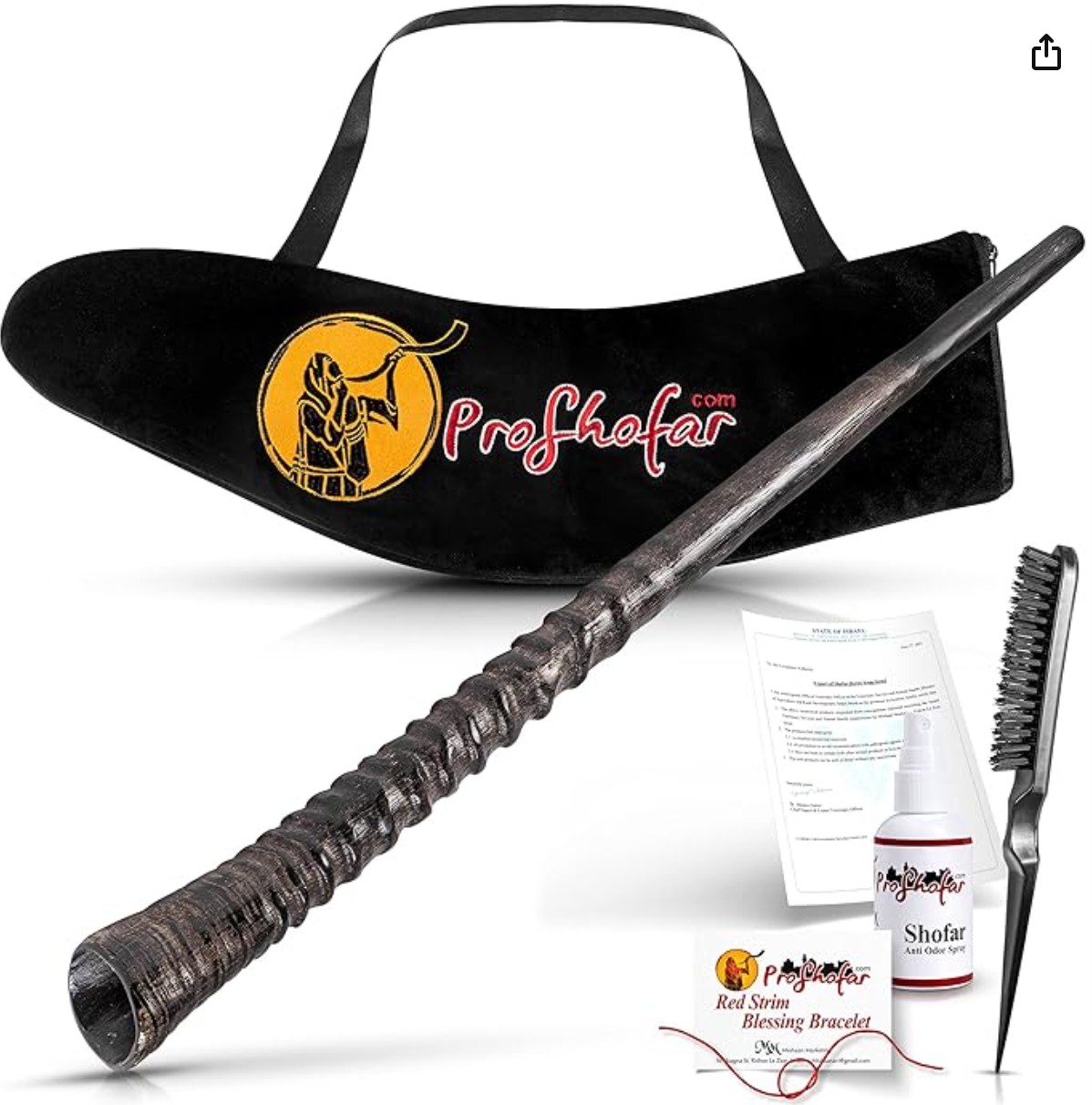
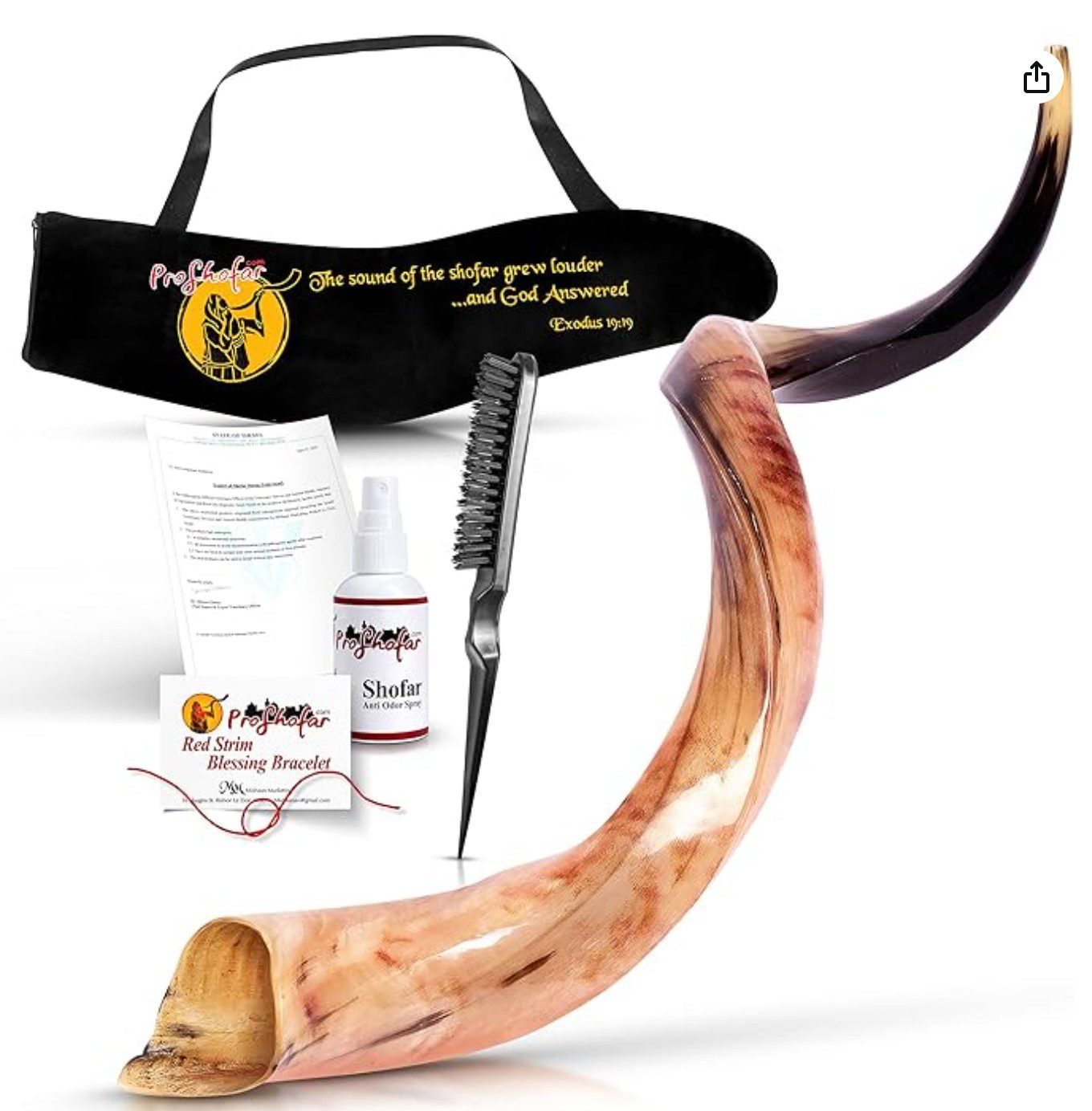
Proshofar rounds out the lineup with a fully polished kudu option and a genuine rarity: an oryx horn shofar. Oryx horn comes from another kosher-species antelope, similar in principle to kudu, but with a straighter, more slender profile that gives it a distinct look and a slightly different tone — a good pick for a collector or anyone who wants a shofar that stands out from the more common ram's horn and kudu shapes. The Silver Shofar offers a decorative metal finish similar in spirit to the Holy Voice silver-plated option above, while the Fully Polished Kudu Shofar is smoothed along its entire length for a clean, glossy look and an easier grip for less experienced blowers. All three are made in Israel and are genuine, playable shofars rather than display-only pieces.

🔍 What to Look For When Buying a Shofar
Real buying criteria from years of researching Judaica products.
- Horn type — ram's horn, kudu, or oryx: Ram's horn shofars are shorter with a tighter curl and a sharper, more classically "traditional" blast; kudu horns are longer and spiral dramatically for a deeper tone; oryx horn is straighter and more slender, giving a distinct look and a somewhat different sound.
- Length and curve: A longer, more curved horn generally amplifies the sound and makes an impressive display piece, but can be harder for a beginner to control than a shorter, straighter horn.
- Polished vs. natural finish: A polished shofar is smoother to grip and often easier for a first-time blower to sound, while a natural, unpolished horn keeps the traditional rustic look many buyers want.
- Odor treatment: Fresh, natural ram's horn can retain a faint animal-horn smell, especially in warm weather. Odor-treated shofars go through extra cleaning and sealing to reduce this without affecting the sound.
- Mouthpiece comfort: The size and smoothness of the mouthpiece opening has a big effect on how easily a beginner can produce a clear note — a rough or very narrow opening makes the shofar harder to sound.
- Crack-free, uncut horn: A shofar should be a single, hollowed, uncut horn free of cracks or holes; this matters for both durability and for its traditional use as a ritual instrument.
- Country of origin: Shofars sourced from Israel are widely favored for their craftsmanship and connection to tradition, though quality varies by maker regardless of origin.
- Intended use: A shofar meant for synagogue or ceremonial use should prioritize sound quality and comfort, while one bought primarily as a gift or display piece can lean toward a more decorative, polished finish.

❓ FAQs About Shofars for Rosh Hashanah
What is a shofar and why is it blown on Rosh Hashanah?
A shofar is a hollowed animal horn, traditionally a ram's horn, blown as a wordless call to repentance during the Rosh Hashanah and Yom Kippur services. Its blasts are meant to awaken the listener spiritually at the start of the Jewish new year.
What animal horn is a shofar traditionally made from?
Most shofars are made from a ram's horn, though kudu horn from an African antelope is also common because of its long, dramatic curve. Cow and ox horns are not used, since they're historically associated with the sin of the golden calf.
What's the difference between a ram's horn and a kudu horn shofar?
A ram's horn shofar is shorter with a tighter curl and tends to produce a sharper, more classically traditional blast, while a kudu horn is longer and spirals more dramatically, often producing a deeper tone. Both are used in Jewish communities around the world, with preference varying by custom and personal taste.
Do I need any experience to blow a shofar?
No prior experience is required, but blowing a clear note does take some practice with breath control and lip position. Many first-time buyers find a polished shofar with a smooth mouthpiece easier to sound than a fully natural, unpolished horn.
How is "shofar" pronounced?
Shofar is pronounced sho-FAR, with the emphasis on the second syllable, from the Hebrew word for "horn."
Are odorless or odor-treated shofars different from natural ones?
Odor-treated shofars go through an additional cleaning and sealing process to reduce the natural horn smell that some fresh ram's horns can have, without affecting how the instrument sounds. They're a popular choice for anyone who wants a shofar for home or synagogue use without a stronger natural odor.
Is a shofar blown only on Rosh Hashanah?
The shofar is blown throughout the Rosh Hashanah services and once again at the very end of Yom Kippur to mark the close of the fast. Many communities also sound it daily during the month of Elul leading up to the High Holidays.
How many shofar blasts are traditionally sounded on Rosh Hashanah?
The traditional custom calls for 100 shofar blasts over the course of the Rosh Hashanah service, made up of different combinations of tekiah, shevarim, and teruah sounds. This is a widely followed custom, though some communities vary slightly.
How should a shofar be cared for and stored?
A shofar should be kept somewhere dry and away from direct heat or sunlight, since natural horn can dry out, warp, or crack over time. Wiping the mouthpiece after use and storing it in a soft bag or case helps protect both the finish and the sound quality.
Can a shofar make a good Rosh Hashanah gift even if the recipient won't blow it in synagogue?
Yes — a shofar is a meaningful gift on its own, whether it's used for practice, kept as a home ornament, or given to a child learning about the holiday. Silver-plated and polished versions are popular gift choices specifically because they double as attractive display pieces.
What is an oryx horn shofar, and how is it different from a kudu shofar?
Oryx horn comes from another kosher-species antelope, similar in principle to kudu, but the horn is straighter and more slender rather than deeply spiraled. It's a less common choice than ram's horn or kudu, but fully valid for use as a shofar.
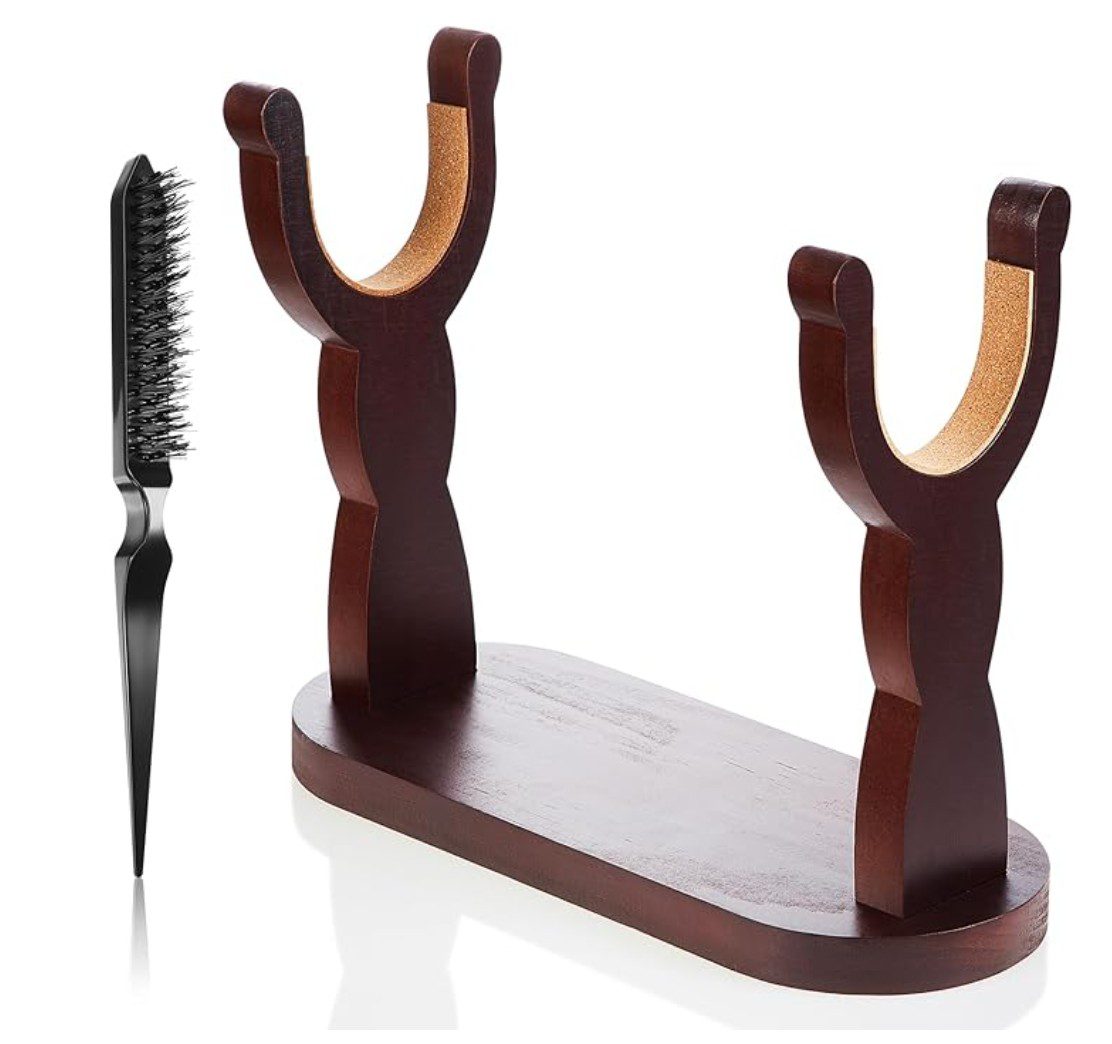
Do I need a shofar stand?
A stand isn't required by Jewish law, but it's a practical way to keep a shofar upright and protected when it's not being blown, whether it's stored at home or kept on display in a synagogue.
As an Amazon Affiliate we earn from qualifying purchases.




Understanding Our Kosher Certifications
The Kosher Hub references products certified by recognized kosher authorities, including OU, OK, Star-K, Kof-K, and CRC. Certification symbols and status can change, so always confirm the current kosher status directly on the product packaging or via the certifying agency's own listings before purchasing.