
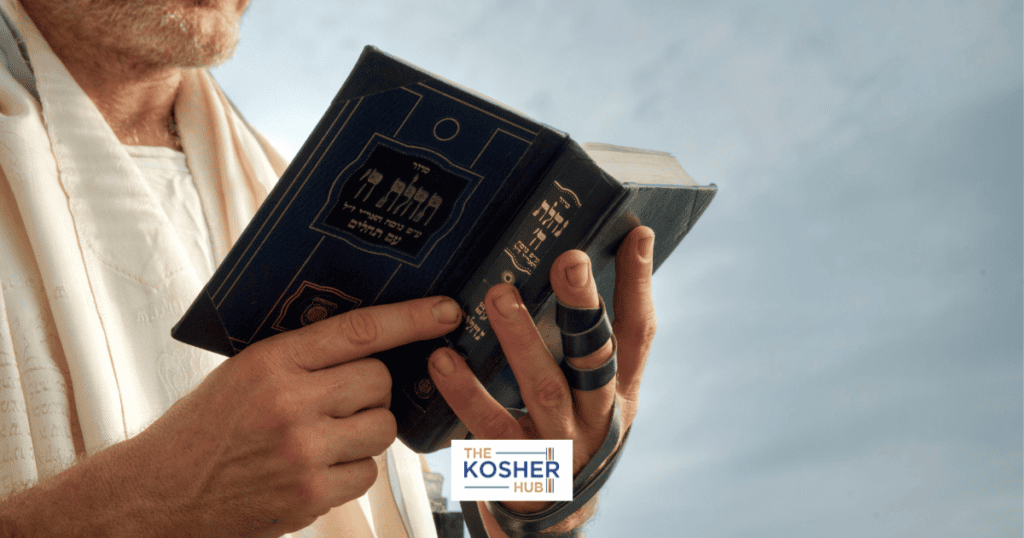
A Rosh Hashanah service looks and feels different from an ordinary Shabbat morning at synagogue — longer, fuller, and built around themes of judgment, memory, and renewal rather than the weekly rhythm of the Torah cycle. If you're going for the first time, or the first time in years, it helps to know roughly what's coming: how long to plan for, what's read from the Torah, when the shofar sounds, and what the unfamiliar Hebrew terms on the page actually mean. Most Orthodox services begin between 7:00 and 8:00am and run until early afternoon, guided by a special prayer book called a machzor. Below, we've laid out the structure of a typical Rosh Hashanah service in the order it happens, followed by a few practical essentials for the day Please note The Kosher Hub is not a Authority so any questions direct them to your local rabbinical authority.
🌙 Before Rosh Hashanah: Selichot & Erev Rosh Hashanah
The spiritual lead-up starts before the holiday itself.
Rosh Hashanah doesn't begin cold — the run-up starts with Selichot, special penitential prayers said in the early morning or late at night. Ashkenazi communities typically begin Selichot on the Saturday night before Rosh Hashanah (timed so there are at least four days of recitation), while Sephardi communities begin from the start of the Hebrew month of Elul, a full month earlier. On Erev Rosh Hashanah itself — the day before — many people attend morning prayers, recite a final Selichot, perform Hatarat Nedarim (a formal annulment of vows), give extra charity, and some visit the graves of righteous relatives or rabbis. Tachanun, the penitential prayer said on ordinary weekdays, is skipped that day, and the afternoon is spent preparing the festive meal before candles are lit at sundown.
🗓️ Rosh Hashanah Service at a Glance
- Selichot & Erev Rosh Hashanah — the spiritual and practical lead-up.
- Shacharit begins (~7–8am) — the morning service opens with Avinu Malkeinu.
- Torah & Haftarah reading — a different reading each day.
- The shofar is sounded — traditionally around 100 blasts across the service.
- Mussaf & the Netaneh Tokef — the most emotional part of the liturgy.
- Tashlich (afternoon) — a symbolic ritual at a body of water.
- Day two repeats the structure, with its own Torah reading, candle lighting, and Kiddush.
- If Day One falls on Shabbat — several customs shift, most notably the shofar.
| Event | Erev RH | Day 1 | Day 2 | If Day 1 Is Shabbat |
|---|---|---|---|---|
| Selichot | ✓ morning | — | — | Same |
| Candle Lighting | ✓ | ✓ (2nd night) | — | Follows Shabbat/Yom Tov rules |
| Maariv (evening) | ✓ | ✓ | ✓ | Includes Shabbat liturgy |
| Shacharit | — | ✓ | ✓ | Includes Shabbat liturgy |
| Torah Reading | — | Genesis 21 | Genesis 22 | Same readings |
| Haftarah | — | 1 Samuel 1–2 | Jeremiah 31 | Same |
| Musaf | — | ✓ | ✓ | Includes Shabbat additions |
| Shofar | — | ✓ | ✓ | Not blown; moved to Day 2 |
| Tashlich | — | Usually afternoon | If postponed | Usually moved to Day 2 |
| Avinu Malkeinu | — | Usually recited | Usually recited | Generally omitted |
This reflects the common Ashkenazi order of service. Sephardi communities follow the same overall structure, with differences in wording and certain customs.
📖 The Morning Service: Shacharit & the Torah Reading
Where the day begins, and what's read from the Torah.
The morning service opens with Pesukei D'Zimra (morning psalms), then moves into Shacharit itself — together with the additional Mussaf service that follows, plan on roughly four to five hours in an Orthodox synagogue, shorter in Reform and Conservative settings. Early on, the congregation recites Avinu Malkeinu, "Our Father, Our King," a series of direct, plainly worded pleas that set the tone for the day's themes of judgment and mercy; Hallel, the psalms of praise said on other festivals, is notably left out of Rosh Hashanah.Both the Torah and Haftarah readings change across the two days. On day one, the Torah portion is Genesis 21 — the birth of Isaac and the story of Hagar and Ishmael — paired with a Haftarah from 1 Samuel 1–2, the story of Hannah's prayer for a child, whose quiet, wordless devotion became the traditional model for how Jews are meant to pray. On day two, the Torah portion moves to Genesis 22, the binding of Isaac — a story that ties directly into the shofar, since a ram was offered in Isaac's place, and its horn is the reason the instrument is traditionally made from a ram's horn rather than any other animal — paired with a Haftarah from Jeremiah 31, on God's enduring love for Israel. Many congregations also include a sermon at this point in the service.
🐏 The Sounding of the Shofar
The moment most people wait for.
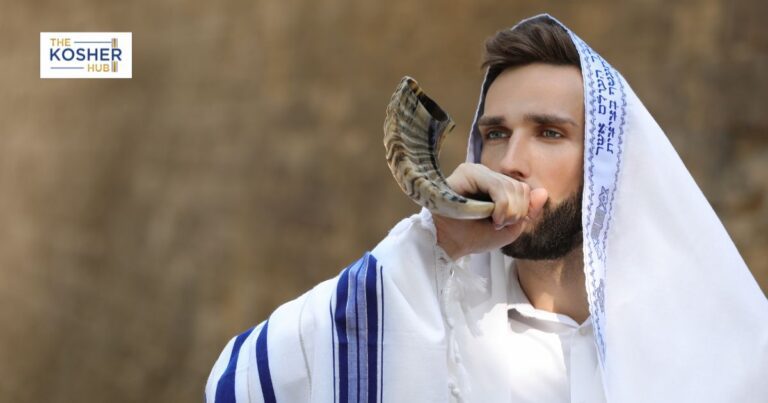
The shofar is sounded in bursts throughout the service — traditionally around 100 blasts in total, split between a set before the Torah is returned to the ark and a longer sequence woven through the three sections of Mussaf. The blasts themselves follow four distinct patterns: Tekiah (one long blast), Shevarim (three broken, medium blasts), Teruah (a rapid series of short staccato blasts), and Tekiah Gedolah (an extended final blast that closes each set). Hearing it is considered one of the central mitzvot of the day, which is why even someone confined to home or a hospital can arrange for a private blowing. If Rosh Hashanah falls on Shabbat, the shofar isn't blown that day at all — a detail that surprises a lot of first-timers, and one we cover further down. For a full breakdown of shofar types, sound, and buying one of your own, see our Best Shofar for Rosh Hashanah guide.
✡️ Mussaf & the Netaneh Tokef
The most emotional moment of the liturgy.
Mussaf, the additional service that follows Shacharit, is built around three central sections, each accompanied by its own set of shofar blasts: Malchuyot (Kingship), affirming God's rule over the world; Zichronot (Remembrances), reflecting on God's memory of every person's deeds; and Shofarot (Shofar Verses), on the meaning and significance of the shofar itself. Woven through Mussaf is the Netaneh Tokef, widely considered the most moving prayer of the entire day. It asks, in stark and unflinching language, who will live and who will die in the year ahead — before turning, in its final lines, to the idea that repentance, prayer, and good deeds can soften the harshness of that decree. It's common, even among regular congregants, to see people quietly moved during this passage.
🌊 Tashlich: Casting Off the Old Year
An afternoon ritual at the water's edge.
In the afternoon, many communities gather near a river, lake, or coastline for Tashlich — a symbolic ritual where verses from the Book of Micah are recited and, in some customs, crumbs are cast into the water as a gesture of letting go of the past year's mistakes. It's not considered a formal part of the synagogue service itself, but it's one of the most widely practiced Rosh Hashanah customs, and in Jewish neighborhoods it often doubles as a social gathering point in the late afternoon. If the first day of Rosh Hashanah falls on Shabbat, Tashlich is pushed to the second day instead.
📅 What Changes if Rosh Hashanah Falls on Shabbat?
Several customs shift when the two overlap.
- No shofar on day one. This is the biggest change — the shofar isn't blown at all when the first day falls on Shabbat. The concern historically was that someone might carry the shofar through a public area to learn how to blow it, which would violate Shabbat. It's blown as usual on day two instead.
- Tashlich moves. It's typically postponed to Sunday afternoon (day two), unless that's not possible.
- Avinu Malkeinu is generally skipped, since Shabbat carries a less overtly penitential tone — some communities recite a shortened version instead.
- Shabbat liturgy is layered in throughout the day, including Vayechulu and a combined Shabbat–Rosh Hashanah Kiddush; the Torah and Haftarah readings themselves stay the same.
- The table at the top of this page breaks down exactly what stays the same and what shifts.
If that's a lot to take in at once, this short primer walks through the whole day in a few friendly minutes:
A short, friendly primer on what Rosh Hashanah is about.
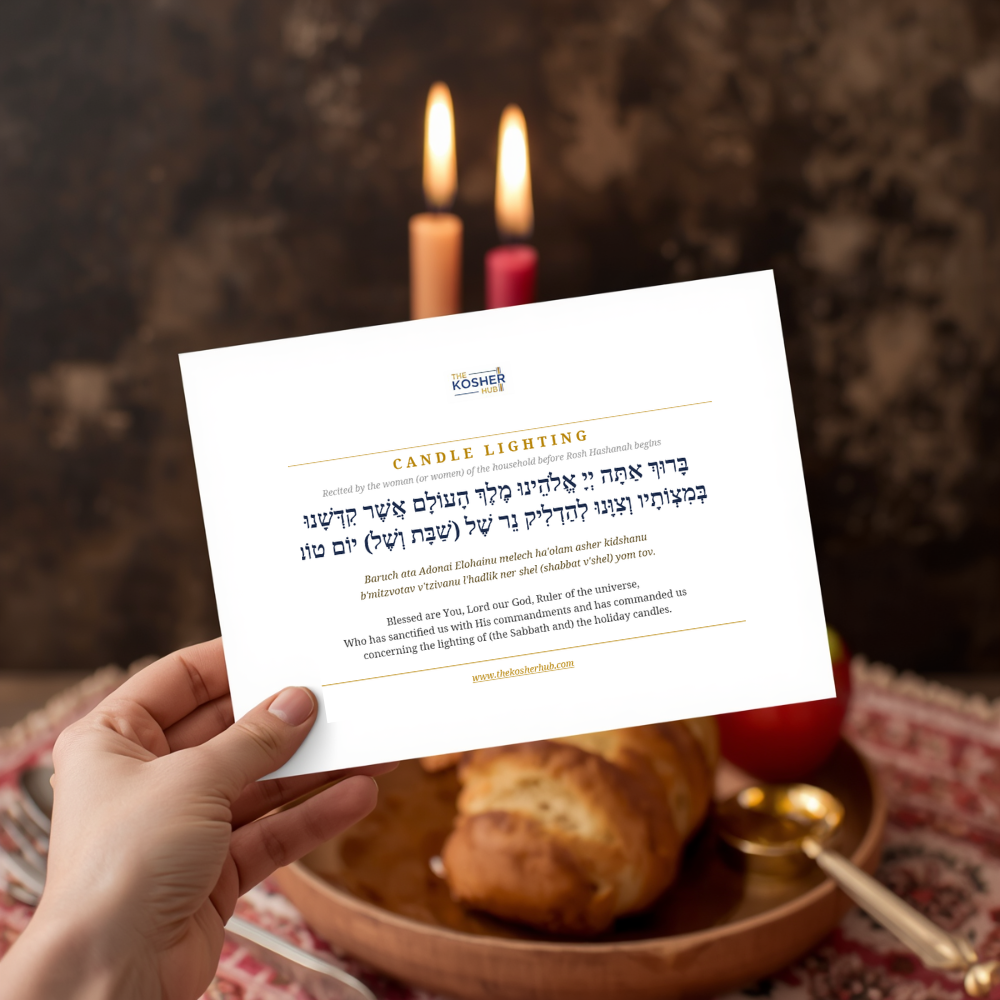
Now that you know how the day unfolds, here's what to bring with you.
📕 The Machzor: What You'll Read From
The prayer book that guides the entire service.
Staff pick — mid-size & faux leather
The ArtScroll Machzor for Rosh Hashanah & Yom Kippur
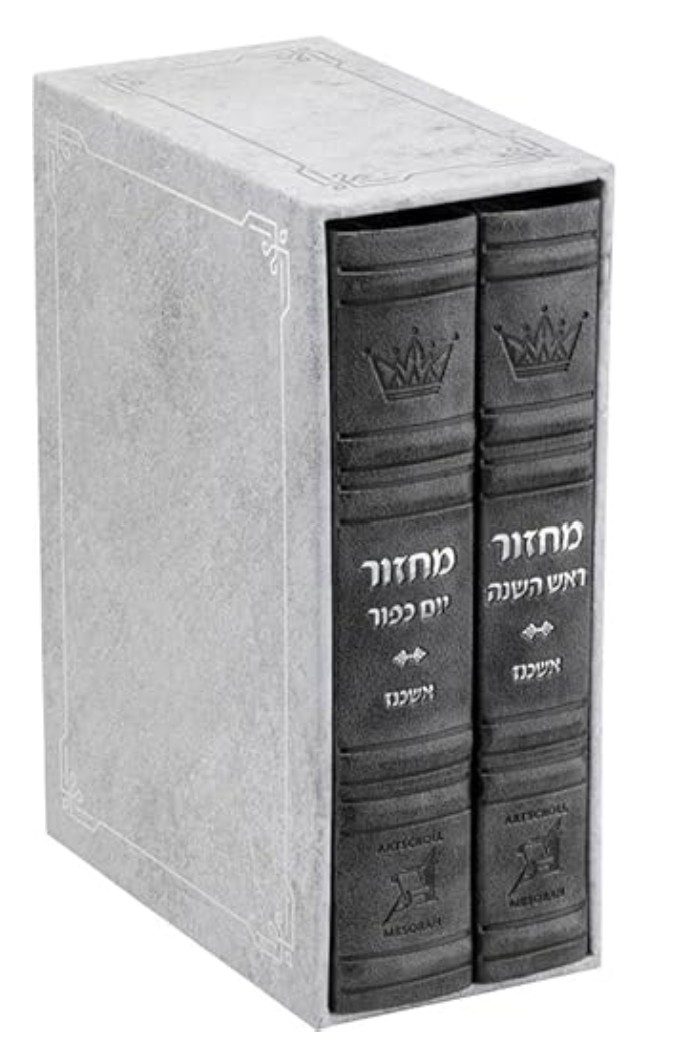
If you want an Ashkenazi machzor with a lighter, more travel-friendly footprint, this 2-volume set from Rabbi Nosson Scherman and Rabbi Meir Zlotowitz — the team behind ArtScroll — covers both Rosh Hashanah and Yom Kippur in a mid-size faux leather binding, in grey.
- Complete Hebrew text — fully reset in modern, easy-to-read type
- ArtScroll English translation — clarity and relevance for today's davener
- Inspirational commentary — on every prayer, connecting the ancient words to the modern heart
- Introductory overviews — for each section of tefillah, giving context and meaning
- Clear instructions and Hebrew subheads — for a seamless davening experience
Why it's worth considering: the mid-size, faux leather build makes this a practical everyday option for shul — smaller and lighter than a full-size hardcover, without losing ArtScroll's signature commentary and typesetting. Prefer a different edition or nusach? See our full Machzor guide for more options.

🧵 What to Wear: The Tallit
Traditional wool prayer shawls for the morning service.
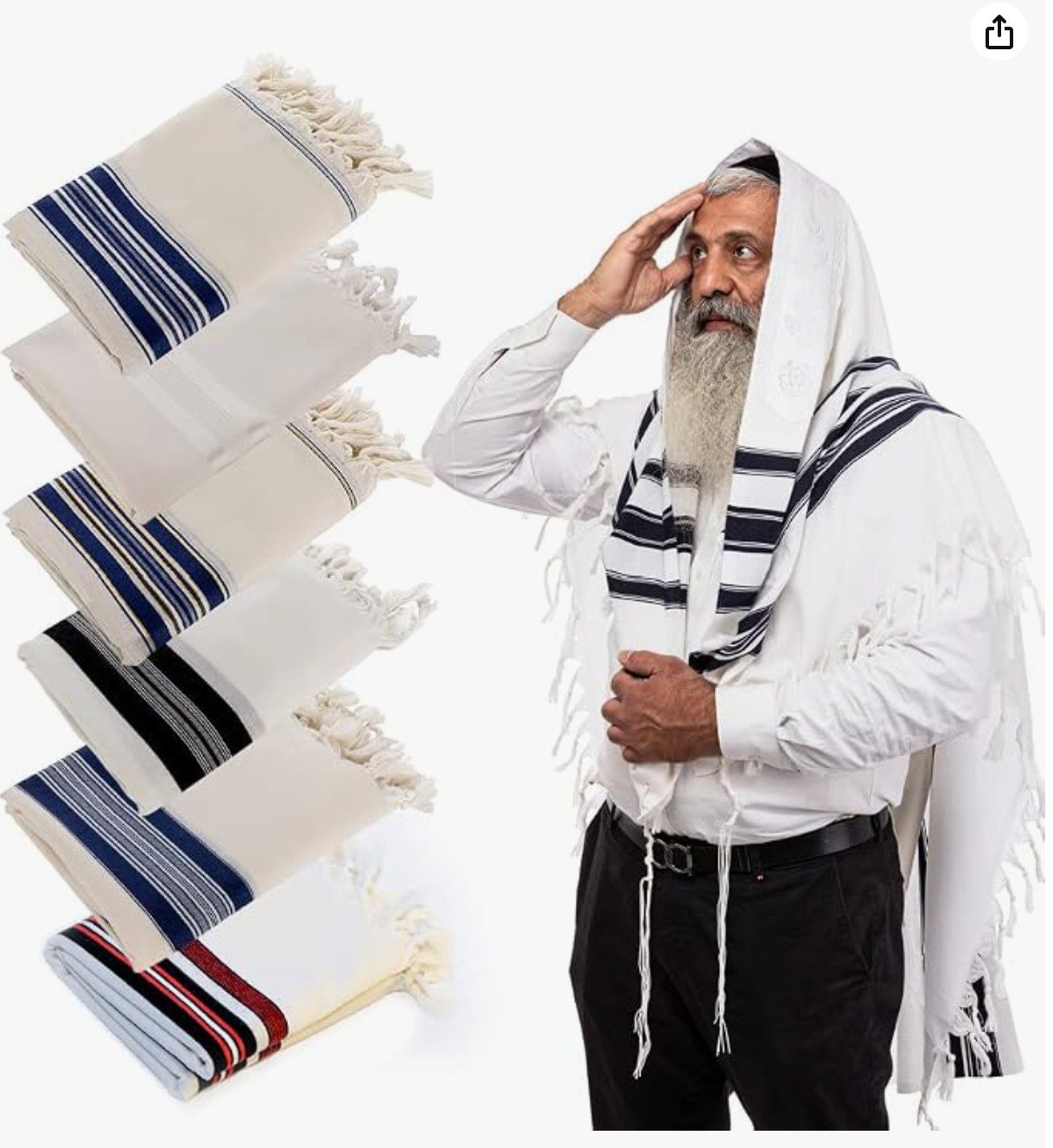
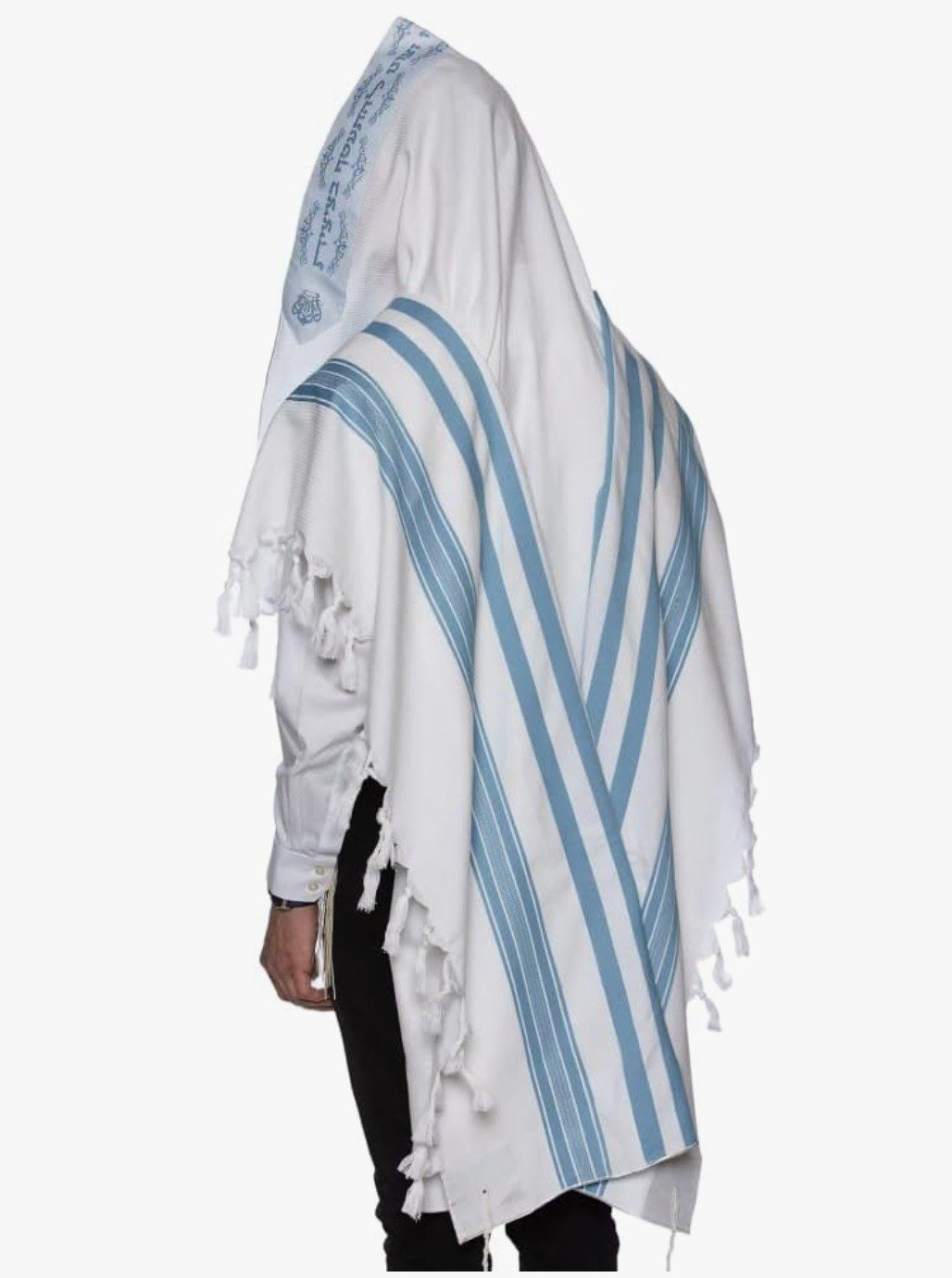
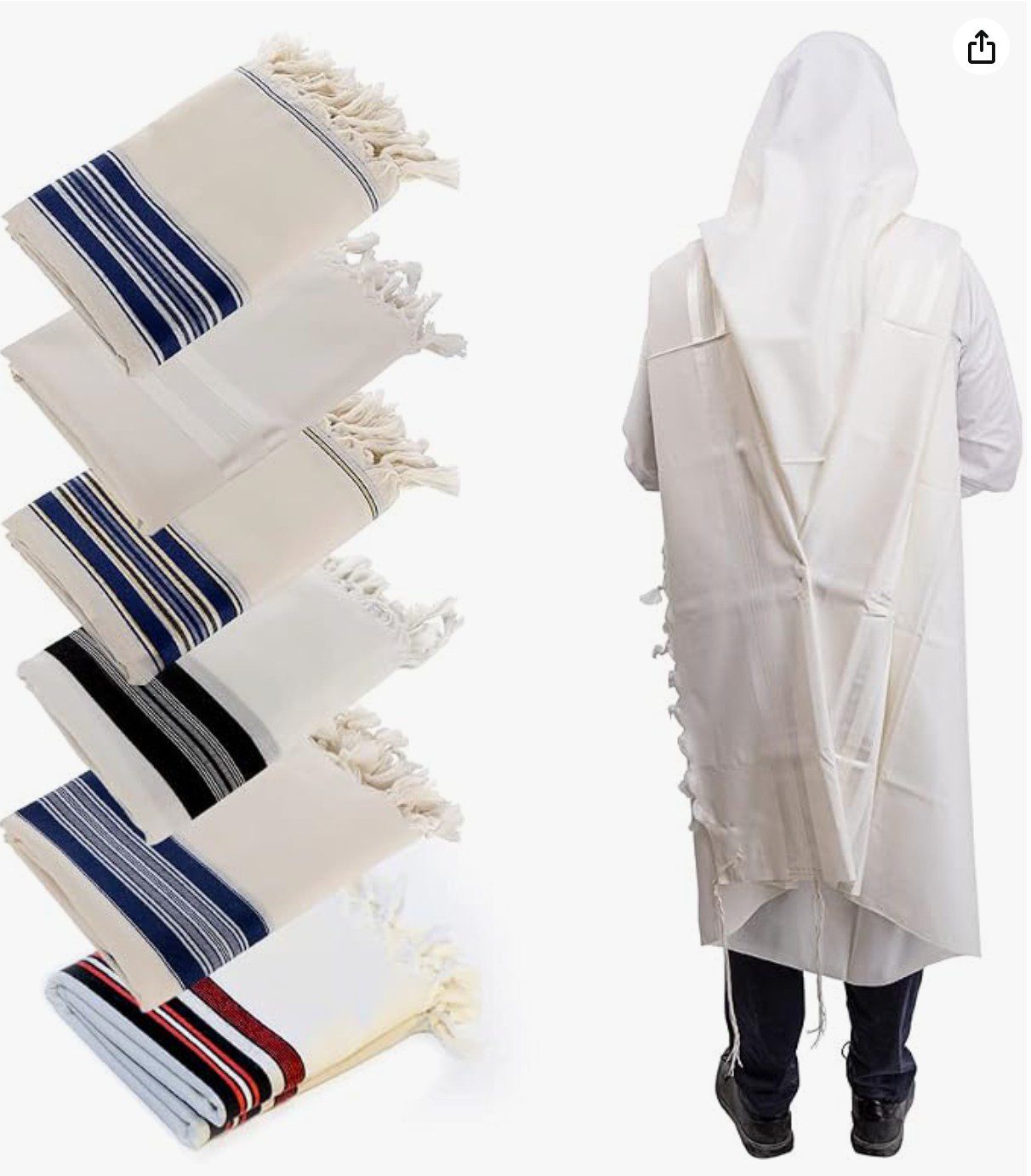
In most Ashkenazi communities, a tallit is worn from marriage onward, though customs vary — some start wearing one earlier, and synagogues typically keep spares on hand for guests. These three wool tallitot from Holy Voice are made in Israel in the traditional style, ranging from a classic all-white weave to the more familiar blue and black striped patterns you'll see across a congregation on Rosh Hashanah morning.

🧥 Getting Ready for Shul
A few more essentials before the service begins.
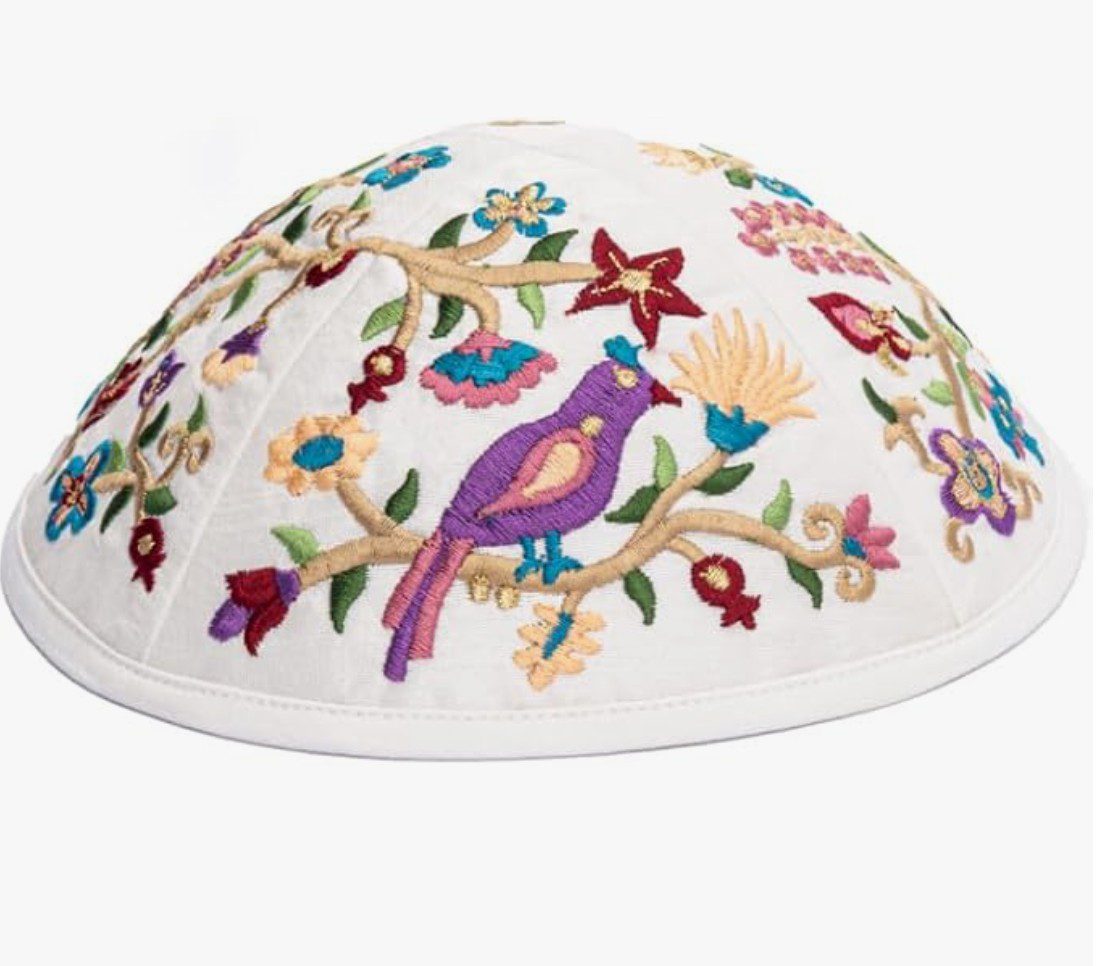
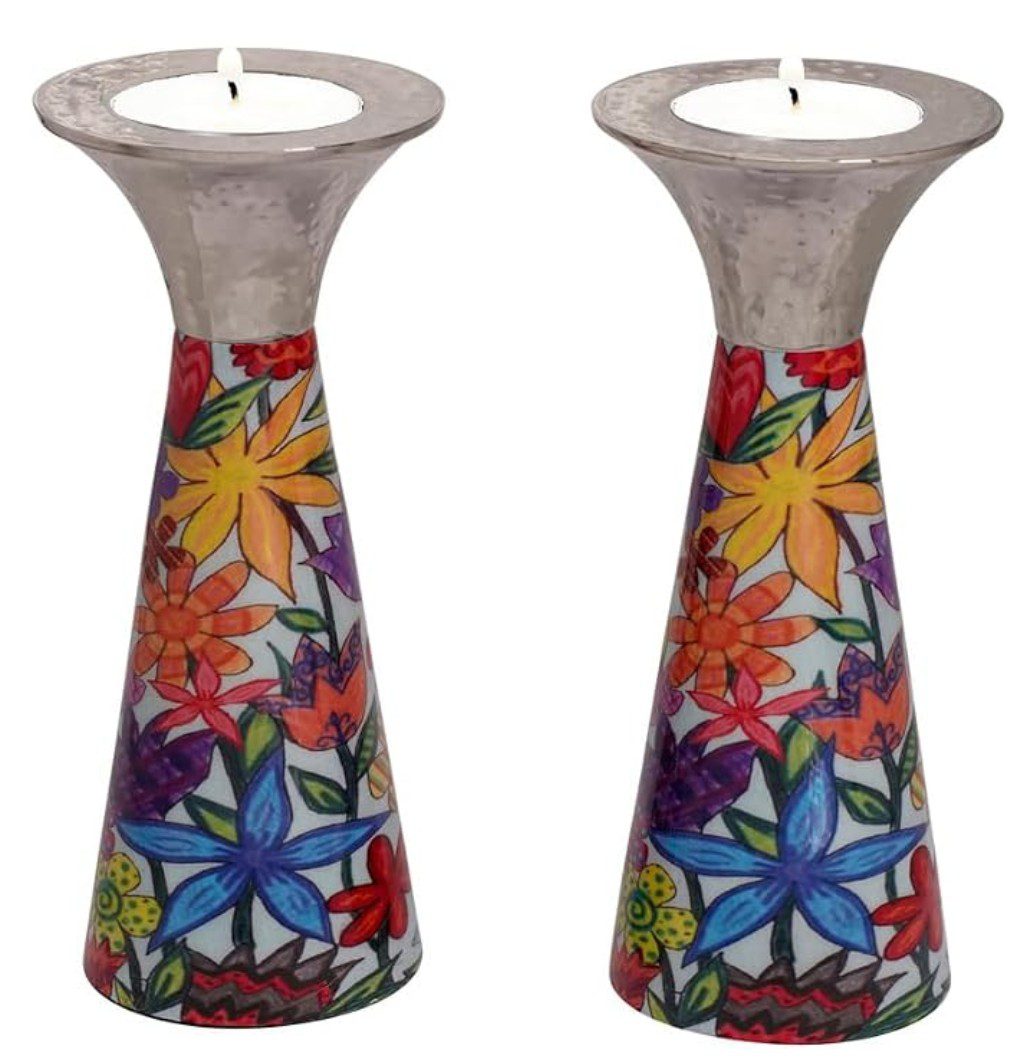
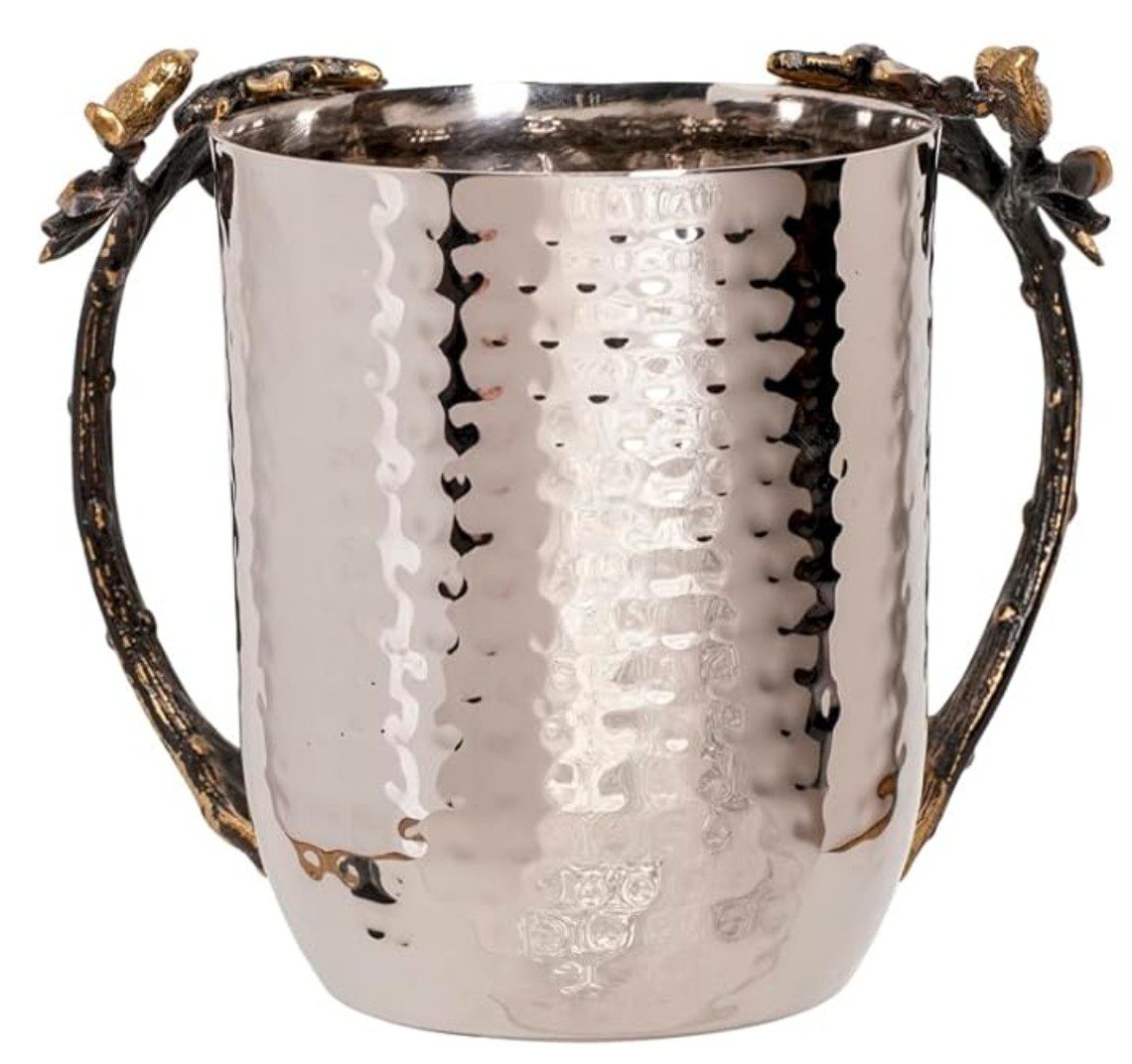
Before the first prayers begin, most households take care of a few small rituals: lighting candles at home before the holiday starts, using a two-handled cup for the ritual handwashing before the festive meal, and choosing a kippah to wear to shul. None of these carry kosher food certification — they're Judaica pieces rather than food products — but they're part of the practical, physical side of getting ready for the day.
🔍 What to Look For Before Your First Service
A few practical things first-timers wish they'd known.
- Plan for length: a full Orthodox service can run 4–5 hours; Reform and Conservative services are typically shorter. Ask your synagogue for a schedule in advance.
- Tickets: many synagogues require tickets or advance registration for the High Holidays, unlike a normal Shabbat. Check ahead if you're visiting somewhere new.
- Seating: in traditional and Orthodox synagogues, men and women sit separately.
- The machzor: you'll be handed (or should bring) a machzor rather than a regular siddur — it contains the specific prayers and readings for Rosh Hashanah and Yom Kippur.
- What to wear: smart, modest dress is standard. Married men in Ashkenazi communities typically wear a tallit; a kippah is expected for all men and is usually available at the entrance if you don't bring your own.
- Don't worry about the Hebrew: most machzorim include English translation and transliteration, and ushers or neighbors are generally glad to help a first-timer follow along.

❓ FAQs About Rosh Hashanah Services
How long does a Rosh Hashanah service last?
An Orthodox Rosh Hashanah morning service, including Shacharit and Mussaf, typically runs about 4–5 hours. Reform and Conservative services are usually shorter, often 2–3 hours.
Do I need tickets to attend Rosh Hashanah services?
Many synagogues require tickets or advance registration for the High Holidays because attendance is much higher than on a normal Shabbat. It's worth checking with the specific synagogue ahead of time, especially if you're not already a member.
What prayer book is used on Rosh Hashanah?
A special prayer book called a machzor is used, containing the specific prayers, poems, and Torah readings for Rosh Hashanah and Yom Kippur, in addition to the regular daily liturgy.
What should I wear to a Rosh Hashanah service?
Smart, modest dress is standard. Married men in Ashkenazi communities typically wear a tallit, and a kippah is expected for men — most synagogues keep spares available for guests who don't bring their own.
Why is the shofar blown during the service?
The shofar's blasts are a wordless call to reflection at the start of the Jewish new year. Traditionally around 100 blasts are sounded, split across a set before the Torah is returned to the ark and a longer sequence during Mussaf.
What is the Netaneh Tokef?
The Netaneh Tokef is a central prayer of the Mussaf service, widely considered the most emotionally powerful moment of the Rosh Hashanah liturgy. It reflects on judgment and fate, before affirming that repentance, prayer, and good deeds can soften a harsh decree.
What is Tashlich?
Tashlich is an afternoon custom, usually held at a body of water, where verses from the Book of Micah are recited as a symbolic way of casting off the past year's mistakes. It's a widely practiced tradition rather than a formal part of the synagogue service.
Is the service the same on both days of Rosh Hashanah?
The overall structure is nearly identical, but the Torah and Haftarah readings differ. Day one reads Genesis 21 (with a Haftarah of Hannah's prayer from 1 Samuel), while day two reads Genesis 22, the binding of Isaac, paired with a Haftarah from Jeremiah 31.
What is Selichot, and when does it start?
Selichot are penitential prayers said in the run-up to Rosh Hashanah. Ashkenazi communities typically begin on the Saturday night before the holiday (timed to allow at least four days of recitation), while Sephardi communities begin a full month earlier, at the start of Elul.
Is the shofar blown if Rosh Hashanah falls on Shabbat?
No — when the first day of Rosh Hashanah coincides with Shabbat, the shofar is not blown that day, and Tashlich is moved to the second day instead.
What if I don't understand Hebrew — can I still follow the service?
Yes. Most machzorim include full English translation and transliteration alongside the Hebrew text, and it's completely normal for a first-timer to lean on a neighbor or usher for help finding their place.
As an Amazon Affiliate we earn from qualifying purchases.





Understanding Our Kosher Certifications
The Kosher Hub references products certified by recognized kosher authorities, including OU, OK, Star-K, Kof-K, and CRC. Certification symbols and status can change, so always confirm the current kosher status directly on the product packaging or via the certifying agency's own listings before purchasing.