
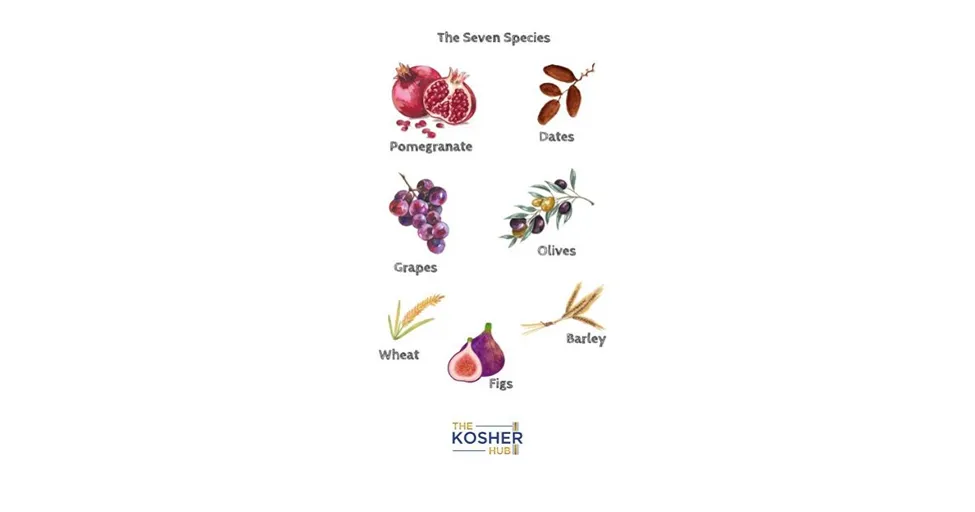
The Seven Species are the seven foods the Torah praises as the bounty of the Land of Israel: wheat, barley, grapes, figs, pomegranates, olives and dates. They take centre stage on Tu Bishvat, when many families eat each one and say a blessing. This guide to kosher seven species foods brings together the best options on Amazon, from dried figs and Deglet Noor dates to whole wheat flour, pearl barley, olive oil and pomegranate juice powder. Every food product here comes from our curated project list, so you can build a complete Tu Bishvat table without hunting through hundreds of listings. We also cover grapes, link to our grape juice guide, and add a few extras to make the table feel festive. Keep the packaging handy and check the kosher symbol before you serve.
🌿 Figs — A Tu Bishvat Classic
Dried figs and fig snacks, one of the Seven Species.
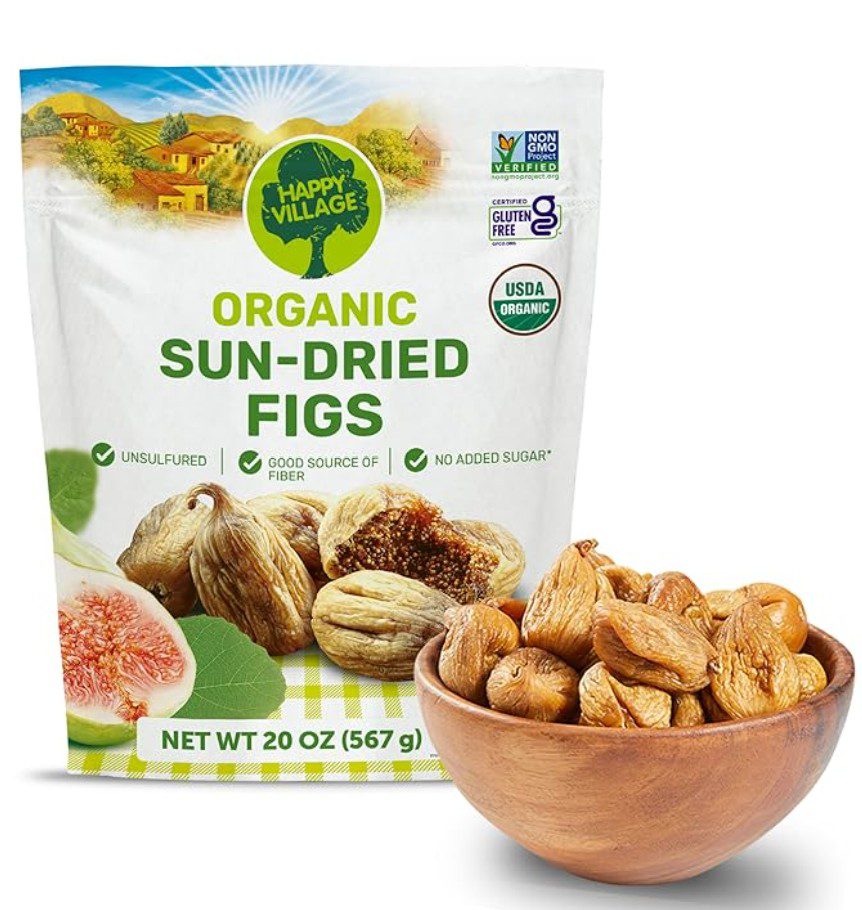
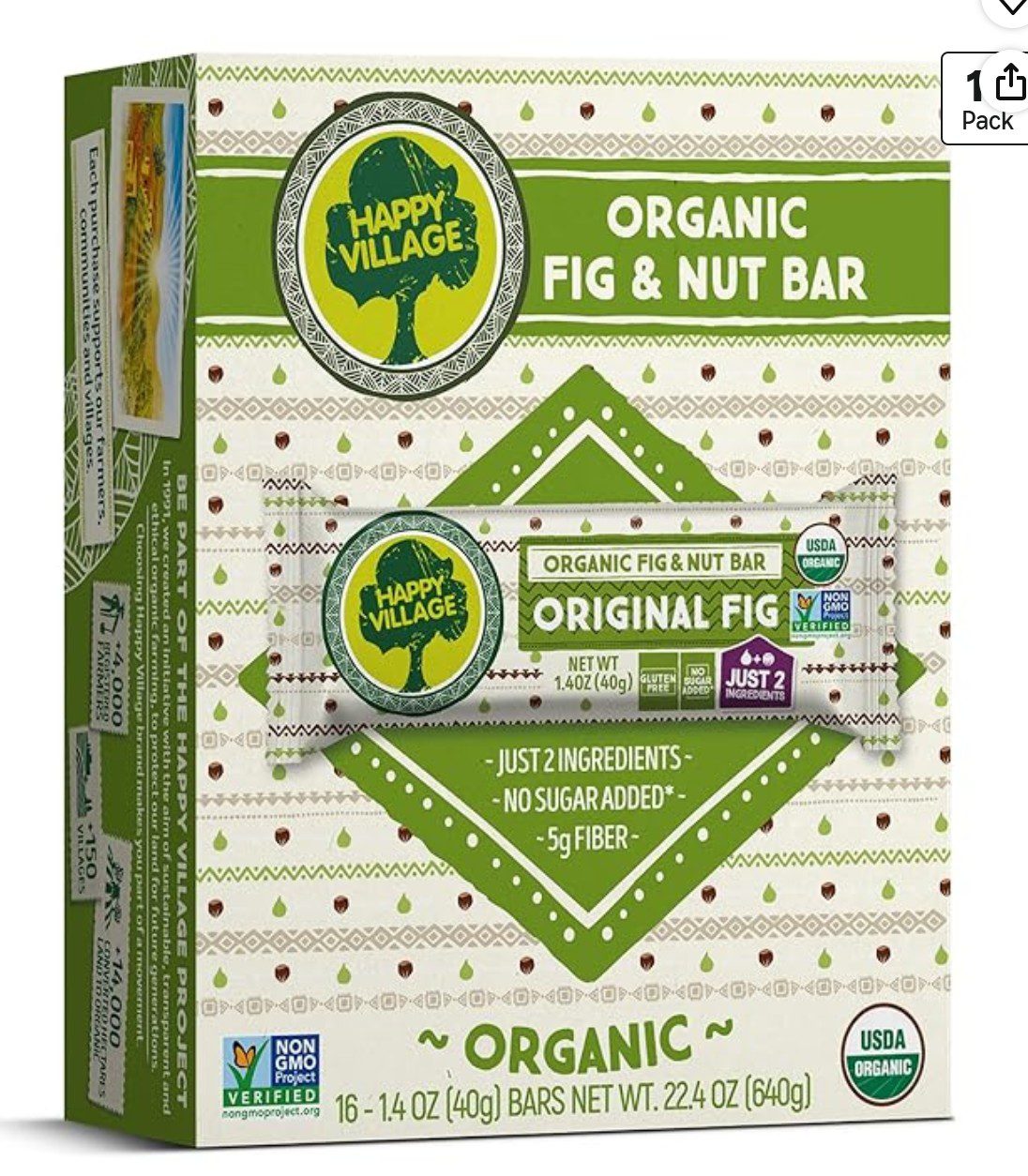
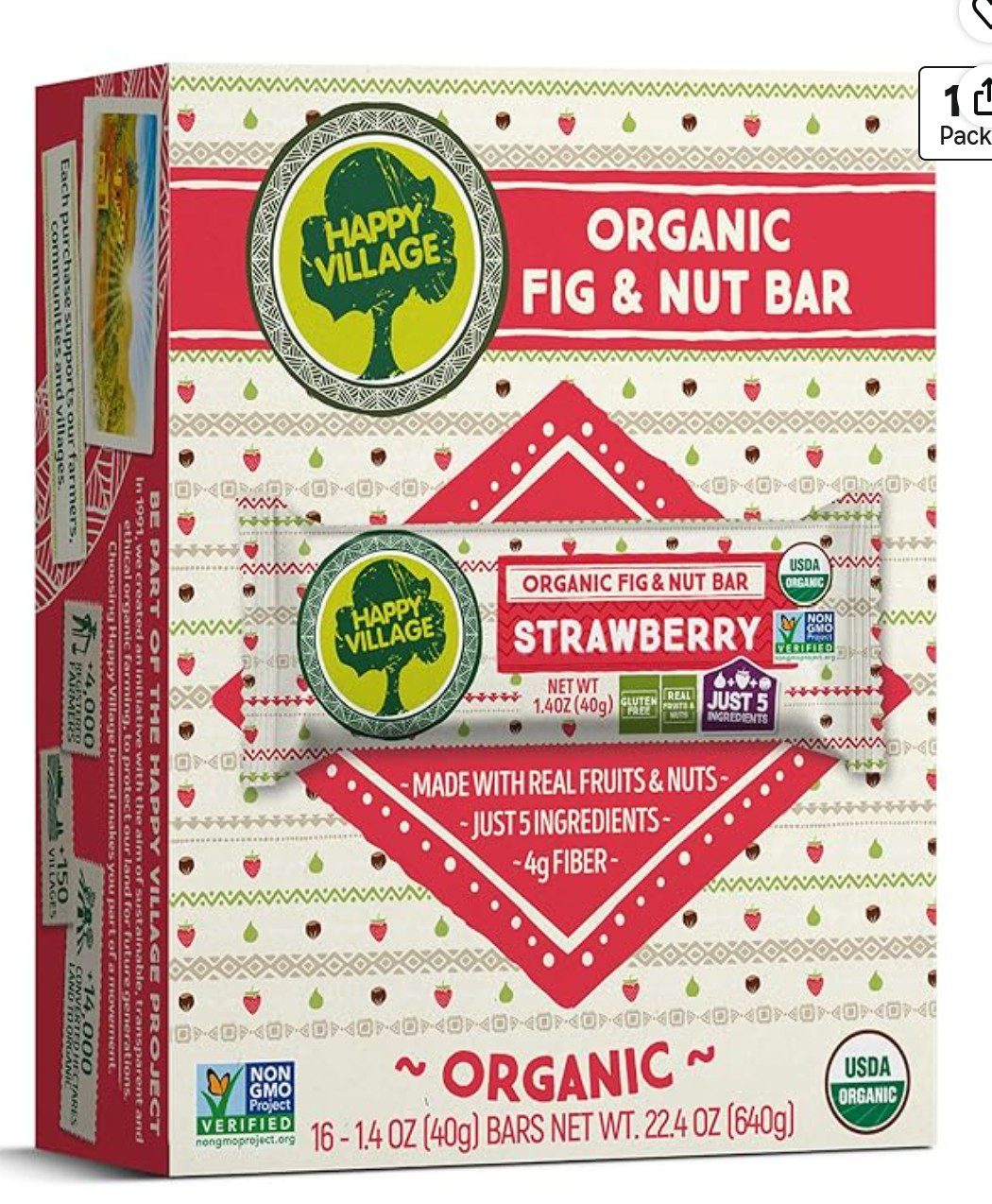
Figs are the easiest Seven Species food to find in dried form, which is why they appear on almost every Tu Bishvat table. We chose Happy Village dried figs as the classic option, with two fig bars for children and for anyone who wants something less sticky. Dried figs are naturally pareve, but the bars include other ingredients and are made in facilities that may handle nuts, so always read the allergen and certification panel. Serve the whole figs on a platter next to the dates for the simplest seder fruit plate.

🌾 Barley — Pearl, Flakes and Italian
Hearty grain options for soups, cereals and side dishes.
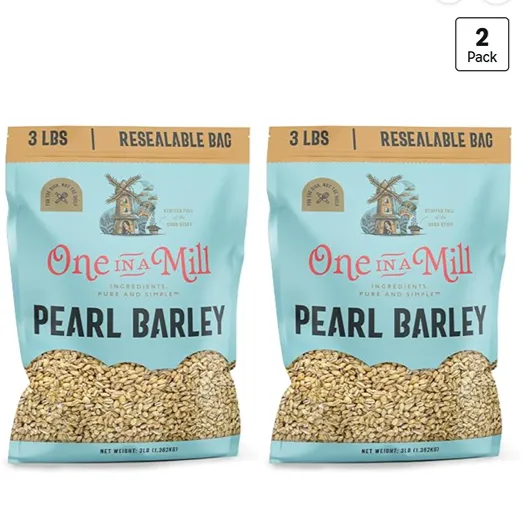

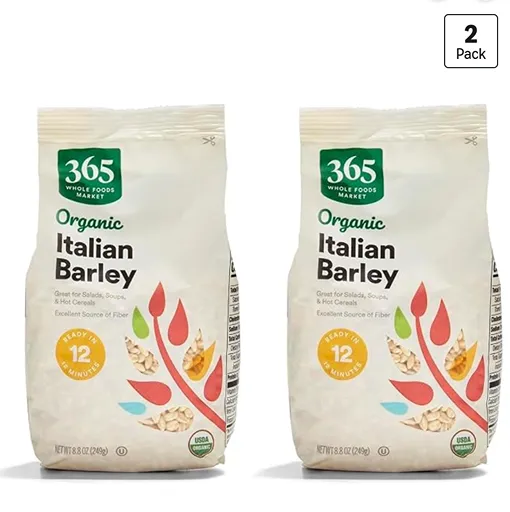
Barley is the second grain of the Seven Species and the one most often forgotten on the Tu Bishvat plate. We picked pearl barley for classic mushroom-barley soup, flakes for a quick porridge, and organic Italian barley for a side dish that works for a holiday meal. All three are plain grains, so they are pareve unless you add dairy or meat when cooking. Grains and flours are best stored sealed and checked before use, which our What to Look For section explains.
🌾 Wheat — Berries, Flour and Bulgur
Whole-grain wheat in three forms for the Tu Bishvat table.
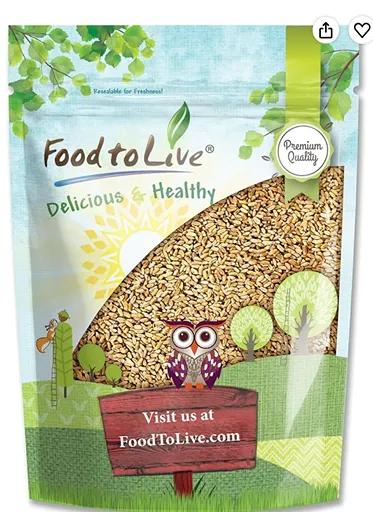

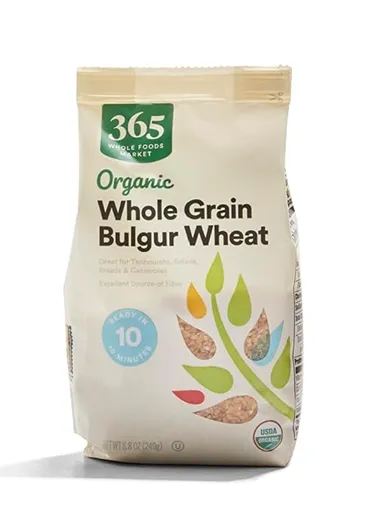
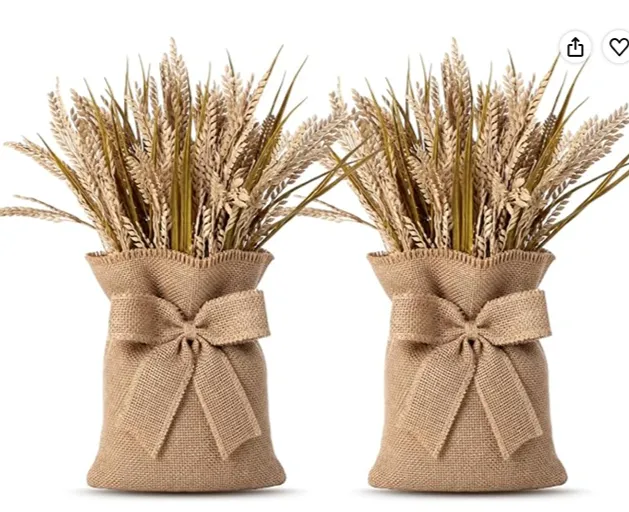
Wheat comes first in the verse, so it often opens the seder. Wheat berries can be boiled and tossed into salads, whole wheat flour can go into challah or cookies, and bulgur cooks in minutes for a tabbouleh-style dish. These are grain foods, so they are typically pareve, but your own recipe decides whether the finished dish is dairy or meat. The wheat stalk decoration is not a food and carries no kosher certification, so we list it only as a table accent.
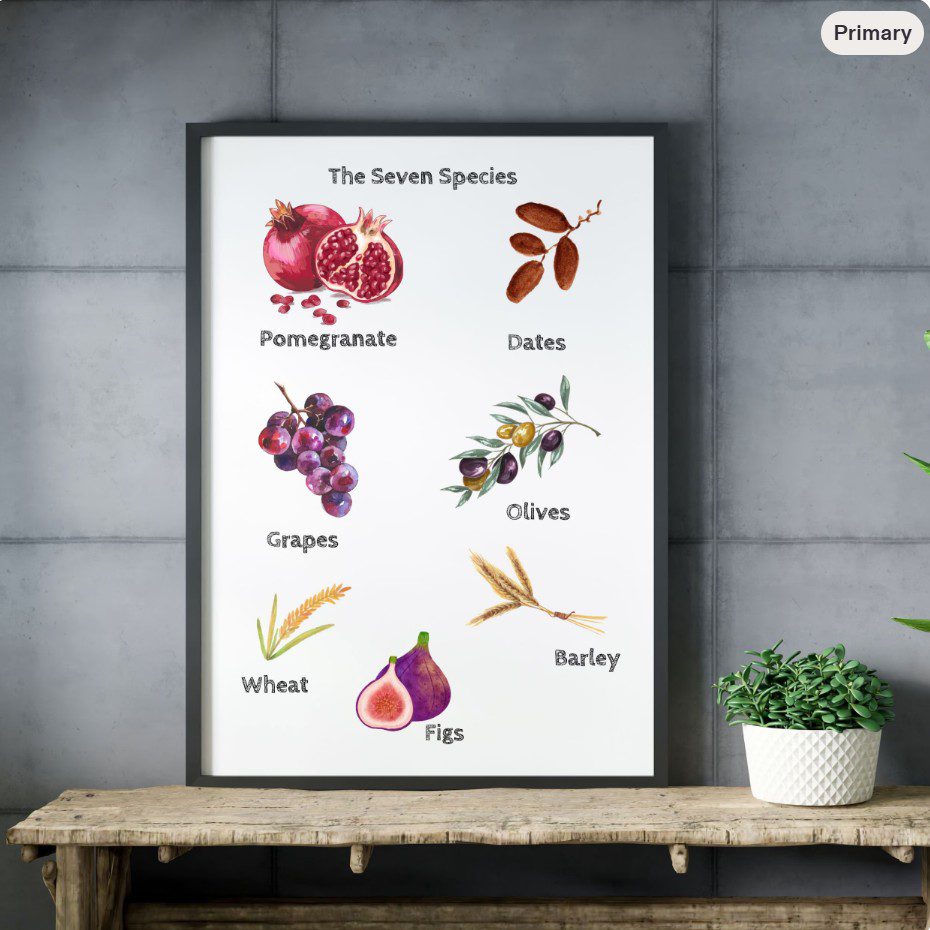
Alongside the foods, we designed our own Seven Species PDF for the Tu Bishvat table. It is one of our own designs rather than a third-party product, made to help families name each species as they eat it. It suits a Tu Bishvat seder at home, a classroom, or a family meal, and it sits naturally beside the dried fruit and grains above.
🌳 Our Own Seven Species PDF
Designed by The Kosher Hub, available in our Etsy shop.
🫒 Olives and Pomegranates
Table olives, olive oil and pomegranate juice powder for the festive plate.
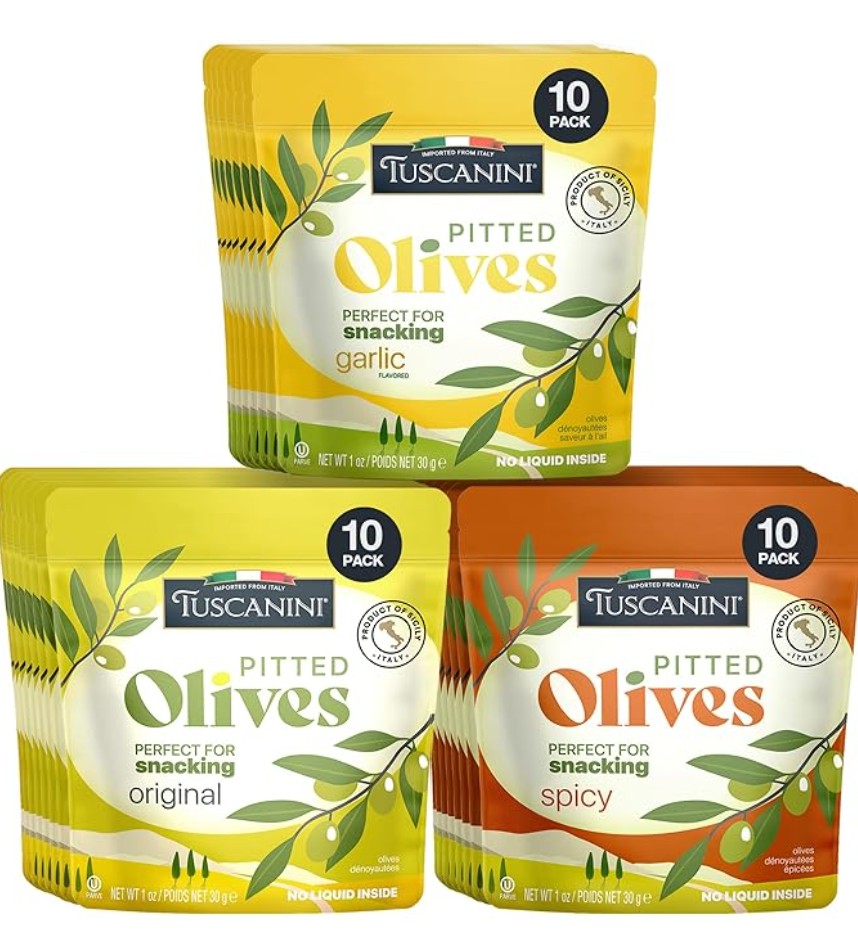
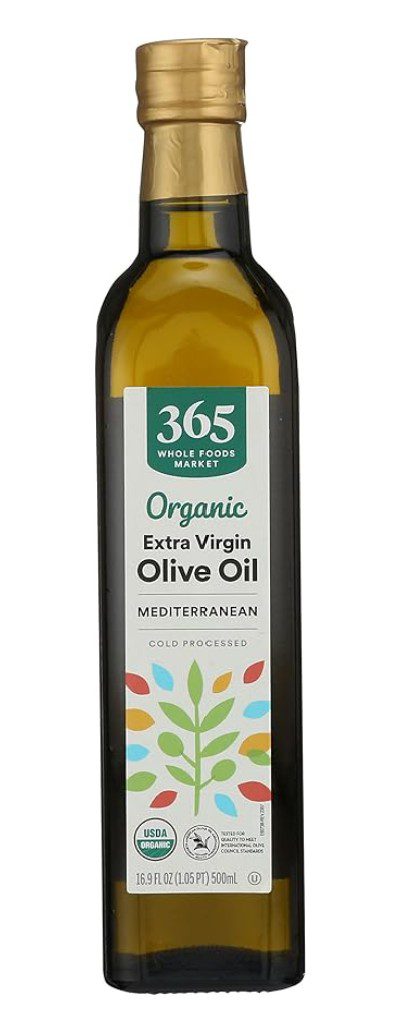
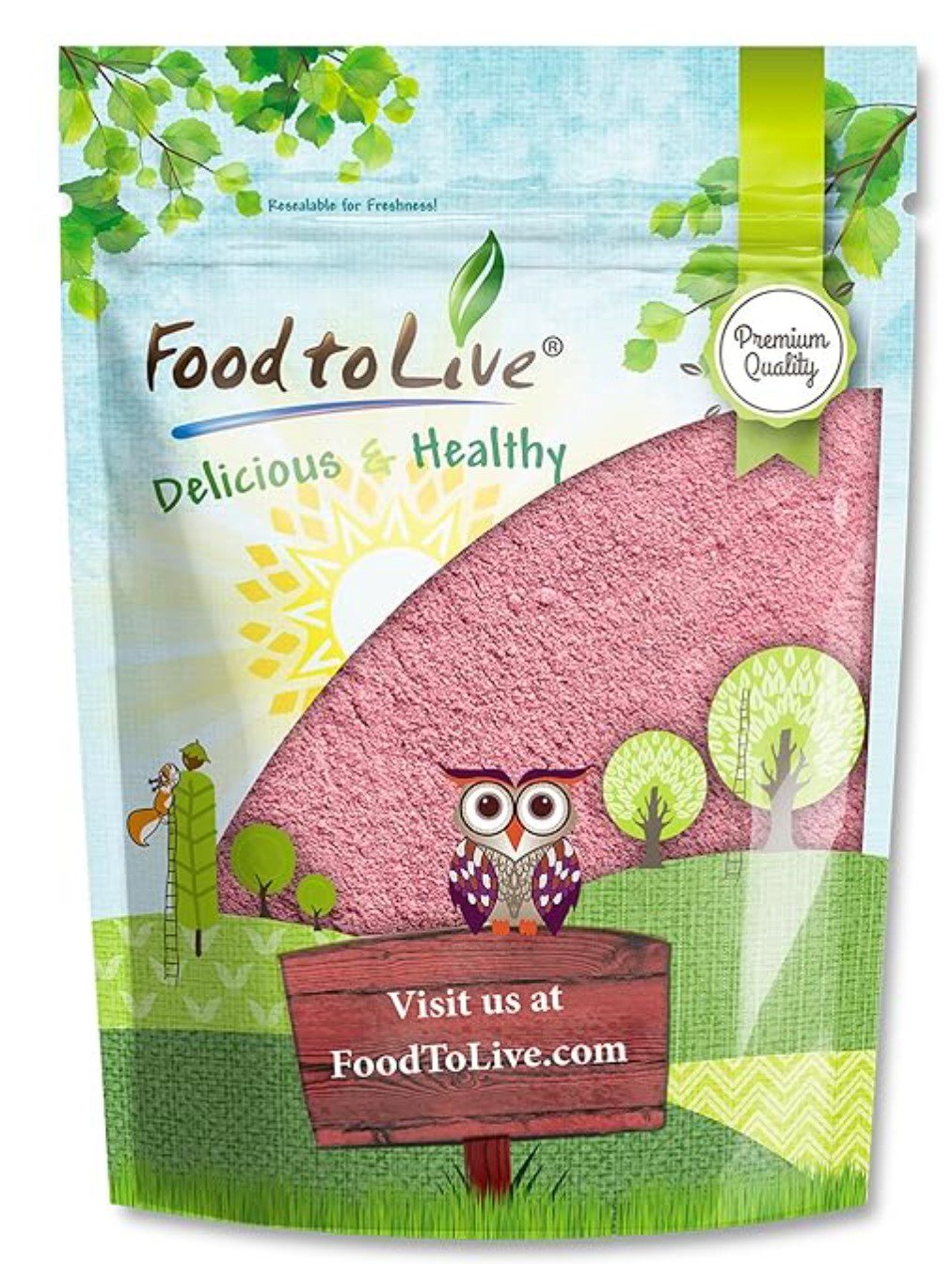
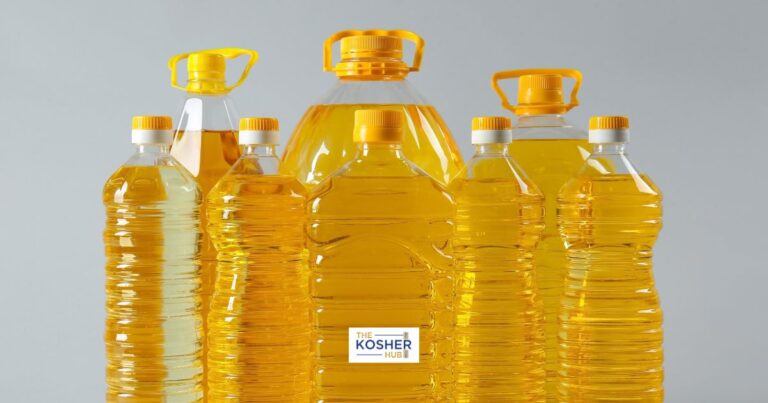
Olives and pomegranates are the two species that are hardest to buy fresh out of season, so we focused on shelf-stable options. Tuscanini gourmet olives are ready to serve straight from the jar on the seder plate, and olive oil is a staple for dipping bread in a seder and for drizzling over barley or bulgur. Pomegranate juice powder stirs into water or yoghurt and adds the fruit’s flavour without fresh seeds. Both are pareve on their own. Our kosher olive oil guide covers more brands if you want to compare.
🍇 Grapes — Juice and Wine
Kosher grape juice and two certified Israeli wines for the Tu Bishvat cup.
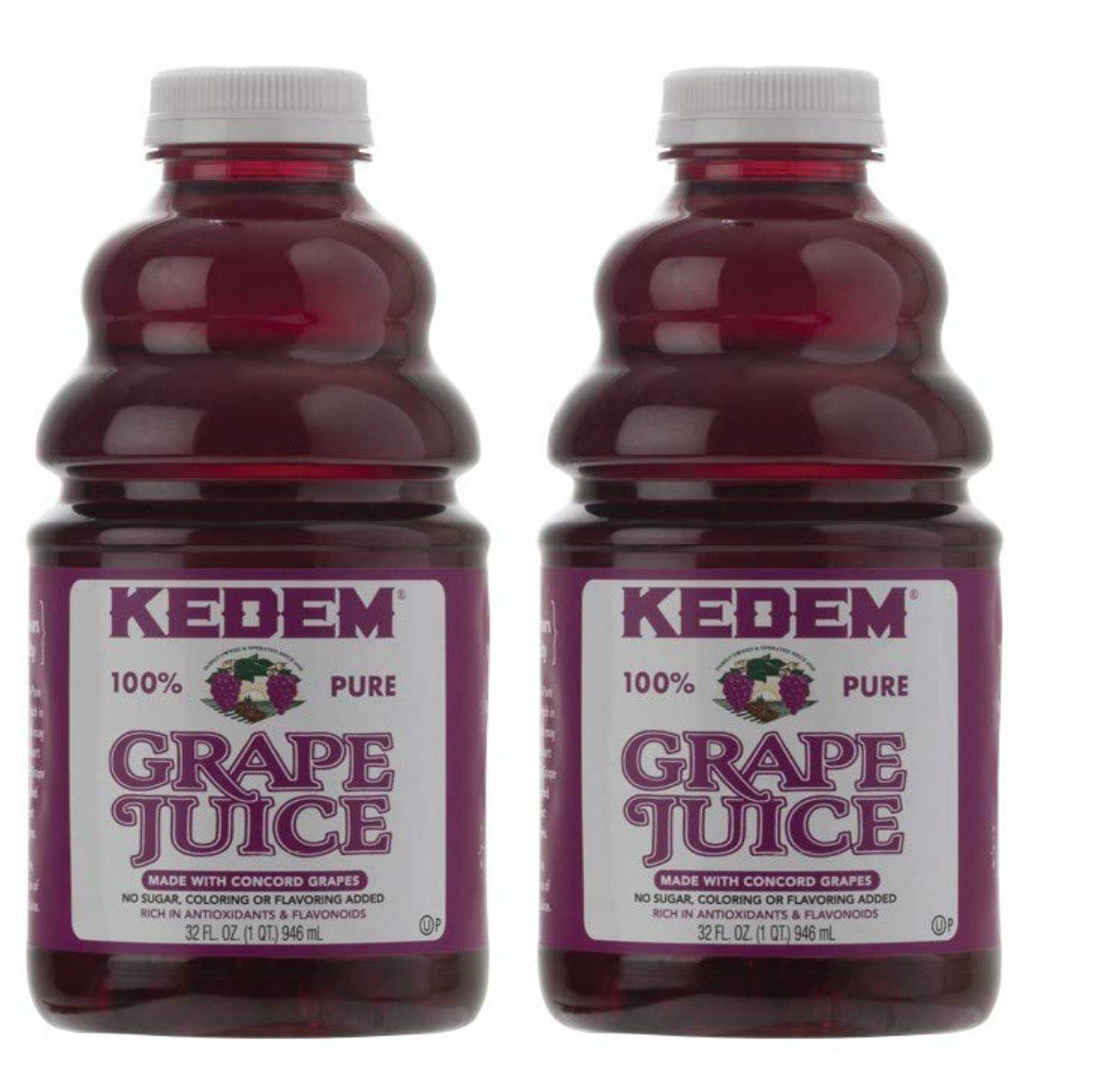
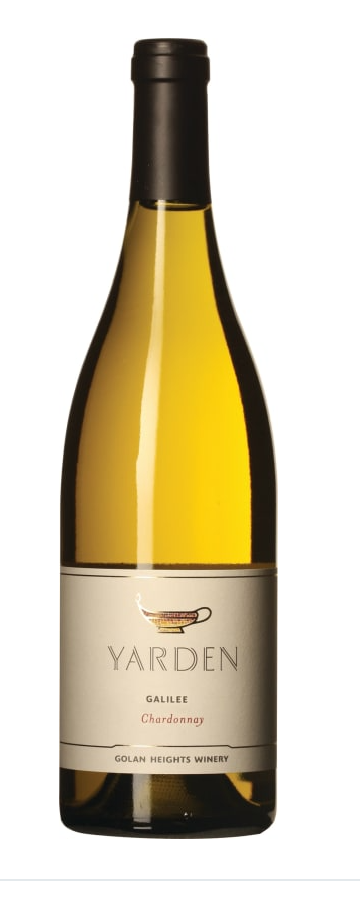
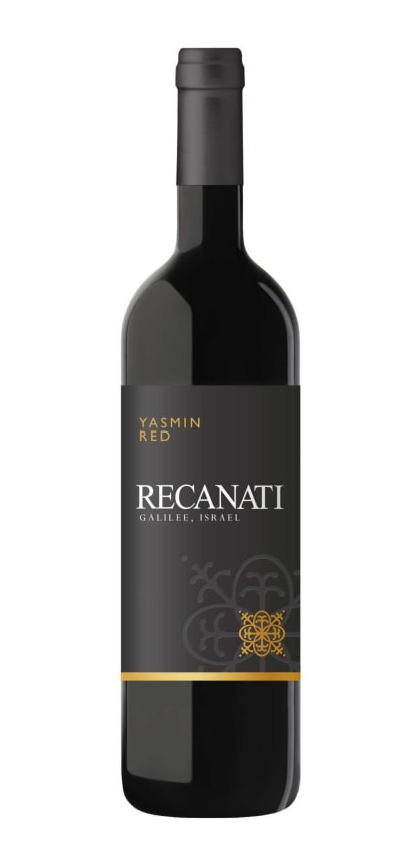
Grapes are the species most families raise a cup to, and many Tu Bishvat seders include both white and red to mark the changing seasons. We chose Kedem Pure Grape Juice for everyone at the table, plus a Yarden Chardonnay and a Recanati Yasmin Red Blend from Wine.com for adults. Both wines carry a recognised kosher symbol (OK and OU). Grape products need reliable supervision, so check the label before you buy. For more juice options, see our best kosher grape juice on Amazon.
🌴 Dates — The Honey of the Verse
Pitted Deglet Noor and organic dates for snacking and baking.
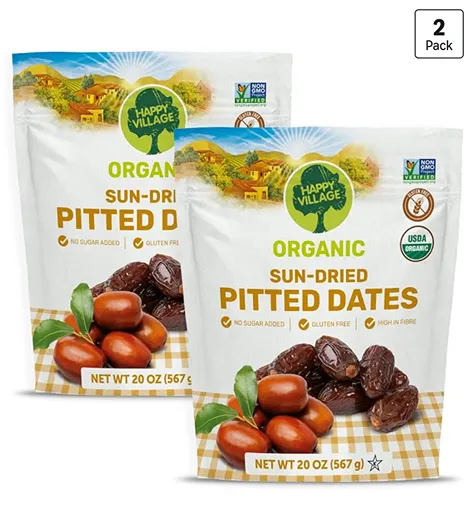


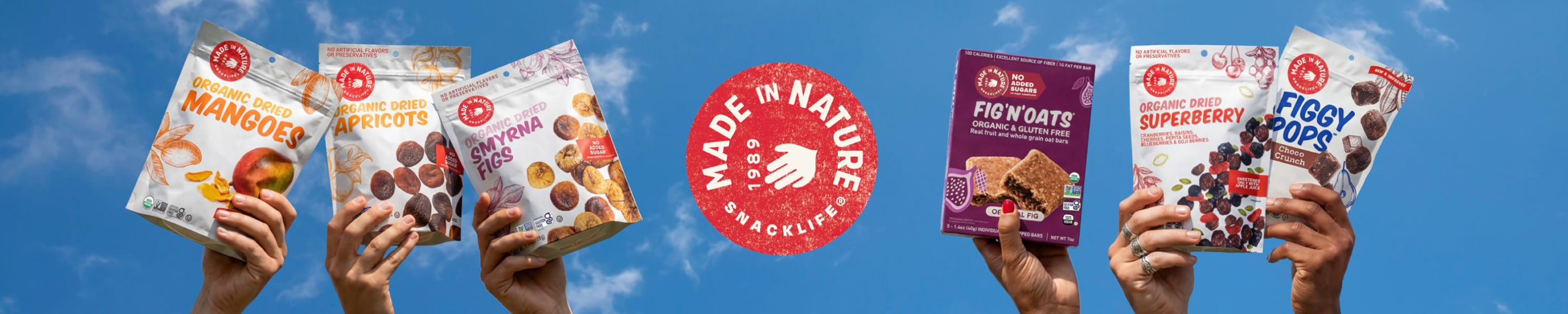
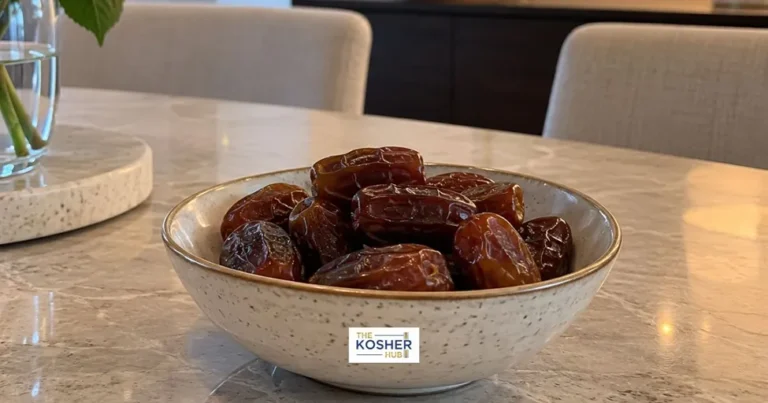
Tradition understands the “honey” in the verse as date honey, so dates are the seventh and sweetest species. We chose three trusted brands: Happy Village organic pitted dates, Sun-Maid Deglet Noor, and Made In Nature organic Deglet Noor. Dates are naturally pareve and stay fresh for weeks, which makes them ideal for a Tu Bishvat platter prepared in advance. They are also the easiest food on this list to give to children, who can help stuff them with nuts. For more, see our best kosher dried fruit guide.

🔍 What to Look For
How to choose kosher Seven Species foods with confidence.
Check the hechsher. Look for a recognised kosher symbol on the package for every food on this list. If you cannot see one, do not buy it for your seder. Symbols and supervising agencies vary, so ask your local Kashrut Authority which ones they accept.
Dried figs and dates need care. Figs and dates can hide insects, so reliable certification and careful inspection matter more here than for most foods. Check the packaging for any instructions, and ask your rabbi if you are unsure.
Grains and flour. Whole wheat flour, barley and bulgur are often stored for long periods. Many families check or sift flour and grains before use, and sealed storage helps. Follow your community’s practice.
Read the label on bars and mixes. Fig bars and fruit-and-nut snacks can contain dairy, nuts or shared-equipment warnings. A pareve designation should be on the package, not assumed.
Olive oil and juice products. Look for a hechsher on olive oil and any grape or pomegranate product. Powders and concentrates can use processing aids, so certification matters.
Passover is a different standard. Nothing here is presented as kosher for Passover. If you need a Passover item, check our Passover guides and your local Passover guide.
❓ Frequently Asked Questions
Quick answers about kosher Seven Species foods.
What are the Seven Species?
They are wheat, barley, grapes, figs, pomegranates, olives and dates, the seven foods the Torah lists as the produce of the Land of Israel.
What is Tu Bishvat?
Tu Bishvat is the Jewish new year for trees. In 2027 it falls on 22–23 January. Many families hold a seder and eat fruits, especially the Seven Species.
Why are dates the “honey” in the verse?
Tradition understands the honey of the Seven Species to be date honey, so dates are the species most often eaten for it.
Do I need to eat all seven on Tu Bishvat?
Many people try to taste each one, but customs vary. Ask your rabbi what your community follows.
Are dried figs and dates kosher?
Dried figs and dates are kosher in nature, but certification and inspection for insects matter. Choose products with a recognised hechsher.
Which blessing do I say?
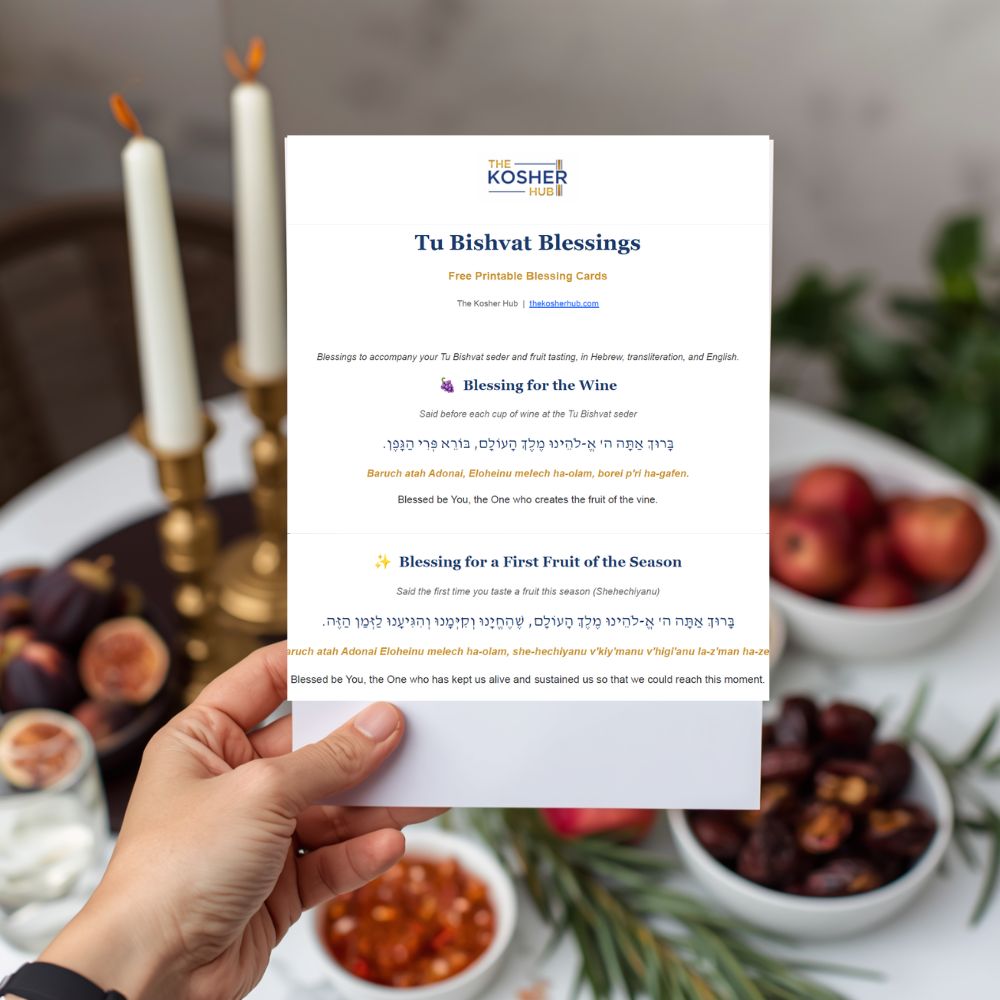
The blessing depends on the food, and grain foods have a different blessing than tree fruits. See our free Tu Bishvat blessing cards and ask your rabbi.
Are these foods pareve?
Plain dried fruit, grains and olive oil are normally pareve. Bars and mixes can contain dairy, so check the label.
Can I eat Seven Species foods outside Tu Bishvat?
Yes. These are everyday foods, and many families enjoy them year-round.
What is a good starter Tu Bishvat platter?
Dried figs, pitted dates, nuts, olive oil with bread, and a barley or bulgur dish cover most of the species, with grape juice for the cup.
The Kosher Hub is not a Kosher Authority. For any advice please refer to your local Kashrut Authority.
As an Amazon Affiliate we earn from qualifying purchases.

Understanding Our Kosher Certifications
The Kosher Hub references products certified by recognized kosher authorities, including OU, OK, Star-K, Kof-K, and CRC. Certification symbols and status can change, so always confirm the current kosher status directly on the product packaging or via the certifying agency's own listings before purchasing.