
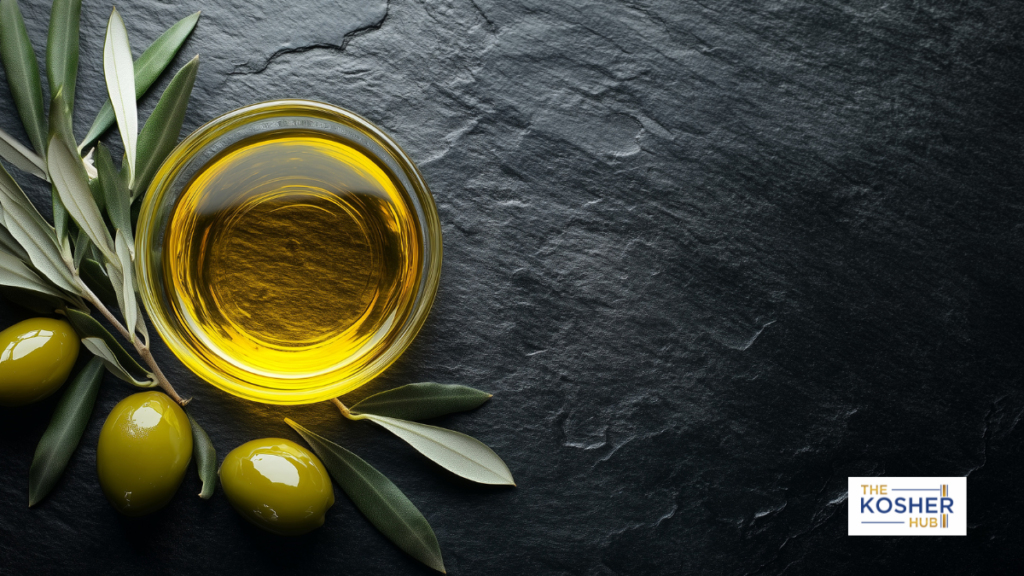
Finding kosher for Passover olive oil is easier than most people think — and you almost never need to hunt down a special "OU-P" bottle. Pure extra virgin olive oil is one of the few pantry staples that's typically kosher for Pesach all year round, even when it only carries a regular OU symbol. That said, not every brand on the shelf is certified, and label-reading during Pesach season can get confusing fast. Below, we've rounded up 12 trusted, OU-certified extra virgin olive oil brands that are widely available on Amazon — from Italian classics like Colavita and Bertolli to American favorites like California Olive Ranch and 365 by Whole Foods Market. Each one is genuinely kosher-certified, genuinely available for delivery before your seder, and genuinely worth having in your Pesach kitchen. Whether you're drizzling it over roasted vegetables, whisking it into a charoset dressing, or frying up matzah brei, these are the bottles we'd trust on our own Passover table.
🇮🇹 Classic Italian Icons
The names generations of home cooks already trust.
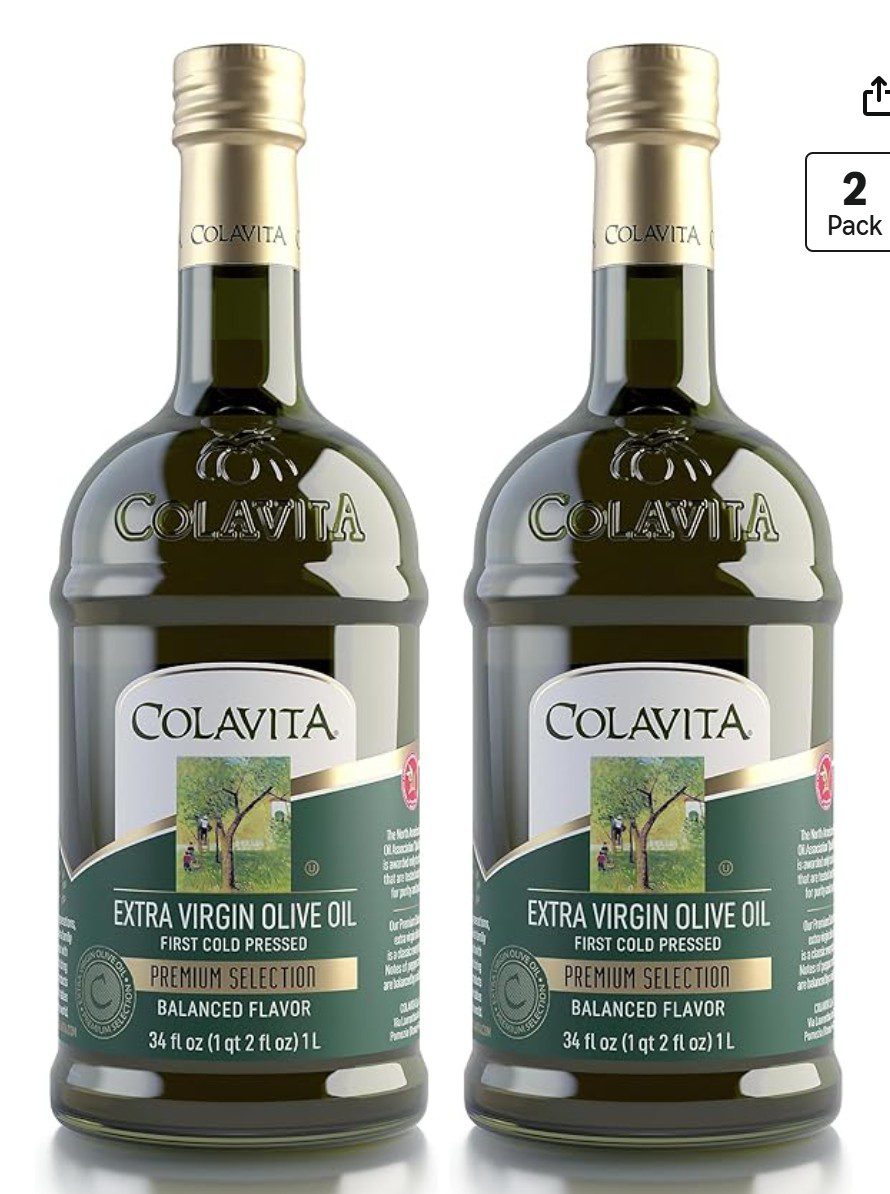
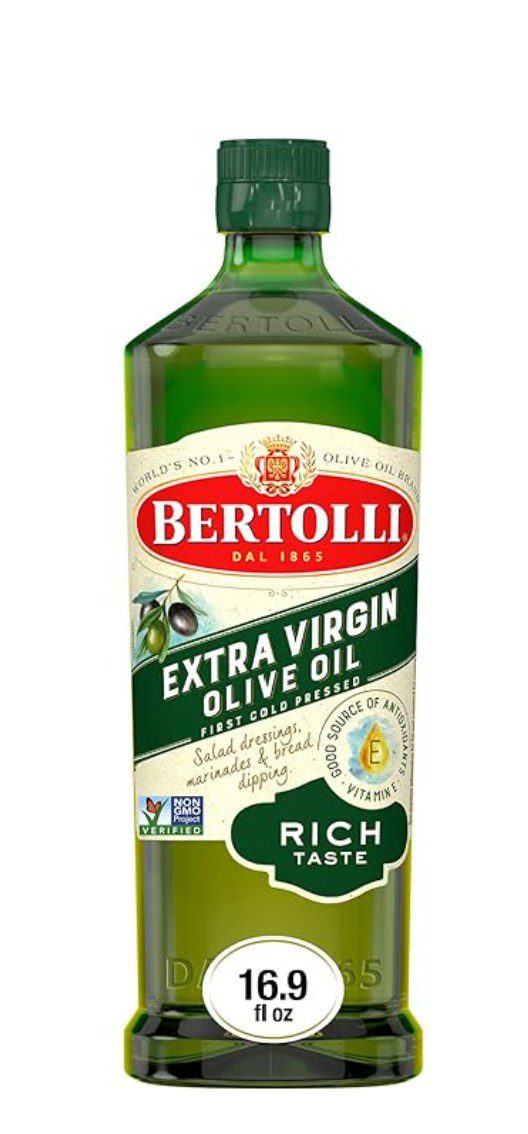
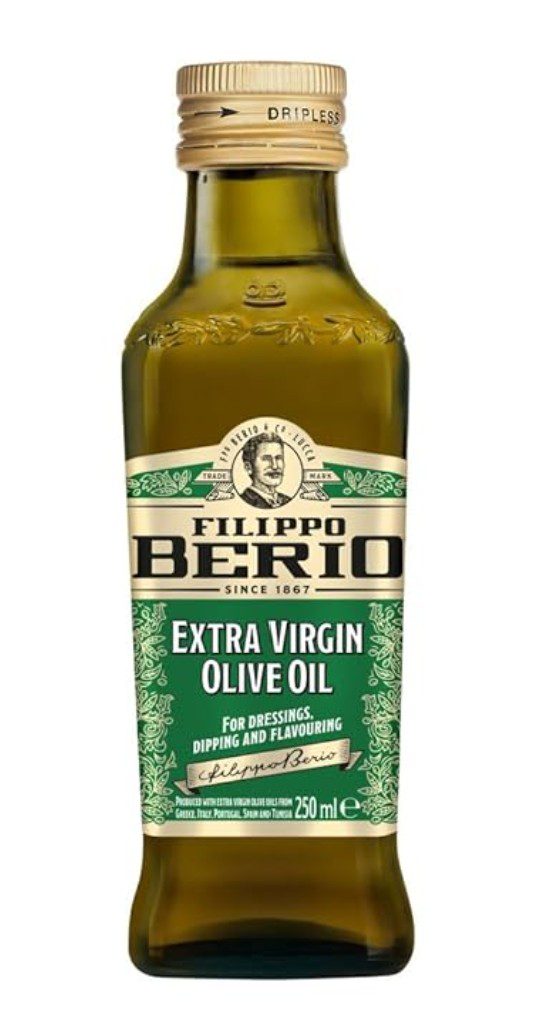
These three brands are pantry staples for a reason. Colavita and Bertolli are both cold-pressed and carry OU kosher certification, making them a safe, familiar choice whether you're cooking for the seder or simply refilling your everyday bottle before the holiday starts. Filippo Berio's Kosher Certified extra virgin oil brings a well-balanced, fragrant flavor that works equally well drizzled over roasted asparagus or whisked into a Passover-friendly vinaigrette. All three are pareve, dairy-free, and meat-free — meaning they fit seamlessly into any Passover meal, from a dairy brunch to a full meat seder table. Because pure extra virgin olive oil doesn't require a separate "P" symbol, a regular-OU bottle of any of these is generally accepted for Pesach use, though as always, individual custom and local rabbinic guidance should be your final word.
🌿 American-Grown Excellence
Domestic oils with award-winning quality.
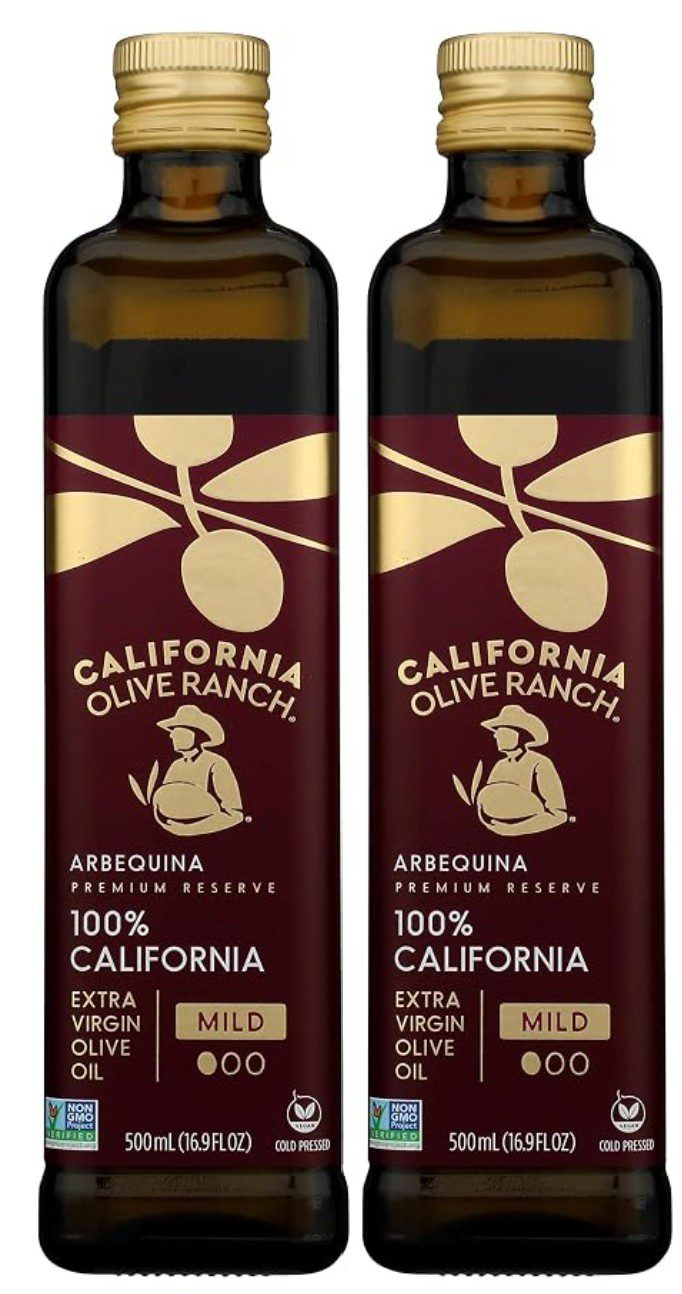
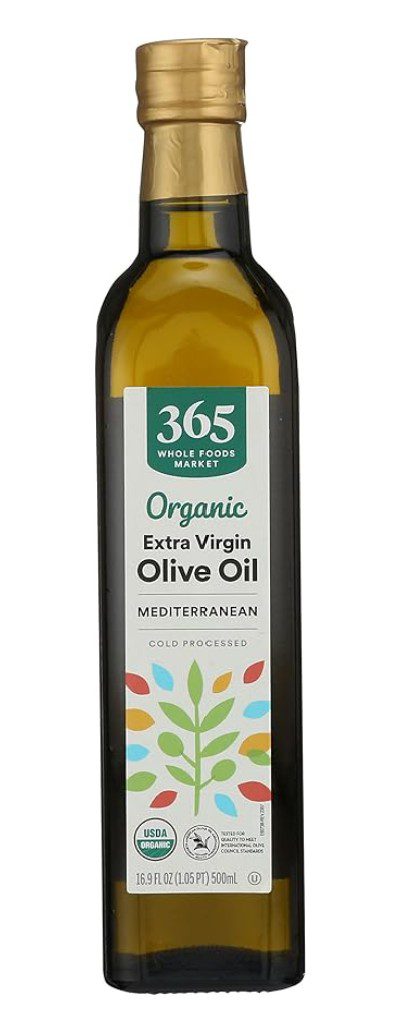
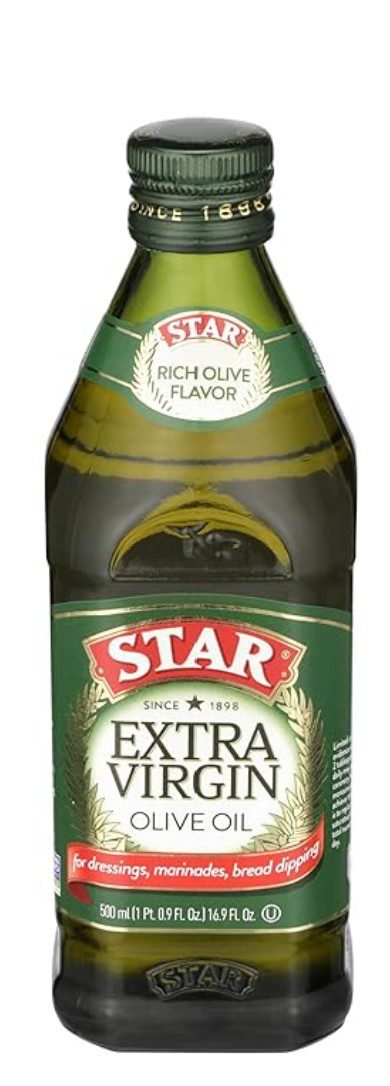
California Olive Ranch is one of the most awarded olive oil producers in the U.S., and its OU-certified kosher extra virgin oil brings bright, floral, buttery notes that shine in a simple Passover salad. 365 by Whole Foods Market offers the same reliable kosher certification at a friendlier price point, which makes it an easy choice if you're stocking up for a full week of Pesach cooking rather than a single seder. Star, meanwhile, has been importing kosher olive oil into American kitchens since 1898, and its rich, peppery finish holds up beautifully in heartier dishes like braised brisket or roasted root vegetables. All three are pareve and fit any part of a Pesach menu without restriction.
🔥 Bold & Full-Flavored
For dishes that need an oil that speaks up.
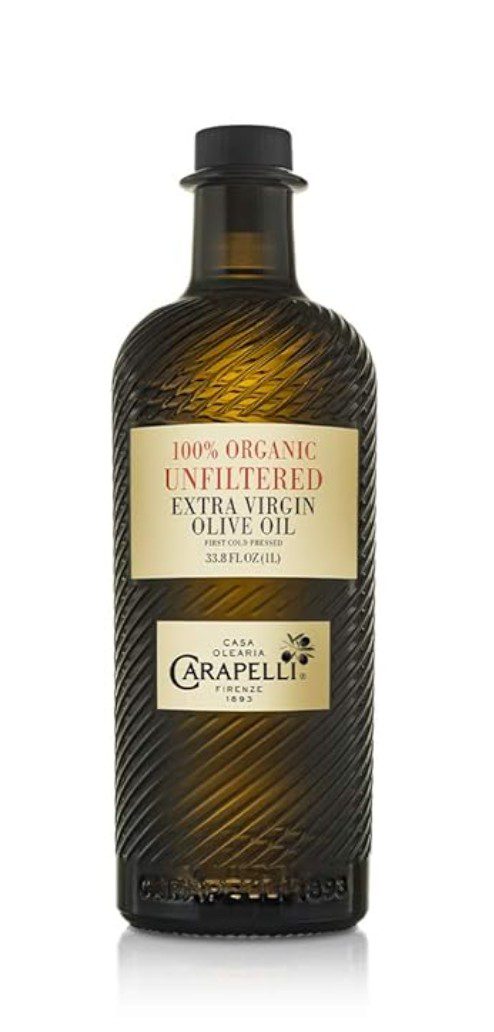
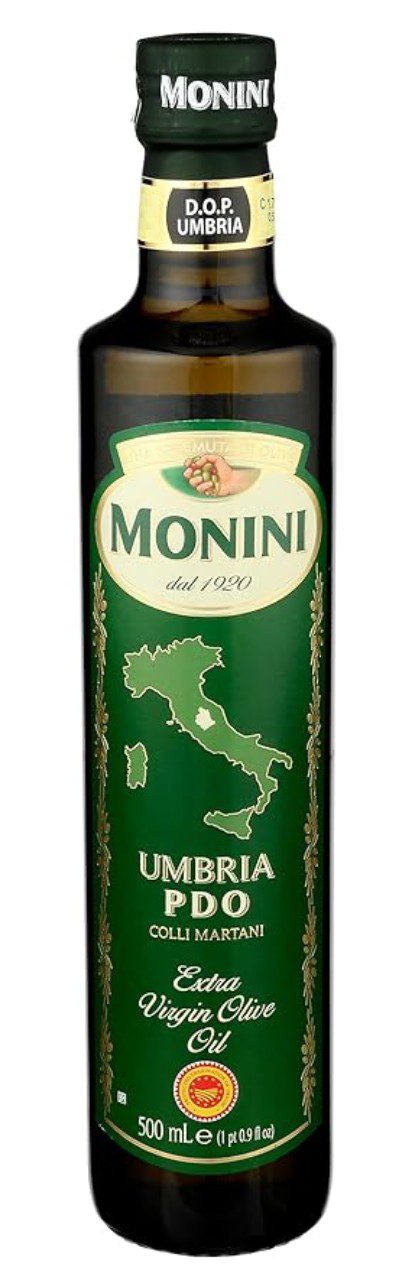
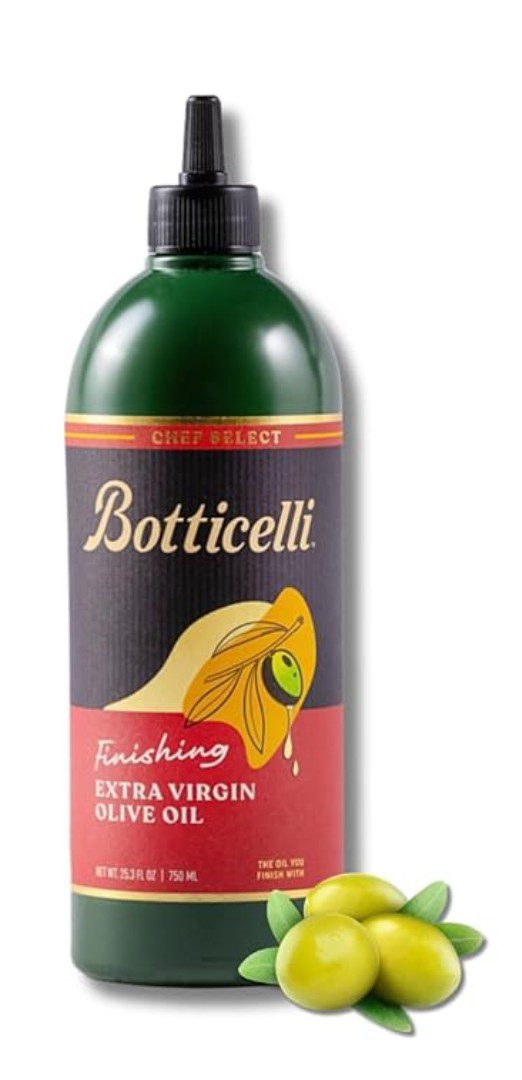
When a recipe calls for an olive oil with real presence, these three deliver. Carapelli, crafted in Tuscany since 1893, is Kosher Certified and brings a robust, peppery bite that's perfect for finishing a plate of roasted lamb or dipping matzah. Monini, kosher-certified and family-run since 1920, has a similarly full-bodied character with a slightly nutty edge. Botticelli rounds out the group with a Kosher Certified oil sourced from across the Mediterranean, gluten-free and cholesterol-free, making it a safe pick for guests with broader dietary restrictions at your seder table. All three are pareve and work equally well as a cooking oil or a finishing drizzle.

🫒 Everyday Staples & Value Picks
Reliable kosher oils for a full week of Pesach cooking.
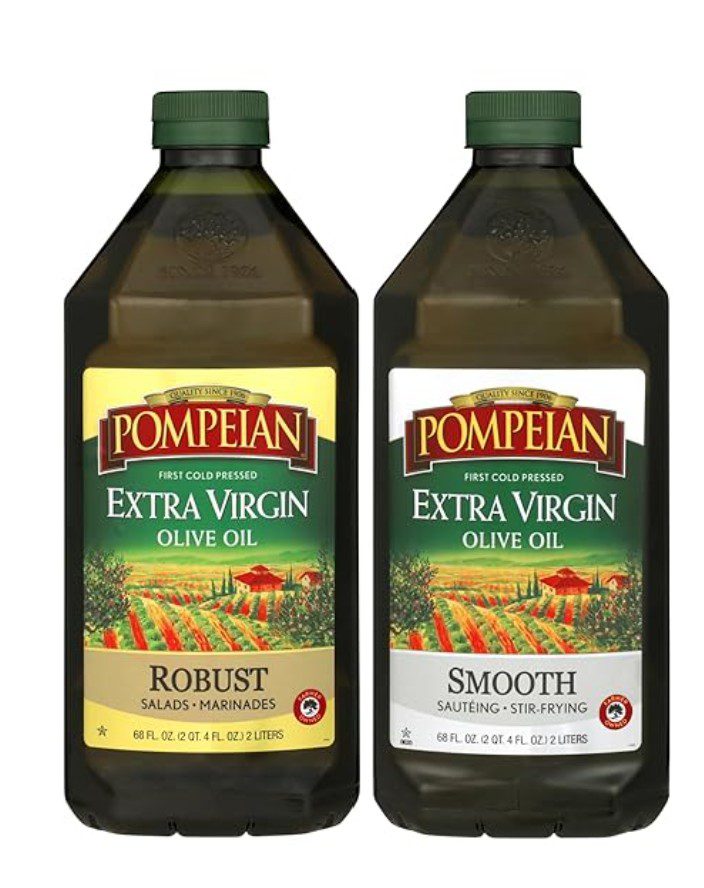
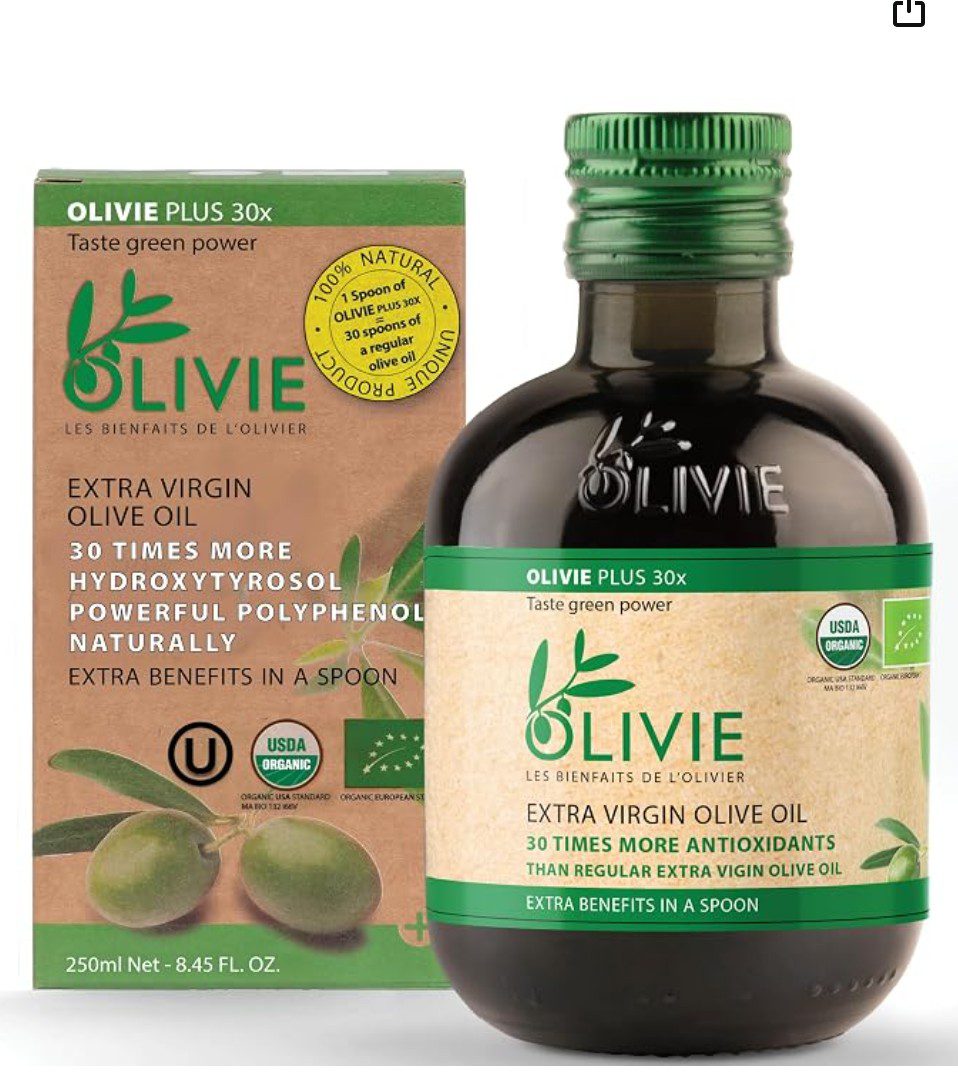
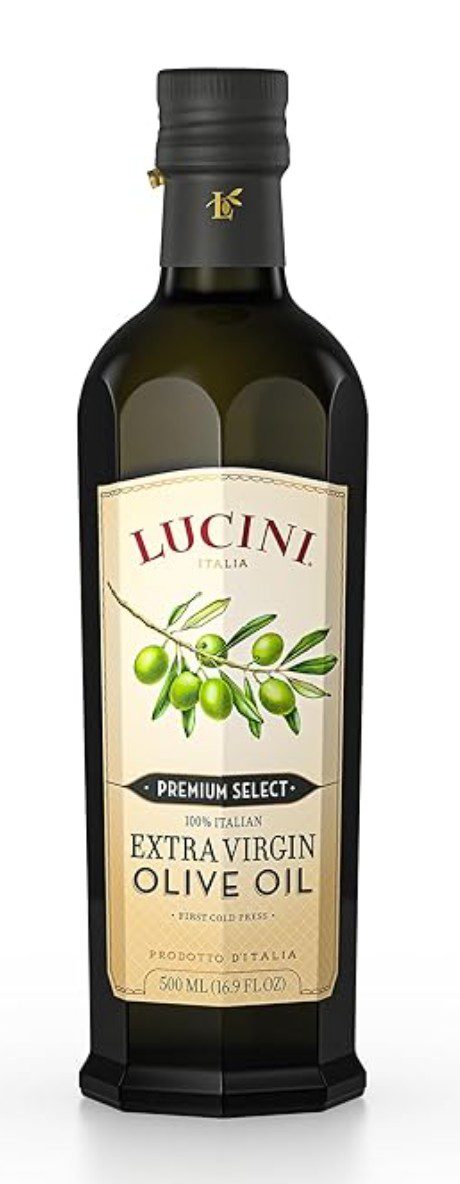
If you're stocking your kitchen for the full eight days of Passover rather than just the seder, these three kosher-certified oils are built for real, everyday cooking. Pompeian's family-farmed extra virgin oil is Kosher and comes in generous value sizes, so you won't be running out mid-week. Olivie offers a smooth, approachable flavor that won't overpower delicate Passover dishes like sautéed spinach or a simple potato kugel. Lucini Italia, certified Kosher Parve and hand-harvested from Italian estates, has a naturally low acidity that makes it a favorite for both cooking and finishing. All three are pareve, dairy-free, and meat-free, so they belong in every part of your Pesach kitchen.
🔍 What to Look For
A quick guide to reading olive oil labels for Passover.
Unlike most packaged foods, pure extra virgin olive oil doesn't automatically require a dedicated "Kosher for Passover" (OU-P) certification. According to widely cited Orthodox Union guidance, 100% extra virgin olive oil bearing a standard, year-round OU symbol is generally acceptable for Passover use, since the oil is a single, unprocessed ingredient with no chametz risk in production. That's why every brand featured above carries a regular OU or equivalent kosher certification rather than a Passover-specific "P" — and it's exactly what makes them safe, reliable choices for your seder table and beyond.
That said, a few things are worth double-checking before you buy:
Stick to 100% extra virgin. Blended oils, "light" olive oils, or oils cut with other seed oils may not carry the same automatic acceptance and should have a specific Passover hechsher.
Avoid flavored and infused oils during Pesach. Garlic-, lemon-, or herb-infused olive oils often contain additional processed ingredients and should only be used if they carry a dedicated Kosher for Passover certification.
Buy before the holiday when possible. Many kashrut authorities recommend purchasing olive oil before Pesach begins, even when it doesn't require special certification, simply as good practice for holiday staples.
When in doubt, ask your local Rabbi. Customs vary between communities, and some households prefer to use only olive oil bearing an explicit "P" symbol out of extra stringency. This guide reflects general, widely-followed guidance — not a ruling for your household.

❓ Frequently Asked Questions
Everything you need to know about kosher olive oil for Pesach.
Is regular olive oil kosher for Passover?
Pure, 100% extra virgin olive oil bearing a standard OU (or equivalent) kosher symbol is generally accepted for Passover, even without a separate "P" designation. Blended, flavored, or "light" olive oils are a different story and should have Passover-specific certification.
Do I need an olive oil with an OU-P symbol for Passover?
Not necessarily. Because pure extra virgin olive oil is a single, minimally processed ingredient, most kashrut authorities accept a regular year-round OU symbol for Pesach use. Some households still prefer OU-P out of extra stringency — check with your local Rabbi if you're unsure.
What does "OU-P" mean vs. just "OU" on olive oil?
"OU" means the product is certified kosher year-round. "OU-P" means it has been specifically supervised and certified as Kosher for Passover. For pure extra virgin olive oil, the two are generally treated as equivalent for Pesach purposes.
Can I use flavored or infused olive oil during Passover?
Only if the specific product carries a Kosher for Passover certification. Flavored oils often include additional processed ingredients that don't receive the same automatic acceptance as pure extra virgin olive oil.
Is Colavita olive oil kosher for Passover?
Colavita's pure extra virgin olive oil carries OU kosher certification and is widely used during Passover, following the general guidance that pure EVOO with a regular OU symbol is acceptable for the holiday.
What's the difference between extra virgin and regular olive oil for Passover?
Extra virgin olive oil is the least processed form, made from the first cold pressing of olives with no chemical refining. This minimal processing is part of why it's generally accepted for Passover without special certification, unlike more heavily processed "light" or "pure" olive oil blends.
Can I use the same olive oil before and after Passover?
Yes. Since pure extra virgin olive oil doesn't require special Passover processing, an unopened bottle purchased before the holiday can typically be used during and after Pesach as well.
Do I need to buy new olive oil every year for Passover?
It's not strictly required for pure extra virgin olive oil, but many kashrut authorities recommend purchasing olive oil (and other pantry staples) before Pesach begins as a general best practice, even when a fresh purchase isn't halachically mandated.
The Kosher Hub is not a Kosher Authority. For any advice please refer to your local Kashrut Authority.
As an Amazon Affiliate we earn from qualifying purchases.








Understanding Our Kosher Certifications
The Kosher Hub references products certified by recognized kosher authorities, including OU, OK, Star-K, Kof-K, and CRC. Certification symbols and status can change, so always confirm the current kosher status directly on the product packaging or via the certifying agency's own listings before purchasing.