

When a recipe calls for flour, most bakers reach for whatever bag is closest — but if you keep a kosher kitchen, that choice matters more than it seems. Kosher all-purpose flour needs reliable certification, not just a clean ingredient list, and the good news is that most of the country's most popular baking brands are certified without you having to hunt for niche substitutes. Below are the all-purpose flours that show up most often in kosher kitchens across the US — from budget-friendly grocery store bags to organic, stone-ground options from dedicated milling brands. Whether you're baking challah, cookies, cakes, or just keeping the pantry stocked, this roundup covers everyday staples, organic picks, and a gluten-free option, all certified kosher and available on Amazon. We've also included what to actually check on the bag before you buy, since "flour" isn't automatically kosher just because it looks plain.
🌾 Everyday Kosher All-Purpose Flour
The staples most kosher kitchens keep stocked

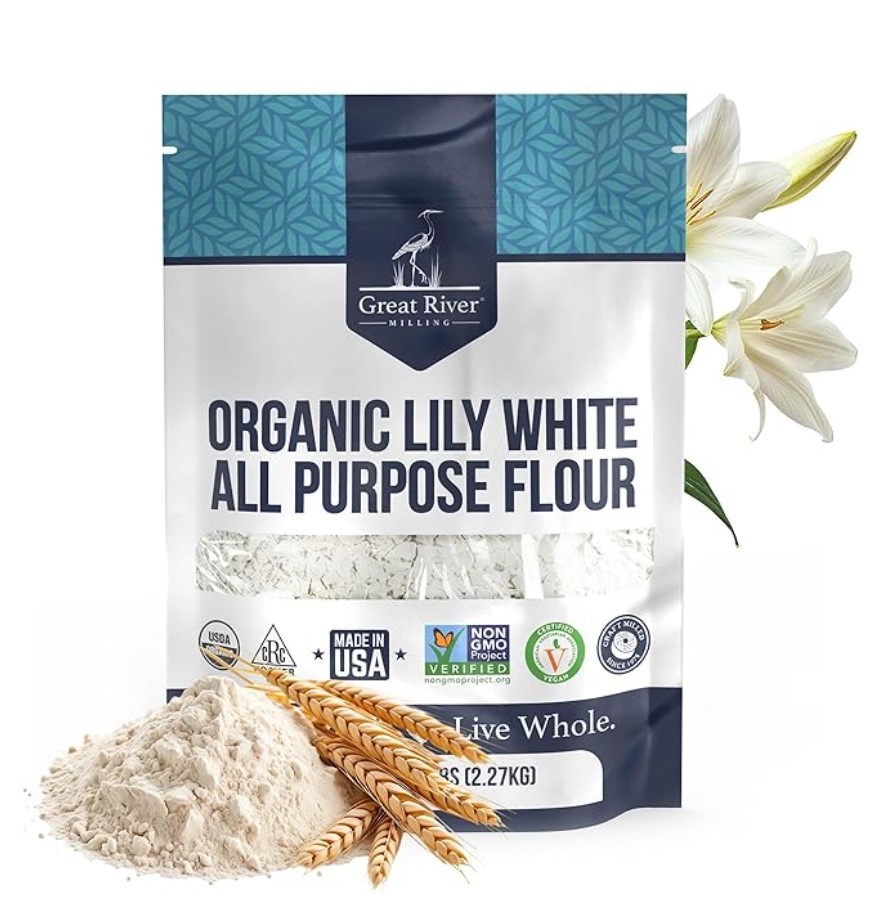
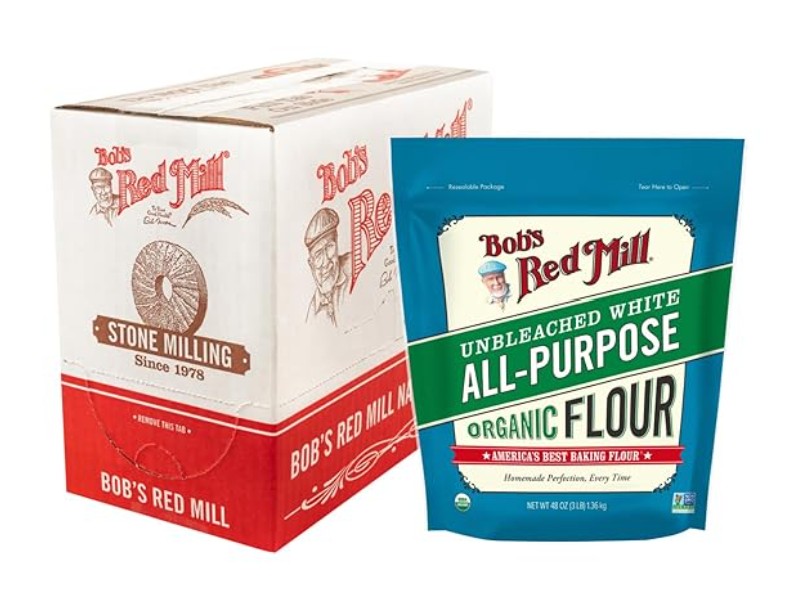
These three are the flours most likely to already be certified and sitting on grocery shelves near you, which makes them the easiest starting point for everyday kosher baking. The Amazon Grocery bag is a straightforward, budget-conscious option for high-volume bakers who go through flour quickly. Great River Organic Milling is stone-ground rather than roller-milled, which some bakers find gives bread and challah a slightly nuttier flavor and better texture. Bob's Red Mill is unbleached and additive-free, a good middle ground for anyone who wants an organic flour without paying specialty-brand prices. All three are pareve and suitable for any dairy or meat recipe.

🌿 Organic & Specialty Kosher All-Purpose Flour
Bulk bags, organic certification, and gluten-free options


This group covers bakers with bigger needs or specific dietary requirements. The Great River Milling 25 lb bag suits anyone baking for a family, shul kitchen, or small home bakery who doesn't want to keep restocking. King Arthur's organic unbleached flour is the brand most home bakers already trust, and it's certified kosher and organic without a premium jump in difficulty to find. For anyone managing celiac disease or gluten sensitivity, King Arthur's gluten-free all-purpose blend is formulated to swap in at a 1-to-1 ratio in most recipes, so it doesn't require reworking a recipe from scratch. All three are pareve.

💰 BUDGET PICK
365 by Whole Foods Market Organic All-Purpose Flour
Organic certification without the specialty-brand price tag. Whole Foods' in-house 365 line is kosher certified and a reliable, no-frills choice for anyone who wants organic all-purpose flour at everyday grocery-store pricing. It's pareve and works well as a drop-in for any recipe calling for standard flour.
Shop on Amazon
🔍 What to Look For in Kosher All-Purpose Flour
A quick guide before you buy
Kosher certification symbol. Plain wheat flour is almost always pareve, but "almost always" isn't good enough for a kosher kitchen — look for a recognized certification symbol (such as OU, Star-K, or Kof-K) on the packaging rather than assuming an unmarked bag is fine.
Bleached vs. unbleached. Unbleached flour is aged naturally and has a slightly denser, more structured crumb, favored for bread and challah. Bleached flour is chemically whitened and softer, often preferred for cakes and pastries. Both are typically certified the same way — check the label either way.
Protein content. All-purpose flour generally sits between 10–12% protein, a middle ground between low-protein cake flour and high-protein bread flour. Brands milled from hard red wheat, like Great River Milling, tend toward the higher end of that range.
Standard flour is not Kosher for Passover. All-purpose flour, even when certified kosher year-round, is generally not suitable for Pesach use because of chametz concerns — Kosher for Passover baking calls for separately certified matzah meal, cake meal, or other KFP-labeled products instead.
Gluten-free substitutes. If you're swapping in a gluten-free all-purpose blend, confirm it's labeled as a 1-to-1 replacement — not every gluten-free flour behaves the same way in recipes, and some need added binders like xanthan gum that others already include.

❓ Frequently Asked Questions
Is all-purpose flour kosher?
Plain wheat flour is generally pareve and kosher, but you should still confirm certification on the packaging rather than assume. Additives, processing equipment, and cross-contact with non-kosher ingredients at the mill can affect a specific brand's status even when the base ingredient is simple.
What does it mean for flour to be kosher certified?
It means a recognized kosher agency has reviewed the ingredients, processing equipment, and facility to confirm nothing non-kosher was introduced during milling or packaging, and the product carries their certification symbol as proof.
Is regular all-purpose flour kosher for Passover?
No. Standard all-purpose flour is chametz and not suitable for Pesach, regardless of its year-round kosher certification. Passover baking requires separately certified Kosher for Passover products such as matzah meal or cake meal.
What's the difference between bleached and unbleached kosher flour?
Unbleached flour ages naturally and gives a denser, sturdier crumb, often preferred for bread and challah. Bleached flour is chemically whitened, softer, and commonly used for cakes and pastries. Both are typically available with kosher certification.
Can I substitute gluten-free flour 1-to-1 in recipes that call for all-purpose flour?
Only if the gluten-free flour is specifically labeled as a 1-to-1 substitute, like King Arthur's gluten-free all-purpose blend. Other gluten-free flours may need added binders or a different ratio to work properly in the same recipe.
What kosher symbol should I look for on flour?
Common certifications include OU, Star-K, and Kof-K. Any of these on the packaging confirms the product has been reviewed by a recognized kosher supervision agency.
Is King Arthur flour kosher?
Yes, King Arthur's organic unbleached all-purpose flour and gluten-free all-purpose flour both carry kosher certification, making them reliable choices for kosher kitchens.
How should I store kosher all-purpose flour?
Keep flour in an airtight container in a cool, dry pantry to protect against moisture and pests, and check the "best by" date periodically — flour can go rancid or develop off-flavors over long storage, especially whole-grain or higher-fat varieties.
What's the difference between organic and regular kosher all-purpose flour?
Organic flour is milled from wheat grown without synthetic pesticides or fertilizers and is certified accordingly, while regular flour has no such restriction on how the wheat was farmed. Both can be kosher certified — organic status and kosher status are separate certifications.
The Kosher Hub is not a Kosher Authority. For any advice please refer to your local Kashrut Authority.
As an Amazon Affiliate we earn from qualifying purchases.

Understanding Our Kosher Certifications
The Kosher Hub references products certified by recognized kosher authorities, including OU, OK, Star-K, Kof-K, and CRC. Certification symbols and status can change, so always confirm the current kosher status directly on the product packaging or via the certifying agency's own listings before purchasing.