
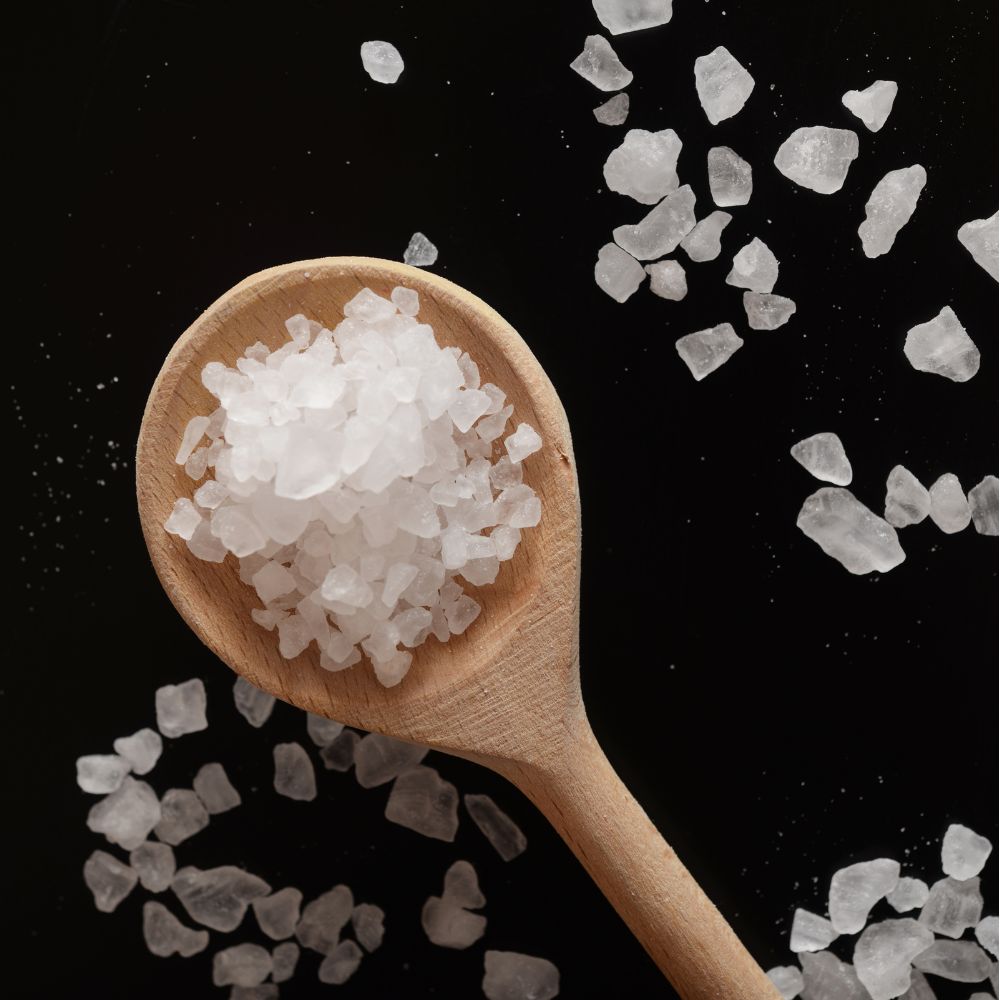
Kosher salt is one of the most important ingredients in any kitchen — kosher or not — yet it's also one of the most misunderstood. Despite what the name suggests, "kosher salt" doesn't simply mean salt that is certified kosher by a rabbinical authority. The name actually refers to the salt's traditional role in the koshering process — specifically, its use in drawing blood from meat according to Jewish dietary law. Its large, irregular, flat flakes make it ideal for this purpose, but those same qualities also make it the preferred cooking salt for professional chefs around the world. In this guide we explain exactly what kosher salt is, how it differs from table salt and sea salt, which brands to buy, how to store it, and the best certified kosher salts available on Amazon right now — from everyday staples to premium artisan finishing salts.
🧂 What Is Kosher Salt — The Simple Explanation
Kosher salt is a coarse, flaky salt with large, flat crystals. It gets its name from its traditional use in kashering — the process of preparing meat according to Jewish dietary laws (kashrut). The large, flat grains draw blood to the surface of the meat through osmosis, which is then rinsed away. This makes the meat fit for consumption under Jewish law. The salt itself is not inherently more or less kosher than any other salt — what matters for religious use is the grain structure, not the source.
Over time, professional chefs adopted kosher salt for all cooking — not for religious reasons, but because the large flakes dissolve evenly, are easy to pinch and control, and don't contain the additives (iodine, anti-caking agents) found in standard table salt. Today it's the default salt in most professional kitchens worldwide, regardless of whether anyone in that kitchen keeps kosher.
For a certified kosher product, always look for a hechsher — a kosher certification symbol from a recognised authority such as the OU, OK, Star-K or KOF-K — printed on the packaging. This confirms the salt's production and packaging meet kosher standards, which is separate from whether the grain size is suitable for koshering meat.
⭐ Editor's Pick — Jacobsen Salt Co.
Premium artisan kosher sea salt — handcrafted in Oregon, certified kosher.
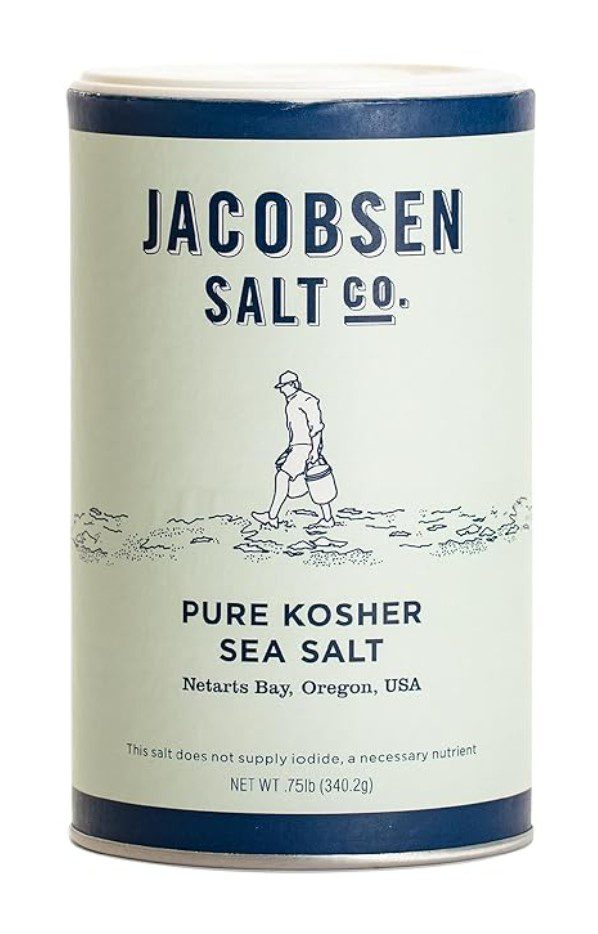
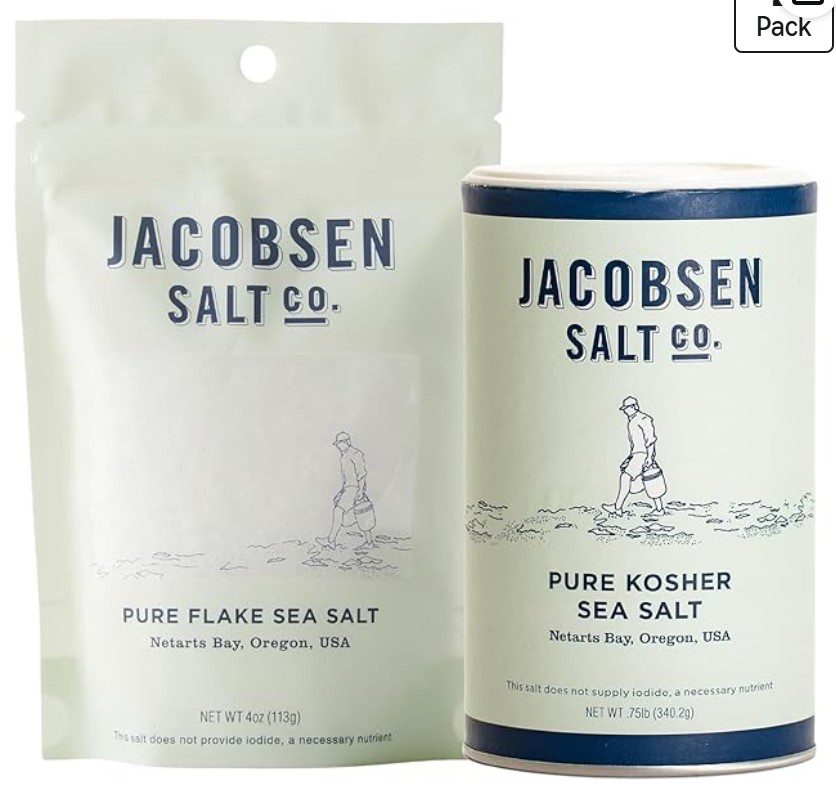
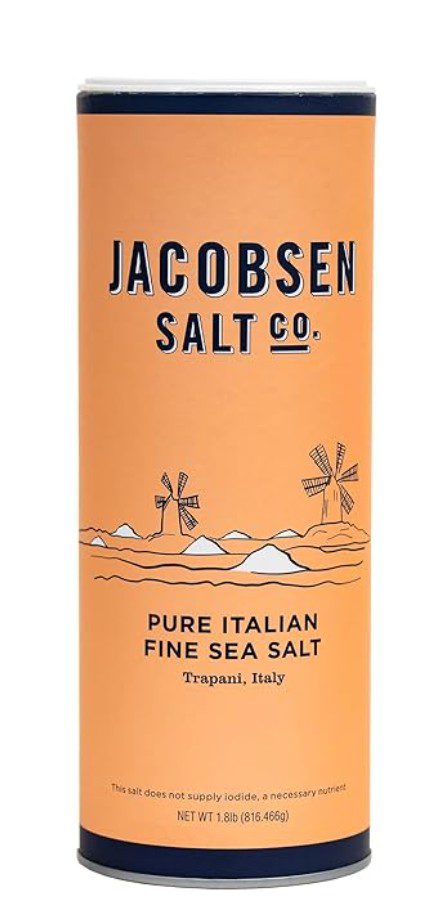
Jacobsen Salt Co. is our top pick for anyone who wants to understand what genuinely great kosher salt tastes like. Handcrafted from the cold Pacific waters off the Oregon coast, their salts have a clean, bright, mineral flavour that's a world away from standard supermarket kosher salt. The pure flake sea salt is particularly special — pyramid-shaped crystals that dissolve on the tongue with a satisfying crunch. All three are kosher certified and make an outstanding gift for any home cook or food lover in the Jewish community.

🏆 Best Everyday Kosher Salt
The reliable workhorses every kosher kitchen should have on hand.
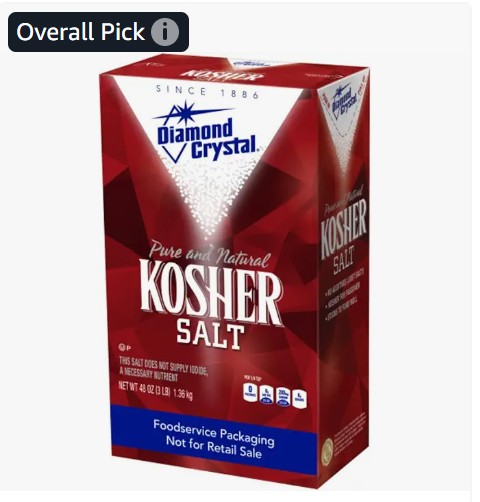
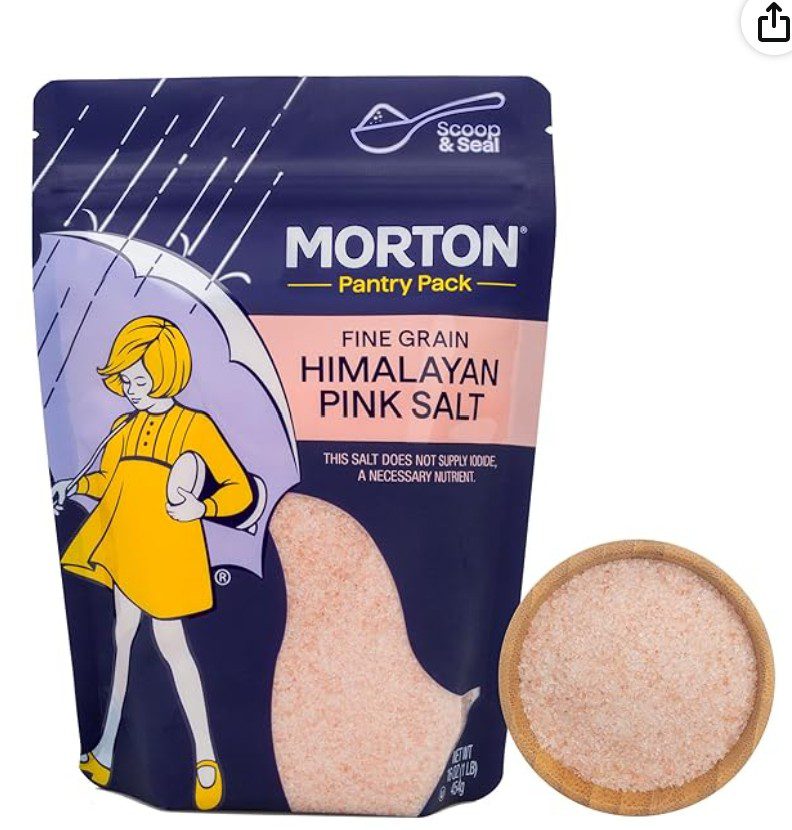
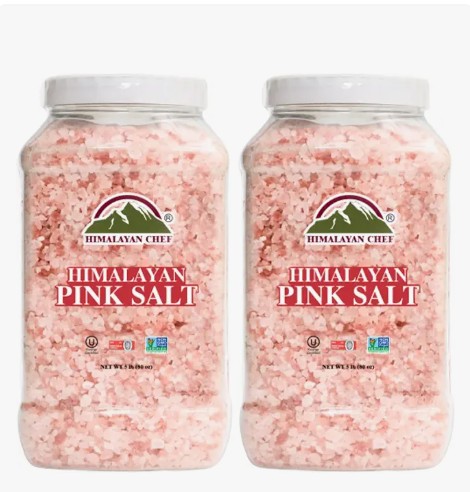
Diamond Crystal is the undisputed gold standard for everyday kosher cooking — its hollow, light flake structure dissolves evenly, adheres well to meat, and is the salt that most professional recipes and kosher cookbooks are calibrated for. Morton's Himalayan Pink gives you the mineral richness of pink salt in a coarse grind that's ideal for brining and koshering. Himalayan Chef is a great all-rounder if you want one fine-ground salt that works for cooking, baking, and the table. All three are certified kosher and available with fast Amazon delivery.
🇮🇹 Tuscanini — Sicilian Kosher Sea Salts
Premium Italian sea salt — certified kosher and Kosher for Passover.
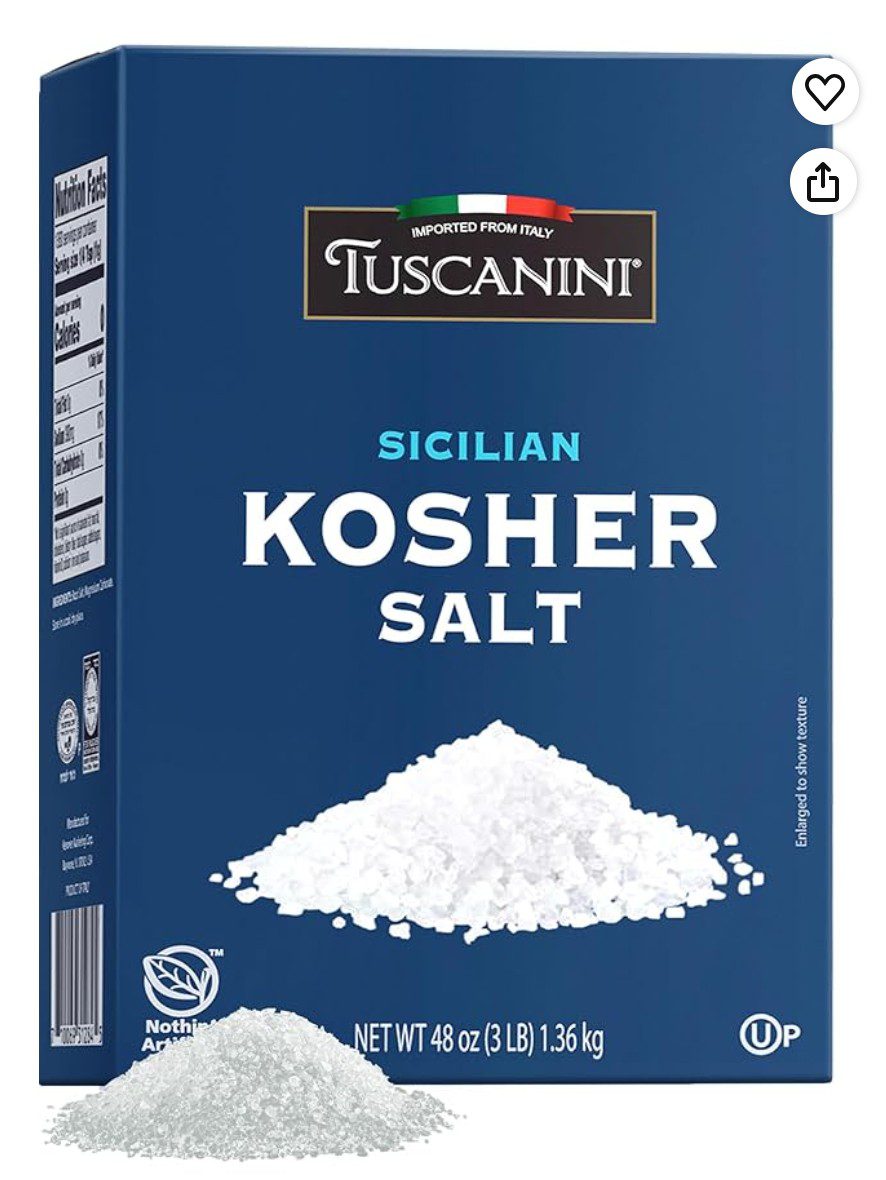
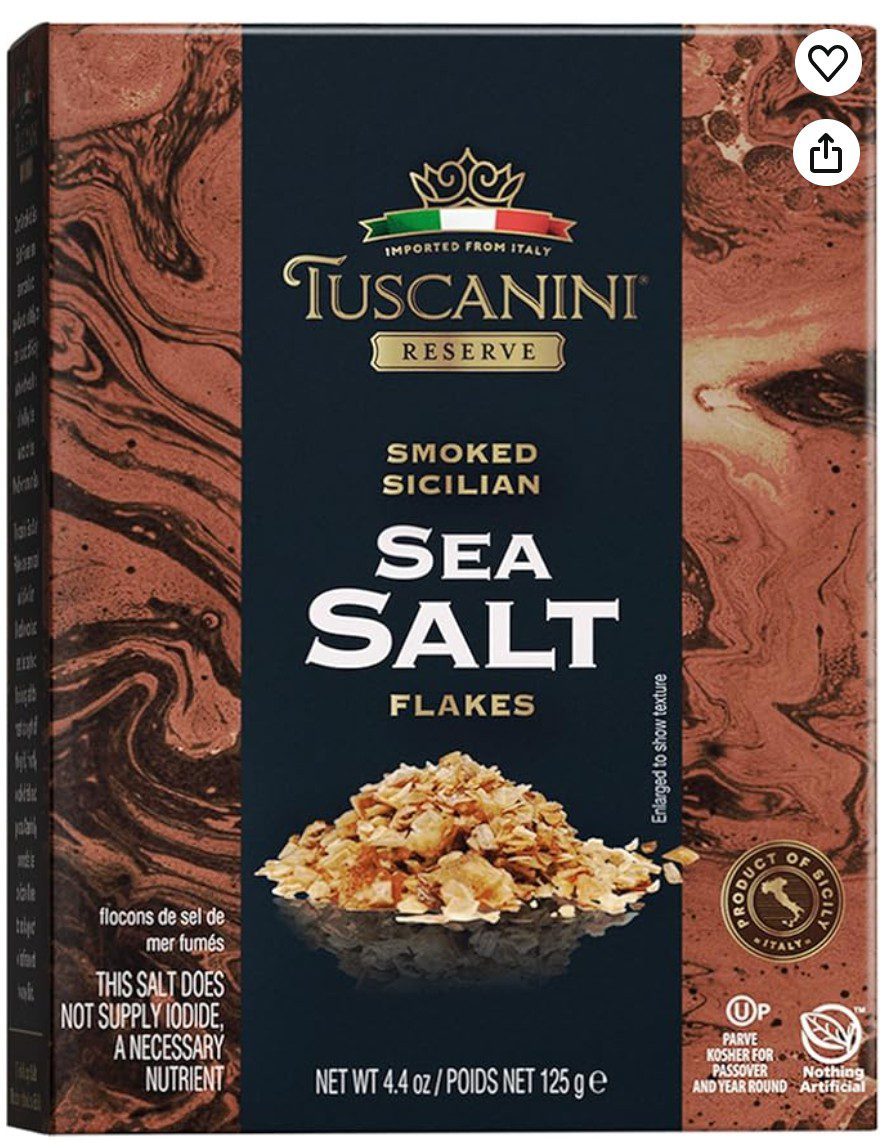
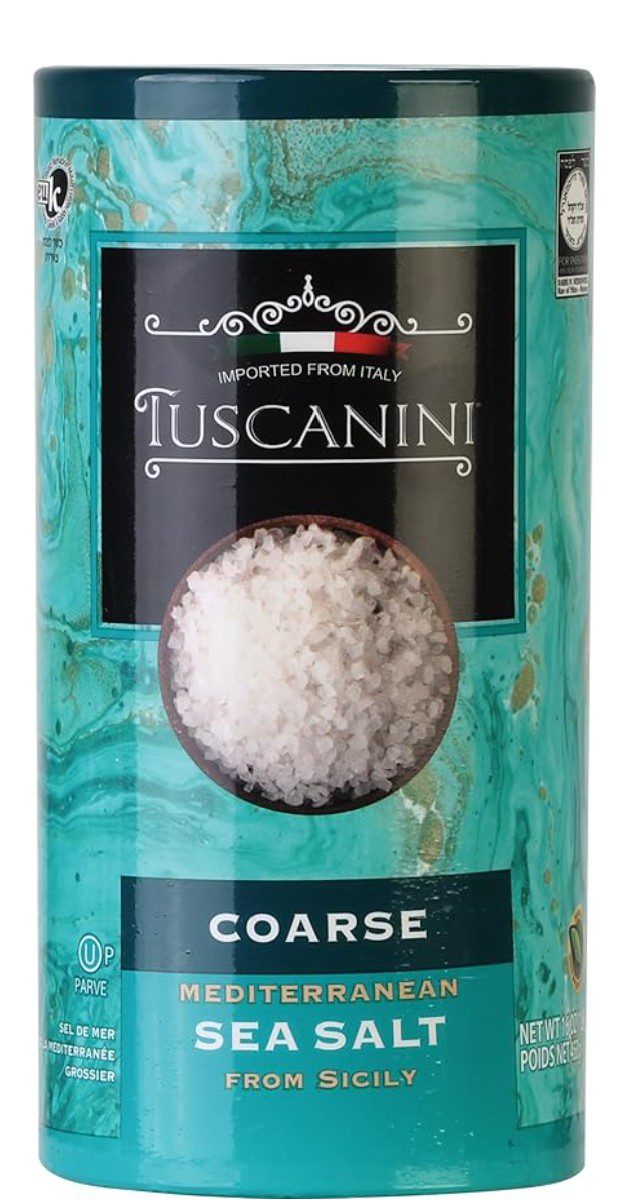
Tuscanini is a trusted kosher brand whose Sicilian sea salts are a step above standard supermarket options. Harvested from the Mediterranean and certified kosher — including Kosher for Passover — these salts have a clean, bright flavour with a complexity that comes from the sea rather than a mine. The smoked flakes are particularly brilliant for adding depth to roasted vegetables, grilled fish, or finishing a brisket. All three are excellent pantry staples for any kosher kitchen that takes its cooking seriously.
🧴 Store Your Kosher Salt Properly
Quality salt deserves a quality home — keep it dry, fresh, and beautiful.
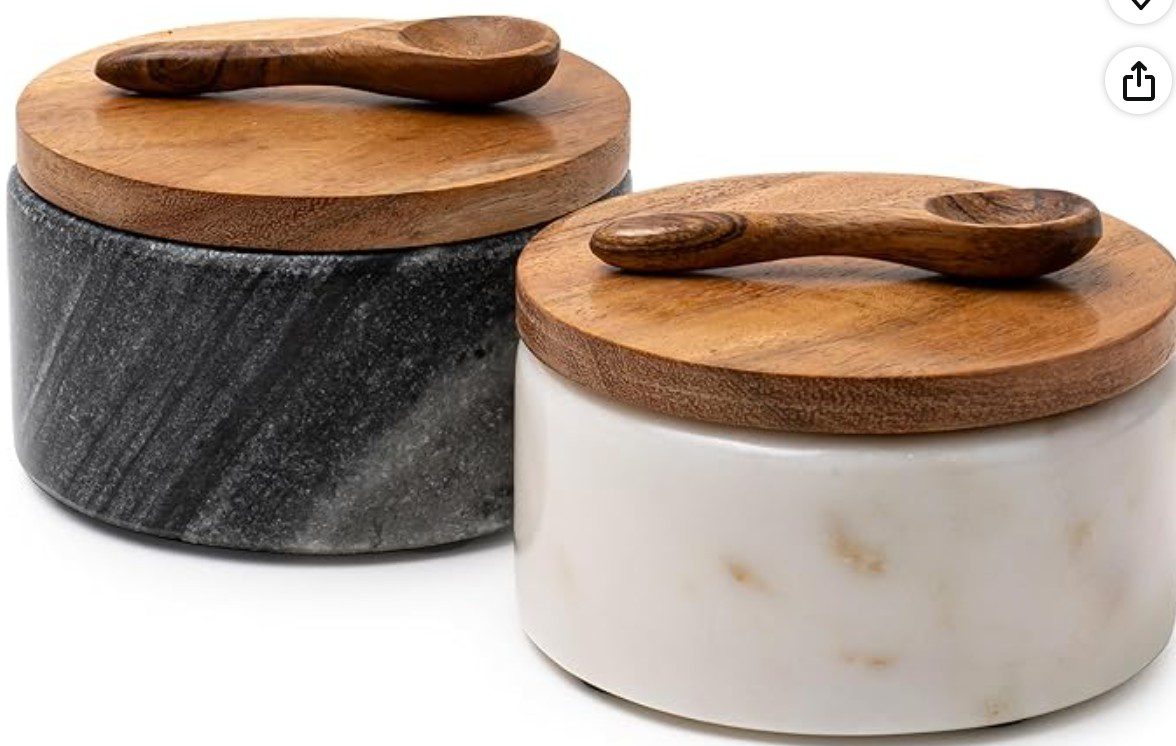
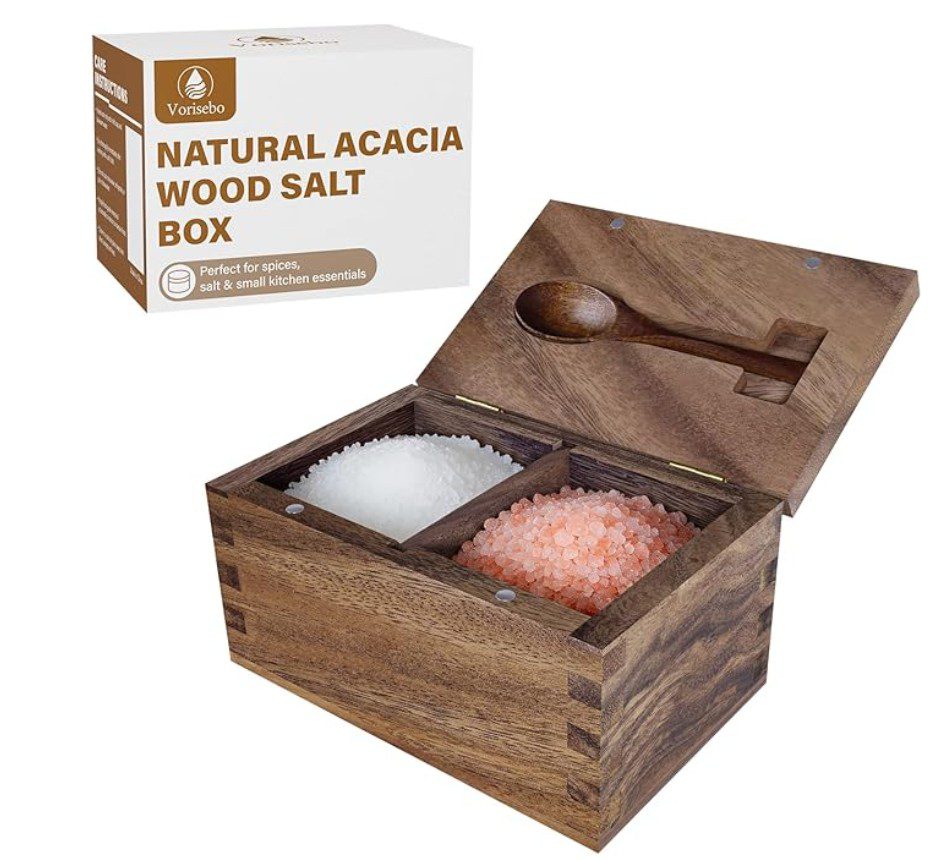
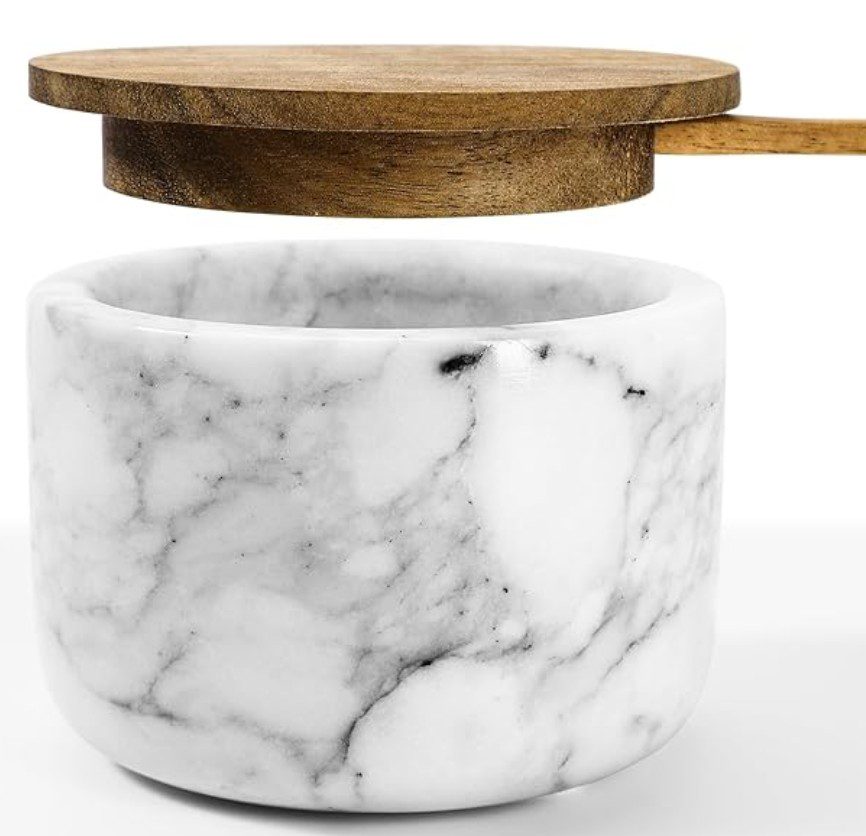
Once you've invested in quality kosher salt, storing it properly makes a real difference to both its longevity and its usability. Cardboard boxes — which is how most Diamond Crystal and Morton kosher salt is sold — are not designed for long-term storage and will absorb moisture over time. Cork and Mill make beautiful kitchen storage that looks as good as it functions. The acacia wood salt container is particularly well suited to a kosher kitchen — natural wood doesn't corrode from salt contact and looks stunning on a Shabbat or Yom Tov table. The open pinch bowl set is ideal if you keep a finishing salt like Maldon or Jacobsen flakes accessible during cooking.

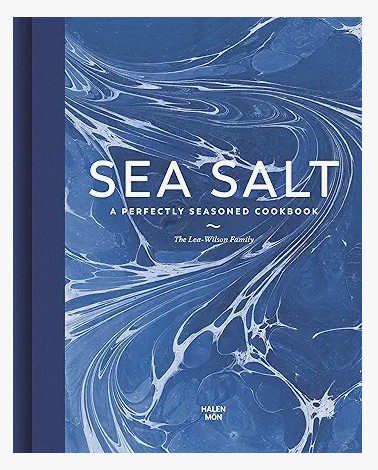
🔍 What to Look For When Buying Kosher Salt
1. Look for a hechsher — not just the name. "Kosher salt" refers to grain size and texture, not religious certification. To be genuinely certified kosher, the packaging must carry a hechsher from a recognised authority such as the OU, OK, Star-K or KOF-K. This confirms the production and packaging meets kosher standards — not just the salt itself.
2. Non-iodized for Passover. All kosher salt used over Pesach must be non-iodized and carry a Kosher for Passover (KFP) symbol. Iodized salt — even if otherwise kosher — is not permitted for Passover. Diamond Crystal, Morton non-iodized, and Tuscanini all offer KFP-certified options.
3. Know your grain size. Kosher salt comes in coarse and fine varieties that are not interchangeable by volume in recipes. Most kosher recipes are written for Diamond Crystal — if you use Morton, which is denser, use roughly ¾ of the stated amount. Fine sea salt is denser still — use about ½ the volume of Diamond Crystal.
4. Separate your cooking salt from your finishing salt. Finishing salts — Maldon, Jacobsen flakes, Tuscanini smoked — are not for cooking. They go on at the very end, adding texture and flavour. Using them for brining or baking is both expensive and wasteful. Keep both in your kitchen and use each where it belongs.
5. Store properly from day one. Transfer salt out of cardboard boxes immediately and into an airtight container. Salt absorbs moisture and odours from its environment — good storage is the single most effective way to protect your salt's quality long term.
❓ Frequently Asked Questions
What is kosher salt and where does the name come from?
Kosher salt is a coarse, additive-free salt with large, flat, irregular crystals. The name comes from its traditional role in the Jewish koshering process — specifically its use in drawing blood from meat to make it fit for consumption under Jewish dietary law. The large grain structure is what makes it effective for this purpose. It does not mean the salt itself has been certified kosher by a rabbinical authority, though many brands are.
Is kosher salt the same as table salt?
No. Both are primarily sodium chloride, but they differ significantly in texture, grain size, and additives. Table salt is finely ground with a uniform crystal structure, and typically contains iodine and anti-caking agents. Kosher salt has large, irregular, flat flakes, no additives, and a much lower density by volume — meaning one teaspoon of table salt contains significantly more sodium than one teaspoon of kosher salt.
Why do professional chefs prefer kosher salt?
Chefs prefer kosher salt — particularly Diamond Crystal — because it's easy to grab by the pinch, dissolves predictably, and has no additives that can affect flavour. The large flake structure also makes it easy to see how much you're using, which gives experienced cooks better control over seasoning. It's the default salt in professional kitchens worldwide, entirely regardless of whether anyone in that kitchen observes kashrut.
Can I use kosher salt for koshering meat at home?
Yes — the traditional koshering process for meat uses coarse salt to draw blood to the surface before rinsing. Diamond Crystal or coarse Morton kosher salt are the most widely used options for this purpose. However, the full koshering process involves specific steps and timing — if you're koshering meat at home for the first time, always consult your rabbi or local Kashrut Authority for guidance. The Kosher Hub is not a Kashrut Authority.
What is the difference between Diamond Crystal and Morton kosher salt?
The main difference is density. Diamond Crystal has a light, hollow flake structure that makes it less dense by volume — it dissolves faster and is easier to control. Morton is denser and more compact, making it roughly twice as salty by volume as Diamond Crystal. This matters most in baking: if a recipe calls for 1 tsp Diamond Crystal and you use Morton, your dish will be noticeably saltier. Always adjust quantities when switching brands.
What is the best kosher salt to buy on Amazon?
For everyday cooking, Diamond Crystal Kosher Salt is the top recommendation — it's the salt professional chefs use and the one most recipes are written for. For a premium upgrade, Jacobsen Salt Co.'s pure flake sea salt is outstanding and makes a beautiful kosher gift. For Passover use, Tuscanini's Sicilian sea salts are certified KFP and excellent quality. See our full guide to the Best Kosher Salt for a complete breakdown by category.
The Kosher Hub is not a Kosher Authority. For any advice please refer to your local Kashrut Authority.
As an Amazon Affiliate we earn from qualifying purchases.








Understanding Our Kosher Certifications
The Kosher Hub references products certified by recognized kosher authorities, including OU, OK, Star-K, Kof-K, and CRC. Certification symbols and status can change, so always confirm the current kosher status directly on the product packaging or via the certifying agency's own listings before purchasing.