

Can kosher salt go bad? The short answer is no — not in the way that food goes bad. Kosher salt is pure sodium chloride, a mineral, which means it has no expiration date and will not rot, ferment, or become unsafe to eat. That's why most brands only print a "best by" date rather than a true expiry — it's about quality, not safety. However, there are real ways that improperly stored kosher salt can become clumped, contaminated, or unpleasant to use, and knowing how to store it correctly makes a genuine difference. Whether you've just found a years-old box of Diamond Crystal at the back of your pantry or you're stocking up in bulk before Pesach, this guide covers everything you need to know about kosher salt shelf life, proper storage, and the best containers to keep your salt in perfect condition.
🧂 Why Kosher Salt Doesn't Technically Expire
Kosher salt is essentially pure sodium chloride — a mineral, not an organic food product. As a mineral, it's incredibly stable, doesn't support bacterial growth, and won't decay. That's why, if kept dry and clean, kosher salt can last indefinitely. In fact, archaeologists have found ancient salt deposits thousands of years old that are still chemically usable.
Most kosher salt brands — including Diamond Crystal and Morton — don't include an expiration date on the packaging, only a "best by" date. This is a quality marker, not a safety warning. It means the manufacturer is telling you the salt will taste and perform optimally until that date, but won't become unsafe after it.
The exception is iodized salt — the added iodine can degrade over time and may cause the salt to develop an off-colour or slightly bitter taste after a few years. This is another good reason to stick with non-iodized kosher salt, which is also the only option for Passover use.
🛒 Time for a Fresh Supply? Our Top Picks
If your salt has clumped, absorbed odours, or been stored badly — here's what to replace it with.
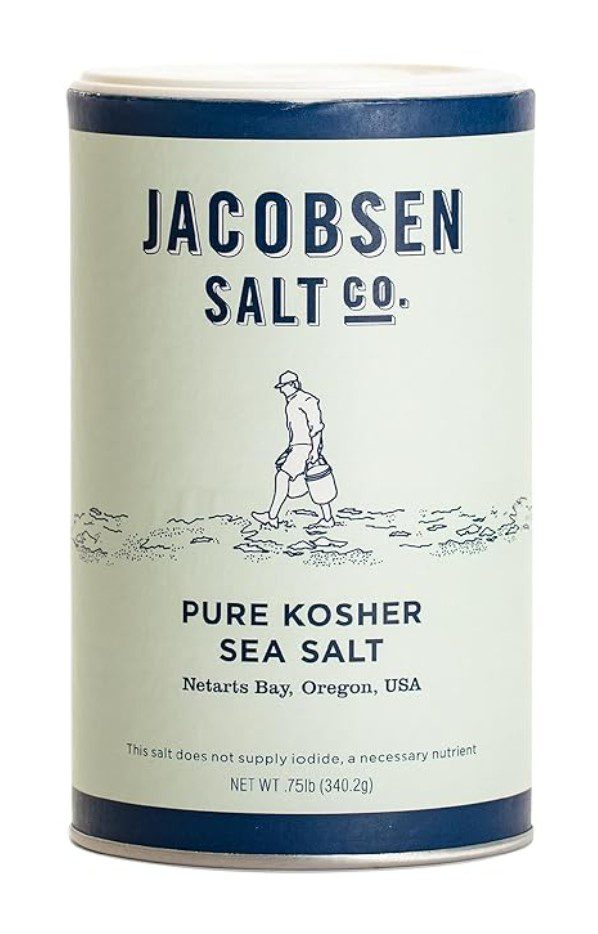

If your existing kosher salt has clumped badly, developed an off smell, or been stored in a deteriorating cardboard box, the honest answer is to replace it — salt is inexpensive, and fresh salt performs significantly better in baking and brining. Diamond Crystal is the gold standard for everyday kosher cooking, Morton's Himalayan Pink is a trusted coarse option, and Maldon's legendary sea salt flakes are worth keeping separately as a finishing salt. All three are certified kosher and available on Amazon with fast delivery.
⚠️ What Can Go Wrong with Stored Kosher Salt?
While the salt itself won't expire, here are the three real problems that can compromise its usability:
💧 Moisture & Clumping
If kosher salt absorbs water from humidity or spills, it clumps together or partially dissolves. This doesn't make it dangerous, but it makes accurate measuring difficult and can affect baking results. The fix: transfer to an airtight container and add a food-safe desiccant packet.
🧄 Odour Absorption
Salt is a natural odour absorber — great for fridges, not great when stored next to strong spices or cleaning products. If your kosher salt smells of garlic, cumin, or anything chemical, it has absorbed ambient odours. If this happens, discard and replace — the flavour will be off.
📦 Packaging Breakdown
The cardboard boxes that most kosher salt comes in are not designed for long-term storage. Over time they can soften, tear, absorb moisture, and let in pests or dust. Transfer any bulk salt to a proper airtight container — glass or food-grade plastic — as soon as you open it.
🧴 Best Salt Storage Solutions
The right container keeps your kosher salt dry, fresh, and easy to use.
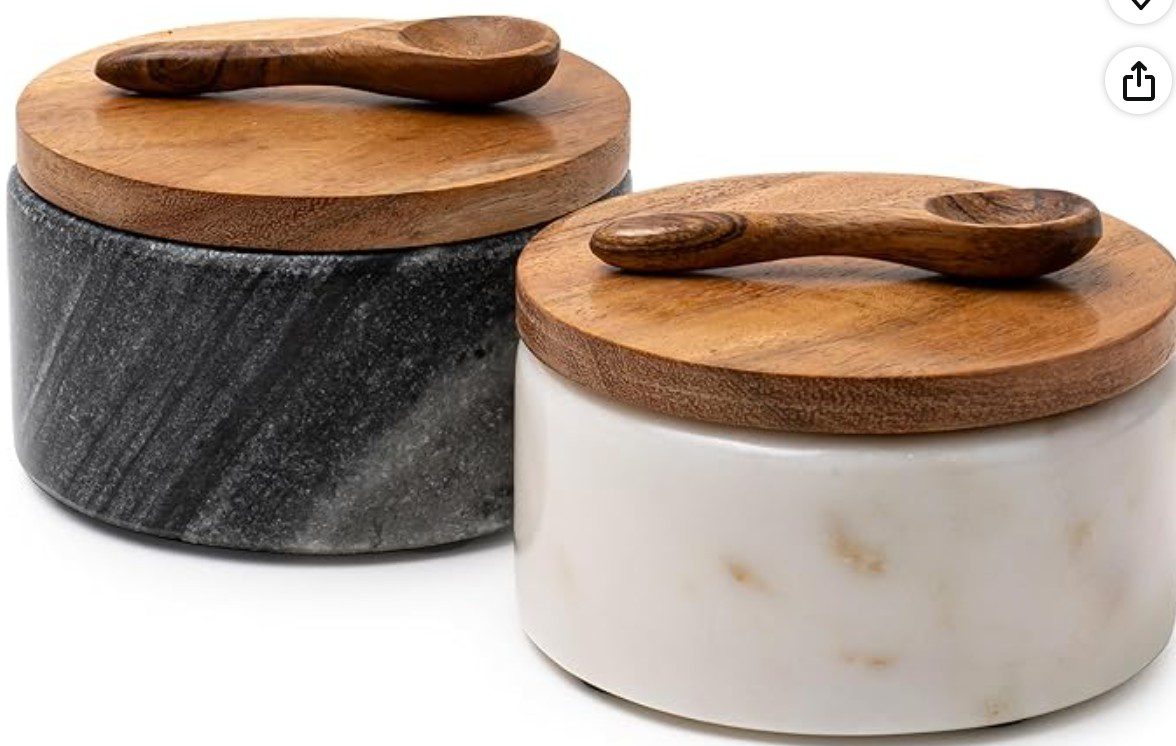
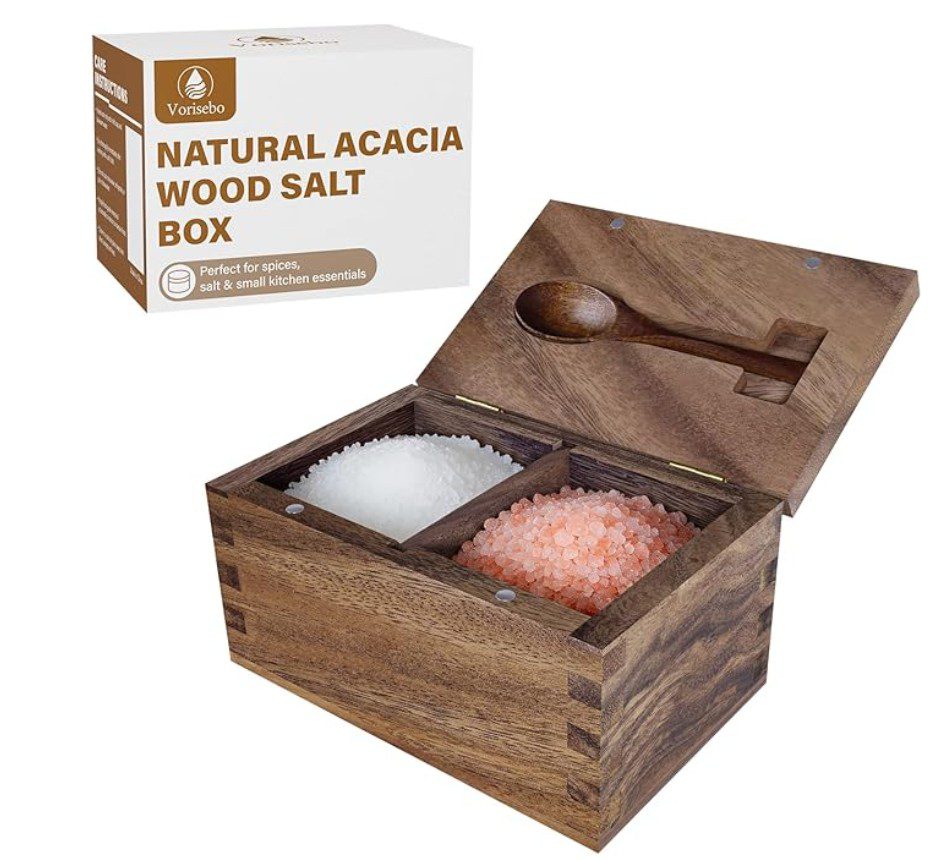
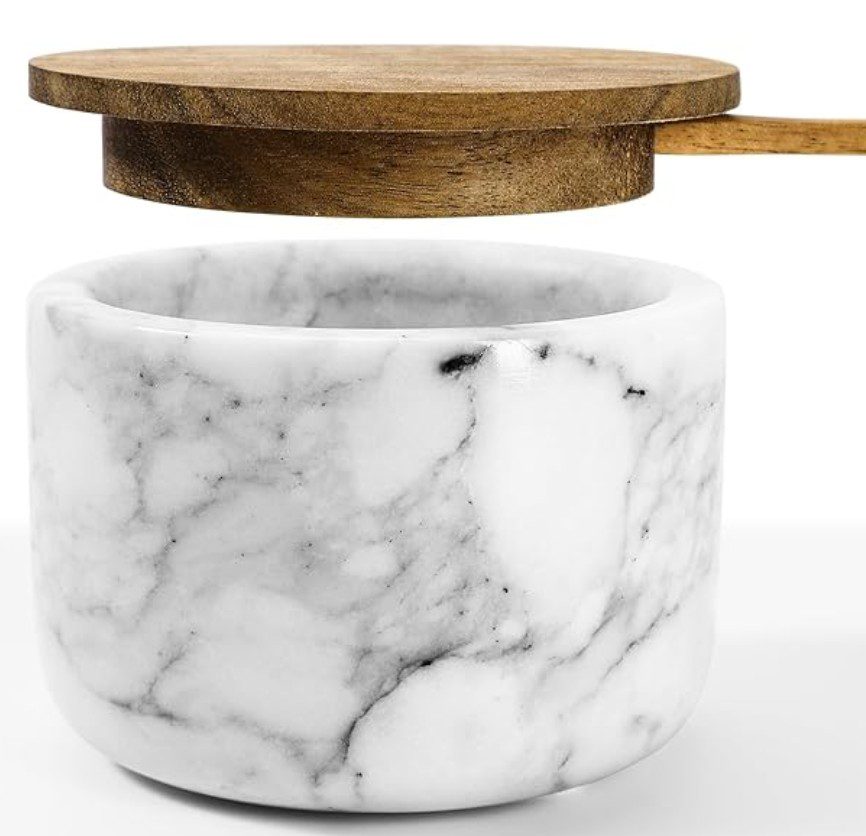
The single most effective thing you can do to extend the life and quality of your kosher salt is to move it out of its original cardboard box and into a proper container the moment you get home. Cork and Mill make some of the most beautiful kosher kitchen storage pieces available — their cork-sealed salt container keeps moisture out while looking stunning on a counter or Shabbat table. The acacia wood salt container is a particular favourite for open-access pinching during cooking — natural wood doesn't corrode from salt contact and looks beautiful alongside good kosher salt. The salt and pepper bowl set is ideal if you keep a finishing salt like Maldon or Jacobsen flakes on the table — open pinch bowls let you grab exactly what you need without the friction of a grinder lid.

⚡ Electric Salt & Pepper Grinders
One-handed, sealed, and perfect for busy kosher kitchens.
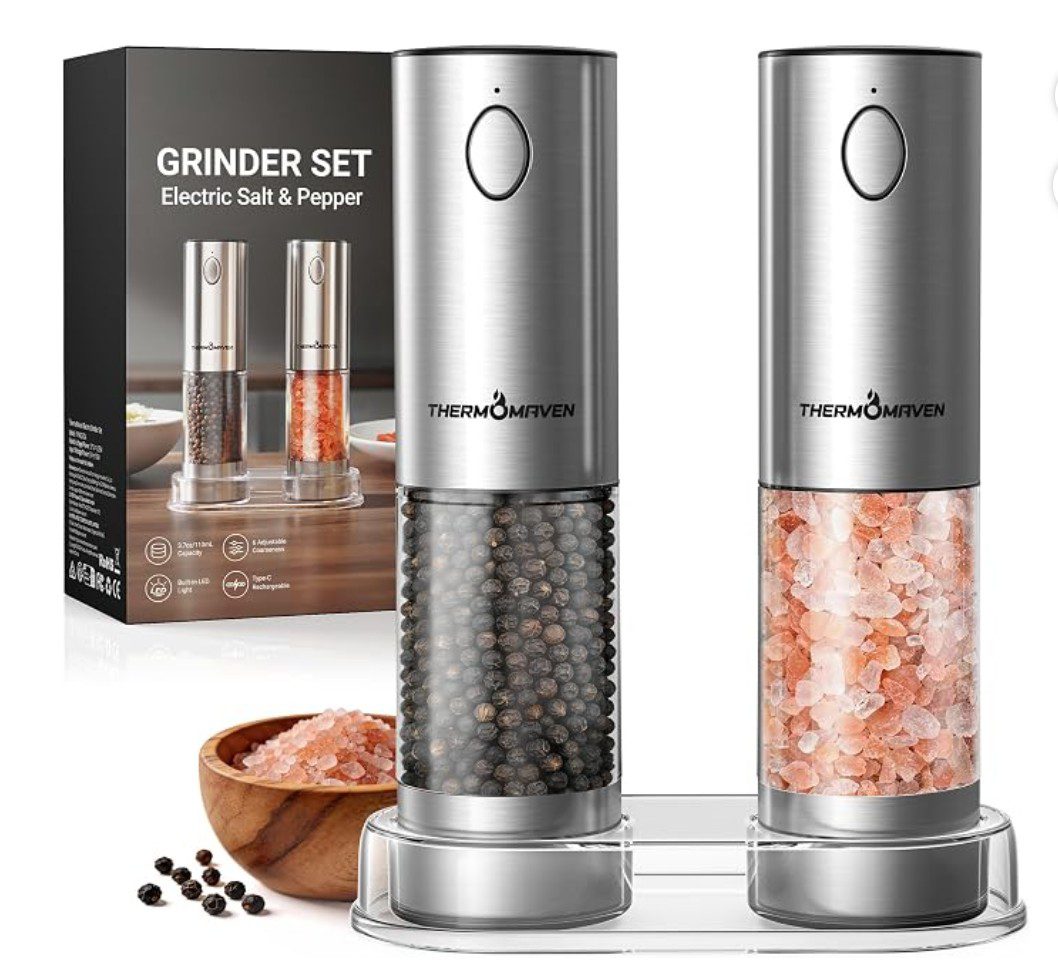
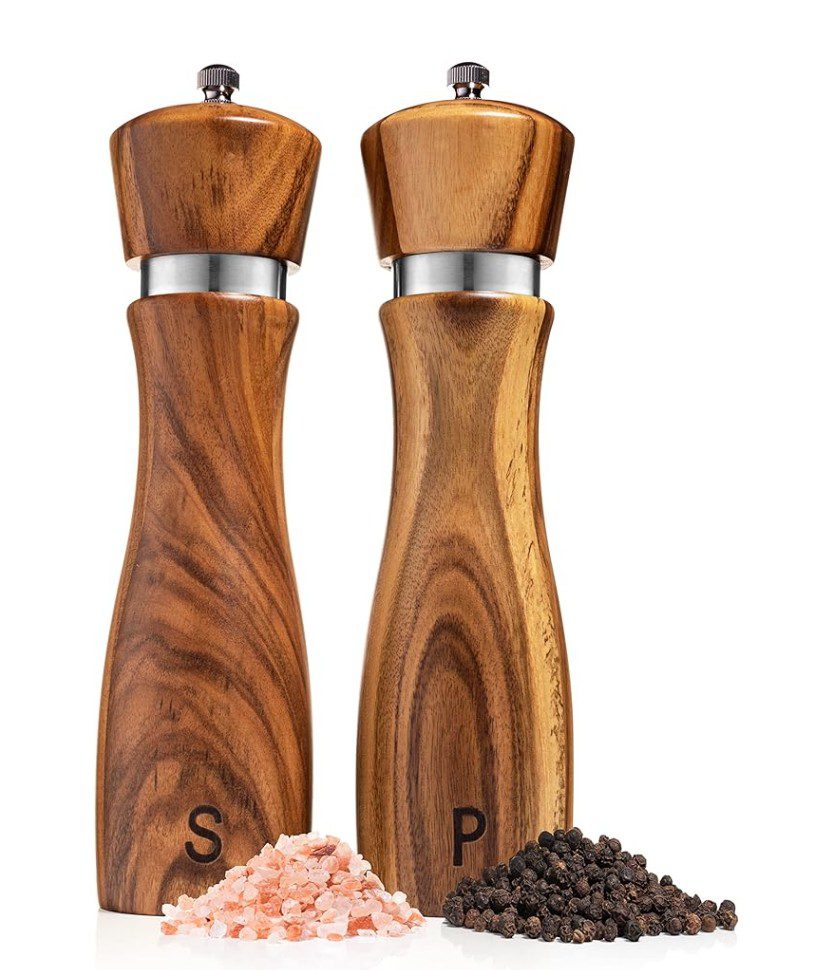

Electric grinders are an underrated storage solution — because the salt stays sealed inside the grinder reservoir, it's protected from humidity and odour absorption until the exact moment you grind it. They're also practical during Shabbat and Yom Tov prep when you're handling multiple dishes simultaneously. If you're buying as a kosher housewarming gift or upgrading your own kitchen, a matched pair of electric grinders filled with quality kosher salt and pepper is always a welcome addition to a Jewish home.
✅ Top 10 Tips to Keep Kosher Salt Fresh
Simple habits that make a real difference — especially in busy kosher kitchens.
1. Store in an Airtight Container
Use a container with a tight-sealing lid to prevent moisture from getting in. Cardboard boxes are not airtight — always transfer to glass or food-grade plastic for long-term storage.
2. Keep Away from Humidity
Never store salt directly next to the stove, over the dishwasher, or in any spot where steam regularly reaches. Humidity is the number one cause of clumping.
3. Always Use a Dry Spoon
Even a slightly damp spoon introduces moisture into the container. Always scoop with a completely dry utensil — this is especially important in a kosher kitchen where cooking and washing up happens constantly.
4. Avoid Cross-Contamination
Don't reach into your salt container with a hand that's been handling raw meat or other food. Use a dedicated spoon and keep it clean.
5. Use a Dedicated Salt Cellar
A covered salt cellar or salt pig allows convenient access while keeping out contaminants. It's also a beautiful addition to a Shabbat table.
6. Store in a Cool, Dark Place
Direct sunlight or heat can warm the container and create internal condensation. A pantry shelf or closed cupboard is ideal.
7. Label Bulk Purchases
If you buy salt in bulk before Passover or for large family cooking, label the storage container with the purchase date. This helps you track freshness and use oldest stock first.
8. Don't Store in Plastic Bags Long-Term
Plastic bags are not a stable long-term storage solution. Transfer salt from bulk bags into a sealed glass jar or food-grade plastic container with a proper lid as soon as you get home.
9. Add a Food-Safe Desiccant Packet
In humid climates or during summer months, placing a food-safe desiccant packet inside your salt storage container absorbs excess moisture before it can cause clumping. Optional but highly effective.
10. Check for Off Odours
Salt absorbs odours from its surroundings over time. Keep it well away from strong-smelling spices, cleaning products, or onions. If your salt smells of anything other than clean salt, replace it.
⭐ Top 10 Kosher Salts by Amazon Reviews
What thousands of shoppers trust and buy repeatedly.
| # | Image | Product | Reviews |
|---|---|---|---|
| 1 | 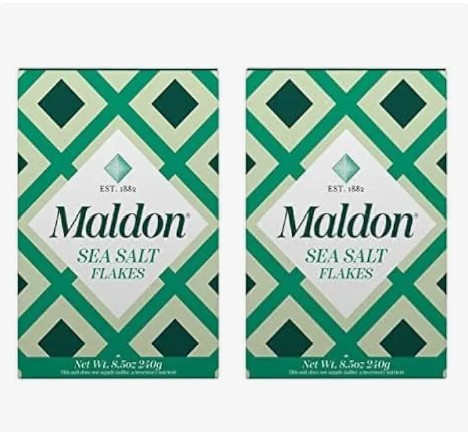 | Maldon Sea Salt Flakes | 51.8k ⭐ |
| 2 | 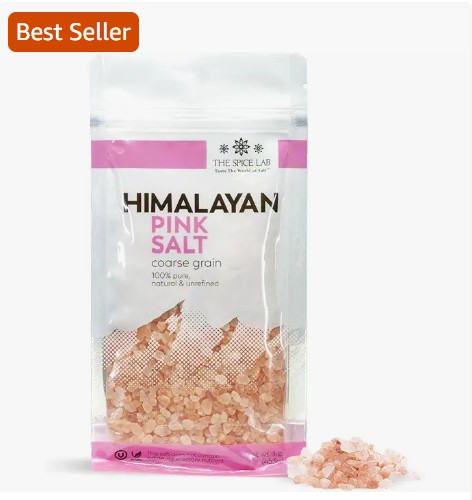 | The Spice Lab Kosher Salt | 45.8k ⭐ |
| 3 | 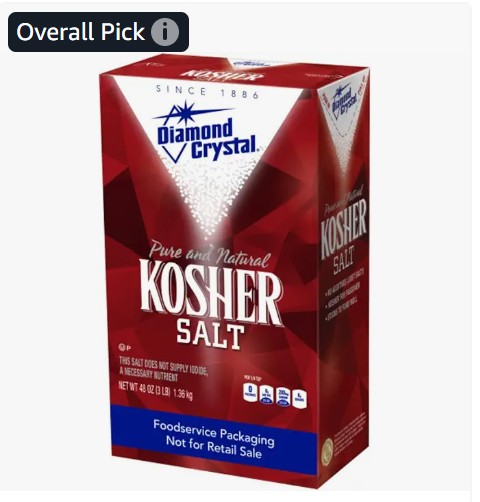 | Diamond Crystal Kosher Salt | 19.5k ⭐ |
| 4 |  | Celtic Sea Salt | 14.9k ⭐ |
| 5 | 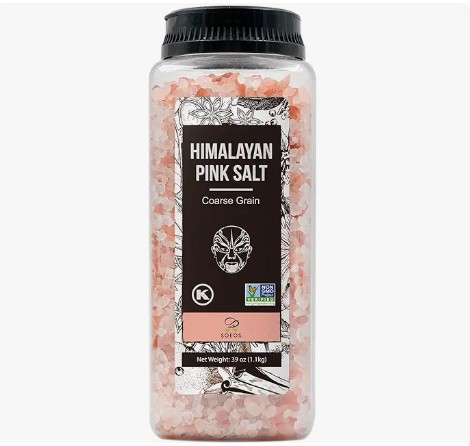 | Soeos Himalayan Pink Salt | 8.3k ⭐ |
| 6 | 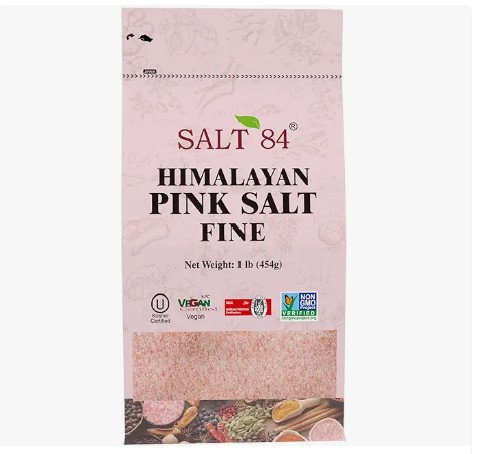 | Salt 84 Himalayan Salt | 7.5k ⭐ |
| 7 | 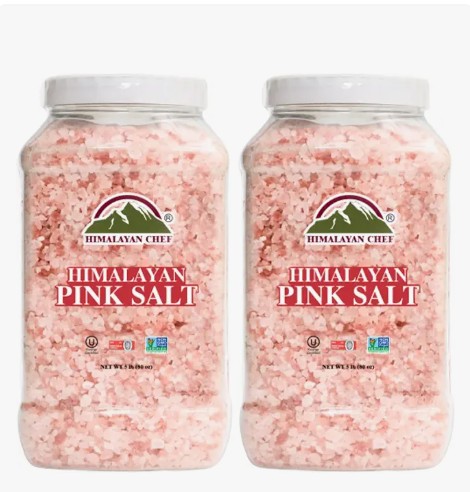 | Himalayan Chef Pink Salt | 7.1k ⭐ |
| 8 | 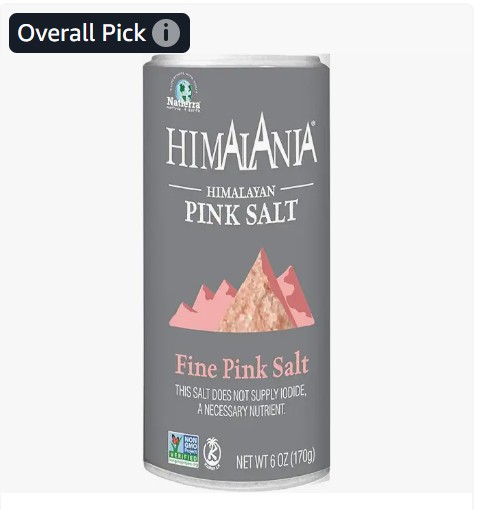 | Natierra Pink Salt Fine Ground | 4.7k ⭐ |
| 9 | 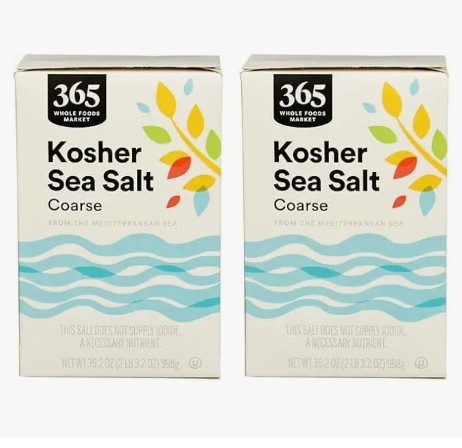 | 365 Kosher Sea Salt | 3.4k ⭐ |
| 10 |  | Focus Nutrition Real Salt | 1.3k ⭐ |
🔍 What to Look for When Buying Kosher Salt for Long-Term Storage
1. Non-iodized only. Iodized salt degrades faster than pure sodium chloride — the added iodine can turn the salt slightly yellow or bitter over time. For long-term storage and Passover use, always choose non-iodized kosher salt.
2. Check the packaging material. Salt stored in cardboard boxes — like most Diamond Crystal and Morton retail packs — is fine for everyday use but not for bulk storage. If you're buying in large quantities, look for salt that comes in resealable bags or heavy plastic packaging, which you can then transfer to your own airtight container.
3. Grain size matters for use, not shelf life. Coarse kosher salt and fine sea salt store equally well — grain size has no bearing on shelf life. Choose based on how you'll use it: coarse for brining and koshering, fine for baking, flake for finishing.
4. Himalayan pink salt stores exceptionally well. Himalayan pink salt is mined from ancient salt deposits in Pakistan and is among the purest forms of salt available. Because it's been in the ground for millions of years, it's naturally very stable and stores particularly well in airtight conditions.
5. Always verify kosher certification. If you're buying salt in bulk — especially from warehouse stores or unfamiliar online sources — always check that the kosher certification symbol (hechsher) is present on the packaging. Kirkland Signature kosher salt, for example, is a reliable certified option for bulk buying.
❓ Frequently Asked Questions
Can kosher salt go bad?
No — kosher salt does not go bad in the traditional sense. It is pure sodium chloride, a mineral with an indefinite shelf life. It cannot rot, ferment, or become unsafe to eat. However, improper storage can cause it to clump, absorb odours, or become contaminated, all of which affect its usability even if not its safety.
How long does kosher salt last?
Indefinitely, if stored correctly in a cool, dry, airtight container away from strong odours. The "best by" dates printed on most kosher salt packaging — typically 2–5 years from manufacture — refer to optimal quality, not safety. Salt stored in open cardboard boxes in a humid kitchen may degrade in quality within months.
Why has my kosher salt turned yellow?
If you're using iodized kosher salt, the iodine additive can oxidise over time and turn slightly yellow — this is normal but does affect flavour. If your non-iodized kosher salt has turned yellow or discoloured, it may have been contaminated or exposed to prolonged moisture. In both cases, replacing the salt is the safest option.
Can I use clumped kosher salt?
Yes — clumped salt is still safe to use. It has simply absorbed moisture. You can break up clumps with a fork or spoon. However, clumped salt can be harder to measure accurately for baking, so if your recipe requires precision, it's worth replacing the salt for consistent results. Preventing clumping with an airtight container is always better than fixing it.
Is old kosher salt still kosher?
Yes — age does not affect the kosher status of salt. Kosher salt's certification relates to its production and packaging process, not its freshness. As long as the salt hasn't been contaminated by non-kosher substances or stored in a way that introduced non-kosher elements, it remains kosher regardless of age.
What is the best container for storing kosher salt?
For everyday access, a salt cellar or open salt pig kept on the counter is ideal — it's convenient and keeps the salt dry as long as you keep steam away from it. For bulk or long-term storage, a glass jar or food-grade plastic container with an airtight lid is the best option. Avoid storing large quantities in their original cardboard packaging — it is not airtight and will allow moisture in over time.
The Kosher Hub is not a Kosher Authority. For any advice please refer to your local Kashrut Authority.
As an Amazon Affiliate we earn from qualifying purchases.








Understanding Our Kosher Certifications
The Kosher Hub references products certified by recognized kosher authorities, including OU, OK, Star-K, Kof-K, and CRC. Certification symbols and status can change, so always confirm the current kosher status directly on the product packaging or via the certifying agency's own listings before purchasing.