
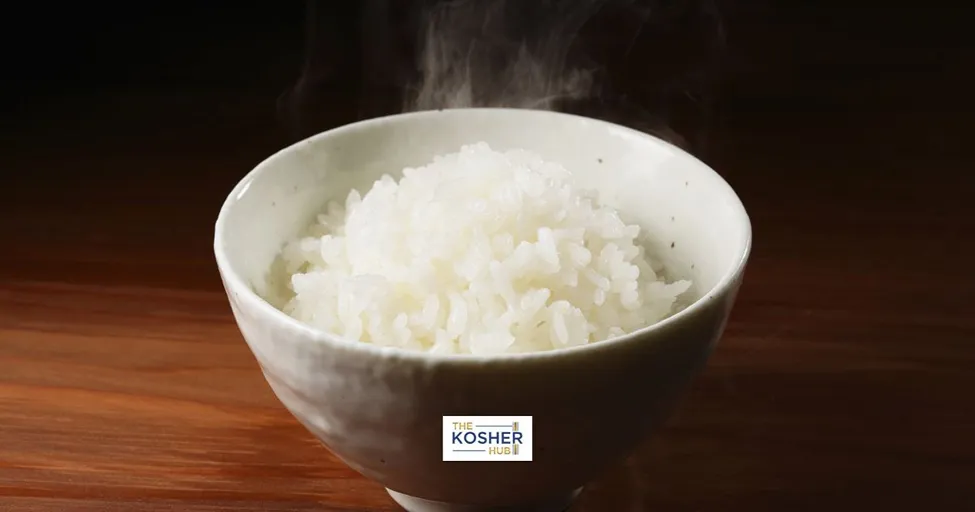
Rice is one of the most useful staples in a kosher kitchen. It is naturally pareve, it pairs with meat, fish and dairy meals alike, and it stretches from Shabbat chicken and rice to weeknight stir-fries and sushi nights. If you are hunting for the most popular kosher rice on Amazon, the choice can feel overwhelming, because rice comes in dozens of grains, brands and pack sizes. We have narrowed it down to seven well-known options, from aromatic basmati and jasmine to sushi rice, black rice and wholesome brown rice. Every product below is a kosher pick that is easy to order online. Once you have chosen your rice, scroll down for related pantry staples that cook beautifully alongside it: barley, garlic powder and lentils. Prices and availability change often, so tap through to Amazon for current details. Along the way we also share simple tips on what to look for on the label, so you can shop with confidence.
🍚 Lundberg Family Farms Rice
Four popular grains from one trusted rice grower.
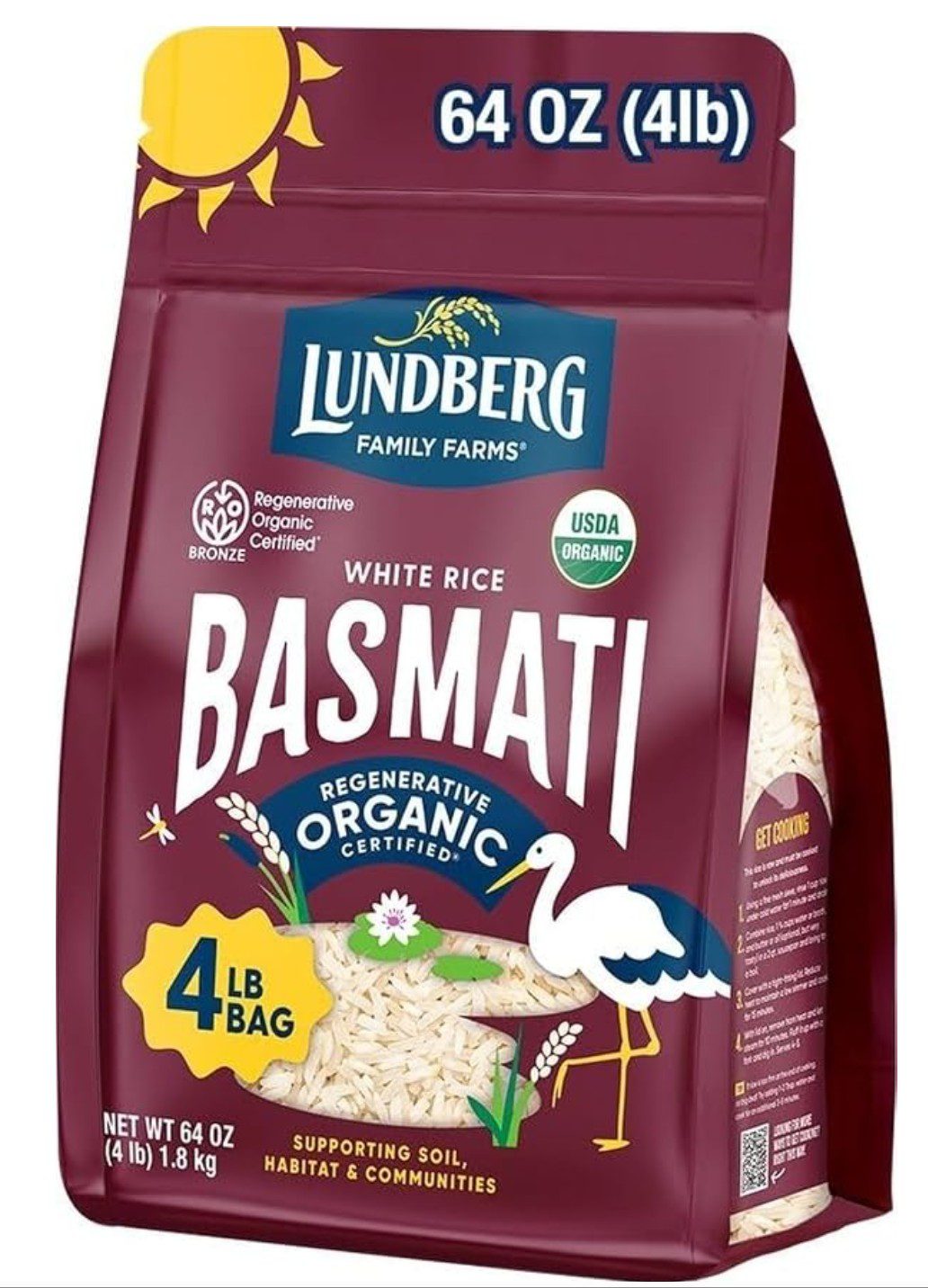
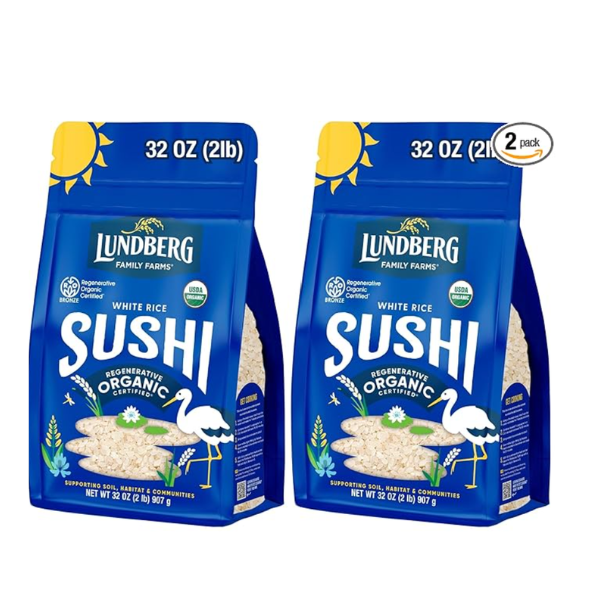
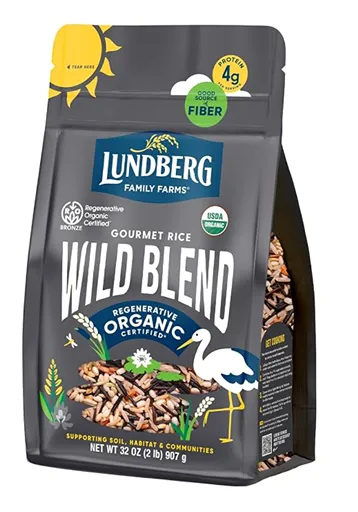
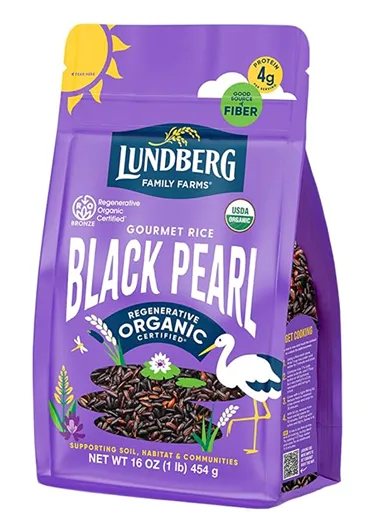
Lundberg Family Farms is a name many kosher shoppers recognise, and this range covers four very different cooking jobs. Basmati is the classic choice for fluffy, separate grains with Shabbat chicken, lamb or vegetable curries. The sushi rice clumps nicely for homemade rolls, the wild blend makes an easy festive side dish, and the black rice adds dramatic colour to a Yom Tov table. Plain rice is naturally pareve, so any of these can sit next to a meat or dairy meal.

🥢 Everyday Jasmine, Medium Grain and Brown Rice
Reliable family-size rice for everyday cooking.
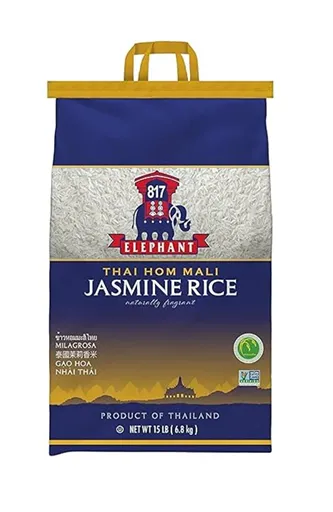
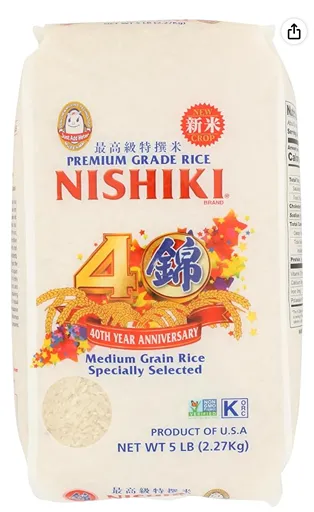
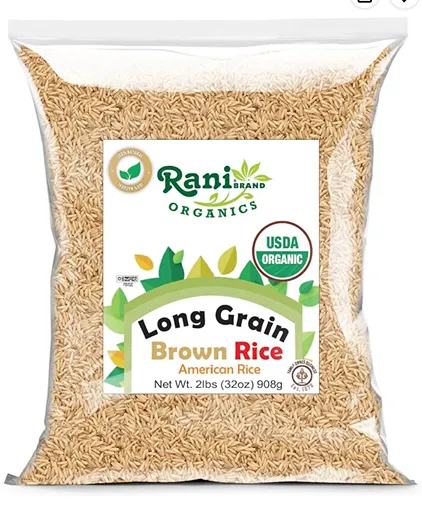
These three cover the rice most households reach for week after week. Thai jasmine rice has a soft, fragrant bite that suits stir-fries, fish and Asian-style sauces. Nishiki medium grain is a familiar choice for sushi and for anyone who likes slightly stickier rice. Rani’s organic long grain brown rice is the whole grain option for pilafs, grain bowls and meal prep. Choose by the dish you cook most, since the right grain makes a bigger difference than the brand.
Not every kosher kitchen need is on a shelf. Our own Etsy shop, The Kosher Hub USA, offers original designs made on demand, so you can add something personal to your home or gift table. With Hanukkah arriving on 4 December 2026, take a look at our current holiday designs below before you carry on with the rest of the pantry staples.
🕎 Our Own Hanukkah Designs
Designed by us and available on Etsy.




🌾 Barley: A Classic Rice Alternative
Hearty grains for cholent, soups and pilafs.


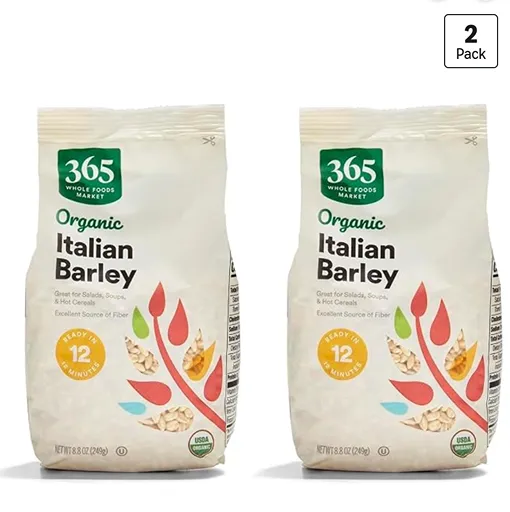
Barley is the natural partner to rice in a Jewish kitchen. It is the backbone of cholent and mushroom barley soup, and it can stand in for rice in a pilaf when you want something chewier. Pearl barley is the easy everyday option, while flakes cook quickly and work well in porridge and baking. Keep a bag next to your rice so you can switch between them through the week.
🧄 Garlic Powder for Seasoning Rice
A little goes a long way in rice dishes.
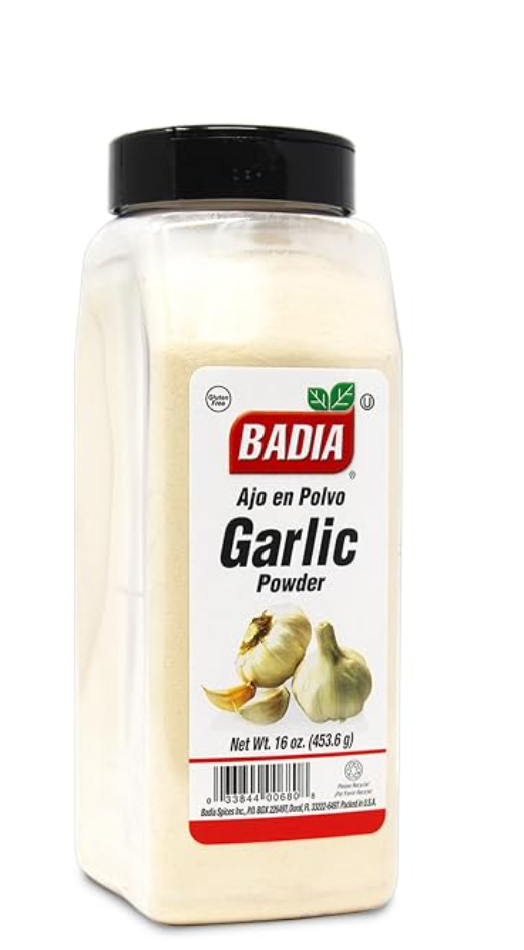
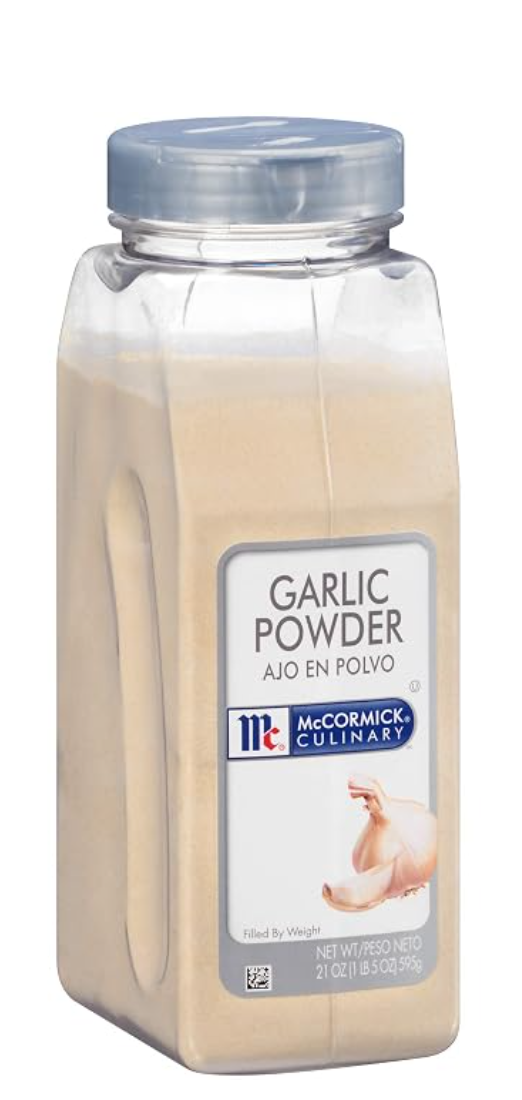
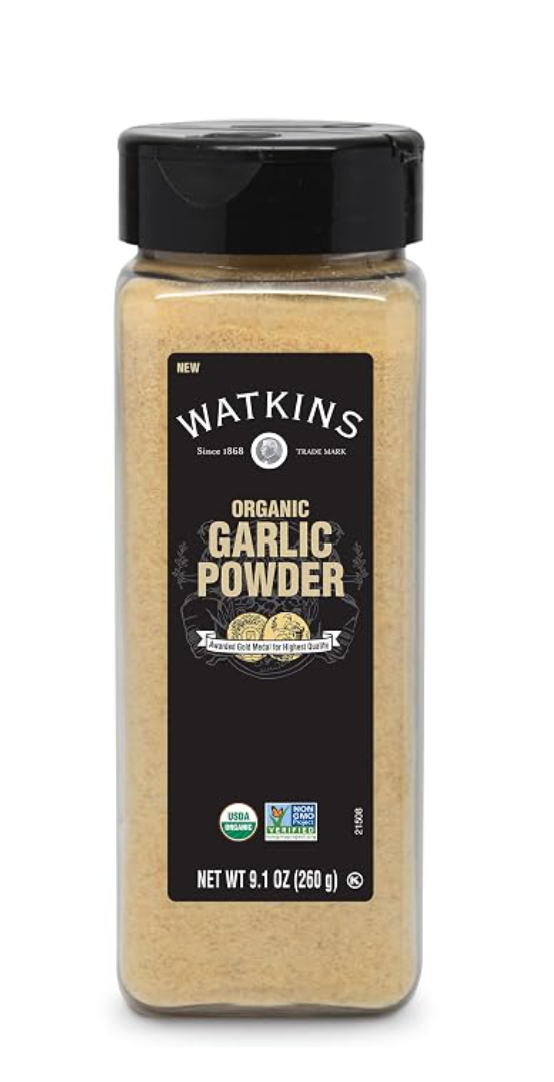
Plain rice becomes a proper side dish with just a pinch of garlic powder, a drizzle of oil and a little salt. These three brands give you a choice between a classic everyday jar, a larger culinary size and an organic option. Garlic powder is also handy for chicken, roast vegetables and homemade dressings, so it earns its place in the cupboard. Spices are naturally pareve, which keeps them flexible for any meal.
🫘 Lentils and Legumes
Protein-rich partners for rice.
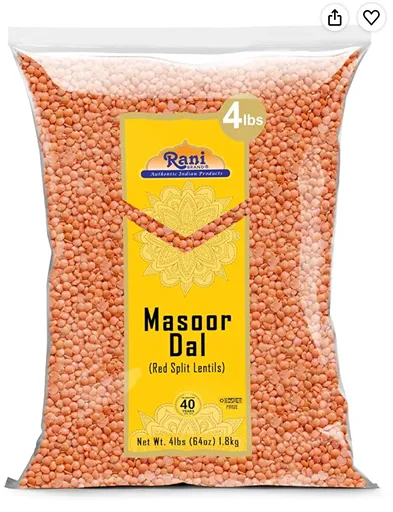
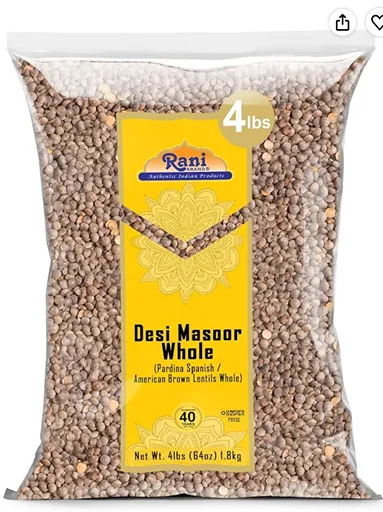
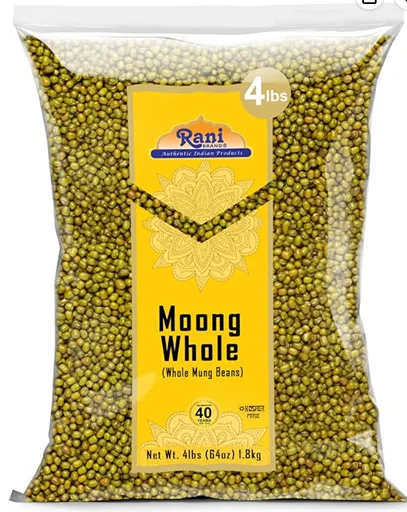
Rice and lentils are a timeless pairing: together they make a filling, pareve meal that suits Shabbat lunches, Fast days and meatless weeknights. Red lentils cook down into a creamy dal, brown lentils hold their shape for soups and salads, and mung beans are a great base for Indian-style dishes. Serve any of them over a scoop of basmati or brown rice for a complete, budget-friendly dinner.

🔍 What to Look For in Kosher Rice
A few simple checks before you buy.
Check for a kosher symbol. Plain, uncooked rice is naturally pareve, and some authorities accept it without a symbol. Many families still prefer a reliable hechsher on the packaging, because processing and packing can change. Look for the symbol of a Kashrut agency you trust, and ask your local rabbi if you are unsure.
Be careful with flavoured and blended rice. Seasoned rice, rice blends and instant packets can contain flavourings, broths or additives that need supervision, and some may be dairy or meat. Plain grains are the simplest choice, and you can season them yourself.
Rinse and inspect. It is a common custom to look over and rinse rice, lentils and other dry grains before cooking, and many people sort bulk bags on a white plate or tray. Follow the practice of your own household and rabbi.
Remember Passover. Rice is kitniyot, which Ashkenazi communities traditionally avoid on Pesach, while many Sephardic communities eat it. None of the products on this page are presented as Kosher for Passover, so always check the packaging and your own custom if you are shopping for the holiday.
Match the grain to the dish. Basmati and jasmine for fluffy sides and curries, short or medium grain for sushi and sticky rice, brown and black rice for whole grain meals.

❓ Kosher Rice FAQ
Quick answers to common questions.
What is the most popular kosher rice on Amazon?
Popular choices include Lundberg Family Farms basmati and sushi rice, Elephant Thai Hom Mali jasmine rice, Nishiki medium grain rice and Rani organic brown rice. Rankings and reviews change often, so check the current Amazon listing before you buy.
Is rice kosher?
Plain, uncooked rice is naturally kosher and pareve. Certification matters most for flavoured, seasoned or blended rice, where extra ingredients and shared equipment can be an issue. Look for a kosher symbol you trust.
Is rice pareve?
Plain rice is pareve, so it can be served with meat or dairy meals. Seasoned mixes and instant packets may contain dairy or meat-based flavourings, so check the label.
Does plain rice need a kosher symbol?
Practice varies. Some authorities permit plain, unprocessed rice without a symbol, while many families prefer certified rice. Check with your local Kashrut Authority.
Is rice kosher for Passover?
Rice is kitniyot. Ashkenazi tradition generally avoids it on Passover, while many Sephardic communities eat it. Always follow your family custom and your rabbi, and look for specific Passover certification if you need it.
Do I need to check rice for insects?
Many people rinse and look over rice, lentils and other dry grains before cooking as a precaution. Ask your rabbi about the custom in your household.
Which kosher rice is best for sushi?
Short and medium grain rice work best for sushi. Lundberg Sushi Rice and Nishiki Medium Grain Rice are both included in this guide.
Which kosher rice is best for everyday meals?
Jasmine and basmati are popular for sides, curries and stir-fries, while brown rice suits meal prep and whole grain dishes. Choose the grain that suits the dish you cook most.
Are the pantry items on this page kosher too?
The barley, garlic powder and lentils featured here are kosher picks from the same research as our rice selection. Always confirm the symbol on the packaging you receive.
The Kosher Hub is not a Kosher Authority. For any advice please refer to your local Kashrut Authority.
As an Amazon Affiliate we earn from qualifying purchases.







Understanding Our Kosher Certifications
The Kosher Hub references products certified by recognized kosher authorities, including OU, OK, Star-K, Kof-K, and CRC. Certification symbols and status can change, so always confirm the current kosher status directly on the product packaging or via the certifying agency's own listings before purchasing.