
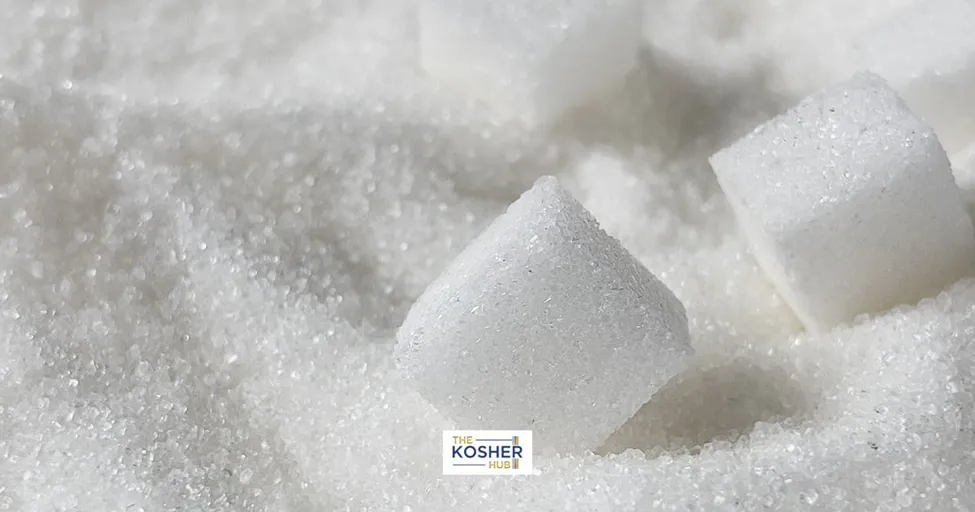
If you are looking for kosher artificial sweeteners, you are probably trying to cut back on sugar without giving up a sweet cup of tea, a morning coffee or the occasional batch of cookies. Strictly speaking, stevia, allulose, xylitol and erythritol are sugar substitutes rather than lab-made chemicals, but most shoppers search for them under the artificial sweetener label, so that is where we start. The challenge in a kosher kitchen is that sweeteners are processed products, often blended with other ingredients, so the certification symbol on the label matters just as much as the sweetness. Below we have gathered the most popular zero-calorie and sugar-free sweeteners on Amazon from Sweet Nature and Wholesome Sweeteners. After those, we round up plant-based alternatives, including agave nectar, coconut sugar and date sugar, for readers who prefer a different kind of swap. Always check the hechsher on the exact product you receive before you buy.
📦 Keep exploring kosher pantry essentials
🍬 Sweet Nature Zero-Calorie Sweeteners
Sugarless, allulose and birch xylitol options for drinks and baking.
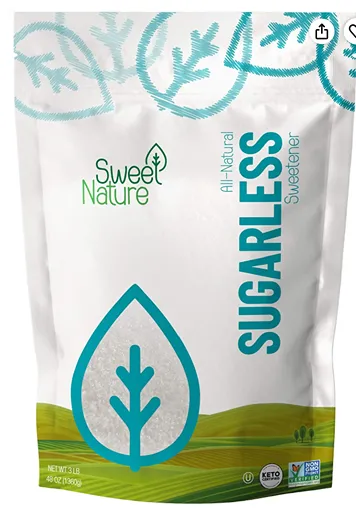
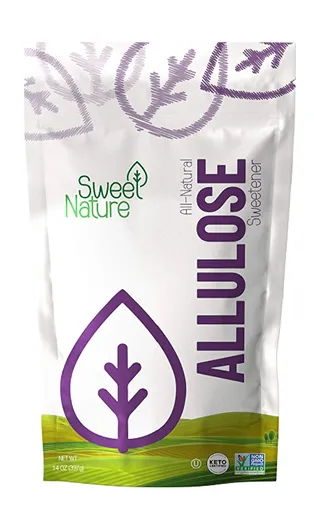

Sweet Nature gives you three different routes to sugar-free sweetness in one place. The sugarless zero-calorie sweetener is the simple everyday choice for coffee and tea, allulose is popular with bakers because it can brown and caramelise a little like sugar in the oven, and the birch bark xylitol measures close to sugar for table use. They are not interchangeable, so match the sweetener to the job rather than swapping them blindly. Because these are processed products, look for the kosher symbol on the exact package you receive and check whether it is marked pareve.

🌿 Wholesome Sweeteners: Stevia, Erythritol and Allulose
Plant-based sugar-free sweeteners for coffee, tea and baking.
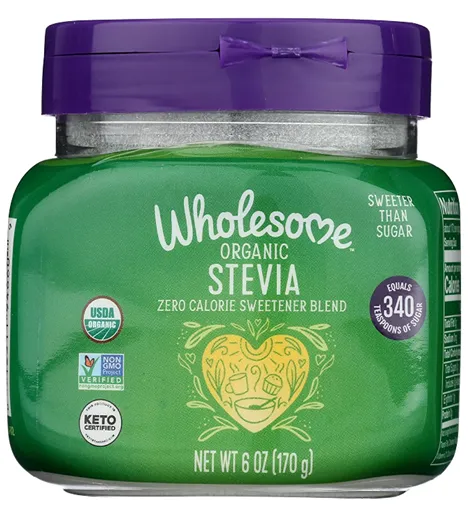
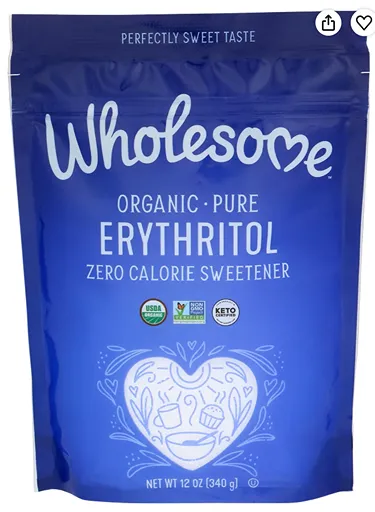

Stevia is the one to reach for when you want sweetness in a drink, because it is far sweeter than sugar and a very small amount goes a long way. Erythritol is a bulkier sweetener that is easier to measure in baking, though some people notice a slight cooling sensation on the tongue. The 12 ounce allulose gives you a second brand to compare with the Sweet Nature version above. All three are plant-derived sugar substitutes, but processing and blending vary by product, so confirm the hechsher and any pareve marking on the label before you add one to your pantry.
🕎 Our Own Hanukkah Designs
Designed by us and available on Etsy.




🌵 Agave Nectar: A Liquid Alternative
Blue agave nectar for drinks, dressings and baking.
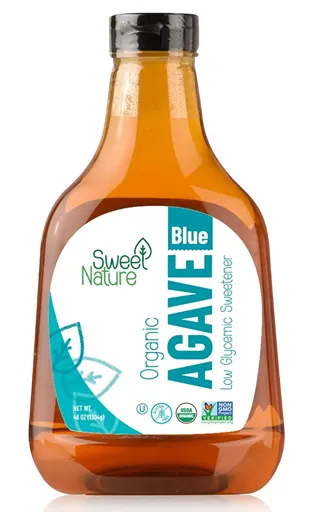

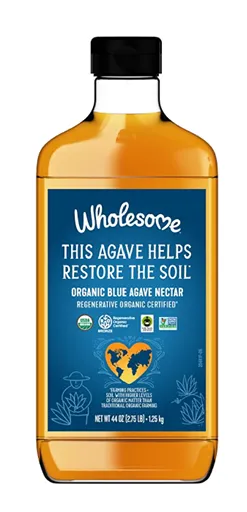
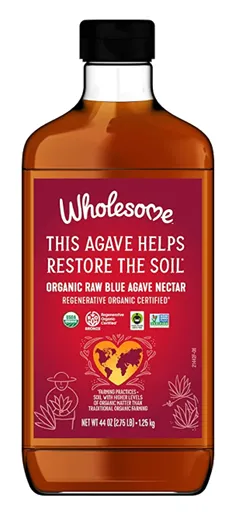
Agave is not a zero-calorie sweetener, so think of it as an alternative to sugar rather than a sugar-free swap. It is sweeter than granulated sugar, so most cooks use a little less and trim other liquids slightly when baking. Its mild flavour suits iced tea, coffee, dressings and marinades, and it is a popular pareve option for vegan recipes. As with every sweetener here, the symbol printed on your bottle is the proof, not the listing.
🌴 Coconut Sugar, Date Sugar and Silan
Plant-based swaps with a caramel flavour, two marked Kosher for Passover.

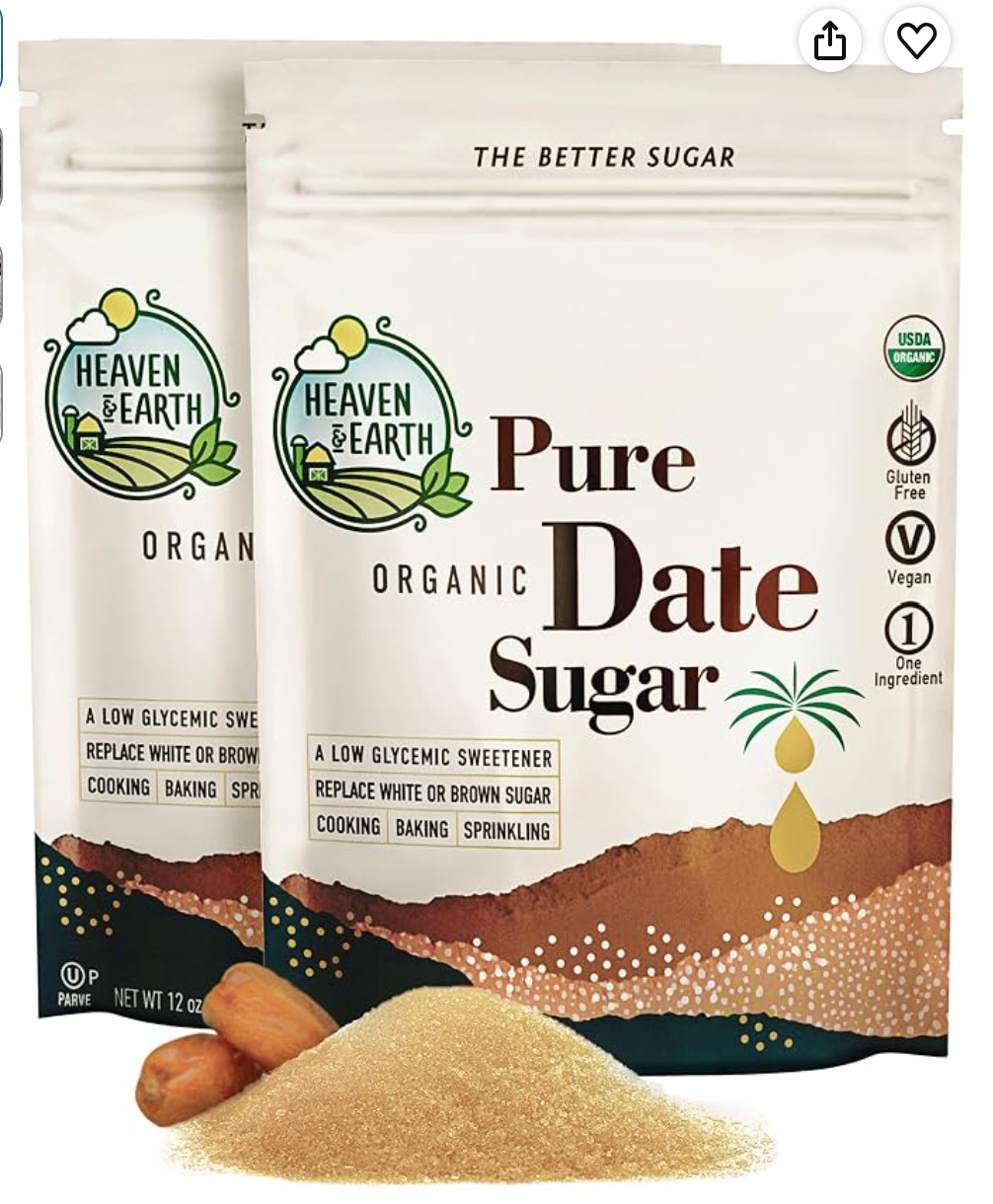
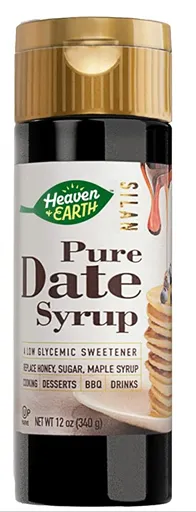
Coconut sugar swaps for brown sugar in most recipes and brings a gentle caramel note to cookies, muffins and crumbles. Date sugar is simply ground dried dates, so it behaves like a coarse brown sugar and works best stirred into oatmeal, baked goods and toppings rather than dissolved in drinks. Silan is a thick date syrup with deep roots in Israeli cooking, and it makes a rich replacement for honey or agave in glazes and dressings. The coconut sugar and date sugar above are both marked Kosher for Passover, which makes them useful for Pesach baking, while the silan is shown without a Passover marking.
Kosher for Passover note: Kosher for Passover status should be reconfirmed each year. Packaging and certification can change, so check your local Kashrut Authority’s current Passover guide before relying on this for Pesach.

🔎 What to Look For in Kosher Sweeteners
A quick guide before you buy.
Certification symbol: Look for a recognised hechsher such as OU, OK, Kof-K or Star-K printed on the package. Sweeteners are processed and often blended, so a plant source on its own tells you very little. The symbol on the label is your proof, so check it on the exact product you receive.
Pareve status: Plant-based sweeteners are usually pareve, but equipment and blends can change that. Look for the word pareve beside the symbol, or a D or DE marking that points to dairy, before using a sweetener in a meat or dairy meal.
Blends and fillers: Many powdered and packet sweeteners are blended with bulking ingredients such as dextrose or maltodextrin. Read the ingredient list, because the filler is processed too and should be covered by the same certification.
Sugar alcohols: Xylitol and erythritol are sugar alcohols, and some people find larger amounts hard on digestion, so start with small portions. Xylitol is also dangerous for dogs, so keep it well out of reach of pets. For any health questions, speak with your doctor or dietitian.
Baking performance: Stevia is intensely sweet and adds no bulk, erythritol and xylitol measure closer to sugar, and allulose browns more like sugar in the oven. Check the conversion chart on the package, because the swap ratio differs by product.
Organic versus standard: Organic status describes how the ingredient was grown, and it is separate from kosher status. If both matter to you, look for the organic seal and the hechsher on the same package rather than assuming one implies the other.
Taste and aftertaste: Sweeteners taste different to different people. Stevia can have a slightly bitter or liquorice-like finish, erythritol can feel cool, and allulose tends to taste closest to sugar. If you are unsure, start with a small jar before committing to a large bag.
Kosher for Passover: A sweetener needs its own Passover certification to be used on Pesach. Look for a Kosher for Passover marking beside the regular hechsher, and check your local Kashrut Authority’s current Passover guide each year, because certification can change.

❓ Frequently Asked Questions
Kosher artificial sweeteners and natural alternatives.
Are artificial sweeteners kosher?
Not automatically. Sweeteners are processed and often blended with other ingredients, so each product needs its own reliable kosher symbol. Check the hechsher on the exact package you buy rather than assuming a type of sweetener is kosher.
Is stevia kosher?
Stevia comes from a plant, but the products on shelves are often processed or blended with other ingredients. Look for a kosher symbol on the specific jar or packet, and check whether it is marked pareve.
Are xylitol, erythritol and allulose kosher?
These sugar substitutes are made by processing plant sources, so the certification of the finished product is what counts. Choose a brand that prints a recognised hechsher on the package, and read the ingredient list for any added fillers.
Are kosher artificial sweeteners pareve?
Most plant-based sweeteners are pareve, but it should be confirmed on the label. A pareve marking beside the kosher symbol is the clearest sign, while a D or DE next to the symbol points to dairy.
Are artificial sweeteners kosher for Passover?
Not automatically. A sweetener needs its own Kosher for Passover certification, and many are blended with ingredients that are not suitable for Pesach. Of the products on this page, the coconut sugar and date sugar are marked Kosher for Passover, and you should still check your local Kashrut Authority’s current Passover guide each year.
What is the difference between stevia and allulose?
Stevia is a very concentrated sweetener, so only a tiny amount is needed and it adds no bulk to a recipe. Allulose is used in larger amounts, tastes closer to sugar and can brown in the oven, which many bakers prefer.
Can I bake with kosher sugar substitutes?
Yes, but results differ by sweetener. Erythritol, xylitol and allulose measure more like sugar, while stevia needs a bulking ingredient. Follow the conversion chart on the package and expect small changes in texture and browning.
Is agave a good alternative to artificial sweeteners?
Agave is a liquid plant syrup that dissolves easily in drinks and dressings. It is not a zero-calorie sweetener, so it suits readers who want an alternative to sugar rather than a sugar-free swap.
Are coconut sugar and date sugar kosher?
Both listings on this page are marked Kosher for Passover, and the coconut sugar and date sugar are plant-based. As with any product, check the symbol on the package you receive, and reconfirm the Passover marking each year.
📦 More kosher pantry guides
The Kosher Hub is not a Kosher Authority. For any advice please refer to your local Kashrut Authority.
As an Amazon Affiliate we earn from qualifying purchases.


Understanding Our Kosher Certifications
The Kosher Hub references products certified by recognized kosher authorities, including OU, OK, Star-K, Kof-K, and CRC. Certification symbols and status can change, so always confirm the current kosher status directly on the product packaging or via the certifying agency's own listings before purchasing.