
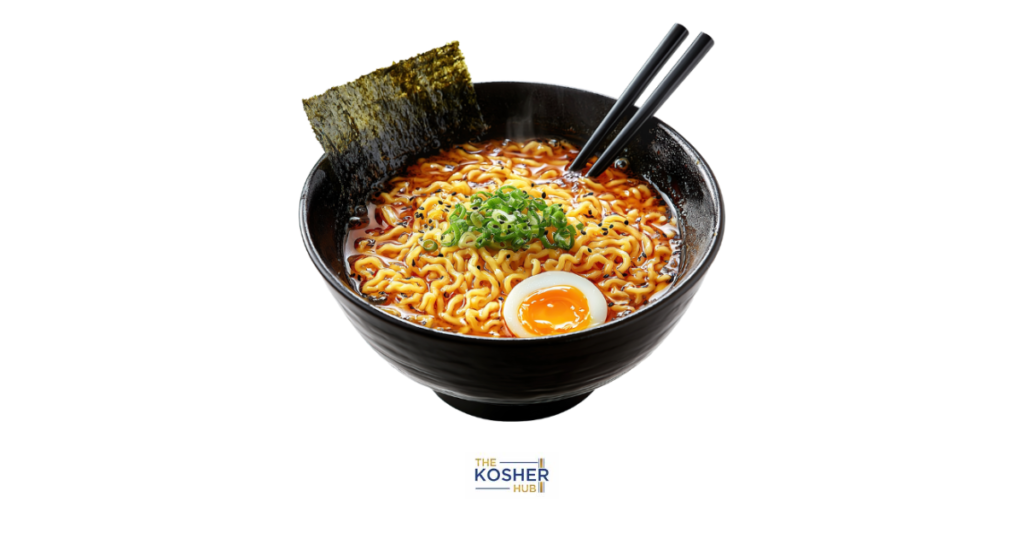
Finding the best kosher ramen noodles on Amazon means looking past the flavour on the front of the pack and checking the hechsher on the back. Instant noodle soups are the quickest answer, so this guide starts with Gefen's range, including gluten free and brown rice options, a vegetable soup and a 12 pack. From there we move on to ramen cookbooks for cooks who want to build a bowl from scratch, a ceramic ramen bowl set to serve it in, dry Hakubaku ramen and udon, chow mein noodles, soy sauce and sesame oil for the broth, and nori and seaweed for the finishing touch. Because classic ramen leans on pork, we also share kosher swaps for the meat, the broth and the toppings. Certification applies to the exact product and pack, so confirm the kosher symbol on the package or in the listing photos before you buy. Every pick ships straight to your door, so you can stock the pantry without a special trip.
🍜 Best Kosher Instant Ramen Noodle Soups
Quick, filling and ready in minutes.
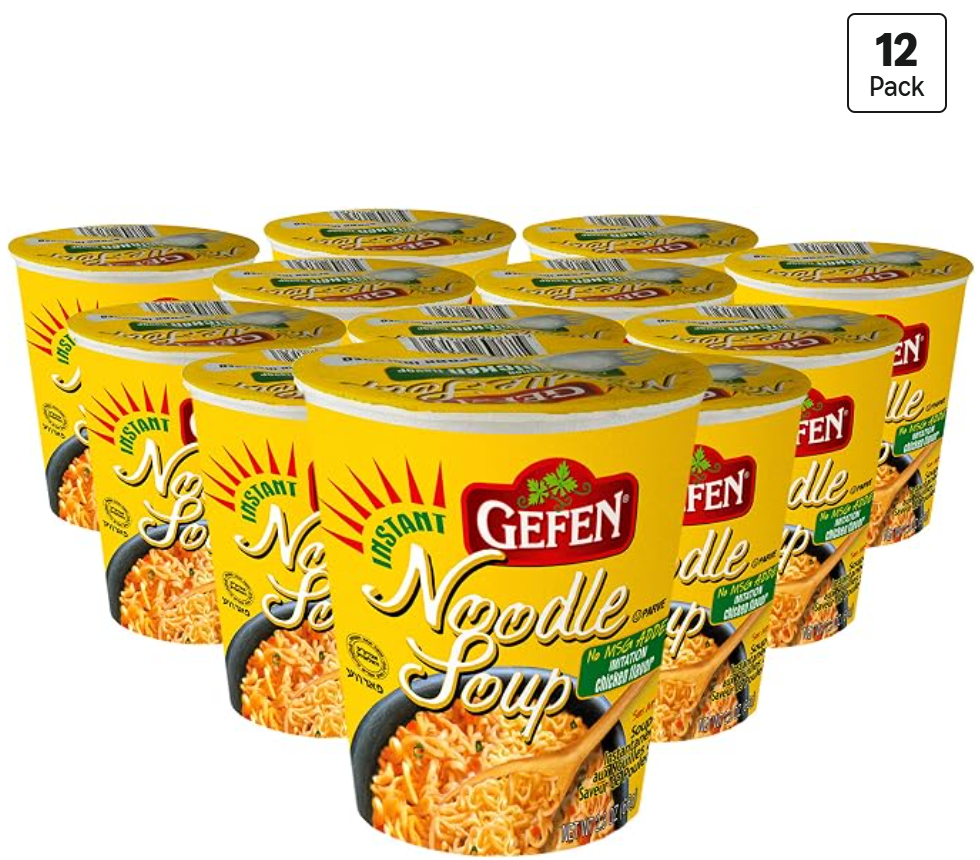
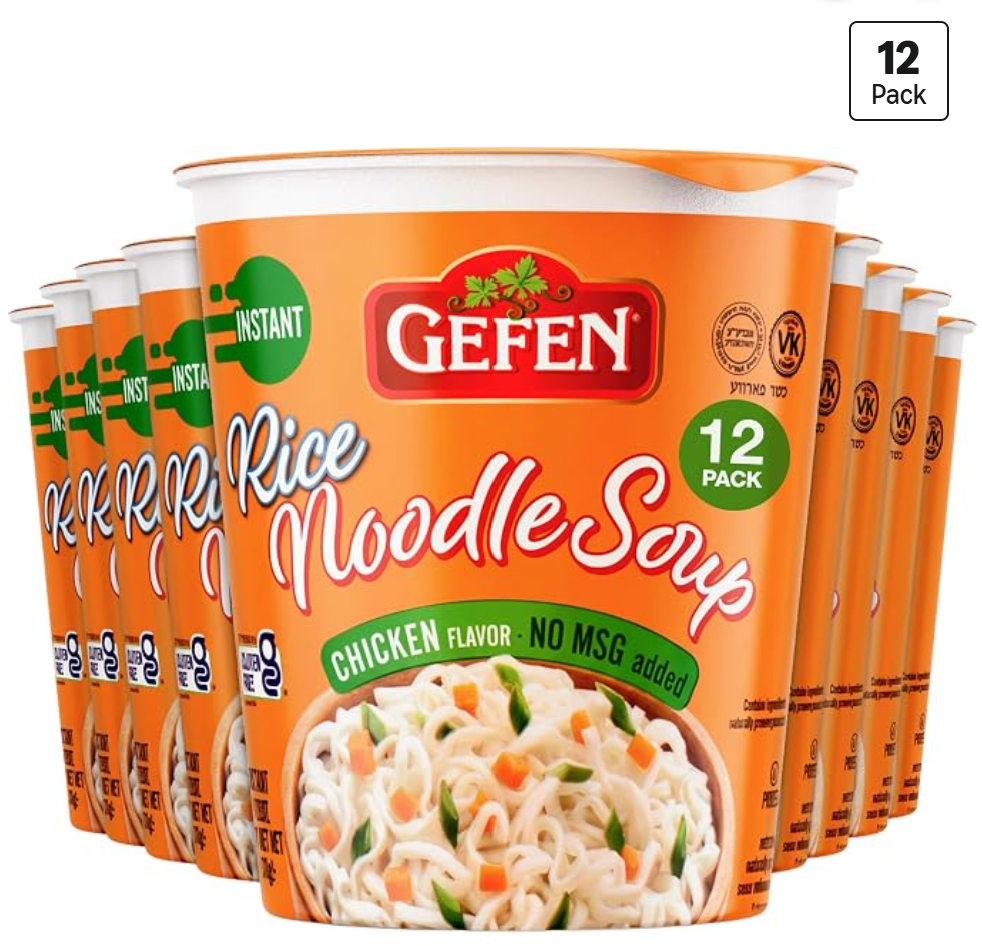
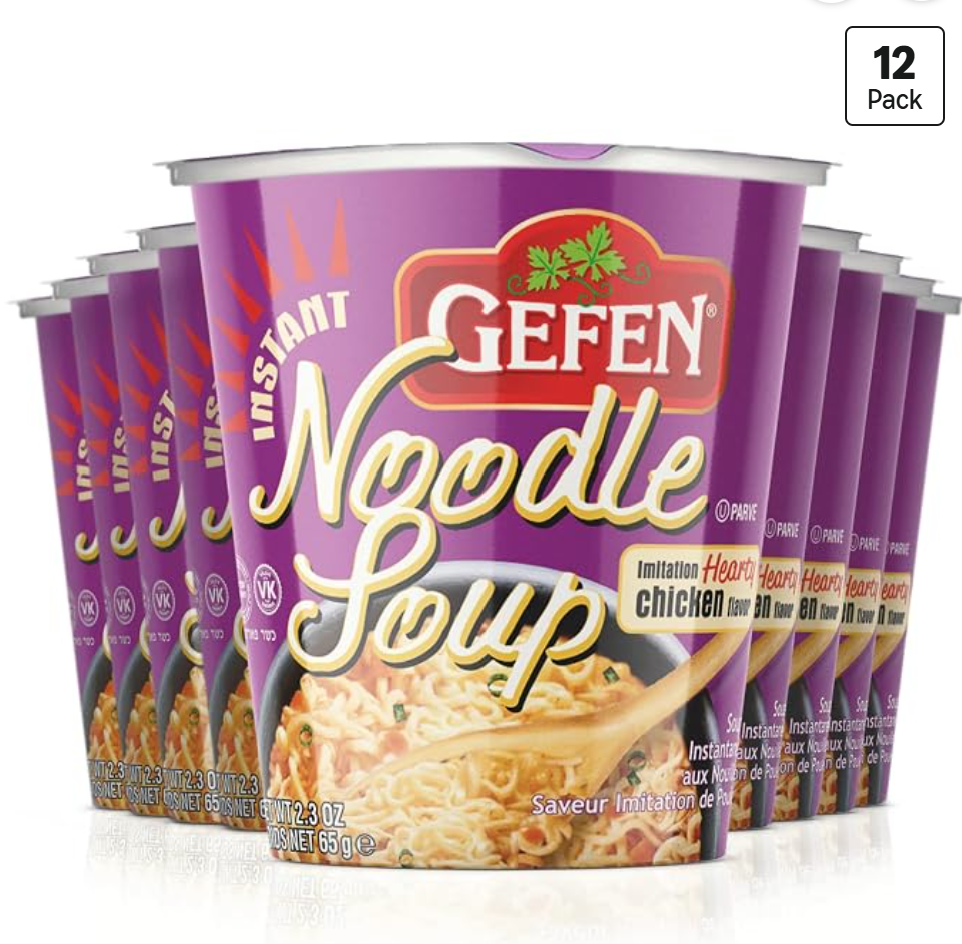
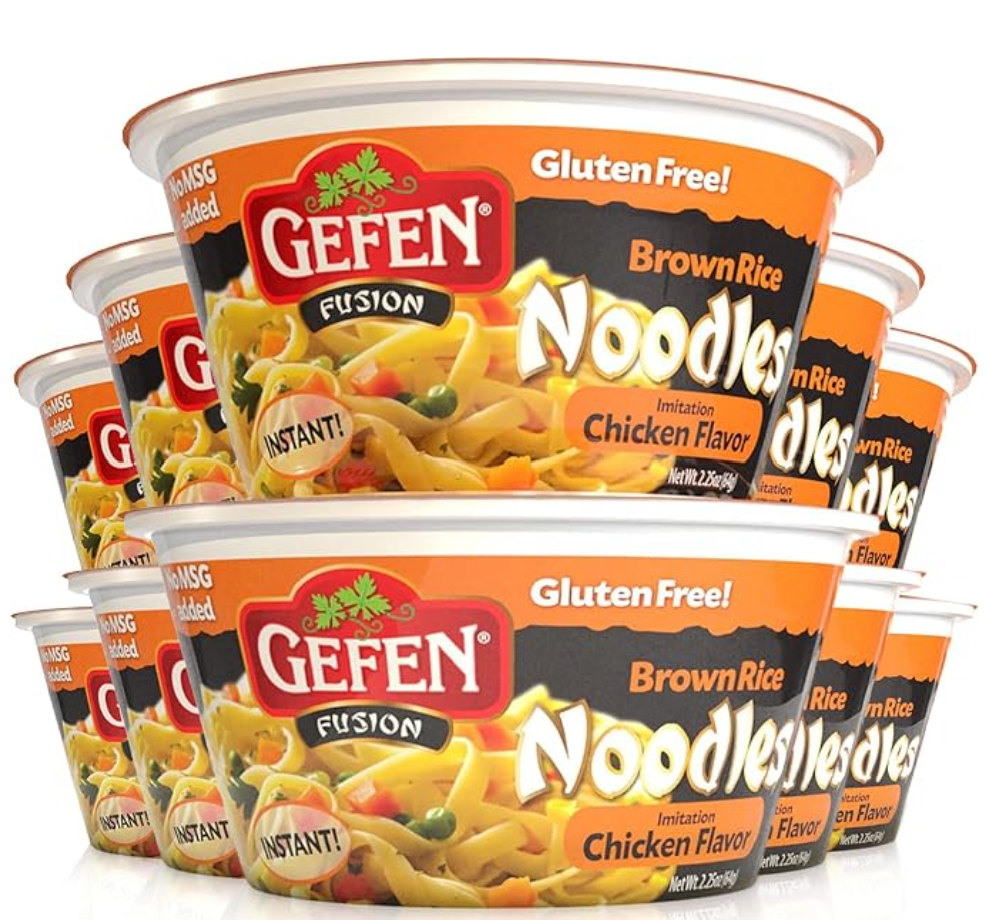
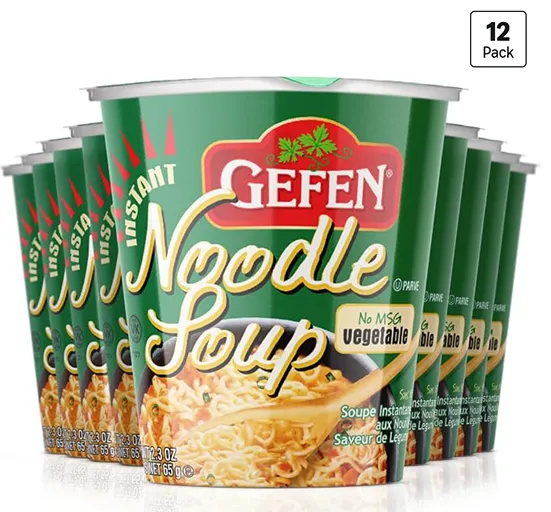
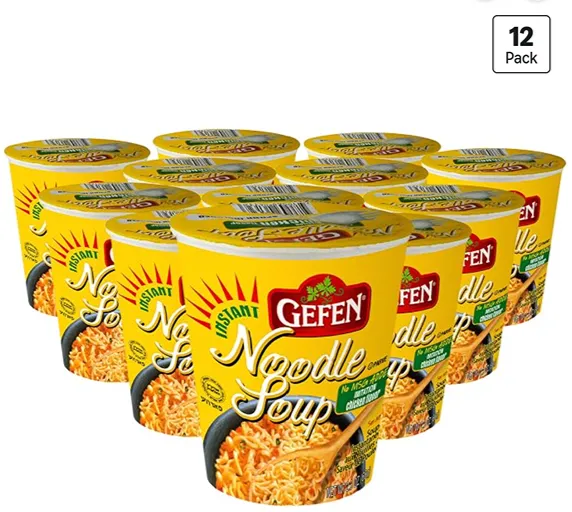
Instant noodle soup is where most people start with ramen, and Gefen covers the most ground in one place. This set includes a classic noodle soup cup, a hearty chicken flavored soup, a vegetable soup, a 12 pack for stocking the pantry, and two gluten free options, one of them made with brown rice. That range makes it easy to keep a single shelf that works for the whole table, whatever the dietary needs. The seasoning packet is where meat or pareve status is decided, so read the designation on the pack before serving a cup next to a dairy meal. Instant noodles are not made for Passover unless the pack carries its own Passover symbol, so check before using any of them at Pesach.

📖 Ramen Cookbooks for Homemade Bowls
Learn to build the broth, the noodles and the toppings.
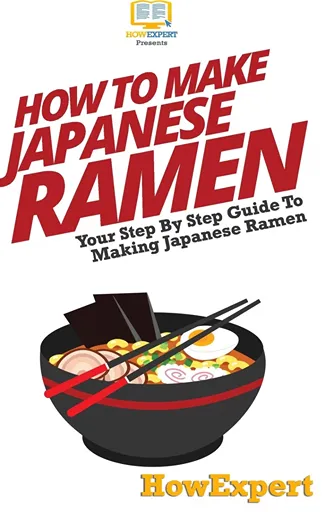
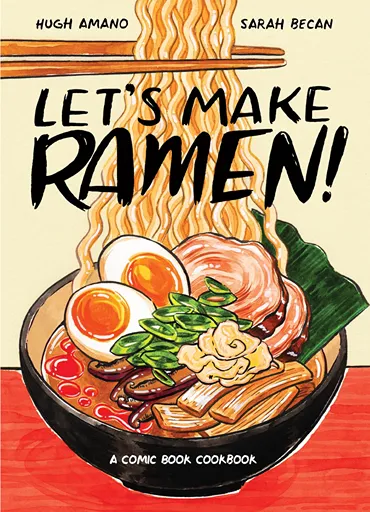
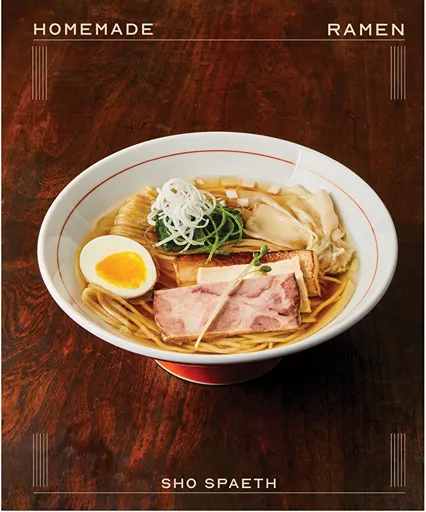
Once you have worked through a few instant cups, a ramen cookbook is the natural next step. These three titles are chosen for the home cook who wants to understand how a bowl is built: the broth, the seasoning base, the noodles and the toppings. Treat them as technique guides rather than ready-made kosher recipes, and adapt each one using the swaps in this post. A good plan is to follow the method as written, then substitute kosher meat for the pork and a kosher certified seasoning for anything you cannot verify.
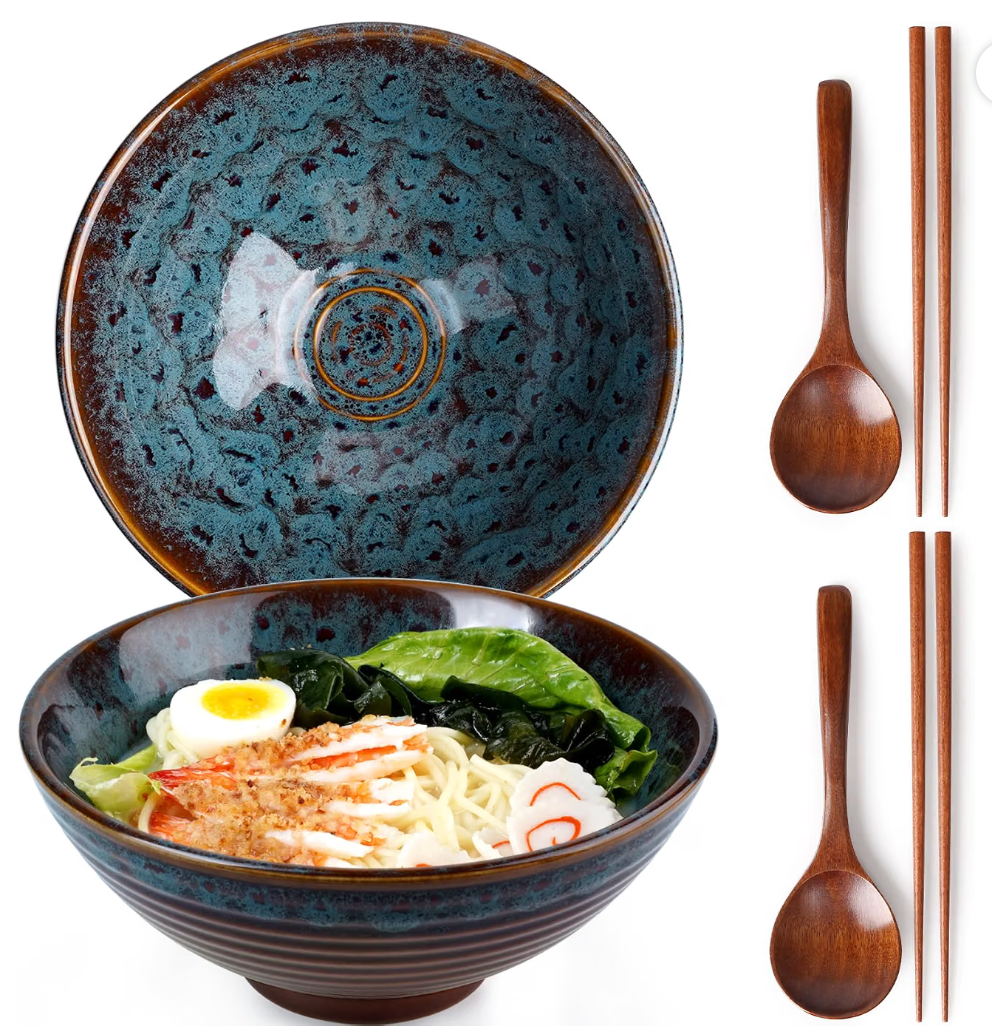
8 Inch Ceramic Ramen Bowl Set
Part of the pleasure of ramen is the bowl itself. This 8 inch ceramic ramen bowl set gives homemade noodles, or a doctored instant cup, a proper place to land. Whether you pour in a store-bought soup or a broth you have simmered for hours, a wide bowl leaves room for the egg, the scallions and a few strips of nori on top.
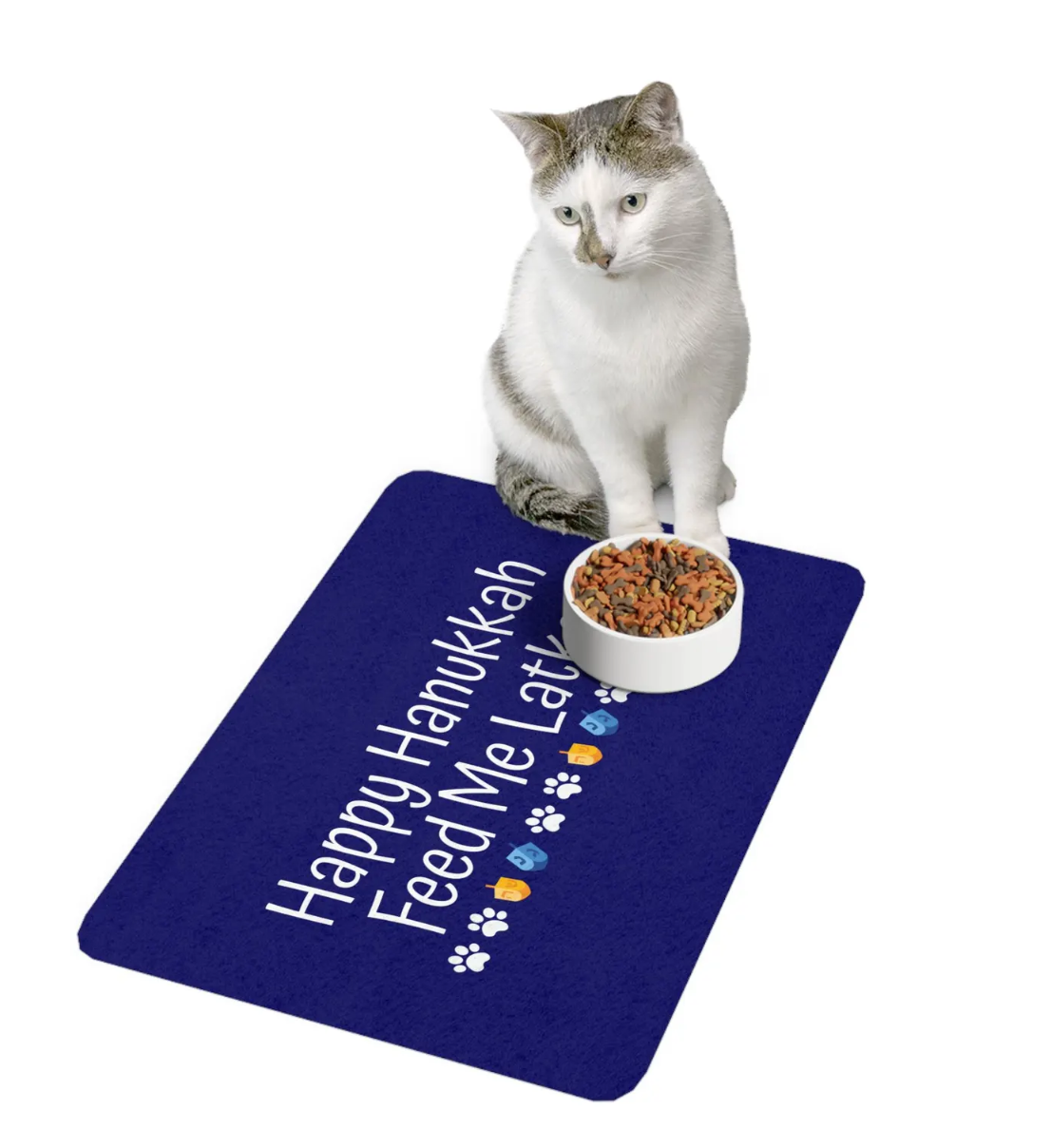
View Product🕎 Our Own Hanukkah Designs
Designed by us and available on Etsy.



🍥 Dry Ramen and Japanese Noodles
For broths made from scratch.
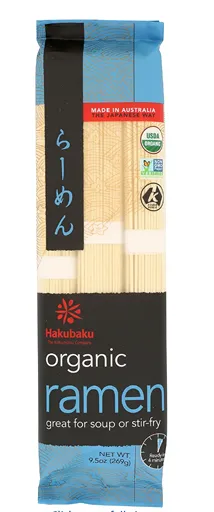
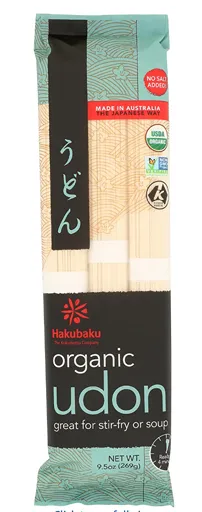
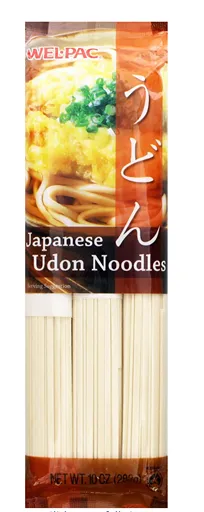
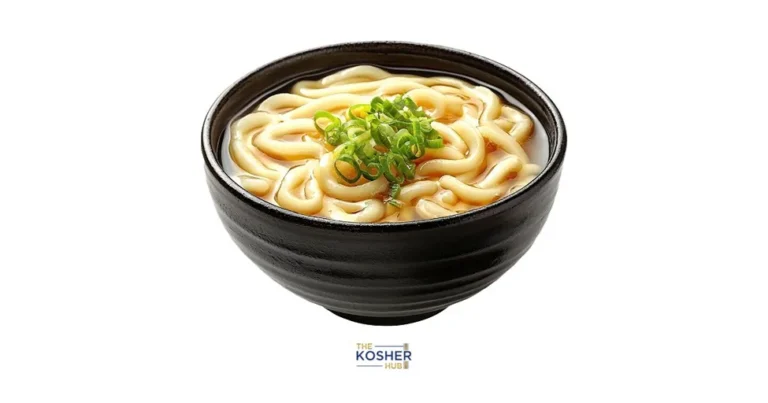
Dry noodles are what you reach for once you start making broth from scratch. Hakubaku Organic Ramen Noodles is the ramen pick of the project, and the two udon options sit beside it for cooks who like a thicker, chewier noodle in the same style of bowl. Plain wheat noodles are usually made from flour, water and salt, which makes them a natural fit for pareve cooking, but ingredients and equipment vary, so check the hechsher. Any seasoning or soup packet that comes with a noodle product needs its own check. For more udon ideas, read our guide to the best kosher udon noodles on Amazon.
🥢 Chow Mein Noodles to Go with Your Ramen
Fine and wide noodles for stir-fry night.
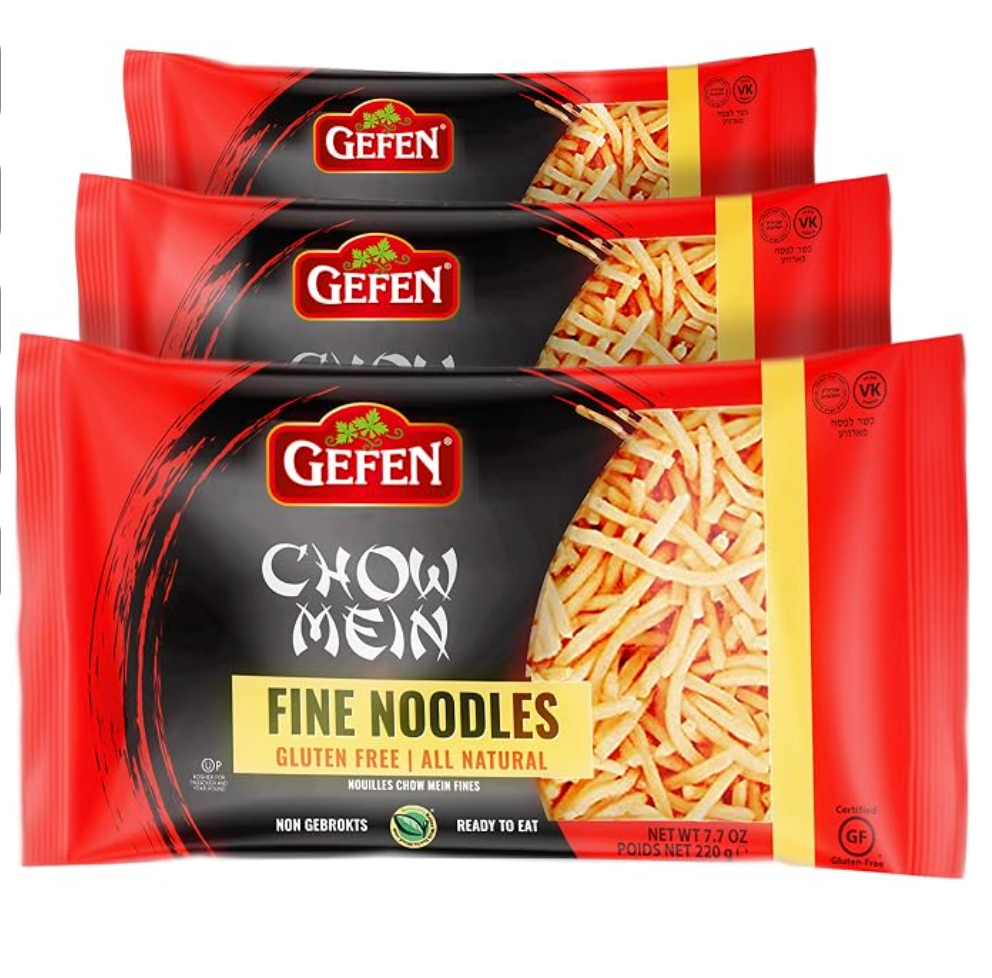
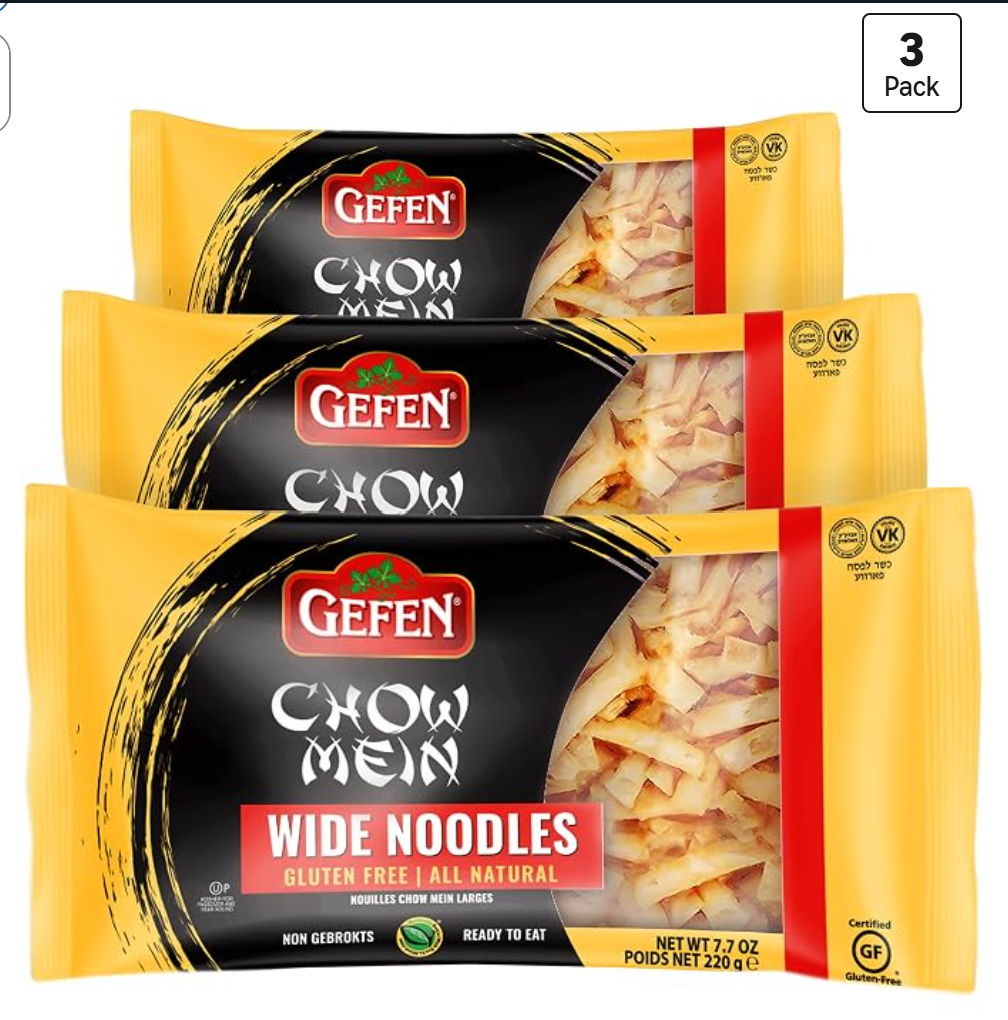
Ramen fans usually end up cooking other noodle dishes too, and chow mein is the easiest way to use the same toppings and sauces. These two Gefen gluten free chow mein noodles come in fine and wide cuts, so you can choose between a light, quick stir-fry and a heartier noodle bowl. Toss them with vegetables, a kosher protein and soy sauce, or add them to a broth when you want something different from a wheat noodle. For more ideas in this style, browse our Kosher Chinese guide.
🧂 Soy Sauce and Sesame Oil for the Broth
Simple pantry staples that flavour the bowl.
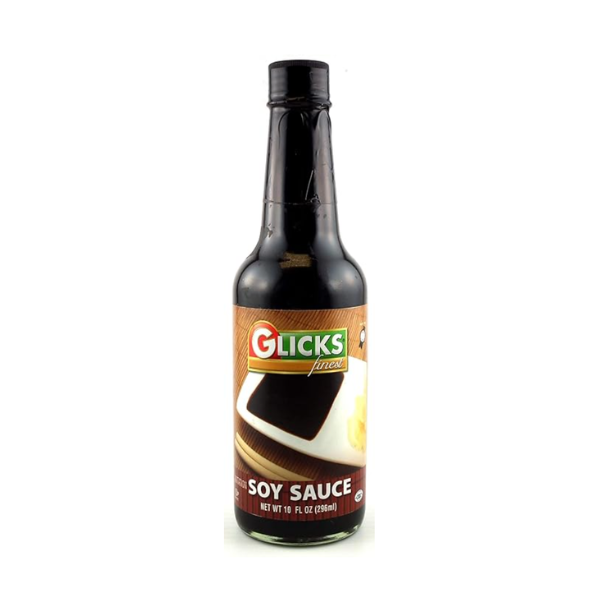
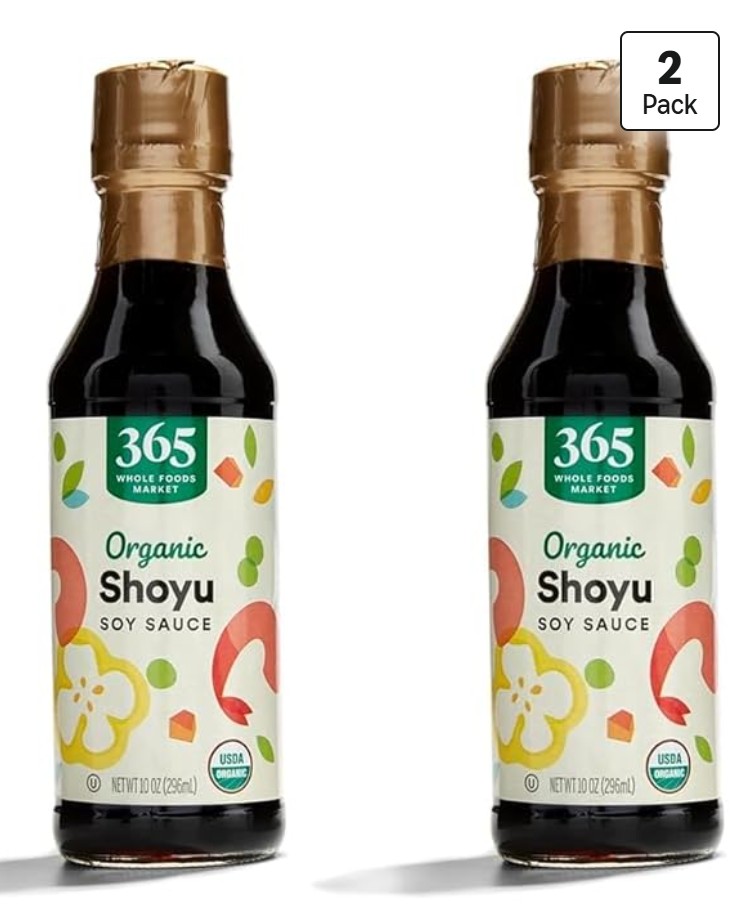
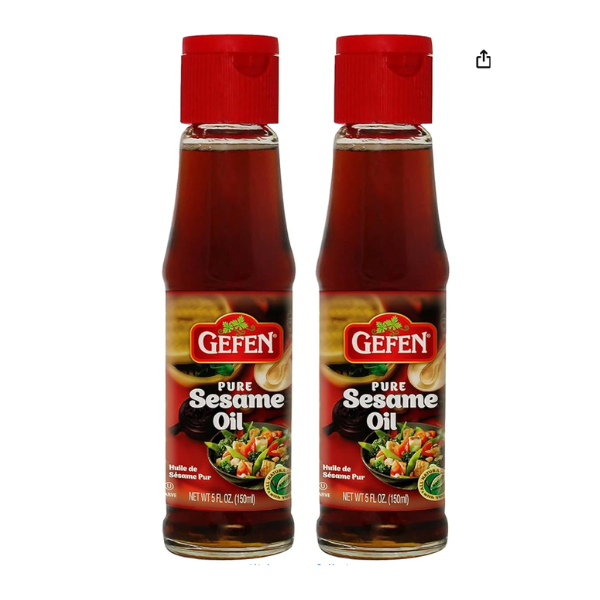
Soy sauce and sesame oil do a lot of the work in a ramen bowl. A splash of soy sauce seasons the broth, and a few drops of sesame oil at the end add aroma. The soy sauces here suit a shoyu-style broth, and the sesame oil is a good pareve alternative to the pork fat used in many traditional bowls. Always check the certification on each bottle, because the same brand can sell products with different symbols.
🔄 Kosher Replacement Ideas for Ramen Toppings and Pork
Swap the pork, the broth and the toppings.
Classic ramen is built on pork, from the chashu on top to the bones in the broth, and it often brings fish or dairy into the same bowl. None of that works in a kosher kitchen as written, but the structure of a ramen bowl adapts well. Here are the most common non-kosher elements and the kosher swaps that replace them. Use kosher meat from a reliable source, keep dairy out of any bowl that contains meat, and check the certification on every packet, sauce and paste.
TRADITIONAL
Chashu, braised pork belly
KOSHER SWAP
Braised beef brisket or chicken thigh
Slice kosher brisket or short rib thinly, or braise chicken thighs in soy sauce, ginger and sesame oil for a similar glossy finish.
TRADITIONAL
Tonkotsu, pork bone broth
KOSHER SWAP
Chicken or beef bone broth
Simmer kosher chicken bones for hours for a rich, cloudy broth, or use beef bones for a deeper flavour. Use only kosher meat.
TRADITIONAL
Lard or pork fat aroma oil
KOSHER SWAP
Schmaltz or sesame oil
Chicken fat adds richness to a meat bowl, and sesame oil works for any bowl, including vegetable ramen.
TRADITIONAL
Ground pork in spicy or tantan-style bowls
KOSHER SWAP
Ground beef, turkey or chicken
Brown it with garlic, ginger and chili, then spoon it over the noodles. Use kosher meat only.
TRADITIONAL
Fish cake (narutomaki, kamaboko)
KOSHER SWAP
Scallions, corn or mushrooms
Fish cakes need their own certification, and many people do not serve fish with meat, so leave them out of meat bowls.
TRADITIONAL
Butter and corn
KOSHER SWAP
Corn with pareve margarine or sesame oil
Skip the butter in any bowl that contains meat. Corn on its own still adds sweetness and colour.
TRADITIONAL
Bonito (katsuobushi) dashi
KOSHER SWAP
Kombu and dried shiitake dashi
This pareve broth is a flexible base for vegetable, miso or egg ramen, and it avoids mixing fish into meat bowls.
TRADITIONAL
Mirin or sake in the seasoning base
KOSHER SWAP
Certified mirin, or rice vinegar with a little sugar
If you cannot find a certified bottle, a splash of rice vinegar with a pinch of sugar gives a similar sweet and sour note.
A few other toppings need no change at all. A soft-boiled egg marinated in soy sauce is a staple of ramen, and a kosher cook only needs to check the eggs for blood spots. Scallions, bamboo shoots, bean sprouts, mushrooms and tofu all work in vegetable bowls, and miso-based broths can be made pareve with a certified miso. If you serve a meat bowl, keep the equipment and utensils meat only. If you are unsure about a custom, such as serving fish with meat, ask your own rabbi.
🌊 Nori and Seaweed for Ramen Bowls
The classic finishing touch.
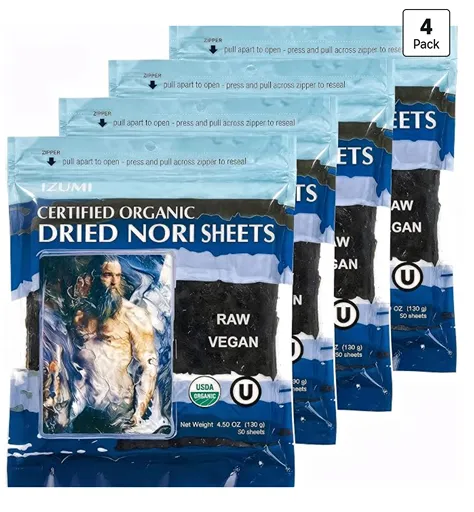
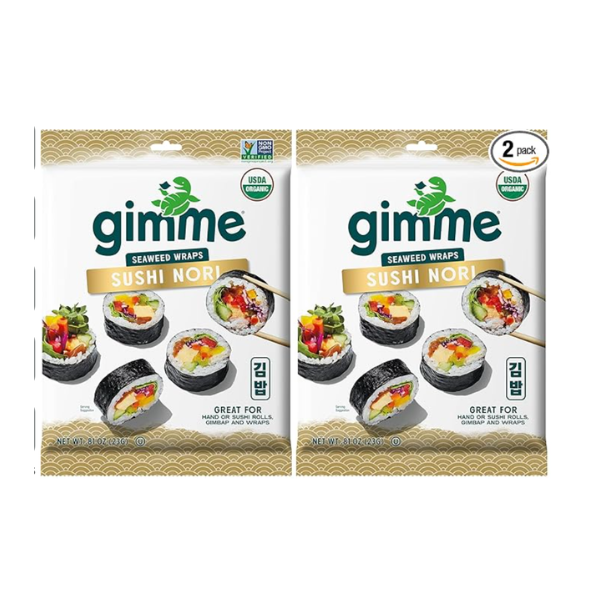
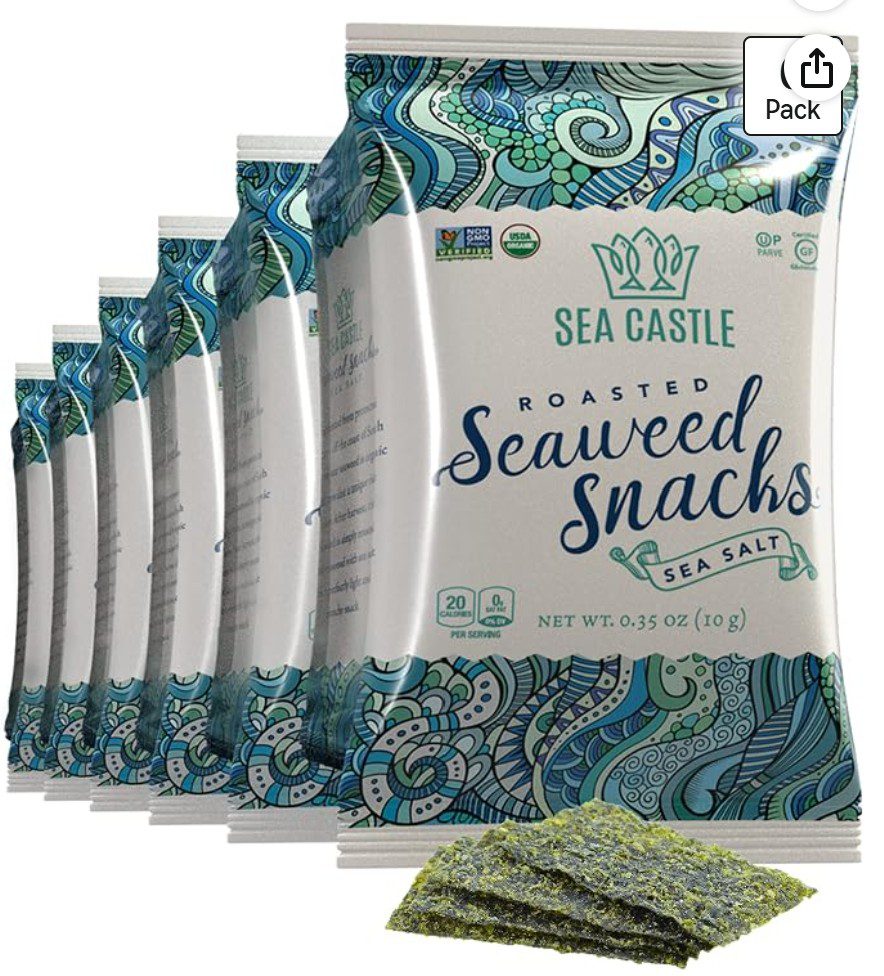
A sheet of nori tucked into the side of the bowl is one of the most recognisable ramen toppings, and it is naturally kosher friendly. A large pack of plain nori sheets is the most economical way to top several bowls, and the restaurant-style sushi nori doubles for rolling sushi at home. Seaweed snacks are a fun alternative that you can crumble over the noodles for extra crunch and a salty finish. Seaweed itself comes from the sea and is a plant, but seasoned or roasted sheets can include oils and flavourings, so look for a kosher symbol on each pack. If you are building a Japanese-style spread, our Kosher Sushi guide has more pantry ideas.
🔍 What to Look For When Buying Kosher Ramen
Read the label before you cook.
- The kosher symbol. Look for a reliable hechsher on the pack, such as OU, OK, Star-K or Kof-K, and check the listing photos as well as the pack when it arrives. Certification applies to the specific product, not the whole brand.
- The seasoning packet. The flavour packet decides whether a noodle soup is pareve or meat. A chicken flavor does not always mean real meat, but the designation on the pack is what counts.
- Imported labels. Ramen made for the Japanese market often carries pork extracts, fish extracts or lard. If the ingredient list is not in English and there is no kosher symbol, leave it on the shelf.
- Dairy and meat. Keep dairy ingredients out of a meat bowl, and use separate equipment for meat and dairy.
- Fish with meat. Bonito, fish cakes and fish sauce are not normally served with a meat broth. Choose a pareve or vegetable base if you want fish toppings.
- Passover. Wheat noodles are chametz. Instant noodles are not for Passover unless the pack has its own Passover symbol, and any cookbook recipe needs to be adapted.
- Cookbooks and bowls. Cookbooks and ceramic bowls do not carry certification. The cook is responsible for using kosher ingredients, and for kosher use of the bowls.
❓ Frequently Asked Questions
Kosher ramen questions answered.
Are instant ramen noodles kosher?
Not automatically. Kosher status depends on the exact product and its certification. Look for a reliable kosher symbol on the pack, and check whether the seasoning packet is marked pareve or meat.
What are the best kosher instant ramen noodles on Amazon?
Gefen's range is a good place to start. This guide features the Instant Noodle Soup Cup, the Gluten Free Instant Ramen Noodle Soup Cup, the Hearty Chicken Flavored soup, a vegetable soup, a 12 pack, and a brown rice gluten free soup. Always confirm the symbol on the pack.
Is there gluten free kosher ramen?
Yes. This guide includes the Gefen Gluten Free Instant Ramen Noodle Soup Cup and the Gefen Brown Rice Gluten Free Instant Noodle Soup with chicken flavor, as well as gluten free chow mein noodles. Check the pack for the kosher symbol.
What can I use instead of pork in ramen?
Kosher beef brisket or short rib, chicken thighs, or ground beef, turkey or chicken all replace the pork. For the broth, use chicken or beef bones, and use schmaltz or sesame oil in place of pork fat.
Can I put fish cake or bonito in a meat ramen?
Many people do not cook or serve fish and meat together, so most kosher cooks keep fish toppings out of meat bowls. Use a kombu and shiitake broth if you want a pareve bowl, and ask your rabbi about your own custom.
Is ramen dairy or pareve?
It depends on the broth, the seasoning and the toppings. Plain wheat noodles are usually pareve, but a meat broth makes the bowl meat, and butter or milk-based sauces make it dairy. Never combine meat and dairy.
Are the ramen cookbooks kosher?
No. These are general ramen cookbooks, and many traditional recipes use pork, shellfish or a mix of meat and dairy. Cooks need to replace those with kosher ingredients and use only kosher certified products.
Is ramen kosher for Passover?
Ordinary ramen noodles are made from wheat, which is chametz, so they are not for Passover. Instant noodles are only suitable if the pack carries its own Passover symbol.
Is nori kosher?
Seaweed is a plant, but seasoned or roasted sheets can include oils and flavourings. Look for a kosher symbol on the pack before using nori or seaweed snacks.
The Kosher Hub is not a Kosher Authority. For any advice please refer to your local Kashrut Authority.
As an Amazon Affiliate we earn from qualifying purchases.




Understanding Our Kosher Certifications
The Kosher Hub references products certified by recognized kosher authorities, including OU, OK, Star-K, Kof-K, and CRC. Certification symbols and status can change, so always confirm the current kosher status directly on the product packaging or via the certifying agency's own listings before purchasing.