
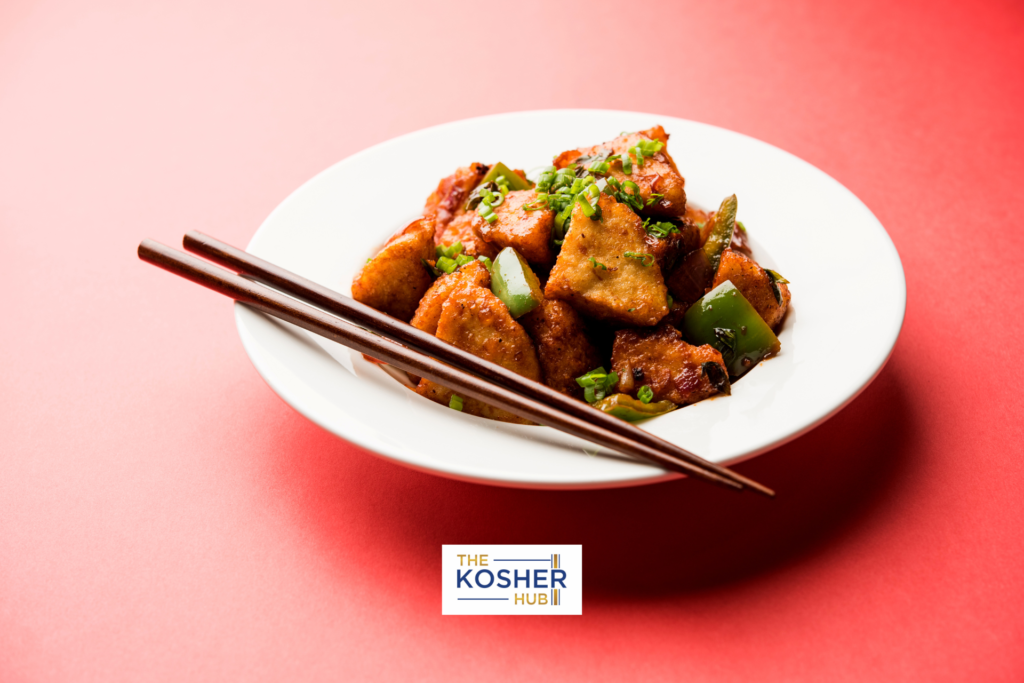
Kosher Chinese food follows traditional Chinese cooking styles but uses only kosher-certified ingredients and avoids non-kosher items like pork, shellfish, and oyster sauce. With the right substitutions and supervision, you can enjoy familiar flavors while fully keeping kosher.
Typical Kosher Chinese Ingredients
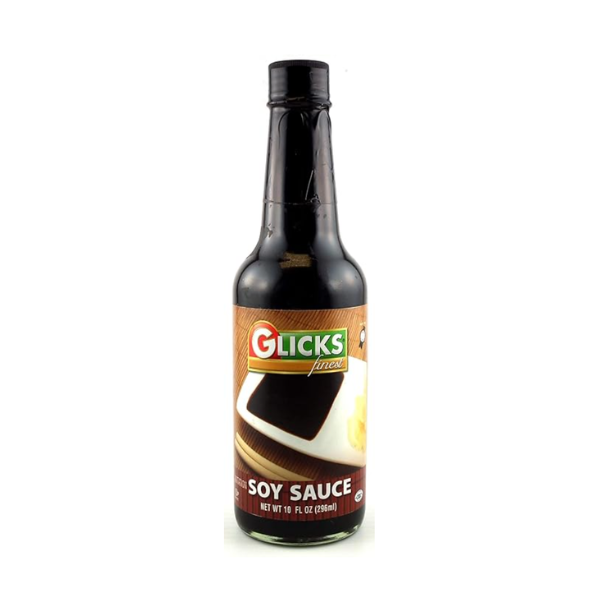
1. Soy Sauce (kosher-certified)
The backbone of Chinese cooking — used for marinades, stir-fries, and sauces.
Look for: OU/OK symbol; some are naturally brewed and better quality.
Avoid: Standard soy sauces without certification (can include non-kosher additives or shared equipment). – SEE GLICKS
2. Sesame Oil
Adds that distinctive nutty flavour at the end of cooking.
Look for: Pure sesame oil with kosher certification.
Avoid: Blended oils without clear labeling or certification. – SEE GLICKS
3. Fresh Aromatics (Garlic, Ginger, Spring Onions)
These are naturally kosher and form the flavour base of most dishes.
Look for: Fresh, whole ingredients.
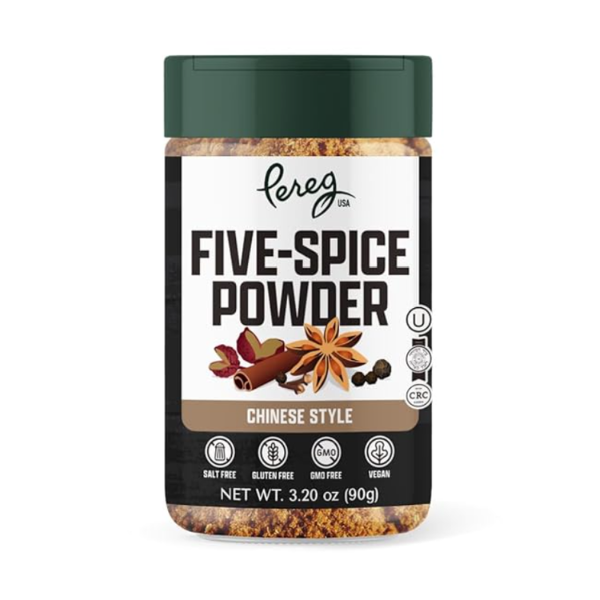
Avoid: Pre-minced or jarred versions unless certified (can contain additives). SEE KOSHER PEREG RANGE
4. Vegetables (Bok Choy, Napa Cabbage, Mushrooms, etc.)
Most vegetables are kosher but must be properly cleaned.
Look for: Fresh produce; wash thoroughly (especially leafy greens for bugs).
Avoid: Pre-cut or pre-washed mixes without checking for insects (important in kosher practice).
5. Cornstarch (or Potato Starch)
Used for thickening sauces and coating meats for stir-fries.
Look for: Kosher-certified starch products.
Avoid: Imported brands without certification.

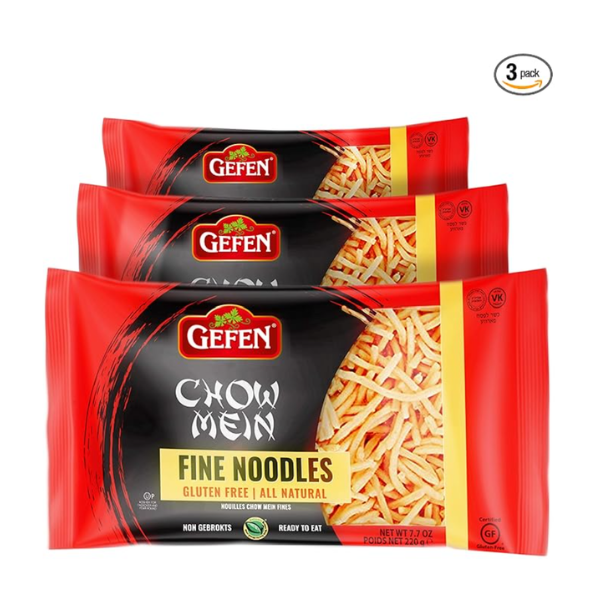
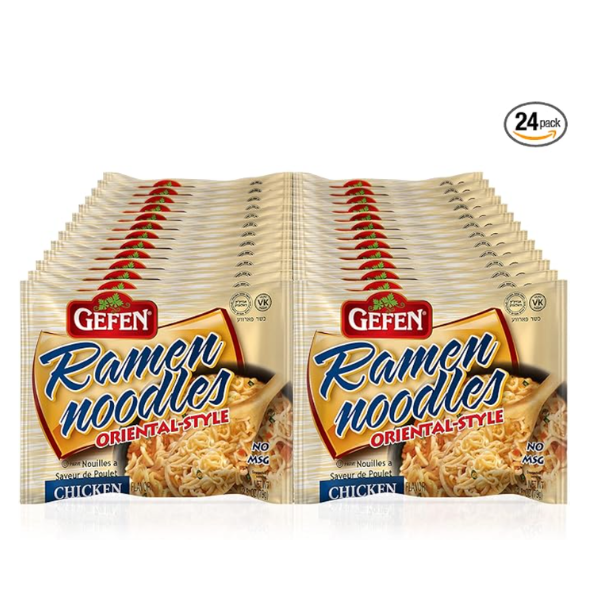
What to avoid when buying Kosher Chinese
- Oyster sauce (almost always non-kosher)
- Shaoxing wine (often non-kosher)
- Non-certified sauces (biggest mistake beginners make)
- Cross-contamination from non-kosher kitchens


Chinese Kosher FAQs
1. Can you eat Chinese food at a regular Chinese restaurant if you keep kosher?
Usually no. Even if a dish looks vegetarian or contains fish or chicken, the kitchen may use non-kosher meat, oyster sauce, shared woks, shared utensils, or oils that are not kosher supervised. If you keep kosher strictly, it is safest to eat only at a certified kosher Chinese restaurant or make it at home with kosher-certified ingredients.
2. What should I look for when eating out for kosher Chinese food?
Look for a reliable kosher certification on the restaurant itself, not just on a few ingredients. A truly kosher establishment should have proper supervision, approved ingredients, and separate procedures that follow kosher laws. If there is no certification, you should assume the food is not kosher.
3. Why isn’t vegetable fried rice or plain noodles automatically kosher?
Because the issue is not just the vegetables or noodles themselves. The food may be cooked in the same wok as non-kosher meat or shellfish, mixed with sauces that are not kosher, or prepared with stock, seasoning, or oils that are not certified. Simple-looking dishes can still be a problem.
4. Are soy sauce and other Chinese sauces always kosher?
No. Some soy sauces and Chinese-style sauces are kosher-certified, but many are not. Sauces like hoisin, oyster sauce, black bean sauce, chili oil, teriyaki, and sesame marinades can contain ingredients or processing methods that are not acceptable without certification.
5. What are the biggest non-kosher ingredients to watch for in Chinese food?
The main ones include oyster sauce, shellfish, pork, imitation crab, non-kosher chicken or beef, and sauces without certification. You should also watch for dumplings, spring rolls, soups, and stir-fries that may contain hidden meat, stock, gelatin, or mixed cooking oils.
6. Can I make kosher Chinese food at home?
Yes, and that is often the easiest option. When you cook at home, you can choose kosher-certified soy sauce, noodles, rice, vegetables, spices, oils, and proteins. This gives you much more control and lets you enjoy Chinese-style meals while staying within kosher guidelines.
7. What ingredients do I need for Chinese kosher cooking at home?
Start with kosher-certified basics such as soy sauce, sesame oil, rice vinegar, noodles, rice, garlic, ginger, scallions, and your choice of kosher chicken, beef, tofu, or vegetables. You can also add certified sauces and spices to build flavour without compromising on kosher standards.
8. Do I need separate cookware to make kosher Chinese food at home?
If your kitchen is already kosher, you should use the cookware and utensils that match your usual kosher setup. If you are cooking meat, keep it separate from dairy as required. A wok, frying pan, chopping board, and utensils used in a kosher kitchen can work well for homemade Chinese dishes.
9. Are sushi ingredients or Asian pantry items from regular supermarkets always kosher?
Not always. Items like soy sauce, rice vinegar, nori snacks, noodles, dumpling wrappers, sweet chili sauce, teriyaki sauce, and marinades may look fine but still need certification. Always check the label for a trusted kosher symbol before buying.
10. What is the safest way to enjoy Chinese kosher food?
The safest options are either eating at a certified kosher Chinese restaurant or making it yourself at home with kosher-certified ingredients. That way you avoid hidden non-kosher sauces, cross-contamination, and unclear cooking methods while still enjoying all the classic Chinese-inspired flavours.
Reputable International Kosher Brands


You might also be interested in
Understanding Our Kosher Certifications
The Kosher Hub references products certified by recognized kosher authorities, including OU, OK, Star-K, Kof-K, and CRC. Certification symbols and status can change, so always confirm the current kosher status directly on the product packaging or via the certifying agency's own listings before purchasing.