

Kosher chocolate covers a surprisingly wide range — from pareve dark bars and Israeli childhood classics to vegan gift boxes, sugar free options, and baking chocolate for your holiday kitchen. The challenge is that kosher status in chocolate is more complicated than most people realise. Even plain-looking dark chocolate can contain emulsifiers processed on shared equipment, dairy ingredients that aren't obvious from the name, or flavourings that require their own certification. That's why a recognised hechsher matters on every product, not just on the obvious ones. At The Kosher Hub we've pulled together the best certified kosher chocolate available on Amazon across every category — whether you're shopping for a gift, stocking up for Shabbat, baking for Passover, or just treating yourself to something indulgent that you know is genuinely kosher certified.
🎁 Kosher Chocolate Gift Boxes
Premium certified kosher chocolate gifts — ready to give, no wrapping needed.
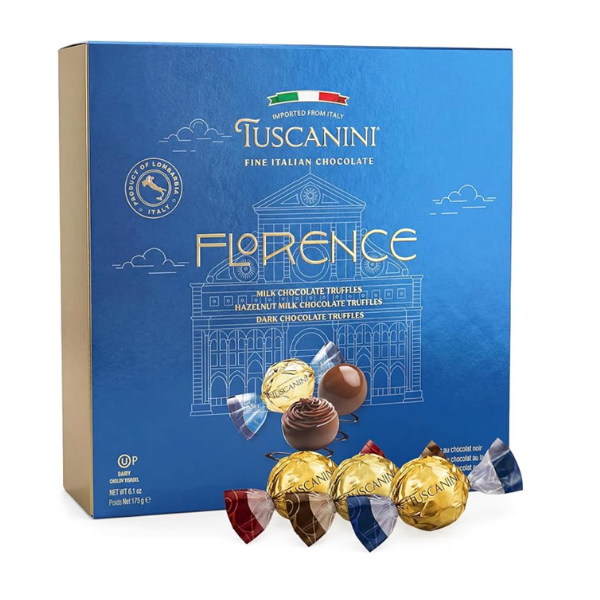
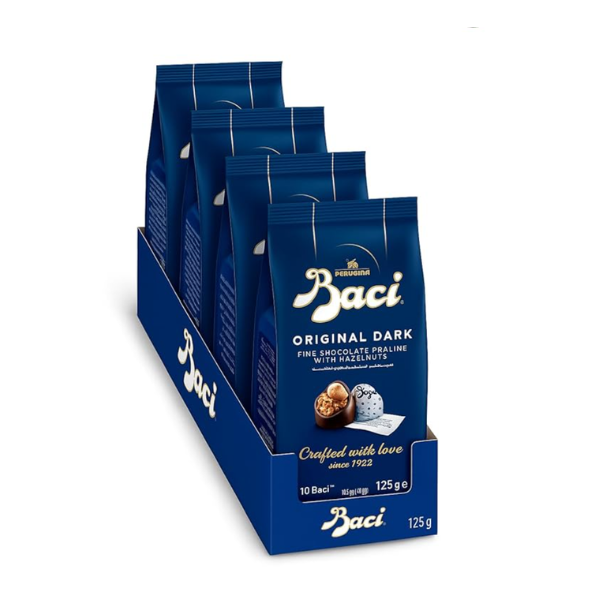
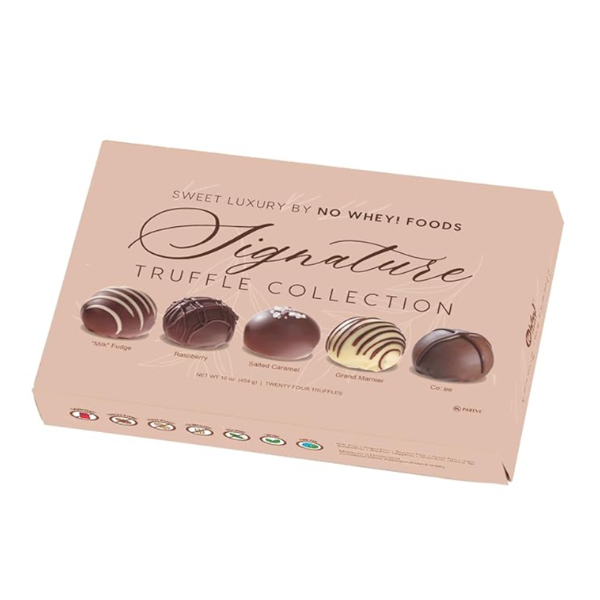
A good kosher chocolate gift box does the work for you — no wrapping, no guessing, and no last-minute panic. Tuscanini's Italian truffles arrive in elegant packaging that looks impressive straight out of the box, while Baci Perugina brings one of Italy's most recognisable chocolate brands to the table, with each piece individually wrapped with a love note inside. The Allsorted box from No Whey Foods is the one to reach for when you need something vegan and allergy-friendly without compromising on quality. See our full Kosher Chocolate Gift Guide →
🍫 Kosher Dark Chocolate Bars
Certified kosher dark chocolate bars — craft, premium, and everyday options.
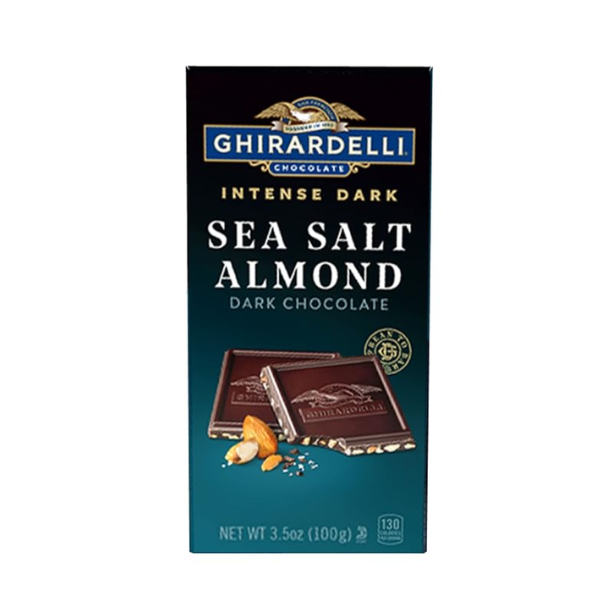
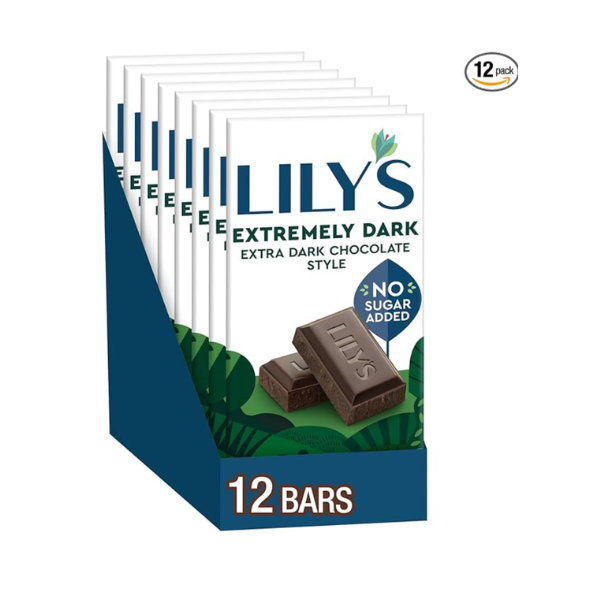
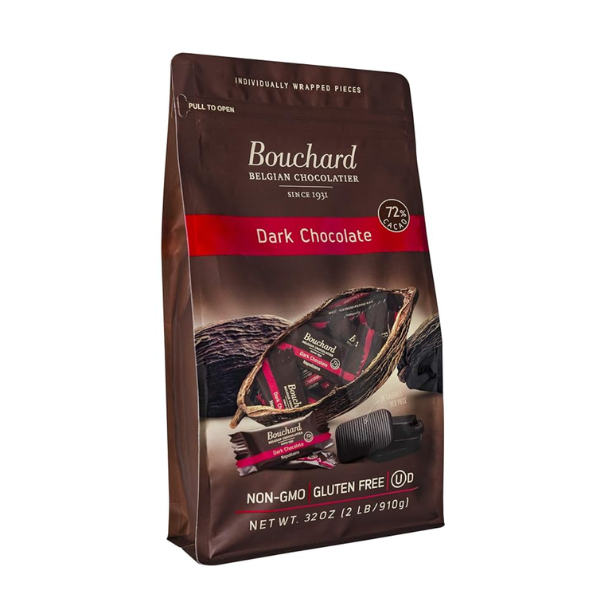
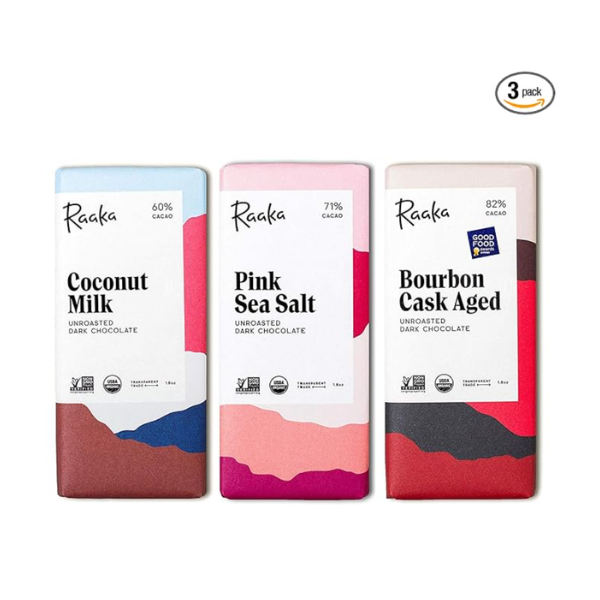
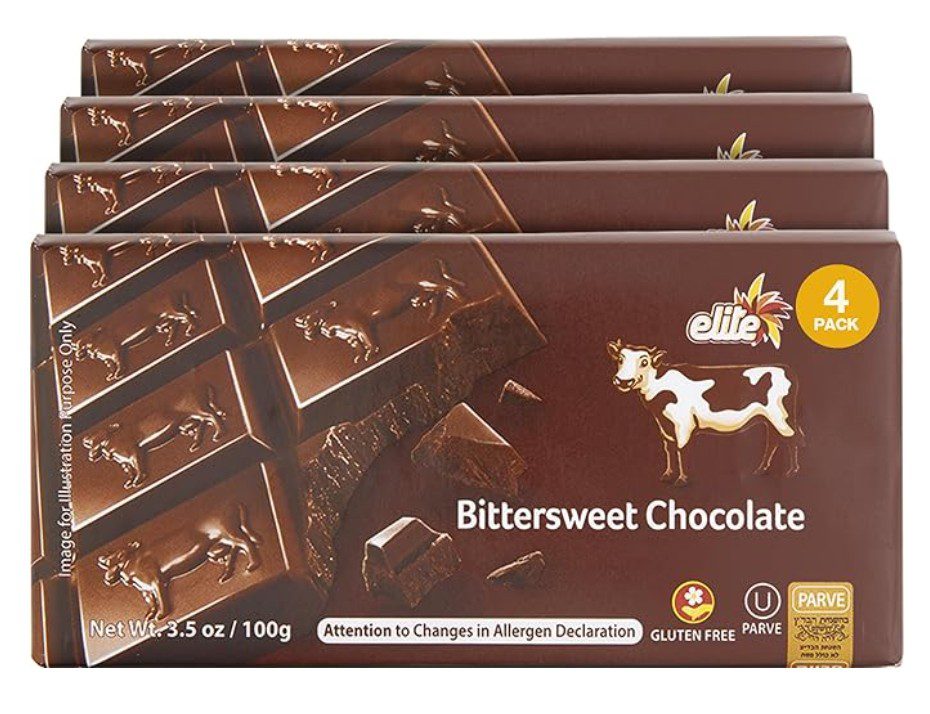
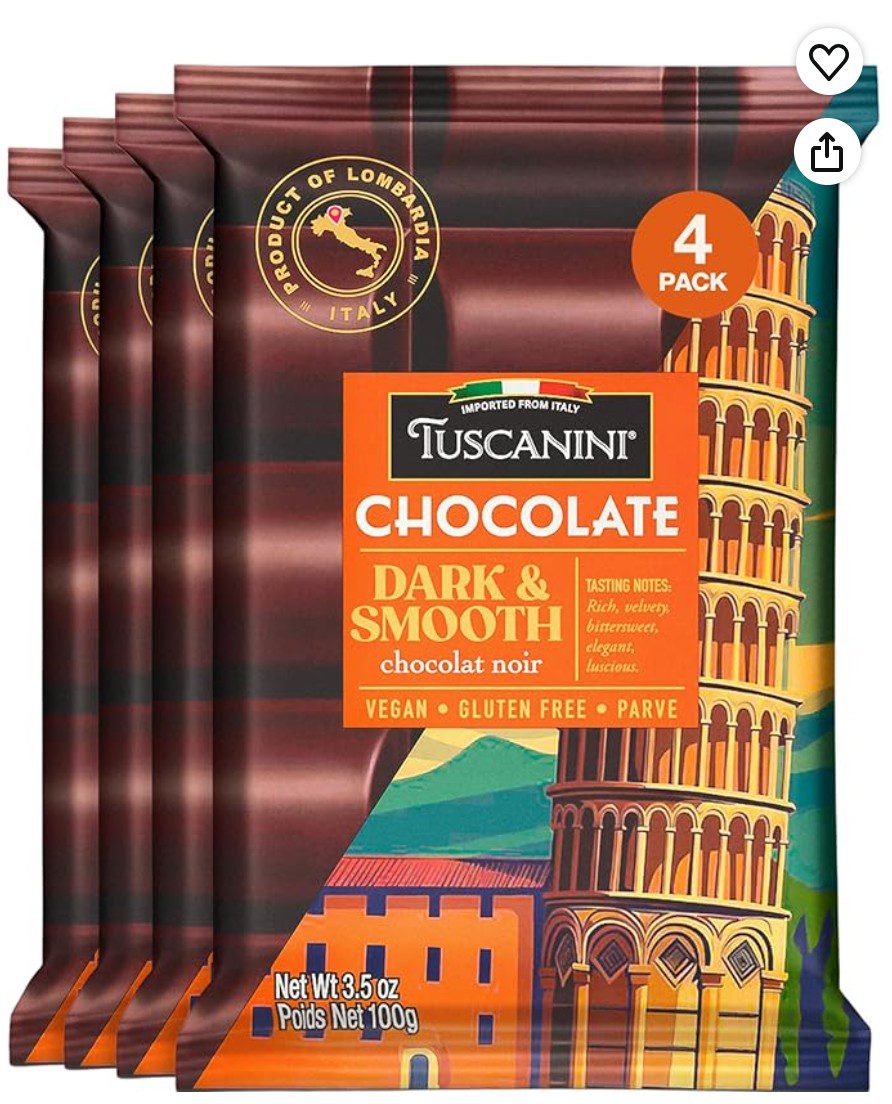
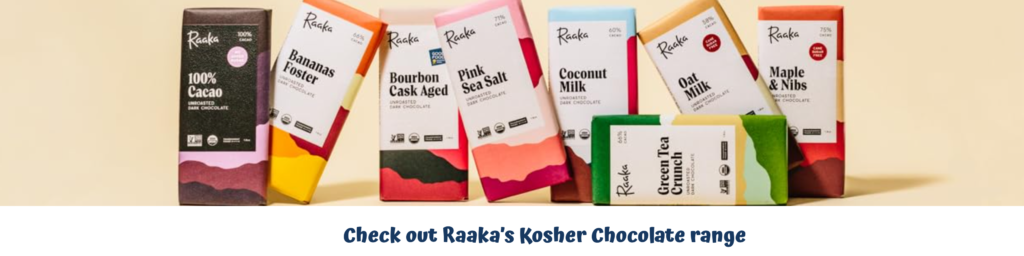
This selection covers the full range of certified kosher dark chocolate — from the widely available and crowd-pleasing Ghirardelli Sea Salt Almond to craft options like Raaka, made in a dedicated dairy-free and nut-free facility. Bouchard brings Belgian quality and Lily's covers the no-sugar-added market beautifully. Elite's bittersweet bars are a staple of Israeli households and a natural choice if you want something pareve and premium. See our full Kosher Dark Chocolate Bars Guide →

🇮🇱 Kosher Israeli Chocolate
Classic Israeli brands — nostalgic, certified kosher, and loved across generations.
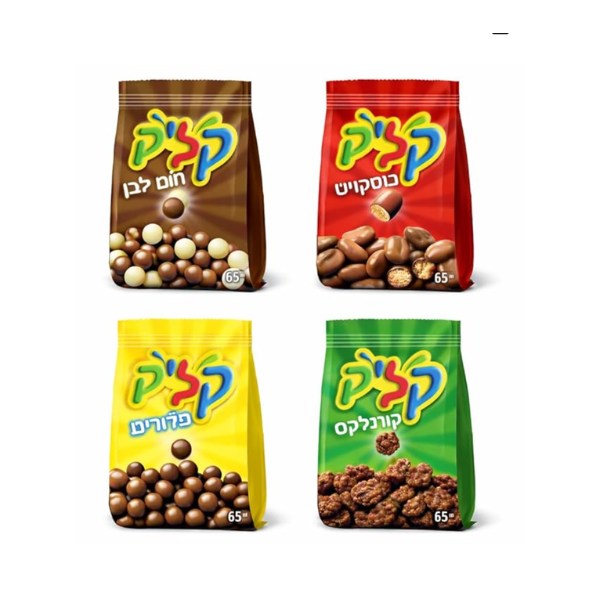
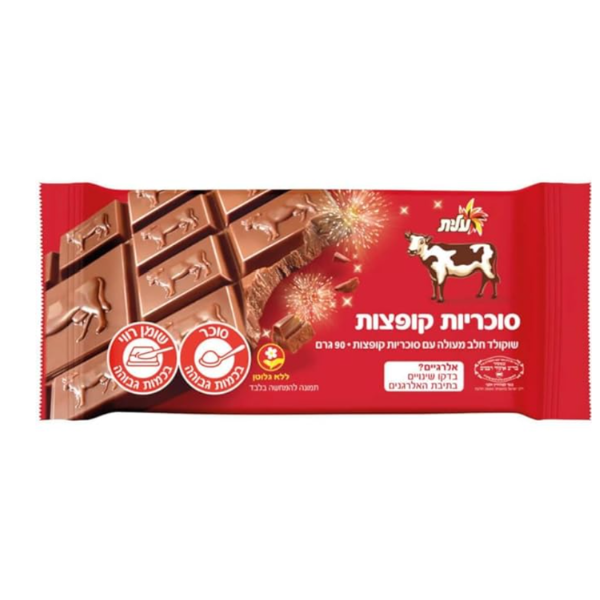
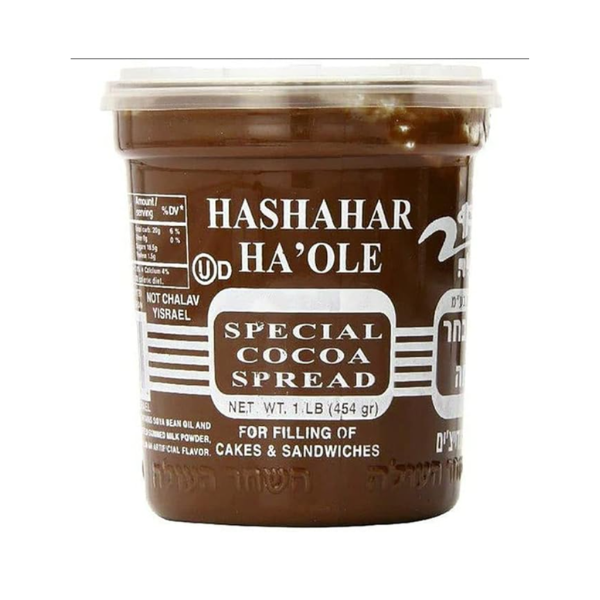
Israeli chocolate carries a cultural weight that goes beyond the bar itself. Elite and Klik are childhood staples for so many Jewish families — the kind of thing that ends up in Yom Tov packages and holiday baskets year after year. The Elite milk chocolate with popping candy is pure nostalgic fun, while the Hashahar Ha'Ole chocolate spread on fresh challah is a Shabbat morning tradition in its own right. All are certified kosher and available to order directly from Amazon. See our full Israeli Kosher Chocolate Guide →
🌱 Kosher Vegan & Allergy-Friendly Chocolate
Dairy-free, nut-free, and vegan certified kosher chocolate options.

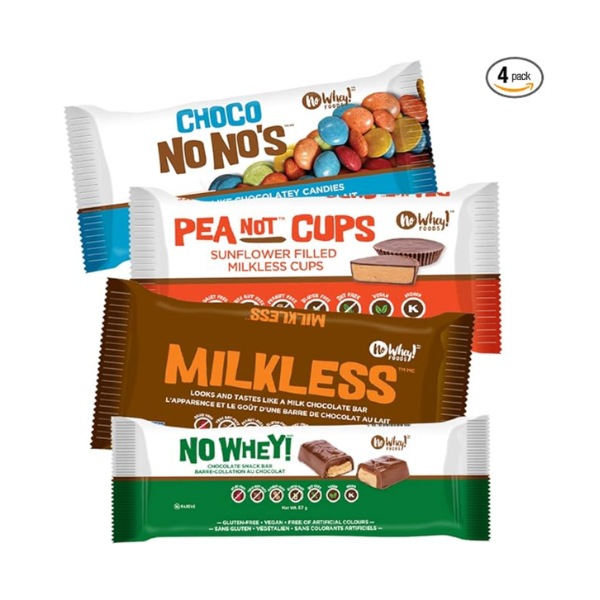
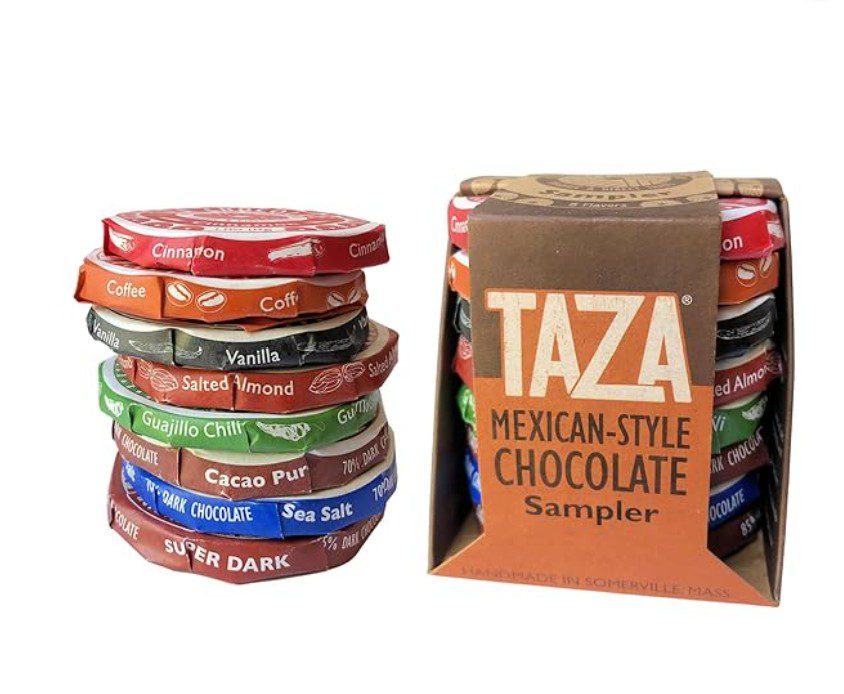
Vegan and kosher is not the same thing — but when the two overlap you get some genuinely excellent chocolate. No Whey Foods specialises entirely in allergy-friendly certified kosher chocolate, and their products are dairy-free, nut-free, and vegan across the range. Taza's stone-ground Mexican-style chocolate is dairy-free by nature, bold in flavour, and completely unlike anything else in this category. See our full Kosher Vegan Chocolate Guide →

🚫🍬 Kosher Sugar Free Chocolate
No sugar added kosher chocolate — certified kosher and diabetic-friendly.
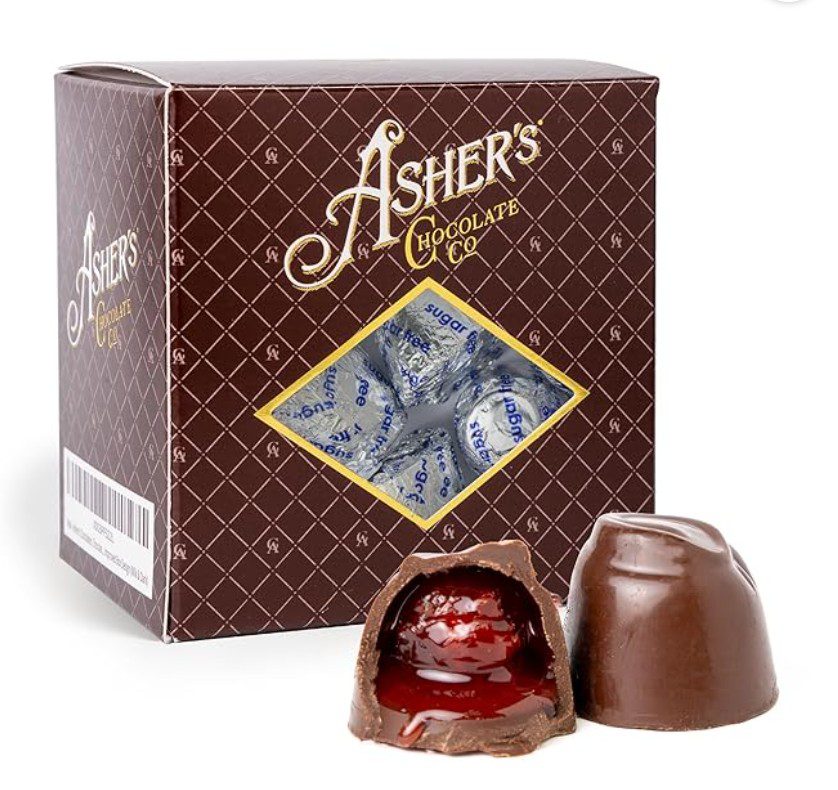
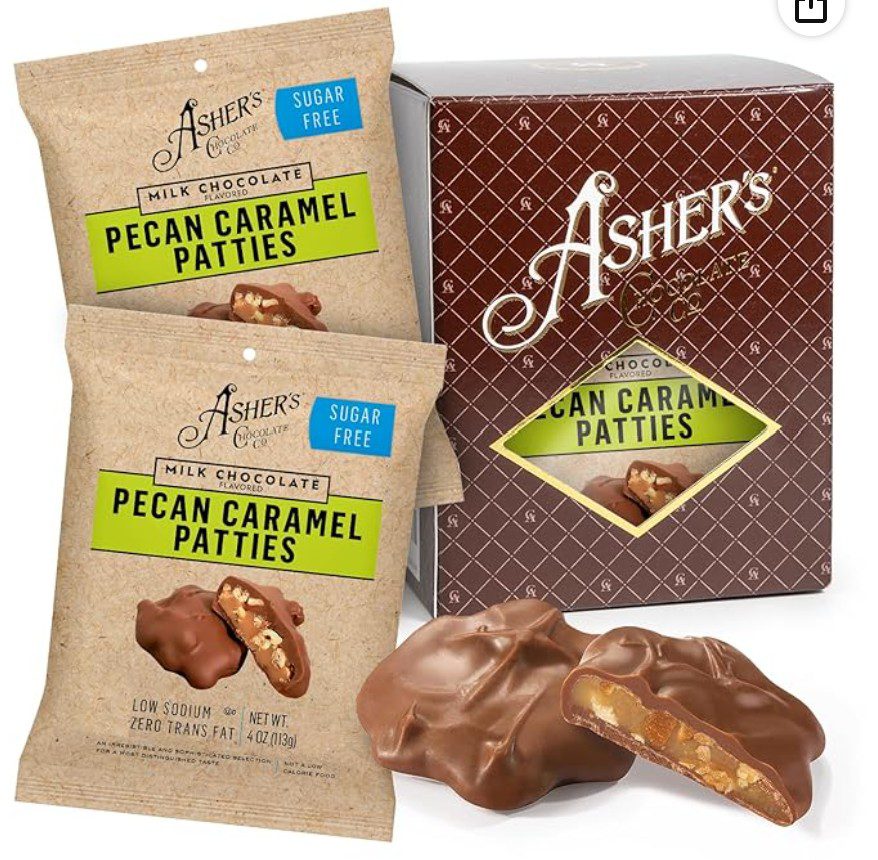
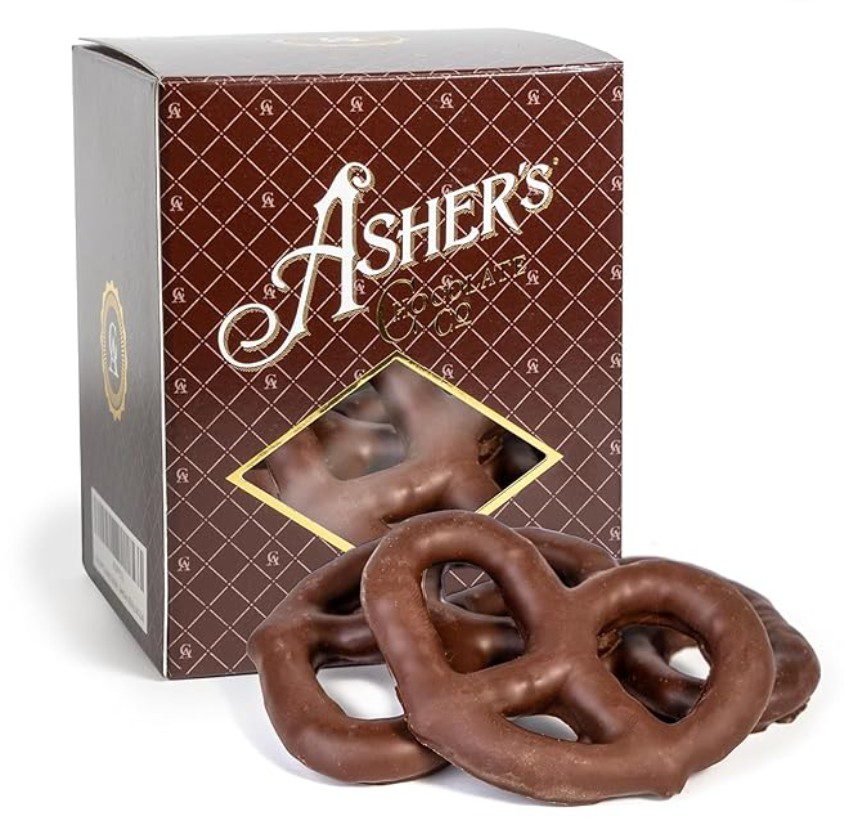
Asher's has been making kosher-certified chocolate in America since 1892, making them one of the longest-running kosher chocolate makers in the US. Their sugar free range is genuinely impressive — the pretzels, peanut clusters, and assorted chocolates all taste like proper chocolate rather than a compromise. A great choice for diabetic-friendly gifting or for guests who are watching their sugar intake. See our full Kosher Sugar Free Chocolate Guide →

🥨 Kosher Chocolate Pretzels
Certified kosher chocolate covered pretzels — dairy, dark, and gluten free.
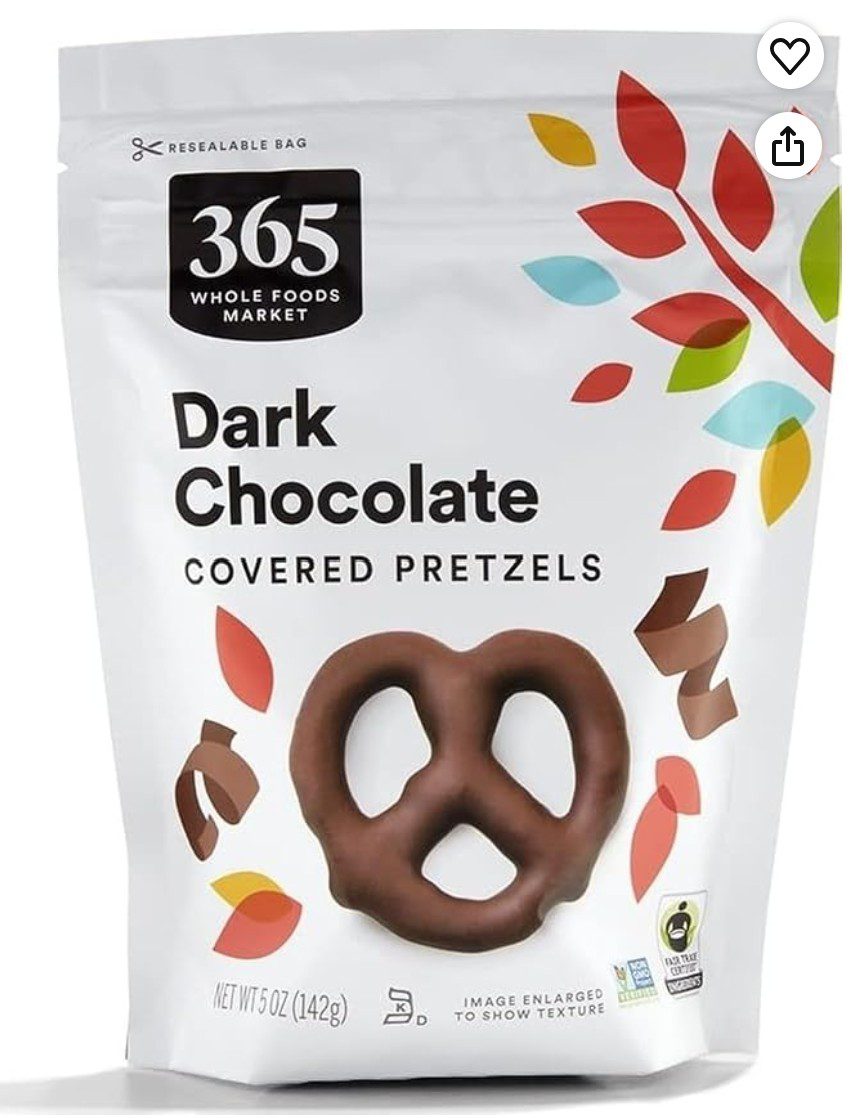
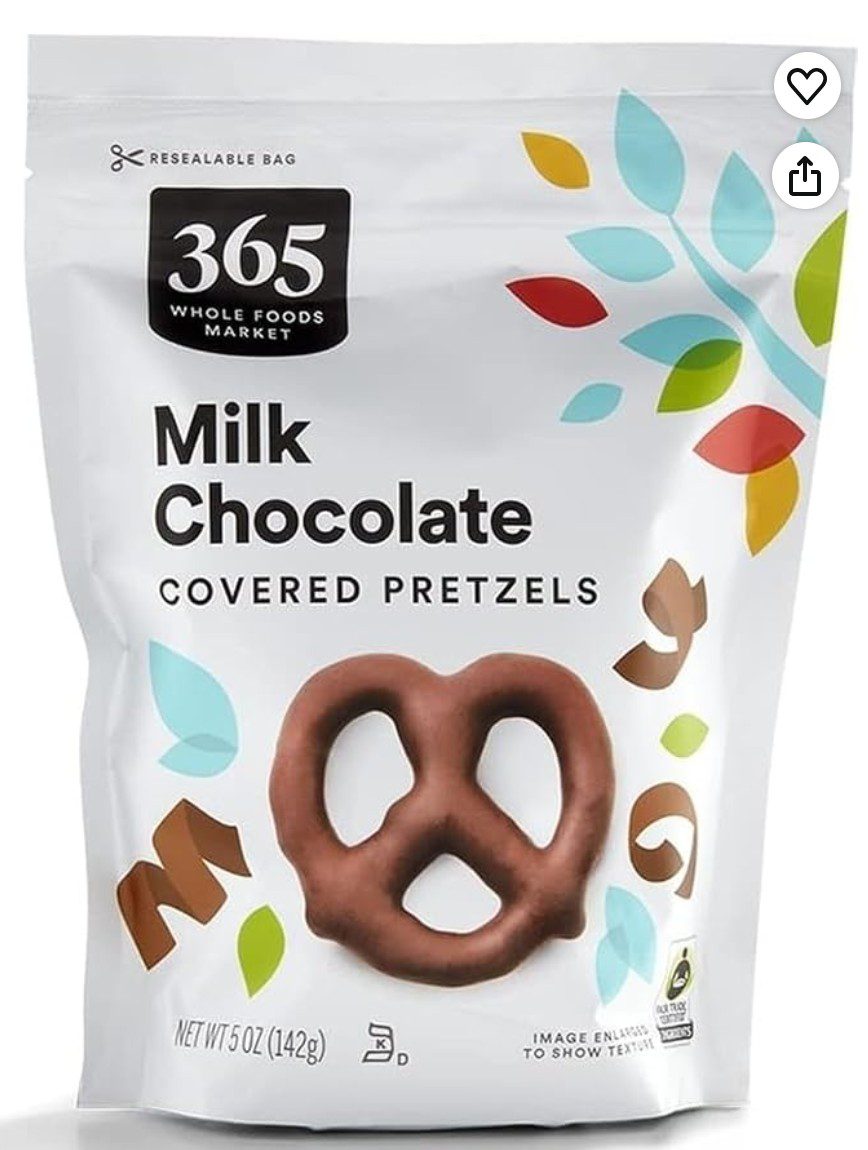
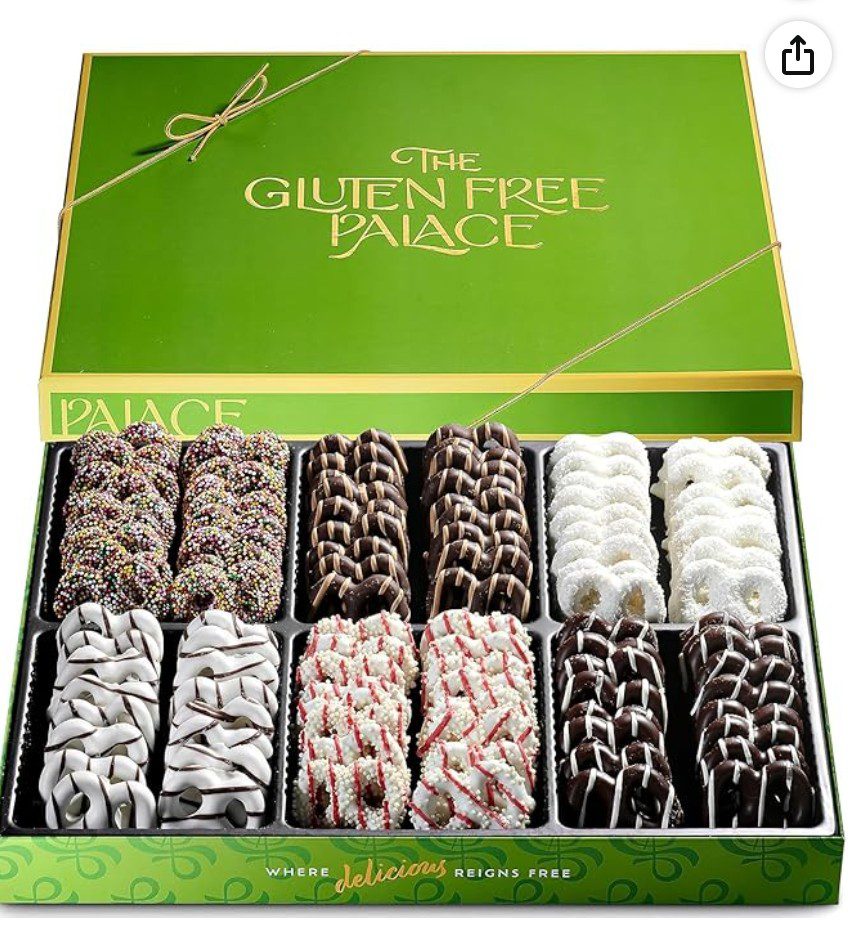
Chocolate covered pretzels are one of those snacks that work for almost every occasion — Shabbat, Yom Tov, Purim, or just an everyday treat. The 365 Whole Foods range offers solid certified kosher options in both dark and milk chocolate varieties. For guests who are gluten free, the Gluten Free Palace gift box is a thoughtful alternative that doesn't compromise on the chocolate-pretzel combination everyone loves.
🥜 Kosher Chocolate with Nuts
Premium kosher chocolate and nut combinations — gifting and snacking.
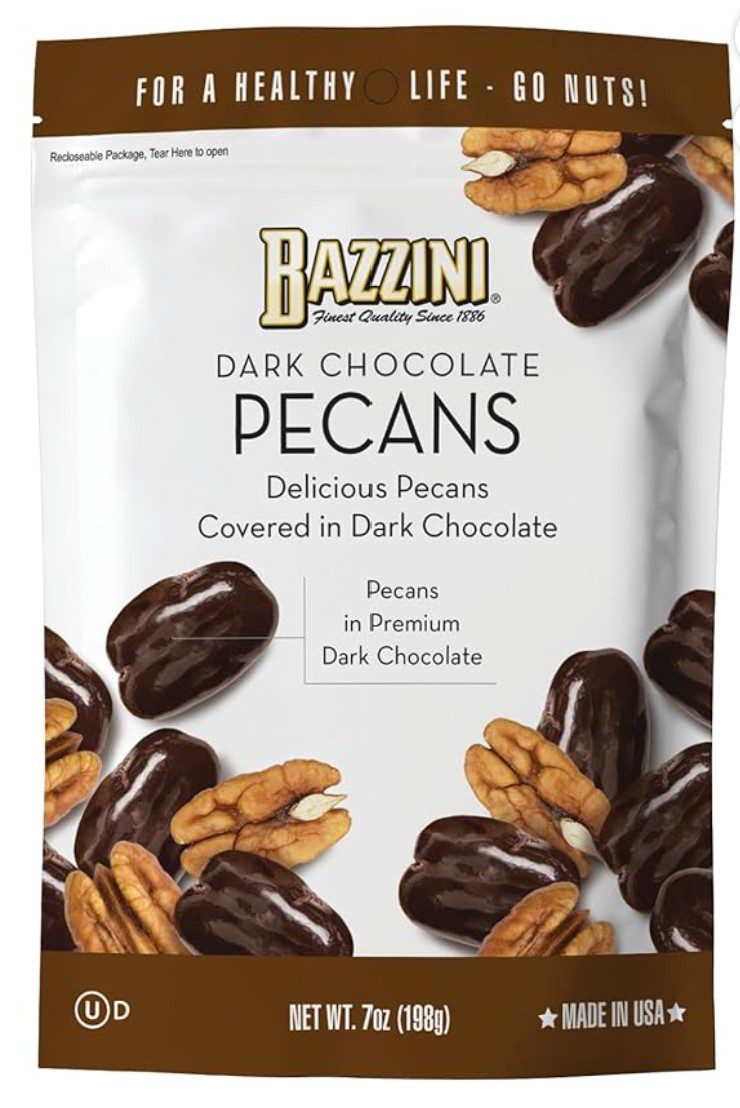
Chocolate and nuts is a classic combination that works beautifully for Mishloach Manot, Shabbat gifting, and holiday tables. House of Bazzini brings real New York pedigree to this category with a full range of kosher certified chocolate nut products available directly on Amazon.
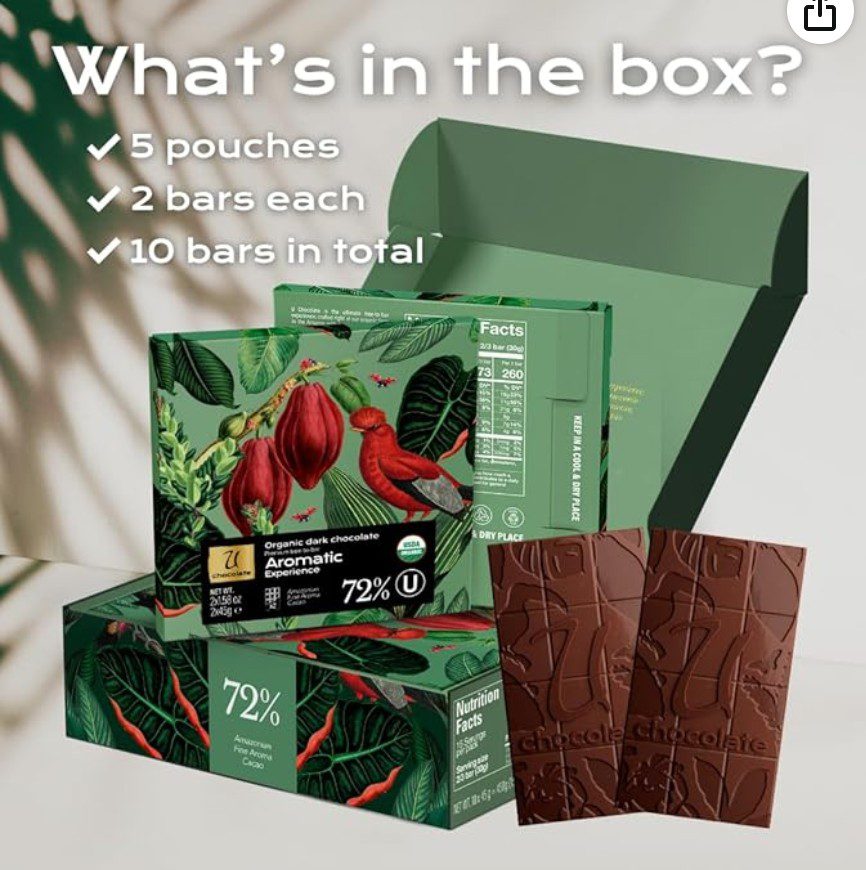
🌿 Kosher Organic Chocolate
Certified organic and kosher chocolate — clean ingredients, premium quality.
💰 Budget Kosher Chocolate
Certified kosher chocolate that won't break the budget — everyday value picks.
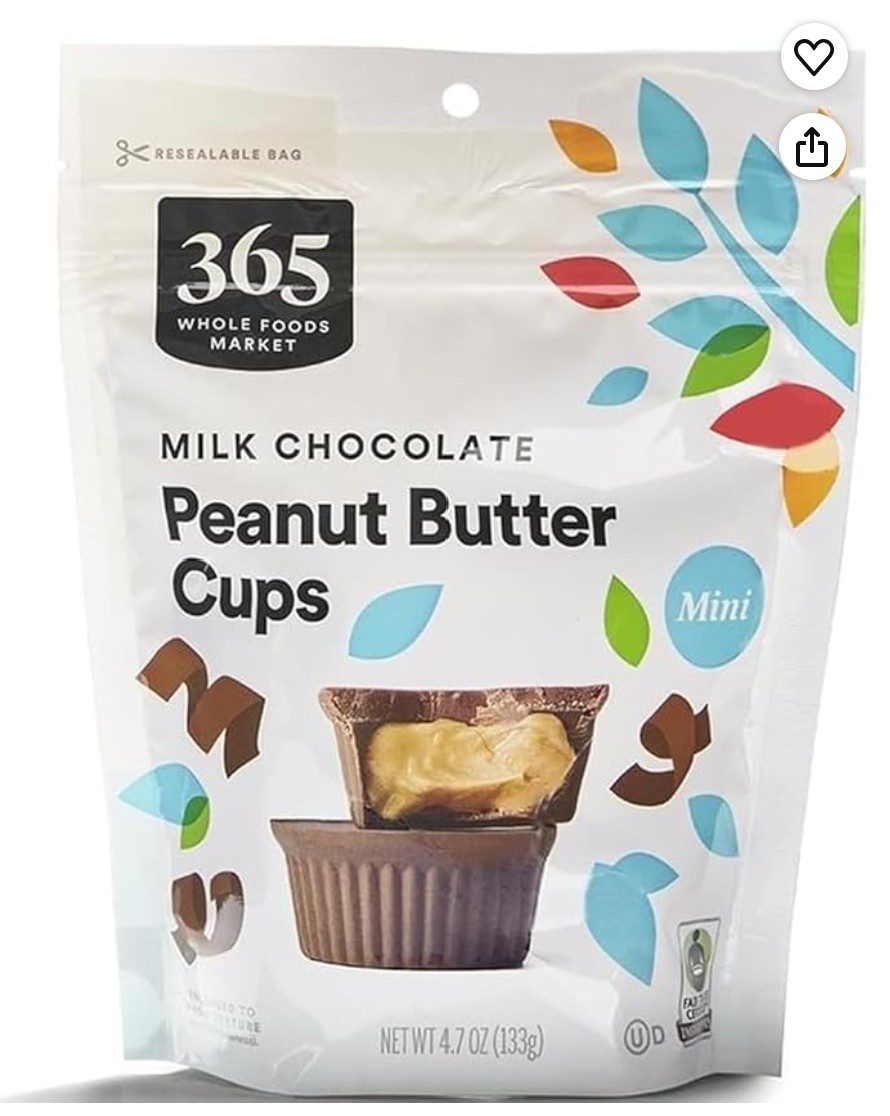
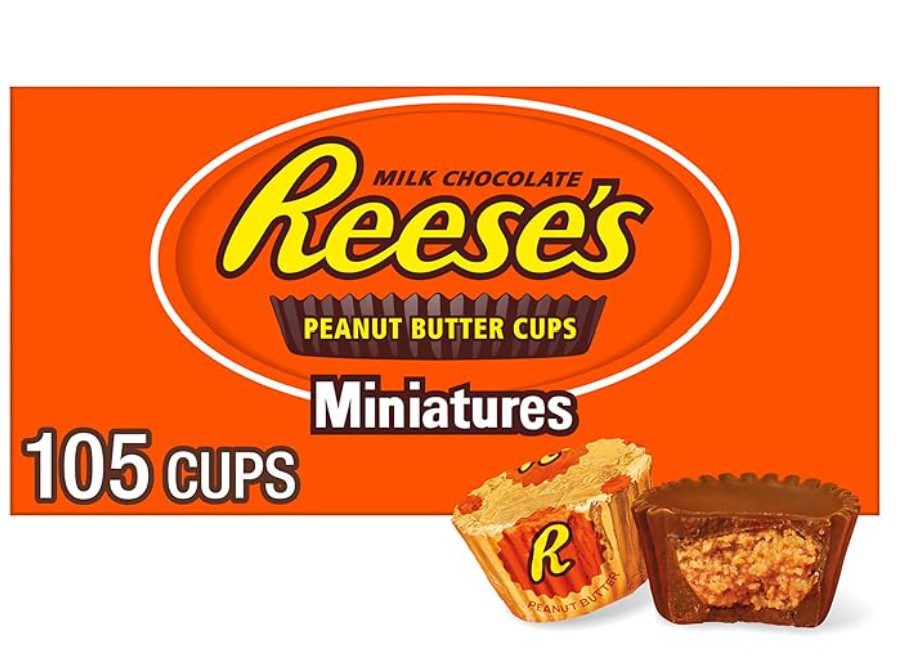
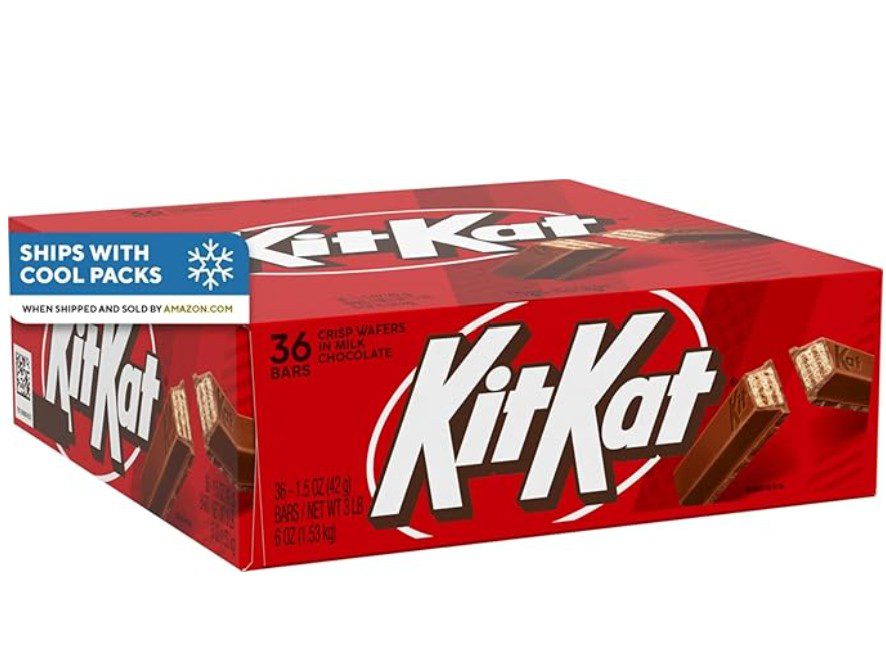
Not every kosher chocolate purchase needs to be a premium one. The 365 Whole Foods peanut butter cups offer great everyday value with solid kosher certification, while Reese's and Kit Kat are American classics that are consistently kosher certified and universally crowd-pleasing. These are the ones to reach for when you need something for a kids' party, a large Mishloach Manot run, or just a quick snack that everyone will enjoy.
🔍 What to Look For When Buying Kosher Chocolate
Key buying criteria from our kosher product research team.
- Check for a recognised hechsher. Don't assume that plain dark chocolate or vegan chocolate is automatically kosher. Look for a trusted kosher certification symbol — OU, OK, KOF-K, Star-K — on the packaging or Amazon listing. If you can't see a symbol, don't assume.
- Pareve vs dairy matters. Pareve chocolate contains no dairy and can be served after meat meals. Dairy kosher chocolate cannot. Check the label carefully — some products say "non-dairy" on the front but are still produced on dairy equipment, which makes them dairy equipment (DE) rather than truly pareve.
- Passover requires a separate certification. A product that is kosher year-round is not automatically kosher for Passover. Look specifically for KFP (Kosher for Passover) on the packaging during the Passover season.
- Watch emulsifiers and flavourings. Lecithin, natural flavours, and vanilla extract can all be non-kosher if not certified. These ingredients are common in chocolate and are why certification from a reliable authority matters more than simply reading the ingredient list.
- Shared equipment warnings. Even if a chocolate product contains no non-kosher ingredients, it can be rendered non-kosher if produced on shared equipment without proper supervision. This is especially relevant for craft and artisan chocolates.
- Check Amazon listings carefully. When buying from Amazon, look at the product images for the kosher symbol rather than relying solely on keywords in the product title. Some listings use "kosher style" loosely — the certification symbol is the only reliable indicator.

❓ FAQs About Kosher Chocolate
Your kosher chocolate questions answered.
What makes chocolate kosher?
Kosher chocolate must be made with kosher-approved ingredients and produced under reliable kosher supervision. It is not just about the cocoa itself, but also the milk, flavourings, emulsifiers, fillings, and the equipment used during production.
Is all chocolate kosher?
No, not all chocolate is kosher. Even plain-looking chocolate bars can include ingredients or manufacturing processes that do not meet kosher standards, which is why a trusted kosher certification is essential.
Is dark chocolate automatically kosher?
No. Although dark chocolate often has fewer ingredients than milk chocolate, it can still contain non-certified flavourings, emulsifiers, or be produced on shared equipment without kosher supervision.
Is vegan chocolate automatically kosher?
No. Vegan chocolate contains no animal products, but kosher certification also depends on ingredient sourcing, production supervision, and equipment — none of which are guaranteed by a vegan label alone.
What does pareve chocolate mean?
Pareve chocolate contains neither meat nor dairy ingredients under kosher law. This makes it suitable for serving after meat meals — but it should always carry kosher certification rather than being assumed pareve from the ingredient list alone.
Can kosher chocolate be dairy?
Yes, absolutely. Kosher does not mean dairy-free. Many kosher chocolates contain milk or milk powder, so always check whether the product is marked dairy or pareve before serving at a meat meal.
Is regular kosher chocolate also kosher for Passover?
Not always. A product can be kosher year-round but not suitable for Passover. For Passover, look specifically for packaging that is marked KFP (Kosher for Passover).
Are filled chocolates and truffles more complicated?
Yes. Filled chocolates, truffles, and specialty bars may contain cream, caramel, liqueurs, or other ingredients that require their own kosher supervision, making certification especially important for these products.
What is the safest way to buy kosher chocolate on Amazon?
Look at the product images for the kosher certification symbol rather than relying on keywords in the title. Some listings use "kosher style" loosely — the hechsher on the packaging is the only reliable indicator.
What are the most trusted kosher chocolate brands?
Among the most consistently certified and widely available are Ghirardelli, Elite, Asher's, Schmerling's, Tuscanini, and Taza. Each carries recognised kosher certification and has a strong reputation across the kosher community.
The Kosher Hub is not a Kosher Authority. For any advice please refer to your local Kashrut Authority.
As an Amazon Affiliate we earn from qualifying purchases.


Understanding Our Kosher Certifications
The Kosher Hub references products certified by recognized kosher authorities, including OU, OK, Star-K, Kof-K, and CRC. Certification symbols and status can change, so always confirm the current kosher status directly on the product packaging or via the certifying agency's own listings before purchasing.