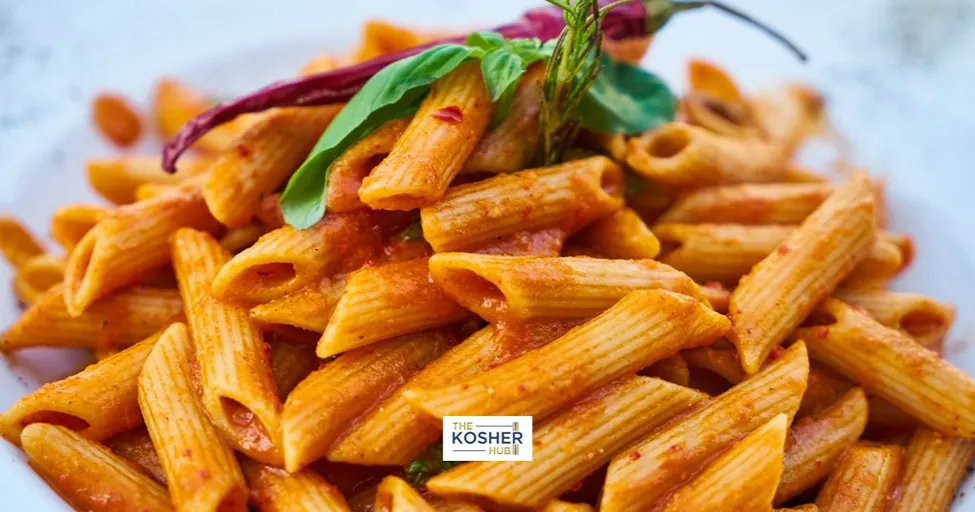
Finding reliable kosher pasta on Amazon is easier than it used to be, but the choice can still feel overwhelming. Between everyday shapes, traditional favorites, protein-boosted options and gluten free alternatives, it is not always clear which boxes deserve a place in your pantry. This guide rounds up the most popular kosher pasta brands and shapes on Amazon, so you can stock up with confidence for weeknight dinners, Shabbat meals and family gatherings.
We have grouped the picks by brand: Barilla for everyday penne and fun kid-friendly shapes, Tuscanini for classic macaroni, fettuccine and gnocchi, and Banza for chickpea-based pasta, including gluten free choices. Every product links straight to its Amazon listing, so you can check current pricing and read the packaging details yourself. Scroll to the end for our guide to what to look for on the label, plus answers to the most common kosher pasta questions.
🍝 Barilla Pasta
Everyday penne plus fun shapes the whole family will enjoy.
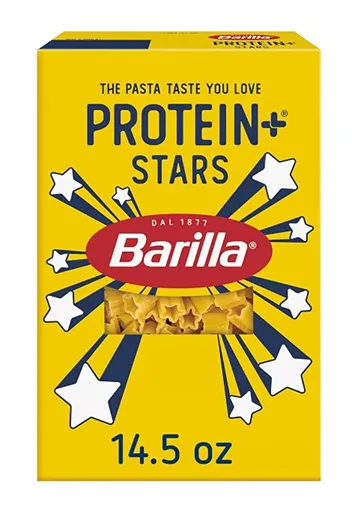
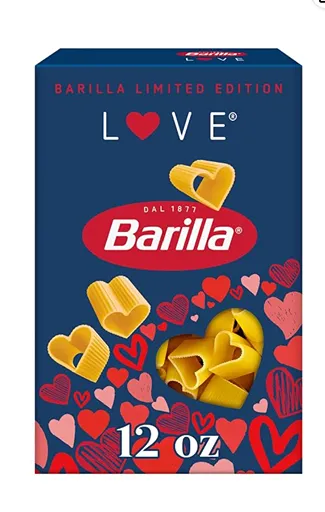
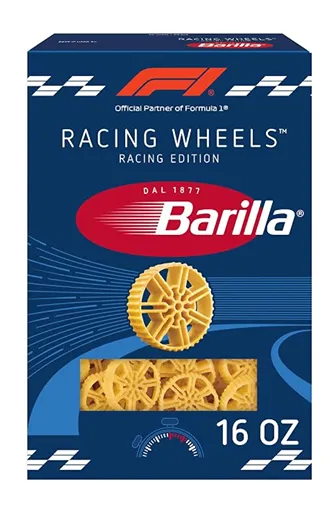
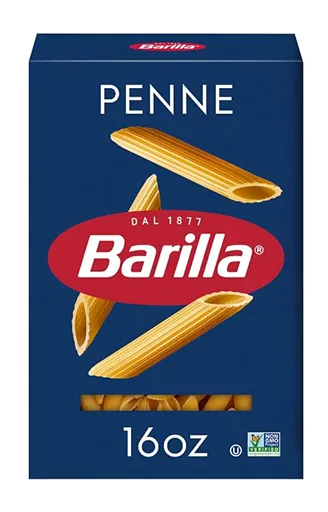
Barilla opens this list because it is one of the most recognizable pasta names in American kitchens, which makes it easy to find and easy to rely on for everyday cooking. Penne is our featured pick, a versatile shape that works in baked dishes, pasta salads and simple weeknight sauces. The Protein Plus Stars, Heart-Shaped and Racing Wheels options are the fun end of the range, handy for children’s meals, soups and special occasions. Plain dry wheat pasta is usually pareve, which means it can be served with meat or dairy meals, but always check the symbol and any pareve or dairy marking on the package you receive.

🍝 Tuscanini Pasta
Macaroni, fettuccine and gnocchi for classic family dinners.
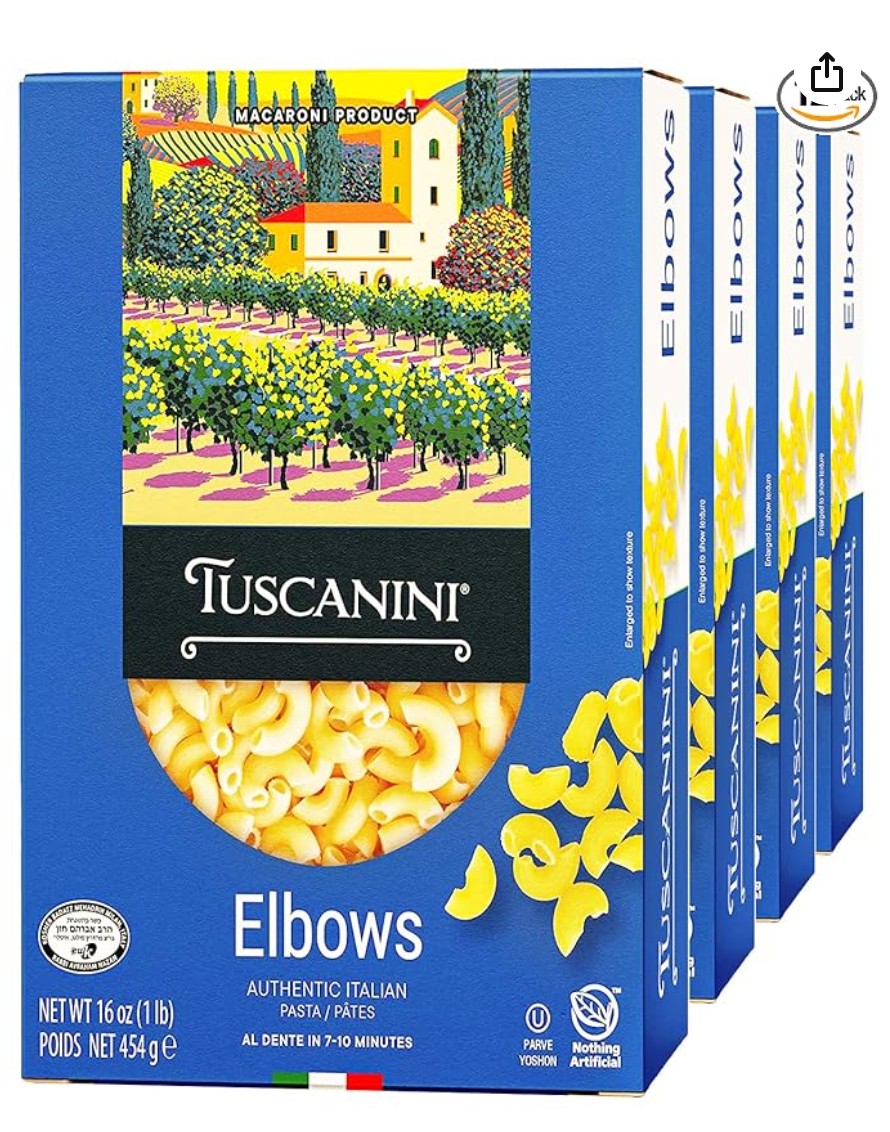
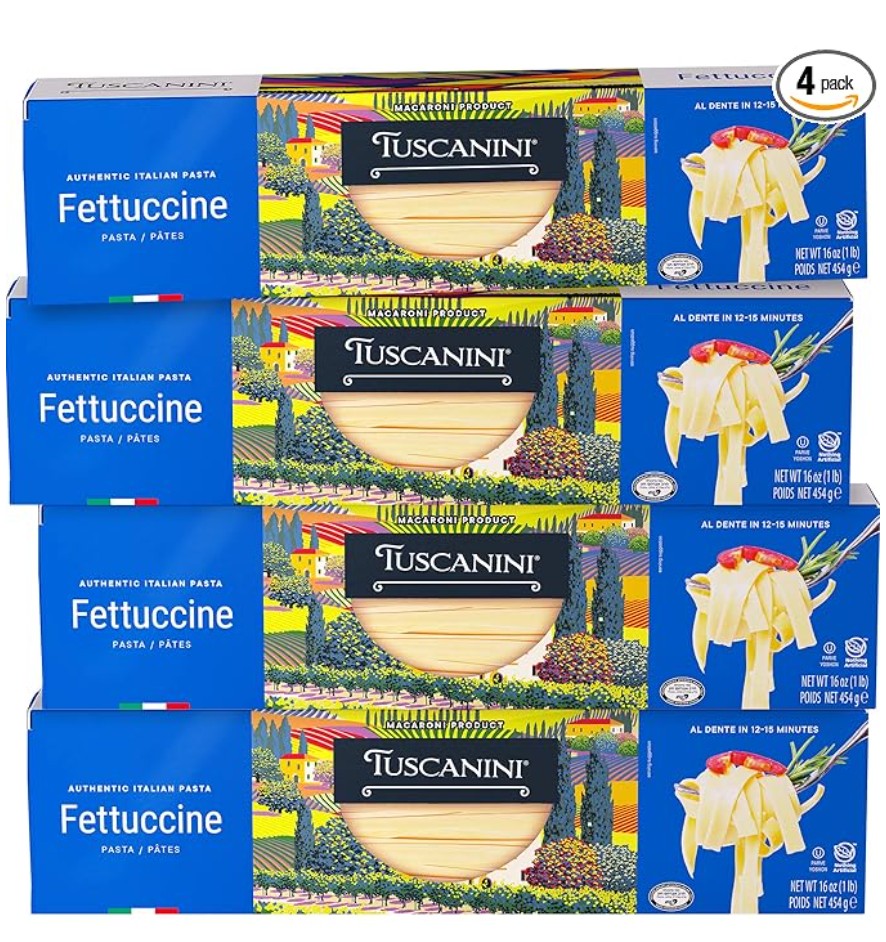
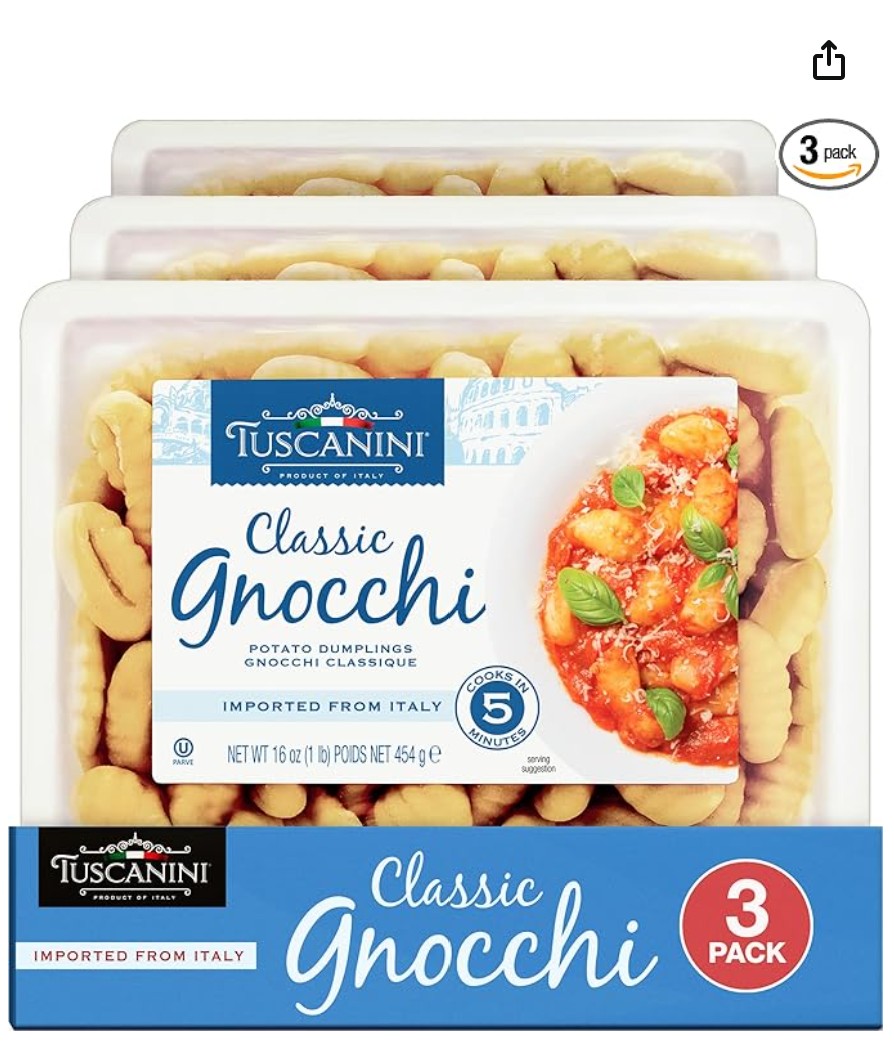
Tuscanini brings a more traditional pantry feel, with elbow macaroni, fettuccine and classic gnocchi in one lineup. Elbows are the obvious choice for homemade mac and cheese, while fettuccine pairs well with cream, tomato or olive oil sauces. Gnocchi is the comfort-food option and the one to read most closely on the label, because recipes vary and some may contain egg or dairy ingredients that change whether a product is pareve or dairy. Together, these three cover a large share of family dinners and Shabbat side dishes, and all three are easy to keep on hand for last-minute meals.
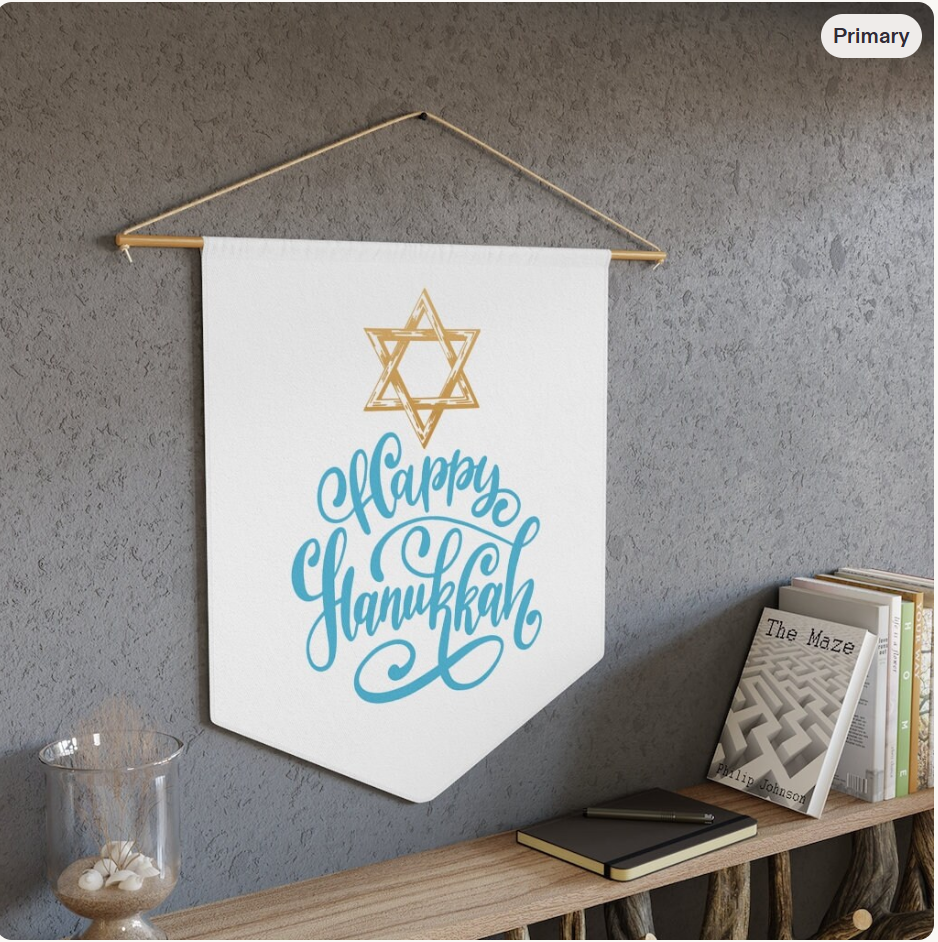
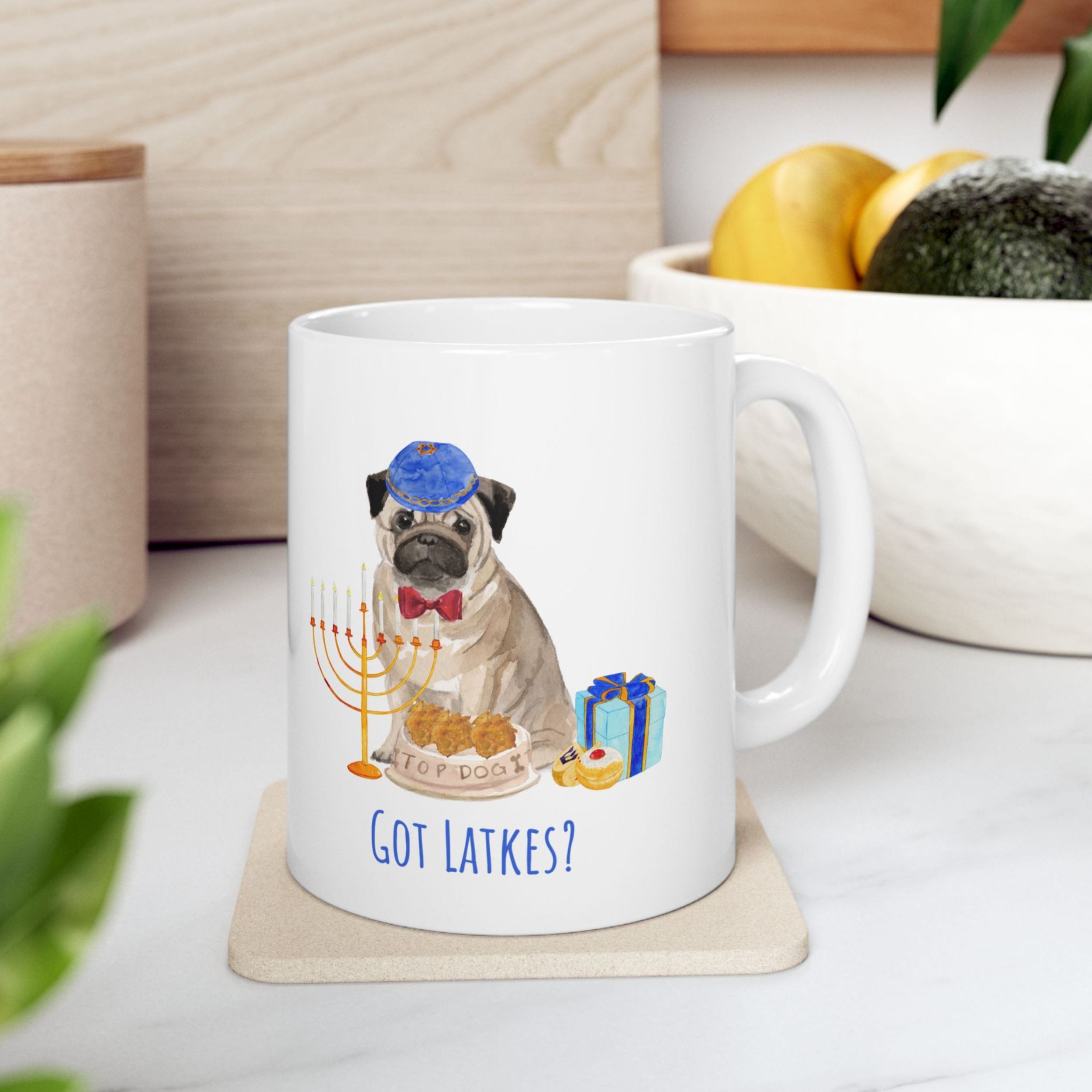
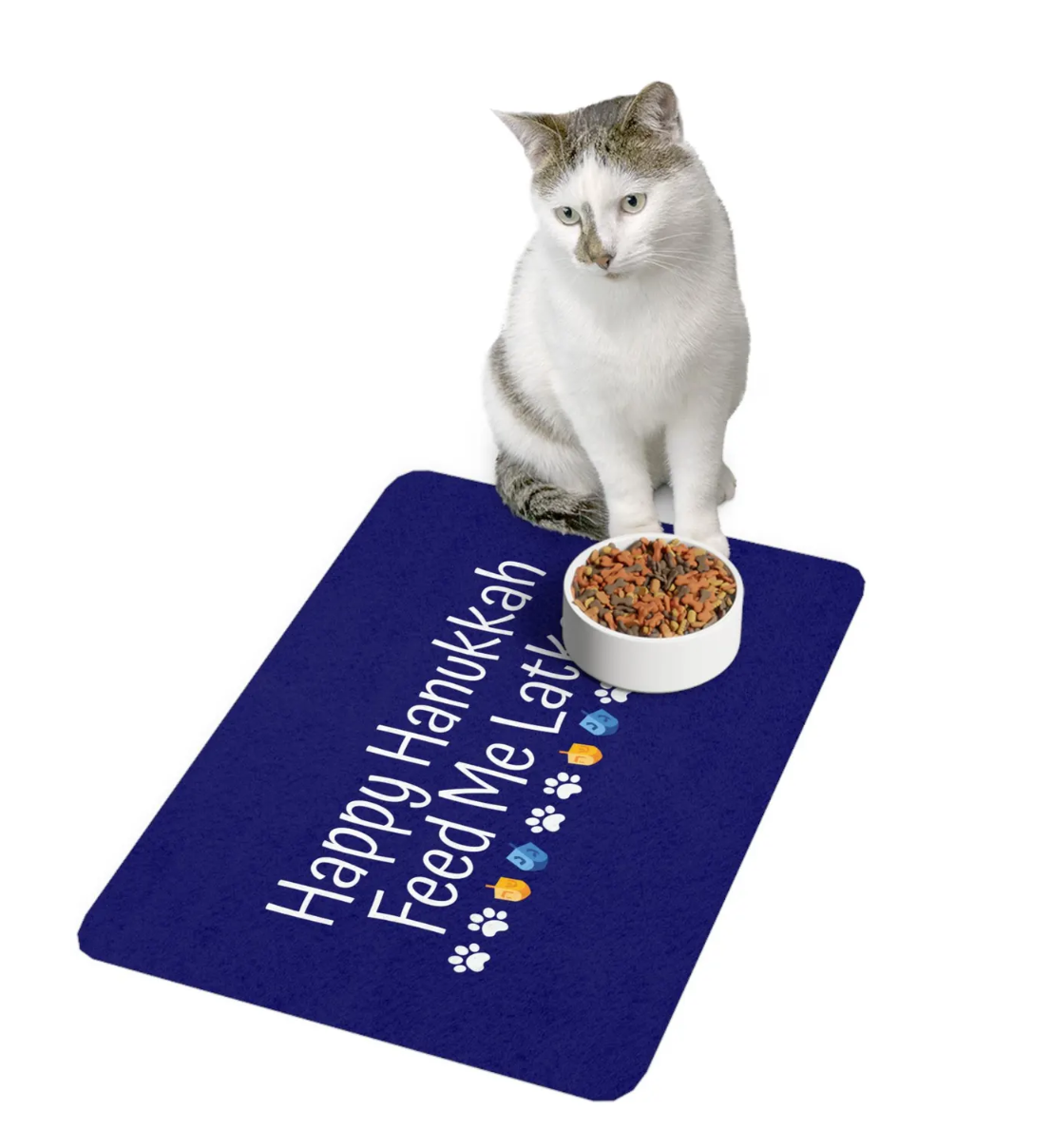
🕎 Our Own Hanukkah Designs
Designed by us and available on Etsy.

🌾 Banza Chickpea Pasta
Chickpea-based pasta, including gluten free options.
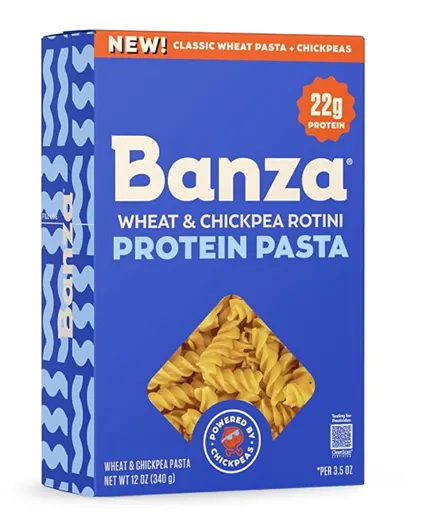
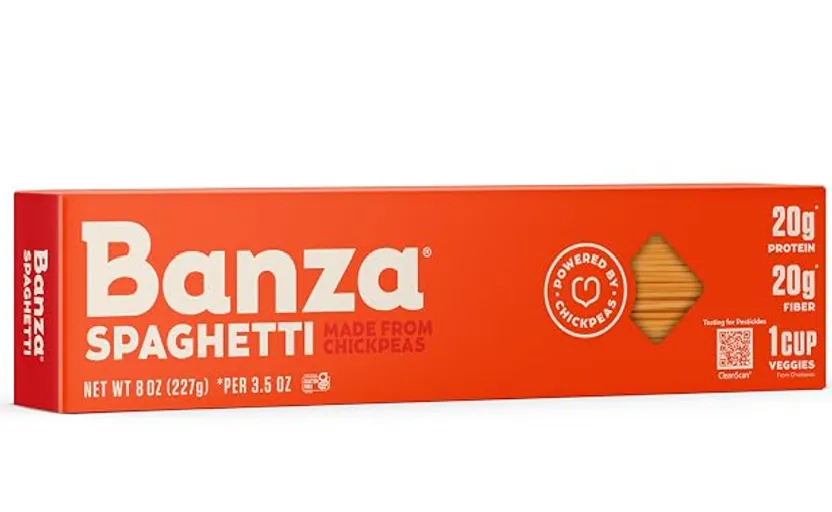
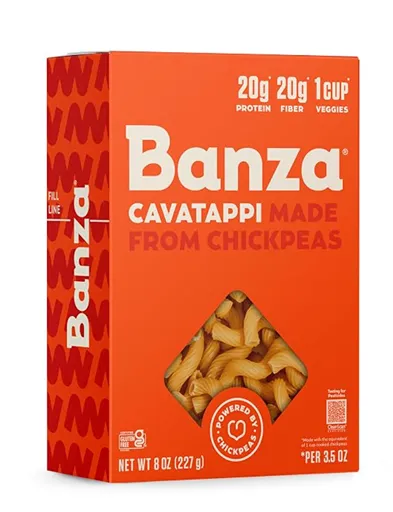
Banza earns a place on this list for shoppers who want a different nutritional profile or a gluten free option on the table. The Spaghetti and Cavatappi are listed as gluten free and made from chickpeas, while the Rotini is made from wheat and chickpeas, so it is not suitable for a gluten free diet. Keep in mind that chickpea pasta is not a Passover shortcut: chickpeas are considered kitniyot, which many Ashkenazi communities avoid during Pesach, and gluten free does not mean kosher for Passover. Our guide on whether chickpeas are kosher for Passover explains the difference.

🔍 What to Look For in Kosher Pasta
A quick label-reading guide before you add to cart.
Check for a reliable kosher symbol
Plain pasta starts with simple ingredients, but kosher certification confirms that the added vitamins, any additives and the production lines have been supervised. Look for a recognized symbol such as the OU, OK, Star-K, Kof-K or CRC on the package, and check it again each time you reorder, because packaging and certification can change.
Know the difference between pareve and dairy
Most plain dry pasta is pareve, so it fits meat and dairy meals alike. Cheese-filled or cream-based products are dairy and are usually marked with a D beside the symbol. Gnocchi and flavored varieties deserve a closer look, since recipes can include egg or dairy ingredients.
Remember that regular pasta is chametz on Passover
Wheat pasta is chametz, so a year-round kosher symbol does not make it suitable for Pesach. Passover noodles need their own Passover certification, and the pasta on this page is not listed as kosher for Passover.
Gluten free is not the same as kosher for Passover
Gluten free pasta made from chickpeas, rice or corn can still raise kitniyot questions, and it needs a Passover symbol to be used on the holiday. If you are unsure, ask your local Kashrut Authority.
Stock your pantry with a mix of shapes
A well-stocked kosher pantry usually holds one everyday short shape such as penne, one long pasta for smooth sauces, and one specialty option for variety. Dry pasta keeps well in a cool, dry cupboard, so buying a few boxes at a time on Amazon is a practical way to be ready for unexpected guests, Friday afternoon cooking and holiday menus. Keeping the original packaging, or at least a photo of the symbol, also makes it easy to double-check certification later.
Plan ahead for make-ahead dishes
Baked pasta dishes and casseroles are popular for Shabbat and Yom Tov because they can be assembled in advance. Cooking the pasta slightly firm helps it hold its texture while it finishes in the oven or on the warming tray, and choosing a sturdy shape such as penne, rotini or cavatappi makes reheating more forgiving.
Match the shape to the dish
Short shapes such as penne and rotini suit baked dishes and pasta salads, long shapes such as fettuccine and spaghetti suit smooth sauces, and elbows remain the classic choice for mac and cheese. Choosing the right shape means fewer wasted boxes and better meals.

❓ Kosher Pasta FAQ
Quick answers to common questions.
Is pasta kosher?
Plain dry pasta is made from simple ingredients such as wheat flour and water, so it is generally a kosher type of food. In practice, buy pasta that carries a reliable kosher symbol on the package. Certification confirms that the ingredients, added vitamins and production lines have been supervised. Filled, flavored and sauced products need the closest attention because they add more ingredients.
What does pareve mean for pasta?
Pareve means a food contains no meat or dairy. Most plain dry pasta is pareve, so it can be served with meat or dairy meals. Egg pasta is usually still pareve, while cheese-filled pasta is dairy. Look for the word pareve on the package, or a D beside the kosher symbol, which indicates dairy.
Is Barilla pasta kosher?
Barilla is one of the best-known pasta brands in the US, and several of its shapes appear in this guide. Kosher status is confirmed by the symbol on the specific package, so check the box you receive, particularly for newer or specialty shapes.
Is Banza chickpea pasta kosher?
Banza is a popular chickpea-based pasta brand and features in this guide. As with any product, confirm the kosher symbol on the package you buy. The Spaghetti and Cavatappi are listed as gluten free, while the Rotini is made from wheat and chickpeas.
Is pasta kosher for Passover?
Regular pasta made from wheat is chametz and is not kosher for Passover, even when it has a year-round kosher symbol. Passover noodles are made differently and need a specific Passover certification. See our guide to kosher for Passover egg noodles for options.
Is gluten free pasta kosher for Passover?
Not automatically. Gluten free pasta can be made from chickpeas, rice or corn, and many Ashkenazi communities avoid kitniyot during Pesach. Gluten free pasta still needs a Passover symbol, so check with your local Kashrut Authority if you are unsure.
Can I cook kosher pasta in any pot?
Pareve pasta can be served with meat or dairy sauces, but the pot it is cooked in matters. In a kosher kitchen, cookware is generally kept separate for meat, dairy and pareve use, so pasta cooked in a dairy pot is treated as dairy. Read more in our guide to keeping a kosher kitchen.
What is the difference between kosher pasta and kosher noodles?
In everyday use, pasta usually means Italian-style shapes such as penne and spaghetti, while noodles often include egg noodles and Asian-style varieties. Both depend on kosher certification. For more choices, see the best kosher noodles on Amazon.
The Kosher Hub is not a Kosher Authority. For any advice please refer to your local Kashrut Authority.
As an Amazon Affiliate we earn from qualifying purchases.

Understanding Our Kosher Certifications
The Kosher Hub references products certified by recognized kosher authorities, including OU, OK, Star-K, Kof-K, and CRC. Certification symbols and status can change, so always confirm the current kosher status directly on the product packaging or via the certifying agency's own listings before purchasing.