Finding the best kosher spices on Amazon is less simple than it looks. A jar of pepper or cinnamon seems like the most natural kosher product in the pantry, yet ground spices can contain anti-caking agents, flavourings and shared processing equipment, which is why a reliable kosher symbol on the label still matters. We have gathered the best kosher spices on Amazon into one guide so you can stock your kitchen with confidence, from everyday black pepper and paprika to warm baking spices, dried herbs, garlic powder and ready-made seasonings.
Each section below explains what the products are best for and the kosher points worth knowing, so you can choose the right jar for Shabbat cooking, holiday baking or midweek meals. Prices and sizes change often on Amazon, so use the buttons to check current options before you buy.
🌶️ Black Pepper and Paprika
Two everyday spices every kosher kitchen needs.
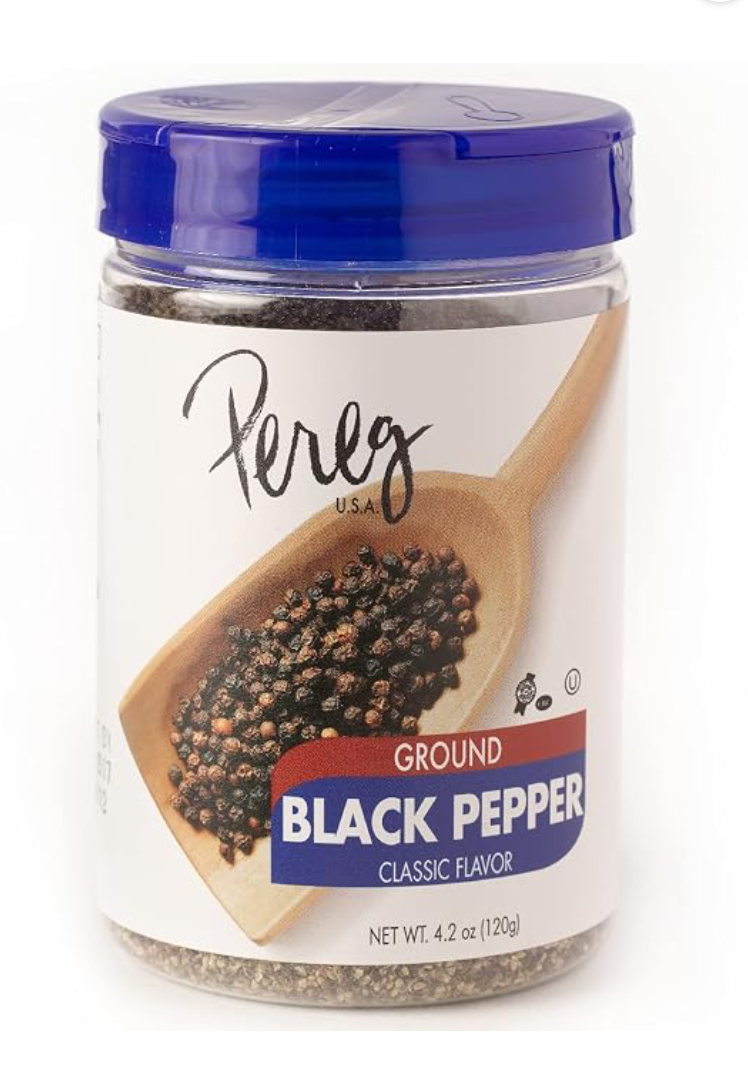
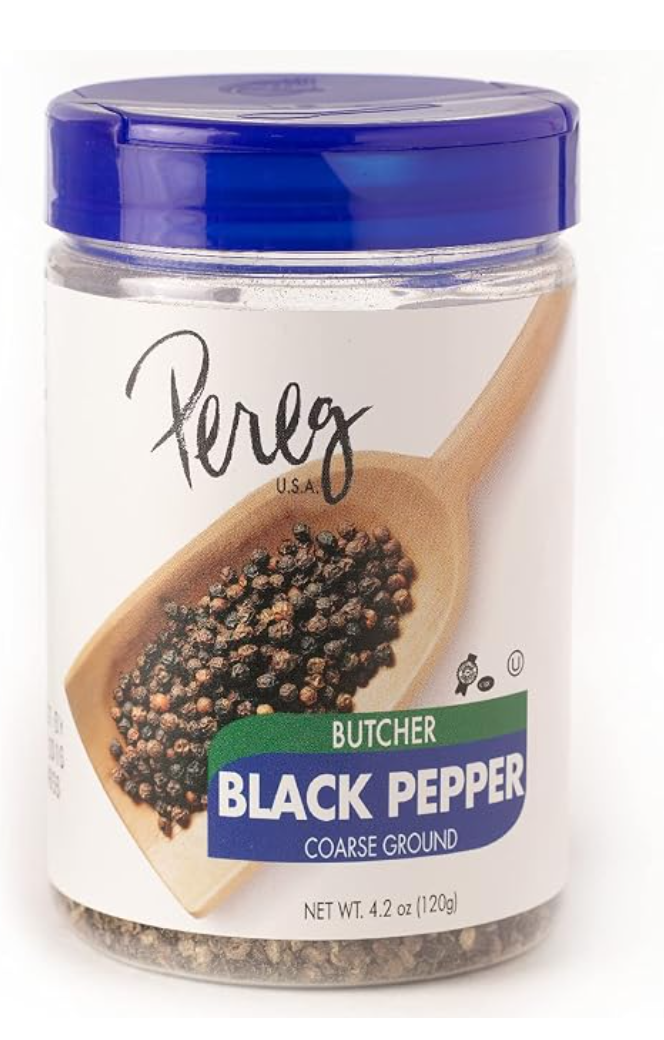
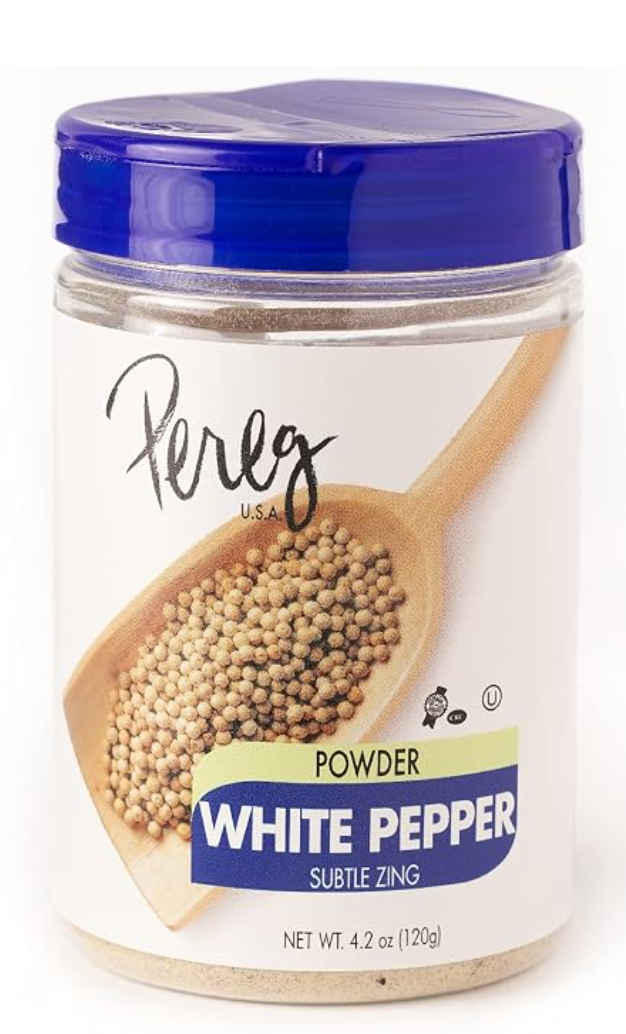
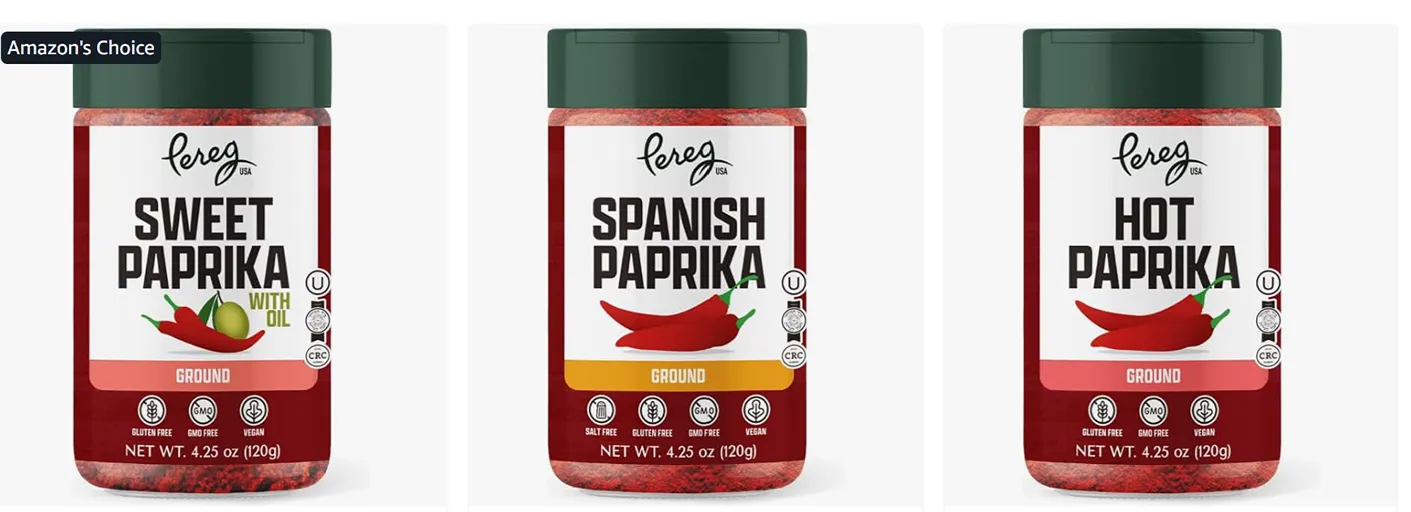
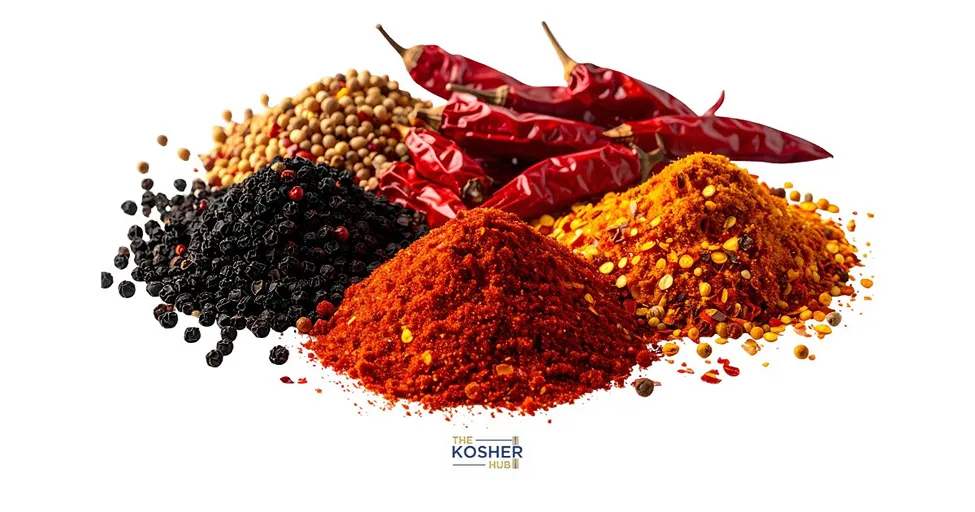
Black pepper and paprika are the two spices most kosher kitchens reach for every week, so they open our guide. Pereg’s ground black pepper is a dependable everyday jar for seasoning meat, soup, eggs and salads. The paprika collection above is grouped together so you can compare the Pereg range in one place instead of scrolling through near-identical listings. Paprika is the backbone of Shabbat staples such as chicken, goulash and roasted potatoes, and a good jar adds colour as well as flavour. Both are naturally pareve, but as ground spices they are best bought with a visible kosher symbol, because grinding and packing is where additives and shared equipment can come in.
🍂 Baking and Warm Spices
Cinnamon, ginger, cloves, nutmeg and pumpkin pie spice.
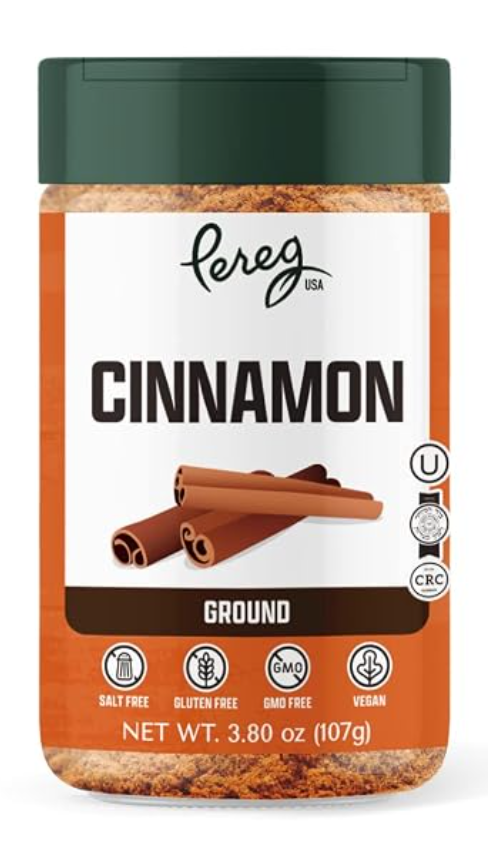
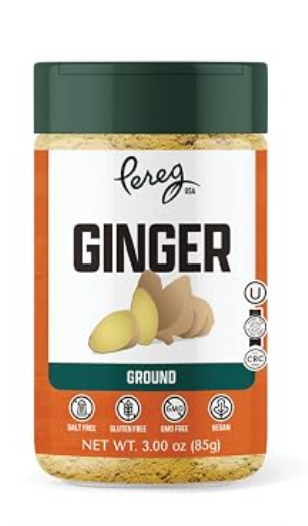
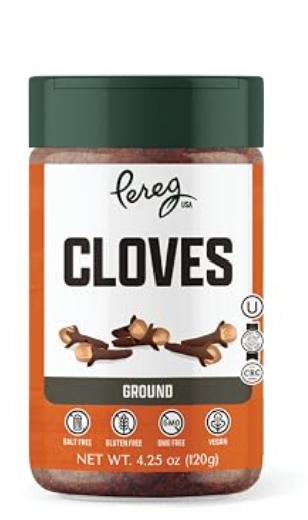
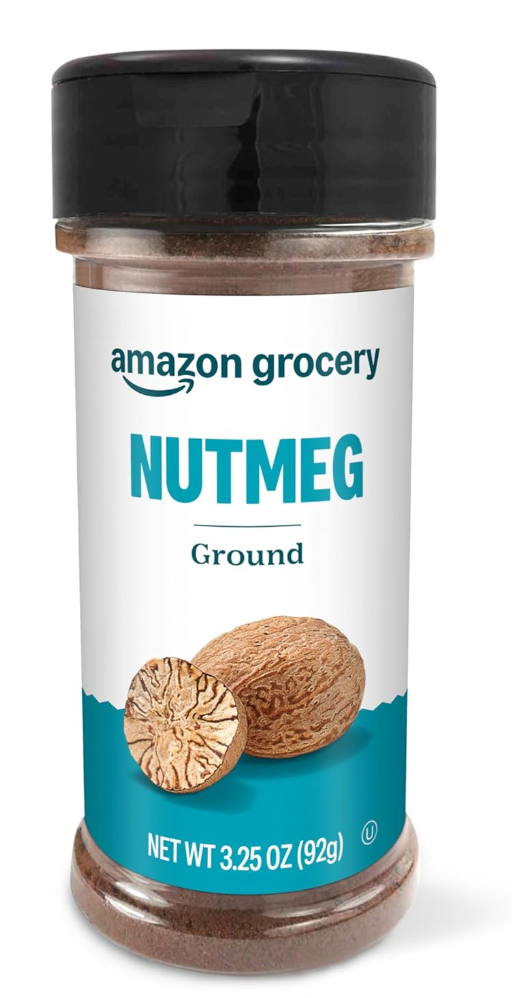
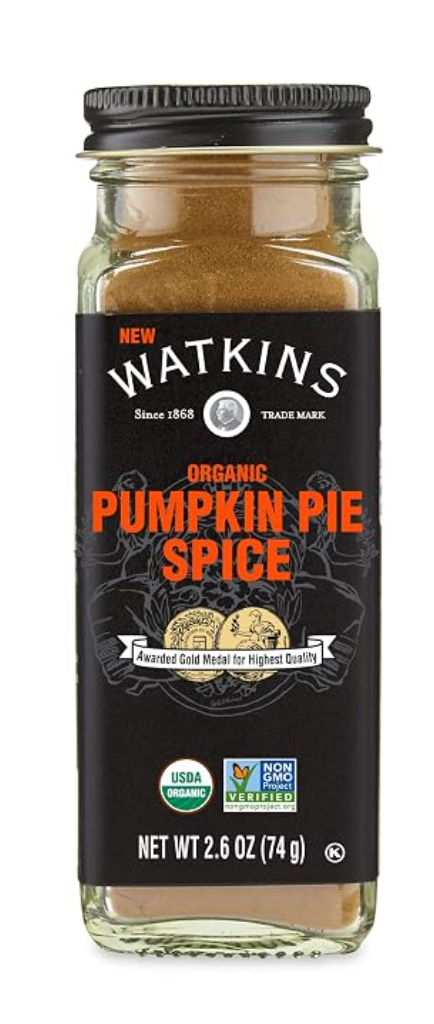
Cinnamon, ginger, cloves and nutmeg are the warm spices behind honey cake, apple cake, kugel and gingerbread, and they appear in countless Rosh Hashanah and Hanukkah bakes. We chose single-spice jars from Pereg so you can build your own blends, plus Amazon Grocery nutmeg and Watkins organic pumpkin pie spice for a ready-made mix. Plain spices are pareve, which means they work equally well in dairy and meat-meal baking. If you are baking for Passover, see our guide to kosher for Passover spices, because ground spices carry extra considerations during the holiday.
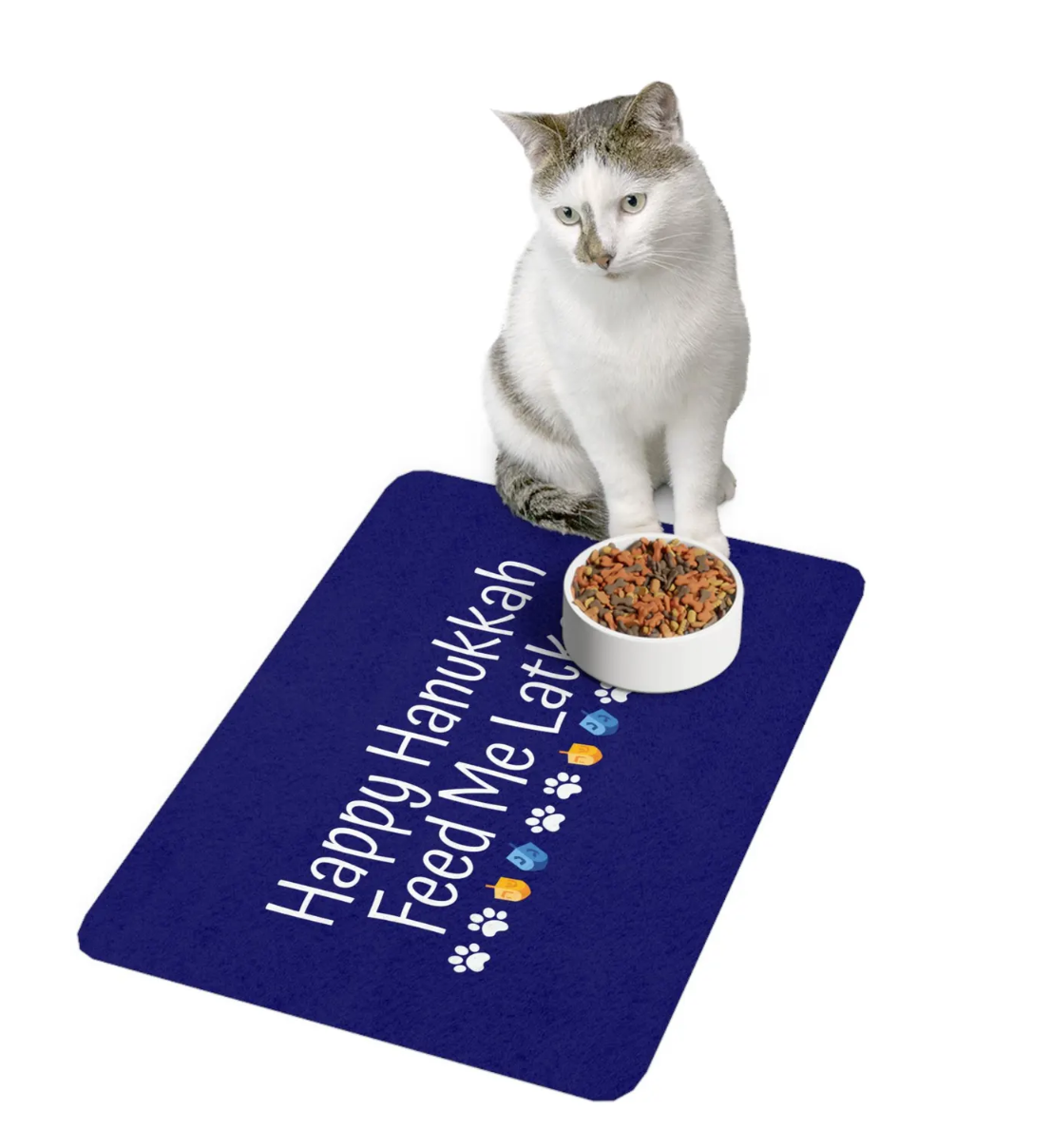
🕎 Our Own Hanukkah Designs
Designed by us and available on Etsy.



🌿 Dried Herbs
Basil, cilantro and oregano for soups, sauces and marinades.
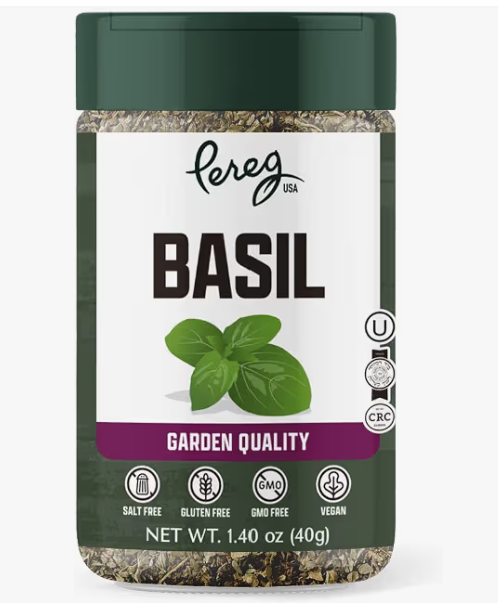
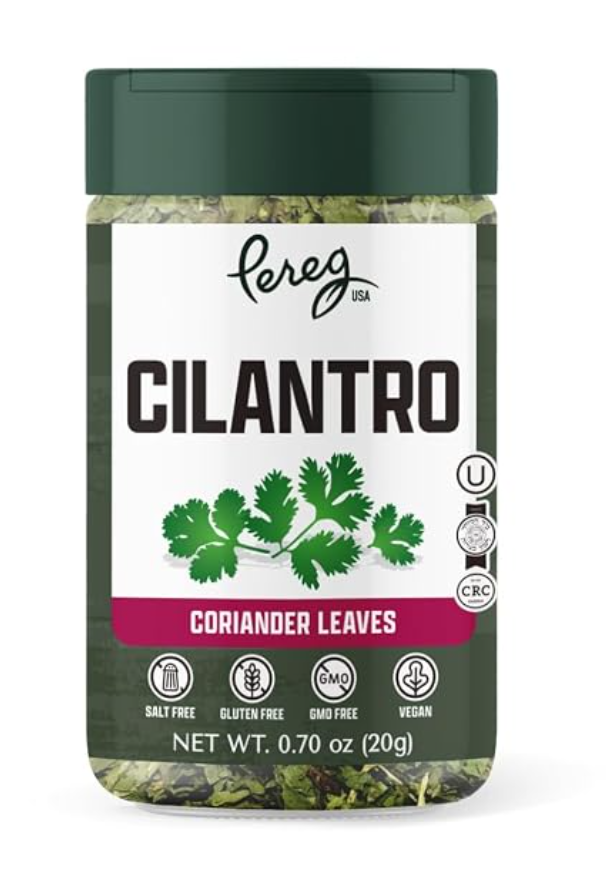
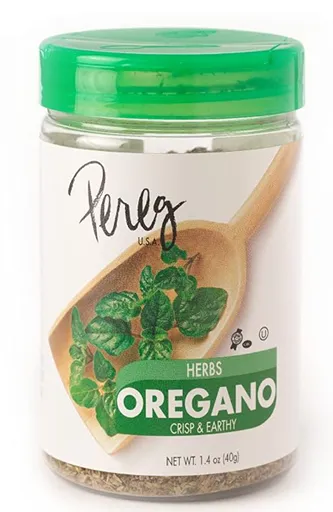
Dried basil, cilantro (coriander leaf) and oregano lift soups, sauces, marinades and roasted vegetables. Pereg’s basil and cilantro are listed as Kosher for Passover, which makes them useful for holiday cooking when other herb jars are not suitable. Leafy herbs are one area where kashrut and care overlap, because dried leaves can sometimes hold tiny insects, so ask your local Kashrut Authority how to check them. Kosher for Passover status should be reconfirmed each year. Packaging and certification can change, so check your local Kashrut Authority’s current Passover guide before relying on this for Pesach.
🧄 Garlic Powder
A pantry staple for rubs, marinades and roasts.
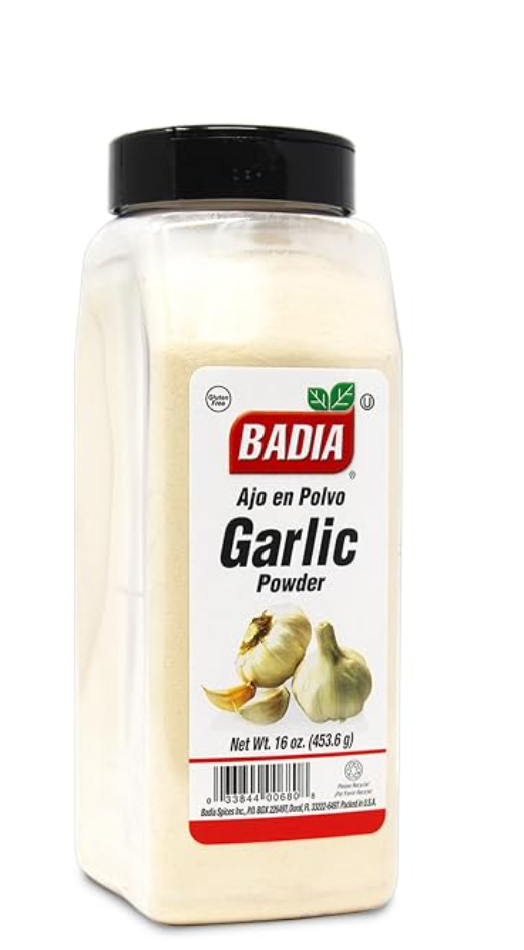
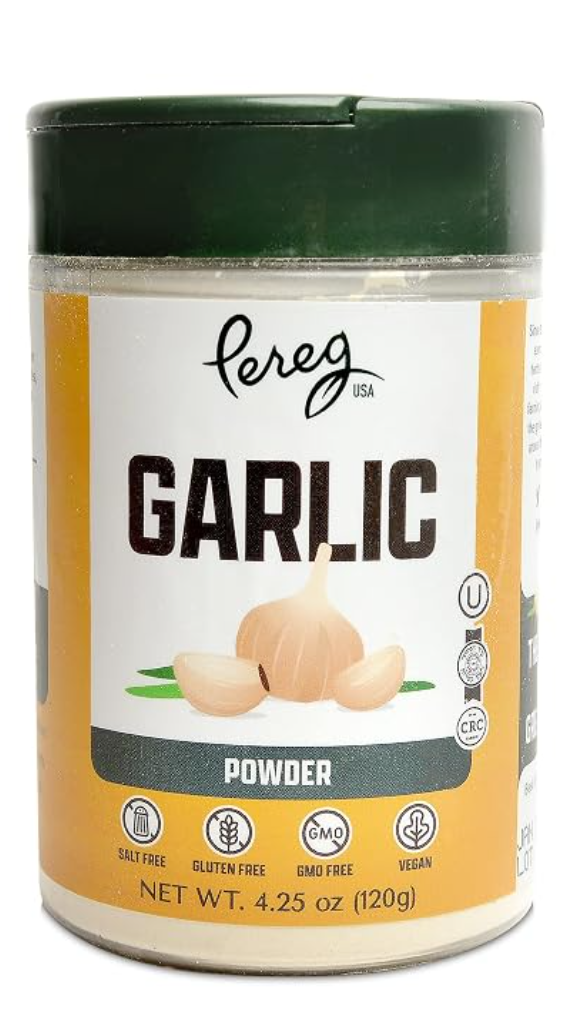
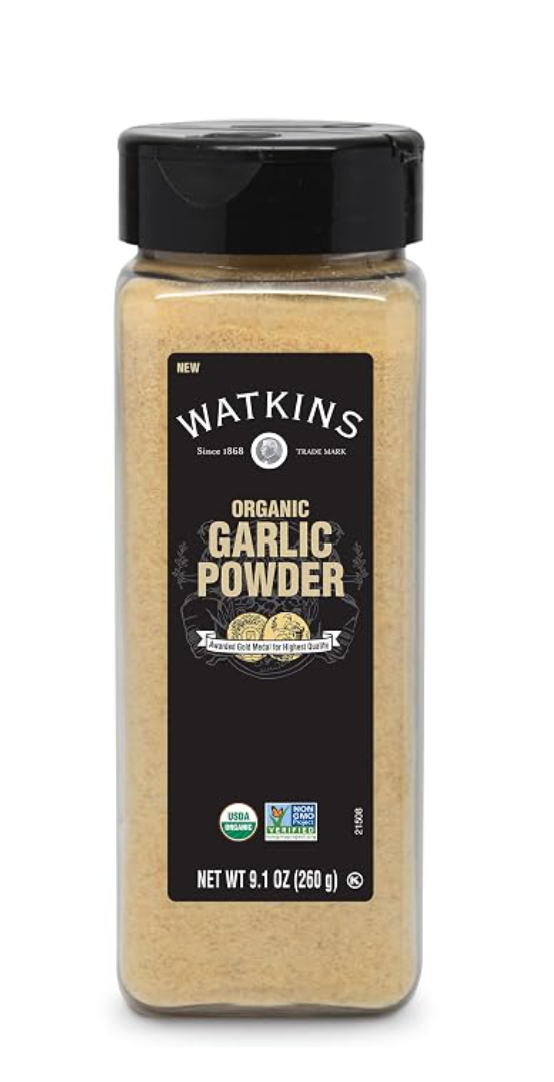
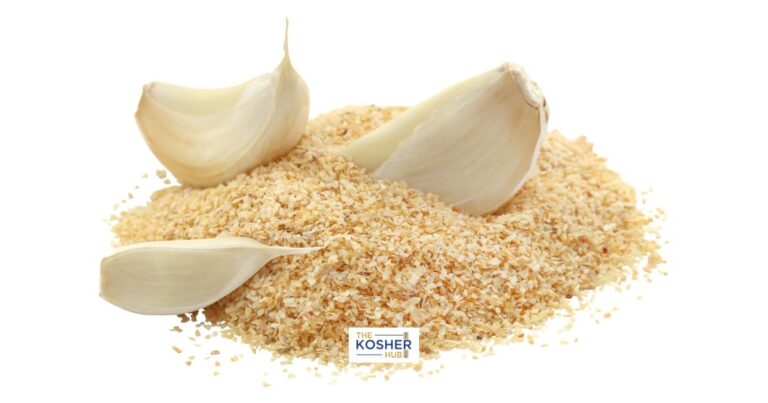
Garlic powder earns its own section because it goes into almost everything, from rubs and marinades to roasted chicken and potato kugel. Here are three options: Badia, Pereg’s fine dried powder and Watkins’ organic version. For the full comparison, including McCormick Culinary and Amazon Grocery, see our most popular kosher garlic powder on Amazon guide. Look for a kosher symbol and check the ingredients list, since some powders add anti-caking agents.
🥄 Spice Blends and Seasonings
Ready-made flavour in one shake.
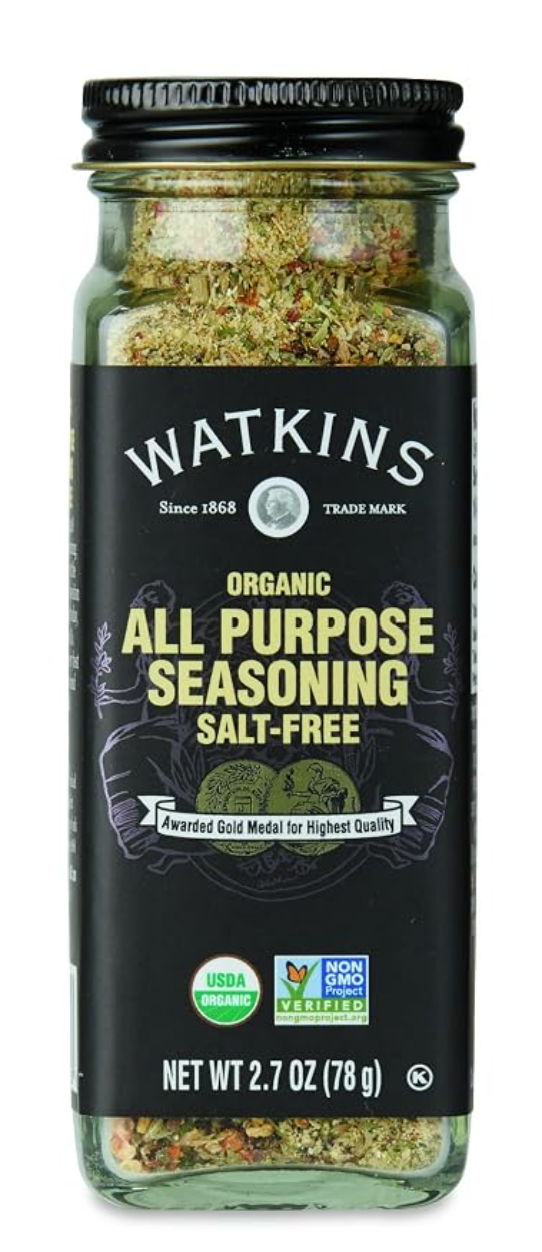
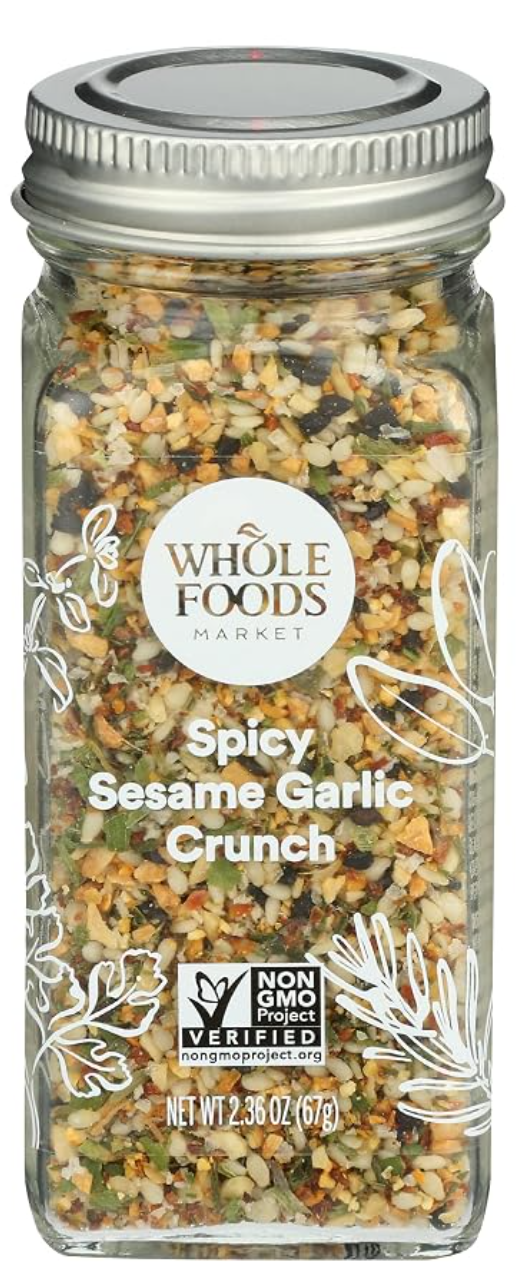
Ready-made blends save time and add depth in a single shake, and they suit rubs, roasted vegetables and everyday cooking. Blends carry more kosher variables than single spices, because every added ingredient, from flavourings to oils, needs to be acceptable, so a clear kosher symbol on the label matters even more here. If you also want finishing salts, flavoured salts and grinders, our best kosher salt guide covers them in detail.

🔍 What to Look For When Buying Kosher Spices
Simple checks that protect your kitchen.
Look for a reliable kosher symbol. Spices seem simple, but grinding, blending and packing introduce variables. Check the symbol on the packaging itself rather than relying on the listing photo alone.
Read the ingredients list. The best choice is a single ingredient. Watch for anti-caking agents, added flavourings and oils, especially in blends and garlic powder.
Check for a dairy marking. Single spices are pareve, but some blends contain dairy-derived ingredients and carry a D or similar mark.
Prefer whole spices where you can. Whole peppercorns and sticks are easier to verify than ground spices, and you can grind them fresh.
Treat Passover separately. Ground spices are not automatically Kosher for Passover. Look for a Passover certification and check your local Kashrut Authority’s current Passover guide each year.
Check leafy herbs for insects. Dried basil, oregano and cilantro can be a concern in kashrut. Follow your local Kashrut Authority’s guidance.
Check the label on delivery. Packaging and certification can change, so confirm the symbol on the jar you receive.

❓ Frequently Asked Questions
Quick answers about kosher spices.
Are all spices kosher?
Most pure spices come from plants and are kosher by nature. Processing, anti-caking agents, added flavourings and shared equipment can change that, so certified products are the safer choice.
Do spices need kosher certification?
Many authorities recommend certified spices, especially for ground spices and blends. Ask your local Kashrut Authority for guidance that fits your community.
Are spices pareve?
Single spices are pareve. Some blends contain dairy-derived ingredients, so read the label and look for a dairy marking.
Are ground spices Kosher for Passover?
Not automatically. Look for a Passover certification and check your local Kashrut Authority’s current Passover guide, since status can change each year.
Is paprika kosher?
Pure paprika is made from dried peppers and is kosher by nature. As a ground spice it is best bought with a kosher symbol on the packaging.
Is black pepper kosher?
Whole peppercorns are simple to verify. Ground black pepper is best bought with a kosher symbol, because processing and packing add variables.
Do dried herbs need to be checked for insects?
Leafy dried herbs such as basil, oregano and cilantro can be a concern in kashrut. Follow your local Kashrut Authority’s guidance on checking them.
What is the difference between pumpkin pie spice and cinnamon?
Cinnamon is a single spice. Pumpkin pie spice is a blend that usually combines cinnamon with ginger, nutmeg and cloves.
The Kosher Hub is not a Kosher Authority. For any advice please refer to your local Kashrut Authority.
As an Amazon Affiliate we earn from qualifying purchases.