
Stocking a kosher for Passover spice rack takes more than checking whether the jar says "kosher" on the label — ground spices are one of the categories most likely to be processed on shared equipment, which means certification really matters. Below you'll find Pereg's Passover-certified herbs, seasoning blends, and peppers, organized so you can build out your Pesach kitchen without second-guessing a single jar. Every product listed here carries verified kosher-for-Passover certification; nothing is included on the strength of a "kosher" label alone.
🌿 Kosher for Passover Herbs
Pereg's dried herbs and herb blends, Pesach-certified.
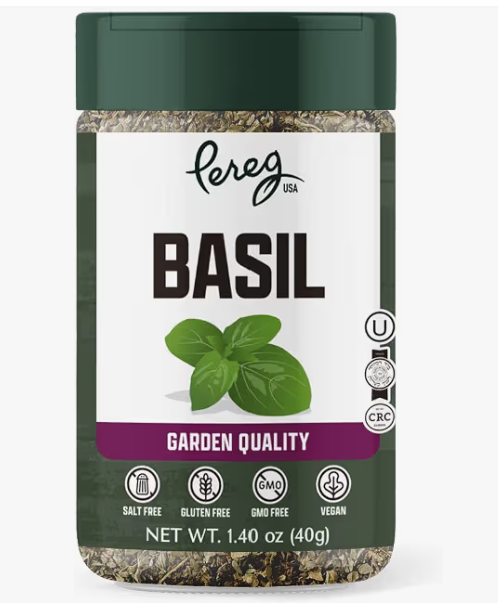
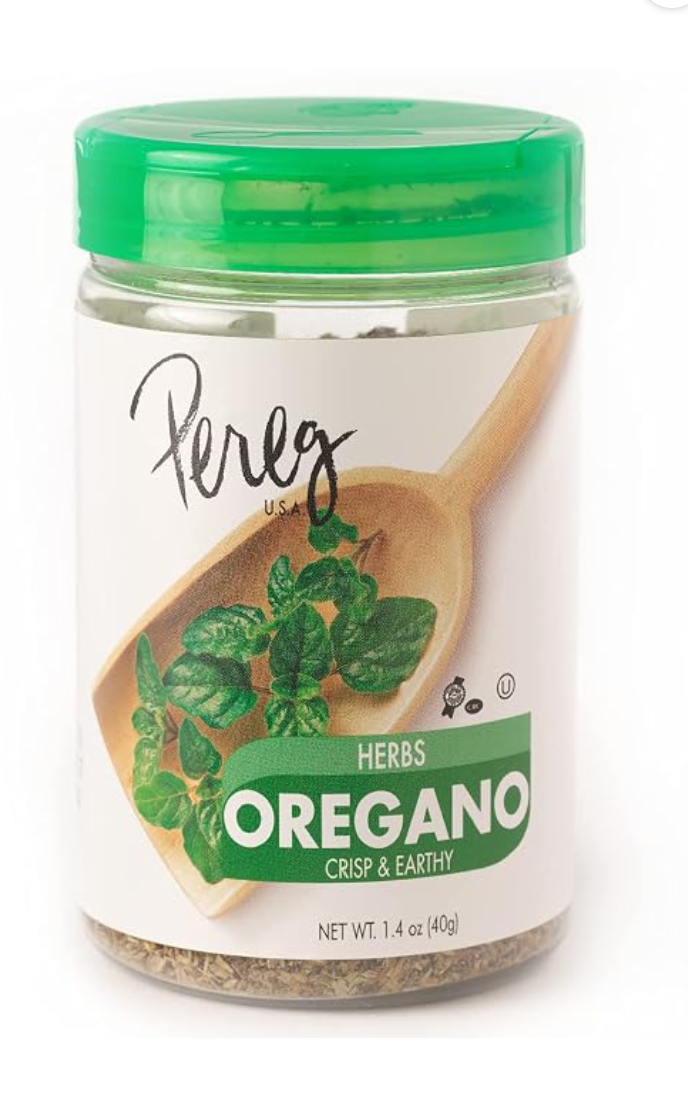
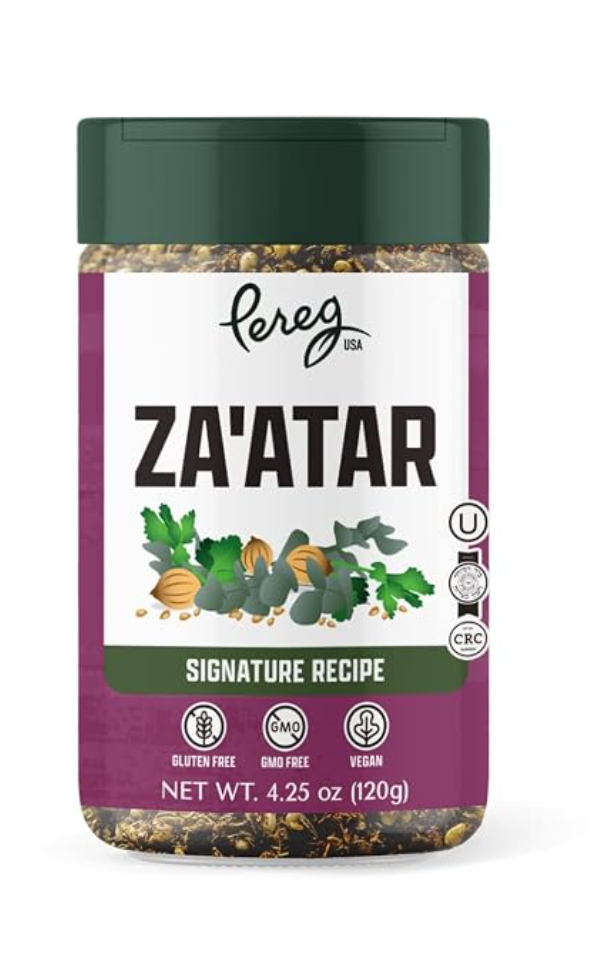
Dried herbs are pantry basics for Pesach cooking — basil and oregano carry through soups, roasted vegetables, and matzah-crust dishes, while za'atar brings the classic herb-and-sesame flavor to eggs, fish, or a dip for matzah. Because these are dried, single-ingredient (or simply-blended) herbs processed under supervision, they carry the OU symbol and are kosher for Passover without further additives. All three are pareve.
🧂 Kosher for Passover Spices & Seasoning Blends
Pereg's signature seasoning rubs and ground spices for Pesach.
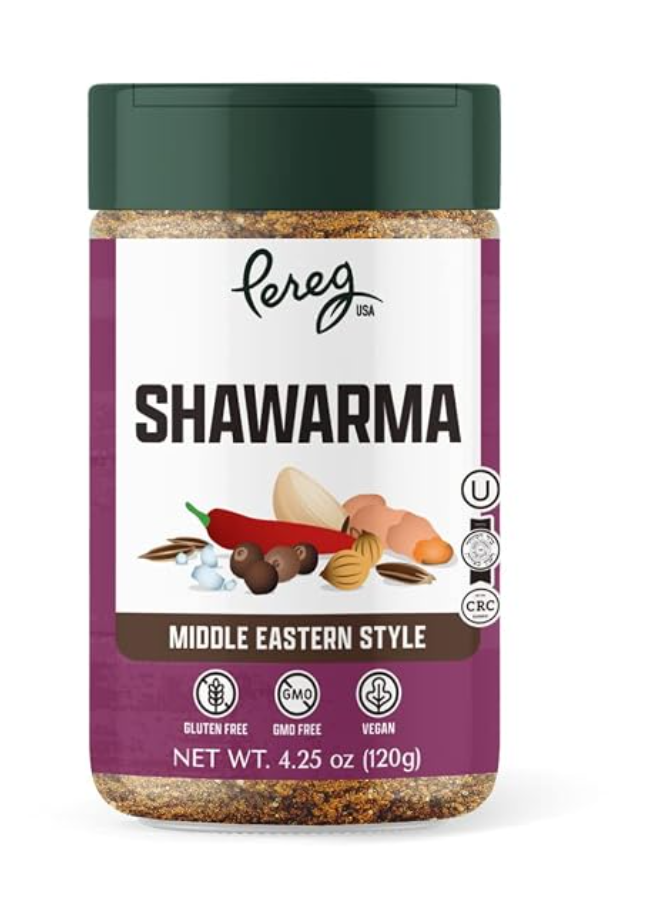


Pre-blended seasonings like shawarma spice and grilled chicken rub save real time during Pesach cooking, when the kitchen is already stretched between Seder prep and daily meals — but blends are exactly where certification matters most, since anti-caking agents and processing lines are the usual source of chametz or kitniyot concerns. Turmeric, sold plain and single-ingredient, is a staple for coloring rice, chicken, and vegetable dishes. All three carry the OU symbol and are pareve.
🌶️ Kosher for Passover Pepper
Ground black and white pepper, Pesach-certified.
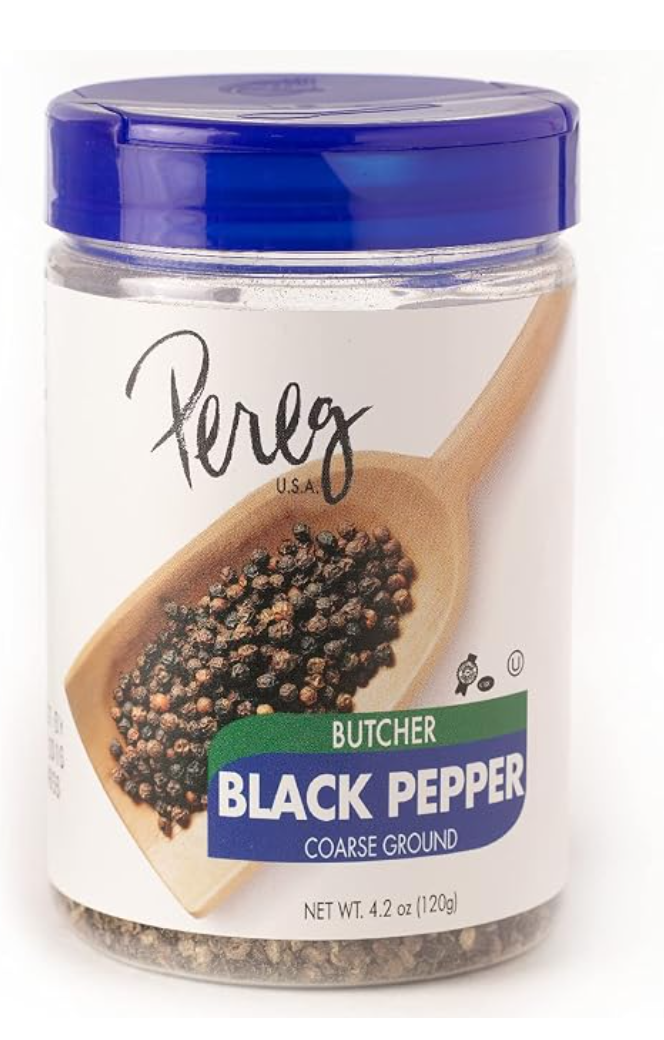
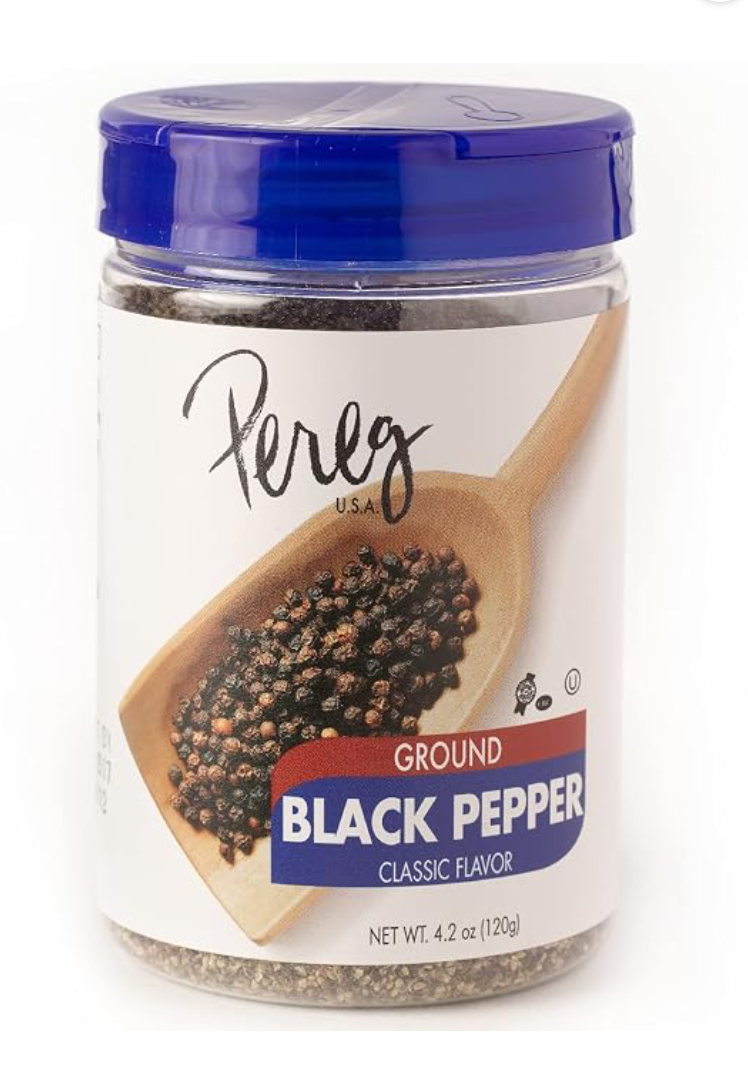
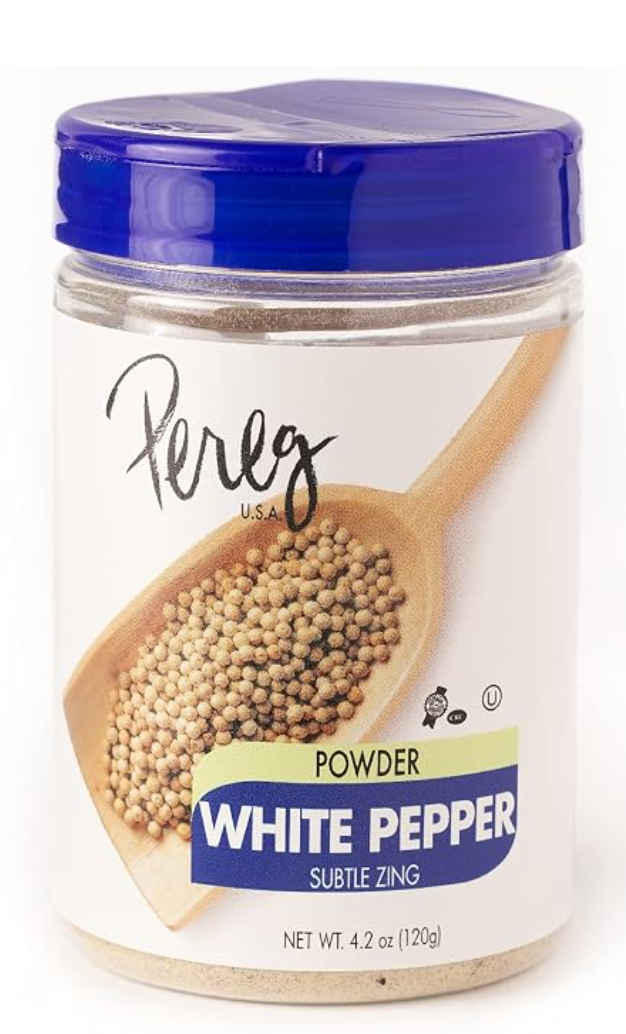
Ground pepper is one of the easiest spices to overlook when Pesach-proofing a kitchen, since the year-round tin on the counter is rarely certified for the holiday. Pereg's ground black and white pepper are supervised specifically for Passover use, so they can go straight into Seder dishes and everyday cooking alike. Both are pareve and carry the OU symbol.

What to Look For in Kosher for Passover Spices
Single-ingredient dried herbs and whole spices are generally lower-risk, but the moment a spice is ground, blended, or turned into a seasoning rub, it runs through shared processing equipment — which is exactly where chametz or kitniyot can be introduced through anti-caking agents, flow agents, or cross-contact with other products. That's why the OU symbol on the package matters more than the ingredient list alone: it confirms the specific run was supervised for Passover, not just that the ingredients sound simple.
Kosher-for-Passover approval is reissued every year, so packaging, formulations, and even which products make the list can change from one Pesach to the next. Always check the current year's guide from your certifying agency before you shop, rather than relying on last year's memory of a product.

Frequently Asked Questions
Are all spices automatically kosher for Passover?
No. Ground and blended spices are processed on shared equipment and can pick up anti-caking agents or cross-contact from chametz or kitniyot products, so specific Passover supervision is needed — a plain "kosher" label isn't enough on its own.
What does the OU symbol on Pereg spices mean for Passover?
It confirms that the specific product and production run were supervised and approved for Passover use by the Orthodox Union, one of the leading kosher certification agencies.
Do I need to check certification every year, even for the same product?
Yes. Kosher-for-Passover approval is reissued annually, and formulations or processing lines can change year to year, so it's worth confirming against the current year's guide before Pesach rather than relying on a past purchase.
Are seasoning blends riskier than single-ingredient spices?
Generally yes — blends combine multiple ingredients and are more likely to include flow agents or fillers, which is why specific Passover certification on the blend itself matters more than checking each individual spice.
Is black pepper kitniyot?
No, black and white pepper are not kitniyot. The concern for Passover is processing and cross-contact, not the pepper itself, which is why Passover-supervised packaging is still recommended.
Can I use my regular year-round spices during Passover?
Not unless they carry current-year Passover certification. Even simple-sounding spices should be swapped out for Passover-supervised versions for the duration of the holiday.
Are these spices pareve?
Yes, all the herbs, spices, and peppers featured on this page are pareve.
The Kosher Hub is not a Kosher Authority. For any advice please refer to your local Kashrut Authority.
As an Amazon Affiliate we earn from qualifying purchases.











Understanding Our Kosher Certifications
The Kosher Hub references products certified by recognized kosher authorities, including OU, OK, Star-K, Kof-K, and CRC. Certification symbols and status can change, so always confirm the current kosher status directly on the product packaging or via the certifying agency's own listings before purchasing.