
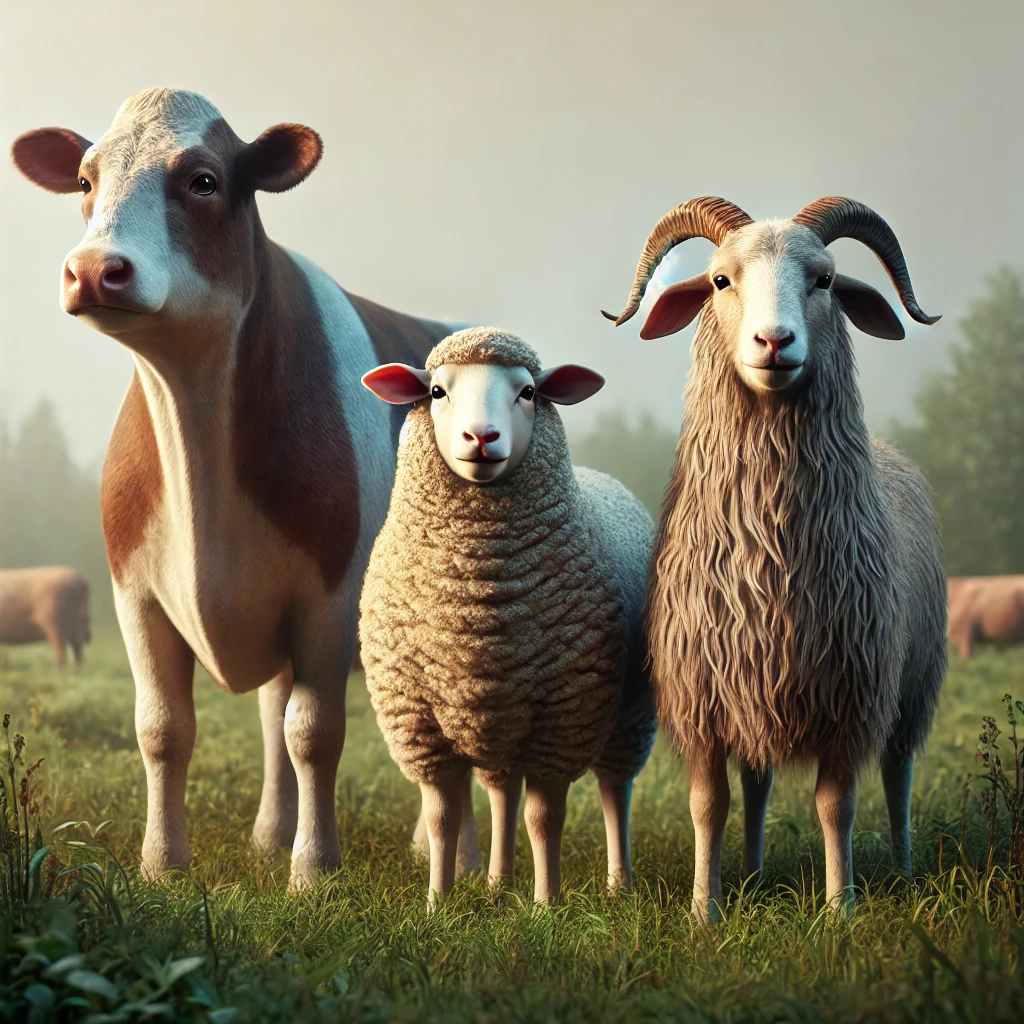
Understanding which animals are kosher is one of the clearest ways to understand the basics of Jewish dietary law. The Torah sets out specific, checkable signs for land animals, fish and birds — and once you know the signs, you can identify a kosher animal on sight. This guide gives you the complete, easy-to-scan breakdown: which land animals, fish and birds are kosher and which are not, what makes each one kosher or not, and where to find genuinely kosher-certified fish and pantry staples if you're stocking a kosher kitchen.
🐄 What Makes a Land Animal Kosher?
Two signs, both required.
For a land animal to be kosher, it must meet both of two conditions: it must chew its cud (a ruminant that re-digests its food), and it must have fully split hooves. An animal that meets only one of these signs — like a pig, which has split hooves but does not chew its cud — is not kosher. Even when an animal is one of the kosher species, the meat itself is only kosher if the animal is slaughtered (shechita) and prepared according to Jewish law.
🐟 Kosher Fish You Can Buy Today
Salmon and herring — kosher-kitchen-ready staples.
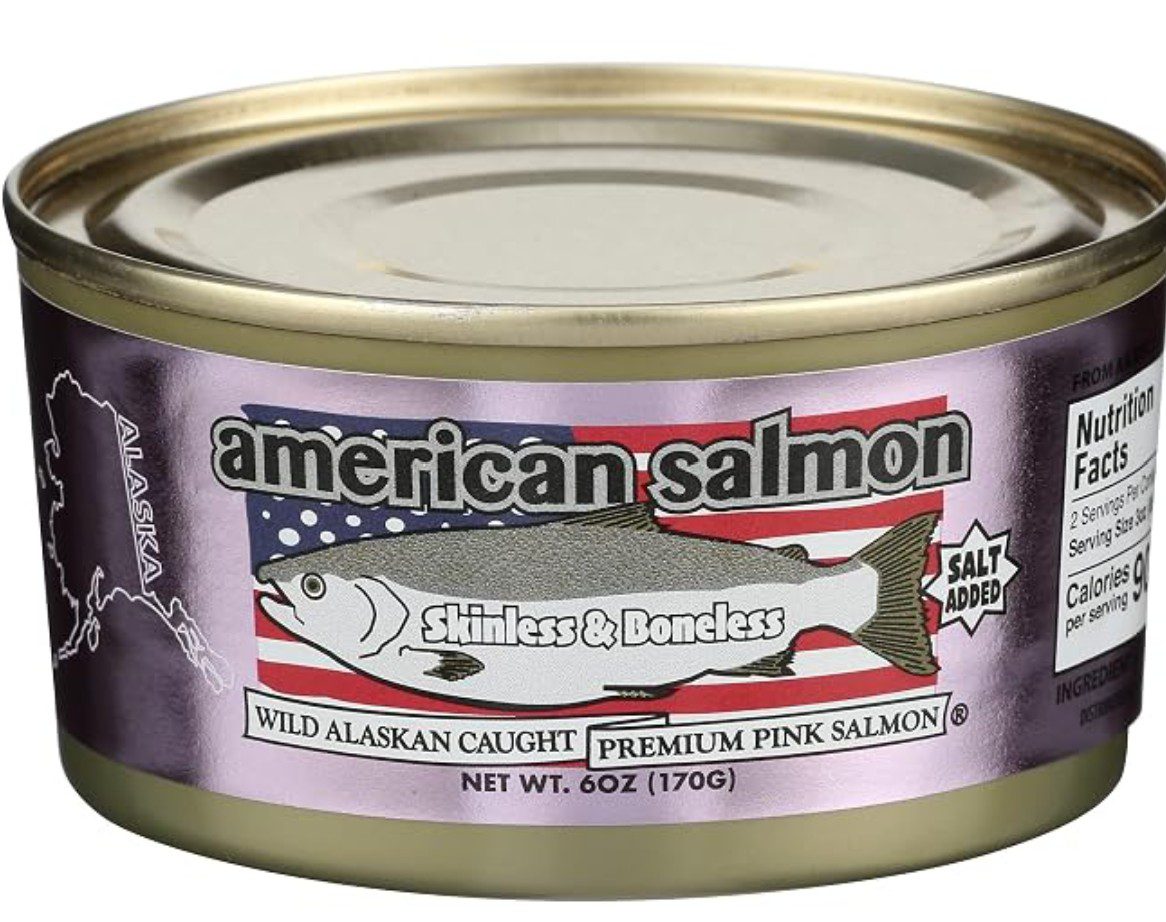
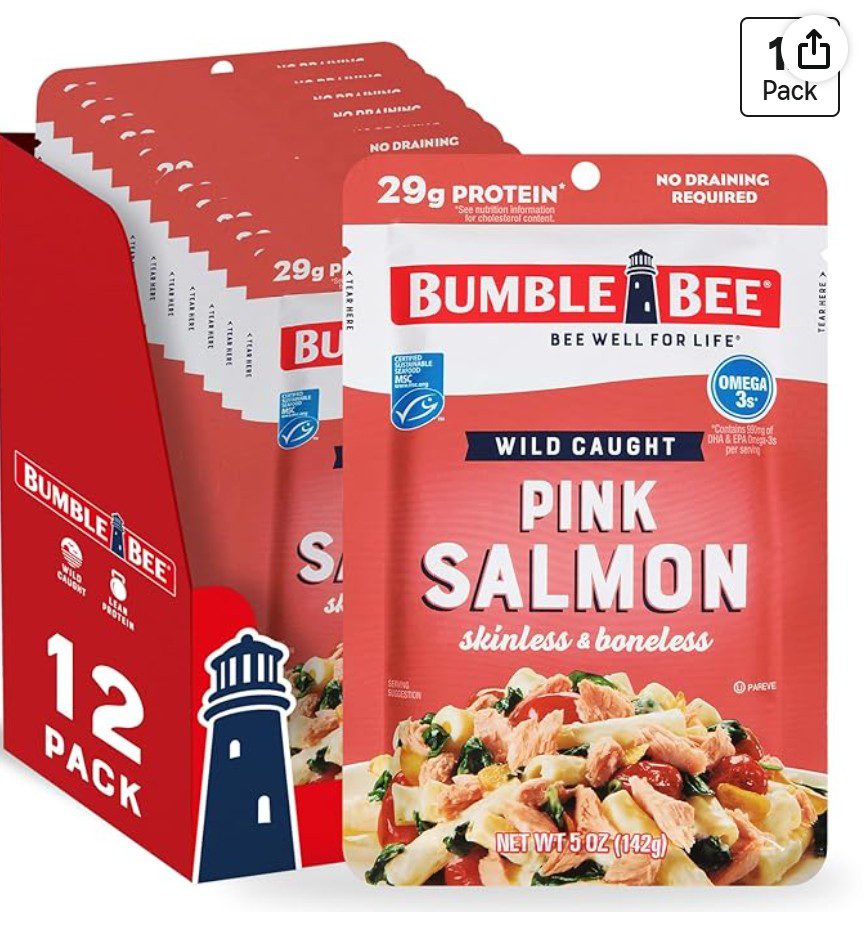
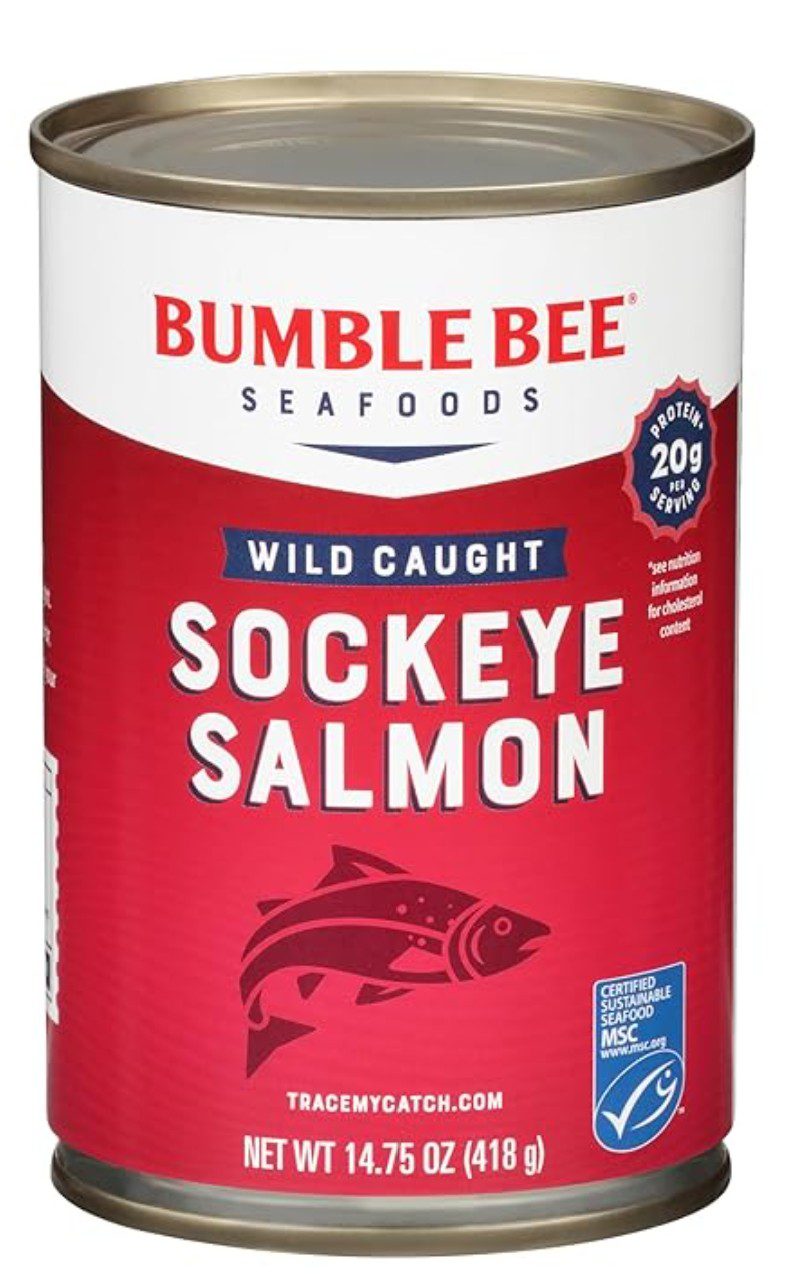
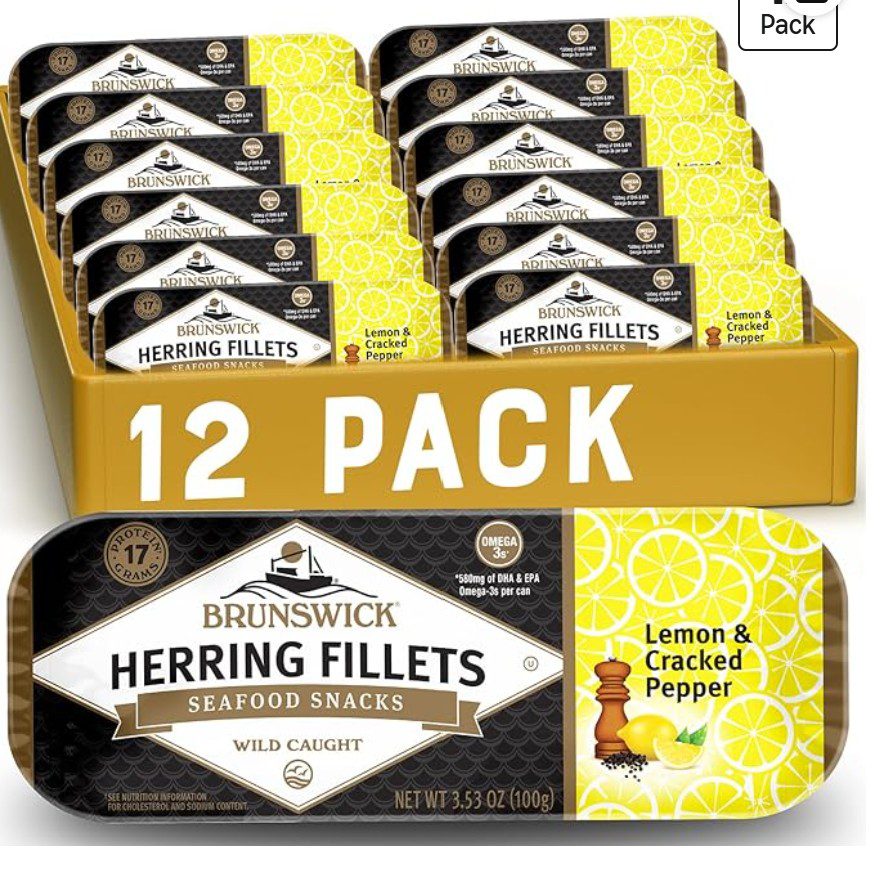
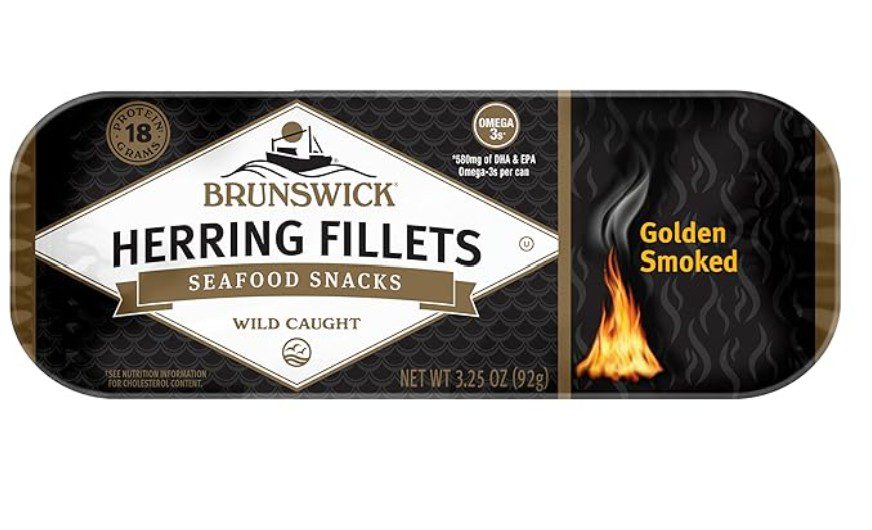
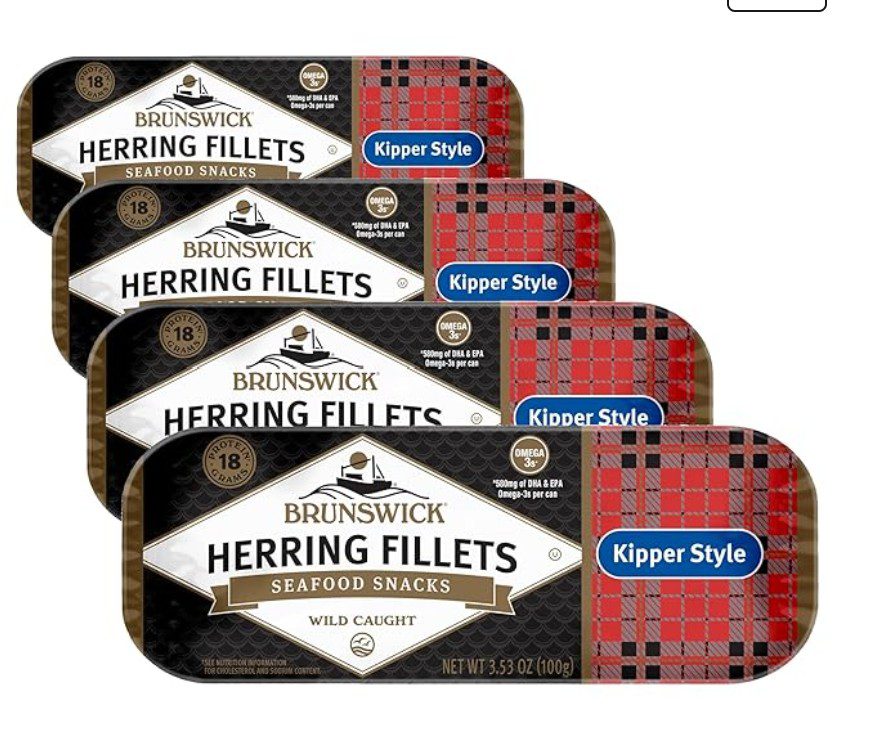
Salmon and herring are two of the most widely eaten kosher fish, and both show up in dozens of forms — canned, smoked, in pouches, or packed for lunchboxes. Salmon works for everything from bagel spreads to Shabbat dinner, while herring is a classic at a kiddush table or brunch spread. As with any packaged fish, check the label for a reliable kosher symbol even though salmon and herring themselves are kosher species — smoking, flavoring and processing methods vary by brand.

🌊 What Makes Fish Kosher?
Fins and scales — both required.
For fish and other sea creatures to be kosher, they must have both fins and true scales that can be removed without damaging the skin. This is why salmon, tuna and cod are staples in kosher homes, while shellfish and finless sea creatures are avoided entirely. Catfish is a common point of confusion: it has fins but lacks true scales, which is why it is not kosher despite being a familiar fish.
🥫 Gefilte Fish, Anchovies & Kosher Pantry Staples
Table-ready kosher fish for the whole year.
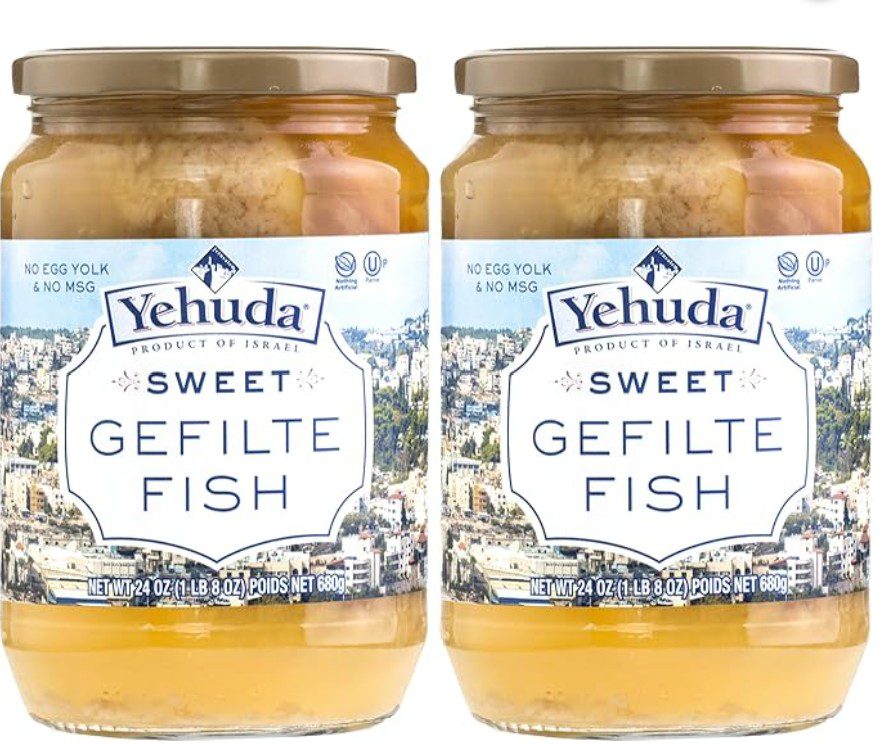
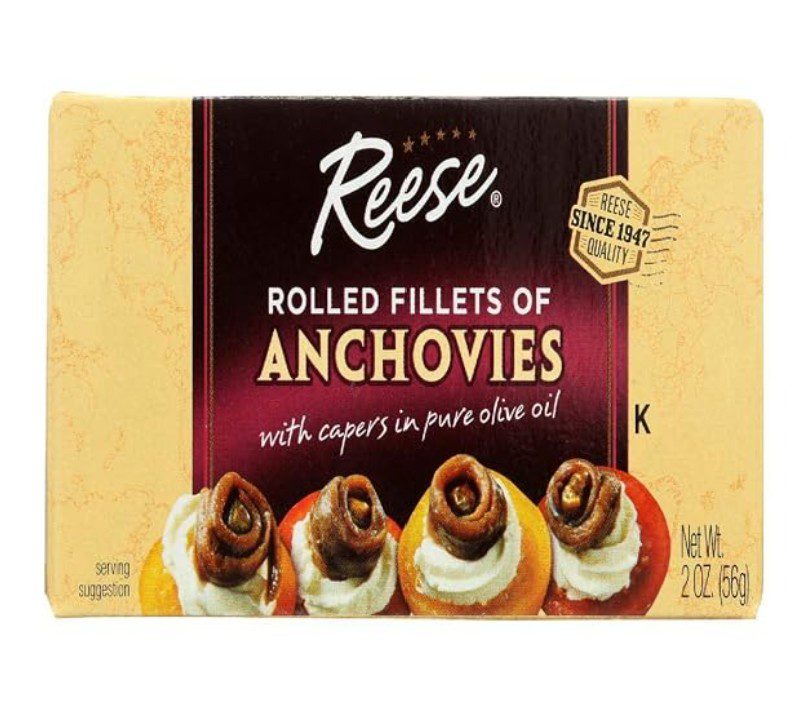
Gefilte fish is a Ashkenazi Shabbat and Yom Tov classic made from ground kosher fish such as whitefish, pike or carp, and several brands offer it ready to serve straight from the jar — including options marked Kosher for Passover. Anchovies are a smaller staple, but a genuinely useful one: pareve, shelf-stable, and a quick way to add depth to a Caesar dressing, tomato sauce or antipasto board without touching dairy or meat.





🦃 Which Birds Are Kosher?
Kosher birds are identified by tradition, not by a checkable physical sign.
Unlike land animals and fish, kosher birds don't have a single physical sign to check — instead, the Torah lists non-kosher birds by name, and kosher status is otherwise passed down through accepted tradition (mesorah). Because of this, only birds with a longstanding, established tradition of being kosher are eaten — even if a bird isn't explicitly listed as forbidden, it isn't automatically assumed kosher without that tradition.
Where Does This Come From in the Torah?
Leviticus 11 is the primary source for the laws of kashrut, laying out exactly which animals are permitted and which are not. Verses 3–8 give the criteria for land animals (split hooves and chewing the cud); verses 9–12 give the fins-and-scales rule for sea creatures; verses 13–19 name specific non-kosher birds; and verses 20–23 cover which locusts are kosher.
Deuteronomy 14 repeats and reinforces these same rules — verses 6–8 restate the land animal criteria, verses 9–10 restate the fish requirement, and the chapter goes on to list permitted and forbidden birds again. Together, these two chapters form the biblical foundation for every kosher/non-kosher distinction on this page.
What to Look For (and What to Avoid)
- A reliable kosher symbol on packaged meat, fish or snacks — the animal being a kosher species is not enough on its own.
- Clear ingredient labels, especially on marinades, sauces, broths and flavored or smoked fish products.
- Separate meat and dairy status if the item is going into a kosher kitchen alongside other cookware.
The most common mistake is assuming plain meat or fish is automatically kosher because the animal itself is a kosher species. Shechita (kosher slaughter), proper draining of blood, and kosher supervision throughout processing all matter. The same caution applies to seafood without fins and scales — shrimp, crab, lobster and oysters remain non-kosher regardless of how they're prepared — and to processed foods like jerky, gelatin, broths and flavored snacks, which need their own certification check.

FAQs About Kosher and Non-Kosher Animals
1. What animals are kosher?
Kosher land animals must chew their cud and have fully split hooves. Common examples include cows, sheep, goats and deer.
2. Is pig kosher?
No. Pig is not kosher because although it has split hooves, it does not chew its cud.
3. Is cow kosher?
Yes, cow is a kosher animal, but the meat must still be slaughtered, processed and certified according to kosher law.
4. Is deer kosher?
Yes, deer is considered a kosher animal, but it must be processed under proper kosher supervision to be eaten as kosher meat.
5. Is rabbit kosher?
No. Rabbit does not meet the required kosher signs for land animals.
6. What fish are kosher?
Kosher fish must have both fins and true scales. Examples include salmon, tuna, cod, herring and sardines.
7. Is shrimp kosher?
No. Shrimp is not kosher because shellfish do not have both fins and scales.
8. Is catfish kosher?
No. Catfish has fins but lacks the true, removable scales required for a fish to be kosher.
9. Is chicken kosher?
Chicken is a traditionally accepted kosher bird, but it must be prepared under kosher supervision to be sold as kosher chicken.
10. Does kosher meat or fish need a kosher symbol?
Yes. Even when the animal or fish itself is a kosher species, packaged products should carry reliable kosher certification so buyers know it was handled and prepared according to kosher standards.
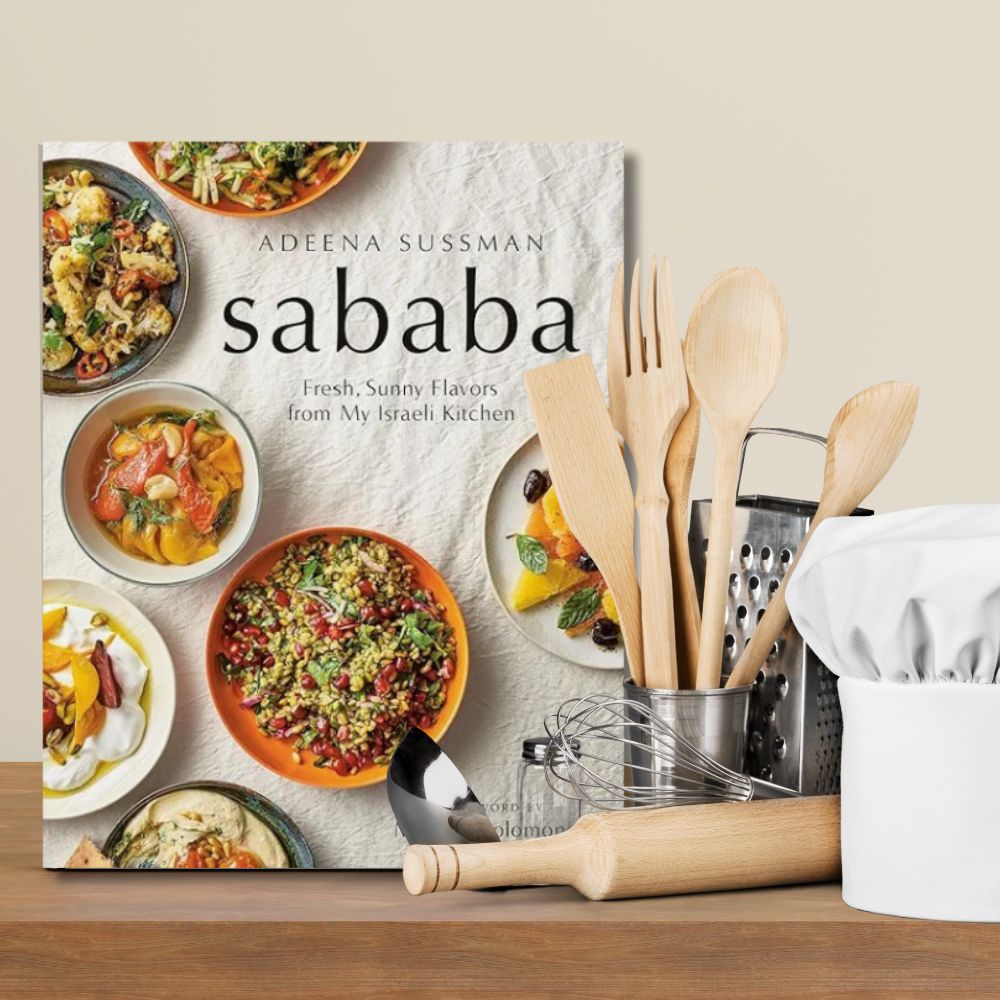
Want to Go Deeper? Books on Kosher Food & Jewish Cooking
Amazon's top-ranking books for readers who want to understand kosher food beyond a single list of animals.


The Kosher Hub is not a Kosher Authority. For any advice please refer to your local Kashrut Authority.
As an Amazon Affiliate we earn from qualifying purchases.










Understanding Our Kosher Certifications
The Kosher Hub references products certified by recognized kosher authorities, including OU, OK, Star-K, Kof-K, and CRC. Certification symbols and status can change, so always confirm the current kosher status directly on the product packaging or via the certifying agency's own listings before purchasing.