

Sukkot is one of the most joyful festivals in the Jewish calendar — a week of meals in the sukkah, waving the lulav and etrog, and celebrating the autumn harvest. But it is also a Torah festival with real work restrictions, and they don't apply evenly across the week. Some days are full Yom Tov, when work is not permitted, while the intermediate days are far more relaxed.
In this guide we'll walk through exactly which days of Sukkot carry work restrictions, where in the Torah they come from, what "work" actually means, and how the rules differ between Israel and the diaspora — with the dates you need for this year and the next few years.
⚡ The Quick Answer
Outside Israel, work is not permitted on the first two days of Sukkot and on the final two days (Shemini Atzeret and Simchat Torah). The five days in between — Chol HaMoed — are intermediate days when most everyday work is permitted. In Israel, only the first day and Shemini Atzeret are full Yom Tov.
📜 Where the Work Restrictions Come From
The commandments of Sukkot are written in the Torah itself.
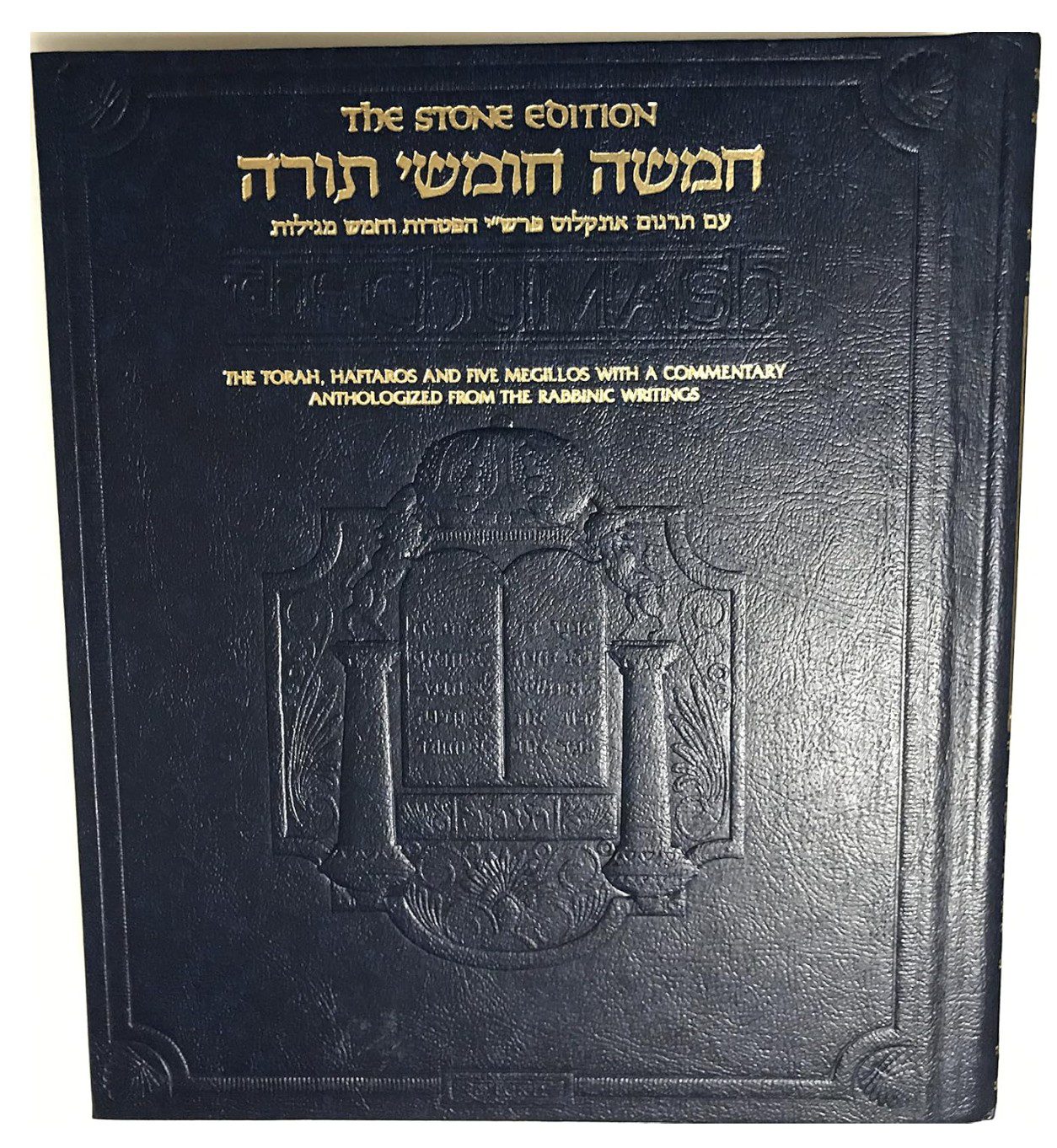
The laws of Sukkot appear in the Torah in Leviticus (Vayikra) chapter 23, the chapter that sets out all the appointed festivals. There, the fifteenth day of the seventh month is declared the Festival of Sukkot: the first day is a sacred assembly on which no laborious work may be done, and the eighth day — Shemini Atzeret — carries the same restriction. The same chapter commands dwelling in sukkot for seven days and taking the four species.
Further passages in Numbers 29 and Deuteronomy 16 add the festival offerings and the command to rejoice. The rules for the intermediate days, however, are not spelled out in the Torah — those were defined by the sages of the Talmud, mainly in tractate Moed Katan, which is why Chol HaMoed has its own, gentler set of guidelines.
🕯️ The Yom Tov Days — When Work Is Not Permitted
The first days and last days of the festival are treated like Shabbat — with one big difference.
On the full festival days — Yom Tov — the categories of work forbidden on Shabbat apply. That means no going to your job, no writing, no shopping, no driving, and no using phones or electronics for those who observe traditionally. The day is set aside for prayer, festive meals in the sukkah, and family.
There is one meaningful difference from Shabbat: on Yom Tov, cooking and carrying are permitted for the needs of the day. Food may be cooked from a flame lit before the holiday, which is why the festival table is one of the great joys of Sukkot. Candles are lit at the start of each Yom Tov evening, just as on Friday night.
🏡 Dress Your Sukkah — From Our Etsy Shop
Original Kosher Hub designs, printed to order in the USA.

🌿 Chol HaMoed — The Intermediate Days
Part weekday, part festival — and the most misunderstood days of Sukkot.
The middle days of Sukkot are called Chol HaMoed — literally "the weekday of the festival." The Torah's full work prohibition doesn't apply, and the sages permitted most ordinary activity: driving, shopping, cooking, and going to work where taking leave would cause real financial loss. Many observant families do take the week off, but there is no blanket ban on working.
Traditionally, activities that are avoided on Chol HaMoed include laundry, haircuts, and non-urgent skilled work — the idea is to keep the days feeling festive rather than routine. Meals are still eaten in the sukkah, and the lulav and etrog are waved each morning.
Chol HaMoed is also the classic time for family outings and holiday projects — if you have little ones at home for the week, our Sukkot Arts and Crafts guide is full of easy ideas for decorating the sukkah together.
🍂 For the Cooks and the Hosts — From Our Etsy Shop
Festival favourites for busy Chol HaMoed kitchens.



🌍 One Day or Two? Israel vs the Diaspora
Where you live changes which days carry work restrictions.
In Israel, Sukkot begins with one day of Yom Tov and ends with one (Shemini Atzeret and Simchat Torah are combined into a single day). Outside Israel, an extra day is added at each end — a practice dating back to when the new month was declared by witnesses in Jerusalem and word took time to reach distant communities.
Practically, that means diaspora communities observe four full work-restricted days across the festival season, while Israel observes two. Sukkot is a national public holiday in Israel, and many workplaces run reduced hours or close entirely for the whole week.
📅 Sukkot Dates & Work-Restricted Days
Diaspora dates for 2026 — plan your calendar around the Yom Tov days.
Dates follow the diaspora calendar; in Israel, Yom Tov is observed on the first day and on Shemini Atzeret/Simchat Torah (combined). Each holiday begins at sunset the previous evening.
🎁 Celebrate the Season — From Our Etsy Shop
A little festival joy for your home and family.


🎉 Shemini Atzeret & Simchat Torah
The festival's grand finale — and two more days of full Yom Tov.
Immediately after the seventh day of Sukkot comes Shemini Atzeret, "the eighth day of assembly," which the Torah names as a sacred day of rest in its own right. In the diaspora it is followed by Simchat Torah, when the yearly cycle of Torah reading is completed and begun again amid singing and dancing with the Torah scrolls.
Both days carry the same work restrictions as the opening days of Sukkot — so when you're planning time off, remember the festival season really spans two long weekends, not one.
❓ Sukkot Work Restrictions — FAQ
Quick answers to the questions people ask most.
Can you work on Chol HaMoed?
Yes, in most circumstances. The intermediate days of Sukkot are not full festival days, and going to work is permitted — especially where taking leave would cause financial loss. Traditionally, activities like laundry, haircuts, and non-urgent skilled labor are avoided to keep the days festive.
Can you cook on Sukkot?
Yes. Unlike Shabbat, cooking is permitted on the Yom Tov days of Sukkot for the needs of that day, using a flame lit before the holiday began. On Chol HaMoed, cooking is completely unrestricted.
Do work restrictions apply to all seven days of Sukkot?
No. Outside Israel, only the first two days are full Yom Tov with work restrictions, followed by Shemini Atzeret and Simchat Torah at the end. The days in between are Chol HaMoed, when most everyday activity is permitted.
Can you drive on Sukkot?
Not on the Yom Tov days for those who observe traditionally — driving falls under the festival work restrictions, just as on Shabbat. On Chol HaMoed, driving is permitted, and the intermediate days are a popular time for family trips and outings.
Is Sukkot a public holiday in Israel?
Yes. The first day of Sukkot and Shemini Atzeret/Simchat Torah are official public holidays in Israel, and many businesses and schools close or run reduced hours for the entire festival week.
Where in the Torah are the Sukkot work restrictions written?
In Leviticus (Vayikra) chapter 23, which declares the first day of Sukkot and the eighth day (Shemini Atzeret) sacred assemblies on which laborious work is forbidden. Numbers 29 and Deuteronomy 16 add further festival laws, while the rules of Chol HaMoed were defined by the sages in the Talmud.
The Kosher Hub is not a Kosher Authority. For any advice please refer to your local Kashrut Authority.
As an Amazon Affiliate we earn from qualifying purchases. Etsy products featured on this page are from The Kosher Hub's own Etsy shop.
🍂 Explore More Sukkot Ideas
Two more corners of The Kosher Hub worth a visit this Sukkot.















Understanding Our Kosher Certifications
The Kosher Hub references products certified by recognized kosher authorities, including OU, OK, Star-K, Kof-K, and CRC. Certification symbols and status can change, so always confirm the current kosher status directly on the product packaging or via the certifying agency's own listings before purchasing.