
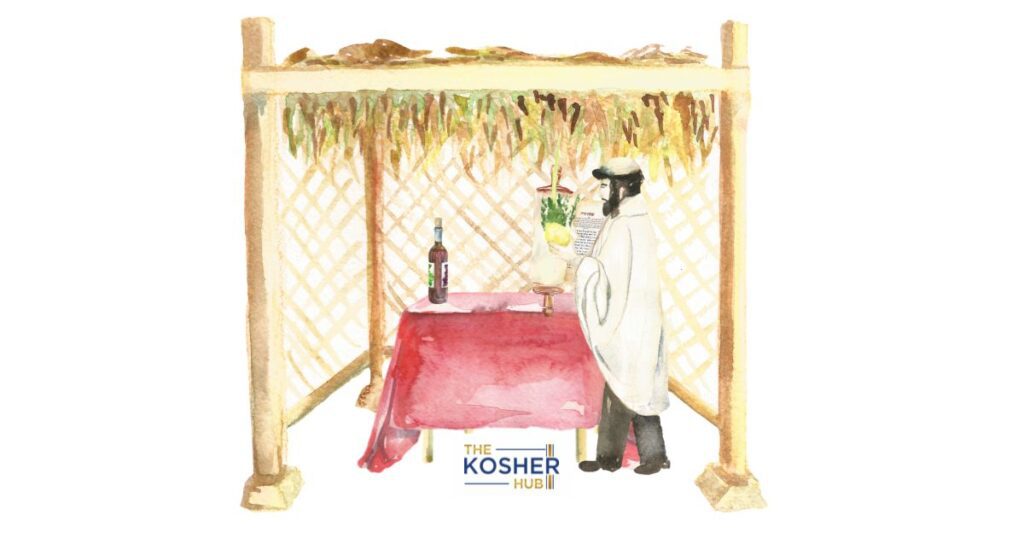
The Sukkot Torah readings follow the festival day by day, from the commandments of the harvest festival in Leviticus through the daily offerings of Numbers, all the way to the great finale of Simchat Torah, when we finish the Torah and immediately begin it again. This guide sets out every Sukkot Torah reading and Haftarah for 2026, with the date each one is read, so you can follow along in synagogue or prepare at home in the sukkah. This year the first day of Sukkot falls on Shabbat (26 September 2026), which shapes the whole reading cycle — including when Kohelet (Ecclesiastes) is read. We have included the readings for Chol Hamoed, Hoshana Rabbah, Shemini Atzeret and Simchat Torah, along with a short thought for each day and the machzorim that make the services easy to follow in Hebrew and English.
📜 How the Sukkot Readings Work
One festival, three books of the Torah, and a different reading every day.
The readings for Sukkot come from three places in the Torah. The Yom Tov days open with Leviticus 23 — the chapter where the Torah commands us to dwell in sukkot and take the Four Species. Every day of the festival also has a maftir reading from Numbers 29, which lists the unique offerings brought in the Temple on each of the seven days. Finally, Shemini Atzeret and Simchat Torah close the season with the end of Deuteronomy and the very beginning of Genesis. In the Diaspora the festival runs nine days in total, and because the first day of Sukkot 2026 falls on Shabbat, there is no separate Shabbat Chol Hamoed this year — a detail that moves the reading of Kohelet to Shemini Atzeret. Dates below follow the Diaspora calendar; as always, confirm timings with your synagogue's luach.
🗓️ Sukkot Torah Readings 2026 — Day by Day
Every Torah reading and Haftarah from the first night to Simchat Torah.
First Day of Sukkot — Shabbat
Saturday 26 September 2026 (begins Friday evening, 25 September)
Torah reading: Leviticus 22:26 – 23:44 | Maftir: Numbers 29:12–16 | Haftarah: Zechariah 14:1–21
Leviticus 23 is the Torah's calendar of the festivals — and Sukkot is where it ends, with the command to rejoice before Hashem for seven days. Zechariah's vision looks ahead to a time when all nations will celebrate Sukkot together.
Second Day of Sukkot
Sunday 27 September 2026
Torah reading: Leviticus 22:26 – 23:44 | Maftir: Numbers 29:12–16 | Haftarah: I Kings 8:2–21
The Haftarah describes King Solomon dedicating the First Temple — which took place during Sukkot, making this the festival's own housewarming story.
Chol Hamoed Day 1 (3rd Day of Sukkot)
Monday 28 September 2026
Torah reading: Numbers 29:17–25
The offerings decrease by one bull each day — seventy in total over the festival, which the Talmud connects to the seventy nations of the world.
Chol Hamoed Day 2 (4th Day of Sukkot)
Tuesday 29 September 2026
Torah reading: Numbers 29:20–28
Chol Hamoed days blend the festive and the everyday — work is limited, meals are still eaten in the sukkah, and the Torah reading keeps the Temple service in view.
Chol Hamoed Day 3 (5th Day of Sukkot)
Wednesday 30 September 2026
Torah reading: Numbers 29:23–31
Midweek of the festival — a favourite time for hosting guests (ushpizin) in the sukkah and for family outings between services.
Chol Hamoed Day 4 (6th Day of Sukkot)
Thursday 1 October 2026
Torah reading: Numbers 29:26–34
The final full day of Chol Hamoed — the last chance this year for a leisurely lunch in the sukkah before the closing days of the festival arrive.
Hoshana Rabbah (7th Day of Sukkot)
Friday 2 October 2026
Torah reading: Numbers 29:26–34
The day of the seven hoshanot circuits and the beating of the willow branches — tradition regards Hoshana Rabbah as the final seal on the judgement of the High Holidays.
Shemini Atzeret — Shabbat
Saturday 3 October 2026
Torah reading: Deuteronomy 14:22 – 16:17 | Maftir: Numbers 29:35 – 30:1 | Haftarah: I Kings 8:54–66
Yizkor is recited and the prayer for rain (Tefillat Geshem) begins. Because there is no Shabbat Chol Hamoed in 2026, Kohelet (Ecclesiastes) is read today instead.
Simchat Torah
Sunday 4 October 2026
Torah reading: Deuteronomy 33:1 – 34:12 (V'Zot HaBerachah), then Genesis 1:1 – 2:3 | Maftir: Numbers 29:35 – 30:1 | Haftarah: Joshua 1:1–18
The Torah is completed and immediately begun again — every member of the congregation is called up, and the hakafot dancing carries the scrolls around the synagogue seven times.
A note on customs: the readings above follow the standard Diaspora (chutz la'aretz) cycle. In Israel, Sukkot has one Yom Tov day at the start, Shemini Atzeret and Simchat Torah are combined into a single day, and the Chol Hamoed readings run differently. Individual communities also vary in small details, so your synagogue's luach or announcement sheet is always the final word.
📖 Follow the Readings: Sukkot Machzorim
The festival prayer books that put every reading and prayer at your fingertips.
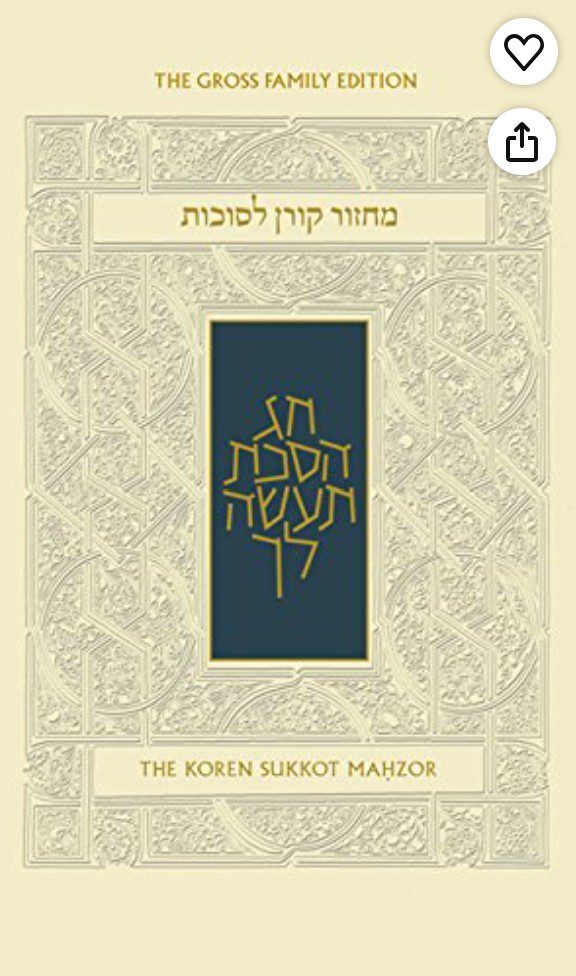
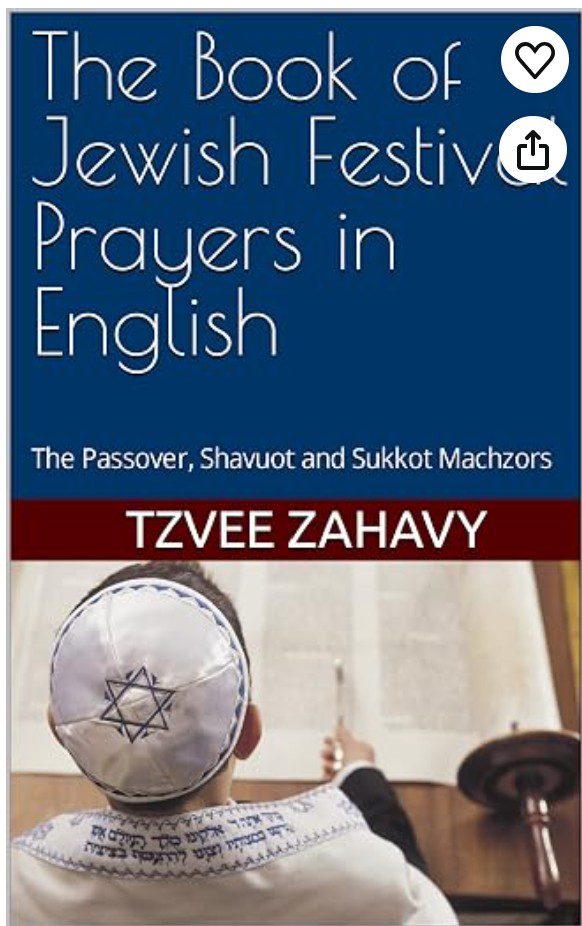
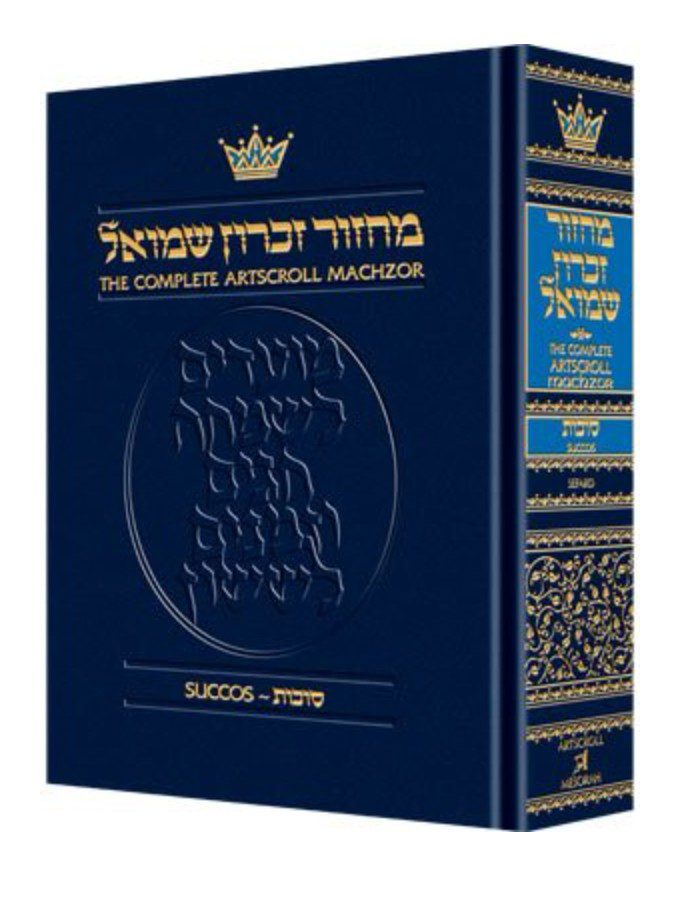
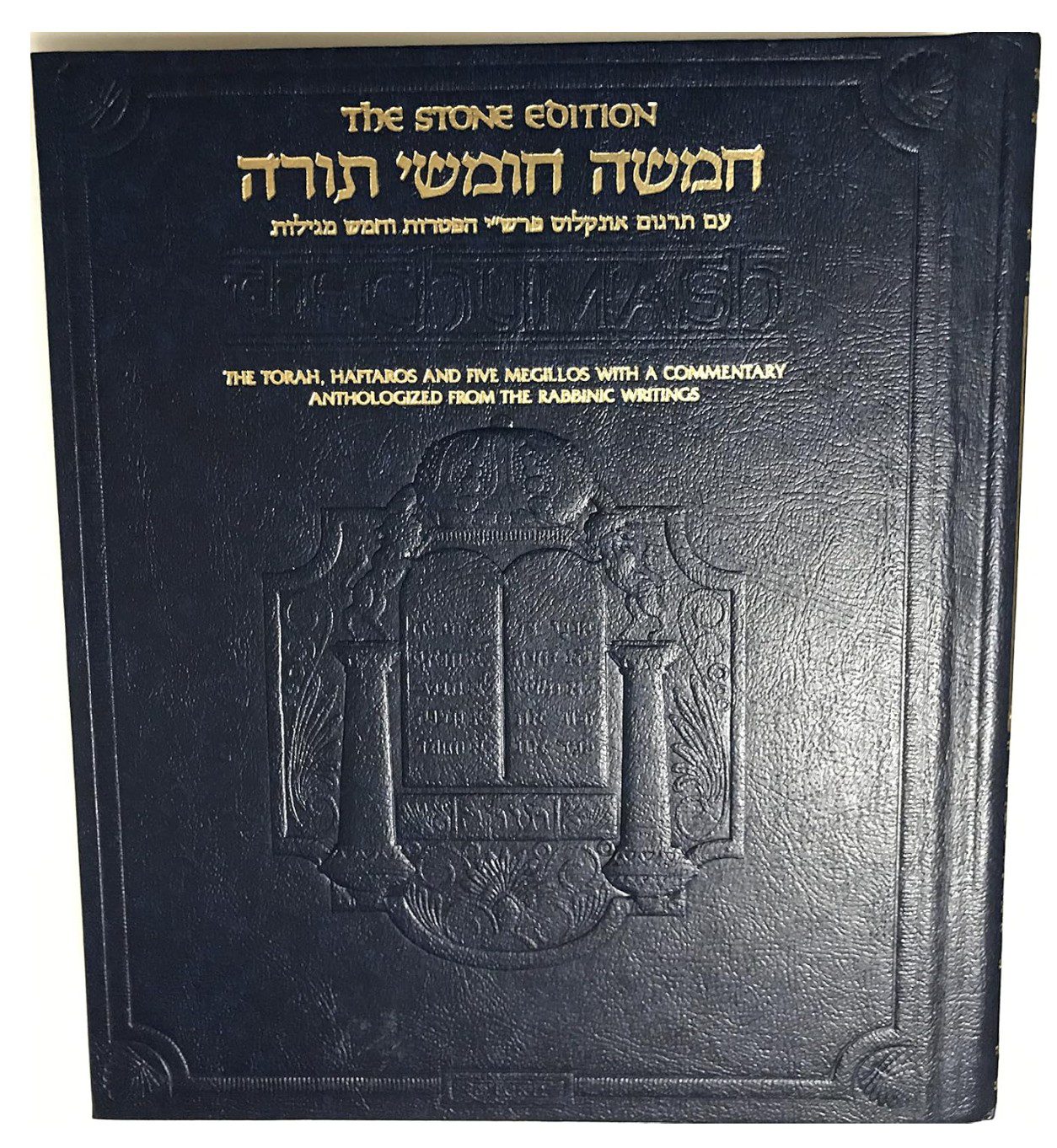
A machzor is the festival version of the siddur — it gathers every service, Torah reading, hoshana and special prayer for the holiday into one volume, in the right order, so you are never hunting for a page. The Koren Sacks Sukkot Mahzor is our first pick for English speakers: full Hebrew with a clear facing translation and Rabbi Jonathan Sacks' celebrated commentary, following Nusach Ashkenaz. The Hebrew-only Sefard edition serves daveners who follow Nusach Sefard, common in Chassidic and many Sephardi-influenced communities. If you are not sure which nusach your synagogue uses, ask before you buy — the order and wording of several prayers differ. All three are books rather than food items, so there is no kosher certification to check here; choose on nusach, translation and print size.
🛖 Build the Sukkah You'll Read In
Sturdy sukkah kits and kosher schach so your festival has a home.
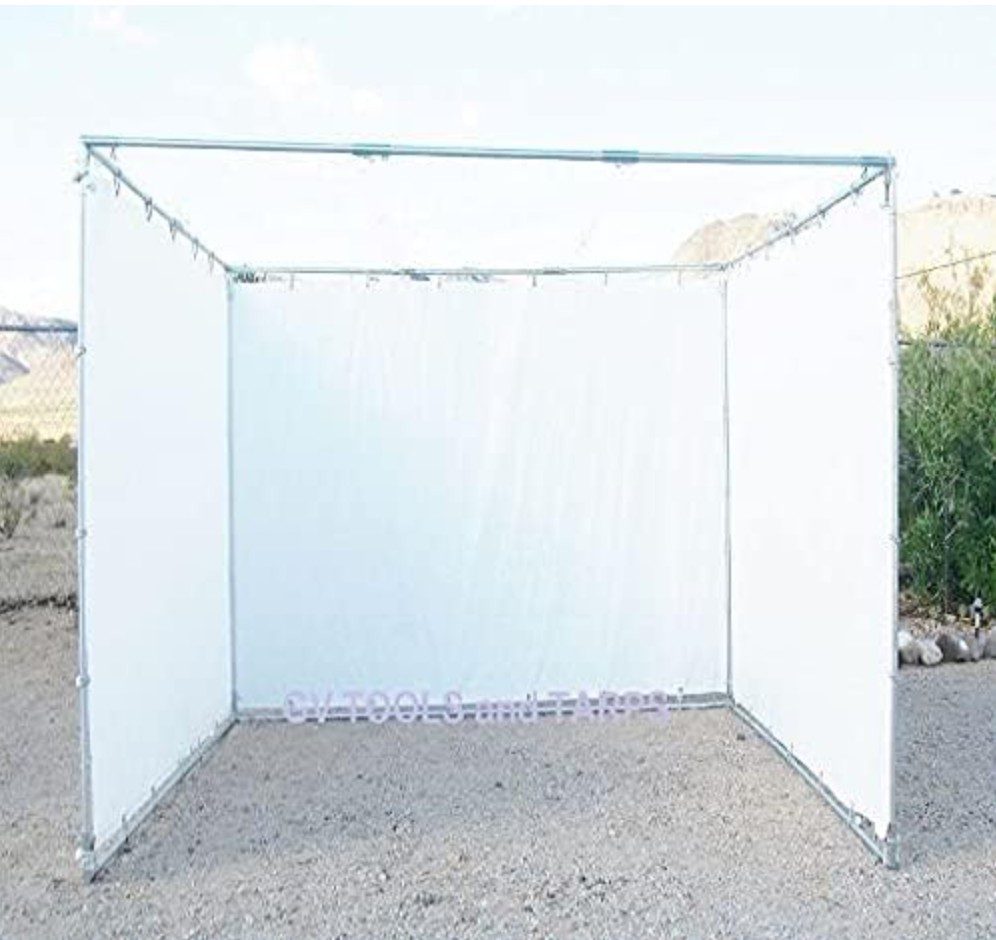

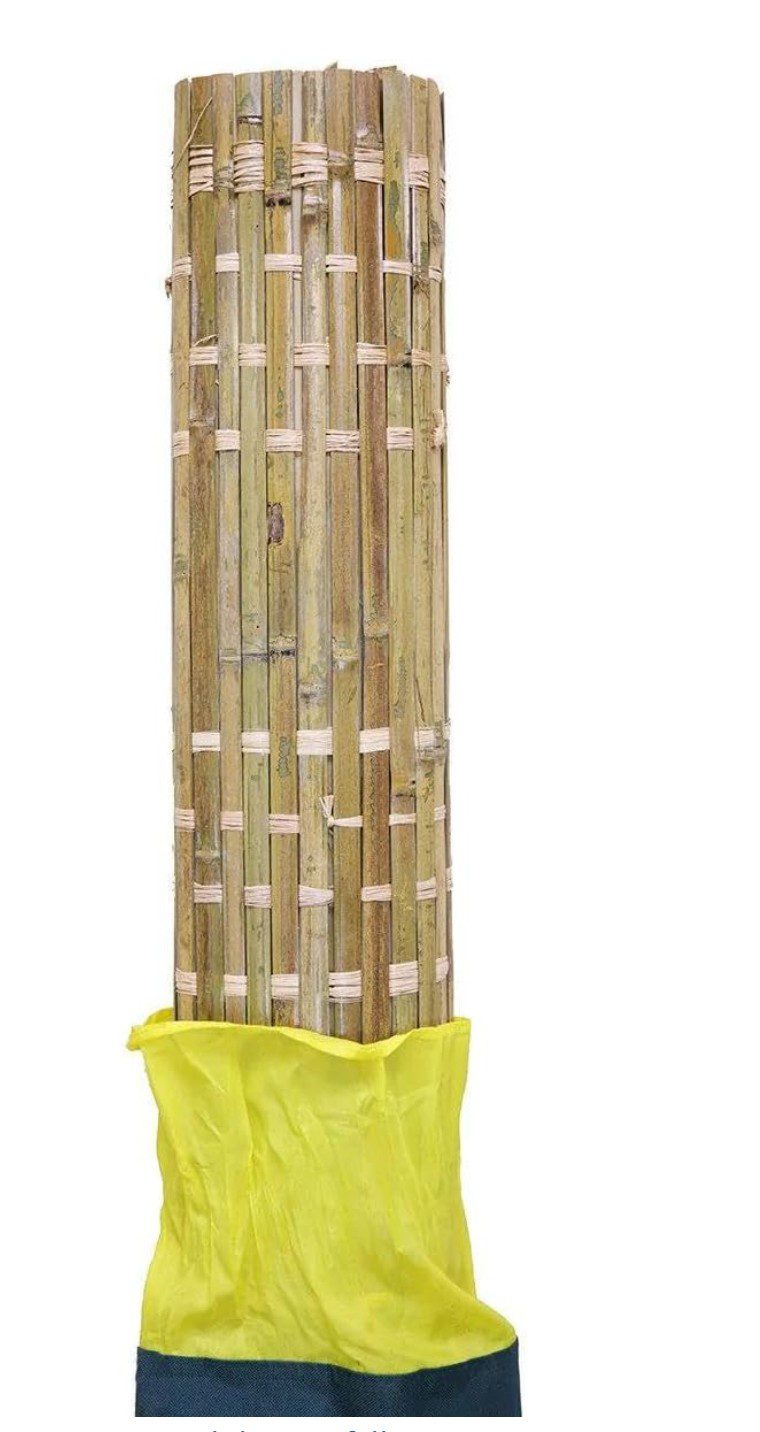
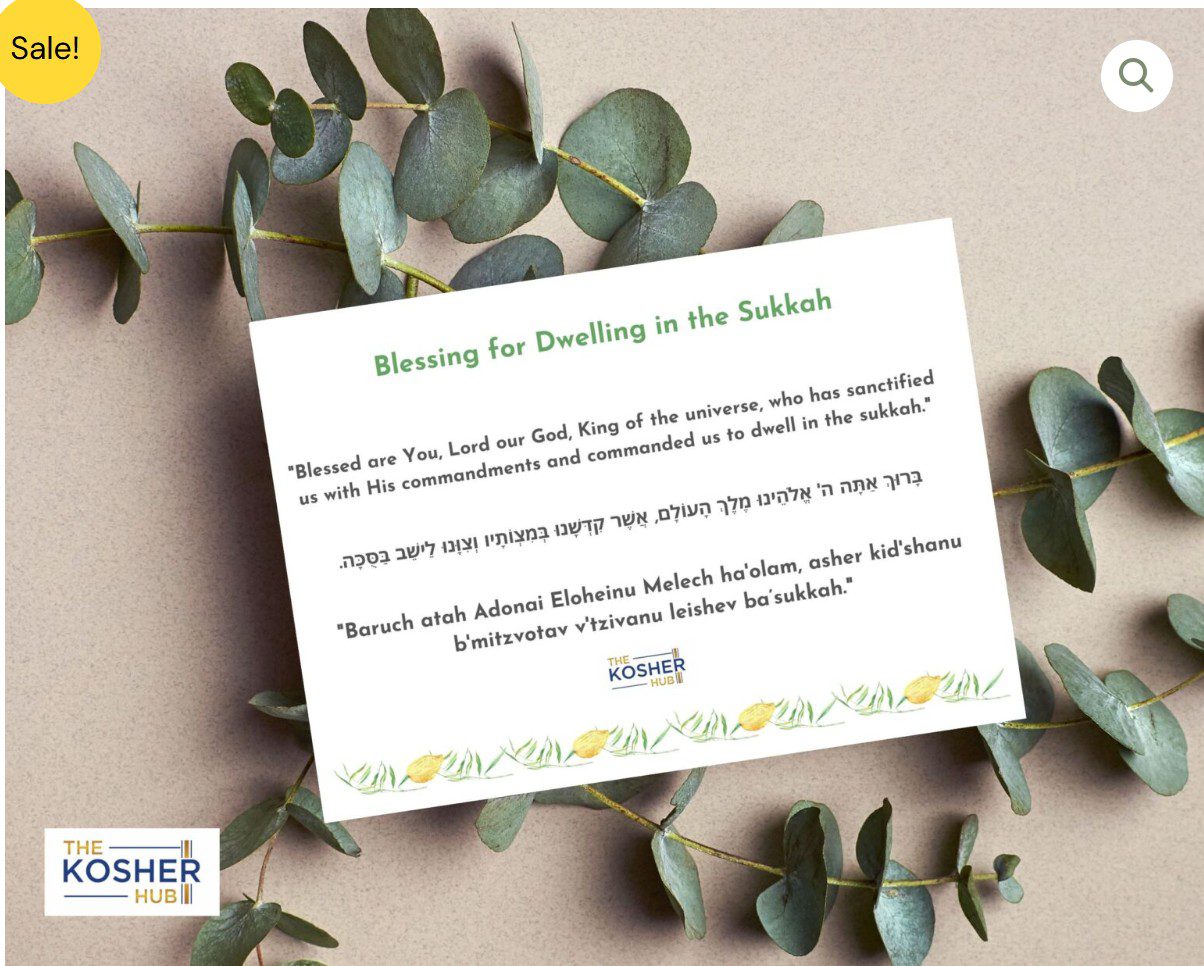
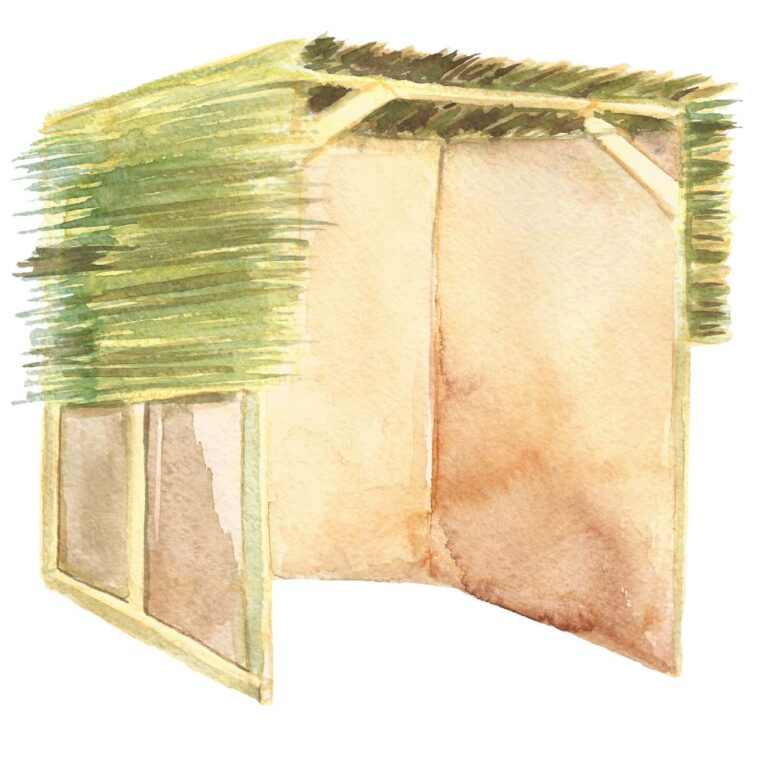
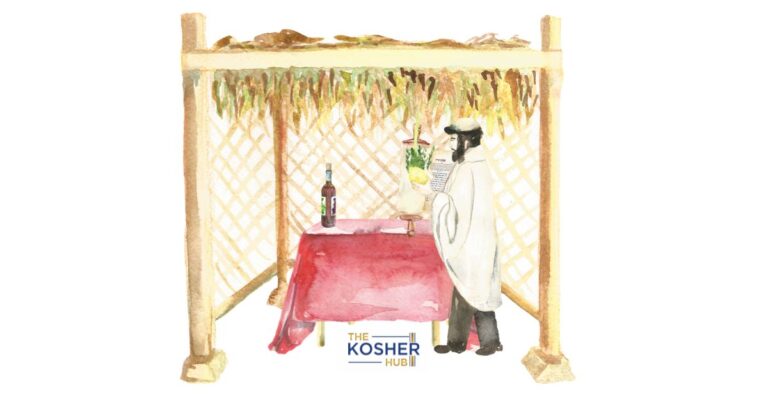
The readings tell you what Sukkot means; the sukkah is where you live it. Leviticus 23:42 — right in the first day's reading — is the source of the command to dwell in booths for seven days, and these kits make that practical for a modern backyard or balcony. The Golden Valley kit and The Sukkah Store's Deluxe Sukkah both assemble without special tools and stand up to a week of family meals, while the schach mat provides the natural roof covering that makes a sukkah valid for the mitzvah. Order early: sukkah kits routinely sell out in the weeks before the festival, and you will want yours standing before Erev Sukkot on 25 September.

🍽️ Set the Yom Tov Table
Table runners that bring the festival to your sukkah meals.
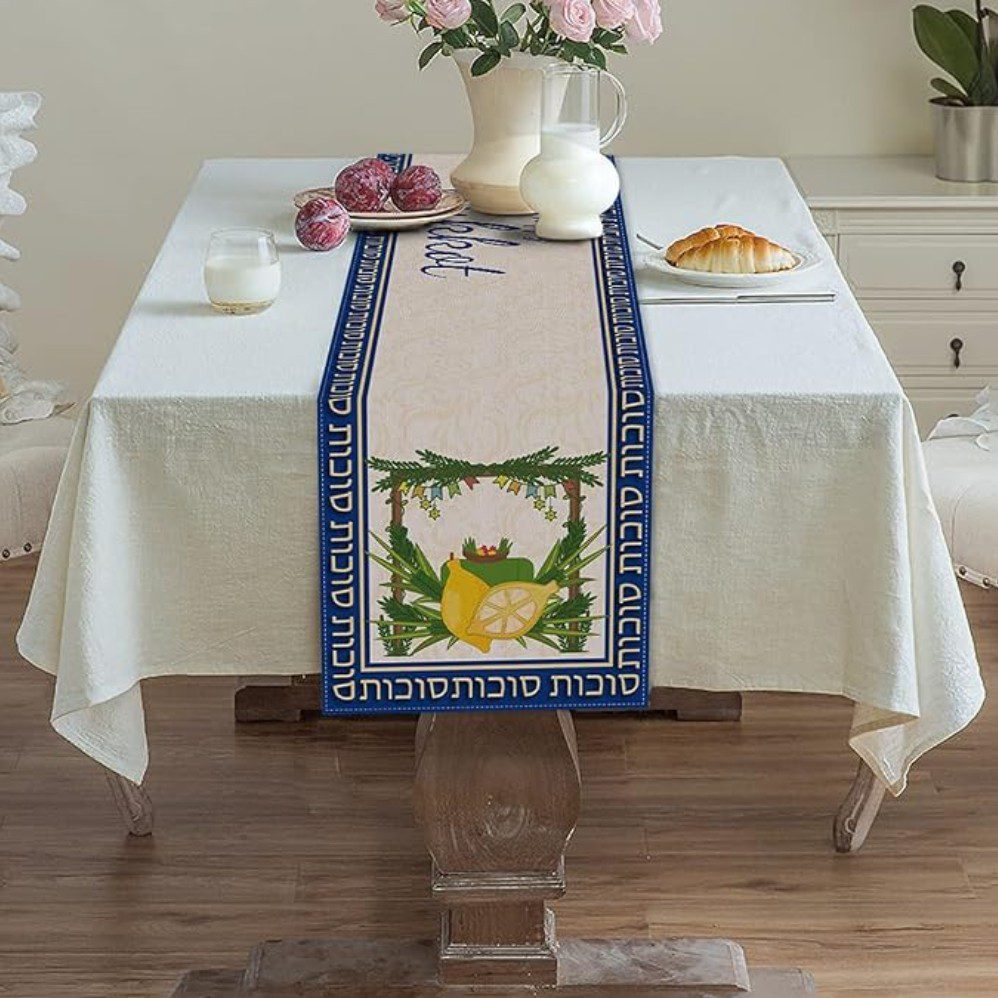
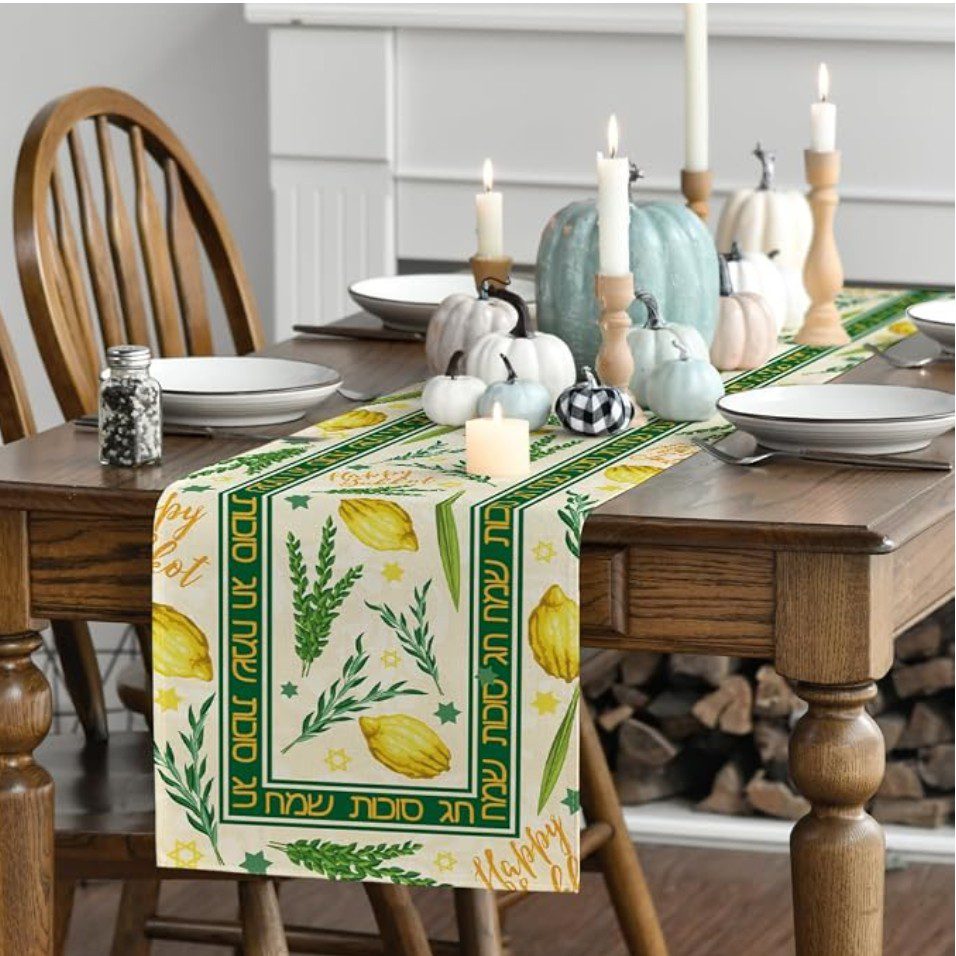
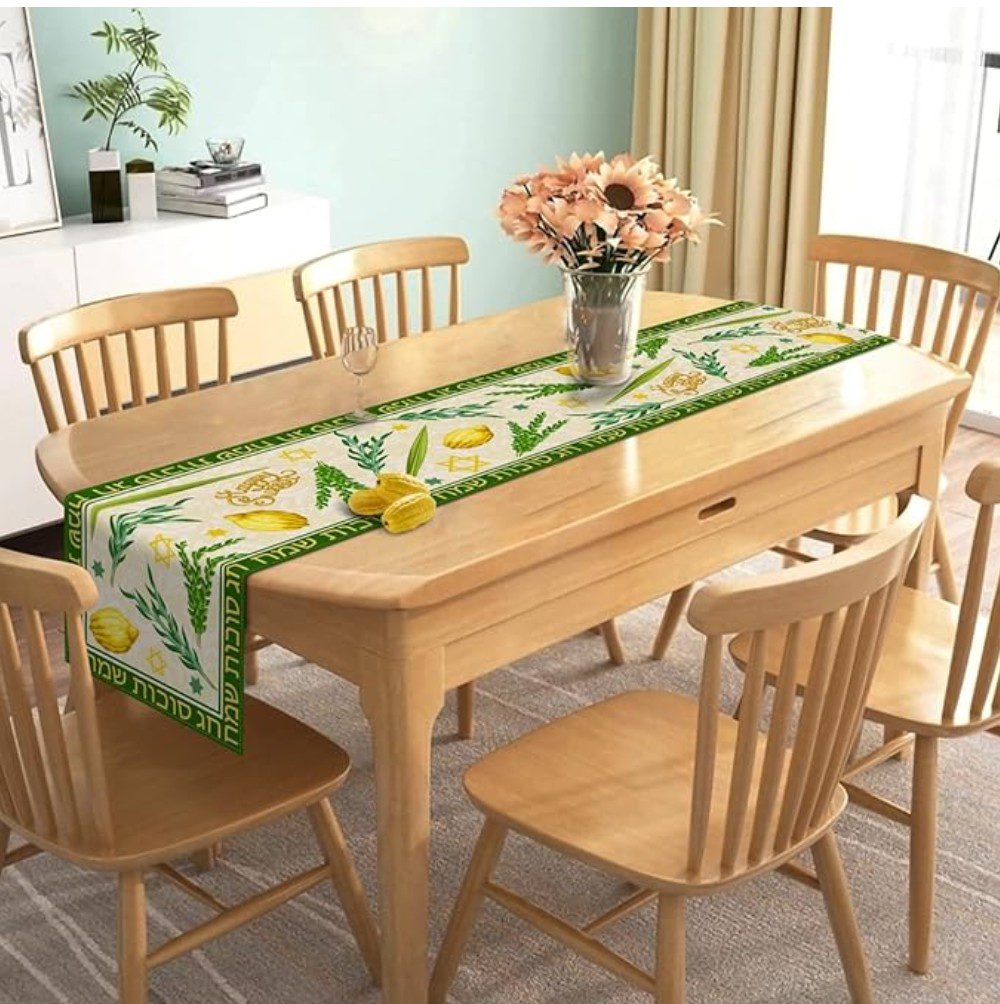
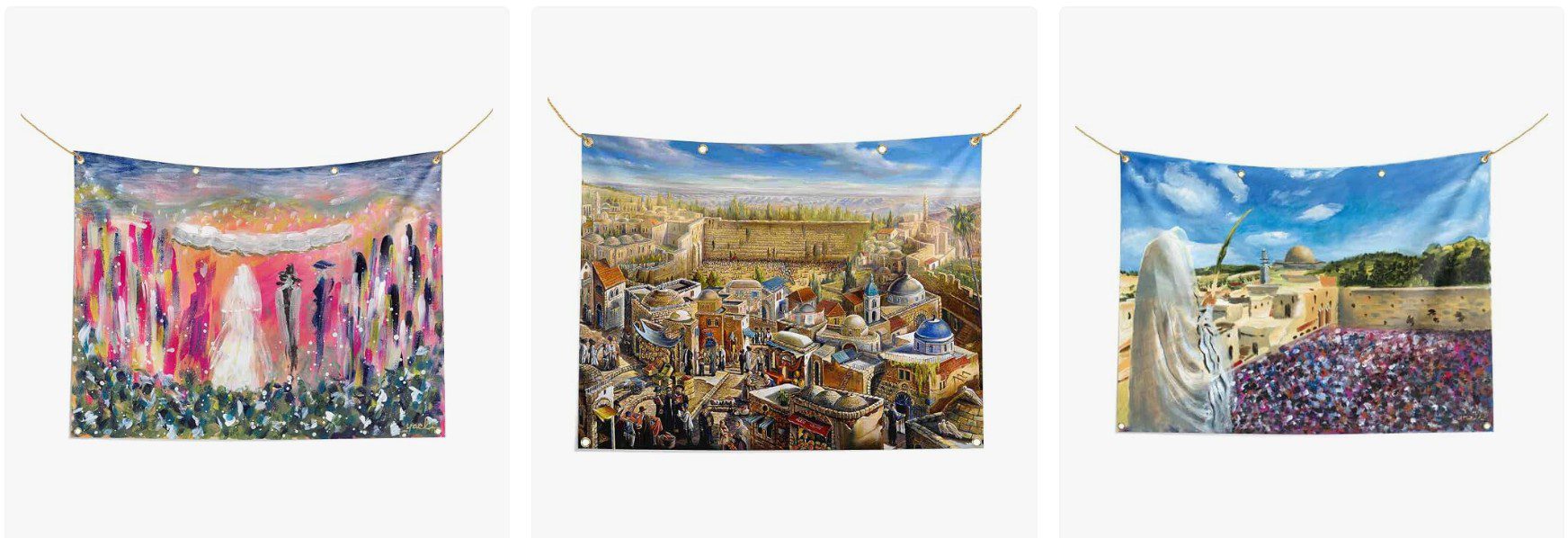
Between the readings come the meals — kiddush on the first nights, lunch after shul, and the long, happy Chol Hamoed dinners with guests. A festival table runner is the quickest way to make a plastic table in a backyard sukkah feel like a Yom Tov table, and it packs away flat for next year. These three styles each seat the theme differently, from traditional motifs to brighter modern designs. They are textile items rather than certified food products, so choose purely on the look that matches your sukkah decorations.
🏕️ More Sukkah Options for Home & Travel
From full family sets to a pop-up sukkah that travels with you.
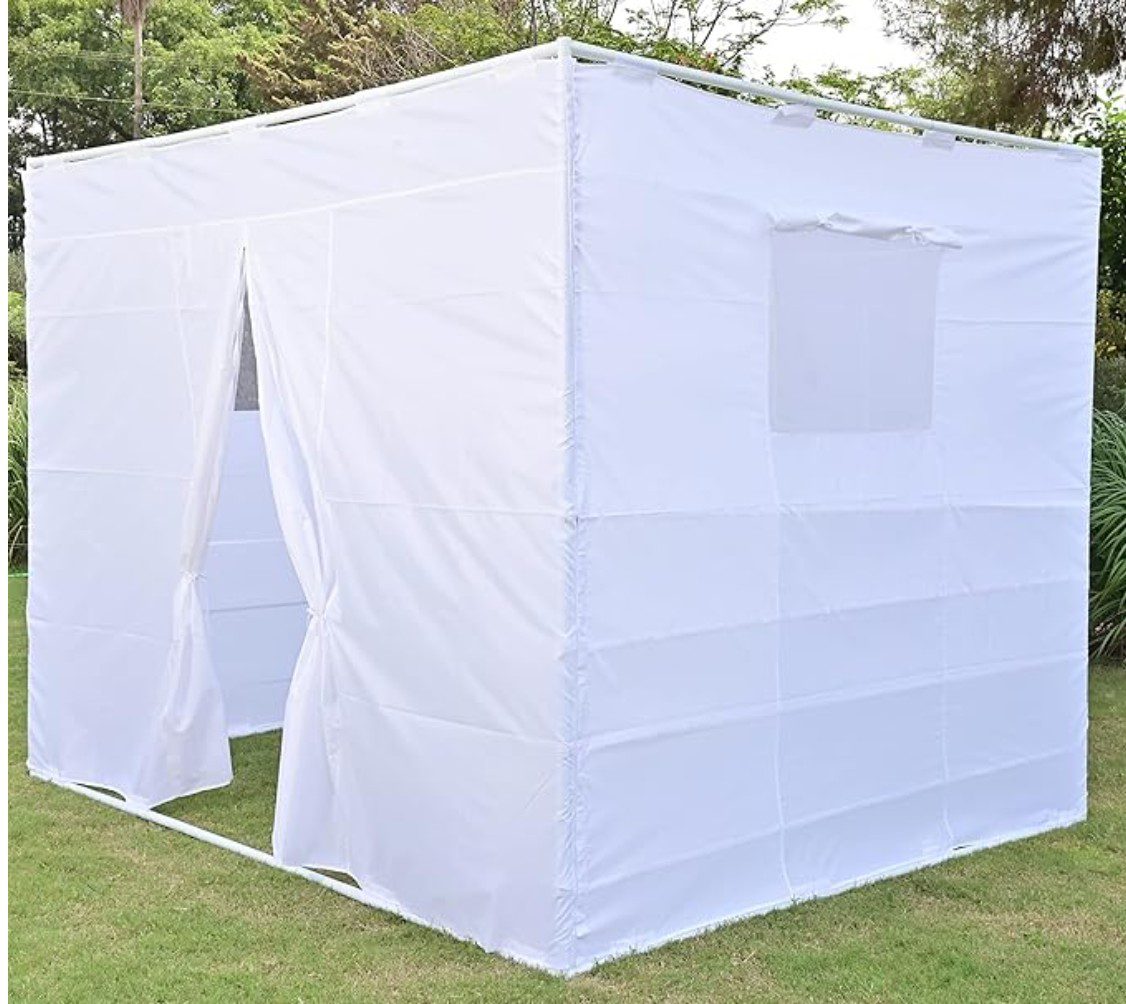

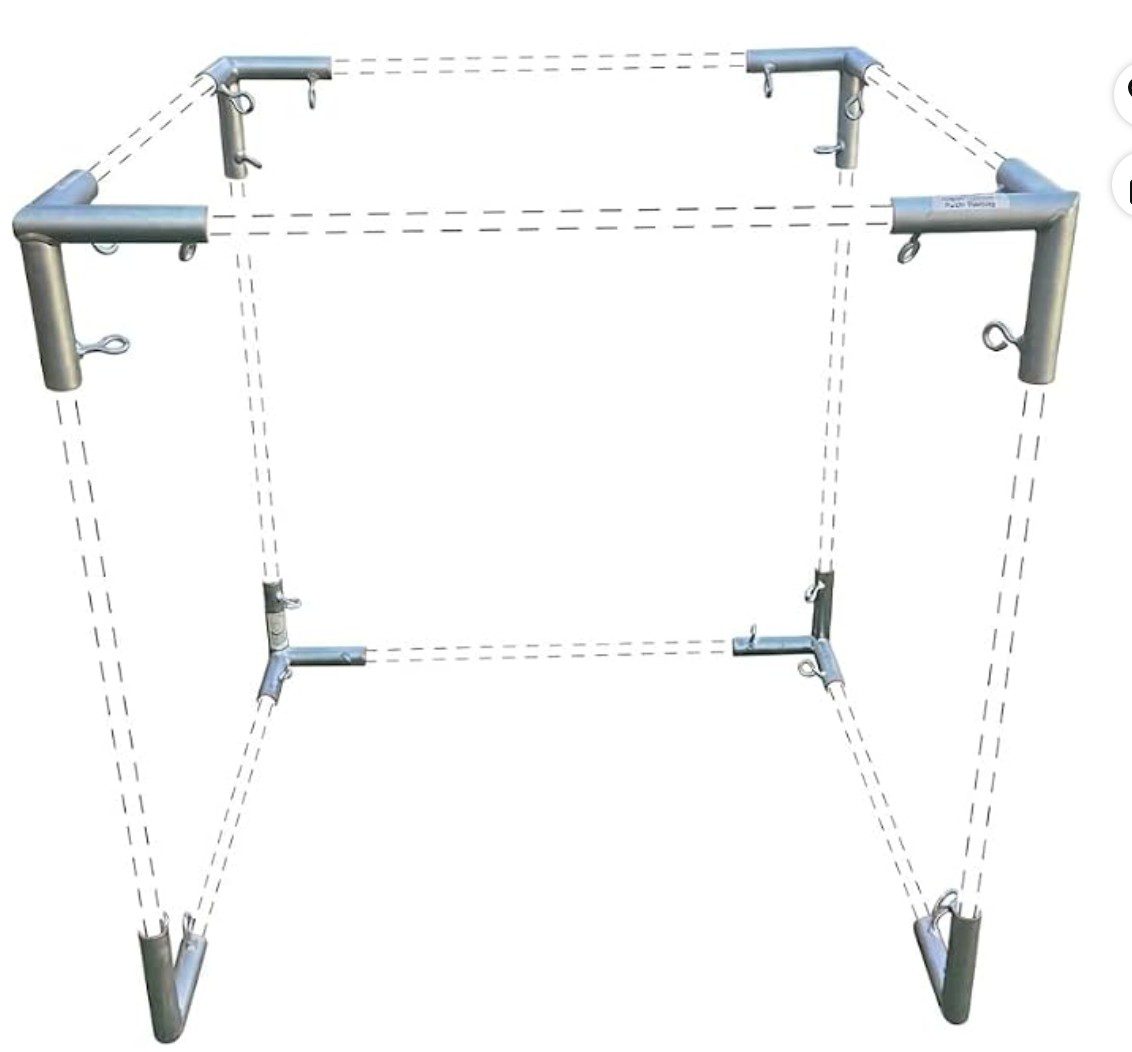
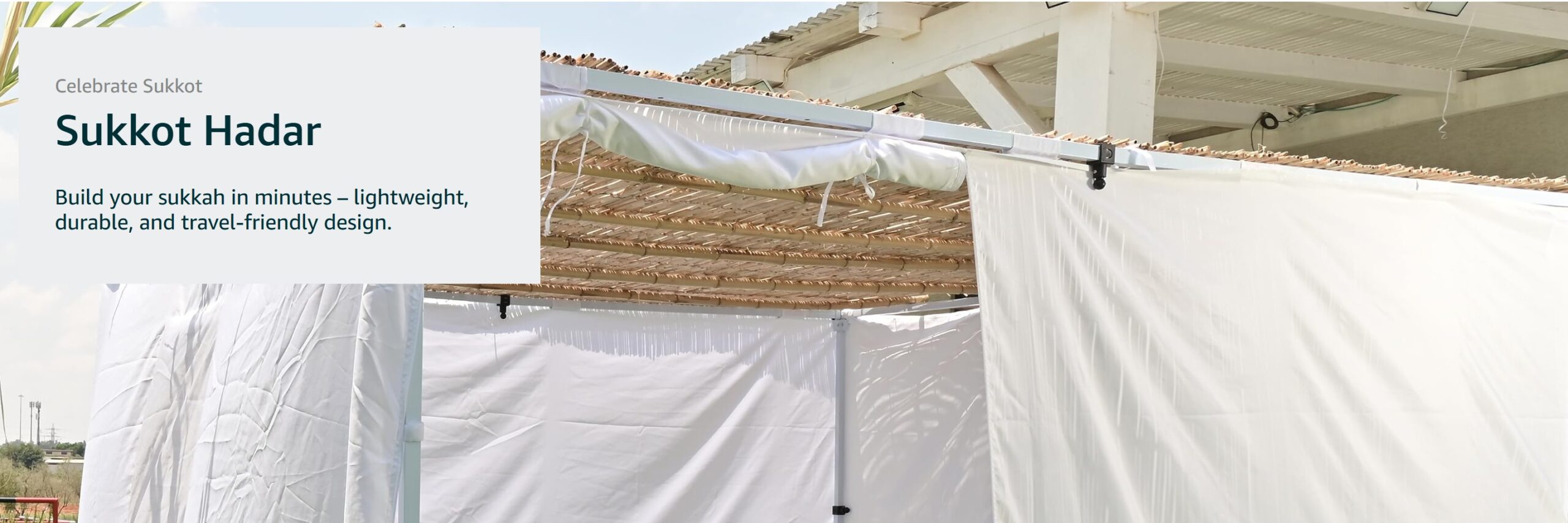
Different homes need different sukkahs. The Sukkot Hadar set is a complete solution for a family hosting Yom Tov meals, while the square frame suits anyone who prefers to build to their own space and add their own walls and schach. The pop-up travel sukkah earns its place during Chol Hamoed — if your family heads out for the day between the morning readings and dinner, it lets you stop for lunch without giving up the mitzvah of eating in a sukkah. Whichever you choose, pair it with a kosher schach covering and give yourself at least a full weekend before 25 September for assembly.
🔍 What to Look For When Choosing a Machzor
Five things to check before you buy a festival prayer book.
- Nusach (prayer rite). Ashkenaz and Sefard machzorim order some prayers differently and vary in wording. Match the machzor to the nusach your synagogue follows — if you are unsure, ask the gabbai before buying.
- Translation and transliteration. A facing English translation (like the Koren Sacks) keeps the whole family engaged through long services. Hebrew-only editions suit fluent daveners and are usually lighter to carry.
- Festival coverage. A dedicated Sukkot machzor includes the hoshanot, ushpizin, Kohelet and the Simchat Torah service in one volume. Some machzorim cover all three pilgrimage festivals — good value, but bulkier in the hand.
- Print size and weight. Sukkot services involve standing, circling the bimah with the Four Species, and dancing on Simchat Torah. A machzor you can comfortably hold in one hand matters more on this festival than almost any other.
- Commentary. If you want more than the text itself, choose an edition with commentary and explanations of the customs — it turns the machzor into a guide to the festival, not just a script for it.
- For the sukkah itself: check that any sukkah kit has halachically valid walls and use natural schach (bamboo or reed mats marked as kosher schach) for the roof — never solid or synthetic coverings.
❓ FAQs About the Sukkot Torah Readings
Quick answers to the most common questions about the festival readings.
What is the Torah reading for the first day of Sukkot?
The first day's reading is Leviticus 22:26 – 23:44, which includes the commandments of Sukkot, followed by the maftir from Numbers 29:12–16 describing the festival offerings.
What Haftarah is read on Sukkot?
The first day's Haftarah is Zechariah 14, a prophecy of all nations celebrating Sukkot. The second day's Haftarah is I Kings 8:2–21, describing the dedication of Solomon's Temple during the festival.
What is read from the Torah on Chol Hamoed Sukkot?
Each day of Chol Hamoed the reading comes from Numbers 29, covering the offerings brought in the Temple on that day of the festival. Four people are called up to the Torah on each weekday of Chol Hamoed.
What is the Torah reading for Hoshana Rabbah?
Hoshana Rabbah, the seventh day of Sukkot, reads Numbers 29:26–34. The day is best known for the seven hoshanot circuits and the beating of the willow branches.
What is read on Shemini Atzeret?
Shemini Atzeret reads Deuteronomy 14:22 – 16:17 with the maftir from Numbers 29:35 – 30:1 and the Haftarah from I Kings 8:54–66. Yizkor is recited and the prayer for rain begins.
What is the Torah reading for Simchat Torah?
On Simchat Torah the final portion of the Torah, V'Zot HaBerachah (Deuteronomy 33–34), is completed and Genesis 1:1 – 2:3 is begun immediately afterwards. The Haftarah is Joshua 1, continuing the story where the Torah ends.
When is Kohelet (Ecclesiastes) read on Sukkot?
Kohelet is normally read on Shabbat Chol Hamoed. In 2026 the first day of Sukkot itself falls on Shabbat and there is no Shabbat Chol Hamoed, so in the Diaspora Kohelet is read on Shemini Atzeret instead.
Do I need a special machzor for Sukkot?
A Sukkot machzor is not strictly required, but it gathers the festival services, hoshanot, ushpizin and Simchat Torah service into one volume in the right order — far easier than juggling a siddur and photocopied inserts.
Are the Sukkot Torah readings different in Israel?
Yes. In Israel only the first day is Yom Tov, Shemini Atzeret and Simchat Torah are combined into one day, and the Chol Hamoed readings follow a different daily pattern than in the Diaspora.
The Kosher Hub is not a Kosher Authority. For any advice please refer to your local Kashrut Authority.
As an Amazon Affiliate we earn from qualifying purchases.
🍂 Explore More Sukkot Ideas
Two more corners of The Kosher Hub worth a visit this Sukkot.



Understanding Our Kosher Certifications
The Kosher Hub references products certified by recognized kosher authorities, including OU, OK, Star-K, Kof-K, and CRC. Certification symbols and status can change, so always confirm the current kosher status directly on the product packaging or via the certifying agency's own listings before purchasing.