
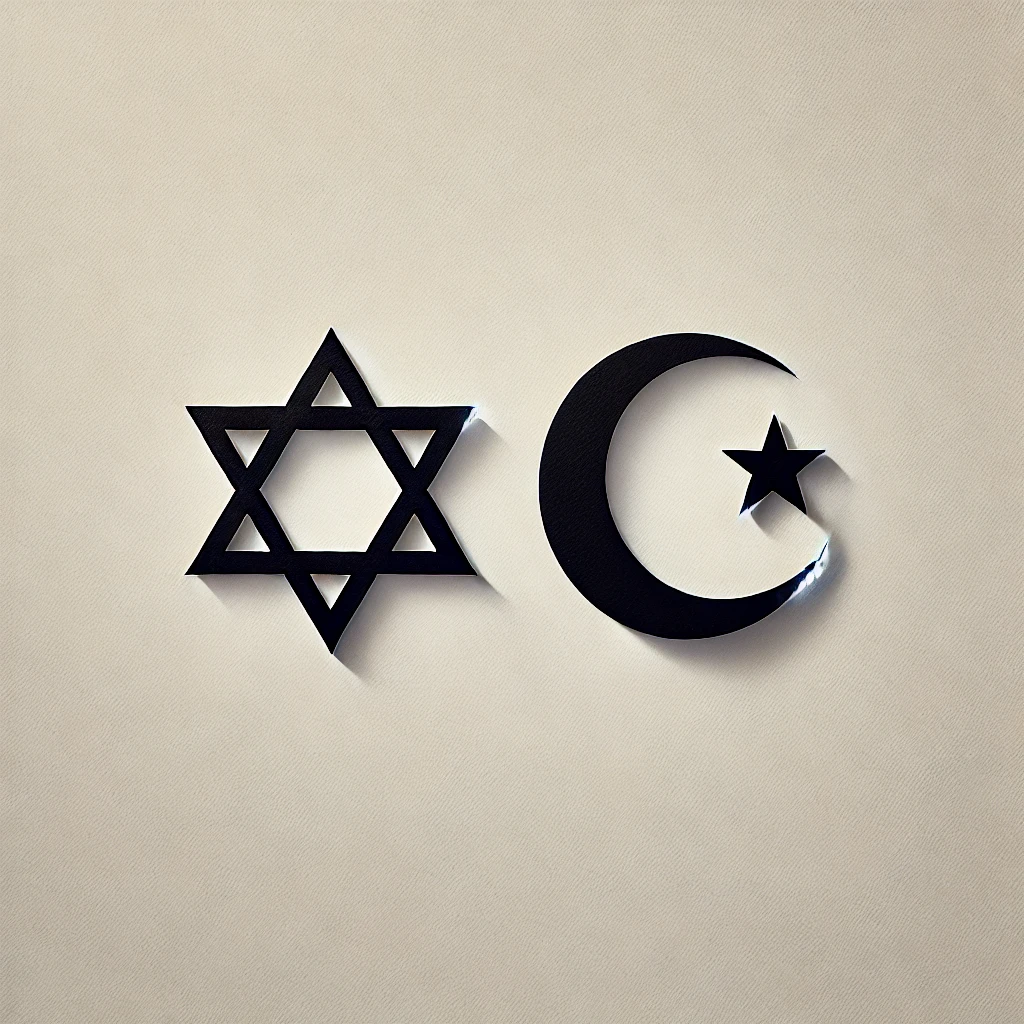
When it comes to kosher vs halal, the two dietary systems share a lot on the surface — both forbid pork, both require animals to be slaughtered by hand with a blessing, and both use certification symbols to help shoppers identify approved foods. But the similarities stop there. Jewish kashrut and Islamic halal law come from different religious texts, follow different slaughter procedures, and diverge sharply on rules like mixing meat and dairy, seafood, and alcohol. Whether you're trying to figure out if kosher meat counts as halal, if halal products are automatically kosher, or you're simply comparing the two traditions out of curiosity, this guide breaks down the real differences — plus what to actually look for on packaging so you can shop with confidence.
📊 The 20 Key Differences Between Kosher and Halal
A side-by-side breakdown of where the two systems diverge — and where they overlap.
| Aspect | Kosher | Halal |
|---|---|---|
| Origin | Jewish dietary law (Kashrut) | Islamic dietary law (Shariah) |
| Religious Text | Torah and Talmud | Quran and Hadith |
| Certifying Body | Rabbi or kosher certification agency (e.g. OU, OK, Star-K) | Islamic certification body (e.g. IFANCA, ISNA) |
| Animals Allowed | Mammals with split hooves that chew their cud | Most animals except pigs and a small list of others |
| Pork | Always forbidden | Always forbidden |
| Slaughter Method | Shechita — a single swift cut by a trained shochet | Dhabihah — a cut with a blessing recited over the animal |
| Blood Consumption | Blood must be fully drained and salted out | Blood must be drained |
| Seafood | Only fish with fins and scales; no shellfish | Seafood generally permitted, including shellfish |
| Alcohol | Permitted in moderation; kosher wine has its own rules | Forbidden entirely |
| Stunning Before Slaughter | Not permitted | Views vary by certifier; some permit it |
| Blessing at Slaughter | A blessing is recited by the shochet | "Bismillah" is recited over the animal |
| Post-Slaughter Inspection | Internal organs checked for defects (bedika) | No equivalent organ inspection requirement |
| Certification Symbols | OU, OK, Star-K, KOF-K, circled K, and others | Halal logo, crescent moon symbol, "Halal" text mark |
| Mixing Meat & Dairy | Strictly prohibited — separate utensils required | Permitted |
| Poultry | Must be shechted and certified kosher | Must be dhabihah-slaughtered and certified halal |
| Gelatin | Must derive from a kosher-slaughtered animal or fish | Must derive from a halal-slaughtered source |
| Enzymes & Additives | Must trace back to kosher animal or plant sources | Must trace back to halal-permitted sources |
| Shared Processing Equipment | Equipment must be kosher-certified or fully kashered between uses | Equipment must be halal or thoroughly cleaned between uses |
| Market Availability (US) | Widely available; over a third of US packaged food carries kosher certification | Growing availability, concentrated near Muslim communities and specialty markets |
Swipe to see the full table on mobile →
Reading through the table, the two most consequential differences for everyday shoppers are the meat-and-dairy rule and the certifying authority itself. A product can carry a halal label and still be entirely unacceptable under kashrut simply because it was made on shared dairy equipment — and vice versa, a certified kosher product may still fall short of halal standards around alcohol content or slaughter method. Neither system is "stricter" across the board; each has areas where its rules go further than the other's.
📚 Bring Kosher Cooking Home
Three standout kosher cookbooks to build your kitchen library.
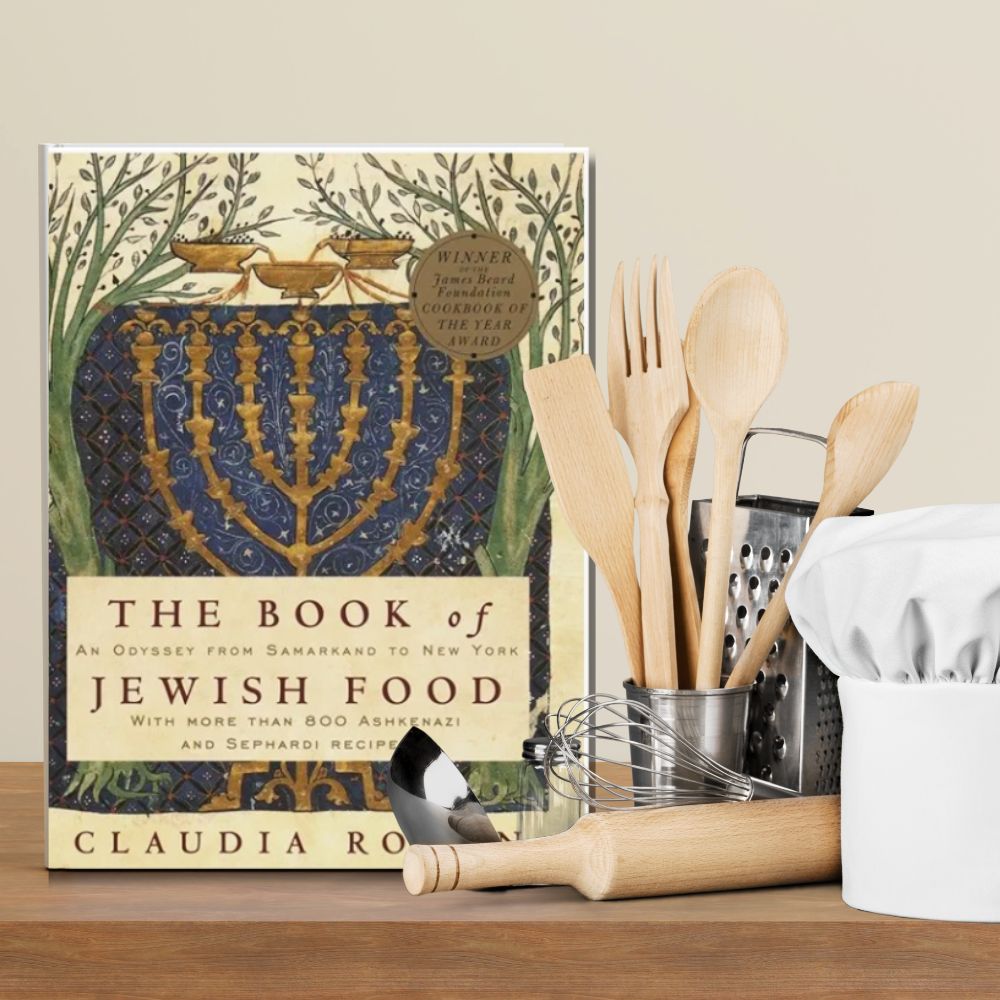
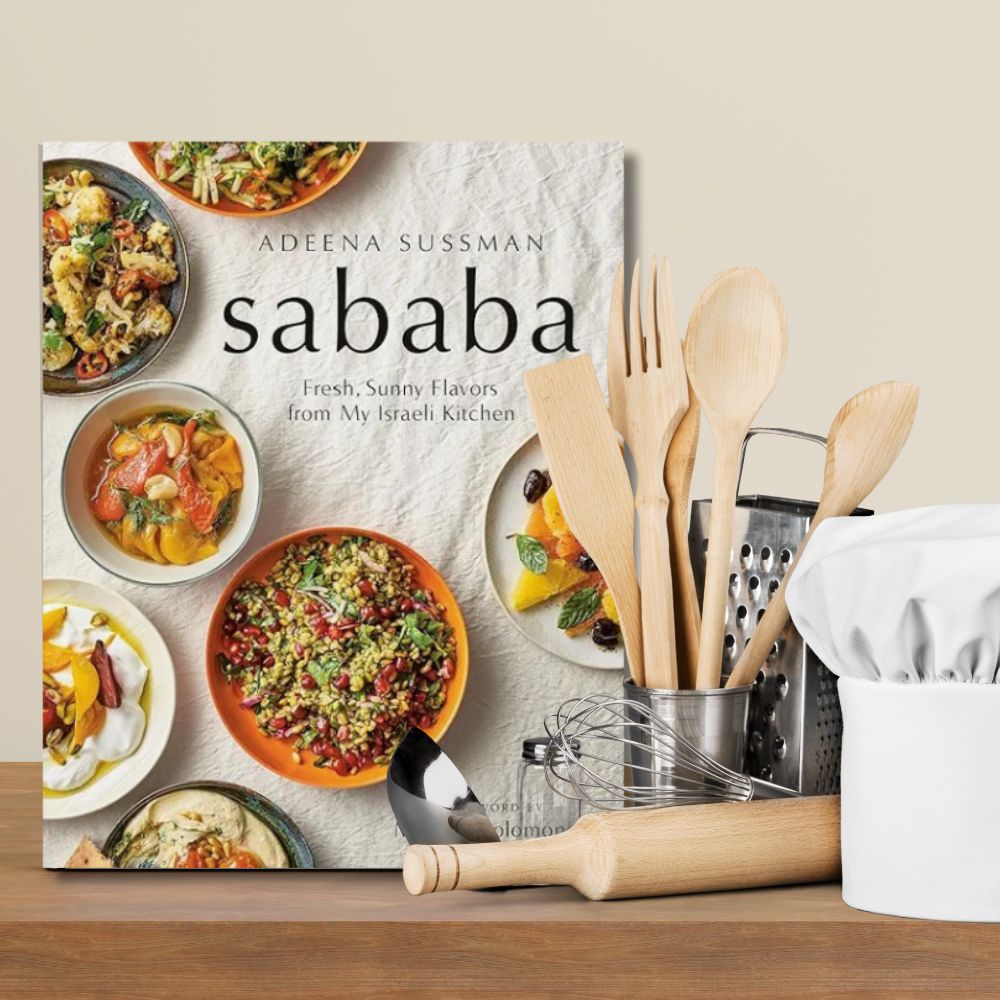
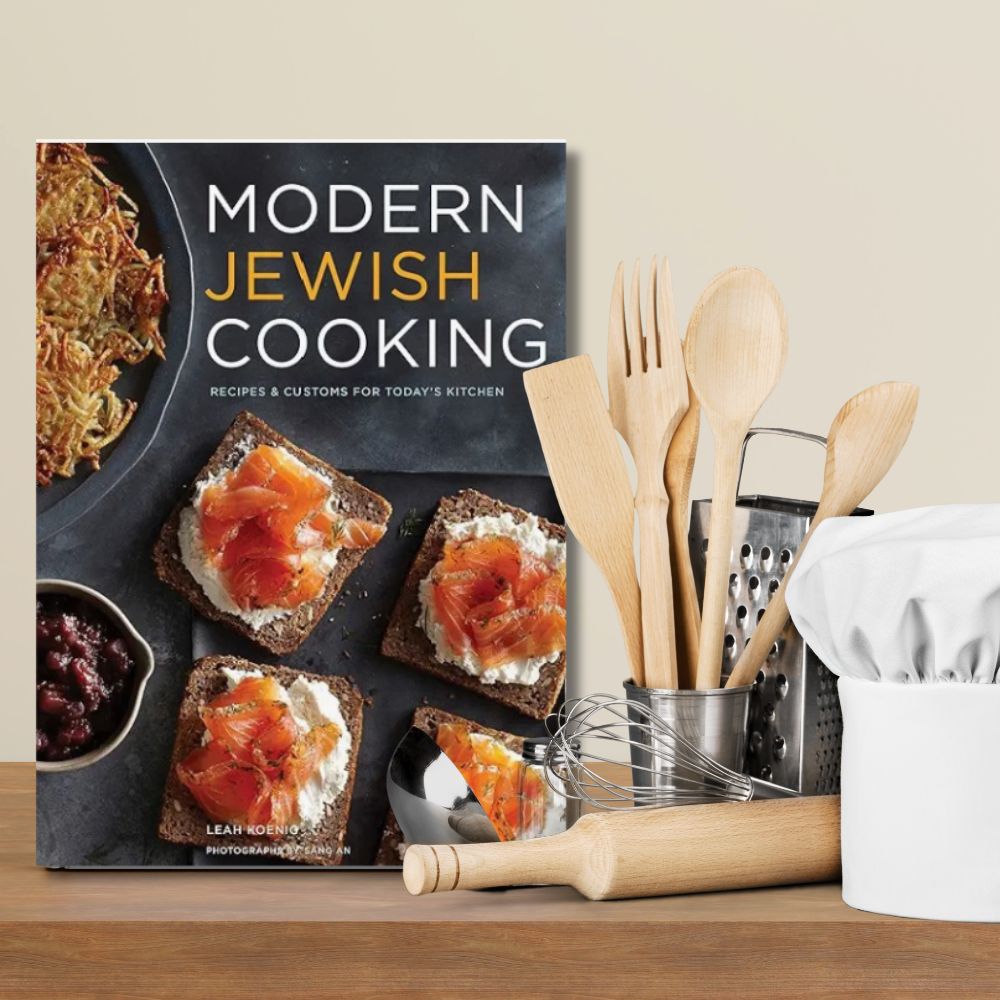
These three cookbooks are a great starting point if you're building a kosher kitchen library — each blends genuine kosher cooking technique with recipes that work for everyday meals and holiday tables alike. All three are pareve-and-dairy friendly in structure, meaning most recipes clearly separate meat and dairy dishes, which makes kosher meal planning far easier for anyone new to keeping kosher.

Are Kosher and Halal the Same?
No — kosher and halal are not the same, even though they overlap on some basics. Both forbid pork and both require the animal's blood to be drained at slaughter. Beyond that, the two systems diverge: kosher law bans mixing meat and dairy entirely and restricts seafood to fish with fins and scales, while halal law permits meat with dairy and allows shellfish. Kosher slaughter (shechita) also includes a post-slaughter organ inspection that halal slaughter (dhabihah) does not require in the same way.
📖 Go Deeper on Kosher Law
The definitive halachic guide, plus tools that make the meat/dairy split easy.
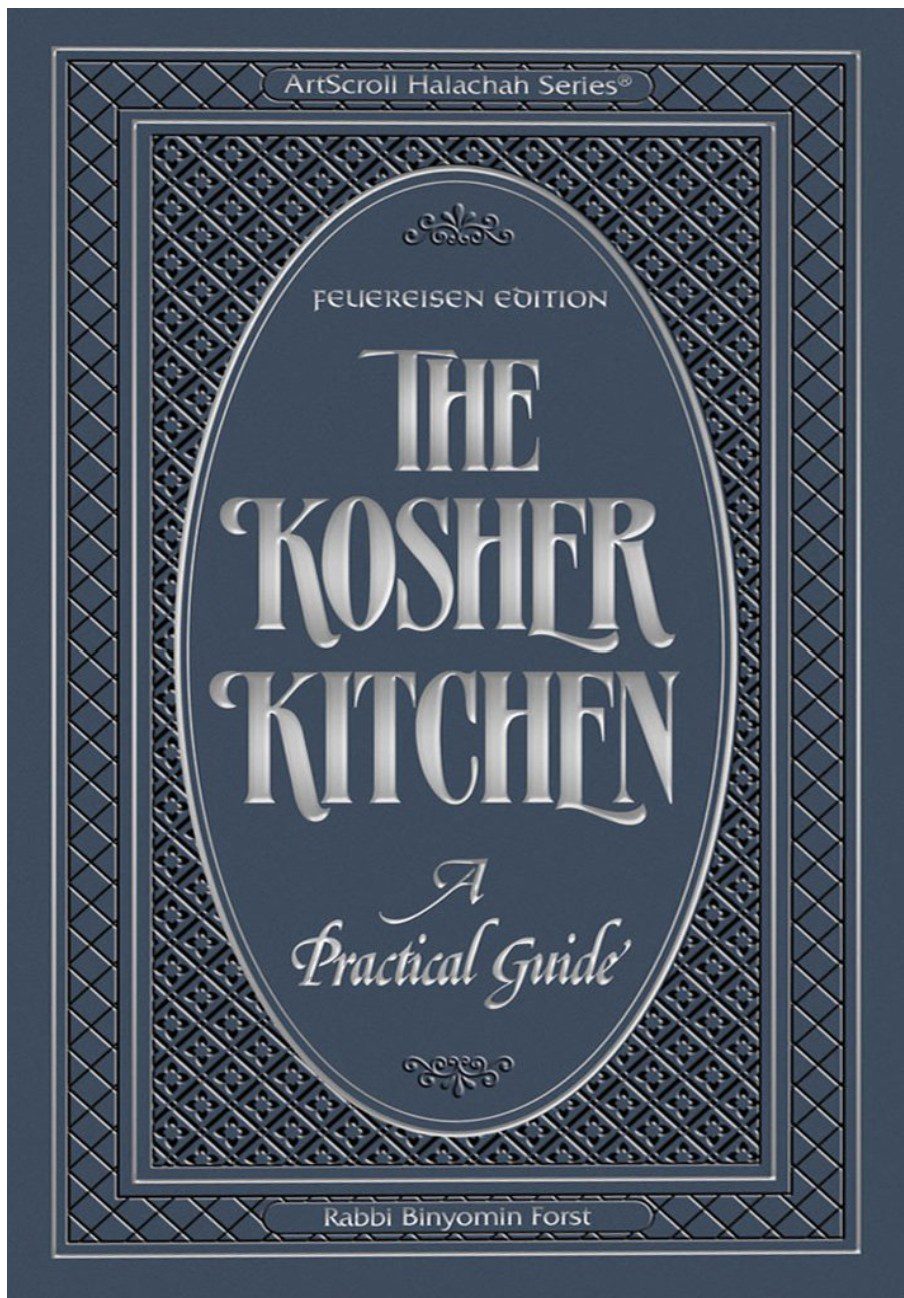
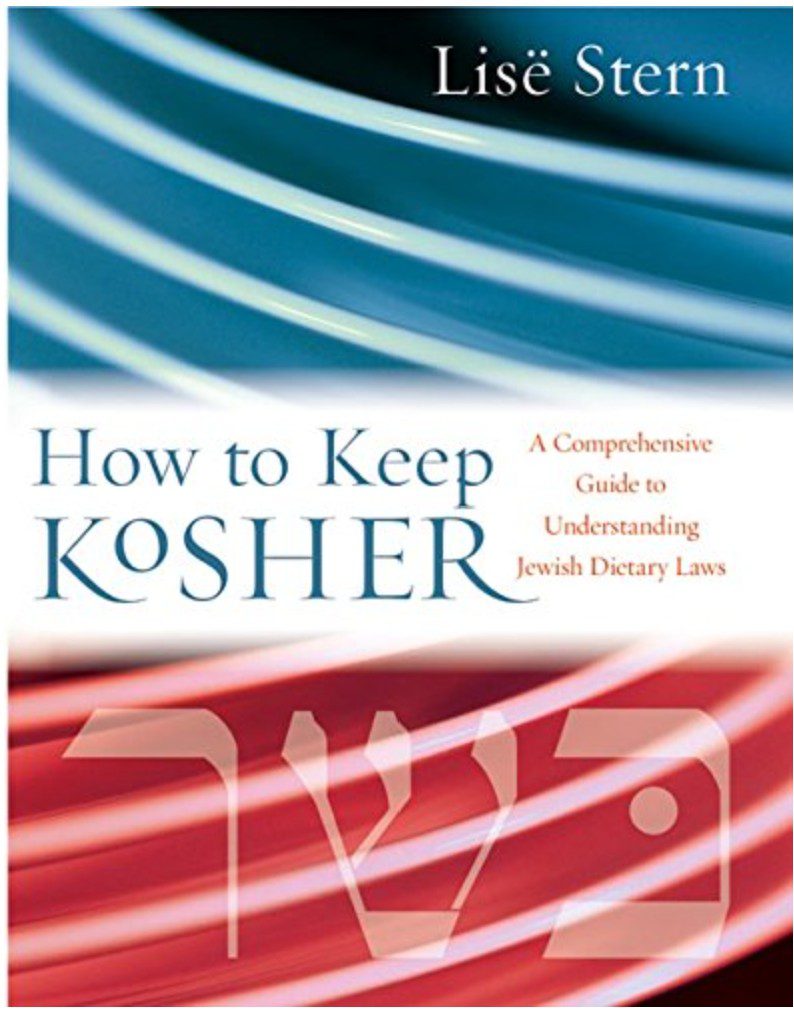
If you want to go beyond the headline rules, these two books take it from different angles. Rabbi Binyomin Forst's The Kosher Kitchen is the standard halachic reference — dense, practical, and built for people who already keep kosher and want the detailed how. Lise Stern's How to Keep Kosher is the better entry point if you're newer to it or want the why: it walks through the biblical and historical roots of kashrut in plain language, with over forty recipes woven in. Together they cover both the beginner's foundation and the deeper halachic detail.

🔍 What to Look For on Packaging
Kosher and halal symbols explained — so you know exactly what you're buying.
Kosher Symbols
Every kosher-certified product carries a hechsher — a small symbol from the certifying agency, usually printed near the ingredients list. The most common ones you'll see on US packaging:
- Ⓤ (OU) — Orthodox Union, the most widely used kosher symbol in the US
- Ⓚ (OK) — OK Kosher Certification
- Star-K — a star with "K" inside, from Star-K Kosher Certification
- KOF-K — Kof-K Kosher Supervision
- Plain circled K — not always reliable on its own; unlike the symbols above, "K" isn't trademarked, so anyone can print it. Look for a registered agency symbol instead when possible.
Letters next to the symbol matter too: D means the product is dairy or was made on dairy equipment, DE means it contains a dairy-derived ingredient in trace amounts, P means kosher for Passover, and no letter (or "Pareve") means the product contains neither meat nor dairy.
Halal Symbols
Halal certification is less standardized than kosher, since there's no single dominant US certifying body. Look for a certification logo from a recognized agency such as IFANCA (Islamic Food and Nutrition Council of America) or ISNA (Islamic Society of North America), rather than just the word "Halal" printed without a certifier's name attached — unverified halal labeling is more common than unverified kosher labeling in US retail.
Quick Shopping Tip
If you keep kosher, a halal label is never a substitute for kosher certification — and the reverse is true for halal shoppers. Always look for the specific hechsher or halal certifier's mark rather than assuming one dietary label covers the other.

❓ Kosher vs Halal: Frequently Asked Questions
Would a Jew eat halal food?
Generally, no. Jews who observe kashrut do not eat halal-certified food, because halal certification doesn't meet the specific requirements of Jewish law. Halal allows mixing meat and dairy and permits shellfish, both of which are forbidden under kashrut, and halal meat isn't slaughtered or inspected the way shechita requires — so a halal label doesn't carry any kosher status.
Would a Muslim eat kosher food?
Many Islamic scholars hold that kosher meat can be eaten by Muslims when halal options aren't available, since kosher slaughter also involves draining the blood and a blessing over the animal. This isn't universal, though — some Muslims prefer to eat only halal-certified food regardless of availability, and kosher wine and other kosher alcohol products remain off-limits under Islamic law even when certified kosher.
What makes something kosher?
A kosher product must come from a permitted animal, be slaughtered via shechita by a trained shochet, have its blood fully drained, avoid mixing meat and dairy, and be produced under rabbinical supervision that verifies every ingredient and piece of equipment used.
Is kosher food healthier than halal food?
Neither system is inherently healthier — both are religious frameworks, not nutritional standards. Some people find kosher or halal foods feel "cleaner" due to the added inspection and preparation steps, but neither certification guarantees a product is lower in sodium, fat, or calories.
Can kosher meat be labeled halal, or halal meat labeled kosher?
No. Even though the slaughter methods are similar, kosher and halal certifications are issued by entirely separate certifying bodies with different standards. A product needs to go through each certification process independently — passing one doesn't automatically qualify it for the other.
Do kosher and halal both forbid pork?
Yes — this is one of the clearest points of agreement between the two systems. Both kosher and halal law prohibit pork and any pork byproducts entirely, with no exceptions.
Is all kosher wine also halal?
No. Islamic law forbids alcohol consumption altogether, so kosher wine — even though it meets Jewish dietary requirements — is not considered halal.
Why does kosher food cost more than non-certified food?
Kosher certification involves ongoing rabbinical supervision, ingredient verification, and dedicated or kashered equipment, all of which add cost to production. Halal certification carries similar overhead, though it varies more by certifying agency.
The Kosher Hub is not a Kosher Authority. For any advice please refer to your local Kashrut Authority.
As an Amazon Affiliate we earn from qualifying purchases.




Understanding Our Kosher Certifications
The Kosher Hub references products certified by recognized kosher authorities, including OU, OK, Star-K, Kof-K, and CRC. Certification symbols and status can change, so always confirm the current kosher status directly on the product packaging or via the certifying agency's own listings before purchasing.