
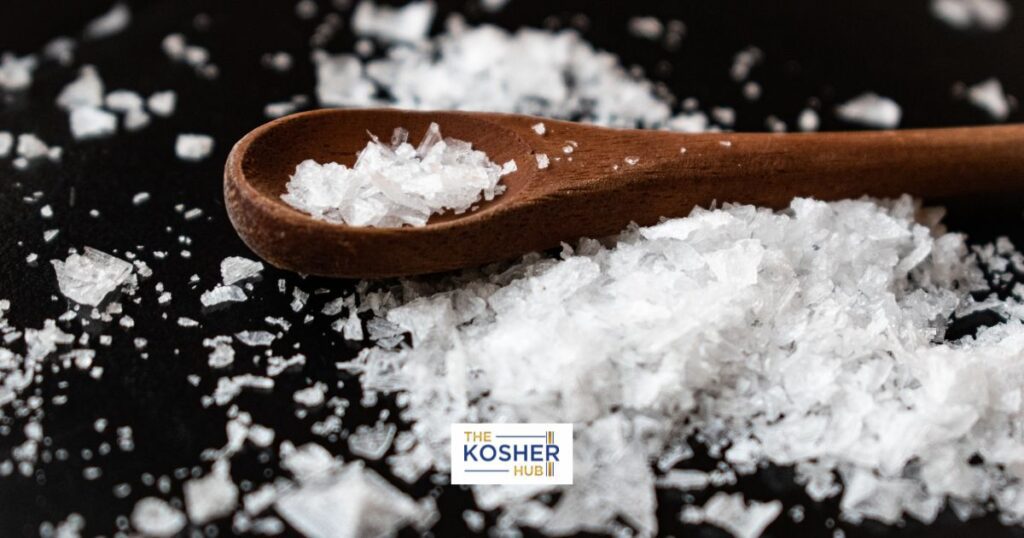
Running low on kosher salt mid-recipe? A good kosher salt substitute is easy to find in almost any kitchen — but reaching for the wrong one, or using the same measurement, can throw off a dish fast. Because kosher salt is really defined by its coarse, flaky grain rather than a certification, most cooks are actually asking which everyday salt to reach for and how much of it to use. The short answer: coarse sea salt and Himalayan pink salt sub in at a 1:1 ratio, while dense fine sea salt or table salt needs roughly half to three-quarters the amount. Below we break down the best kosher salt substitute for every situation — from everyday cooking to finishing a dish — along with kosher-certified options so you're never caught without the right salt on hand.
🧂 Best 1:1 Kosher Salt Substitutes
Coarse sea salt and Himalayan pink salt match kosher salt's grain size almost exactly.
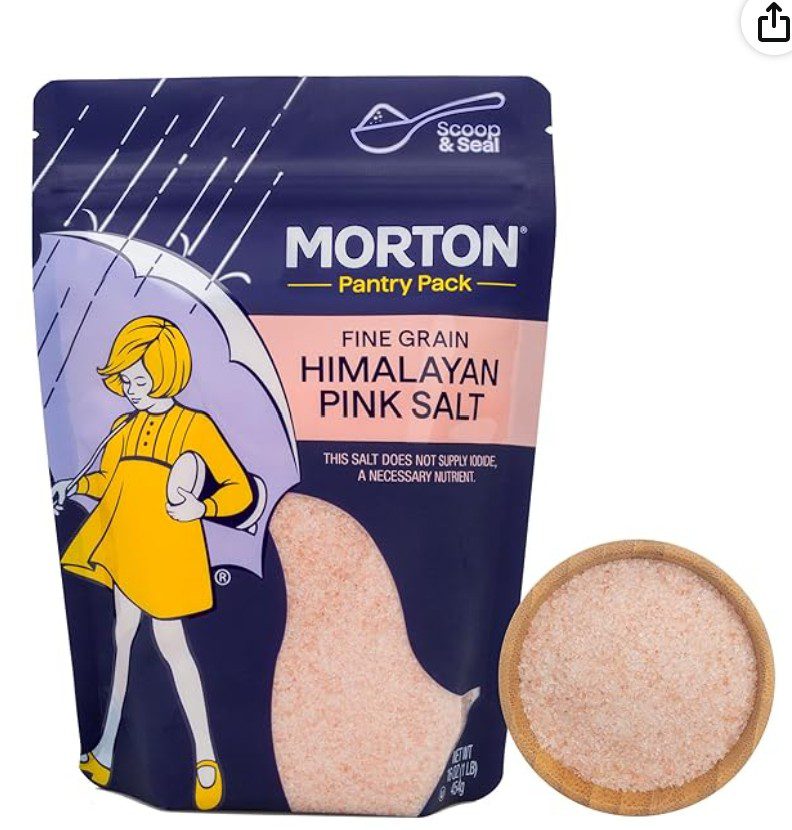
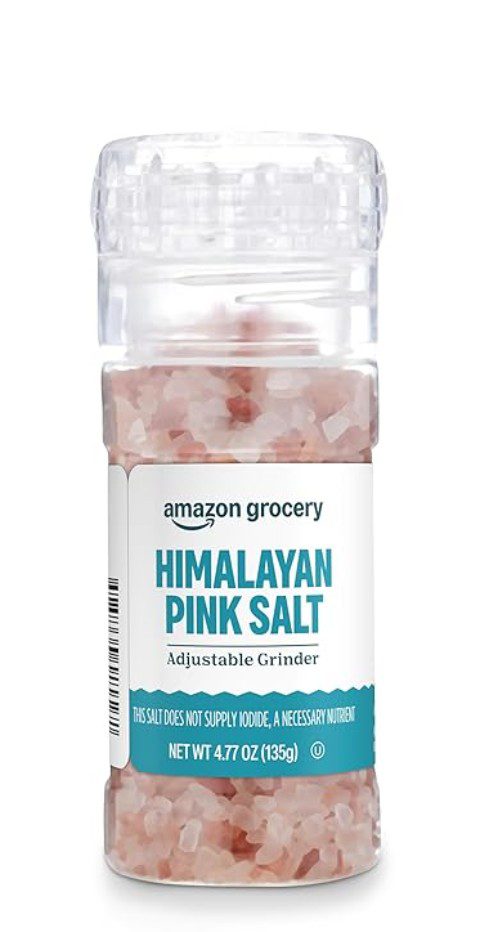
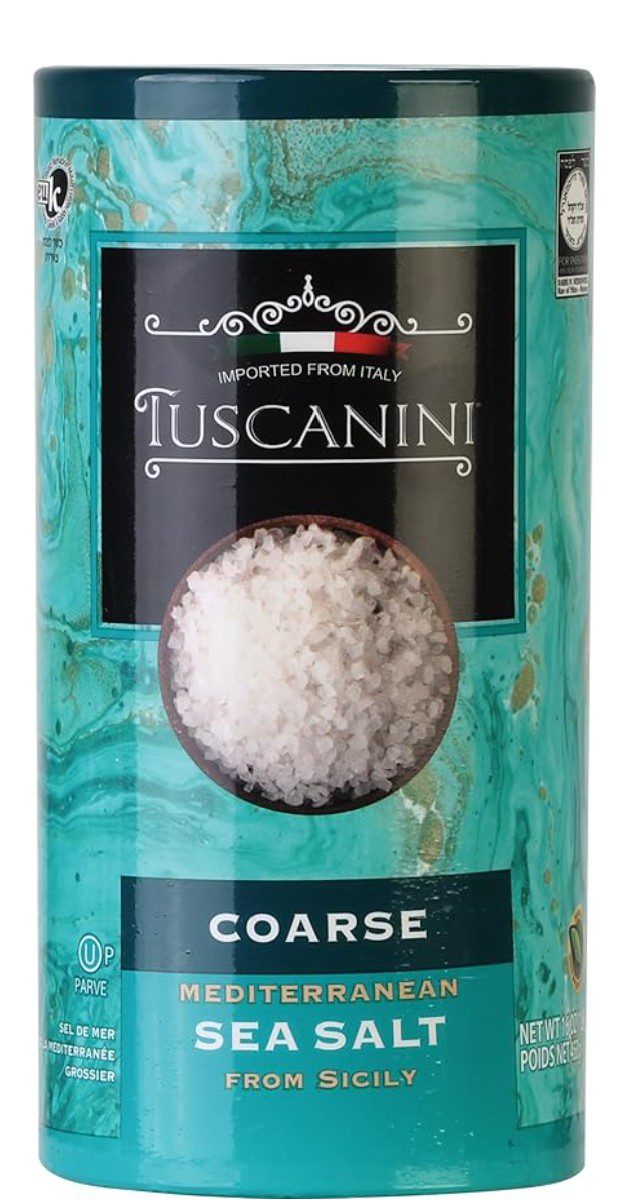
Coarse sea salt and coarse Himalayan pink salt are the closest match to kosher salt because the crystal size is nearly identical, so a straight 1:1 swap works in almost any recipe — cooking, brining, or salting a roast. Morton's Himalayan option is a reliable everyday pick, the Amazon Grocery version is the most wallet-friendly, and Tuscanini's Mediterranean sea salt brings a slightly briny, artisanal edge that's popular for Shabbat and holiday cooking. All three are pareve and work in any meat, dairy, or parve dish.
⚖️ Only Have Table Salt or Fine Sea Salt?
Fine, dense grains pack tighter — cut the amount, don't match it.
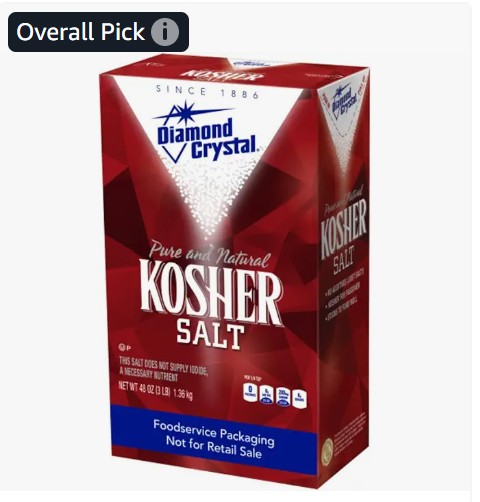
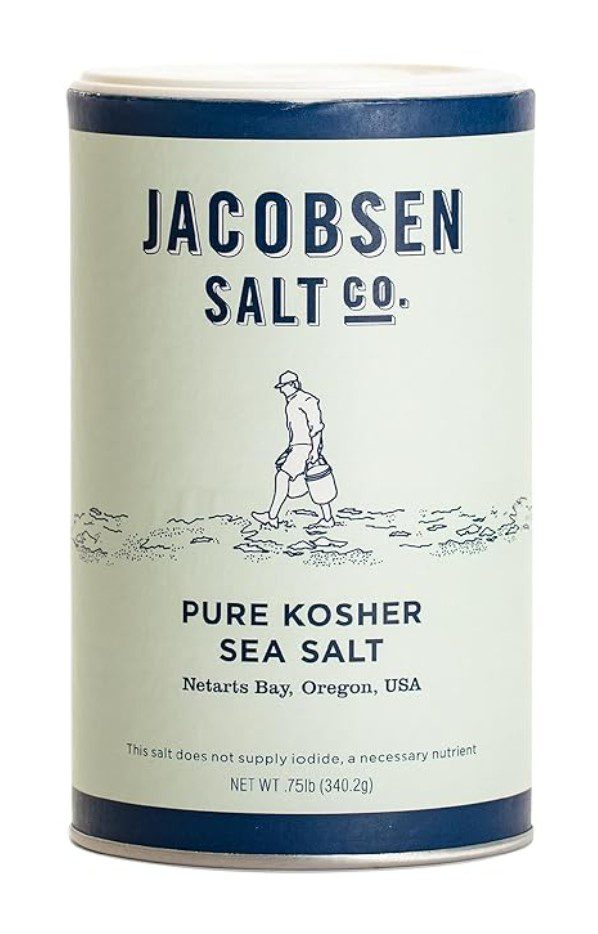
Table salt and fine sea salt are much denser than kosher salt, so a 1:1 swap will oversalt your dish. As a rule of thumb, use about half to three-quarters of the amount — if a recipe calls for 1 teaspoon of kosher salt, start with ½ to ¾ teaspoon of table salt and adjust to taste. This matters most in baking, where salt is measured precisely rather than "to taste," and in brining, where too much salt can't easily be corrected. If you'd rather skip the mental math altogether, stocking a bag of true kosher salt solves the problem for good:

✨ Best Substitute for Finishing & Topping
For that final sprinkle, texture matters more than measurement.
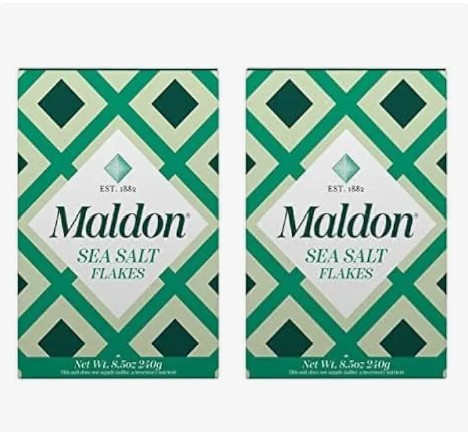
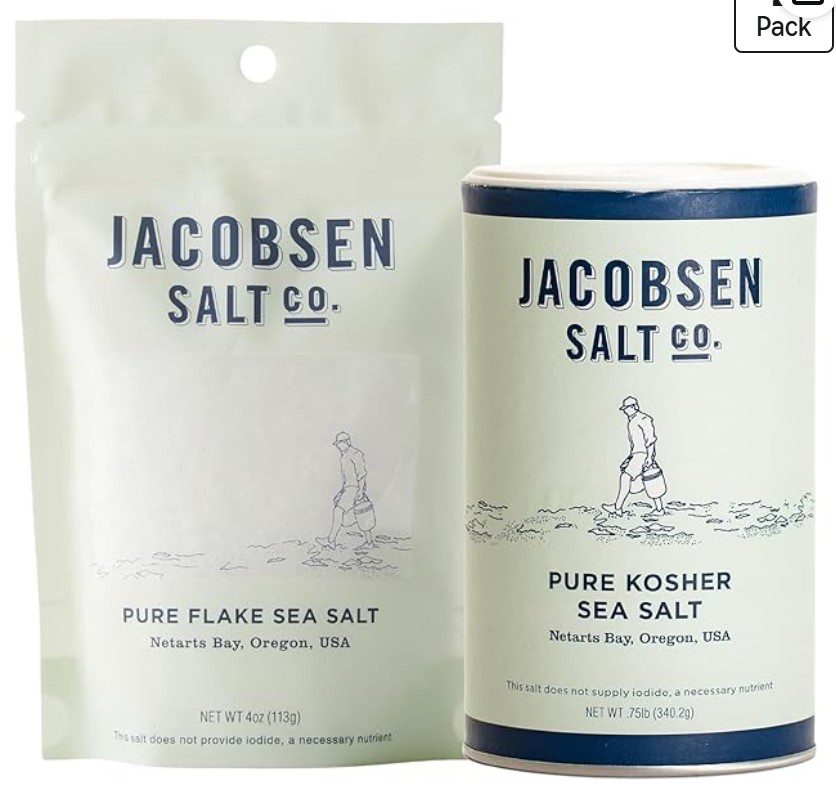
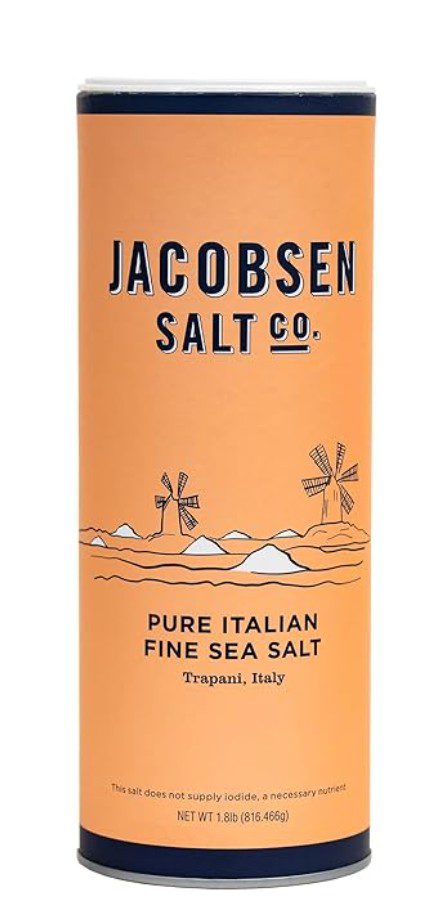
For a final sprinkle on a roast, salad, or baked good, a flaky finishing salt swaps in at 1:1 for texture and crunch, though it's not meant to replace kosher salt during actual cooking — these salts are pricier, and delicate flakes dissolve into the dish before they can add that signature crunch. Maldon is the classic choice, while Jacobsen's pure flake and Italian sea salt bring a softer, more delicate crystal that's especially nice over roasted vegetables or a finished piece of fish. Save any of these for the very last step, right before serving.
🔥 Want More Flavor? Try a Specialty Substitute
A smoked or flavored salt does double duty as a seasoning upgrade.
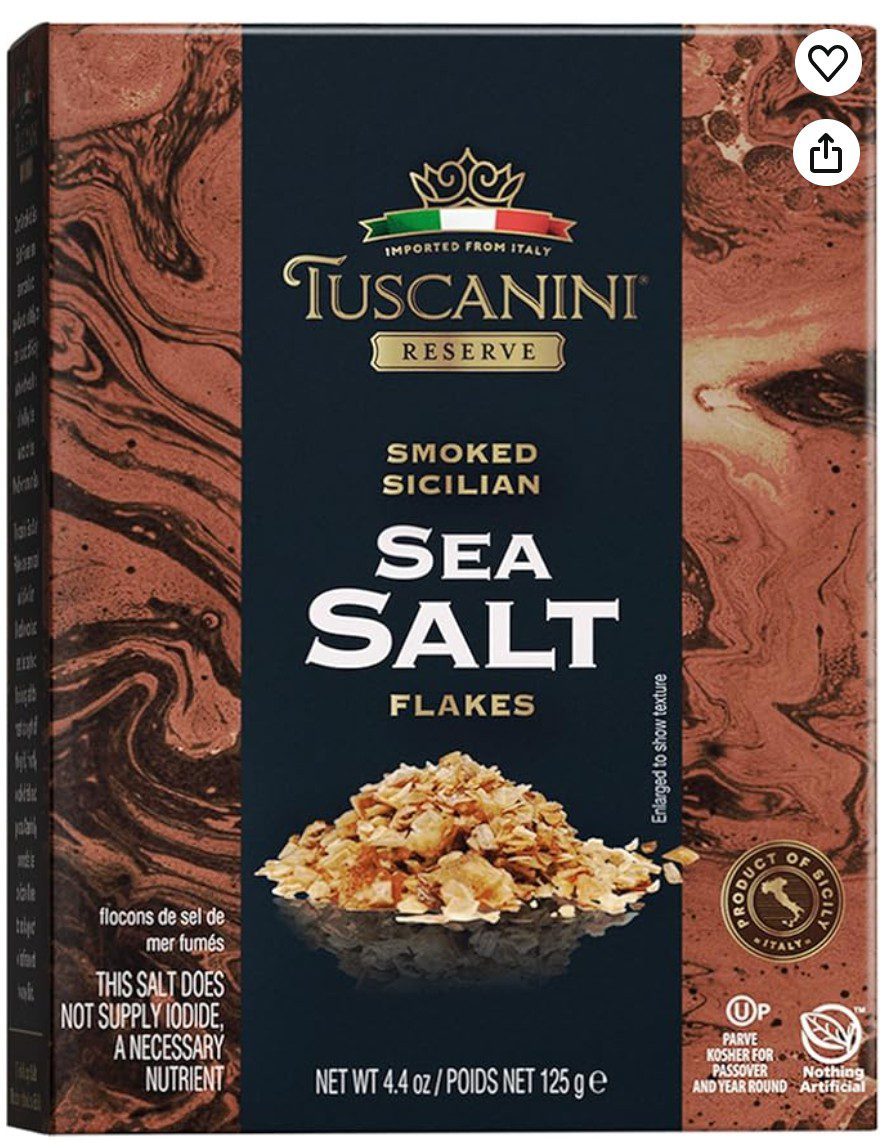
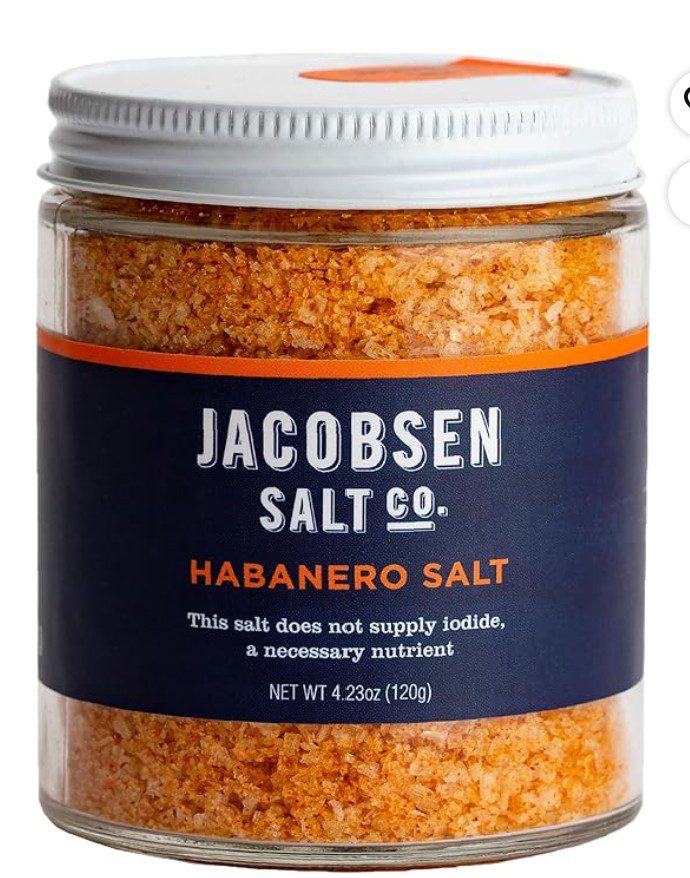
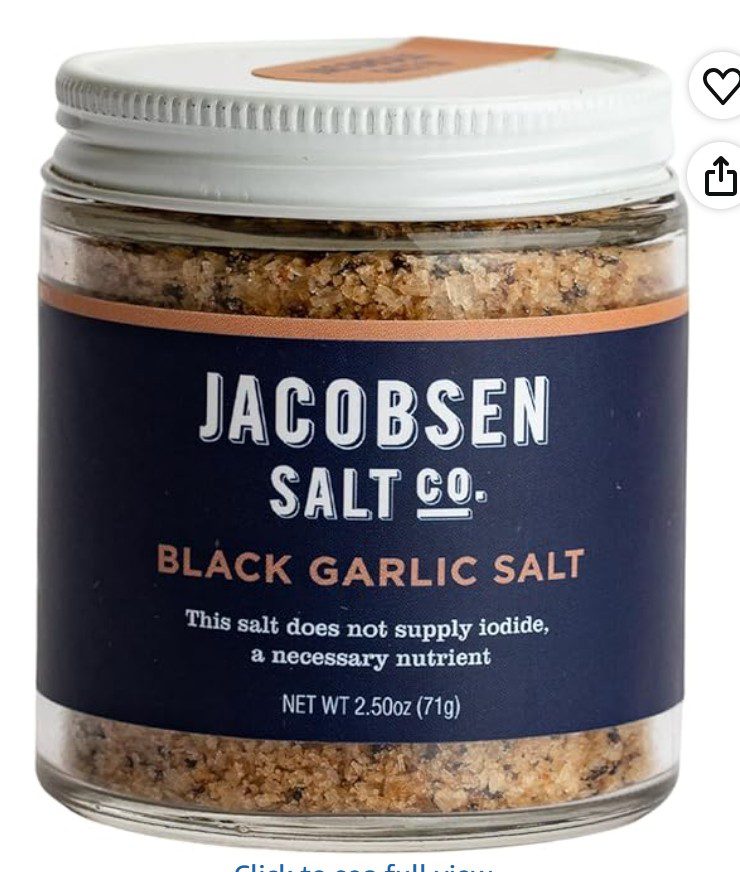
If you're substituting anyway, a smoked or flavored sea salt can add depth you wouldn't get from plain kosher salt — great on grilled meats, roasted vegetables, or a Shabbat brisket where a little extra character goes a long way. Tuscanini's smoked flakes bring a natural woodsy note, while Jacobsen's habanero and black garlic blends layer in heat or umami right along with the seasoning. Use any of these at a 1:1 ratio like other coarse salts, and taste as you go since flavored salts are more assertive than plain salt.

🔍 What to Look For in a Kosher Salt Substitute
Grain size and density. Kosher salt's large, irregular flakes are what make it easy to pinch and control by hand — that's the whole reason chefs prefer it. When substituting, match texture first: coarse-for-coarse works at 1:1, but fine-for-coarse always needs a smaller amount because dense grains pack more tightly into a measuring spoon.
Weigh it if you can. If you have a digital kitchen scale, salt-to-salt conversions get much simpler — 1 gram of any salt equals 1 gram of any other salt, regardless of grain size. This is the most reliable way to substitute in baking, where precision matters more than in savory cooking.
Certification and Passover. Plain salt itself doesn't require kosher certification the way processed foods do, but iodized salt is generally avoided for Passover cooking by many households, so non-iodized options are the safer substitute during the holiday. Several of the brands above, along with others like Diamond Crystal and Morton, appear on standard kosher-for-Passover salt lists — always confirm with your local Kashrut authority before Pesach.

❓ Frequently Asked Questions
Can I substitute table salt for kosher salt 1:1?
No. Table salt is much denser than kosher salt, so a 1:1 swap will make your dish too salty. Use about half to three-quarters the amount instead, and adjust to taste.
Is sea salt the same as kosher salt?
Not exactly, but coarse sea salt is the closest substitute. Both have large, irregular crystals, so coarse sea salt subs in at roughly a 1:1 ratio in most recipes.
What's the best kosher salt substitute for baking?
Weigh it by grams if you can — 1 gram of any salt equals 1 gram of another, regardless of grain size. This is far more accurate than a volume swap when baking.
Is Himalayan pink salt a good kosher salt substitute?
Yes, especially coarse-grind Himalayan pink salt, which matches kosher salt's grain size closely enough to substitute 1:1 in most cooking.
Does kosher salt need to be certified kosher?
Plain salt is naturally kosher and doesn't require certification the way processed foods do. "Kosher salt" refers to the coarse grain traditionally used in the koshering (salting) process for meat, not a certification.
Can I use pickling salt instead of kosher salt?
Yes, at roughly a 1:1 ratio, though pickling salt is finer and dissolves faster — it works well in brines but is less ideal for hand-pinching over a dish.
What's the best substitute for finishing a dish?
A flaky finishing salt like Maldon works at a 1:1 ratio and adds the crunch kosher salt can't replicate once a dish is already cooked. Save it for the final step rather than using it throughout cooking.
Is kosher salt kosher for Passover?
Many non-iodized coarse salts, including several popular kosher salt brands, appear on standard Passover-safe salt lists, but always verify with your local Kashrut authority before Pesach since practices vary.
How much less table salt should I use than kosher salt?
Start with half to three-quarters of the amount called for, then taste and adjust. If a recipe calls for 1 teaspoon of kosher salt, begin with ½ to ¾ teaspoon of table salt.
The Kosher Hub is not a Kosher Authority. For any advice please refer to your local Kashrut Authority.
As an Amazon Affiliate we earn from qualifying purchases.






Understanding Our Kosher Certifications
The Kosher Hub references products certified by recognized kosher authorities, including OU, OK, Star-K, Kof-K, and CRC. Certification symbols and status can change, so always confirm the current kosher status directly on the product packaging or via the certifying agency's own listings before purchasing.