
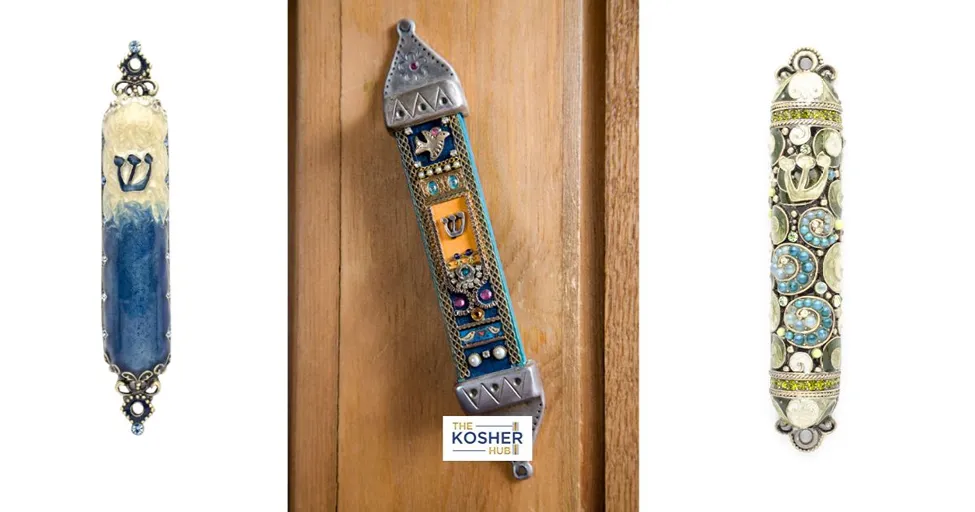
If you have ever noticed a small case on the right-hand doorpost of a Jewish home and wondered what is inside, you have seen a mezuzah. A kosher mezuzah scroll is a piece of parchment, handwritten by a trained scribe, carrying verses from the Torah that Jewish families have fixed to their doorways for thousands of years. Choosing one is not like choosing a decoration. The case is the part you see, but the scroll is the part that counts, and a printed or photocopied scroll does not fulfil the mitzvah no matter how beautiful the case looks. That is why we looked through Amazon for six mezuzah scroll options, including listings from Pro Shofar and Suri Judaica, and paired them with three well-designed cases from Yair Emanuel. Whether you are moving into a new home, replacing a worn scroll, or shopping for a housewarming gift, this guide covers where the tradition comes from and what to check before you buy. If you are ever unsure about a scroll or where to hang it, ask your rabbi.
📜 A Short History of the Mezuzah
From the Torah to the doorpost of your home
The word mezuzah means doorpost in Hebrew, and the commandment comes straight from the Torah. In the verses of the Shema, the Israelites are told to write God's words on the doorposts of their houses and on their gates. A second passage in the same book repeats the instruction. Those two passages, Deuteronomy 6:4–9 and 11:13–21, are exactly what a scribe writes on the parchment today.
Archaeology shows how old the practice is. Mezuzah parchments carrying these same passages were found among the manuscripts discovered in the Judean Desert, dating to roughly two thousand years ago. Later, the Talmud set out detailed laws for the scroll, covering how it is written, where it is hung and how often it should be checked. Those rules still guide scribes (sofrim) today.
The decorative case came later. Over the centuries, Jewish communities across Europe, North Africa and the Middle East made cases in wood, metal, glass and ceramic, often marked with the Hebrew letter shin, which stands for Shaddai, one of the names of God. That same name is written on the back of the scroll itself, and some cases leave a small opening so it can be seen.
Jewish sages also warned against treating the mezuzah as a lucky charm. Maimonides taught that it is a reminder of God's unity and of the commandments, not a magical object. That is still how it is understood: a visible sign, at every doorway, of what the home stands for.
🕍 Our Top Kosher Mezuzah Scroll Picks
Ready-to-hang sets and scrolls from Pro Shofar and Israel
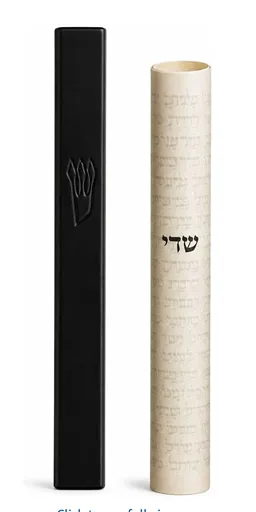
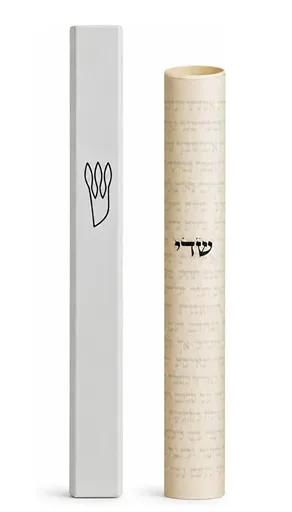
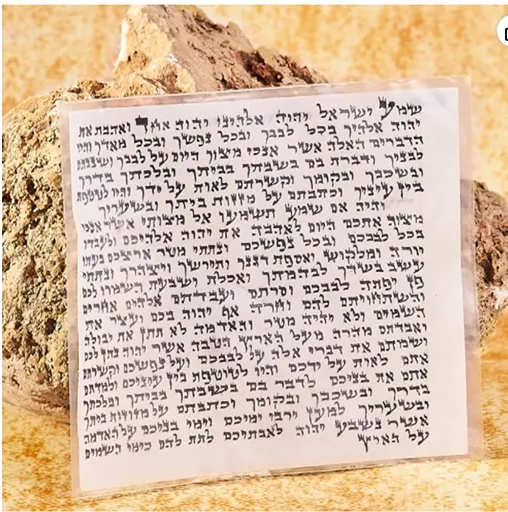
The two Pro Shofar listings give you a mezuzah and a scroll together, which makes them a practical pick if you want one purchase that is ready to hang on the door. The scroll sourced from Israel suits anyone who already owns a favorite case and only needs the scroll inside it. Before ordering, compare the length of the scroll with the inside of your case, because scrolls come in several sizes. A product photo cannot show how a scroll was written, so read each listing for details on who wrote it and how it was checked.

📜 More Kosher Mezuzah Scrolls for Every Doorway
Giftable, Sephardi and compact options
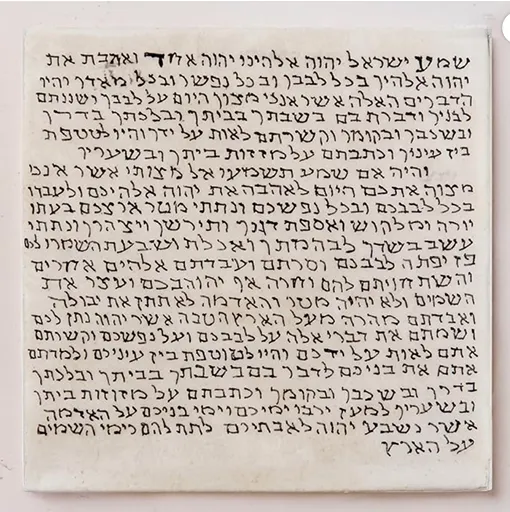
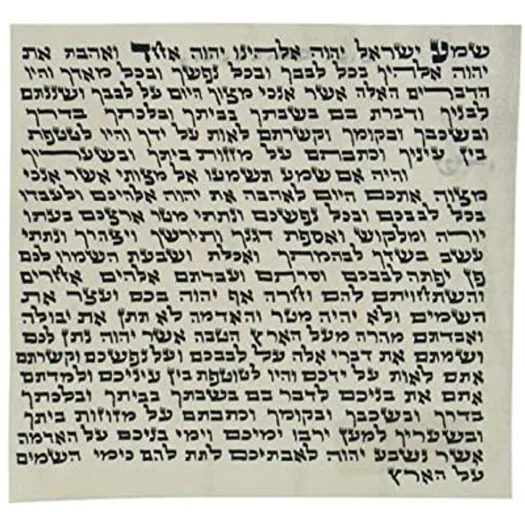
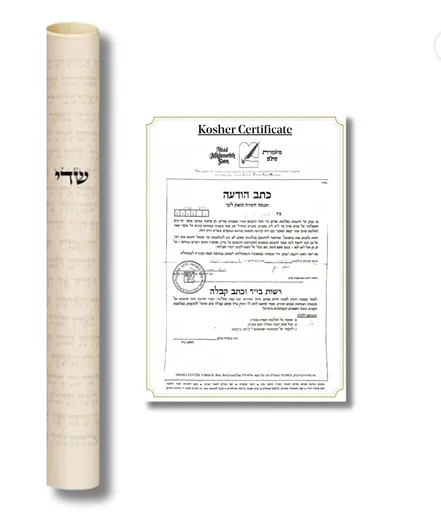
This second group adds three more ways in. The Nana Gifts scroll is a simple, giftable option for a new home. The Peer Hastam scroll is described as Sephardi, so it suits families who follow Sephardic scribal custom; confirm the script style with your rabbi, since customs differ between communities. The SURI scroll in a 12cm size is worth a look if you need something smaller for a compact case. Suri Judaica also has a wider range on Amazon, so use the store link below if you need a different size.

🔍 What to Look For in a Kosher Mezuzah Scroll
Five things to check before you buy
1. Handwritten on parchment by a sofer
A kosher mezuzah scroll is written by hand, with a quill and ink, on parchment (klaf) by a trained scribe. Printed, photocopied or laser-engraved scrolls are decorative only and do not fulfil the mitzvah.
2. Clear information about who wrote and checked it
Look for a listing that names the scribe or the certifying body, and explains how the scroll was checked. Many sellers mention a second check by a scribe or a computer scan for errors, which is a good sign, but it does not replace a reputable sofer.
3. The right script for your family
Scribal customs differ between Ashkenazi, Sephardic and other communities. If your family or synagogue follows a particular custom, choose a scroll to match, and ask your rabbi if you are unsure.
4. A size that fits your case
Scrolls are sold in a range of lengths, commonly from about 4 inches (10cm) up to 12 inches (30cm). Measure the inside of your case first, and never fold or force a scroll to fit.
5. A realistic price
Writing a scroll takes skill and time, so a rock-bottom price is a warning sign. If a price looks too good to be true, check the listing carefully before buying.
🏠 Mezuzah Cases to Protect Your Scroll
Yair Emanuel designs for every style of home
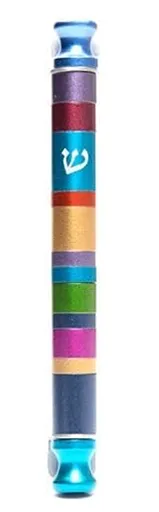
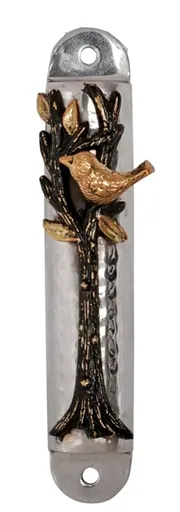
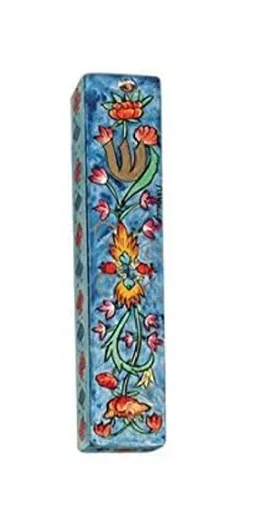
A case does not need kosher certification, because the mitzvah is fulfilled by the scroll; the case simply protects it and gives the doorway some character. These three Yair Emanuel designs cover three different styles: a modern case, a hammered metal case and a small wooden case with pomegranates. For a doorpost exposed to rain, check that the case closes securely so moisture cannot reach the parchment. Match the interior length of the case to your scroll before buying, and consider a case as a thoughtful housewarming gift alongside a scroll.

❓ Kosher Mezuzah Scroll FAQ
Quick answers before you hang your mezuzah
What makes a mezuzah scroll kosher?
A kosher mezuzah scroll is handwritten by a trained scribe (sofer) on parchment, using a quill and ink, with the two Torah passages written according to Jewish law. Printed or photocopied scrolls are not kosher, however attractive the case may be.
What is the difference between a mezuzah and a mezuzah scroll?
The scroll (klaf) is the parchment with the Torah verses, and it is what fulfils the commandment. The mezuzah, in everyday speech, is the case that holds and protects the scroll on the doorpost.
What is written inside a mezuzah?
The scroll contains two passages from the Torah, Deuteronomy 6:4–9 and 11:13–21, which include the Shema. The name Shaddai is written on the back of the parchment.
What size mezuzah scroll should I buy?
Choose a scroll that fits the inside of your case. Common lengths range from about 4 inches (10cm) to 12 inches (30cm). Measure your case first, and do not fold the parchment to make it fit.
Where do you hang a mezuzah?
Traditionally, a mezuzah is hung on the right doorpost as you enter a room, in the upper third of the doorpost, and many Ashkenazi families hang it on a slant. A blessing is usually said when hanging it. Customs vary, so ask your rabbi for guidance.
How often should a mezuzah scroll be checked?
Tradition is to have a scroll checked by a scribe twice in seven years, and sooner if the case has been exposed to damp or damage. Your rabbi or a local sofer can advise you.
Do I need a mezuzah on every door?
Customarily, a mezuzah is placed on the doorways of rooms used for living in the home, but not on bathrooms. The details depend on the size and structure of each doorway, so check with your rabbi.
What is the difference between Ashkenazi and Sephardic mezuzah scrolls?
The main difference is the style of Hebrew script and certain scribal customs. Follow the tradition of your family or community, and ask your rabbi if you are not sure which to choose.
Does a mezuzah case need to be kosher?
No. The case is Judaica and does not carry kosher certification. What matters is that the scroll inside is kosher, and that the case protects it and fits it properly.







Understanding Our Kosher Certifications
The Kosher Hub references products certified by recognized kosher authorities, including OU, OK, Star-K, Kof-K, and CRC. Certification symbols and status can change, so always confirm the current kosher status directly on the product packaging or via the certifying agency's own listings before purchasing.