The Kosher Hub – Find the Best Kosher Foods Online

Kosher Ingredients

Kosher for Passover Mayonnaise

Finding kosher for Passover mayonnaise can be tricky, as many regular mayonnaise brands contain ingredients that are not suitable for Passover. Whether you’re preparing salads, dips, or spreads, it’s important to choose a mayonnaise that meets Passover requirements. Here’s what to look for, what to avoid, and some of the best options available. What to

Kosher for Passover Mayonnaise Read More »

Kosher for Passover Frosting

Kosher for Passover frosting can be used to decorate cakes, cupcakes, and cookies during the holiday, but it must be made with ingredients that are free from chametz (leavened grains). Many traditional frostings contain ingredients such as corn syrup, glucose, or stabilizers that may not be permitted during Passover unless specifically certified. When buying prepared

Kosher for Passover Frosting Read More »

Kosher for Passover Flour

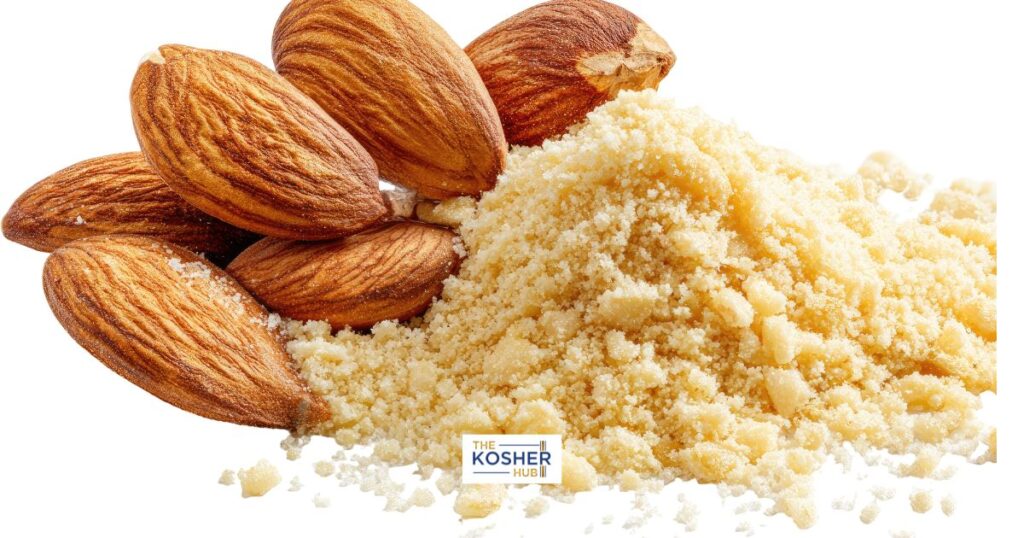
During Passover, traditional wheat flour cannot be used because it is made from grains that become chametz. Instead, many recipes rely on alternative flours such as almond flour, coconut flour, cassava flour, and potato starch. These ingredients are naturally grain-free and are commonly used to make cakes, cookies, pancakes, and other baked goods during the

Kosher for Passover Flour Read More »

Kosher for Passover Egg Noodles

Egg noodles are usually not Kosher for Passover when they are made from traditional wheat flour, which is one of the grains that becomes chametz and is prohibited during the holiday. However, many major kosher brands now produce Passover-approved noodle substitutes made from ingredients such as potato starch or other grain-free alternatives. These products are

Kosher for Passover Egg Noodles Read More »

kosher Pistachios

Are Pistachios Kosher for Passover?

The short answer is: Yes, raw pistachios in their shell are generally considered Kosher for Passover without special certification.However, once a pistachio has been shelled, roasted, salted, or flavored, the answer changes. Roasted or flavored pistachios must bear a reliable “Kosher for Passover” symbol (such as an OU-P, STAR-K P, or OK-P). This is because

Are Pistachios Kosher for Passover? Read More »

chickpeas

Are Chickpeas Kosher for Passover?

Whether chickpeas are Kosher for Passover depends entirely on your community’s ancestral customs.• For Ashkenazi Jews: The answer is traditionally No. Chickpeas are classified as kitniyot, a category of foods that Ashkenazi Jews have avoided for centuries during Passover.• For Sephardic Jews: The answer is generally Yes. Most Sephardic traditions permit the consumption of chickpeas

Are Chickpeas Kosher for Passover? Read More »

Lentils

Are Lentils Kosher for Passover?

The short answer to whether lentils are Kosher for Passover is: It depends on your tradition and community affiliation.• For Ashkenazi Jews: Traditionally, the answer is No. Lentils are classified as kitniyot, a category of foods that Ashkenazi Jews have avoided for centuries during Passover.• For Sephardic Jews: The answer is generally Yes. Most Sephardic

Are Lentils Kosher for Passover? Read More »

Quinoa Kosher for Passover

Is Quinoa Kosher For Passover?

For many families preparing for the eight-day holiday of Passover, or Pesach, the dietary restrictions can feel overwhelming. As we rid our homes of leavened grain products known as chametz, the search for nutritious, versatile, and filling alternatives becomes a top priority. One superfood that has sparked significant debate in recent years is quinoa. Is

Is Quinoa Kosher For Passover? Read More »