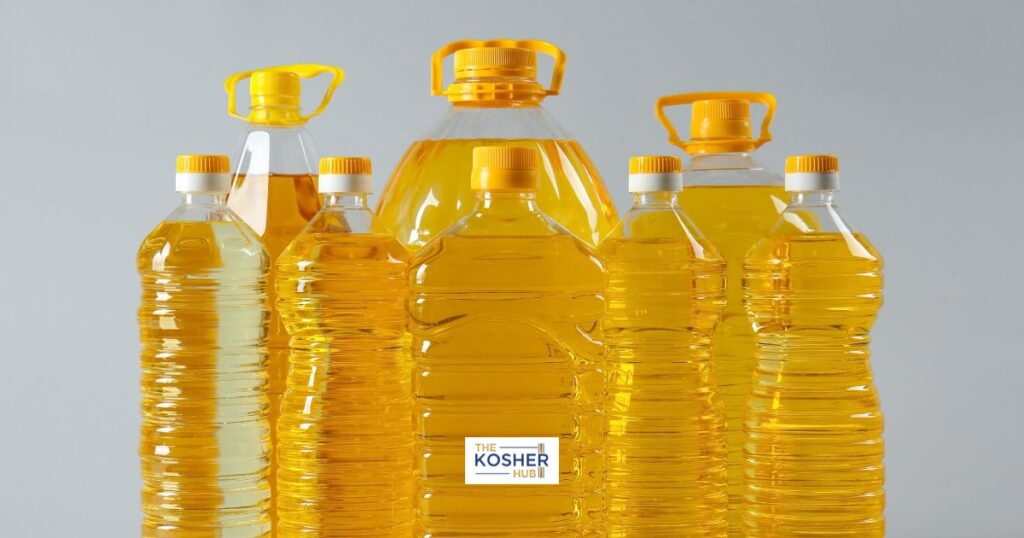
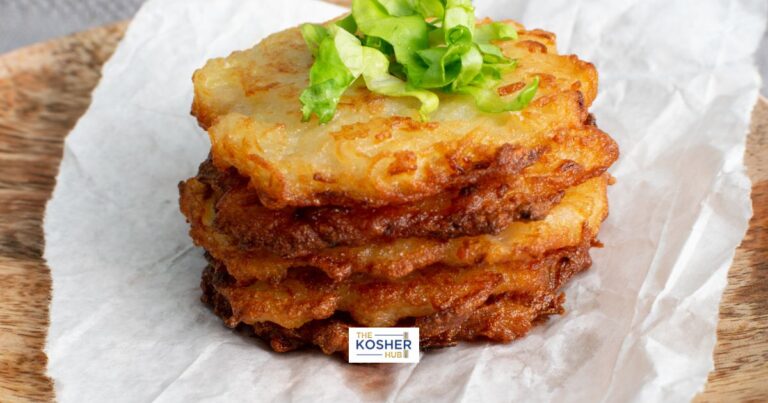
Hanukkah is the one holiday where the oil is the whole point. We light the menorah to remember the single flask that burned for eight days, and we fry latkes and sufganiyot to celebrate it. But the oil you pour into the pan changes how those latkes taste and how crisp they come out. This guide to the top kosher oils for Hanukkah frying ranks the best options by smoke point, flavor neutrality and value, so you can pick an oil that stays stable at frying temperature and lets the potato or donut shine. We also cover the electric fryers and simple tools that make frying safer and easier. Plain oils are usually pareve, but always check the label for a reliable kosher symbol before you buy. Whether you are frying one batch of latkes on the first night or a mountain of sufganiyot for the whole family, you will find a dependable option below.
🥇 The Best Overall Oils for Deep-Frying
Safflower, avocado and rice bran: the highest smoke points on our list.
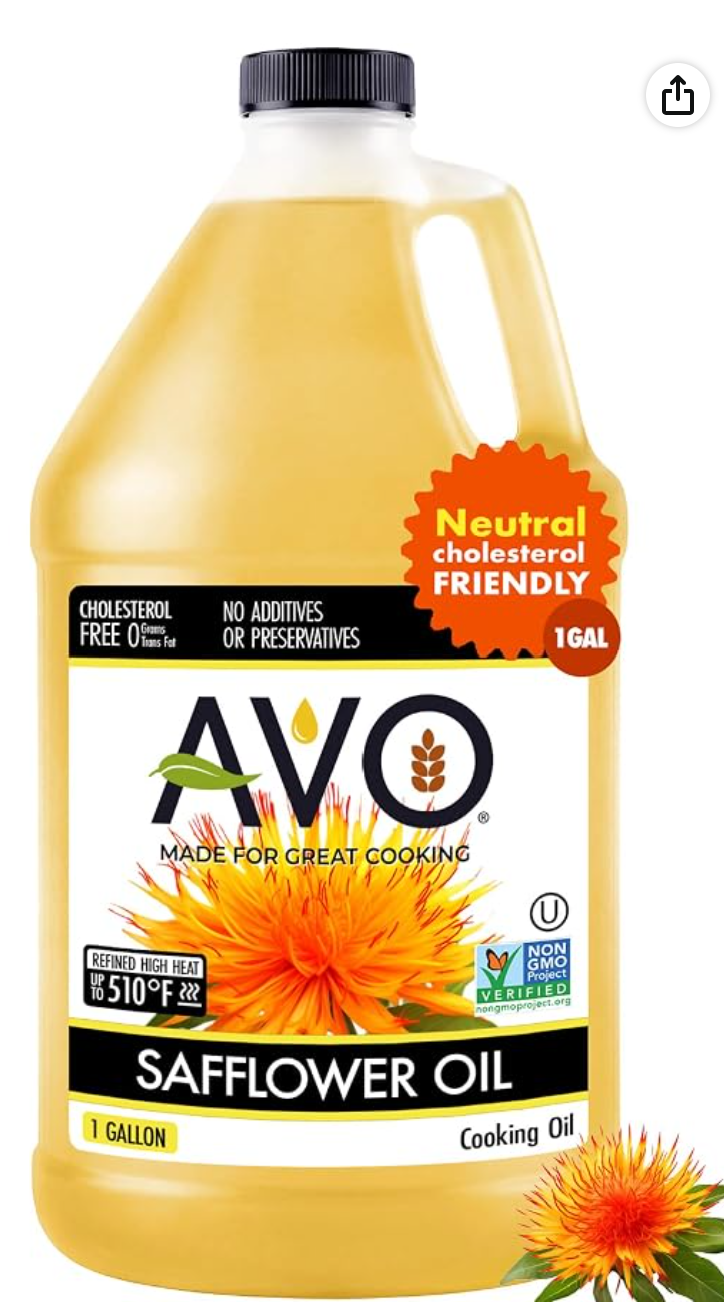

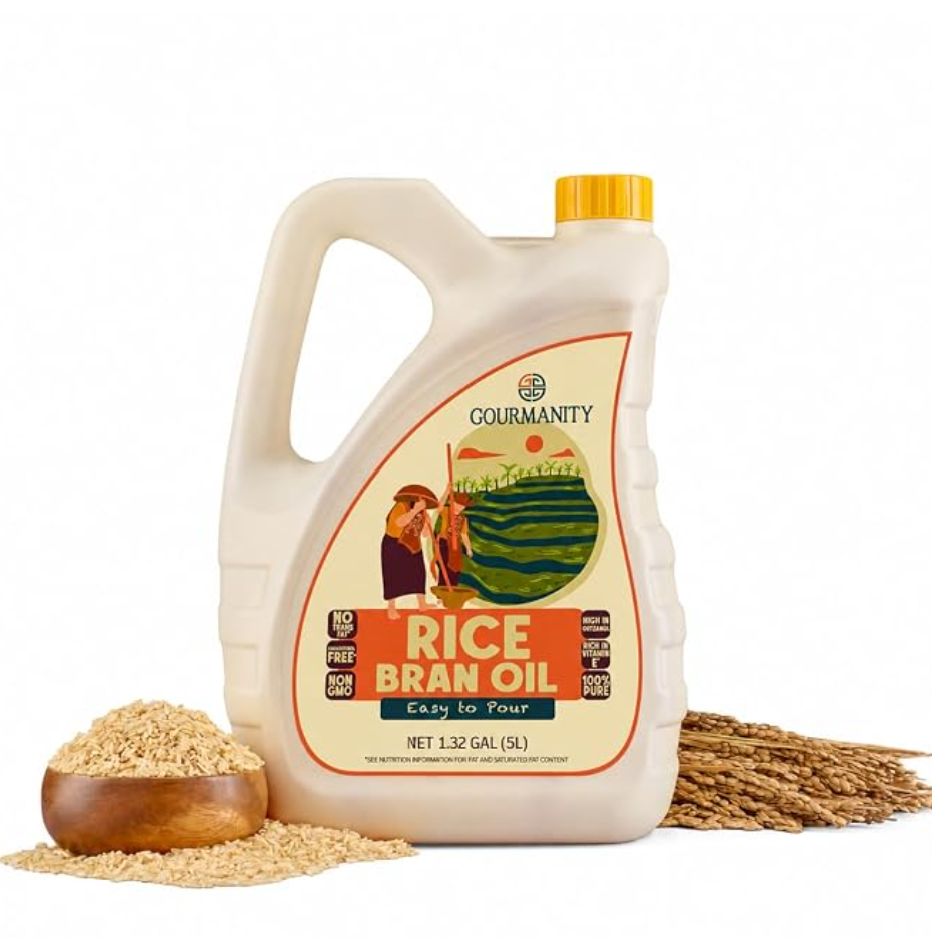
Safflower oil earns the top spot for Hanukkah frying because it combines a very high smoke point of around 510°F with a neutral flavor and a price that will not strain a big holiday batch. Avocado oil edges it on heat tolerance at roughly 520°F and is popular for its health profile, but it is the more expensive choice, so many cooks save it for smaller batches. Rice bran oil sits just behind with a smoke point near 490°F and a clean taste, though it also carries a higher price. All three let the flavor of your latkes come through rather than tasting of the oil. For more avocado options, see our guide to the most popular kosher avocado oil on Amazon. Check each label for a reliable kosher symbol; plain oils are normally pareve.
🥔 Classic Frying Oils: Peanut, Sunflower & Corn
Familiar, widely available oils that handle Hanukkah frying well.
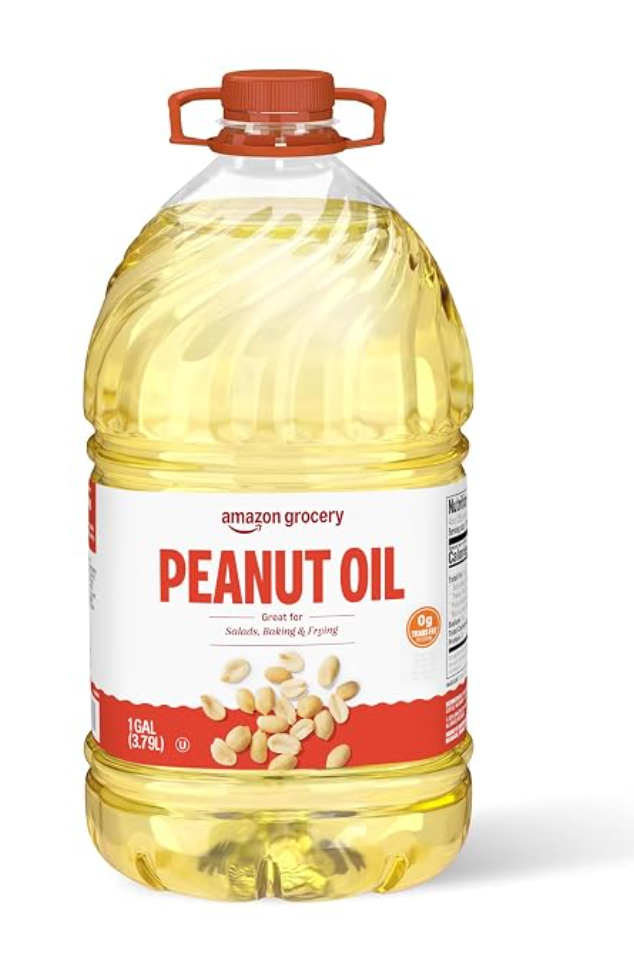
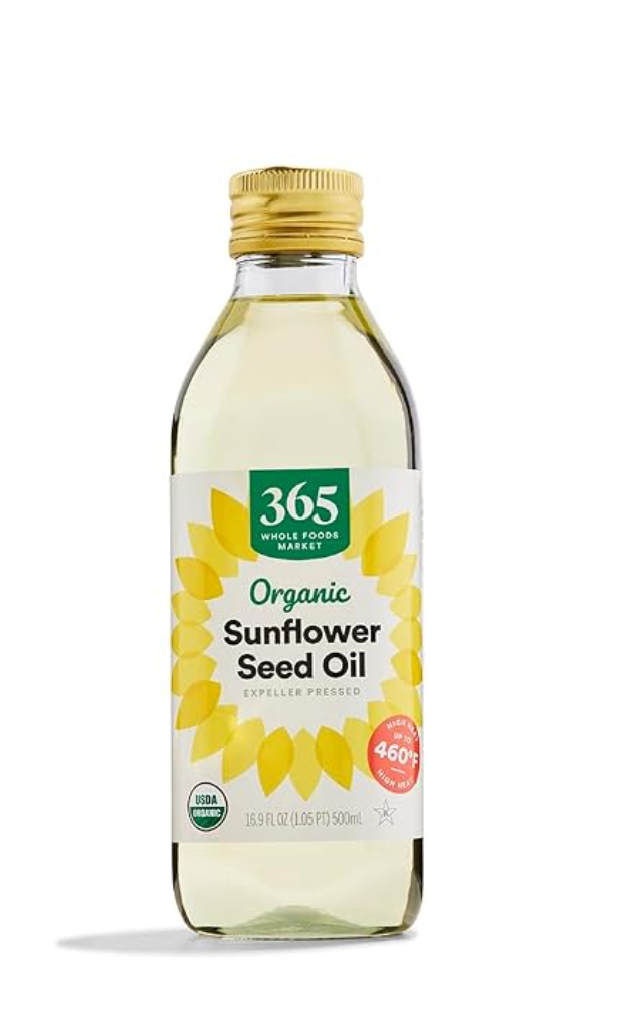
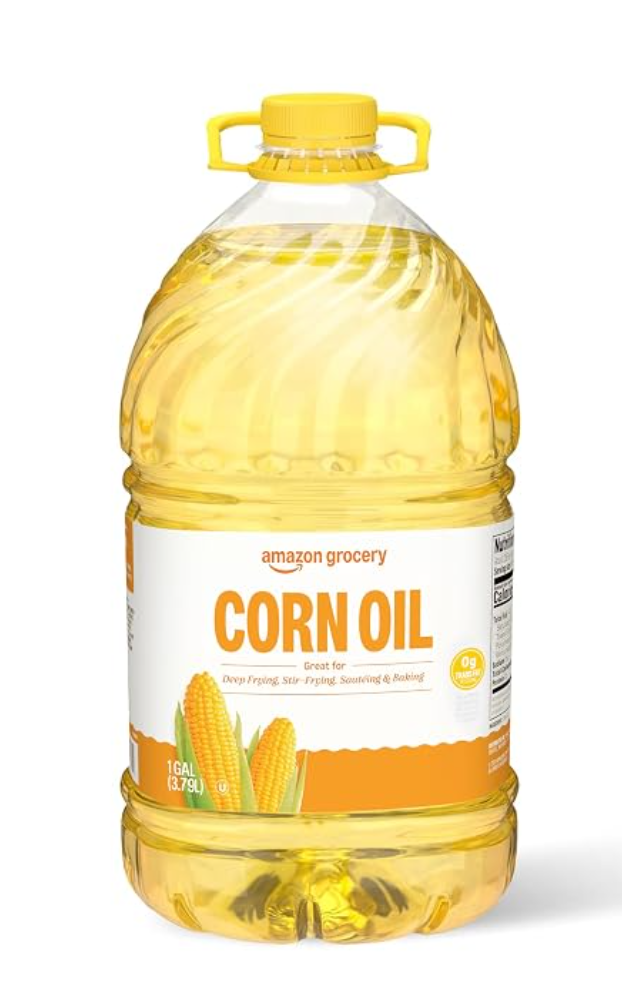
Refined peanut oil has long been a frying favorite thanks to its roughly 450°F smoke point and neutral taste, but it is pricier and is not an option if anyone at your table has a peanut allergy. Sunflower oil matches that smoke point and keeps the flavor neutral, which makes it a dependable choice for latkes. Corn oil, at roughly 440°F, is safe for frying but has a more distinct flavor that some people notice in delicate foods. Standard vegetable oils such as soybean (about 460°F) and canola (about 425°F) also suit deep-frying, although canola has a strong odor that some cooks dislike. For an easy shortcut, pair any of these oils with the best kosher potato pancake mix for Hanukkah.
🍟 Electric Deep Fryers & Frying Pans
Hold a steady temperature and fry with confidence.
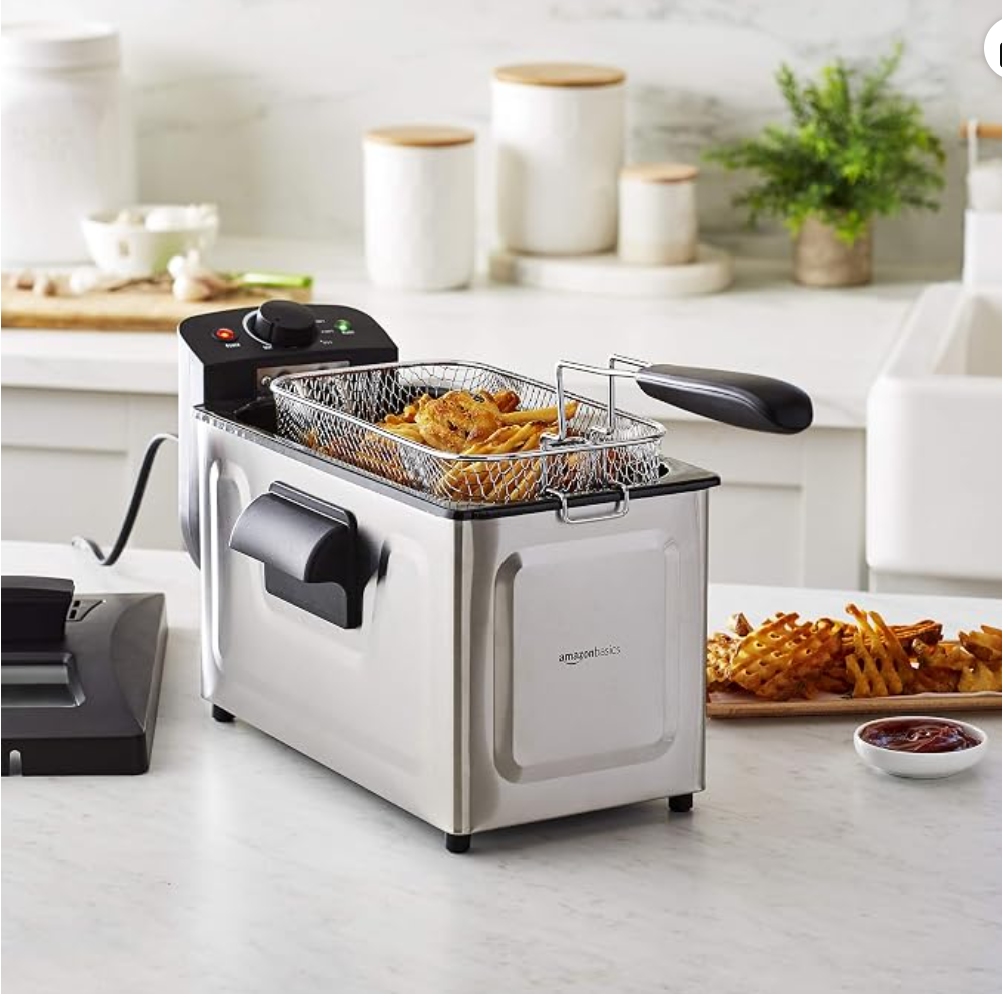

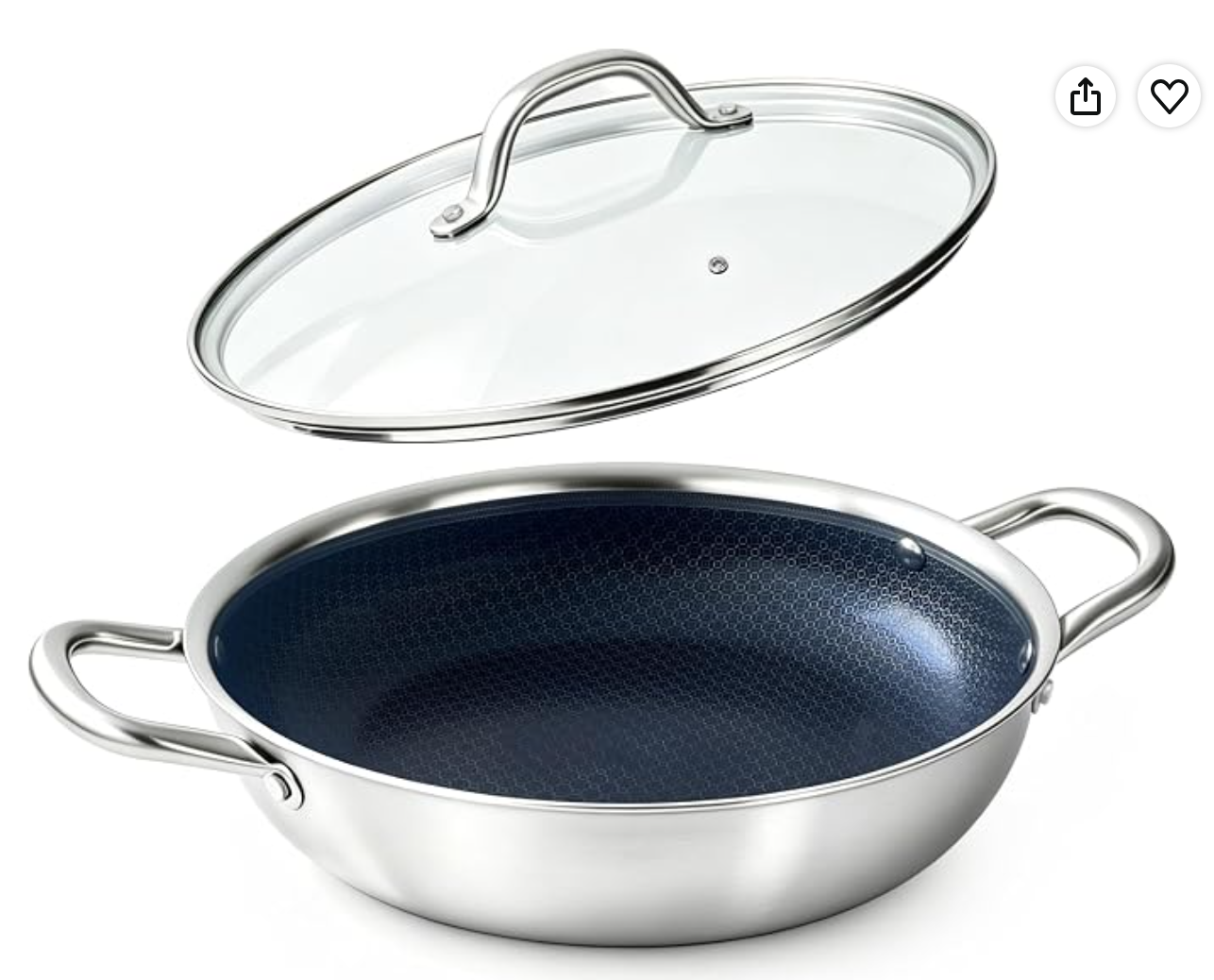
A dedicated fryer takes the guesswork out of oil temperature, which is the biggest factor in crisp latkes versus greasy ones. Adjustable temperature control lets you hold the oil in the 350–375°F range that suits latkes and sufganiyot, comfortably below the smoke point of every oil recommended above. A deep nonstick pan is a simple stovetop alternative if you already own a thermometer. From a kosher standpoint, many households keep a fryer or pan reserved for pareve cooking so the oil is never shared with meat or dairy; if you are unsure how this applies in your home, ask your rabbi.
While the oil heats up, take a look at our own Hanukkah designs from The Kosher Hub Etsy shop. These are original designs we created ourselves, made to order, so you will not find them anywhere else. They suit dressing the latke table, gifting to a host, or adding a festive touch to the kitchen during the eight nights.
🧰 Frying Tools That Make Hanukkah Cooking Easier
A thermometer, a spider strainer and a heavy Dutch oven.
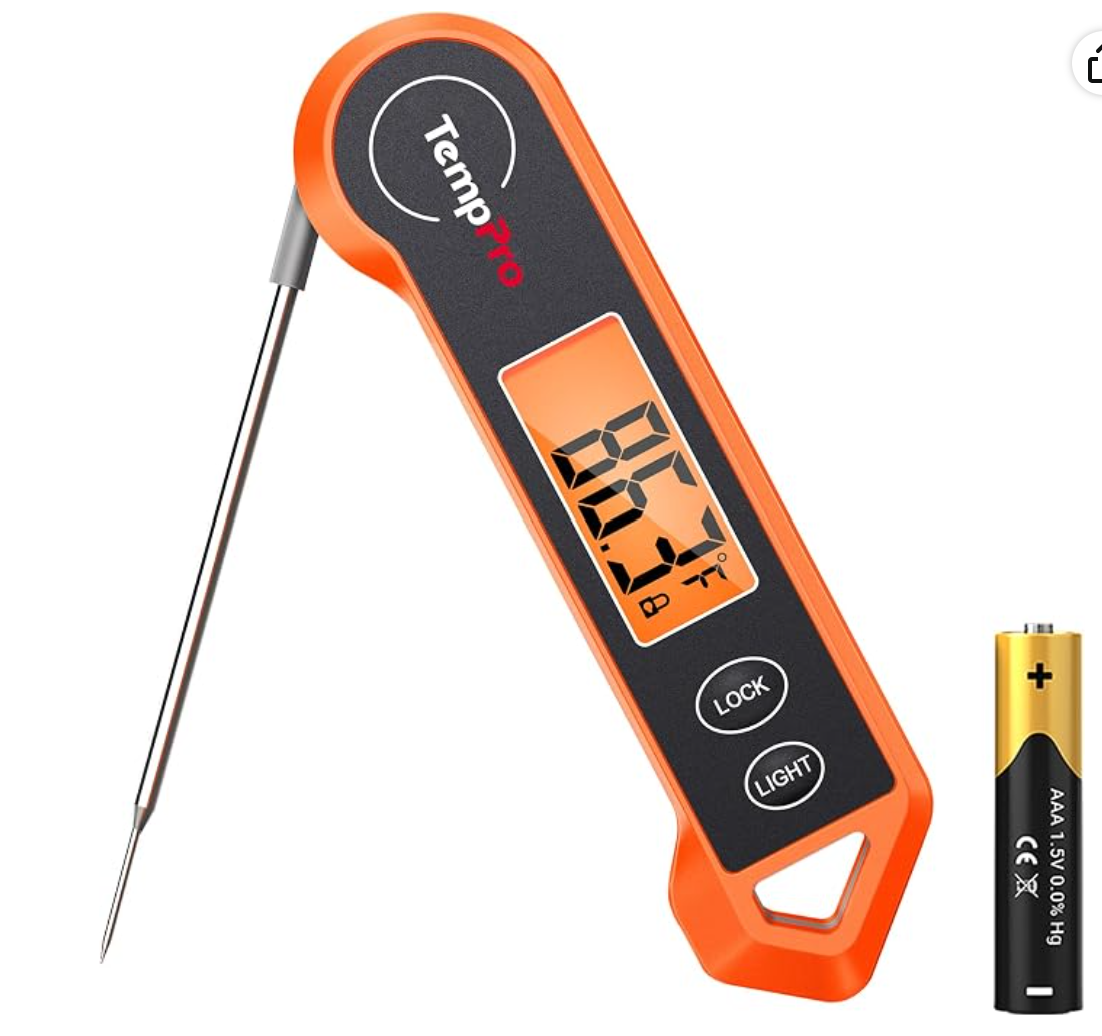
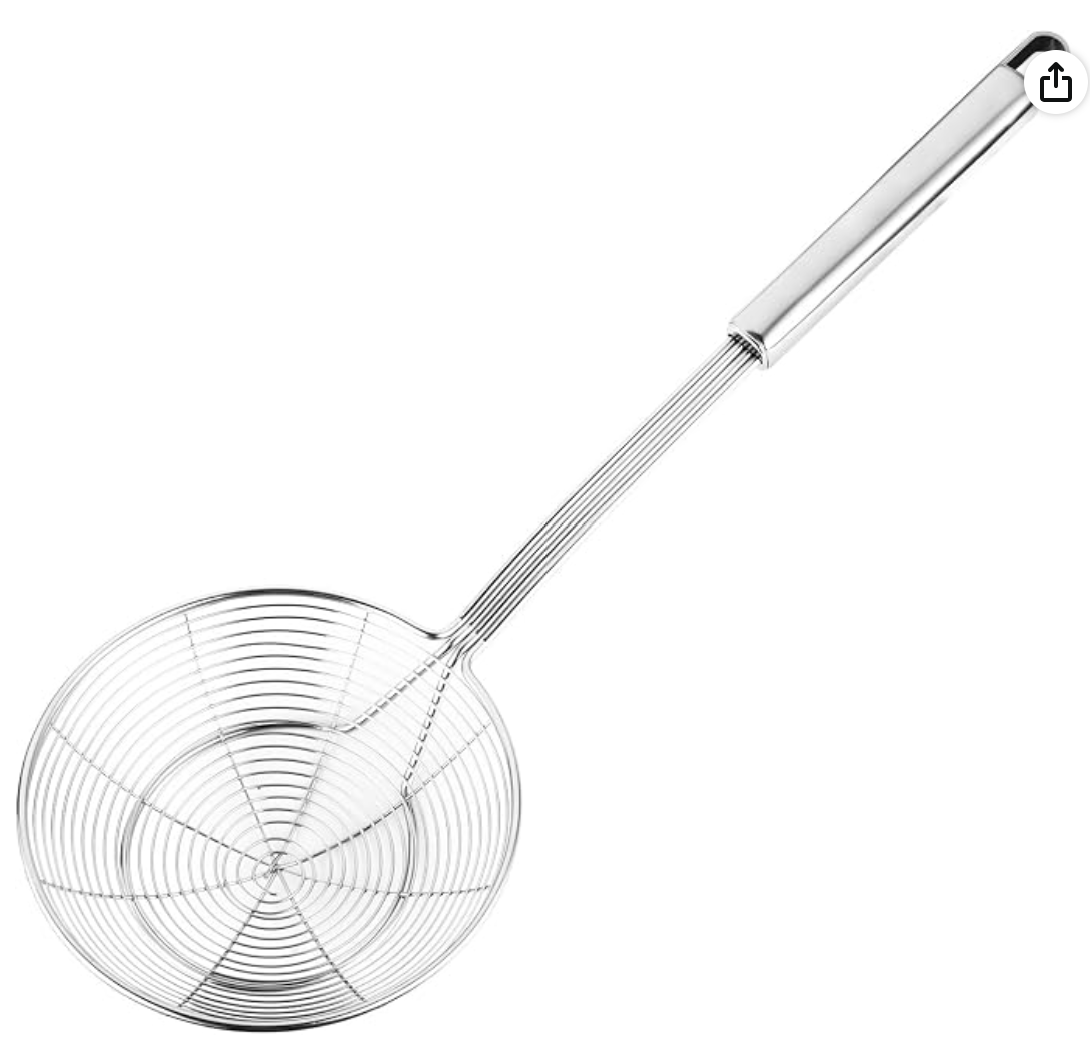
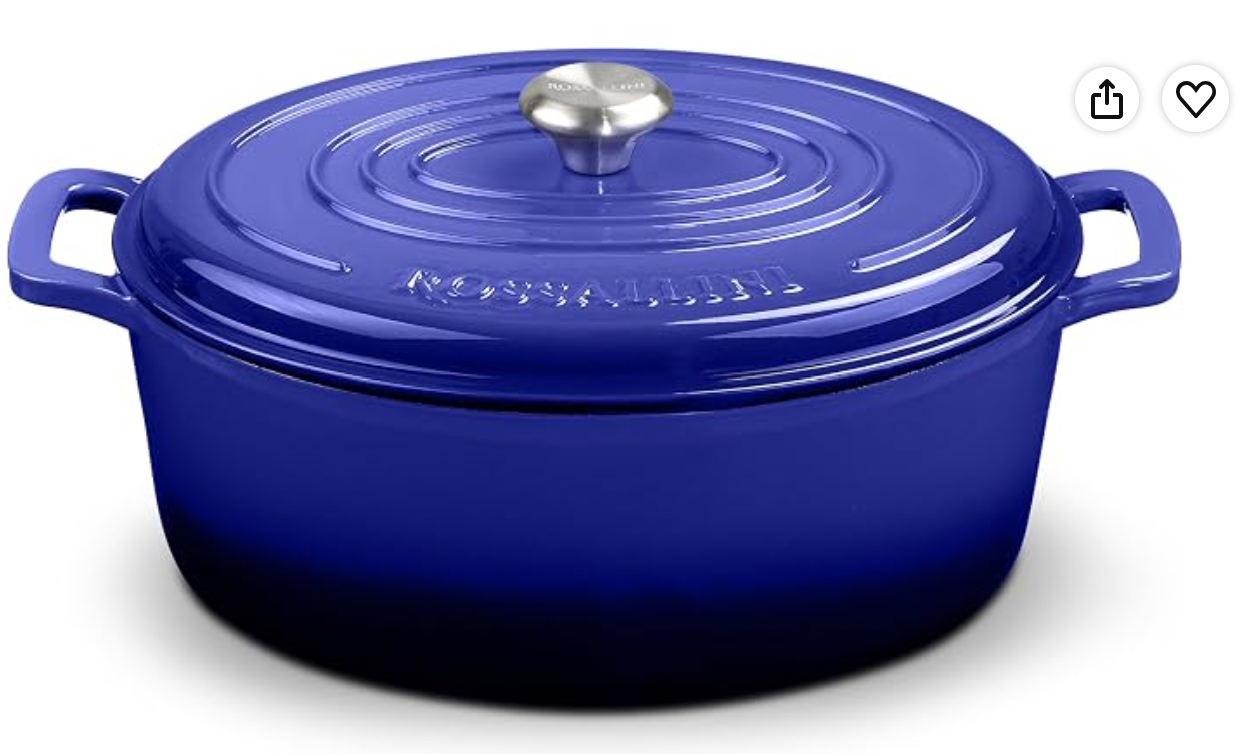
Even the best oil performs poorly if the temperature drifts, so a deep-fry thermometer is the most useful inexpensive tool in this guide. A stainless steel spider strainer lets you lift latkes, fritters and donuts out of hot oil quickly and drain them well, keeping your hands clear of splashes. A cast iron Dutch oven holds heat steadily and has high sides that help contain splatter when you fry larger batches. Always dry food well, lower it gently into the oil, and never leave hot oil unattended. For more holiday ideas, visit our Hanukkah guide.

🔍 What to Look For in a Kosher Frying Oil
Certification, smoke point, flavor and a few kitchen cautions.
Start with the kosher symbol. Look for a reliable hechsher such as OU, OK, Star-K, KOF-K or cRc on the bottle itself. Plain oils are generally pareve, but certification can differ between products from the same brand, so check the exact oil you are buying rather than assuming.
Match the smoke point to the job. Latkes and sufganiyot fry best at roughly 350–375°F, so choose an oil with a smoke point well above that. All of the oils above clear that bar. Olive oil, at about 375°F, does not leave enough margin for deep-frying, so it is better kept for the menorah, dressings and gentle sautéing. For more, see our guide to kosher olive oil.
Think about flavor. A neutral oil such as safflower, rice bran, sunflower or refined peanut lets the potato or dough take center stage. Corn oil has a more noticeable taste, and canola has an odor some cooks find unpleasant.
Mind allergies and cross-use. Skip peanut oil if anyone at the table has a peanut allergy. Oil used to fry meat or dairy takes on that status, so keep your latke oil pareve and ask your rabbi if you are unsure how to handle reused oil.
These are Hanukkah picks, not Passover picks. Many Ashkenazi communities avoid kitniyot, such as corn, peanuts and rice, at Passover, and Passover certification is separate from year-round certification. For Pesach, see our guide to kosher for Passover olive oil.
Smoke Point Cheat Sheet
Smoke points are approximate and vary by brand and level of refining. Always follow the manufacturer's label.
❓ Frequently Asked Questions
Quick answers about oils and frying for Hanukkah.
What is the best kosher oil for frying latkes?
Safflower oil is our top overall pick. It has a very high smoke point of around 510°F, a neutral flavor and a reasonable price. Avocado, rice bran, peanut and sunflower oil are also excellent choices. Whichever you choose, check the label for a reliable kosher symbol.
What temperature should oil be for latkes and sufganiyot?
Most cooks fry latkes and sufganiyot at roughly 350–375°F. Use a deep-fry thermometer to keep the oil steady, and choose an oil whose smoke point is well above that range.
Is vegetable oil kosher?
Plain vegetable oils are generally pareve, but they still need reliable kosher certification, because certification can differ between brands and products. Always look for a kosher symbol on the specific bottle you are buying.
Which oil has the highest smoke point for deep-frying?
Avocado oil has the highest smoke point on our list at roughly 520°F, followed by safflower oil at about 510°F and rice bran oil at about 490°F. Smoke points vary a little by brand and refining.
Can I fry latkes in olive oil?
Olive oil has a lower smoke point of about 375°F, so it is not recommended for high-heat deep-frying. Many cooks keep olive oil for lighting the menorah and for dressings, and use a higher smoke point oil for frying.
Why do we eat fried foods on Hanukkah?
Fried foods such as latkes and sufganiyot remind us of the miracle of the oil, when a single flask of oil burned in the Temple menorah for eight days.
Can I reuse Hanukkah frying oil?
Many cooks reuse oil once or twice if it is strained, cooled and stored well. Discard it if it looks dark, smokes easily or smells off. Do not reuse oil that has been used for meat or dairy for pareve foods without asking your rabbi.
What oil should I use if someone has a peanut allergy?
Skip peanut oil and choose safflower, sunflower, rice bran or avocado oil instead. Check labels carefully for any allergen warnings.
Do I need a separate fryer for a kosher kitchen?
Many households keep a fryer or deep pan reserved for pareve cooking so that oil is never shared with meat or dairy. Practices vary, so ask your rabbi how this applies in your home.





Understanding Our Kosher Certifications
The Kosher Hub references products certified by recognized kosher authorities, including OU, OK, Star-K, Kof-K, and CRC. Certification symbols and status can change, so always confirm the current kosher status directly on the product packaging or via the certifying agency's own listings before purchasing.