
📖 Where Kosher Kitchen Practice Comes From
The Torah basis for a kosher home.

🚫 Forbidden Foods & Kosher Slaughter
The basics, without the deep-dive.

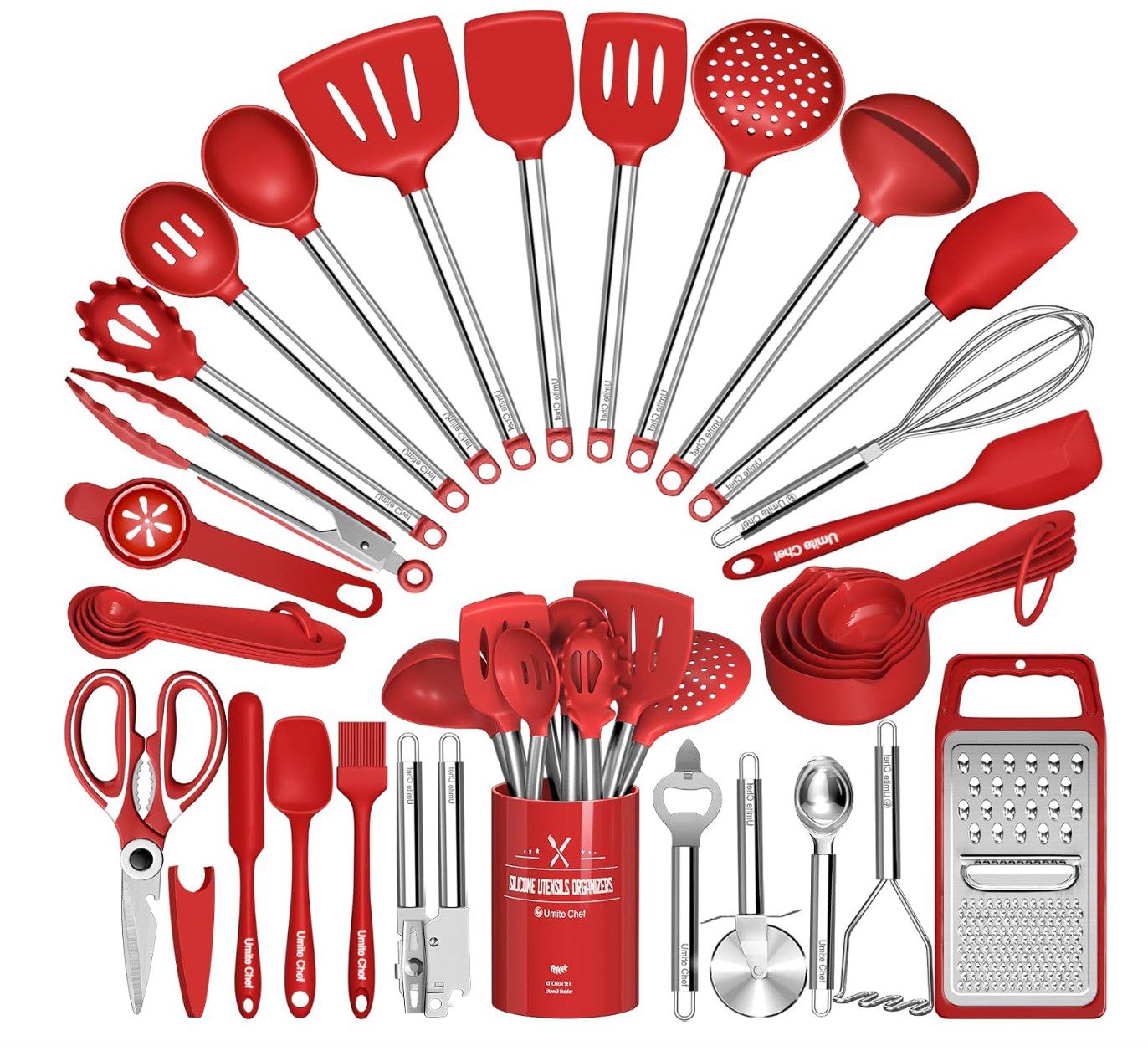
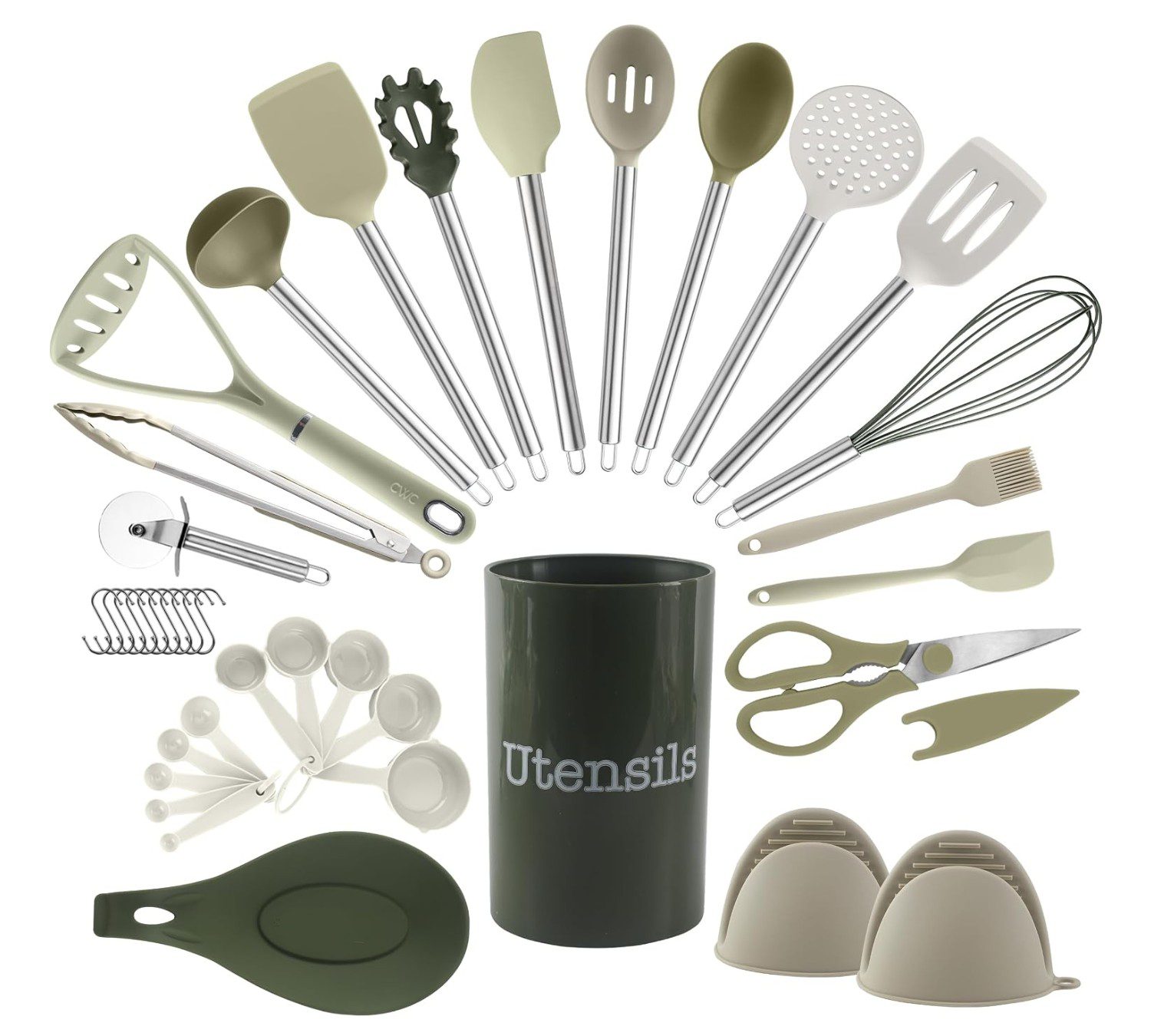
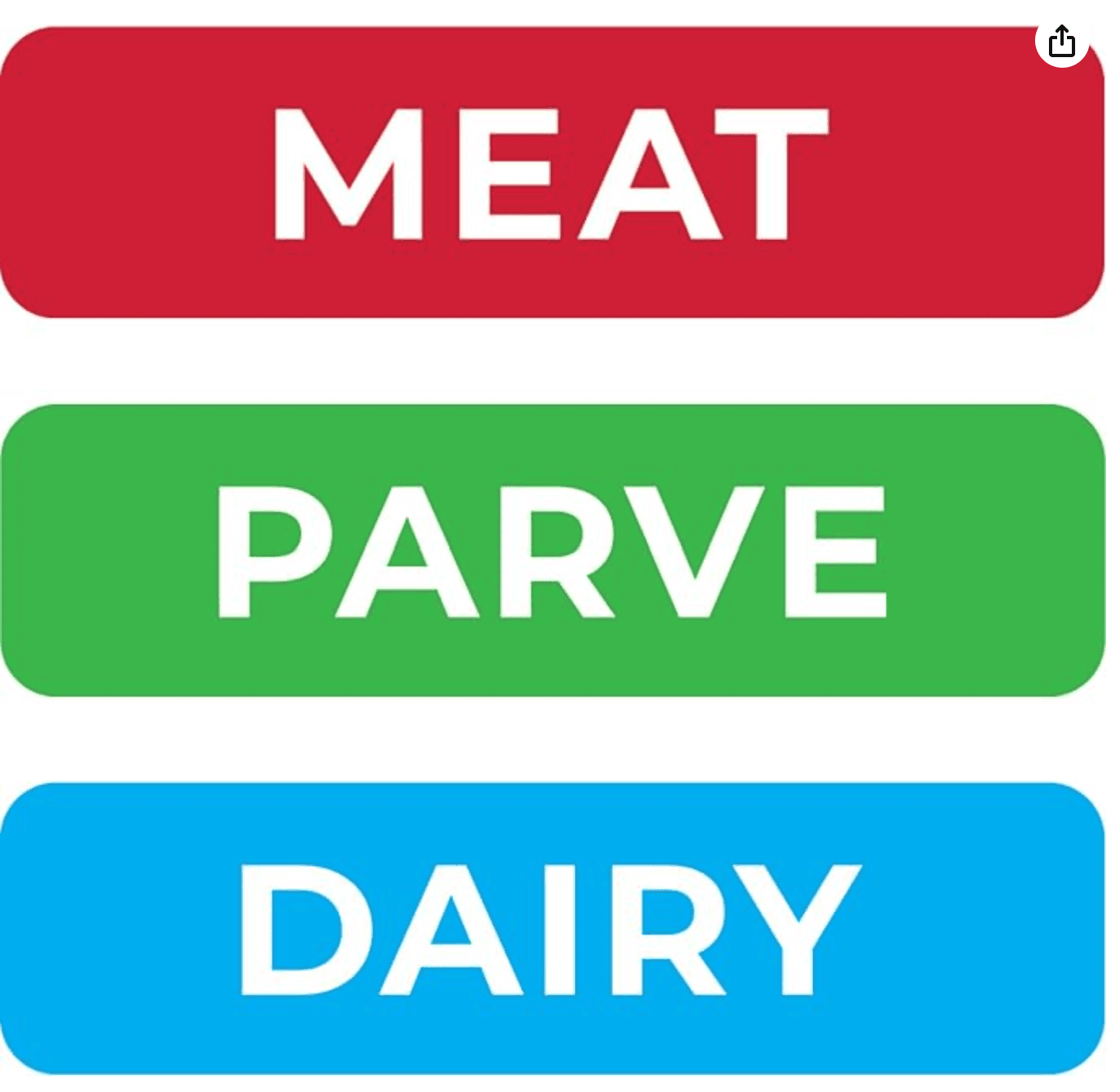
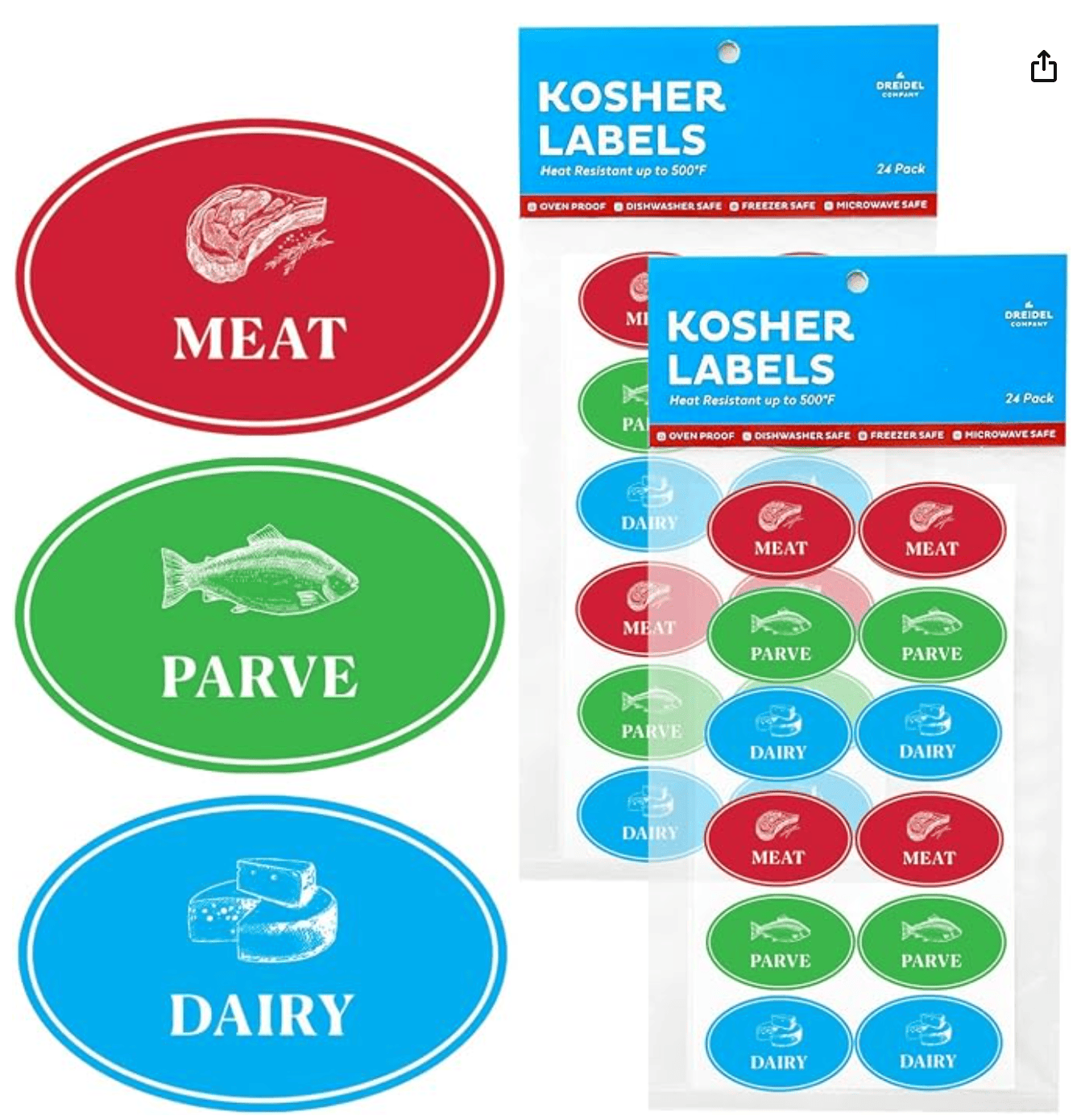
🍽️ Meat, Dairy & Pareve — Color-Coded Utensils
The everyday system that makes separation simple.


⏱️ Waiting Between Meat and Dairy
Not all meals can follow each other right away.
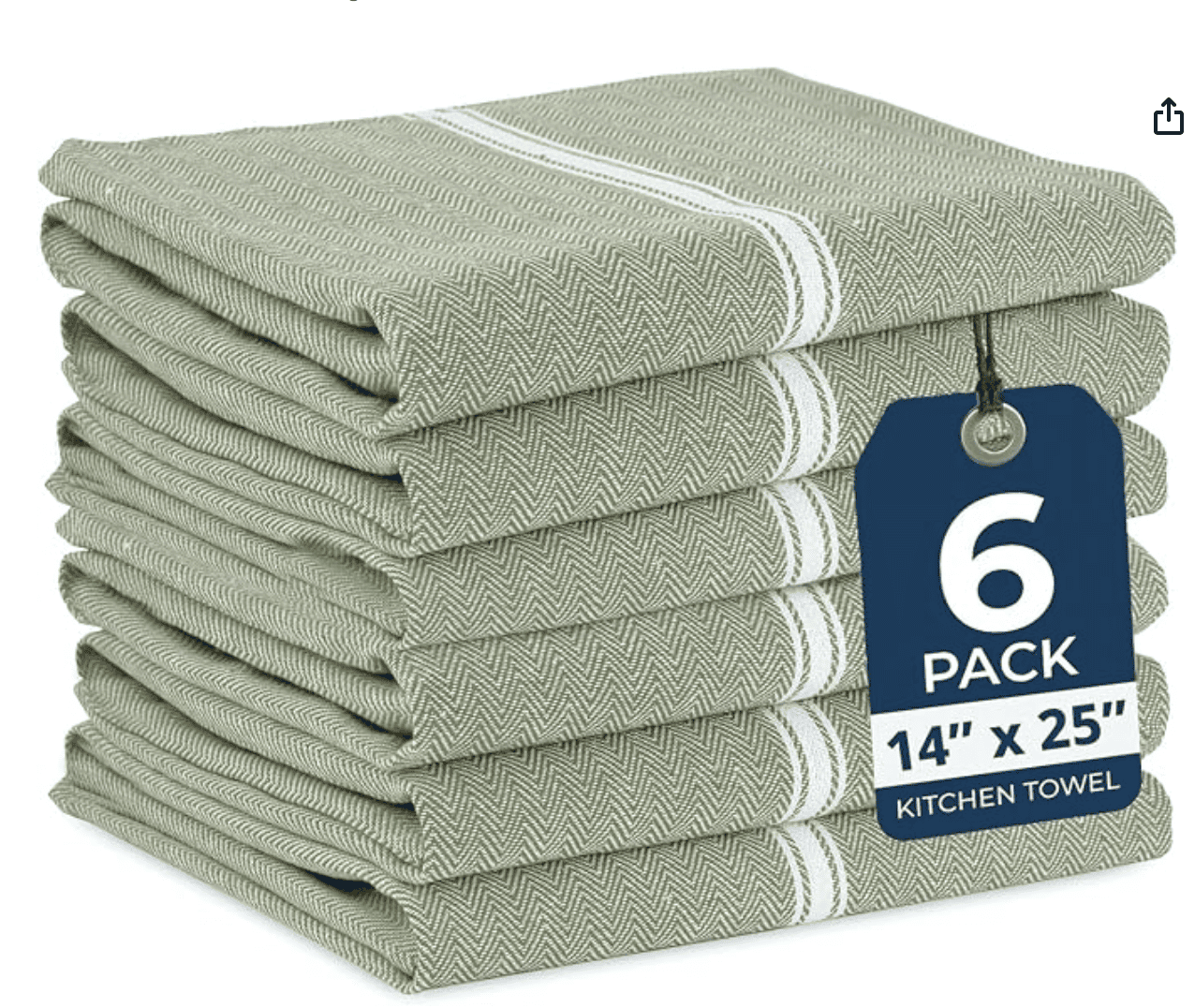
🧺 Color-Coded Dish Towels & Kitchen Linens
Small details that keep a kosher kitchen running smoothly.




💧 Tevilah — Immersing New Vessels
A step many first-time kosher kitchens don't know about.
🔪 Utensils and How They're Used
Why one mistake can retire a pot for good.




👨🍳 Rabbinic Supervision
Who's actually standing behind the products you buy.
🔎 Common U.S. Kosher Symbols
A quick-reference guide to hechshers you'll see on packaging.

OU
Orthodox Union

Star-K
Baltimore, MD

OK Kosher
Brooklyn, NY

Kof-K
Teaneck, NJ

cRc
Chicago, IL

Ko Kosher
Philadelphia, PA
Want the full international list, or have a question about a specific symbol?
See all recognized kosher symbols → · Ask the Orthodox Union (OU) →🛒 Parve, Labels & Buying Kosher
Reading between the lines on packaging.
- Fresh fruit
- Fresh vegetables
- Grains & rice
- Pasta (plain)
- Eggs
- Fish
- Honey
- Coffee & tea
- Nuts & seeds
- Most oils
- Ketchup & mustard
- Jams & jellies
- Pareve margarine
- Pareve non-dairy creamer
- Pareve cheese alternatives
- Pareve chocolate
- Pareve baked goods
- Spices & dried herbs
- Sugar
- Plant-based milks (check certification)


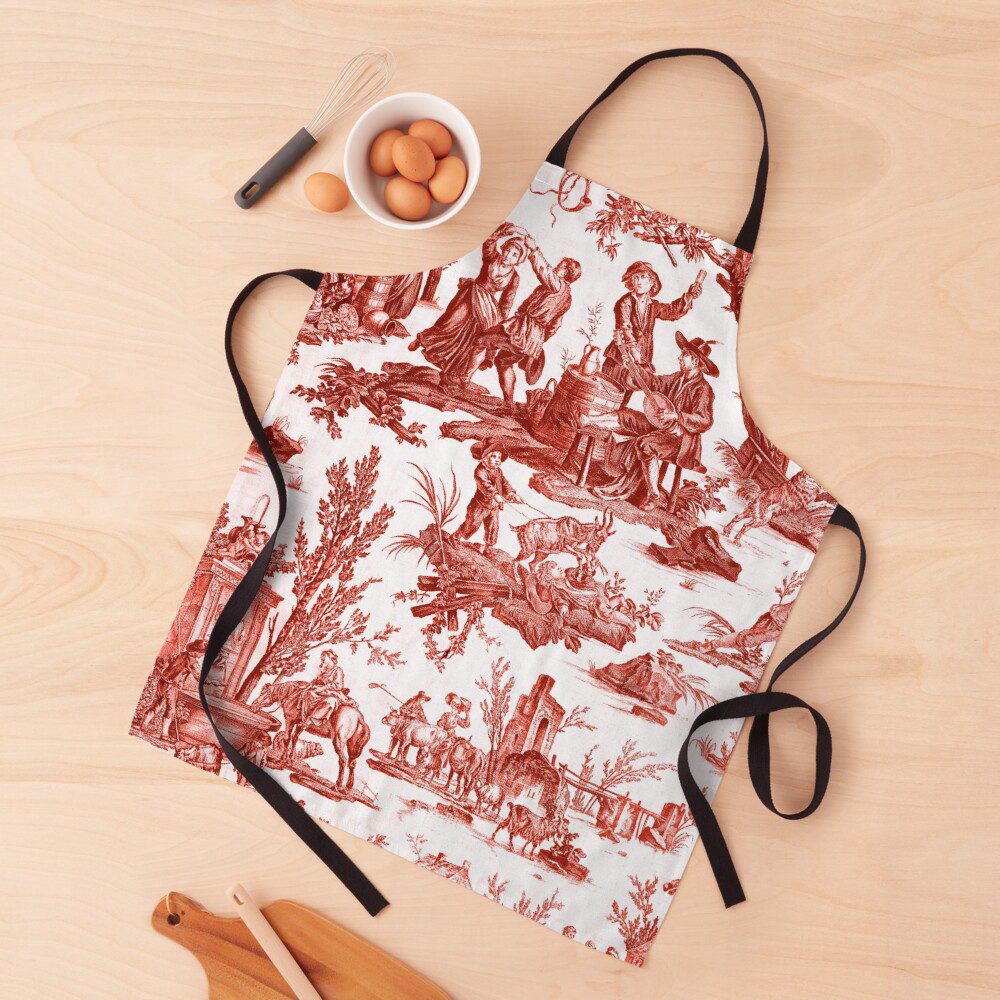
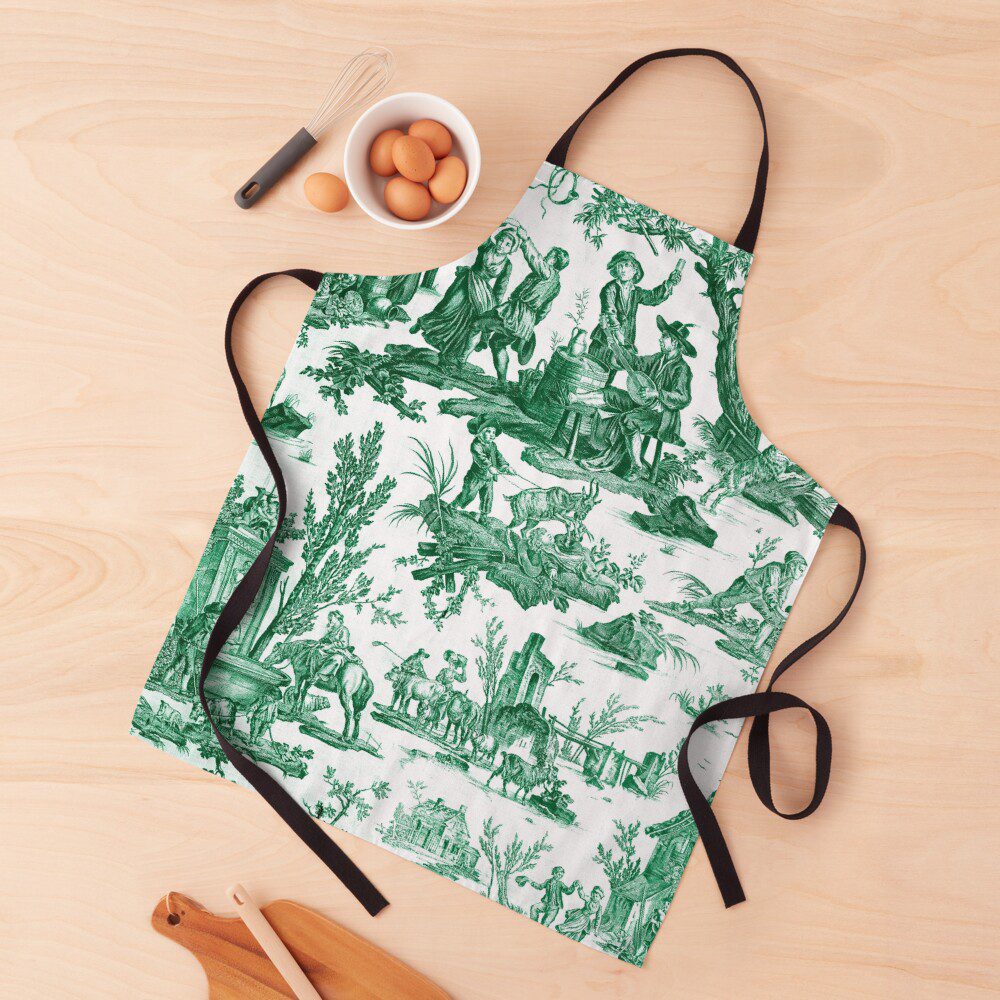
From Our Own Shop: Classic Print Color Coded Aprons
Designed by The Kosher Hub — a classy, visible way keep your kitchen kosher.

🍷 What's Different About a Kosher Kitchen at Passover
A whole extra layer on top of year-round kashrut.

🤝 Briefing Household Help & Family
A few minutes of setup saves a lot of mix-ups later.
✅ What to Look For
Building or upgrading your kosher kitchen setup.

❓ Kosher Kitchen FAQ
What makes a kitchen "kosher"?
A kosher kitchen keeps meat and dairy completely separate (dishes, utensils, and often cookware), uses only ingredients and products with reliable kosher certification, and follows practices like tevilah for new metal or glass vessels. It's a set of consistent habits more than any single product.
Why do I need separate dishes for meat and dairy?
The separation of meat and dairy is a foundational kosher practice, traditionally traced to a verse repeated three times in the Torah. Over time this expanded into keeping cookware, utensils, and even sponges and towels separate for each category.
How long should I wait between eating meat and dairy?
After dairy, the general practice is to wait around 30 minutes before eating meat. After meat, the wait is longer — typically 3 to 6 hours before eating dairy. Many people simply reach for a pareve alternative instead of waiting.
What does parve (pareve) mean?
Parve refers to foods that are neither meat nor dairy — most fruits, vegetables, grains, eggs, and fish — and can be used alongside either category. Some parve-labeled items still need rabbinic supervision to confirm certain additives haven't changed their status.
Do I need to immerse (tevilah) all new dishes?
Generally, new metal or glass vessels made or previously owned by a non-Jewish-owned company require tevilah before first use, while ceramic, wood, and unglazed stone are treated differently. Your local Rabbi or Kashrut Authority can confirm specifics for a given item.
How do I know if a packaged food is kosher?
Look for a recognized hechsher (kosher certification symbol) on the packaging, such as OU, OK, Star-K, Kof-K, or cRc. The symbol represents an agency or rabbi standing behind that product's kosher status.
What's different about a kosher kitchen at Passover?
During Passover, chametz (leavened grain products) is avoided entirely, everyday products often need separate Passover-specific certification, and many households switch to dedicated Passover dishes and cookware for the week.
As an Amazon Affiliate we earn from qualifying purchases.