
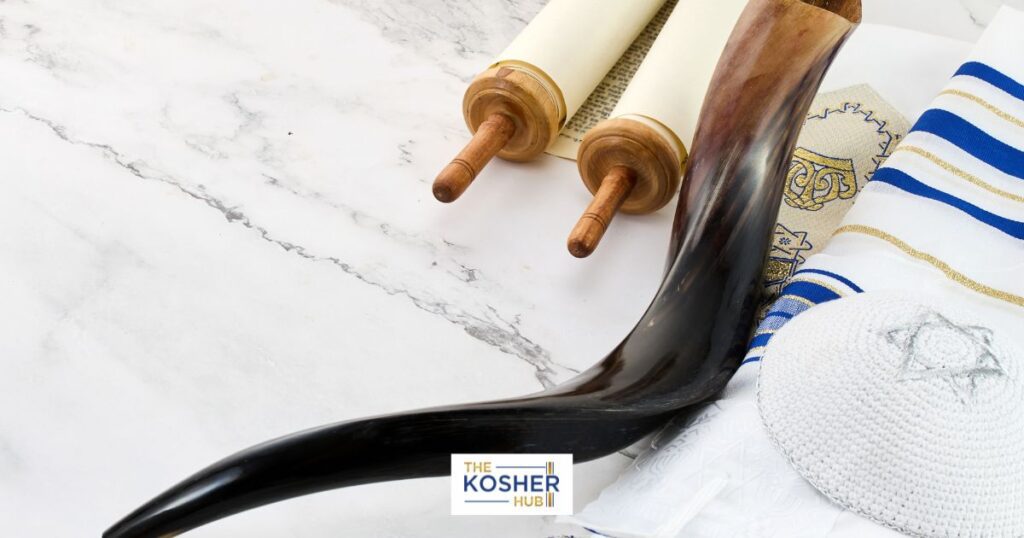
Yom Kippur is filled with rich, visual symbols that carry deep meaning — and understanding them makes the holiday feel far less mysterious, whether you're attending services for the first time or simply want a deeper appreciation of a day you've observed for years. From the piercing blast of the shofar to the unmistakable sight of a synagogue filled with white clothing, every Yom Kippur symbol ties back to the day's central themes of repentance, humility, and renewal. This guide walks through the most significant symbols of the Day of Atonement — what they represent, where the tradition comes from, and how you can incorporate them into your own observance, along with the ritual items associated with each one.
📯 The Shofar
The single blast that closes the fast at Ne'ilah.
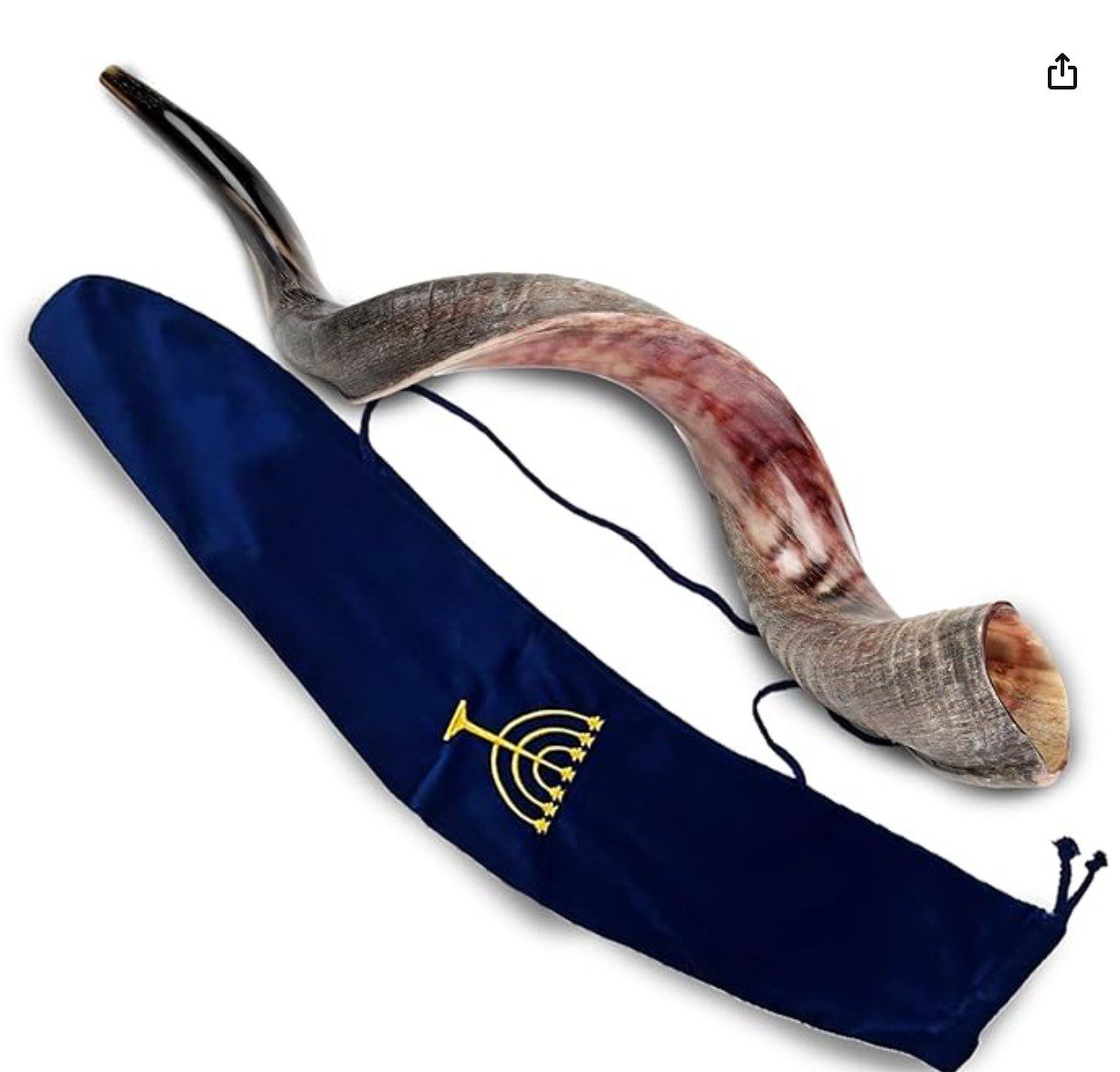
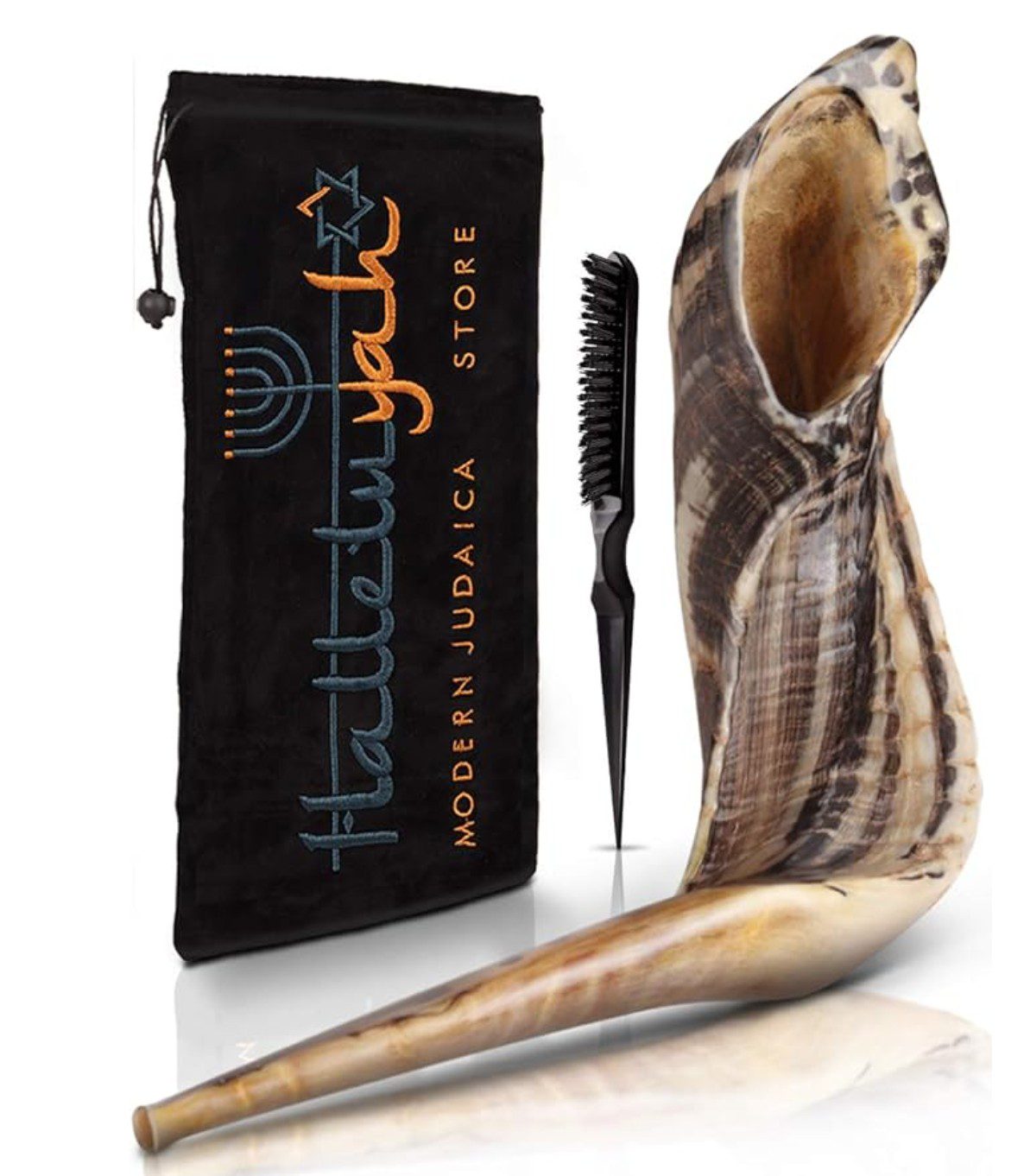
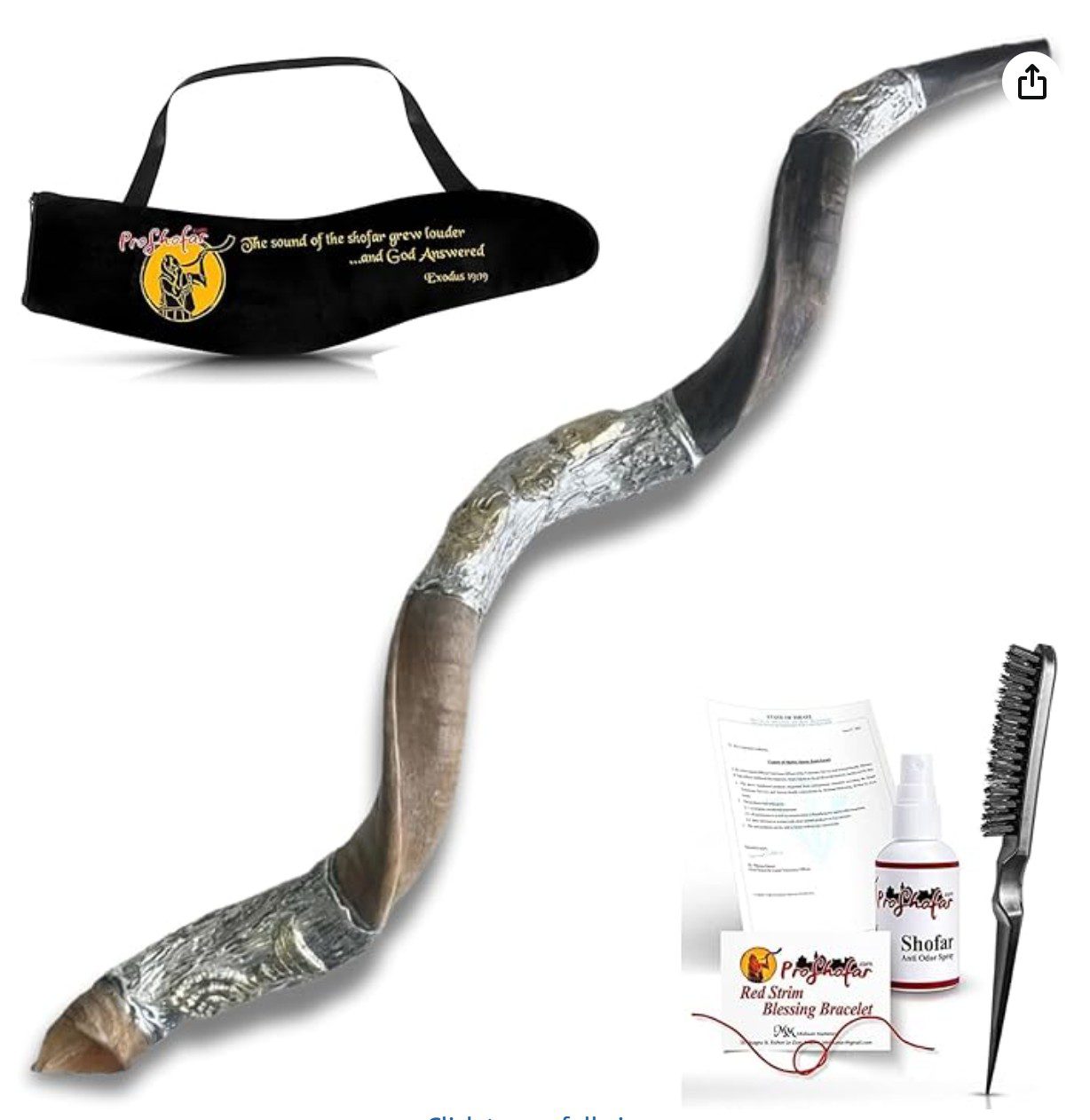
The shofar is best known as the sound of Rosh Hashanah, but it plays an equally important role at the very end of Yom Kippur: a single long blast, the tekiah gedolah, marks the close of the Ne'ilah service and the sealing of the Book of Life. Many people describe it as one of the most emotional moments of the entire holiday — the culmination of 25 hours of fasting and prayer. A shofar isn't required for personal observance, but it's a meaningful item for anyone who wants a tangible connection to the tradition, or for those learning to blow it themselves.

🤍 Wearing White
A symbol of purity, humility, and the imagery of angels.
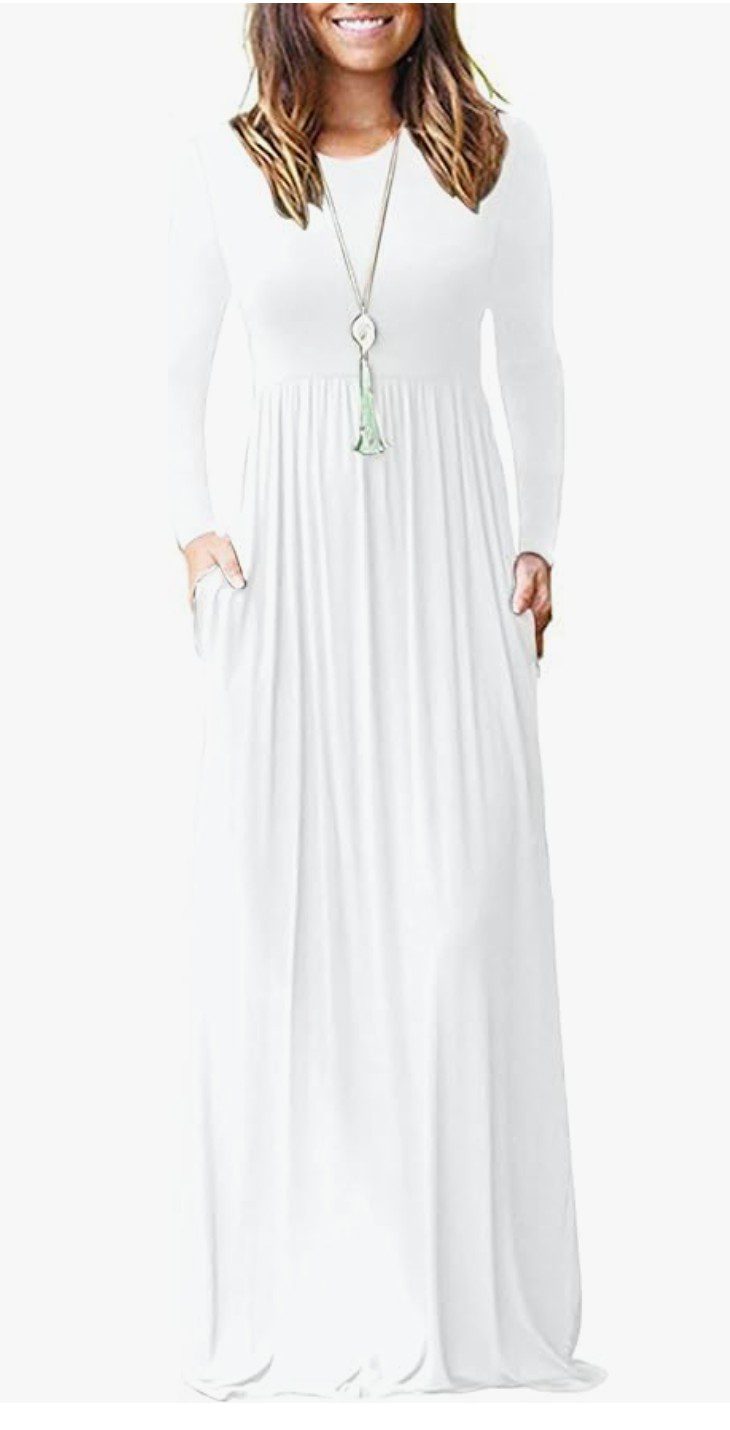
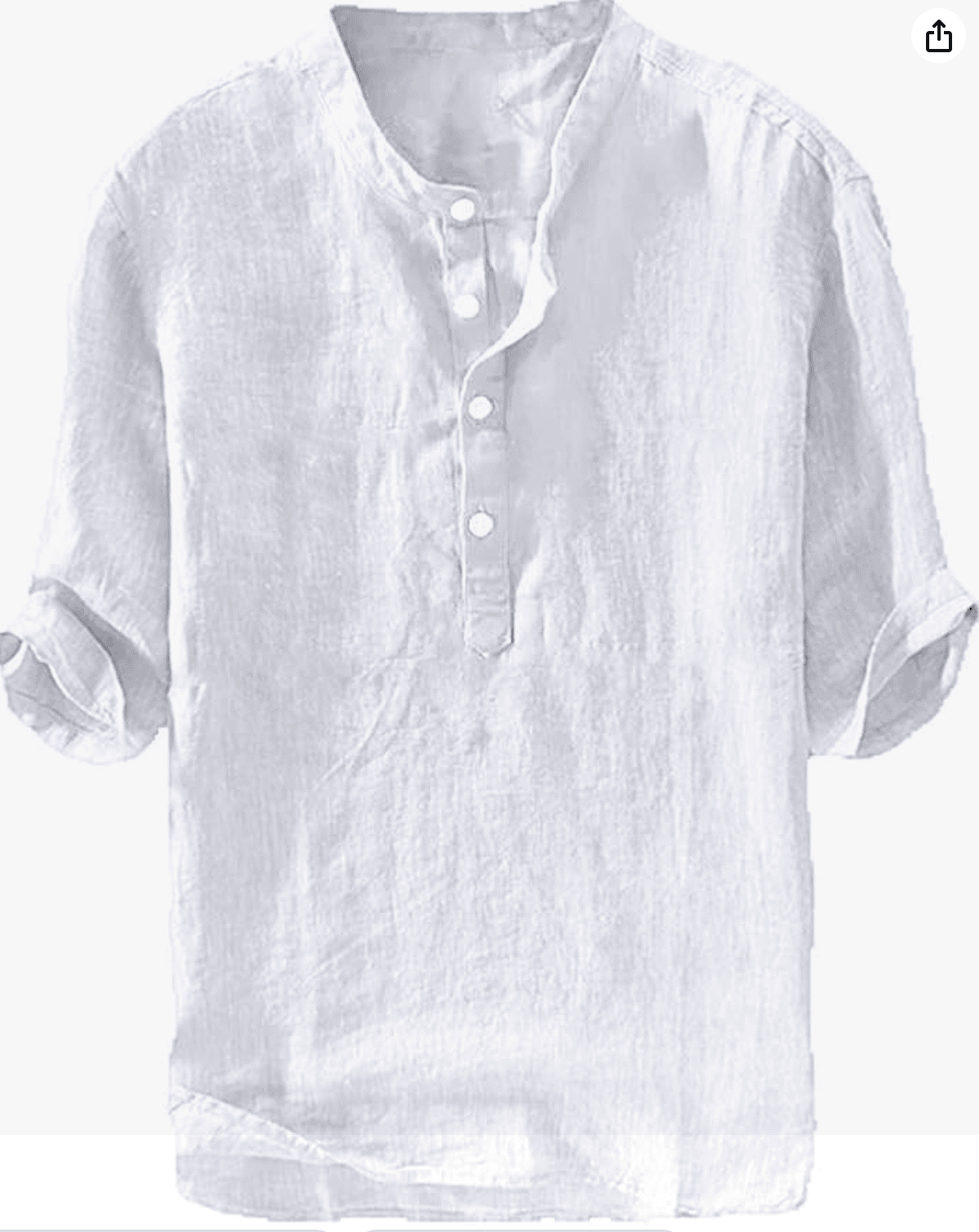
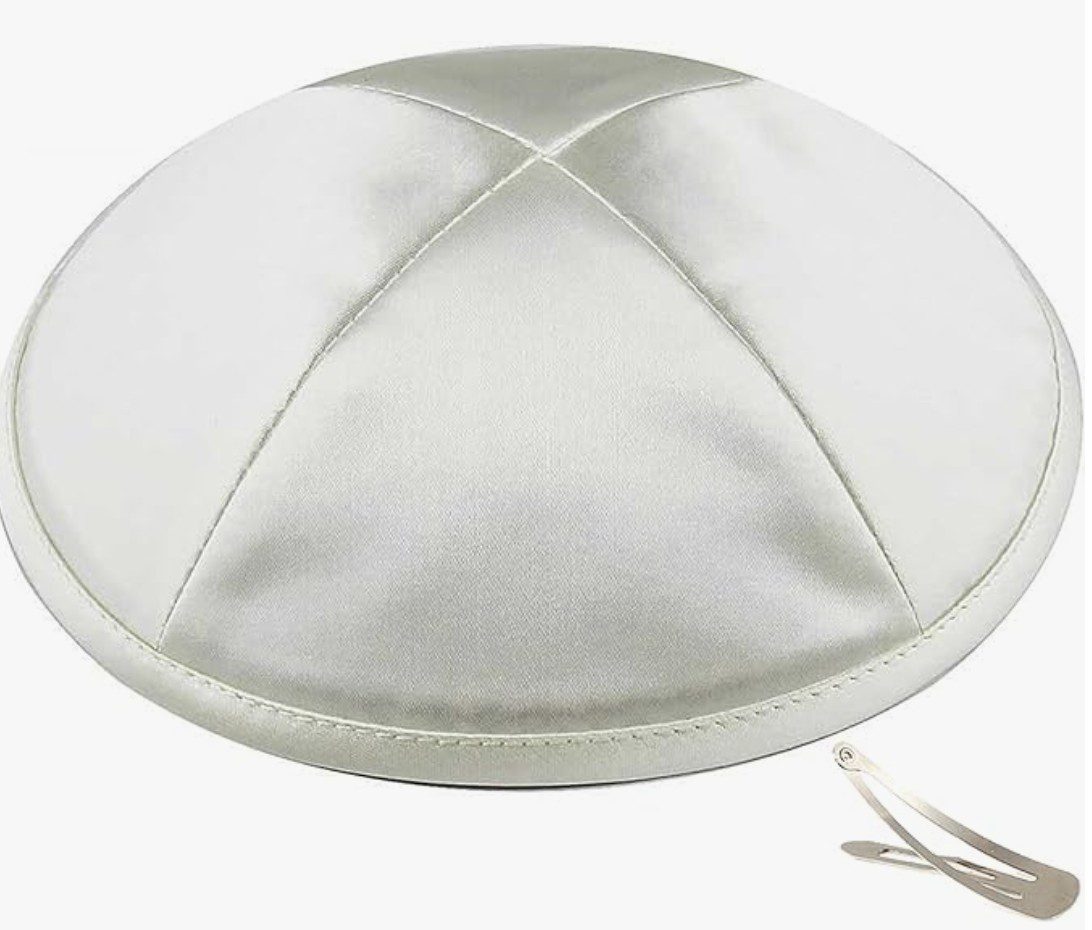
Many people wear white on Yom Kippur as a symbol of purity and a physical echo of the angels, who are traditionally imagined as beings without sin. It's also a reminder of the burial shroud (tachrichim), a humbling image that encourages reflection on mortality and the fragility of life during a day devoted to repentance. Some men wear a kittel, a plain white robe also used at other significant life moments, while a simple white shirt or dress is a more everyday way to observe the same custom. Neither is a strict requirement, but the tradition is widely observed across denominations.
🧵 The Tallit and Tzitzit
The only evening service of the year worn with a prayer shawl.
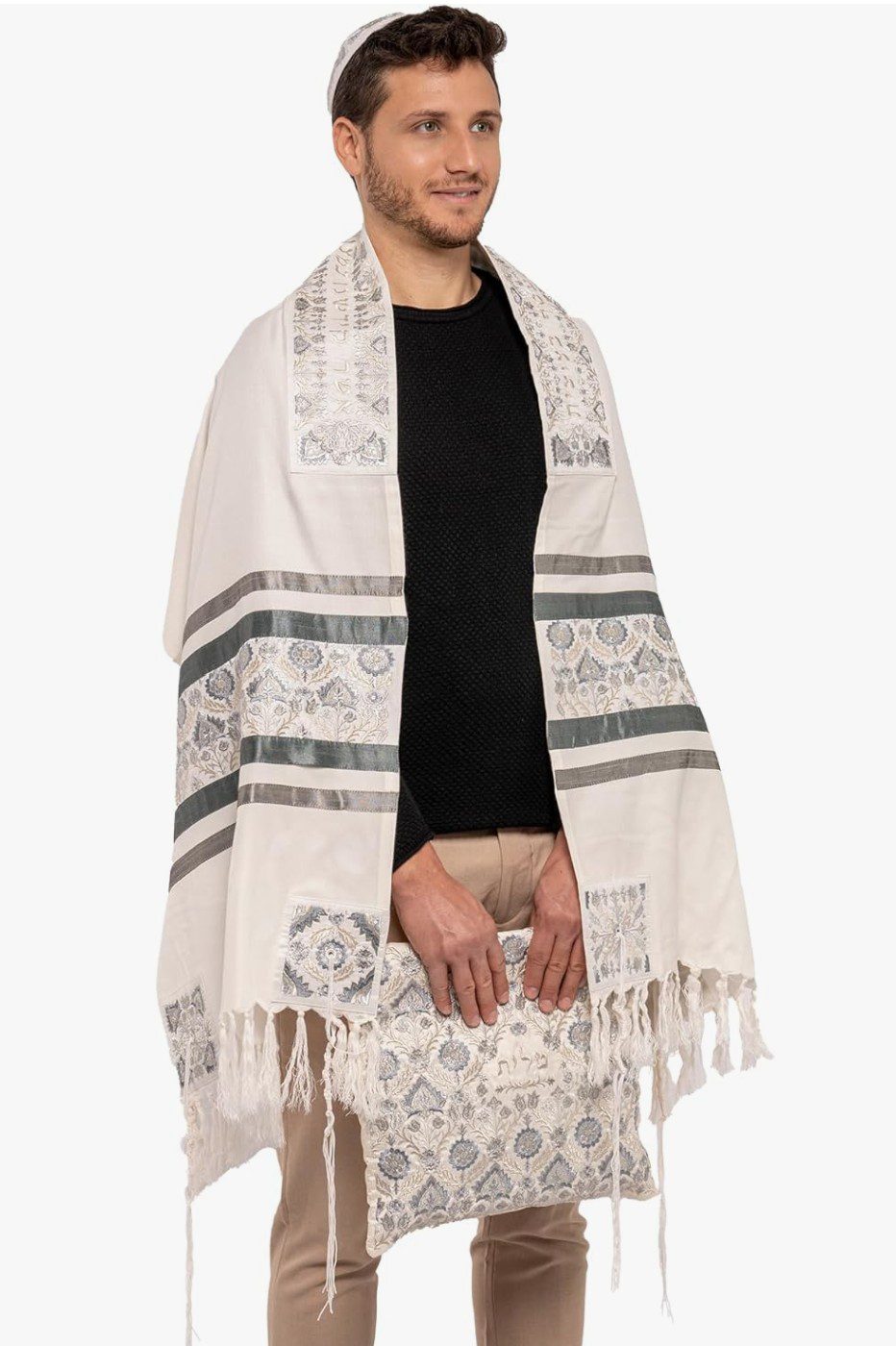
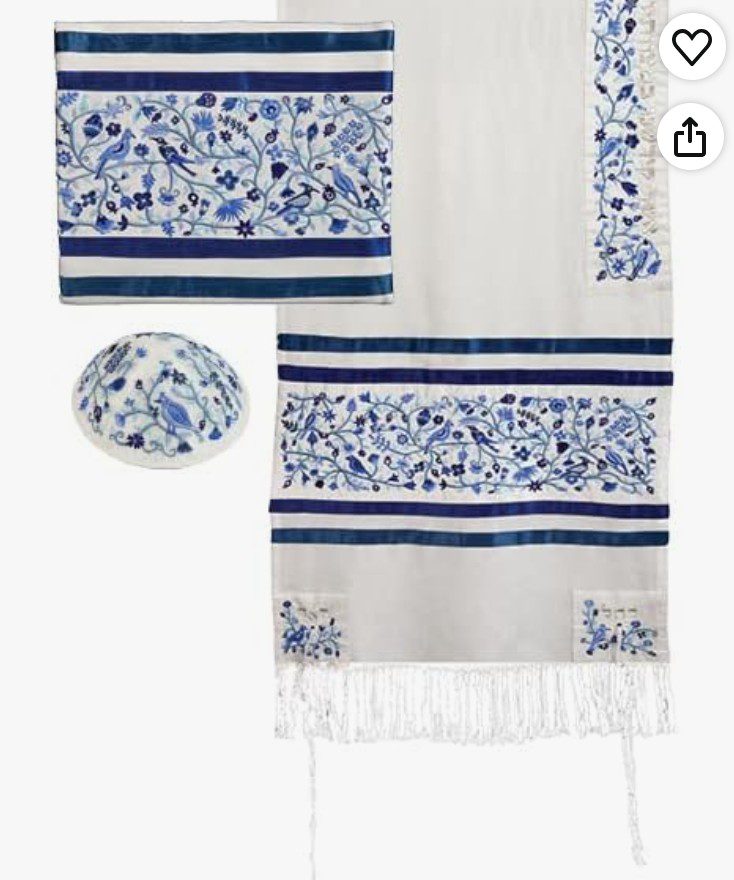
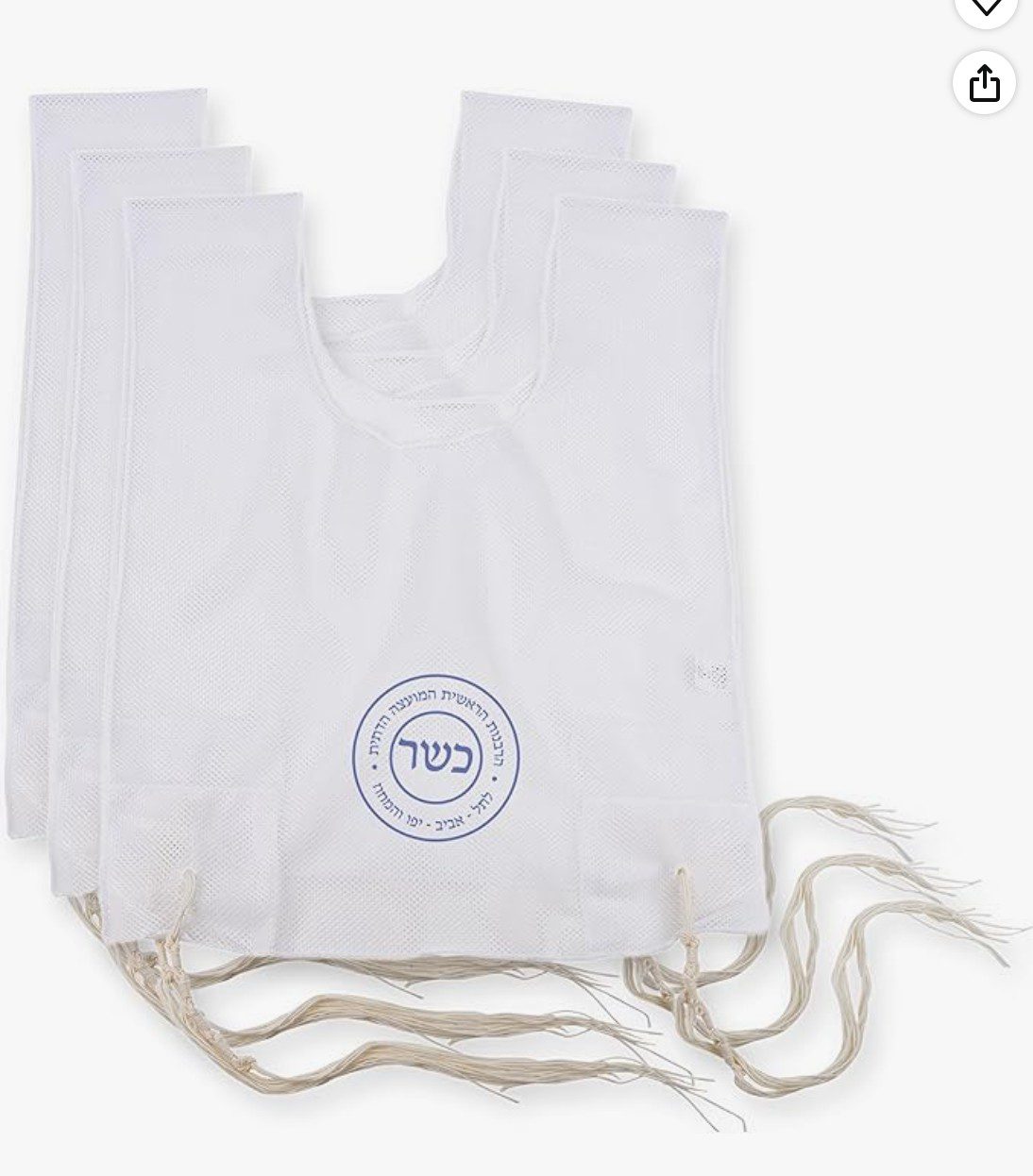
Yom Kippur is unique in that the tallit (prayer shawl) is worn during Kol Nidre, the evening service that opens the holiday — the only evening service all year where a tallit is worn, since it's normally reserved for daytime prayer. The fringes, or tzitzit, attached to its corners serve as a physical reminder of the commandments, and wrapping oneself in the tallit before Kol Nidre is, for many, one of the most powerful physical gestures of the entire day.

🕯️ Yizkor Memorial Candles
Honoring the memory of loved ones during Yizkor.
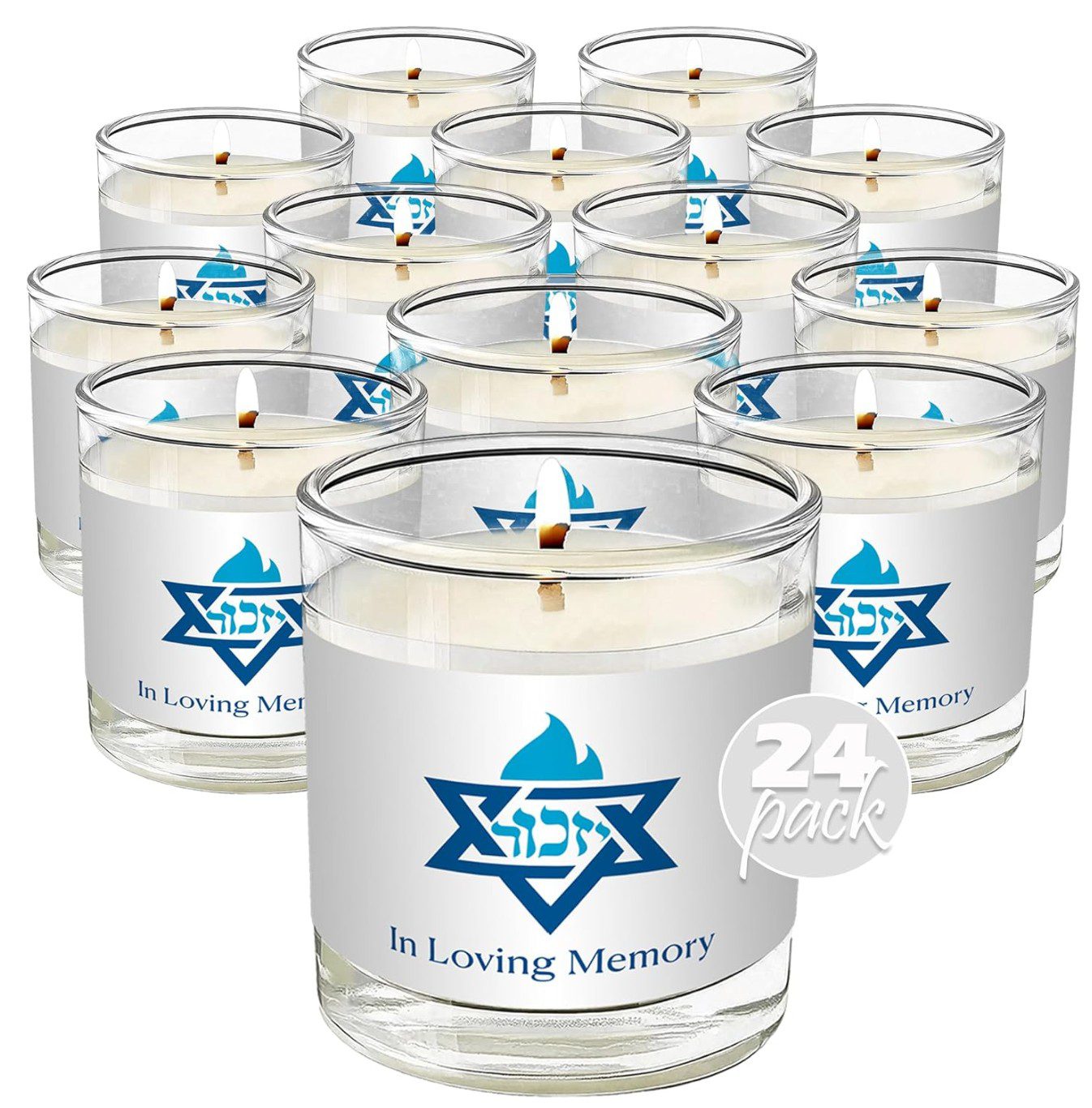
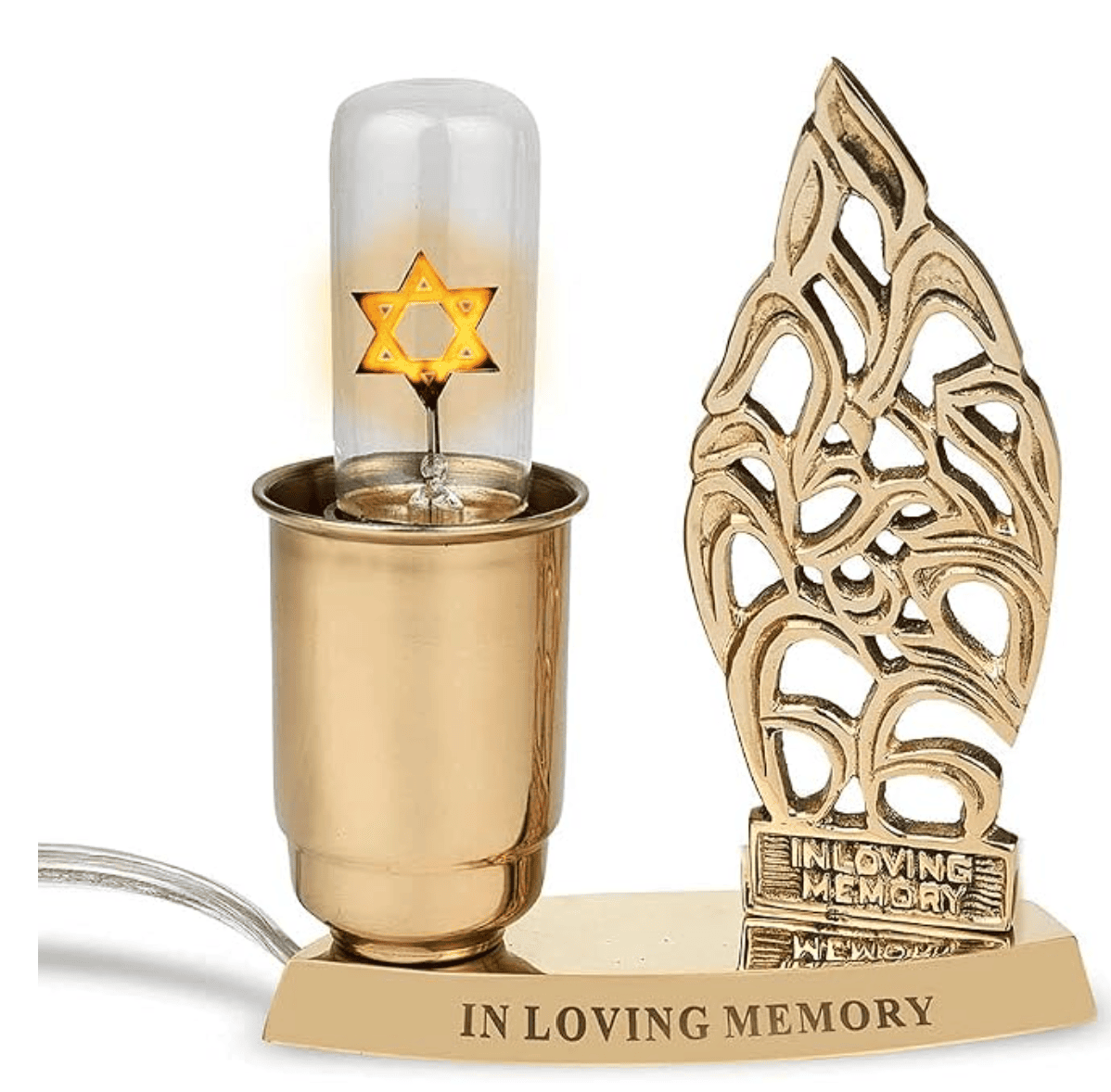
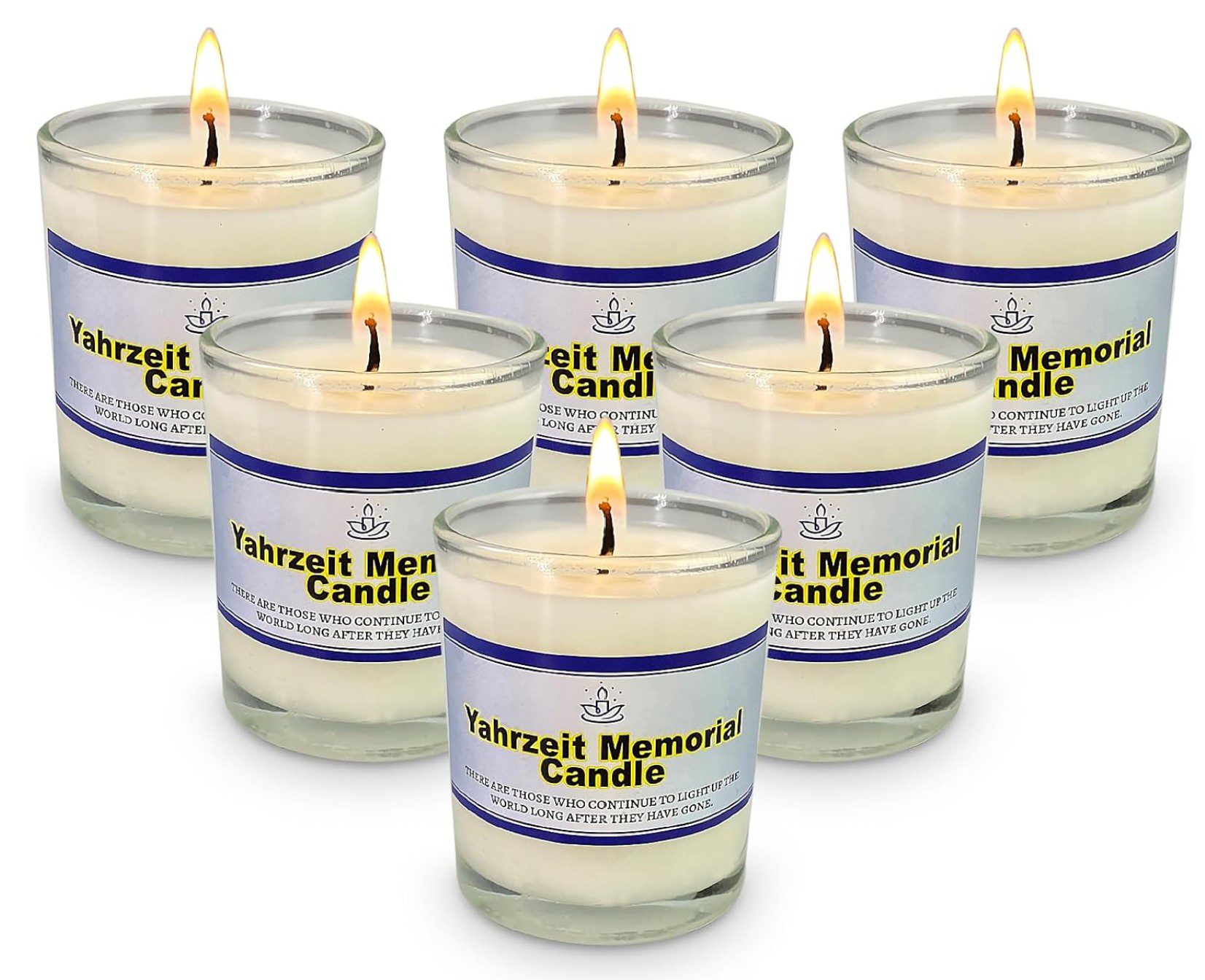
A Yizkor memorial candle is lit before the holiday begins in memory of a parent or close family member who has passed away, and it burns for 24 hours through the fast in their honor. The Yizkor service itself takes place during the day on Yom Kippur, and lighting the candle beforehand is a quiet, personal symbol observed in many homes regardless of how the rest of the holiday is kept.


❓ FAQs About Yom Kippur Symbols
1. What are the main symbols of Yom Kippur?
The most recognized symbols are the shofar (blown at the close of the fast), wearing white, the tallit worn at Kol Nidre, fasting, and lighting Yizkor memorial candles.
2. Why do people wear white on Yom Kippur?
White symbolizes purity and humility, evokes the image of angels, and serves as a reminder of the burial shroud, encouraging reflection during a day devoted to repentance.
3. What does the shofar symbolize on Yom Kippur?
The final shofar blast at the end of Ne'ilah marks the close of the holiday and the symbolic sealing of the Book of Life, making it one of the most emotional moments of the day.
4. Why is Kol Nidre significant?
Kol Nidre is the opening service of Yom Kippur, recited as the sun sets, and it's the only evening service of the year during which a tallit is traditionally worn.
5. What is the Book of Life and how does it relate to Yom Kippur?
Tradition holds that names are inscribed in the Book of Life on Rosh Hashanah and the verdict is sealed on Yom Kippur, which is why the day is devoted to repentance and prayer.
6. Why do we light Yizkor memorial candles on Yom Kippur?
A Yizkor candle is lit before the holiday begins in memory of a close family member who has passed away, and it burns for 24 hours through the fast in their honor.
7. What is a kittel and who wears one?
A kittel is a plain white robe traditionally worn by men on Yom Kippur, as well as at other significant life moments, symbolizing purity and humility before God.
8. Why is a tallit worn only in the evening on Yom Kippur?
A tallit is normally worn only during daytime prayer, but Yom Kippur is the exception — it's worn during the Kol Nidre evening service, making this one of the day's most distinctive customs.
9. What does fasting symbolize on Yom Kippur?
Fasting for 25 hours is meant to set aside physical needs in favor of spiritual reflection, repentance, and prayer, mirroring the purity and single-mindedness associated with angels.
The Kosher Hub is not a Kosher Authority. For any advice please refer to your local Kashrut Authority.
As an Amazon Affiliate we earn from qualifying purchases.





Understanding Our Kosher Certifications
The Kosher Hub references products certified by recognized kosher authorities, including OU, OK, Star-K, Kof-K, and CRC. Certification symbols and status can change, so always confirm the current kosher status directly on the product packaging or via the certifying agency's own listings before purchasing.