
Walking into synagogue on Yom Kippur without a machzor you're comfortable with can turn a meaningful day into a frustrating one, which is why choosing the right Yom Kippur machzor matters more than it might seem. A machzor is the special prayer book used only on the High Holidays, containing the extended liturgy, piyyutim (liturgical poems), and Torah readings specific to Rosh Hashanah and Yom Kippur — far more than what's in a regular daily siddur. With so many editions available, from Hebrew-only traditional printings to Hebrew-English translations to Sephardic versions, it's easy to end up with one that doesn't match your synagogue's nusach (prayer tradition) or your own comfort reading Hebrew. This guide compares the most popular Yom Kippur machzorim available, breaks down who each edition is really for, and helps you land on the right one before the holiday arrives.
📖 Compare the Top Yom Kippur Machzorim
Four popular editions, compared side by side.
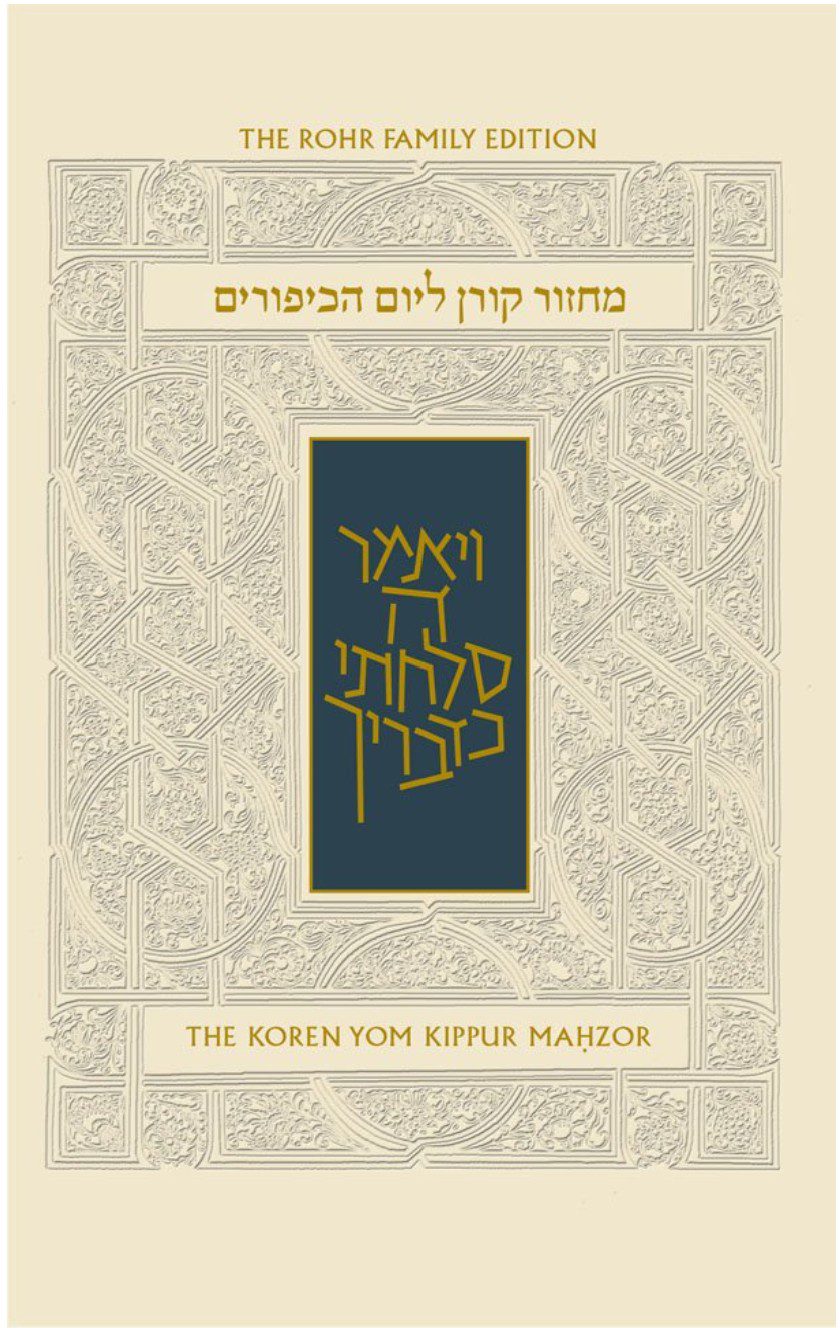
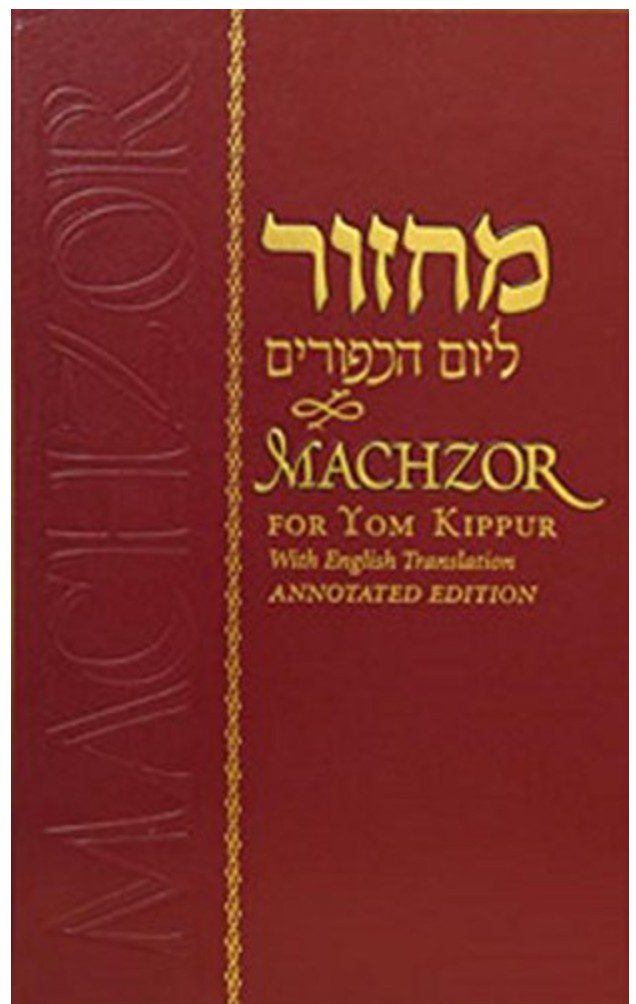
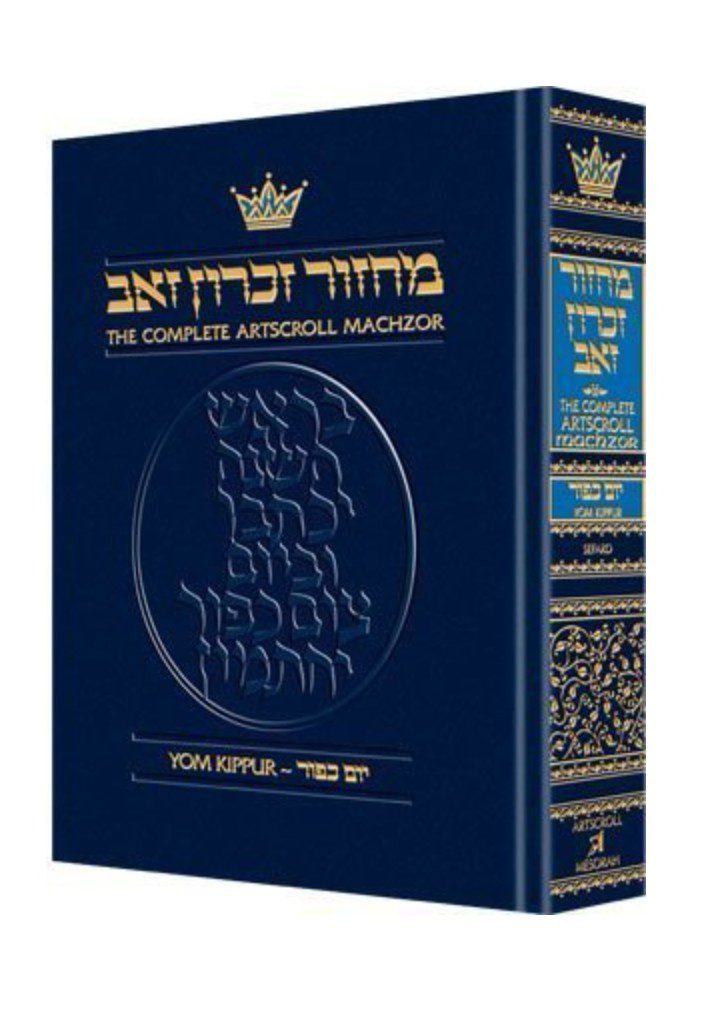
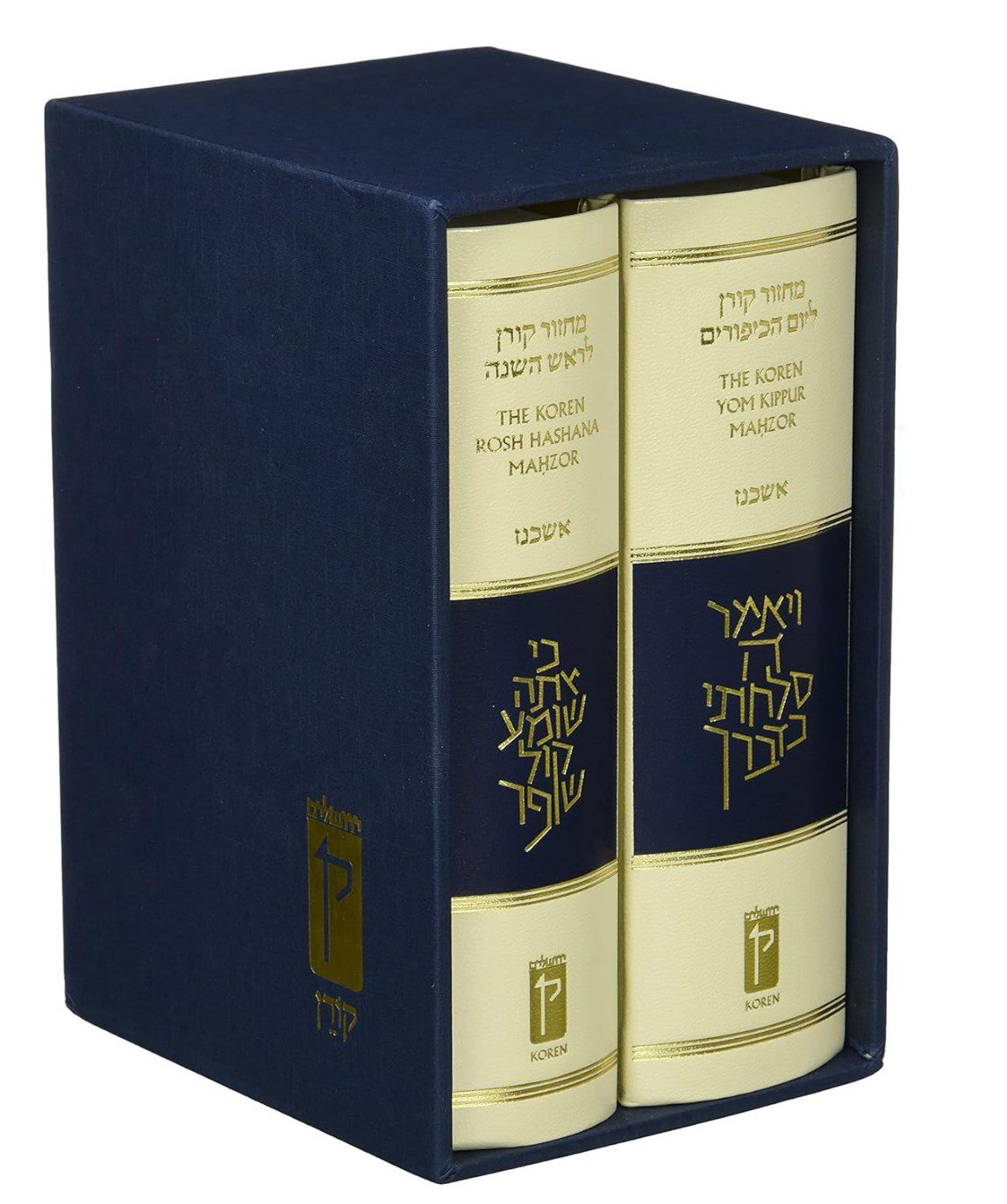
These four editions cover the vast majority of what shoppers are looking for in a Yom Kippur machzor. The traditional single-volume edition is the most common choice for anyone comfortable reading Hebrew fluently, while the Hebrew-English Red Book edition is better suited to those who want to follow along in English or are newer to the liturgy. The Sephardic edition follows a different nusach (prayer order and wording) than the standard Ashkenazi printing, so it's worth confirming which tradition your synagogue follows before buying. The boxed set is simply a convenience option for households replacing both their Rosh Hashanah and Yom Kippur machzorim at once.

🤔 How to Choose the Right Machzor for You
Four questions to narrow it down.
- Ashkenazi or Sephardic? This is the single most important factor. Ask your rabbi or check with your synagogue if you're unsure which nusach (prayer tradition) they follow — an Ashkenazi machzor won't match the order of service at a Sephardic synagogue, and vice versa.
- How comfortable are you reading Hebrew? If you can follow Hebrew prayers fluently, a Hebrew-only edition is often preferred by regular shul-goers. If you're newer to the liturgy or want to understand the meaning as you pray, a Hebrew-English edition like the Red Book will serve you much better.
- Do you already own a Rosh Hashanah machzor? If not, the two-volume boxed set is usually the most economical way to get both holidays covered at once, rather than buying them separately down the line.
- Is this for personal use or does your synagogue provide one? Many synagogues supply machzorim for use during services, but a growing number of people prefer to bring their own — it lets you highlight passages, add notes in the margins, and use the same familiar copy year after year.


❓ FAQs About Choosing a Yom Kippur Machzor
1. What is a machzor and how is it different from a siddur?
A siddur is used for everyday and Shabbat prayers, while a machzor is a special prayer book used only for the High Holidays (and some other festivals), containing extended liturgy, piyyutim, and readings unique to Rosh Hashanah and Yom Kippur.
2. Which machzor should I use if I'm new to the Yom Kippur service?
A Hebrew-English edition like the Red Book is generally the best starting point, since it lets you follow along in English while gradually becoming familiar with the Hebrew prayers.
3. What's the difference between an Ashkenazi and Sephardic machzor?
They follow different nusach, or prayer traditions — the order, wording, and even some of the melodies of the liturgy differ between Ashkenazi and Sephardic communities, so it's important to match your machzor to your synagogue's tradition.
4. Should I buy a Hebrew-only or Hebrew-English machzor?
If you read Hebrew fluently, a Hebrew-only edition is often preferred by regular synagogue-goers. If you're less comfortable with Hebrew or want to understand the meaning as you pray, a Hebrew-English edition is the better choice.
5. Is a Rosh Hashanah and Yom Kippur boxed set worth it?
If you don't already own a Rosh Hashanah machzor, the boxed set is typically a more economical way to cover both holidays at once compared to buying each volume separately.
6. Can I bring my own machzor to synagogue?
In most cases, yes. Many synagogues supply machzorim for services, but bringing your own personal copy lets you highlight passages and add notes, and many people prefer using the same familiar edition every year.
7. What size machzor is easiest to hold during a full day of services?
Standard single-volume machzorim are generally sized to be comfortable for extended holding during long services; check the listing's page count and dimensions if you have a strong preference for a lighter, more compact edition.
8. How much does a Yom Kippur machzor typically cost?
Pricing varies by edition and publisher — Hebrew-only printings and boxed sets are generally priced differently, so it's worth comparing a few options directly on their Amazon listings before deciding.
9. What's inside a Yom Kippur machzor that isn't in a regular siddur?
A Yom Kippur machzor includes the Kol Nidre service, Vidui (confessional prayers), Avinu Malkeinu, the Neilah closing service, Yizkor (memorial prayers), and piyyutim specific to the Day of Atonement — none of which appear in a standard daily siddur.
The Kosher Hub is not a Kosher Authority. For any advice please refer to your local Kashrut Authority.
As an Amazon Affiliate we earn from qualifying purchases.
Understanding Our Kosher Certifications
The Kosher Hub references products certified by recognized kosher authorities, including OU, OK, Star-K, Kof-K, and CRC. Certification symbols and status can change, so always confirm the current kosher status directly on the product packaging or via the certifying agency's own listings before purchasing.