
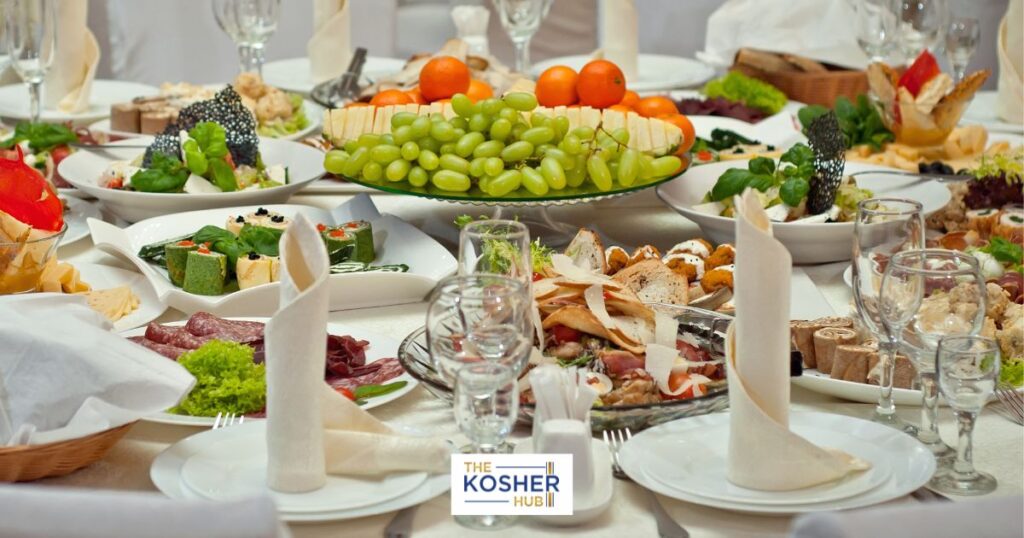
Breaking a 25-hour Yom Kippur fast calls for a menu that's gentle on an empty stomach but still feels like a celebration — which is exactly what a good Yom Kippur break-fast menu should deliver. After Ne'ilah and the final shofar blast, families across the country gather around tables filled with bagels, lox, herring, round challah and something sweet to mark the end of the Day of Atonement. This guide walks through a complete break-fast spread from start to finish: the light, hydrating foods eaten just before the fast begins (the Seudah Hamafseket), and the festive, easy-to-digest dishes served once the fast ends. Every product below is sourced from verified kosher listings on Amazon, so you can plan your table with confidence — whether you're hosting a full gathering or keeping things simple for your own family.
🍲 Pre-Fast Meal (Seudah Hamafseket)
Light, hydrating foods to eat before the fast begins.
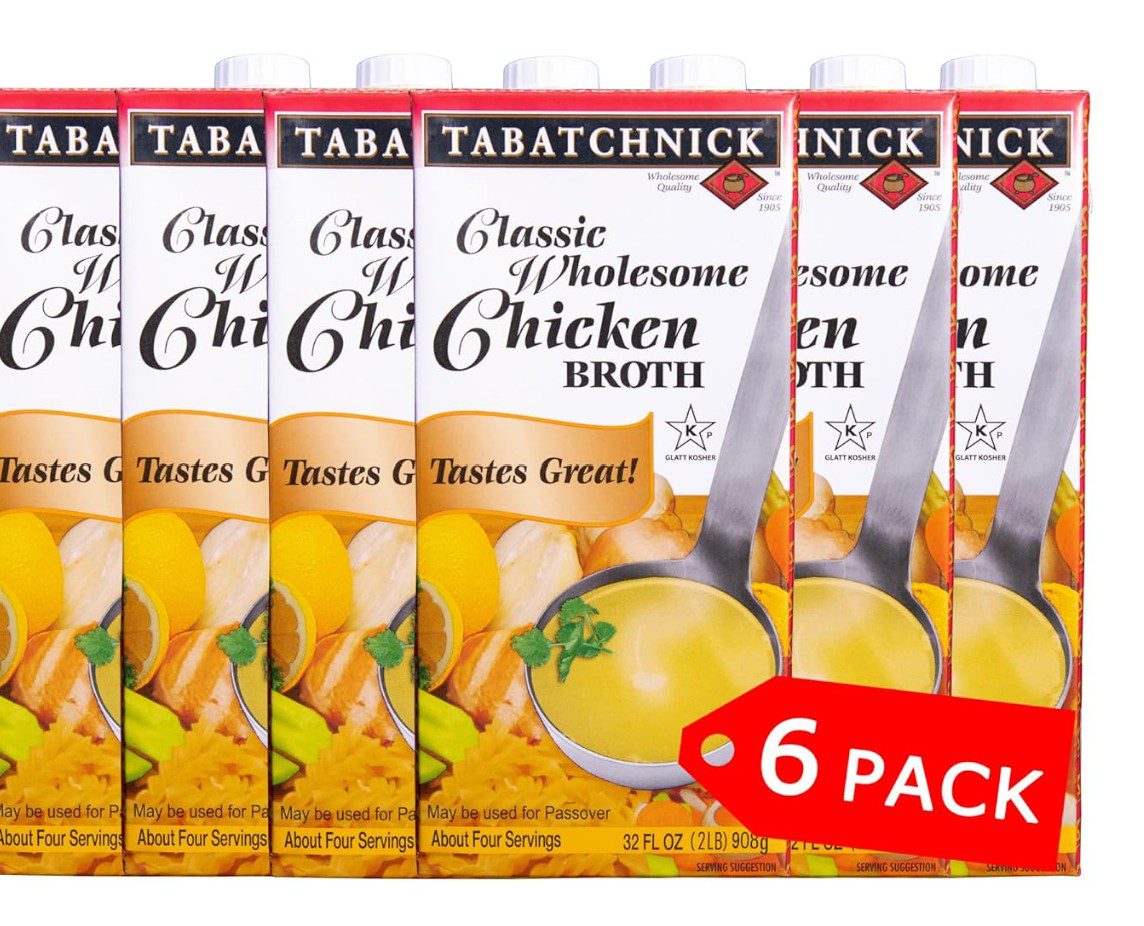
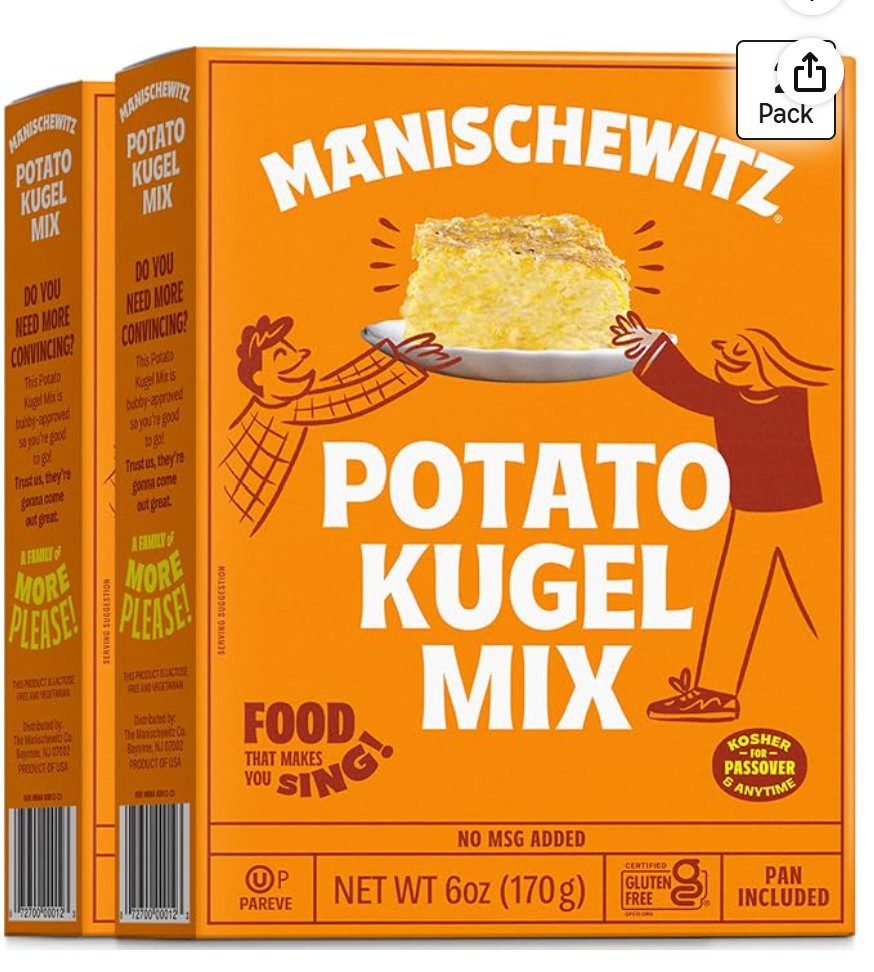
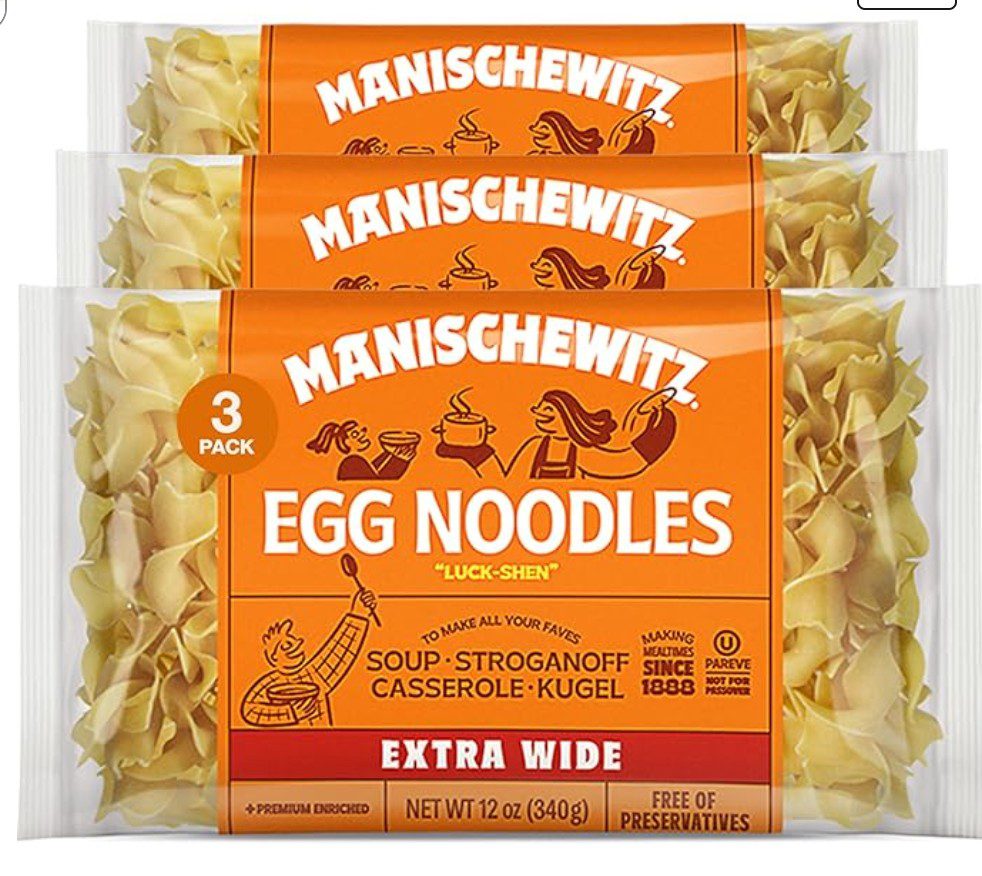
The Seudah Hamafseket, eaten before candle-lighting, is meant to prepare the body for the fast ahead — not to fill it. Mild, low-sodium, easy-to-digest foods like chicken broth and kugel help you stay comfortable through the 25 hours without leaving you overly thirsty. Both kugel options here are pareve, making them simple to pair with either a dairy or meat pre-fast spread, and can be made ahead so there's nothing to prepare once the fast is underway.
🥯 Break-Fast Bagels & Spreads
The centerpiece of most break-fast tables.
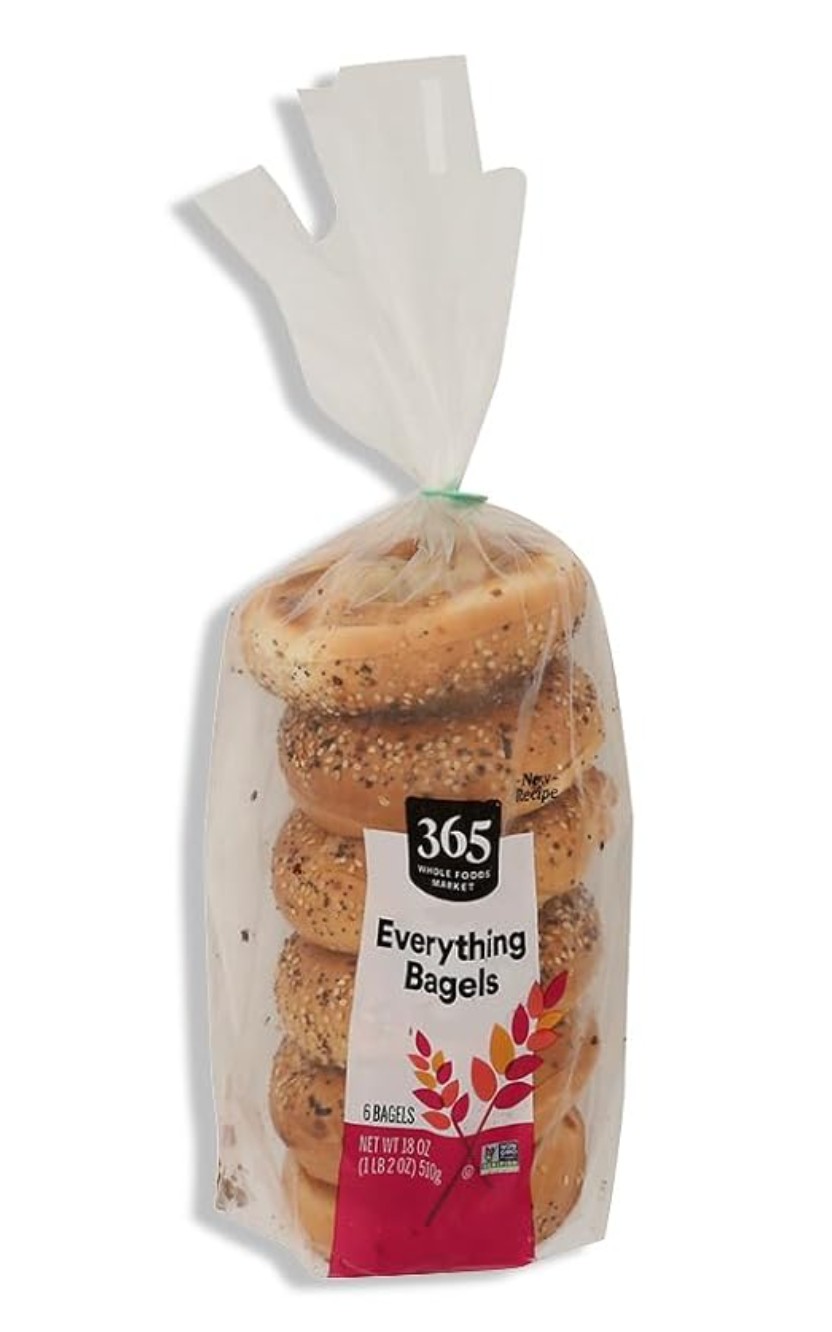
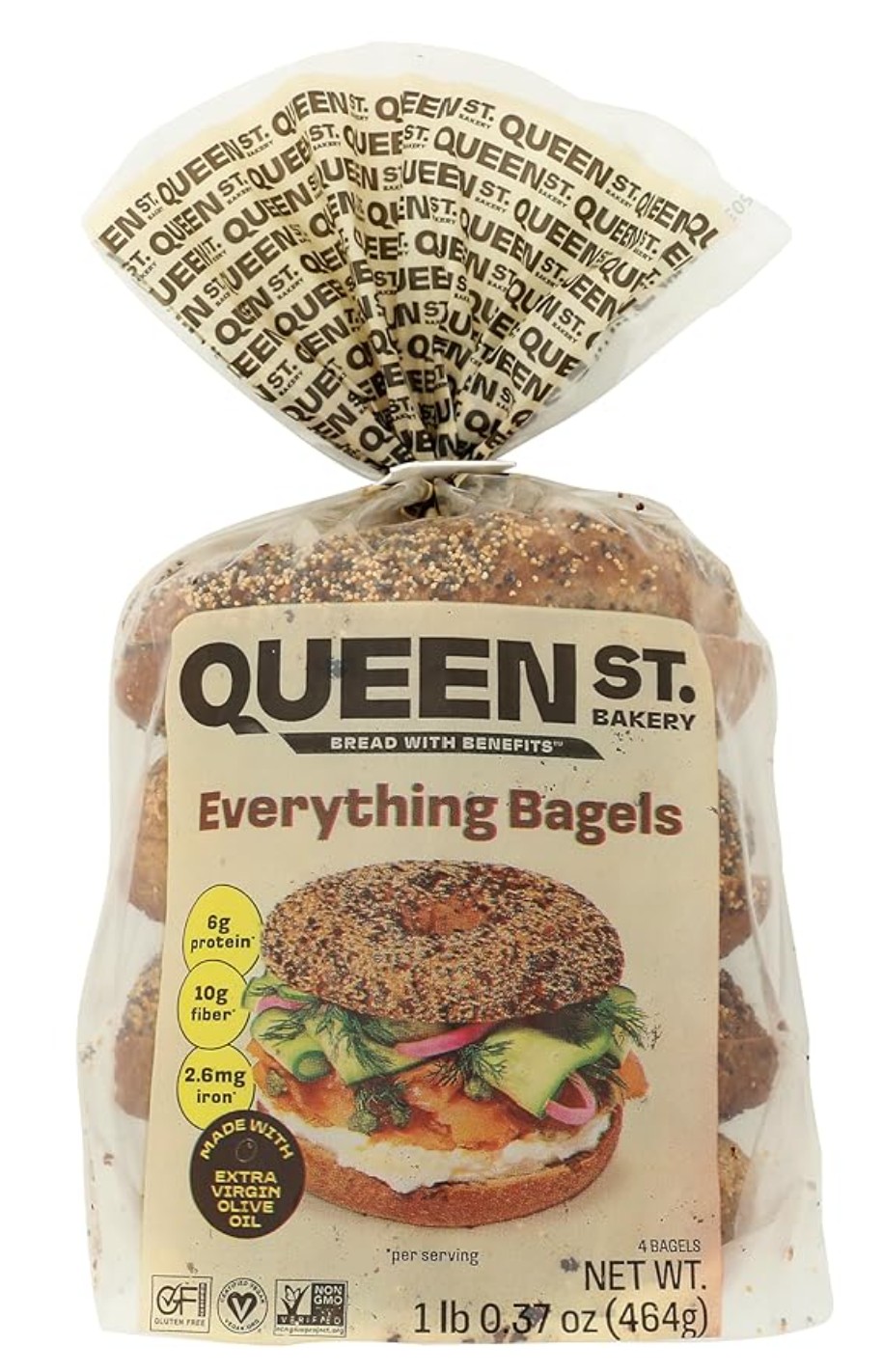
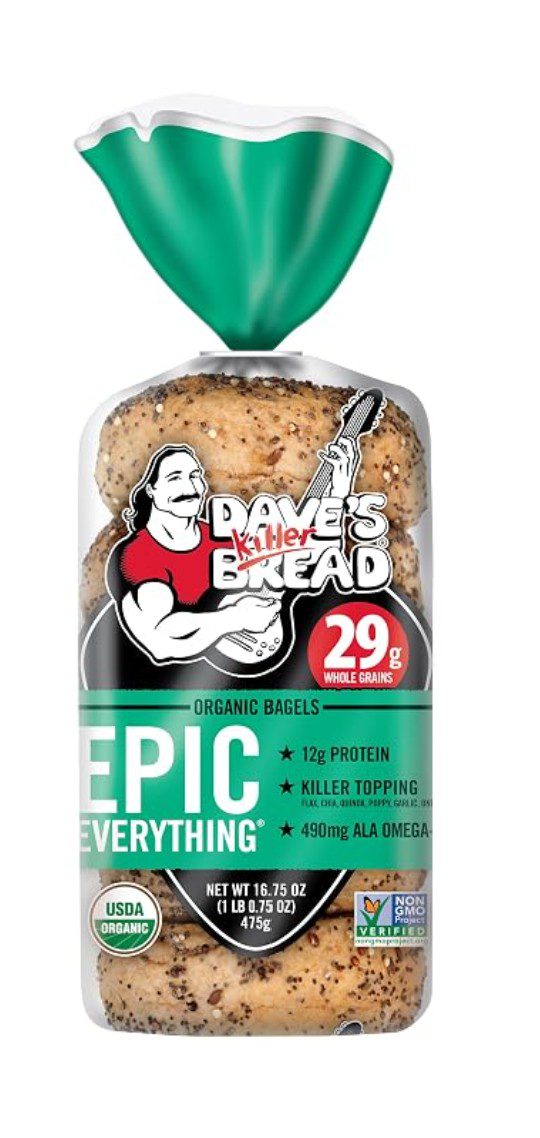
Bagels are the anchor of most break-fast spreads — easy to eat slowly after 25 hours without food, and versatile enough to top with anything from cream cheese to smoked fish. An everything bagel is the classic choice, but a plain or sesame option is worth having on hand for anyone easing back into eating more gently. All three options here carry visible kosher certification, so you can confirm the hechsher directly on the Amazon listing before ordering.
🐟 Smoked Salmon & Herring
The traditional Ashkenazi break-fast toppings.
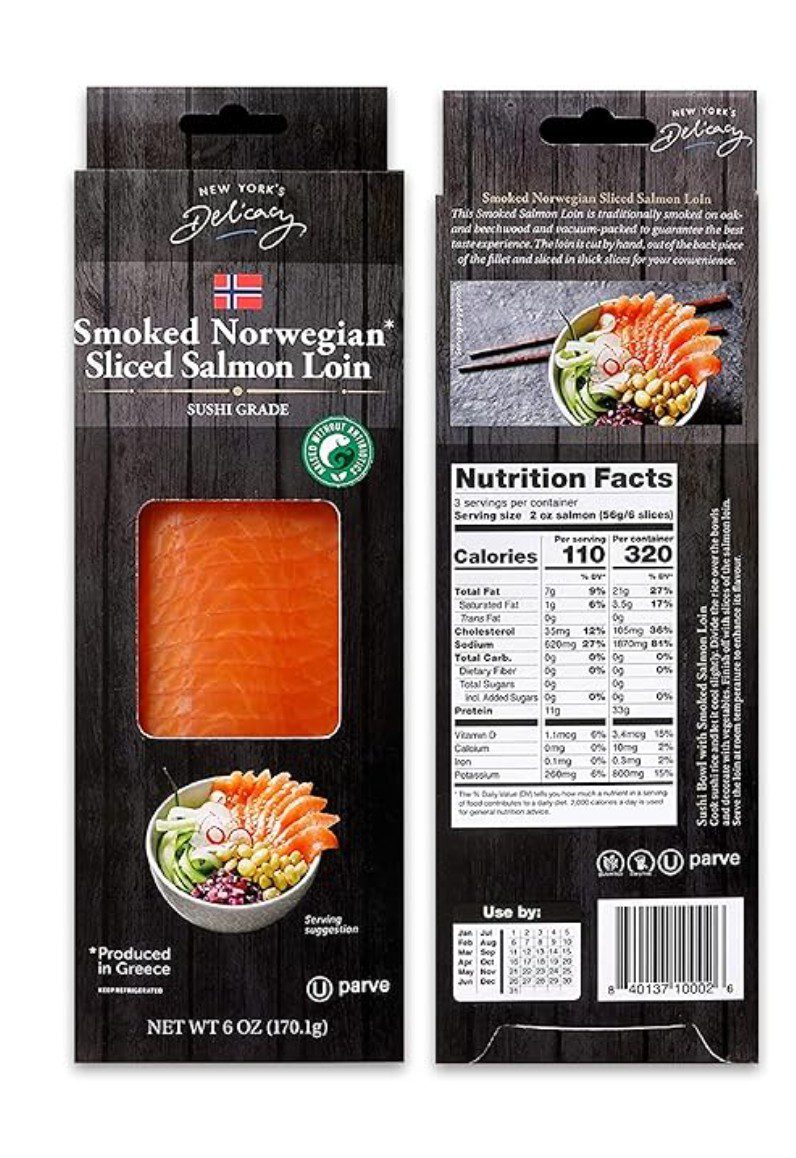
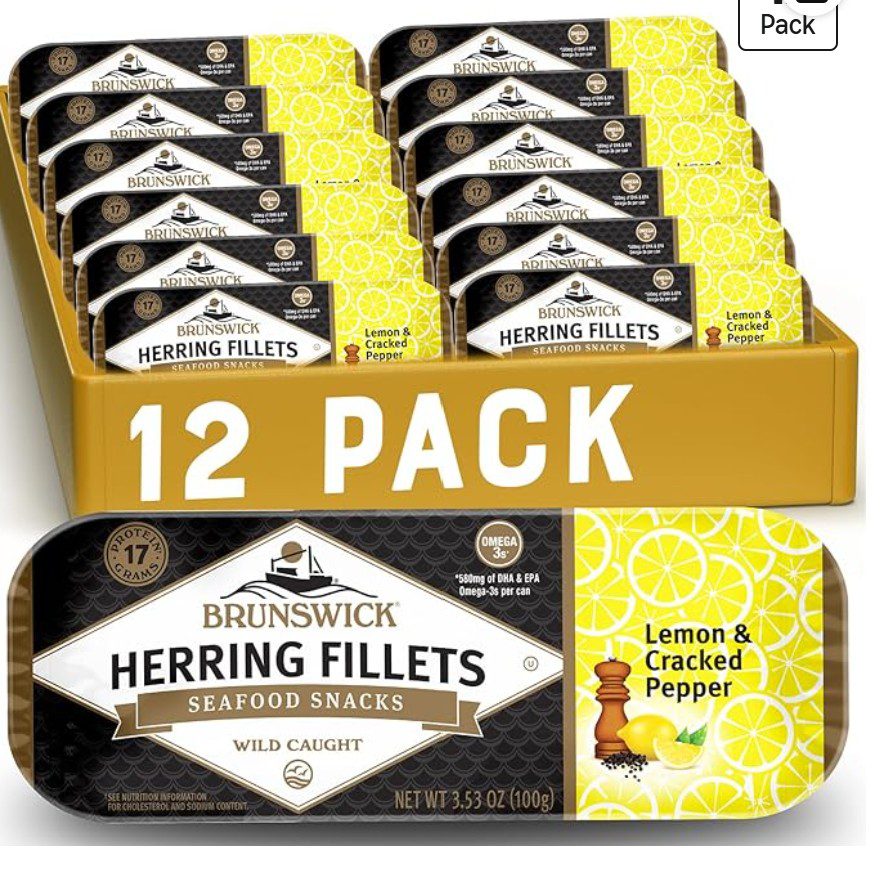
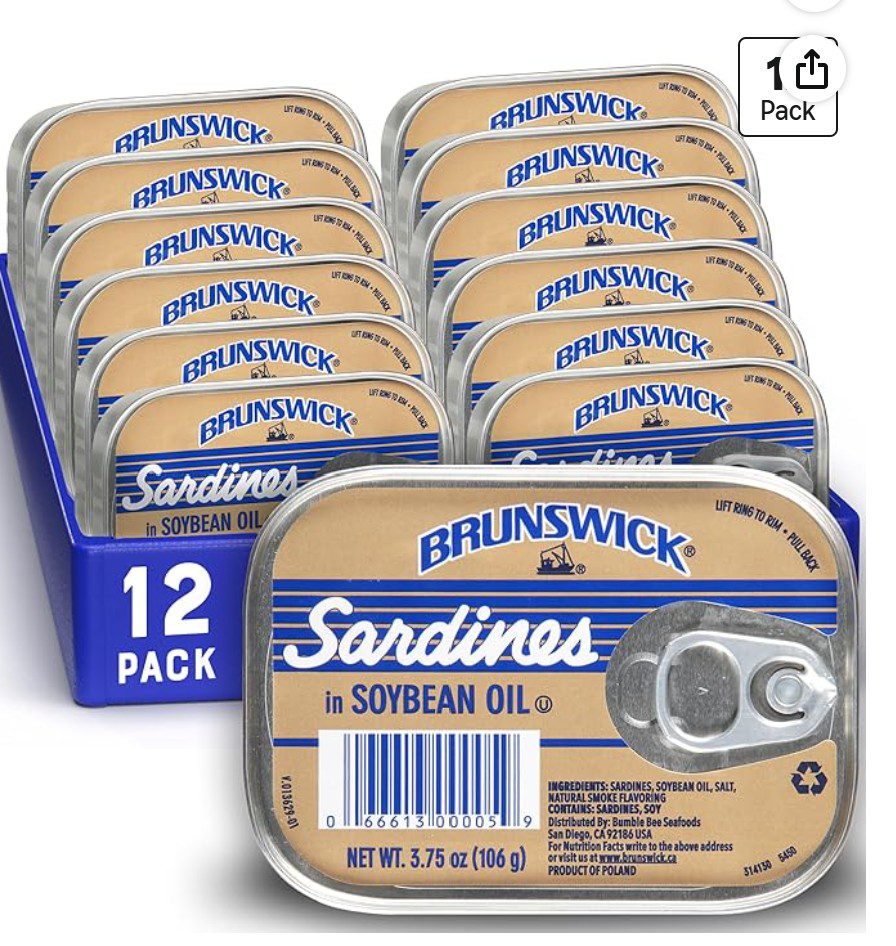
Smoked salmon, herring and sardines are all typically pareve, making them easy to pair with a dairy spread like cream cheese without any concern about mixing meat and dairy — always confirm on the individual label, since preparation can vary by brand. Herring in particular is a beloved Ashkenazi tradition at break-fast, believed by some to help settle the stomach after a long fast, while smoked salmon offers a milder, more universally appealing option for guests who may not have grown up with the herring custom. Sardines round out the spread as a simple, shelf-stable option that needs no last-minute prep.
🍞 Round Challah for the Table
A holdover from the High Holidays, symbolizing the cycle of the year.
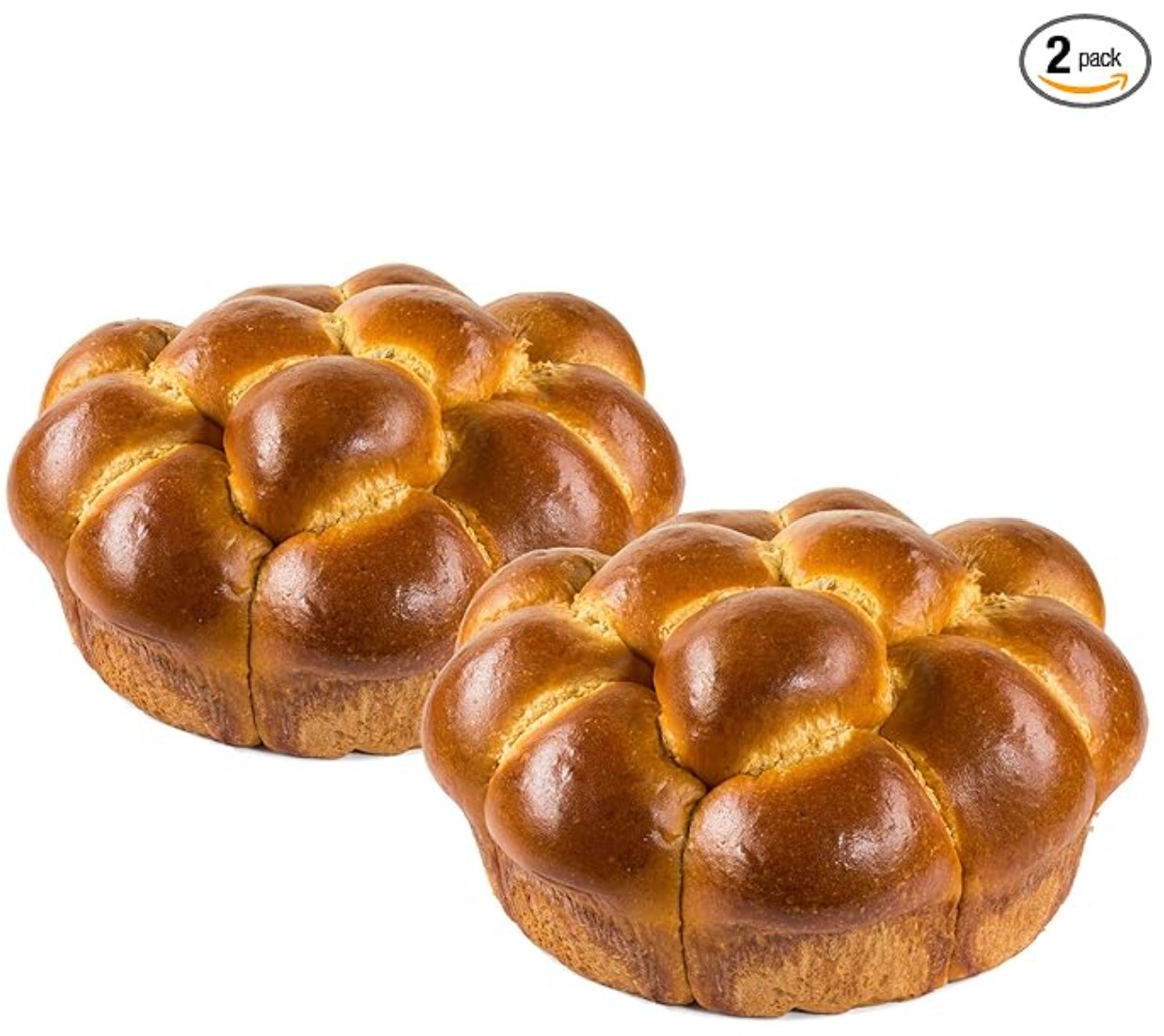
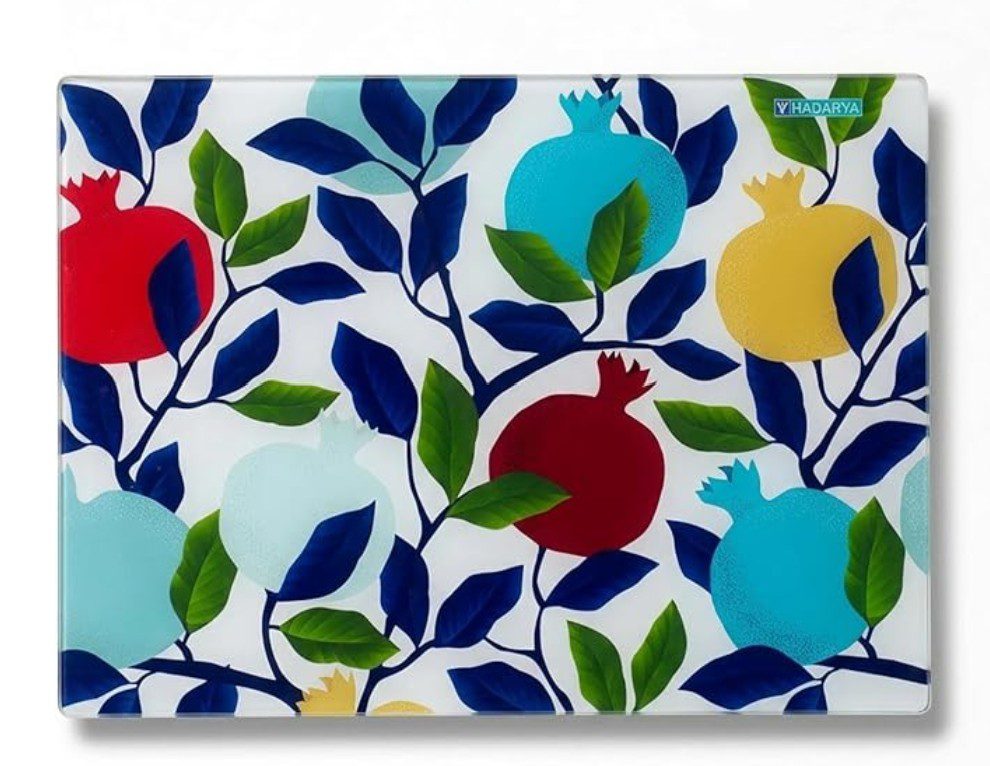
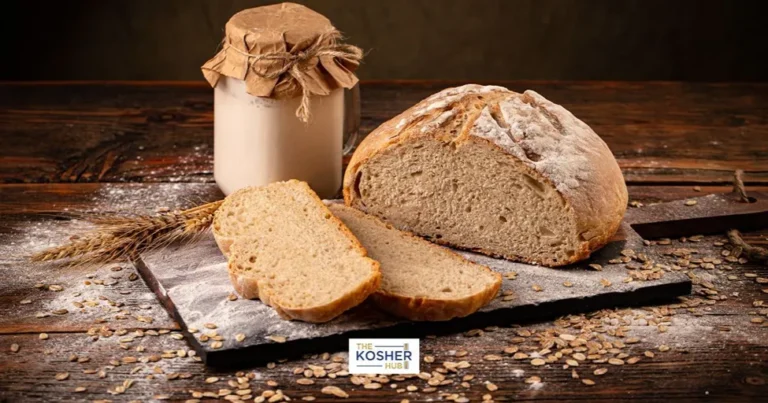
Round challah, associated with Rosh Hashanah and the High Holiday season, often makes a final appearance at the Yom Kippur break-fast table before the year settles back into its usual braided loaves. A dedicated glass challah board keeps the table looking festive and makes cleanup easier when you're serving a crowd fresh off a long fast. This item is Judaica tableware rather than a certified food product, so no kosher certification applies — only the challah itself carries a hechsher.
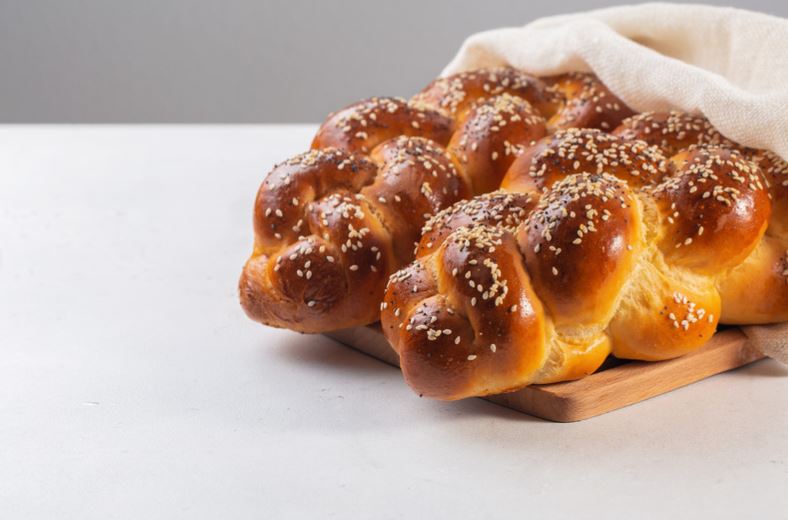
🍰 Desserts & Sweets
Sweetness carried over from Rosh Hashanah.
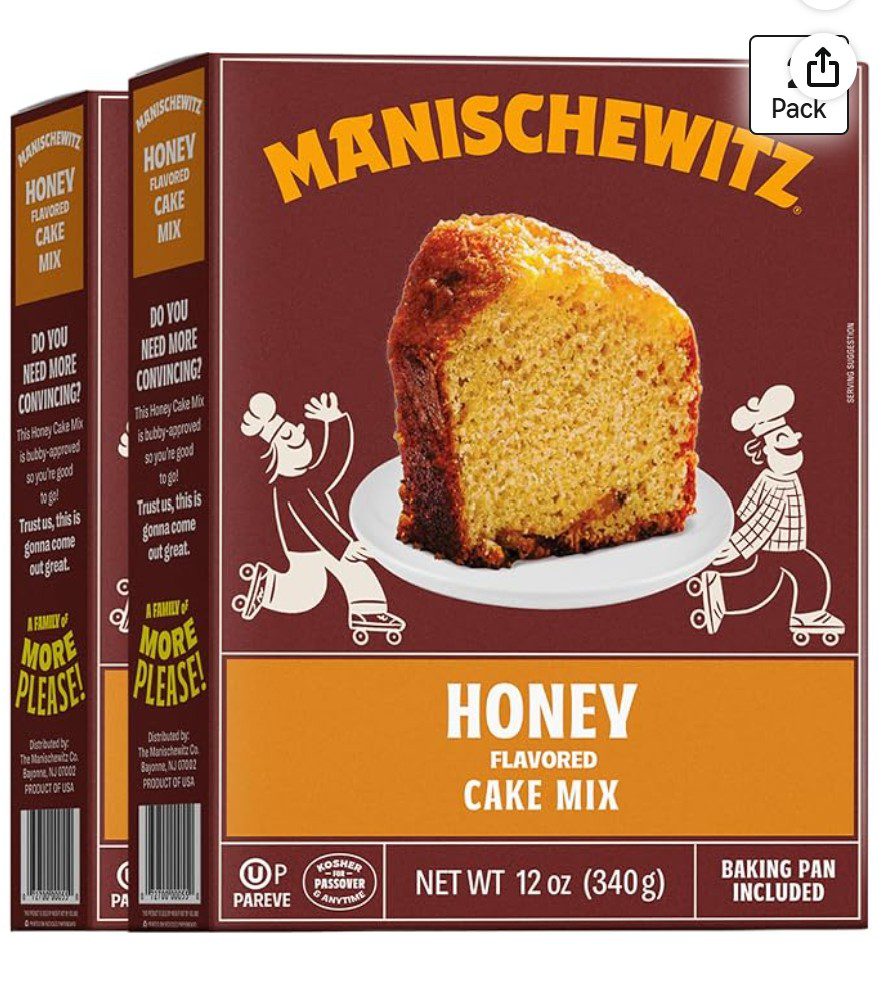
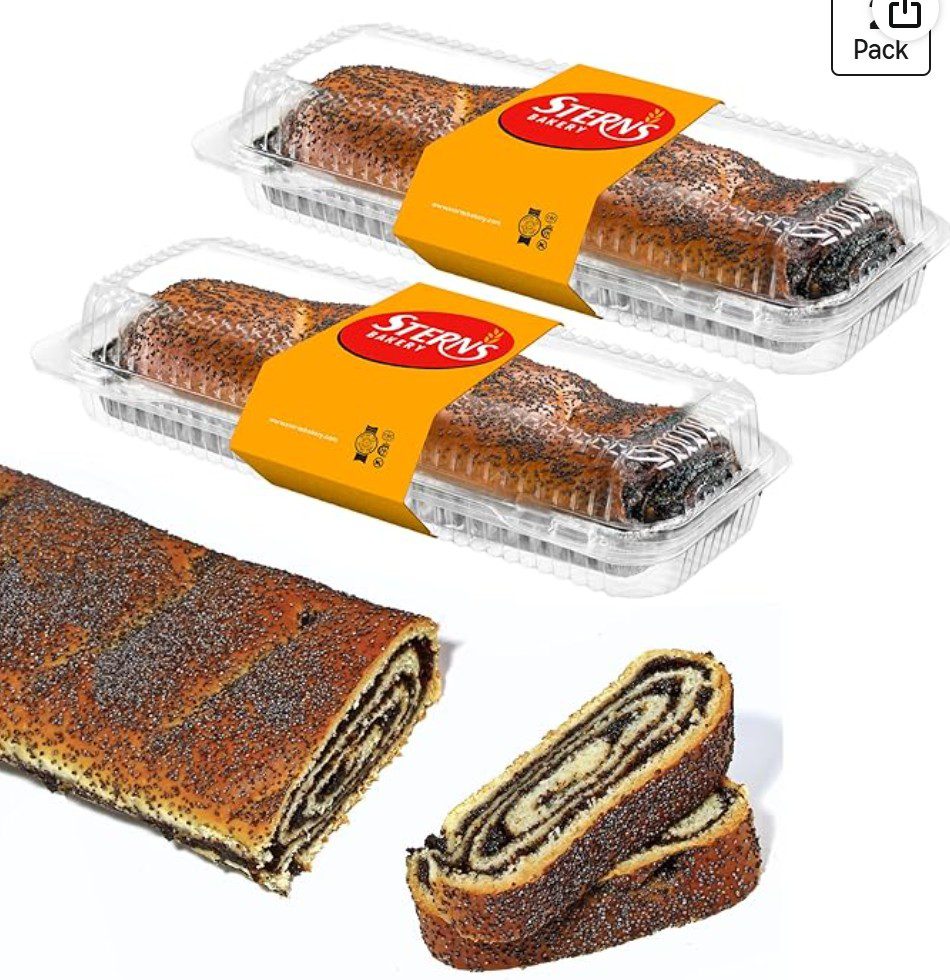
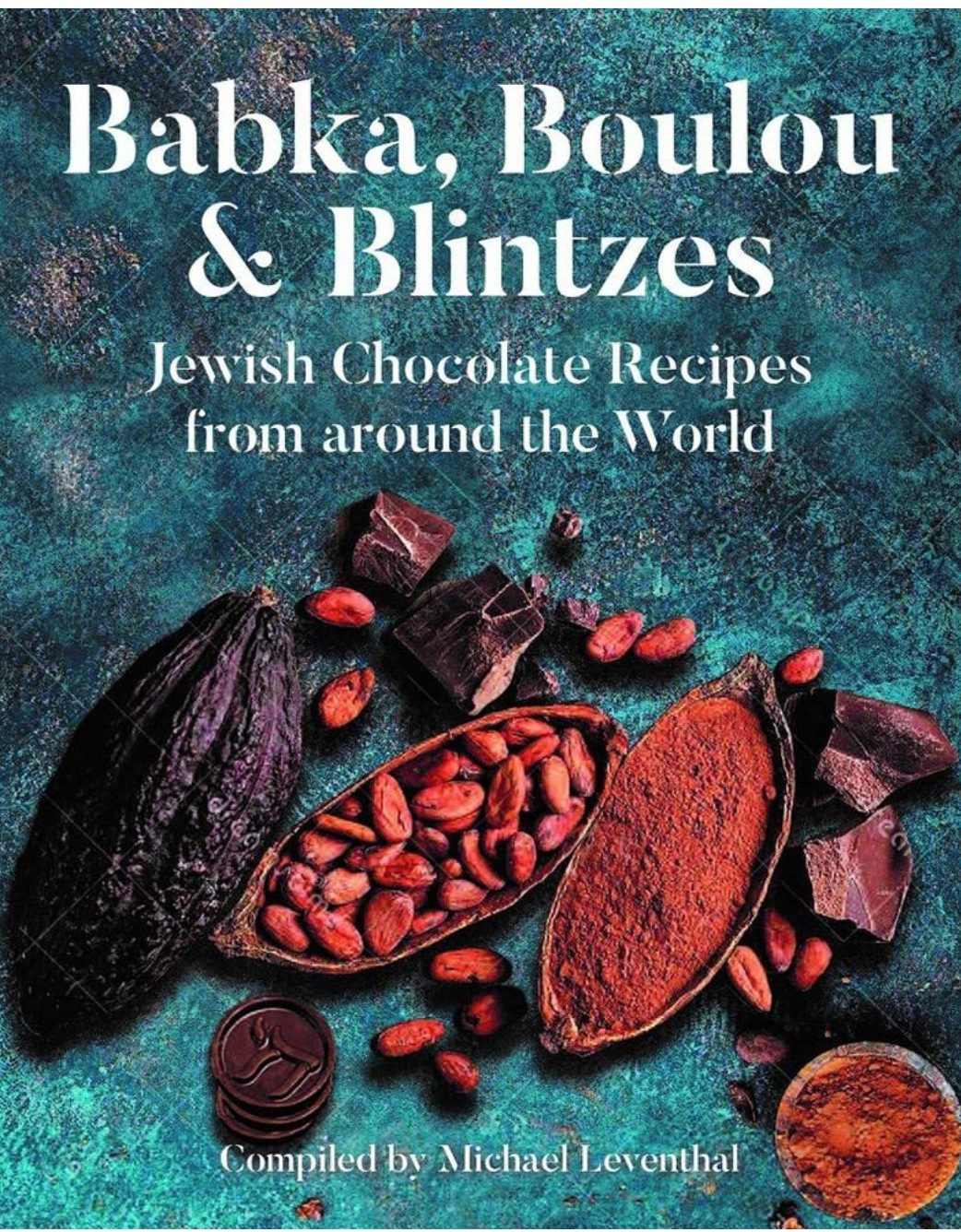
Something sweet at the end of the meal echoes the honey and sweetness themes of Rosh Hashanah, carrying that hope for a good year through to the close of the Ten Days of Repentance. Honey cake and poppyseed cake are both easy make-ahead options that keep well for a day or two, while a blintz cookbook is a lovely choice for hosts planning a dairy break-fast spread rather than a meat-based one. Always confirm pareve versus dairy status on the label if your table is mixing both meat and dairy dishes.

🔍 What to Look For in a Break-Fast Spread
Expert guidance from The Kosher Hub.
- Kosher certification symbols: Look for a recognized hechsher (OU, OK, Star-K, KOF-K etc.) clearly visible on every food item's packaging or listing photos before adding it to your table.
- Pareve vs. dairy vs. meat: Smoked salmon and herring are typically pareve, but blintzes and some spreads are dairy — check labels carefully if your break-fast includes both dairy and meat dishes.
- Make-ahead friendliness: Kugel, honey cake and poppyseed cake can all be prepared a day or two in advance, which matters since you won't be cooking during the fast itself.
- Portion planning: Break-fast guests eat gradually rather than all at once — a spread that can sit out and be enjoyed slowly works better than a formal sit-down meal.
- Freshness and shelf life: Smoked fish should be ordered close to the holiday rather than weeks in advance; bagels and challah freeze well if bought early.
- Amazon listing trust signals: Favor listings with clear kosher certification visible in the product photos and a healthy number of reviews before ordering perishable items like fish.

❓ FAQs About the Yom Kippur Break-Fast
1. What do you eat to break the Yom Kippur fast?
Most families start gently with something light like tea or juice, then move into bagels with cream cheese, smoked salmon, herring, and round challah, followed by something sweet like honey cake.
2. What is a good menu for Yom Kippur break-fast?
A classic break-fast menu includes bagels and cream cheese, smoked salmon, herring, round challah, a kugel or quiche, and a light dessert such as honey cake or poppyseed cake.
3. Why do people eat bagels and lox after Yom Kippur?
Bagels and smoked salmon (lox) became a break-fast staple in American Jewish communities in part because they're easy to eat slowly, require no cooking after the fast, and can be prepared entirely in advance.
4. What should you eat before the Yom Kippur fast?
The pre-fast meal (Seudah Hamafseket) favors mild, hydrating, lower-sodium foods like chicken broth and kugel that won't leave you overly thirsty during the 25-hour fast.
5. Is Yom Kippur break-fast traditionally dairy or meat?
There's no single rule — many families serve a dairy spread centered on bagels, cream cheese, and fish, while others prefer a meat-based meal. Both are traditional; check individual product labels if you're combining the two.
6. Why is round challah served during the High Holidays?
Round challah symbolizes the cyclical nature of the year and the continuity of life, a theme that carries from Rosh Hashanah through the close of Yom Kippur.
7. How much food should I plan for a break-fast gathering?
Plan for guests to eat gradually rather than all at once — a generous spread that can sit out for an hour or two works better than a formal sit-down portion count.
8. What desserts are traditional for Yom Kippur break-fast?
Honey cake and poppyseed cake are both popular, echoing the sweetness of Rosh Hashanah; blintzes are also a beloved dairy option for those hosting a dairy-centered break-fast.
9. Can you eat right when the fast ends?
Yes, but many people ease in gradually with something light like water or juice first, since eating too quickly after a full 25-hour fast can cause stomach discomfort.

The Kosher Hub is not a Kosher Authority. For any advice please refer to your local Kashrut Authority.
As an Amazon Affiliate we earn from qualifying purchases.

Understanding Our Kosher Certifications
The Kosher Hub references products certified by recognized kosher authorities, including OU, OK, Star-K, Kof-K, and CRC. Certification symbols and status can change, so always confirm the current kosher status directly on the product packaging or via the certifying agency's own listings before purchasing.