
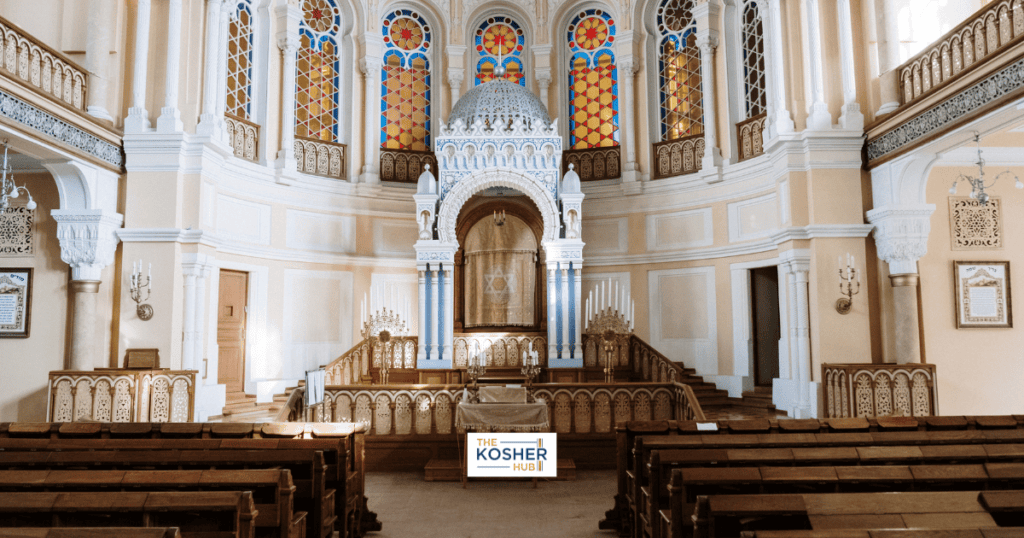
Walking into synagogue for a full day of Yom Kippur services can feel overwhelming if you don't know what to expect — the day is structured around five distinct prayer services, runs from sundown to sundown, and includes moments that are unlike anything else on the Jewish calendar. Whether you're attending for the first time, bringing children along, or simply want to understand the flow of the day better, this guide walks through what actually happens from Kol Nidre through Ne'ilah, along with practical tips on what to bring, how to prepare, and how to make the most of the experience.
🕯️ The Structure of a Yom Kippur Service
Five services across roughly 25 hours.
- Kol Nidre (evening, as the fast begins): The service opens with the Kol Nidre prayer, chanted before sundown while it's still permitted to hold a document, annulling vows made rashly over the past year. It's the only evening service of the year where a tallit is worn.
- Shacharit (morning service): The standard morning prayers, extended with additional piyyutim (liturgical poems) specific to Yom Kippur, followed by the Torah reading.
- Musaf (additional service): Includes the Avodah service, a detailed retelling of the High Priest's Yom Kippur Temple service in ancient Jerusalem, often considered the spiritual high point of the day.
- Yizkor (memorial service, mid-morning to early afternoon): A memorial prayer service for those who have lost a parent or close family member, typically recited within the morning or Musaf service.
- Mincha (afternoon service): Includes the Torah reading of the Book of Jonah, a story centered on repentance and second chances.
- Ne'ilah (closing service, as the sun sets): The final and most intense service of the day, ending with a single long shofar blast that marks the close of the fast and the symbolic sealing of the Book of Life.
📚 Helpful Resources for First-Timers
Get more comfortable with the Hebrew and the liturgy before the holiday.
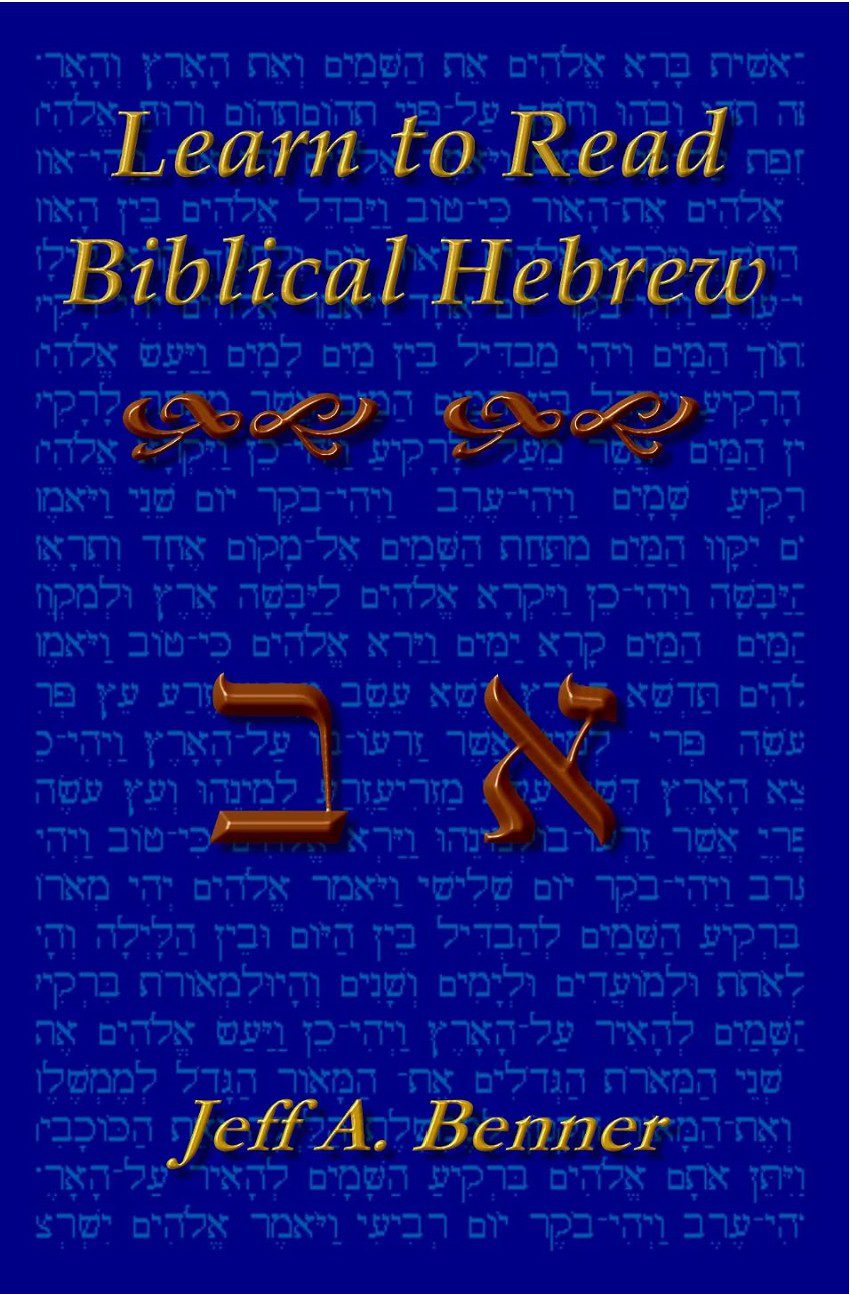
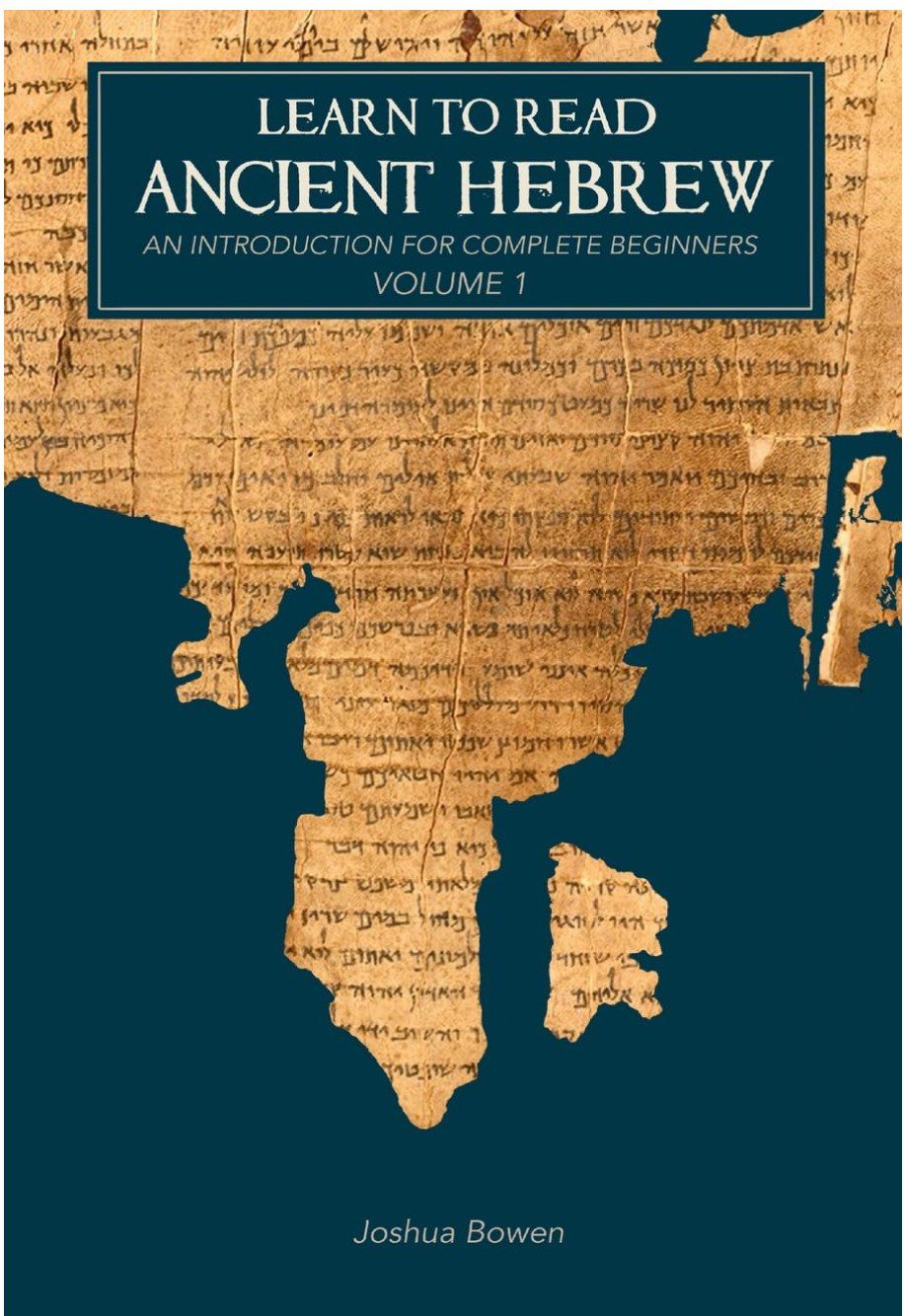
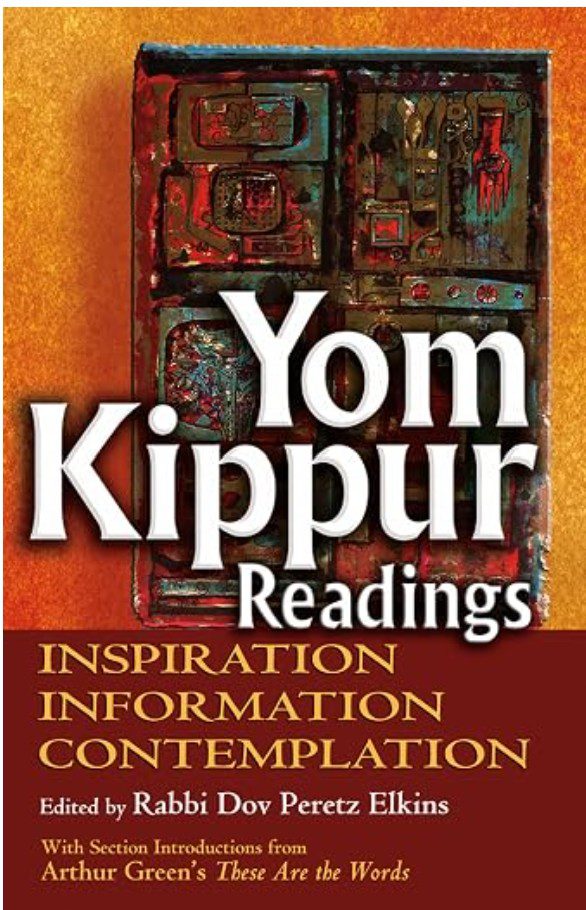
If the Hebrew liturgy feels intimidating, spending even a little time with a Hebrew-reading guide before the holiday can make the service far more accessible — you don't need fluency to follow along, just enough familiarity with the alphabet to track where the congregation is in the prayers. A supplemental readings book like Rabbi Dov Elkins' collection is also a popular way to add personal reflection alongside the traditional liturgy, especially during quieter stretches of the day like Yizkor or Mincha. For the full prayer text itself, see our Yom Kippur Machzor comparison guide.

📖 Which Machzor to Bring
Three popular editions for following the service.
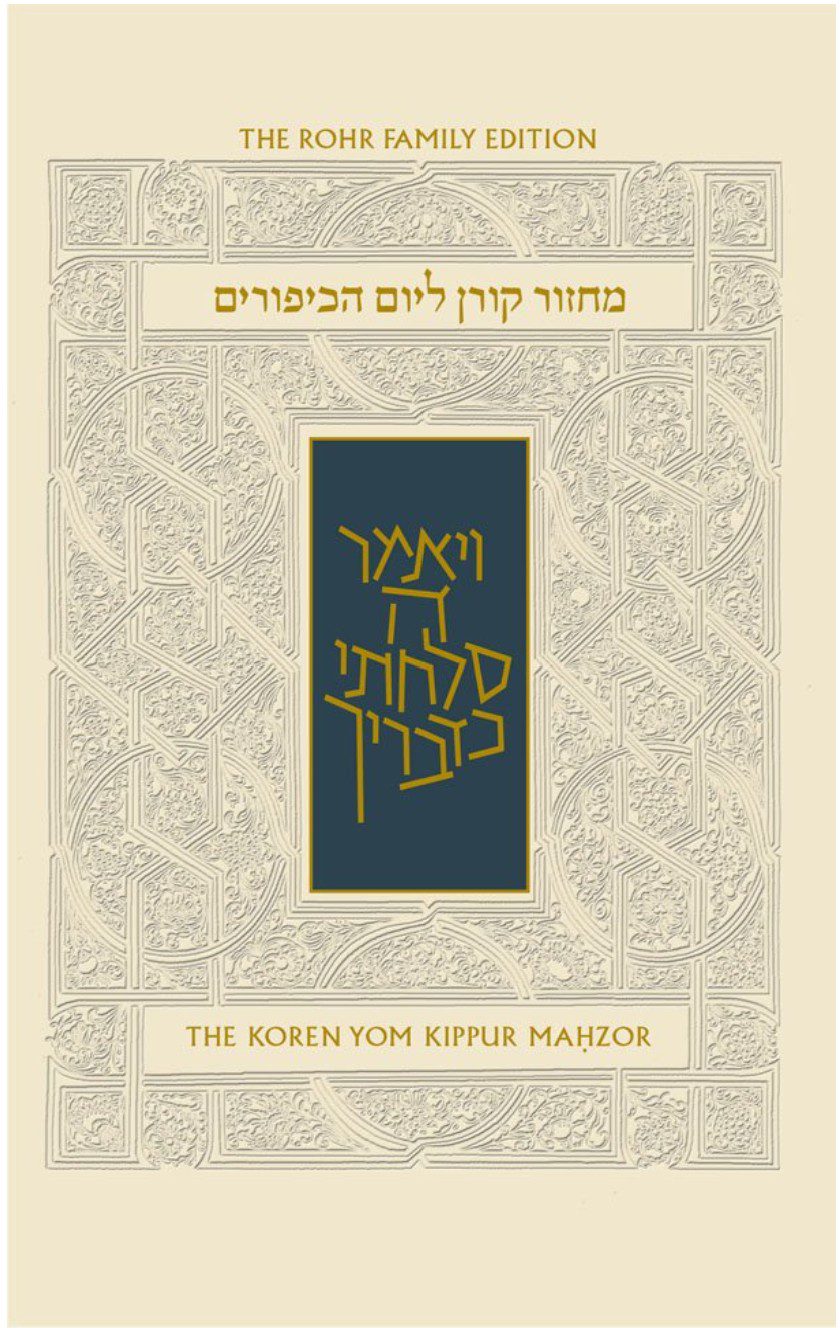
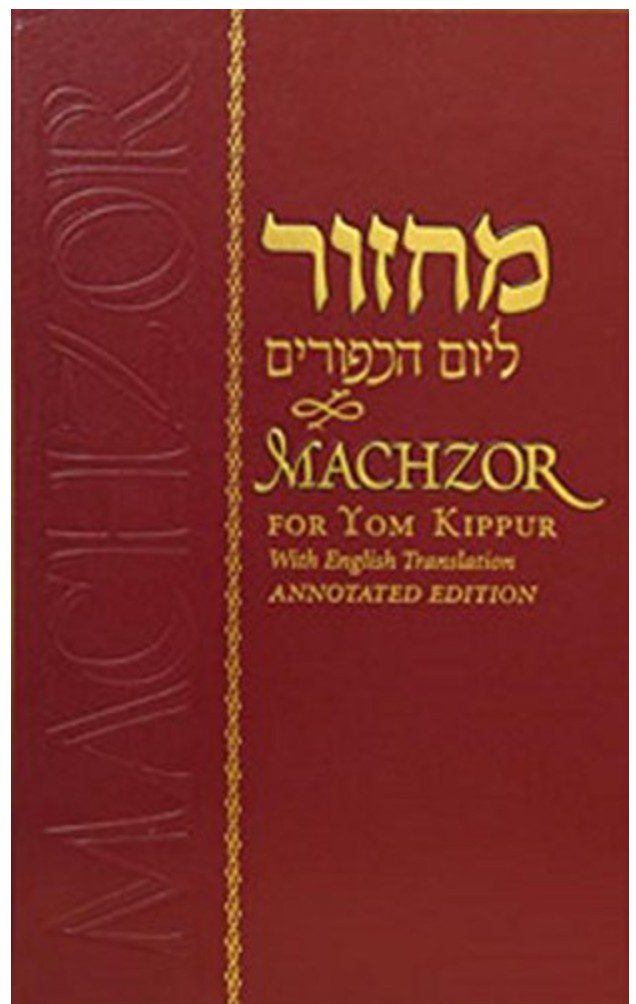
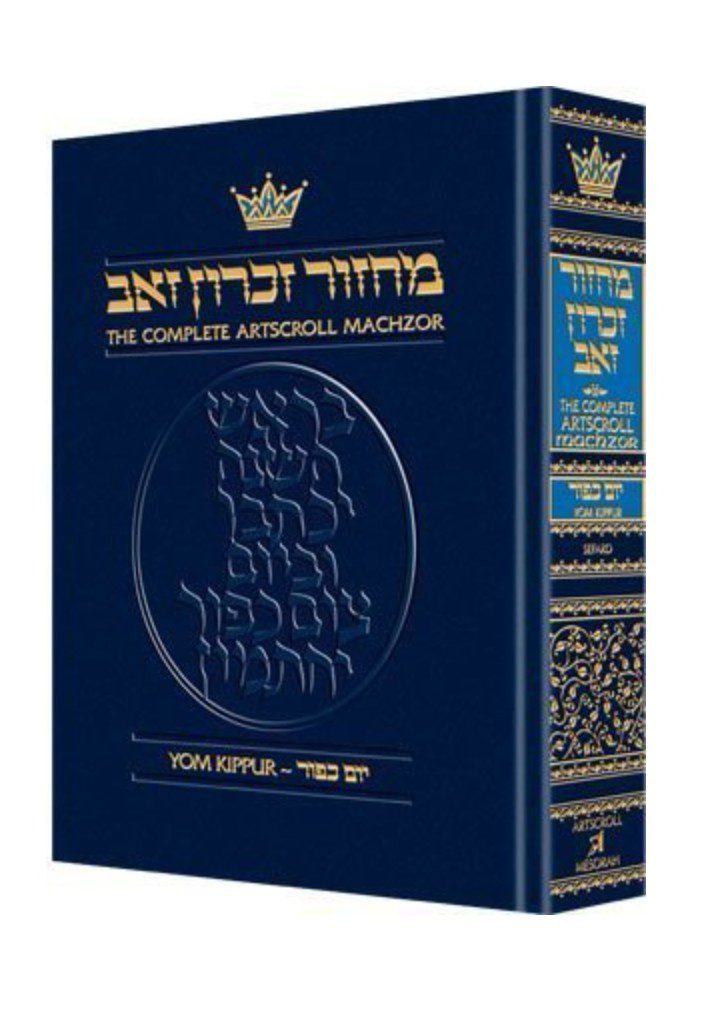
Most synagogues supply machzorim for use during services, but bringing your own means you can follow along at your own pace, highlight meaningful passages, and use the same familiar copy every year. Match the edition to your synagogue's nusach — the traditional and Hebrew-English editions follow Ashkenazi tradition, while the Sephardic edition follows a different order and wording. For a full breakdown of which edition fits your needs, see our Yom Kippur Machzor comparison guide.
📯 The Shofar at Ne'ilah
The single blast that closes the fast.
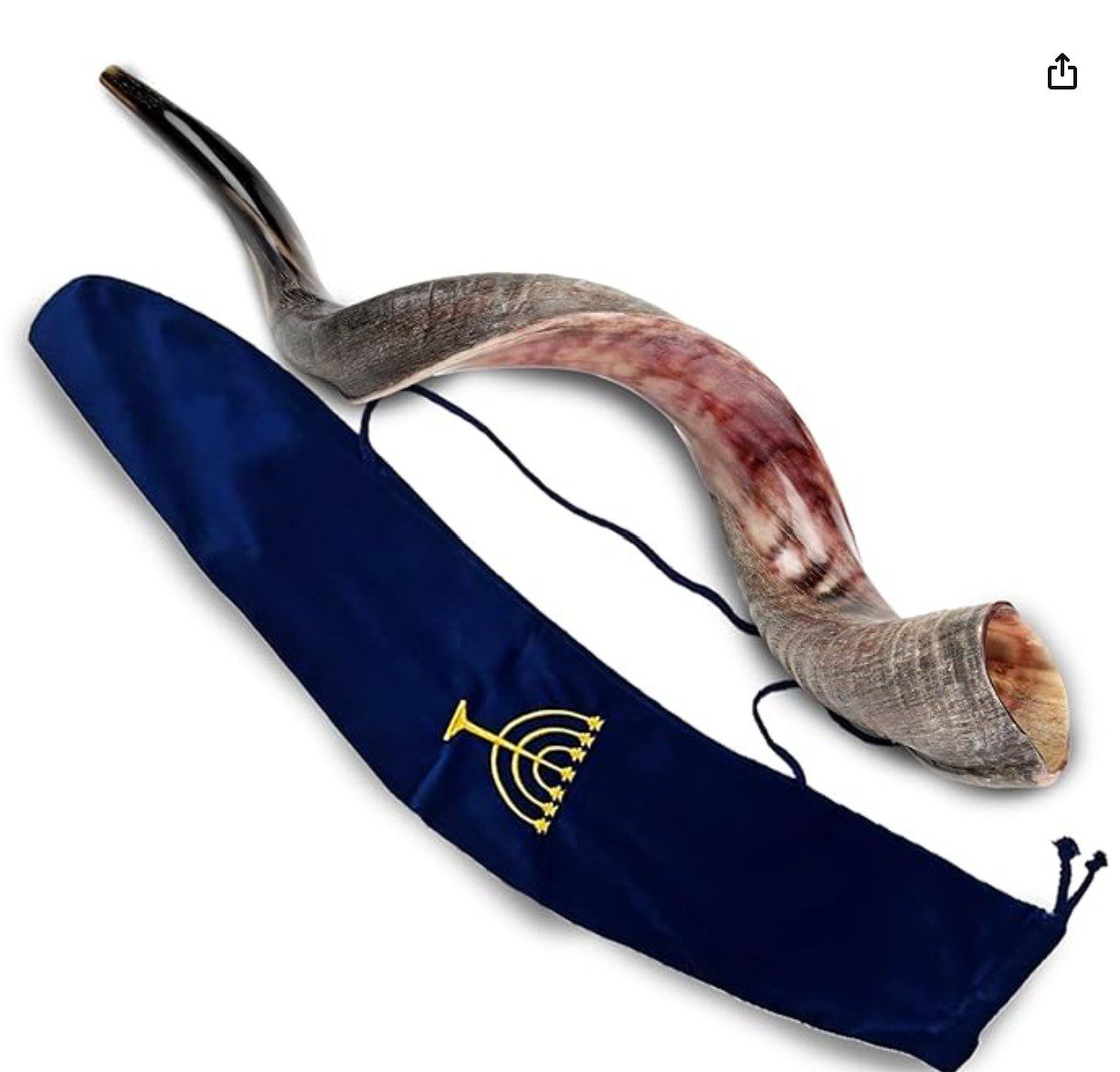


The single long blast at the end of Ne'ilah — the tekiah gedolah — is one of the most anticipated moments of the entire day, marking the close of the fast and the symbolic sealing of the Book of Life. A shofar isn't required for personal observance, but it's a meaningful item for anyone who wants a tangible connection to the tradition, or for those learning to blow it themselves ahead of the holiday. See our Yom Kippur Symbols guide for more on what the shofar represents.

🙏 Synagogue Etiquette: What to Know Before You Go
Practical tips for a smoother, more meaningful day.
- Arrive on time for Kol Nidre. The service begins before sunset, and the Kol Nidre prayer itself is recited right at the start — arriving late means missing one of the most significant moments of the entire day.
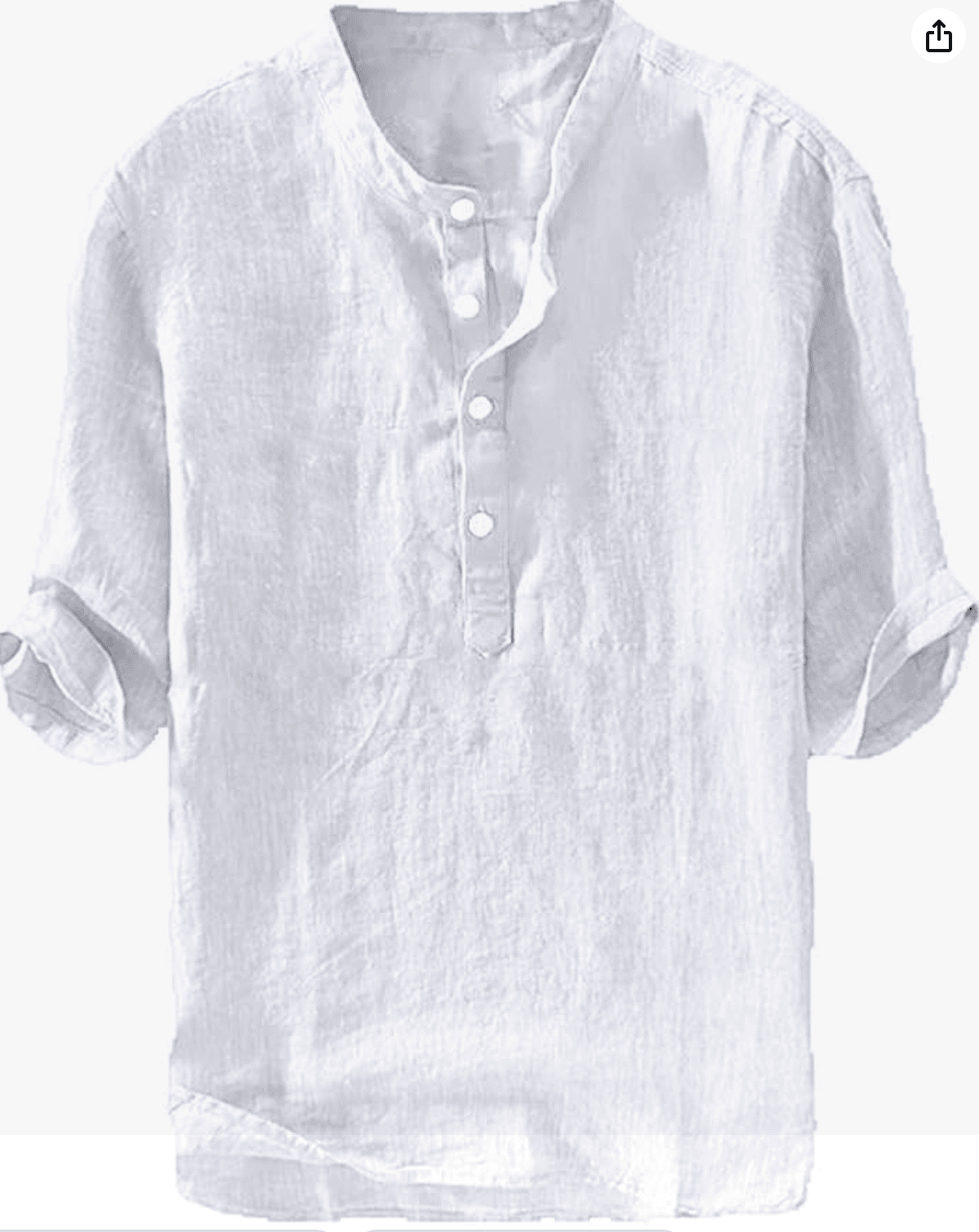
- Dress modestly, and consider wearing white. Many congregants wear white as a symbol of purity — see our Yom Kippur Symbols guide for more on this custom.
- It's fine to come and go. With services running most of the day, many people step out for a walk, fresh air, or rest between services rather than sitting through all 25 hours continuously.
- Keep phones off or silenced and put away. Many congregations ask that phones not be used at all during services, in keeping with the holiday's restrictions.
- Bring a machzor you're comfortable with. Most synagogues provide one, but bringing your own — especially a Hebrew-English edition if you're newer to the liturgy — can make it easier to follow along.
- Stay for Ne'ilah if you can. The closing service is short but intense, and the final shofar blast is, for many, the most meaningful moment of the entire day.


❓ FAQs About Yom Kippur Services
1. What time does Yom Kippur service start?
The Kol Nidre service begins in the evening, shortly before sunset, since the prayer itself must be recited while it's still light out. Check your synagogue's schedule, as exact times vary by year and location.
2. How long is a Yom Kippur service?
Services span roughly 25 hours in total, from Kol Nidre the evening before through Ne'ilah at sundown the next day, though most people attend specific services rather than the entire day continuously.
3. What happens during Kol Nidre?
Kol Nidre is a legal formula, chanted three times, that annuls vows made rashly over the past year. It's recited just before sundown and is the only evening service of the year when a tallit is worn.
4. Is it okay to leave and come back during Yom Kippur services?
Yes, this is common practice. Many congregants step out for fresh air, rest, or a walk between services rather than remaining in the sanctuary for the full day.
5. What should I bring to a Yom Kippur service?
A machzor you're comfortable with (if you'd rather not use the synagogue's copy), a tallit if you own one, and comfortable white or modest clothing are the most common items people bring.
6. Can children attend Yom Kippur services?
Yes, though most families don't expect young children to sit through the entire day. Many bring kids for key moments like the start of Kol Nidre or the closing shofar blast at Ne'ilah.
7. What is the Ne'ilah service?
Ne'ilah is the final, closing service of Yom Kippur, recited as the sun sets. It ends with a single long shofar blast marking the close of the fast and the symbolic sealing of the Book of Life.
8. Do I need to know Hebrew to follow the service?
No. Most machzorim include an English translation, and many synagogues offer some explanation in English throughout the service to help congregants follow along.
9. What is Yizkor and who attends it?
Yizkor is a memorial prayer service for those who have lost a parent or close family member. It's typically recited during the morning or Musaf service, and those who haven't experienced a loss often step out briefly during this portion.
The Kosher Hub is not a Kosher Authority. For any advice please refer to your local Kashrut Authority.
As an Amazon Affiliate we earn from qualifying purchases.


Understanding Our Kosher Certifications
The Kosher Hub references products certified by recognized kosher authorities, including OU, OK, Star-K, Kof-K, and CRC. Certification symbols and status can change, so always confirm the current kosher status directly on the product packaging or via the certifying agency's own listings before purchasing.