
Finding real kosher Passover desserts doesn't mean settling for a dry box of macaroons. Between ready-made cakes, cake mixes, biscotti, and cookies, there's a full lineup of kosher for Passover sweets that taste like the real thing — no wheat flour, no chametz, and every item carrying genuine Passover-specific certification. Whether you're stocking up for the Seder table or the rest of Chol HaMoed, below you'll find the best kosher for Passover desserts on Amazon, organized by category so you can shop exactly what you need. Prefer to bake your own? We've also included the pantry pieces and cookbooks to make that easy.
🎂 Ready-Made Cakes
No baking required — straight from the box to the table.
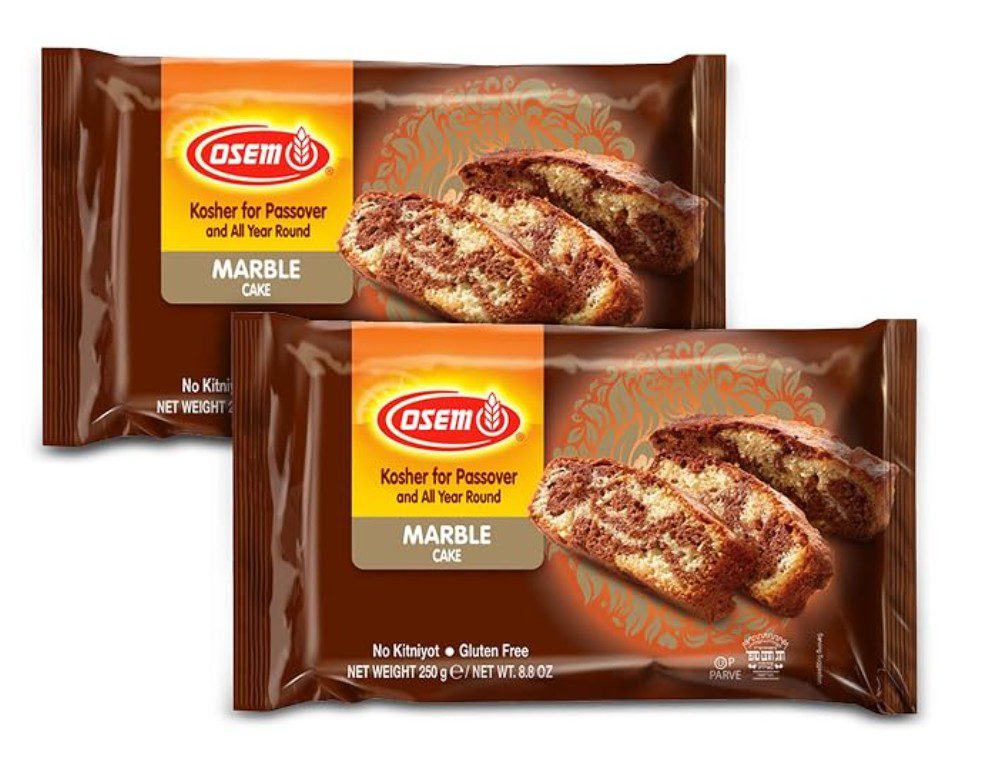
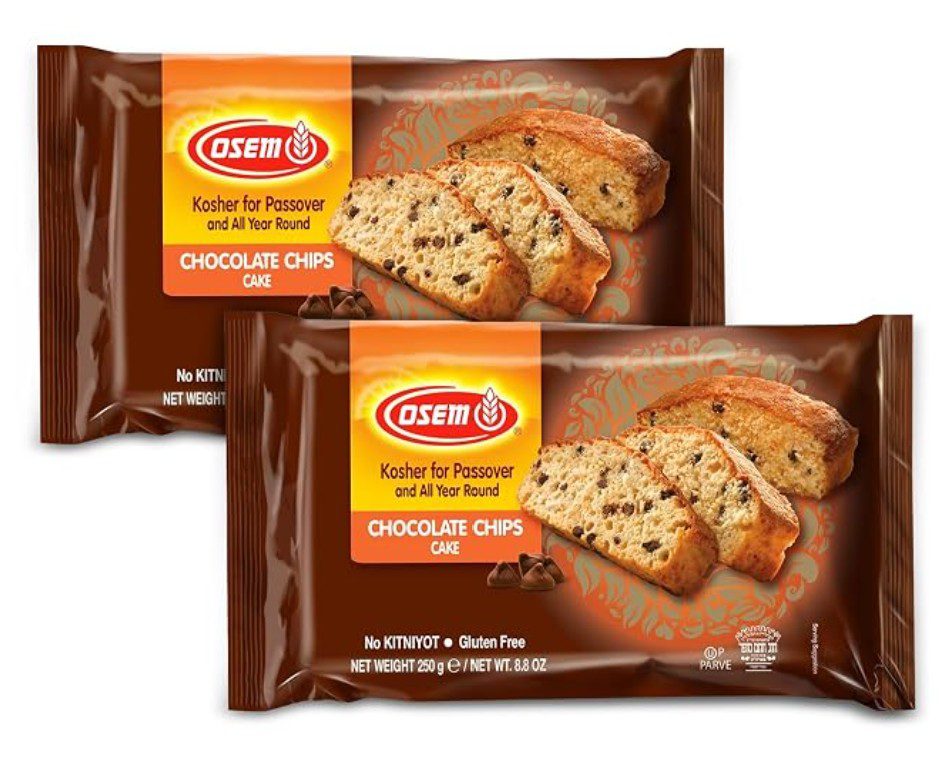
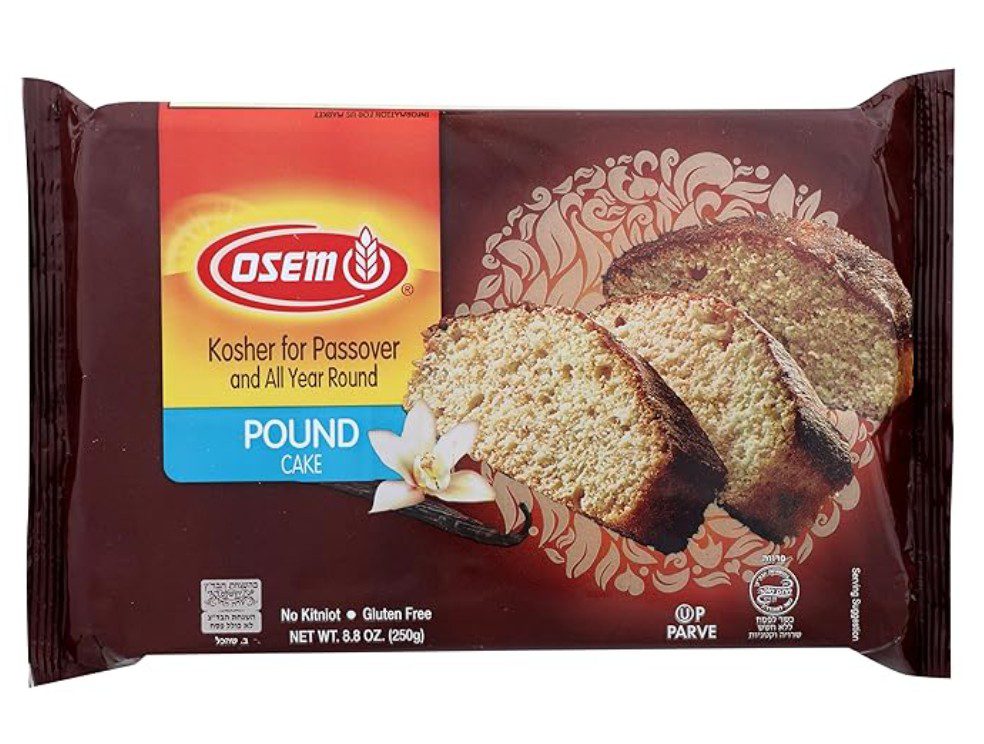
Osem's ready-to-serve cakes are one of the easiest ways to have a genuine kosher for Passover dessert on the table without any baking at all — just slice and serve. The marble and chocolate chip versions are dairy, so plan them for a dairy meal or dessert course rather than straight after meat. The pound cake is a simpler, classic option that pairs well with fruit compote or a scoop of pareve ice cream. As always, confirm the current season's box carries Passover-specific certification rather than the year-round mark, since Osem produces both.

🧁 Cake Mixes
For when you want a homemade cake without the guesswork.
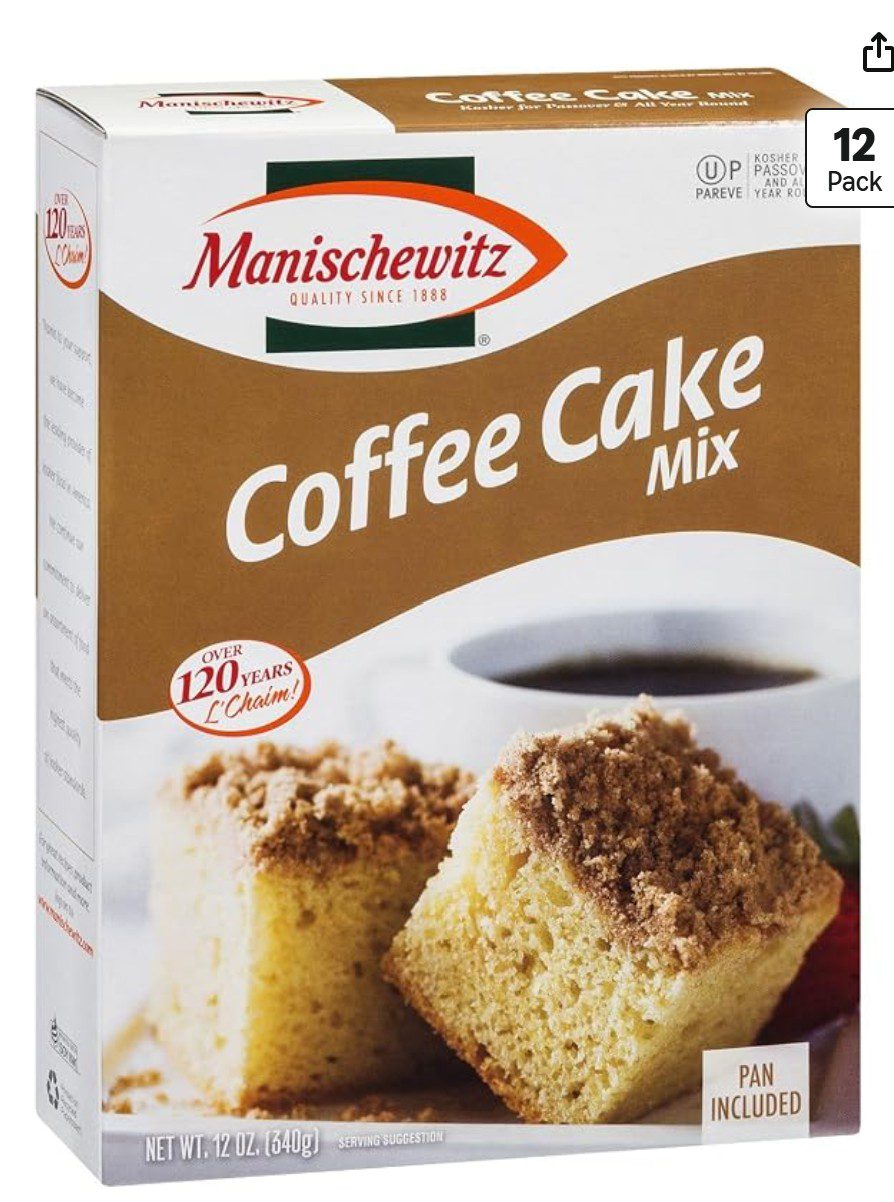
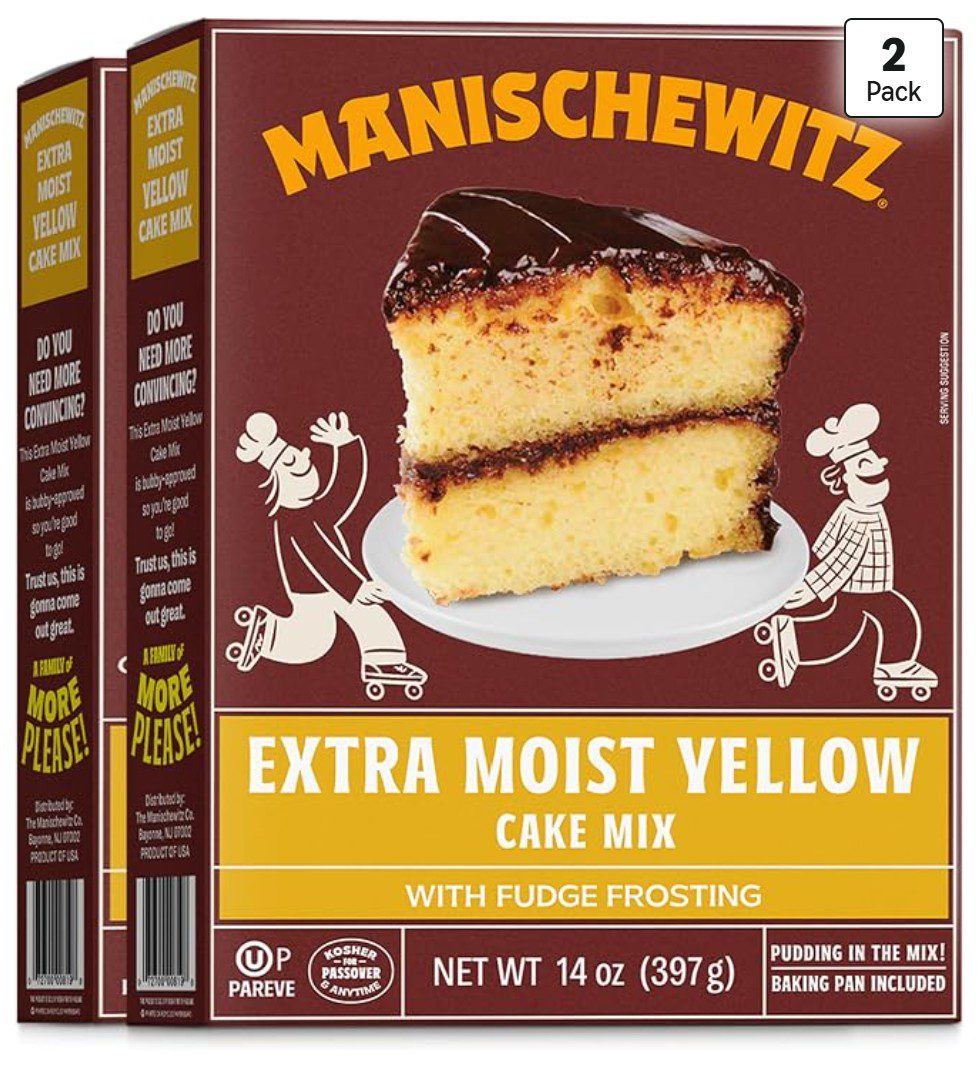
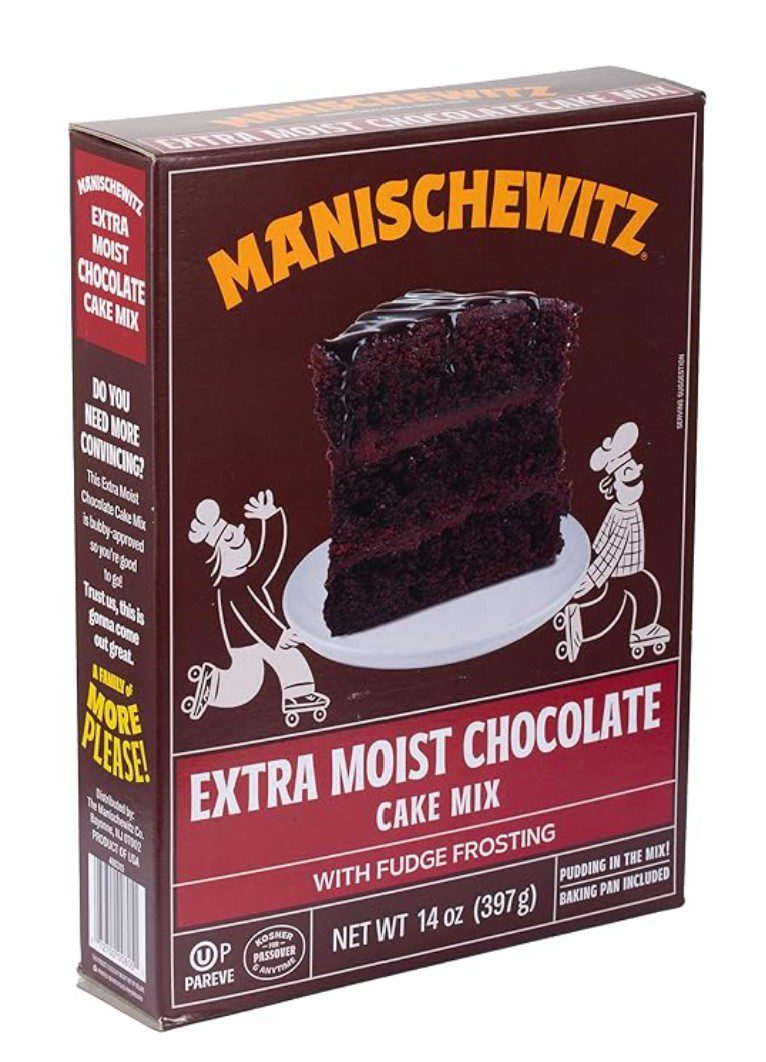
Cake mixes are the middle ground between store-bought and made-from-scratch — you still get to bake, but without sourcing matzah cake meal and potato starch yourself. Manischewitz's Passover mixes use matzah cake meal and potato starch in place of regular flour, so they whip up light despite having no wheat in the ingredients. All three are pareve as boxed, though most recipes call for eggs and oil, which keeps the finished cake dairy-free unless you're adding a buttercream or dairy glaze. These are a reliable option if you're baking for a crowd with mixed dietary needs at the table.

🍬 Macaroons, Biscotti & Cookies
Passover's most iconic treats, in every flavor.
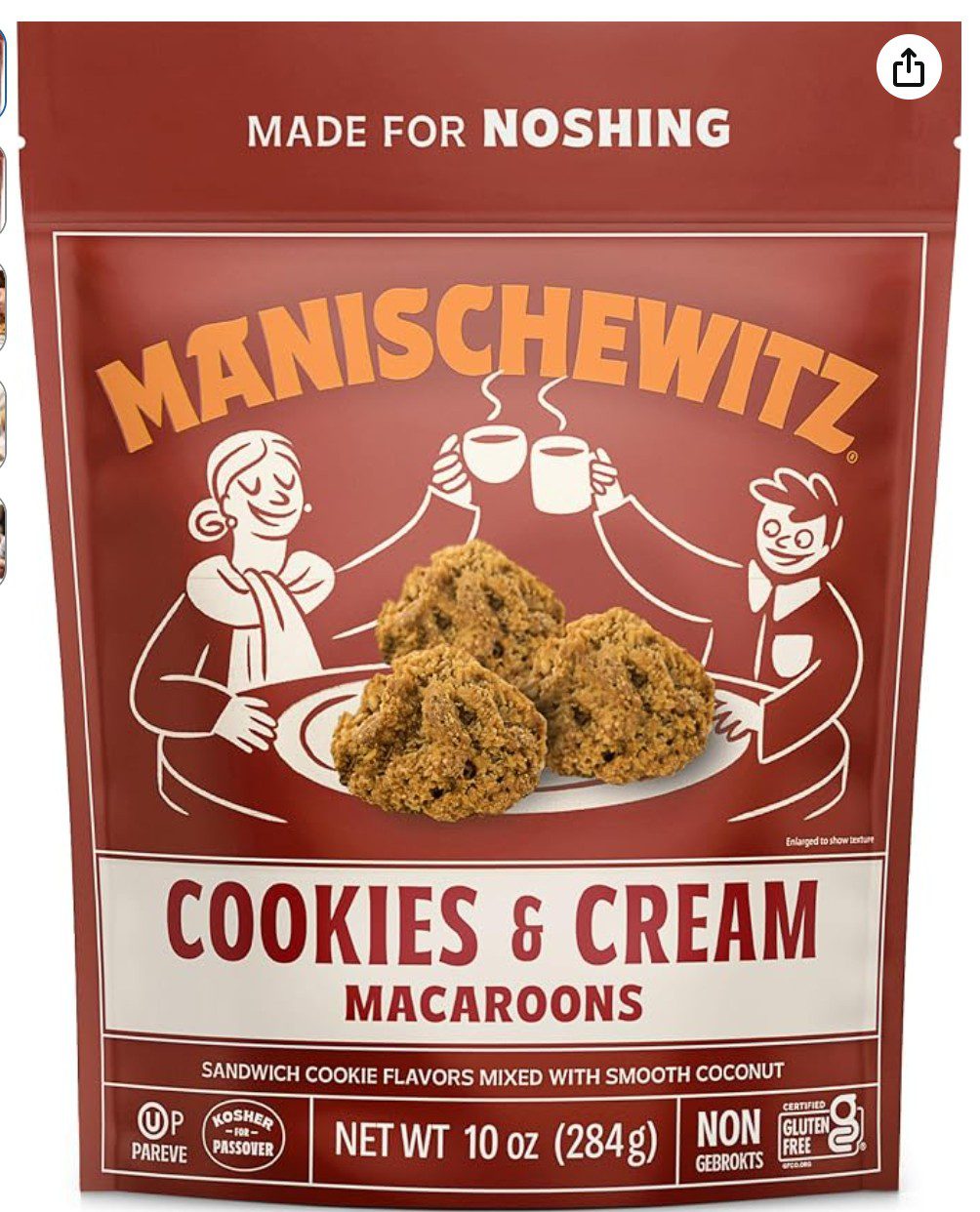
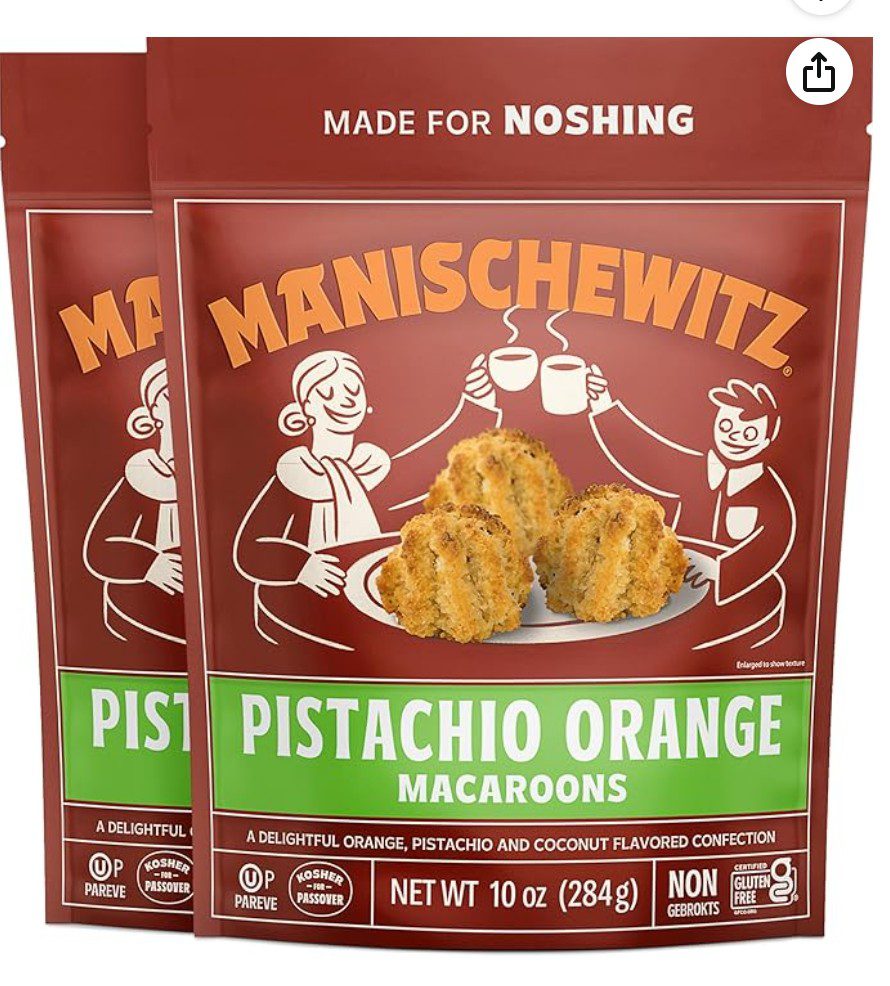
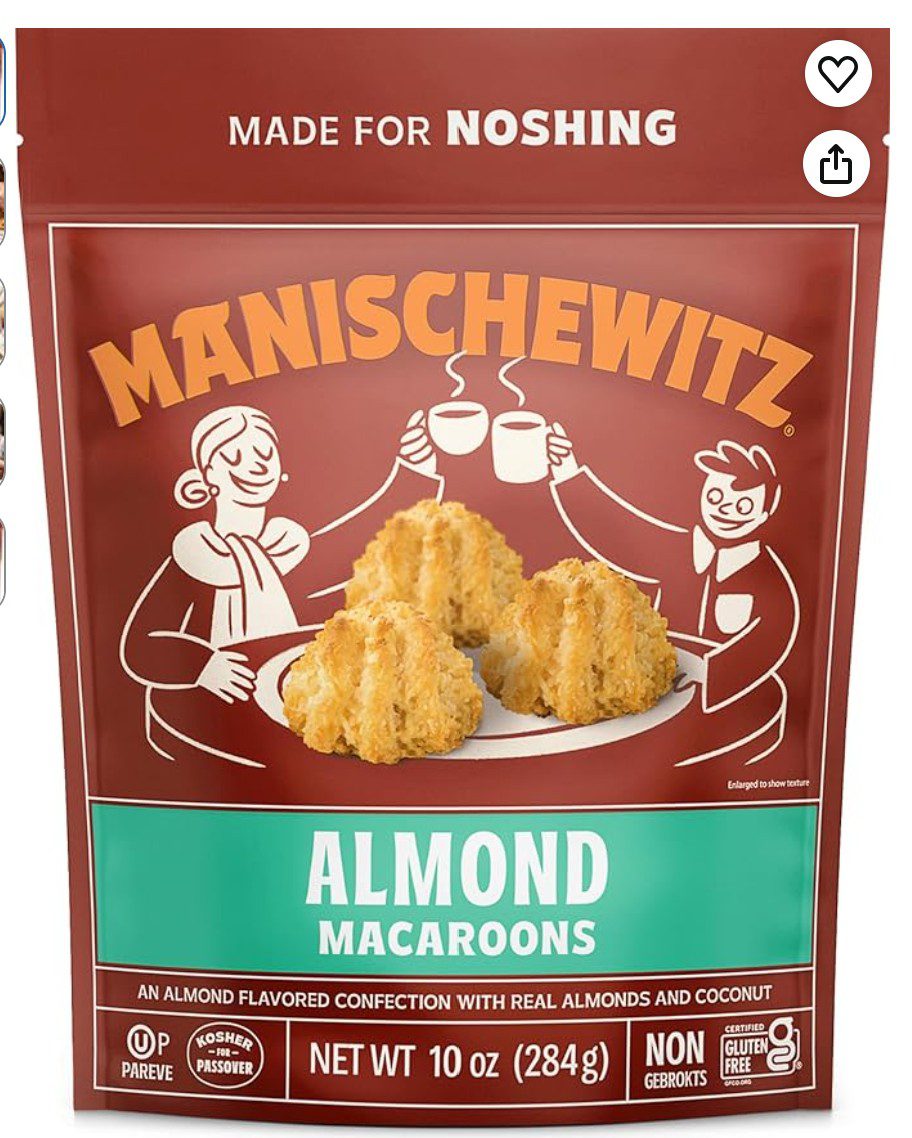
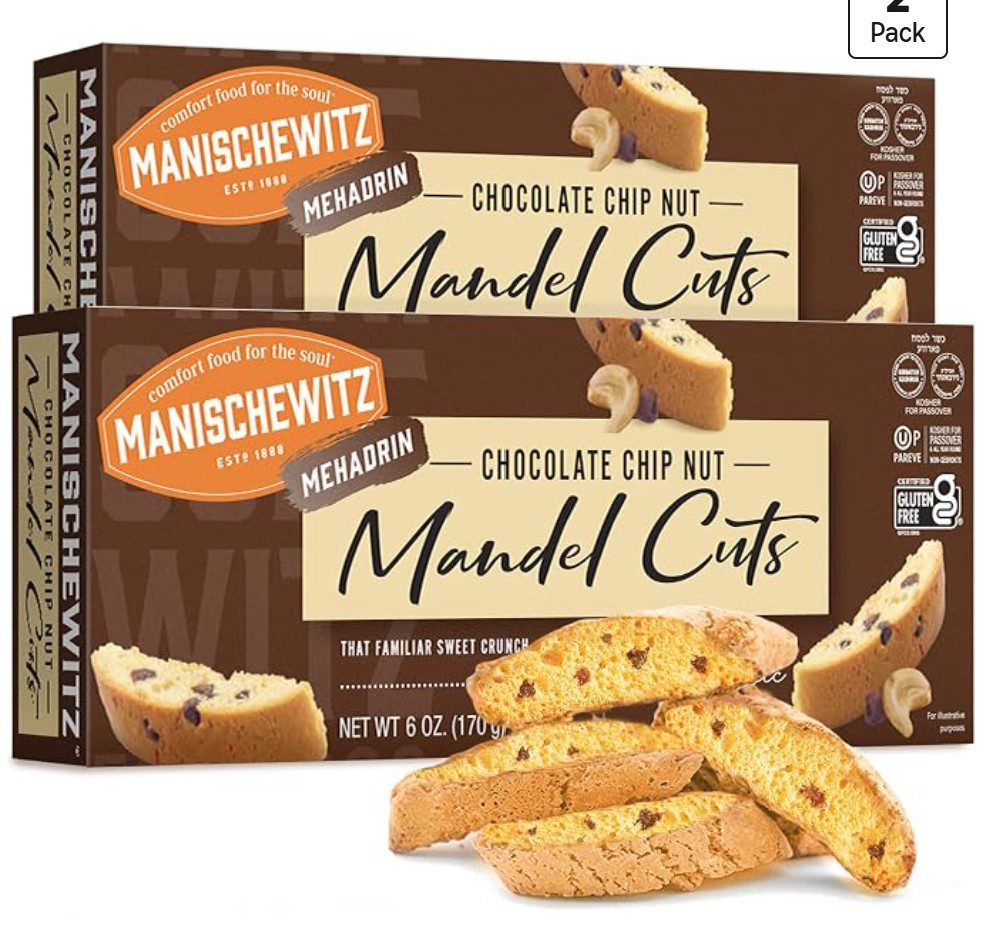

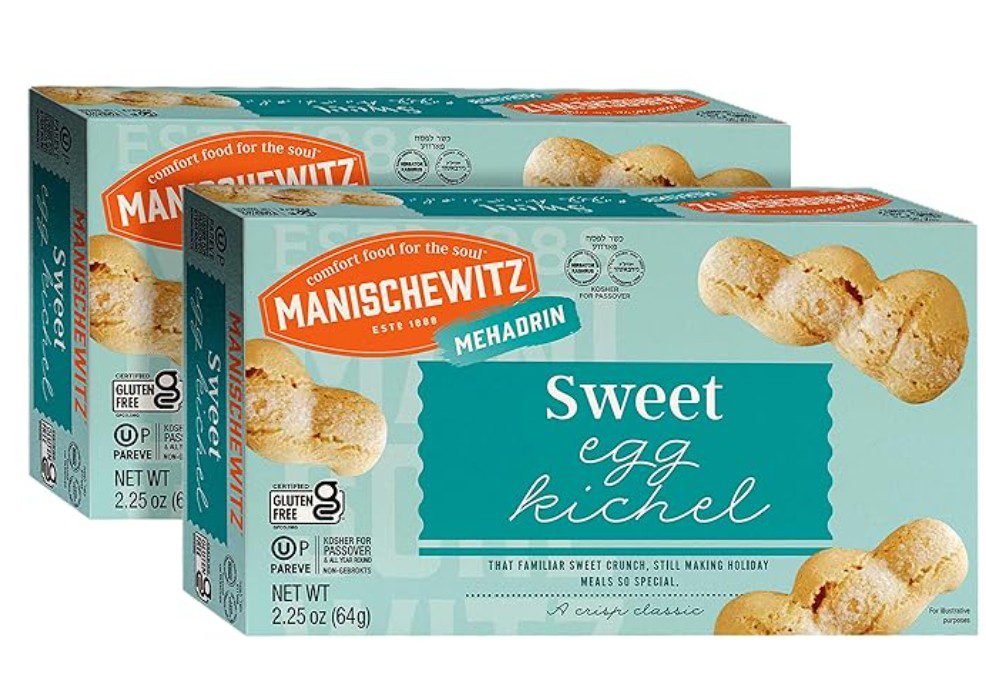
This is the category most people picture when they think of Passover dessert tables. Coconut macaroons are naturally flour-free and gluten-free by design, which is why they've become the unofficial mascot of the holiday — the pistachio orange and almond versions give you options beyond plain coconut. Biscotti and striped cookies bring some crunch to a spread that's otherwise mostly soft and chewy, and sweet egg kichel is the simplest of the bunch: just eggs, sugar, and oil, baked until puffy. Most of these are pareve, making them safe to serve after a meat meal, but always check the individual package since dairy chocolate coatings do show up on some macaroon varieties.
🥧 Want to Make Your Own Desserts?
Pantry staples and recipe inspiration for home baking.
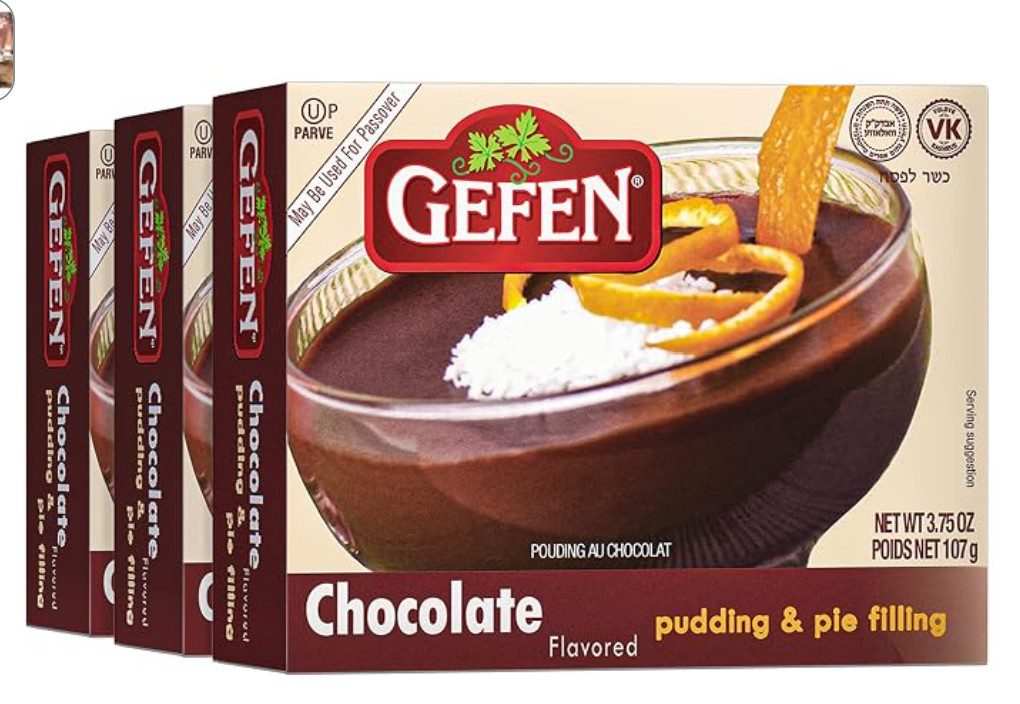
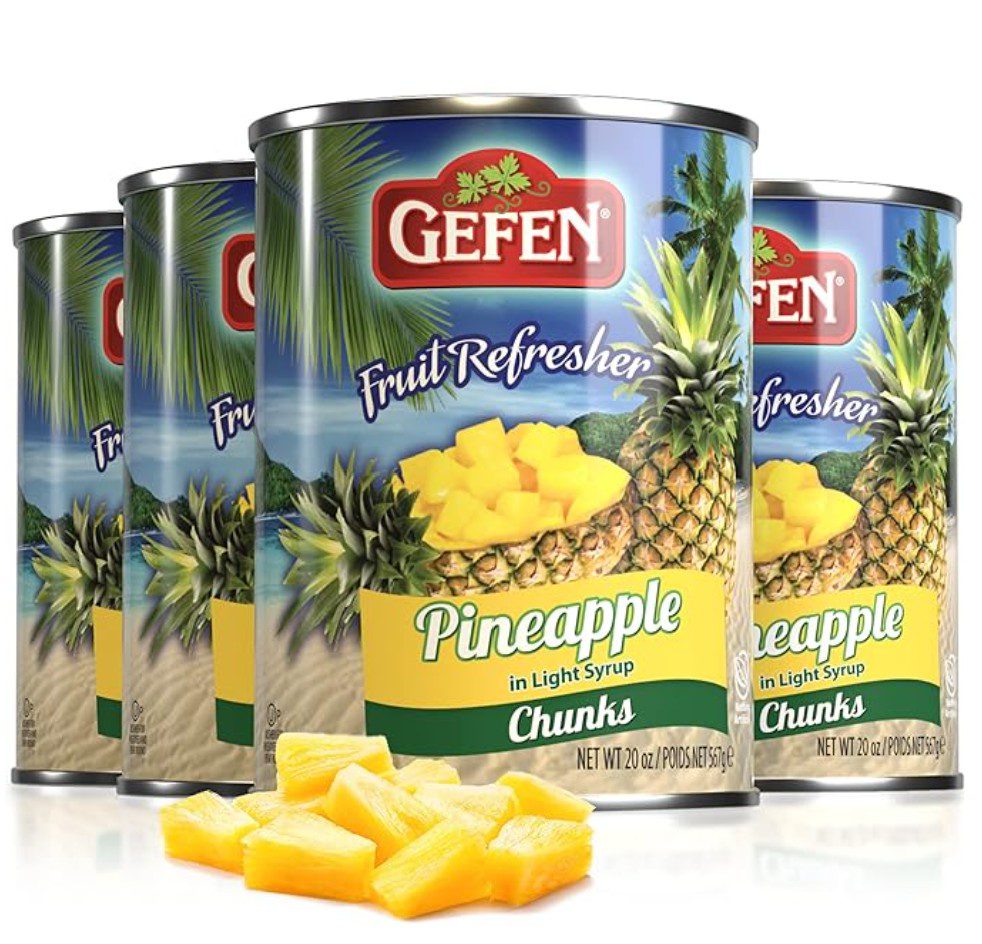
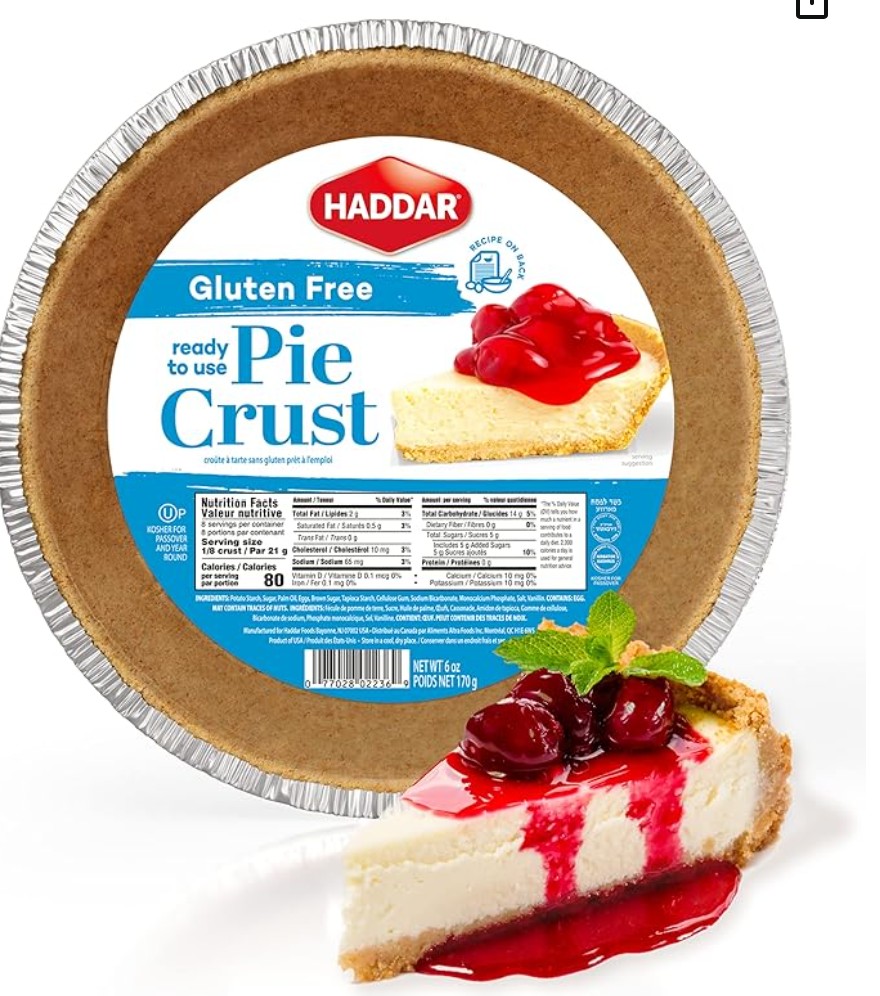
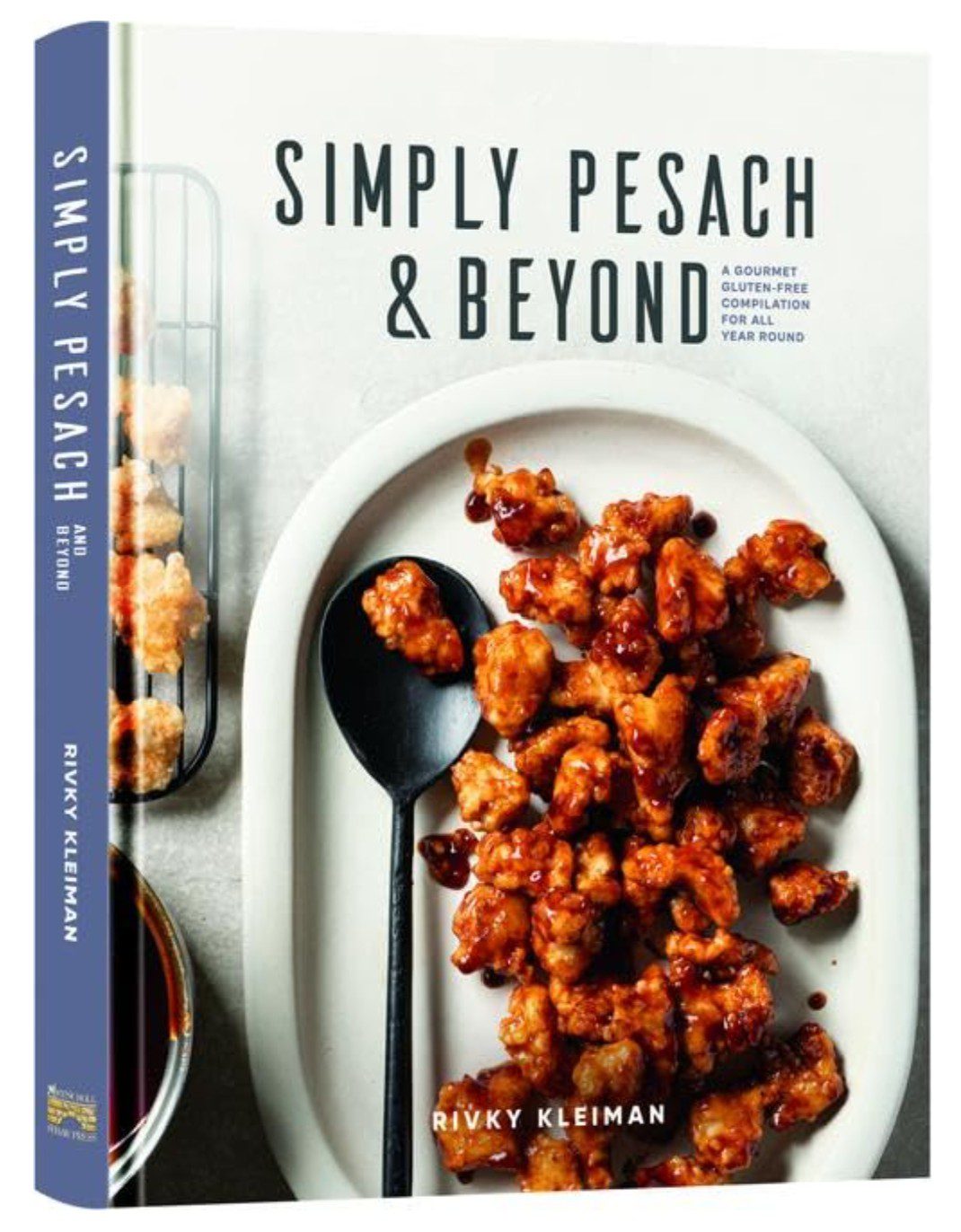
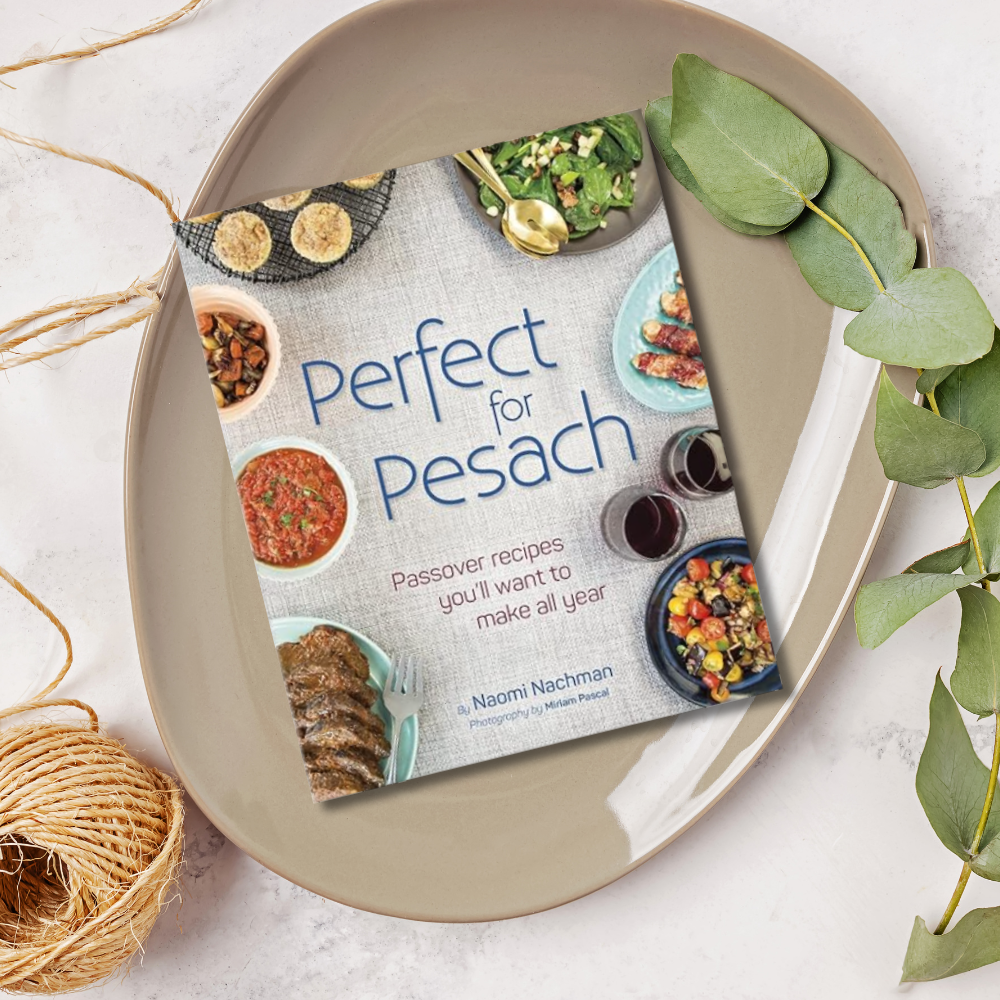
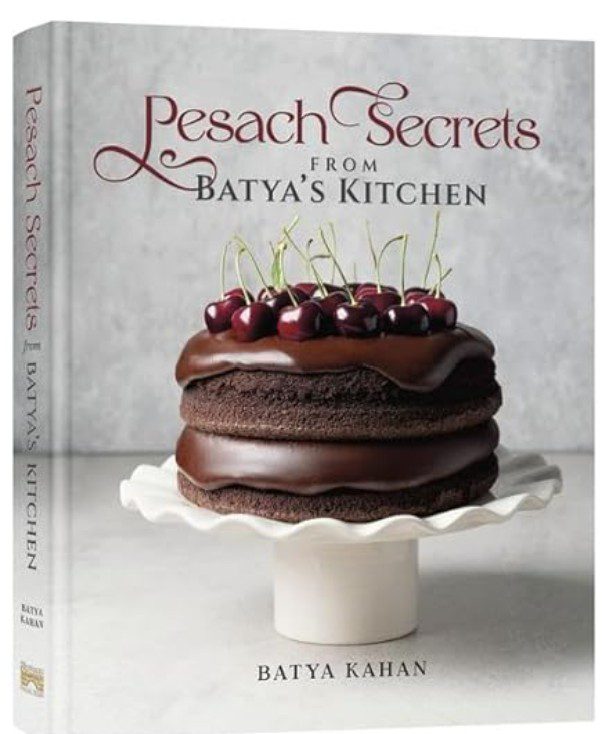
If you'd rather bake than buy, this is your starting lineup. Gefen's chocolate pie and pudding dessert is genuinely double-duty — set it in a crust for a pie or chill it on its own as pudding. Canned pineapple chunks are a simple way to brighten a cake, kugel, or fruit compote without any extra prep, and the pie filling gives you a shortcut base for tarts or hand pies. The three cookbooks above go well beyond dessert, covering full Pesach menus, so they're worth having even if baking isn't your main focus. Note that Passover pie fillings and pudding mixes are typically pareve and safe after a meat meal, but always confirm on the individual package.
🍽️ Set the Table: Passover Dinnerware
Color-coded sets to keep meat, dairy, and pareve dishes straight.
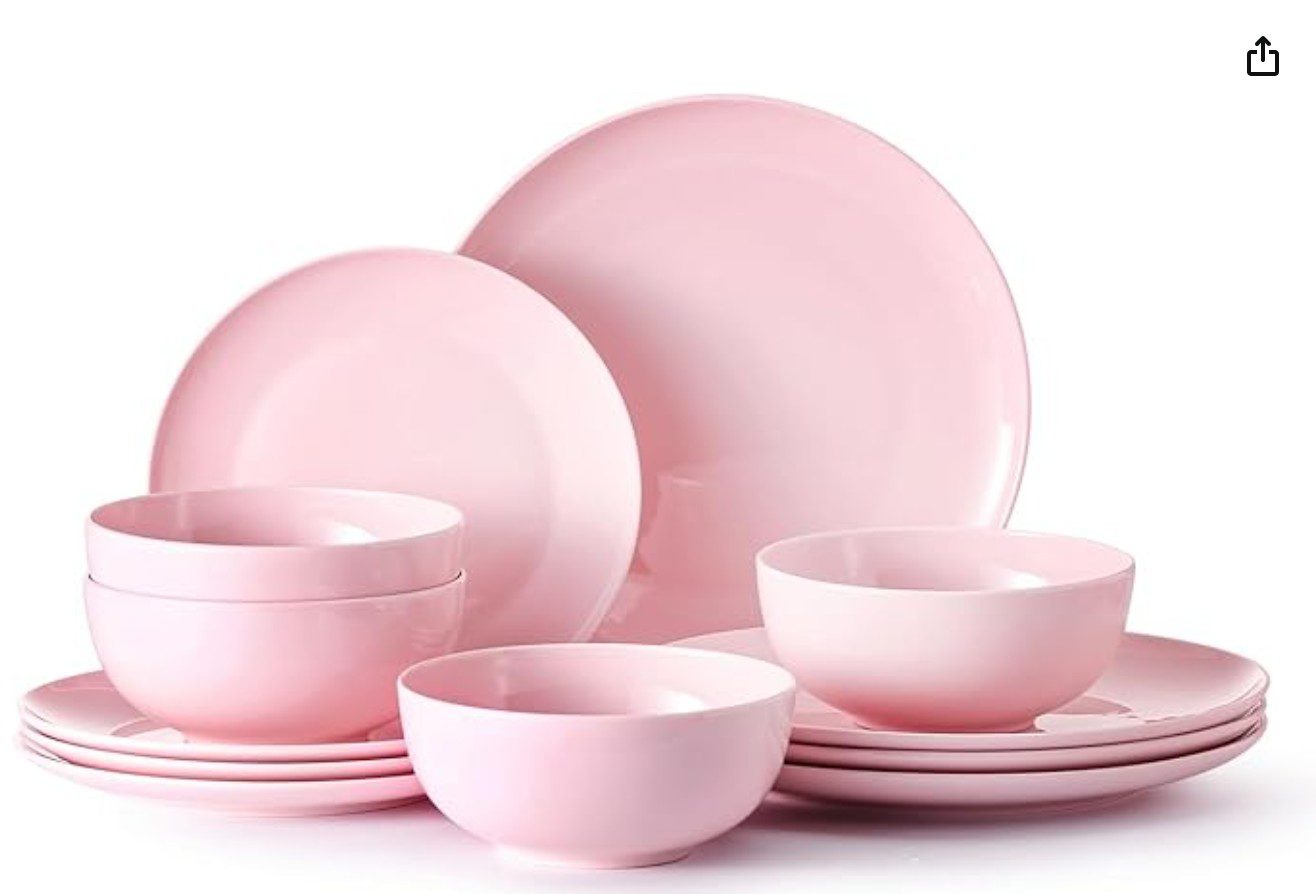
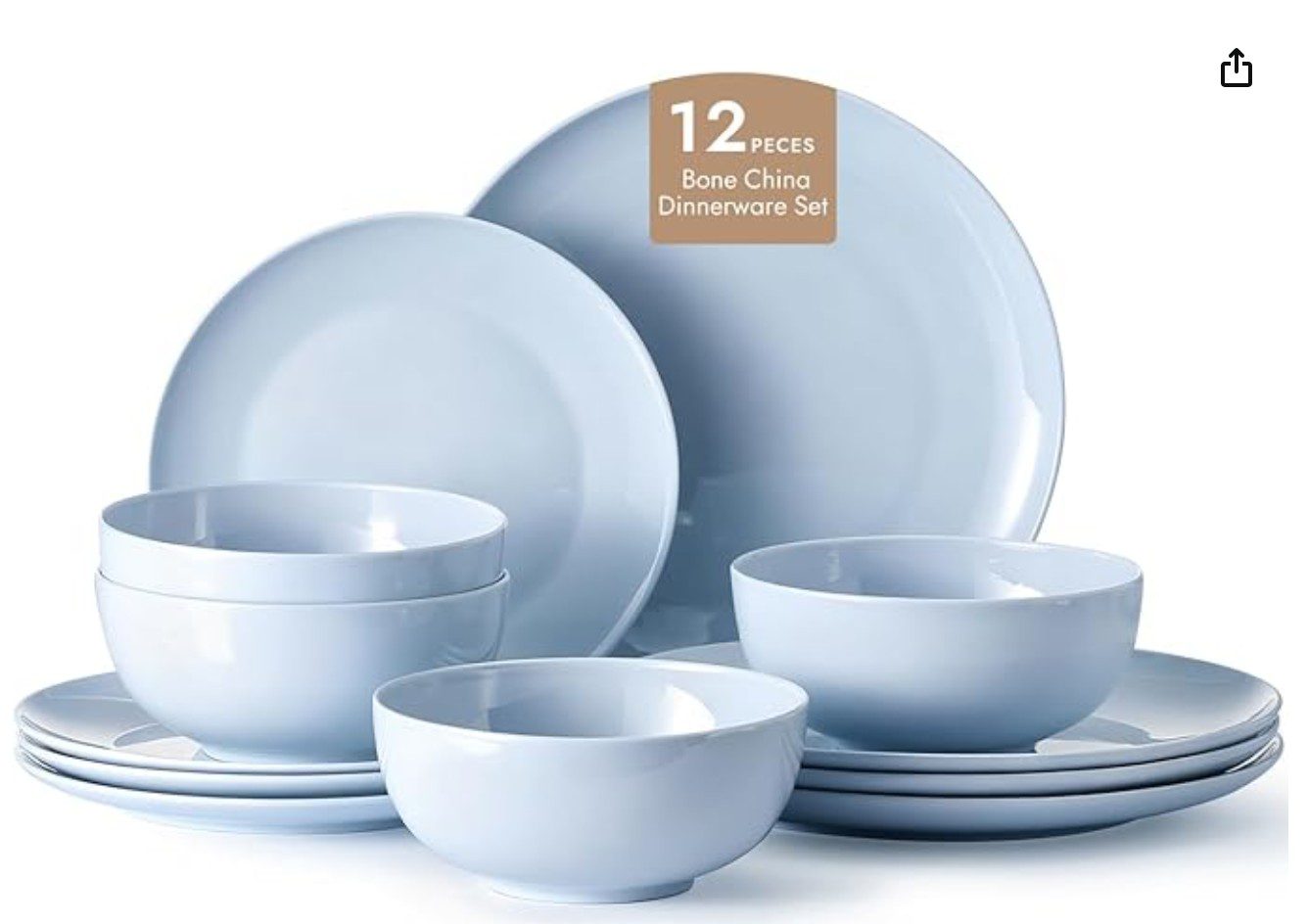
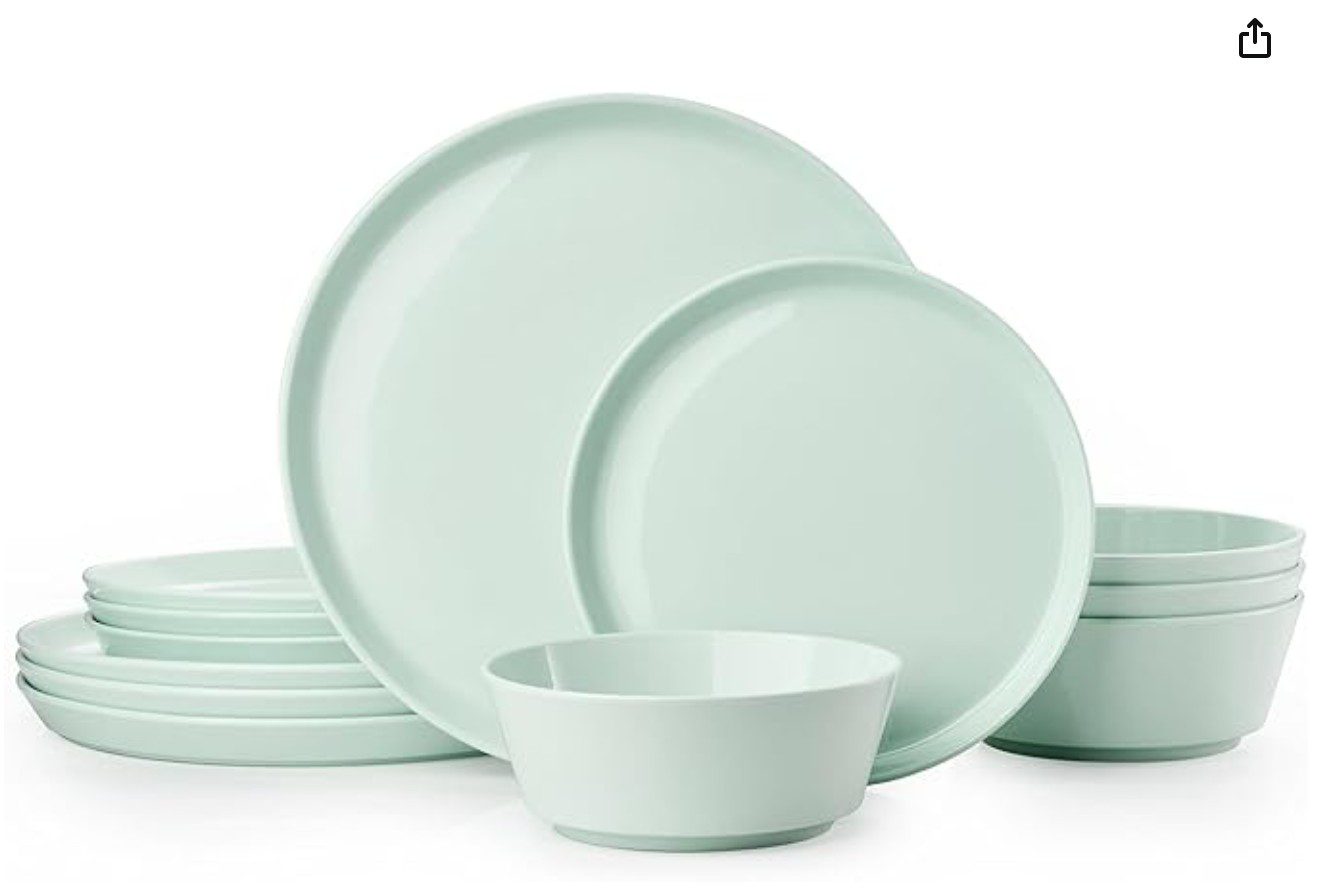
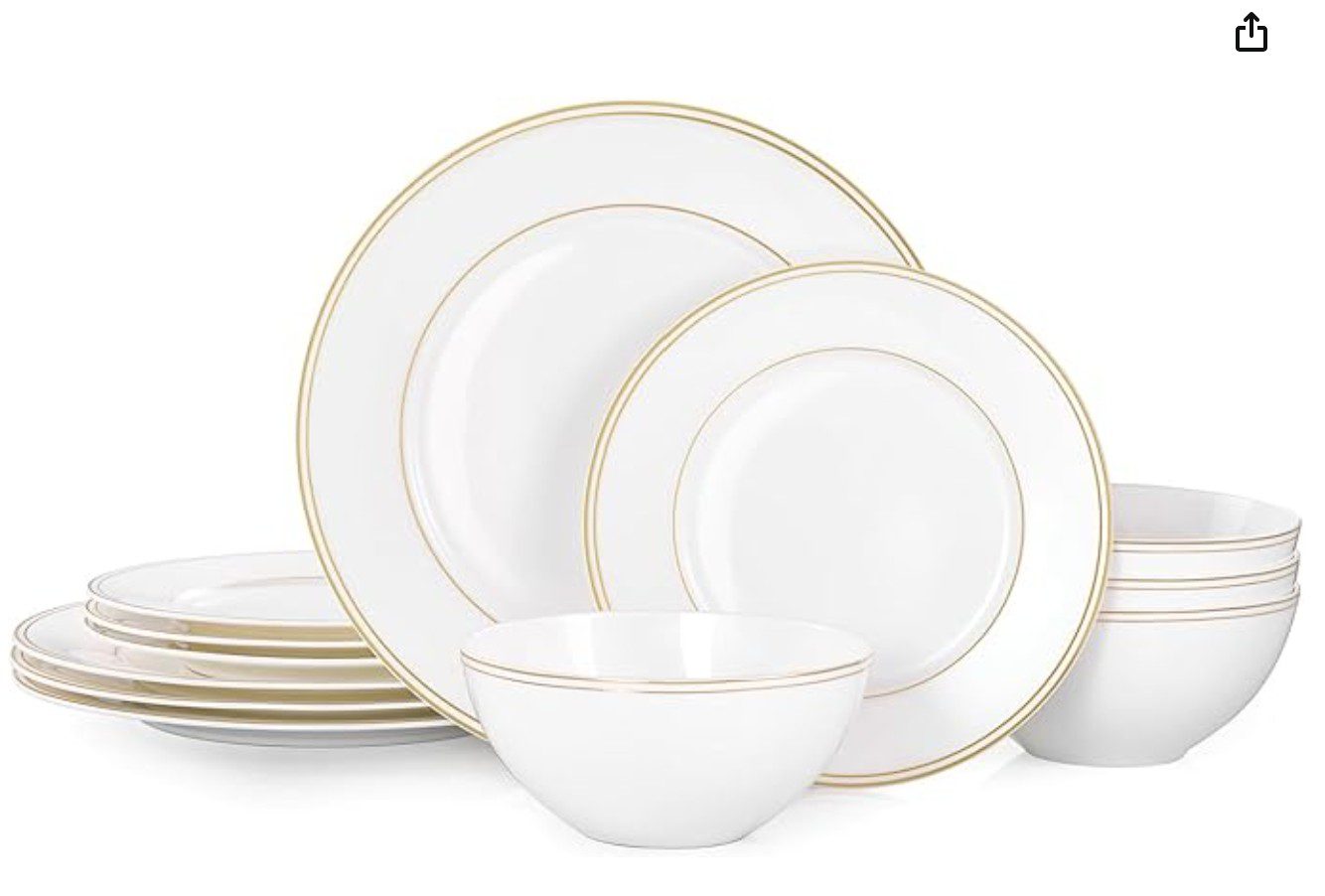
A color-coded dinnerware set is a simple, visual way to keep meat, dairy, and pareve dishes straight during Passover, especially when you're hosting a full Seder and want to avoid mix-ups at a glance. Each set here is designed and marketed specifically for Passover use, distinct from year-round dishware. These are tableware, not food products, so they don't carry kosher certification themselves — the color-coding is a household organizational system, not a kashrut symbol, and how you divide meat, dairy, and pareve dishes should follow your own or your Rabbi's guidance.
🔍 What to Look For in Kosher for Passover Desserts
A few things worth checking before you buy.
Look for Passover-specific certification, not just a year-round kosher symbol. A product can be kosher all year and still contain corn syrup, soy lecithin, or leavening agents that make it unsuitable for Passover — the package needs a current-season Passover mark, not just a regular hechsher.
Check whether the item is dairy, pareve, or meat. Many cakes, cake mixes, and macaroons are pareve as sold, but dairy chocolate coatings, butter, or cream fillings are common additions — this matters if the dessert is following a meat meal.
Understand gebrokts if it applies to your family's custom. Gebrokts refers to matzah or matzah meal that has come into contact with liquid; some families, particularly certain Chassidic communities, avoid it entirely during the first days of Passover. Cake mixes made with matzah cake meal fall into this category, so check before serving if you're hosting guests with this custom.
Chocolate needs its own certification check. Standard baking chocolate and chocolate chips are usually not automatically kosher for Passover — confirm the specific product carries current-season certification before using it in a recipe or serving it as-is.
Kitniyot varies by household. Most of the desserts here are kitniyot-free, but always scan the ingredient label if your family keeps a strict kitniyot-free kitchen, since some fillings or coatings can include soy- or corn-derived ingredients.

❓ Frequently Asked Questions
Common questions about kosher for Passover desserts.
Are regular cake mixes kosher for Passover?
No. Regular cake mixes are made with wheat flour and are not suitable for Passover regardless of any year-round kosher certification. Only mixes made with matzah cake meal or potato starch and bearing current-season Passover certification should be used.
Is chocolate automatically kitniyot-free for Passover?
Not necessarily. Some chocolate products contain soy lecithin or corn-derived ingredients, which fall under kitniyot for those who avoid it. Check the ingredient label if kitniyot is a concern in your household.
Can I use cocoa powder during Passover?
Only when it carries specific Passover certification. Regular cocoa powder can contain additives that are not Passover-appropriate, so always check for a current-season Passover mark before baking with it.
Are gluten-free desserts automatically kosher for Passover?
No. Gluten-free simply means no wheat, barley, rye, oats, or spelt — it says nothing about Passover-specific ingredients like leavening agents or corn derivatives. A dessert needs its own Passover certification regardless of gluten-free status.
What does gebrokts mean, and does it affect desserts?
Gebrokts refers to matzah or matzah meal that has come into contact with liquid. Some families avoid it, particularly during the first days of Passover, which affects cake mixes and other desserts made with matzah cake meal. Check your family's custom before serving.
Are Osem and Manischewitz desserts kosher for Passover year-round, or only seasonally?
Both brands produce year-round and Passover-specific product lines. Always check that the individual box or package carries current-season Passover certification, since the same brand name doesn't guarantee Passover suitability across every product.
Can I use matzah meal in dessert recipes?
Yes, matzah meal and matzah cake meal are common substitutes for flour in Passover baking, used in cakes, cookies, and coatings. Just be aware this makes the finished product gebrokts, which some families avoid.
Are kosher for Passover desserts dairy or pareve?
It varies by product. Many cakes, macaroons, and puddings are pareve, but dairy ingredients like butter, cream, or milk chocolate coatings are common. Always check the individual package label if you need a dessert to follow a meat meal.
The Kosher Hub is not a Kosher Authority. For any advice please refer to your local Kashrut Authority.
As an Amazon Affiliate we earn from qualifying purchases.




Understanding Our Kosher Certifications
The Kosher Hub references products certified by recognized kosher authorities, including OU, OK, Star-K, Kof-K, and CRC. Certification symbols and status can change, so always confirm the current kosher status directly on the product packaging or via the certifying agency's own listings before purchasing.