
The Sukkot symbols are what turn a week of meals and building projects into one of the most meaningful festivals on the Jewish calendar. Every sukkah, every wave of the lulav, and every guest welcomed inside is tied to a symbol with its own source in the Torah and its own layer of meaning. At the centre are the Four Species — the etrog, lulav, hadass and aravah — held together and waved as one, and the sukkah itself, the temporary dwelling that gives the festival its name. Around them sit smaller customs, like the tradition of Ushpizin, the symbolic guests invited in each night. Understanding what these symbols represent makes the physical act of building, decorating and sitting in a sukkah feel like what it actually is — a week spent living inside a lesson about faith, harvest and hospitality. Below we walk through each symbol, where it comes from in the Torah, and a few thoughtfully chosen pieces to help you bring it into your own sukkah this year.
🌿 The Four Species — Lulav, Etrog, Hadass & Aravah
The central mitzvah of Sukkot, commanded directly in the Torah.
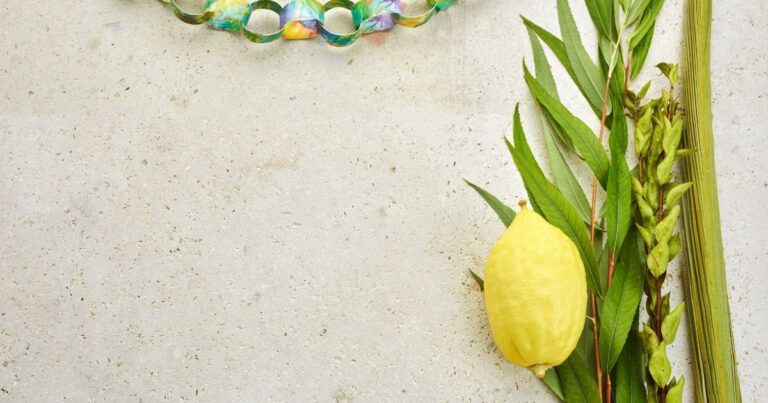
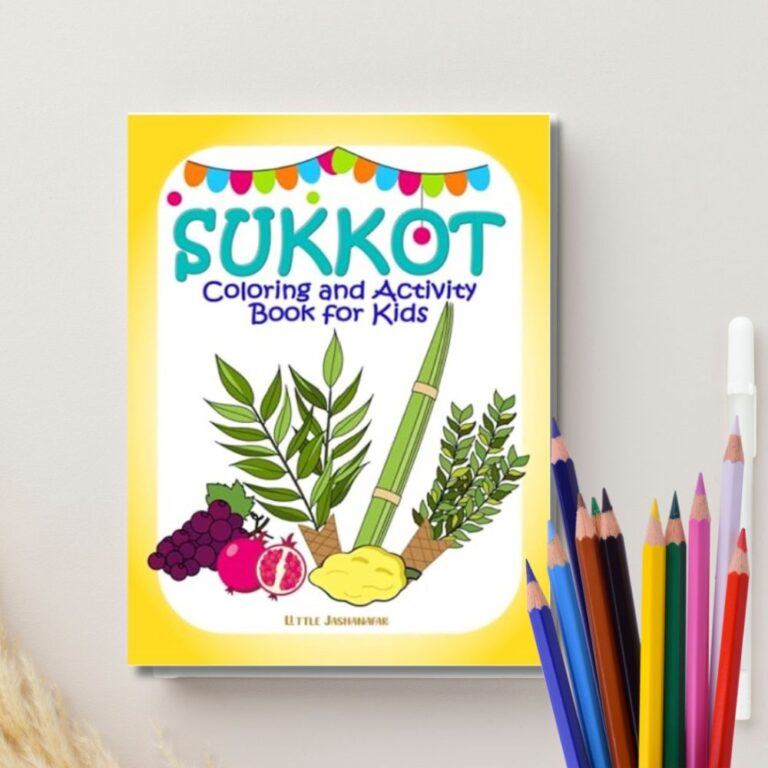
The commandment to take the Four Species comes straight from Leviticus 23:40: to take the fruit of a beautiful tree (the etrog), branches of palm trees (the lulav), boughs of leafy trees (the hadass, or myrtle) and willows of the brook (the aravah), and to rejoice before God for seven days. Held together and waved in six directions — east, south, west, north, up and down — the Four Species are a physical acknowledgment that God's presence fills every direction. A well-known teaching compares each species to a type of Jew, based on whether it has taste (Torah learning), fragrance (good deeds), both, or neither — and the point of binding all four together is that the community is whole only when everyone is included.
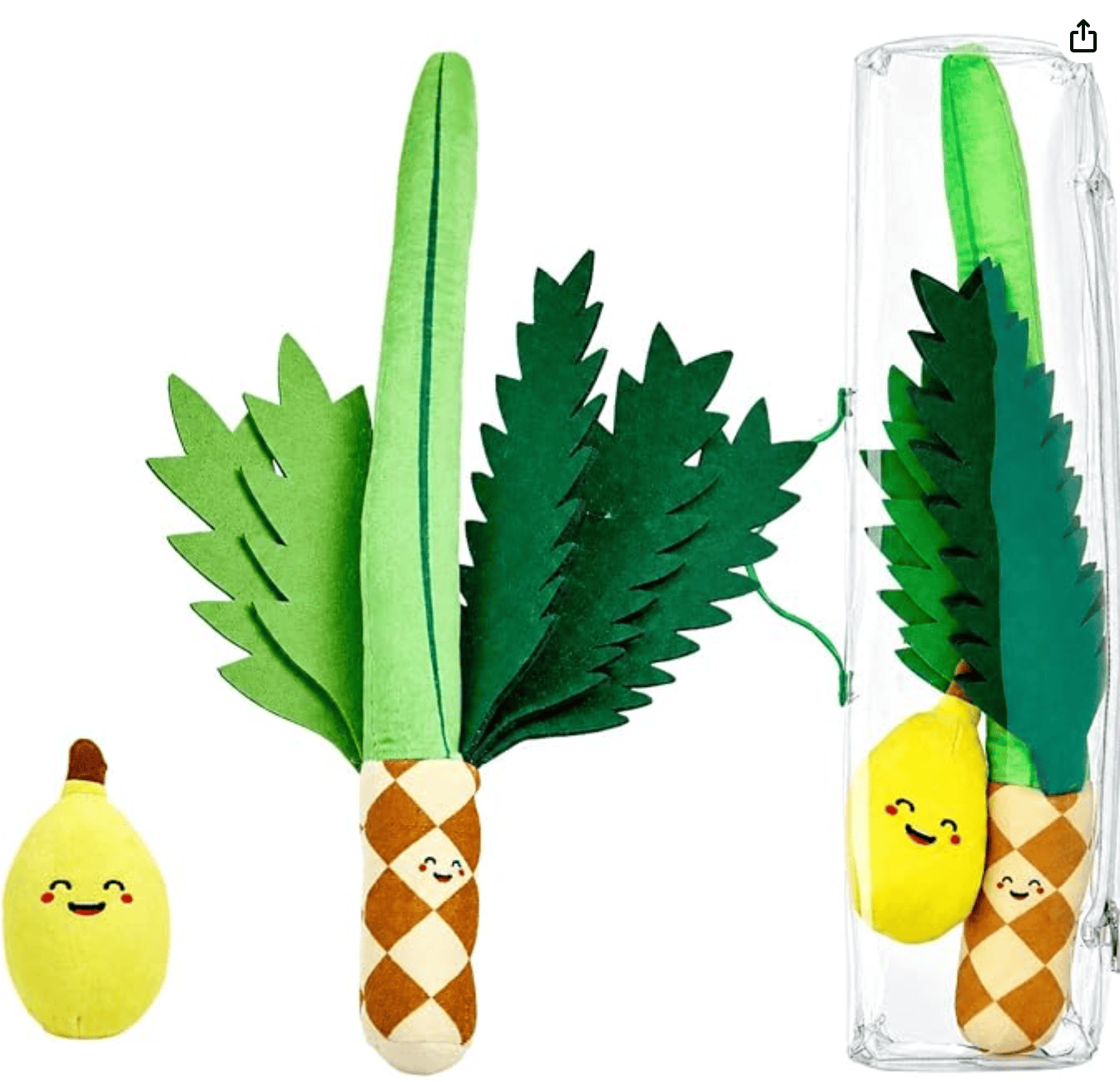
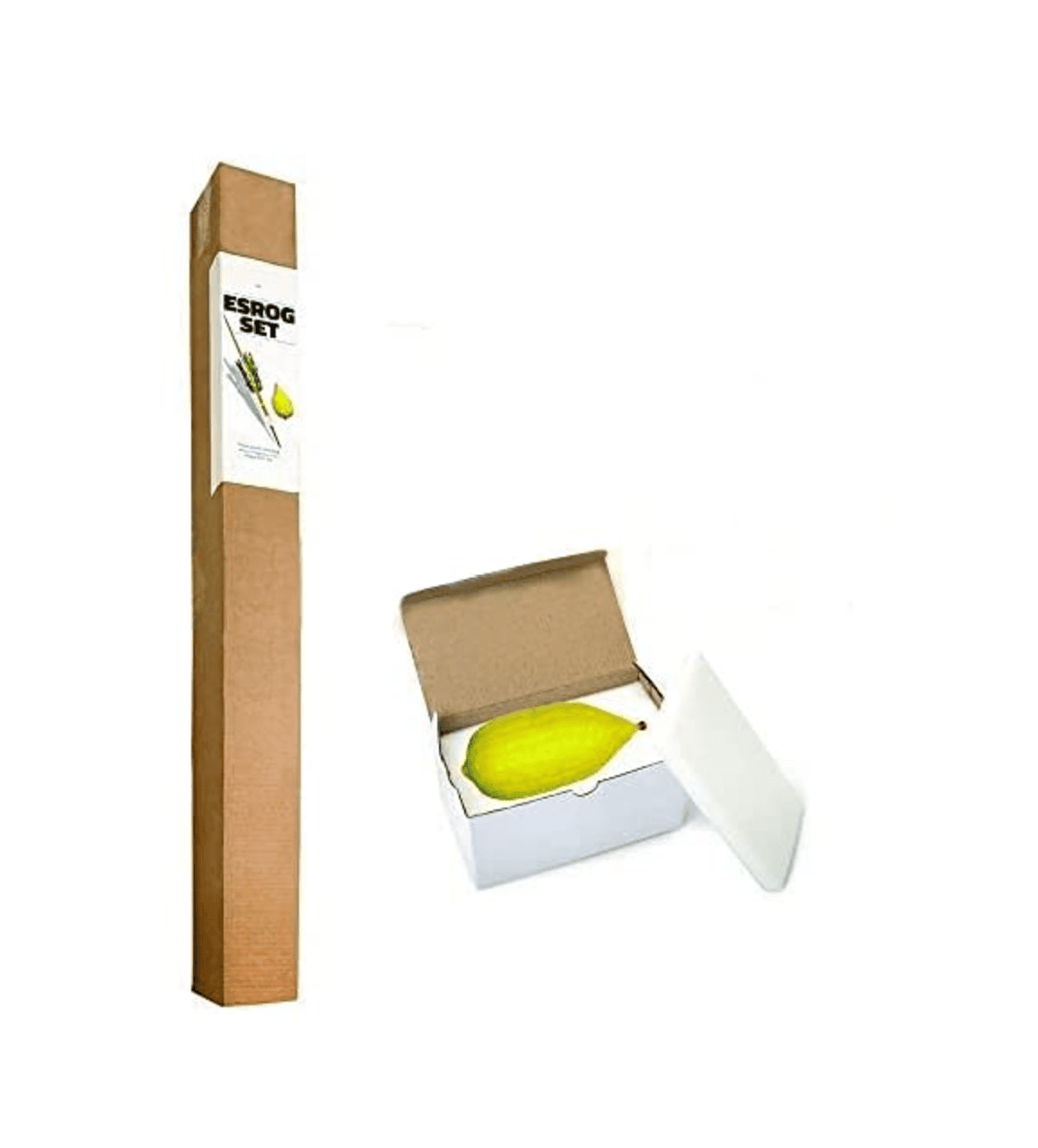
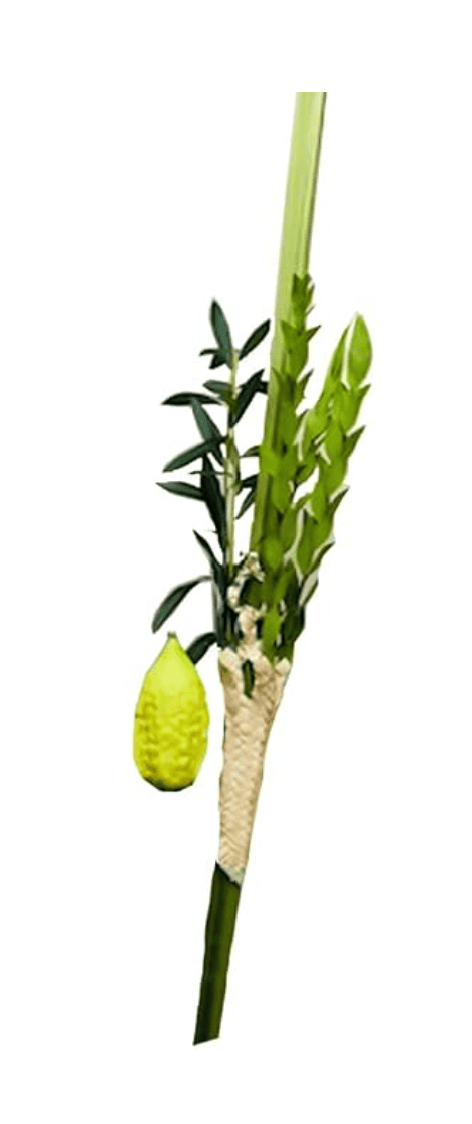
A children's set like the Rite Lite is a lovely way to let younger family members hold their own lulav and etrog during the blessing without worrying about damaging an adult set, while a full adult set lets you perform the mitzvah exactly as commanded. Neither of these is a food item, so no kosher food certification applies — what matters instead is that the etrog and species meet the halachic standards for kashrut in the ritual sense (unblemished, correct size and species), which is worth confirming with your local Rabbi or a trusted Judaica supplier before the first day of the festival.
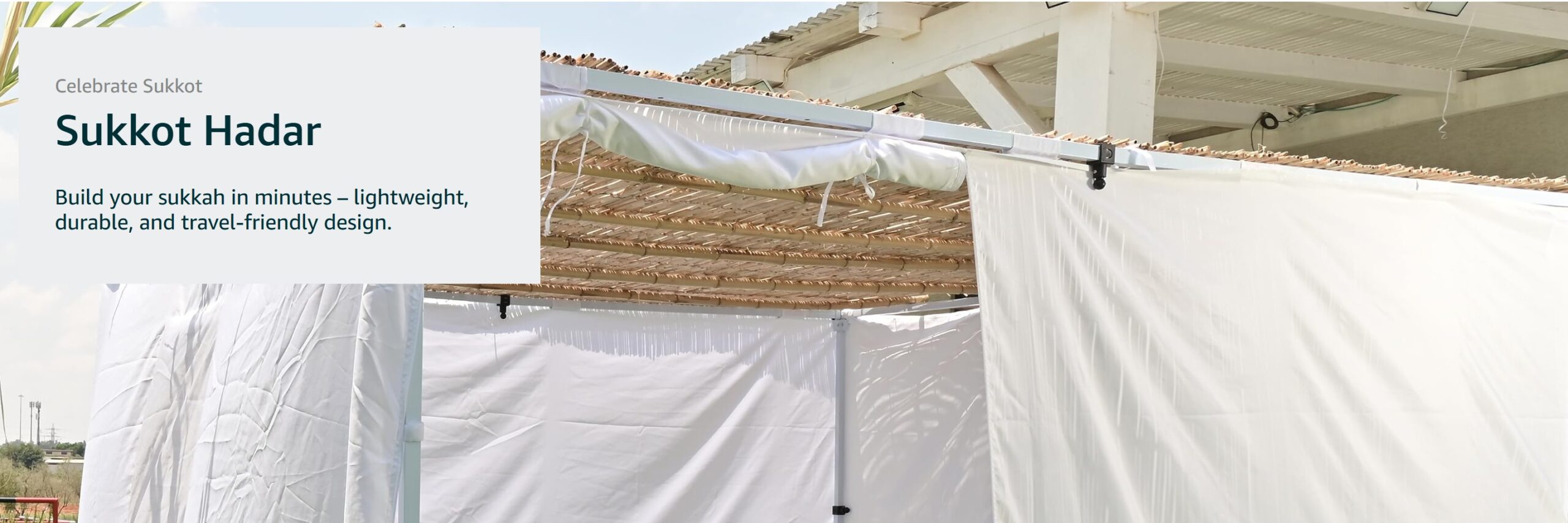
🏕️ The Sukkah Itself as a Symbol
A temporary hut with two layers of meaning.
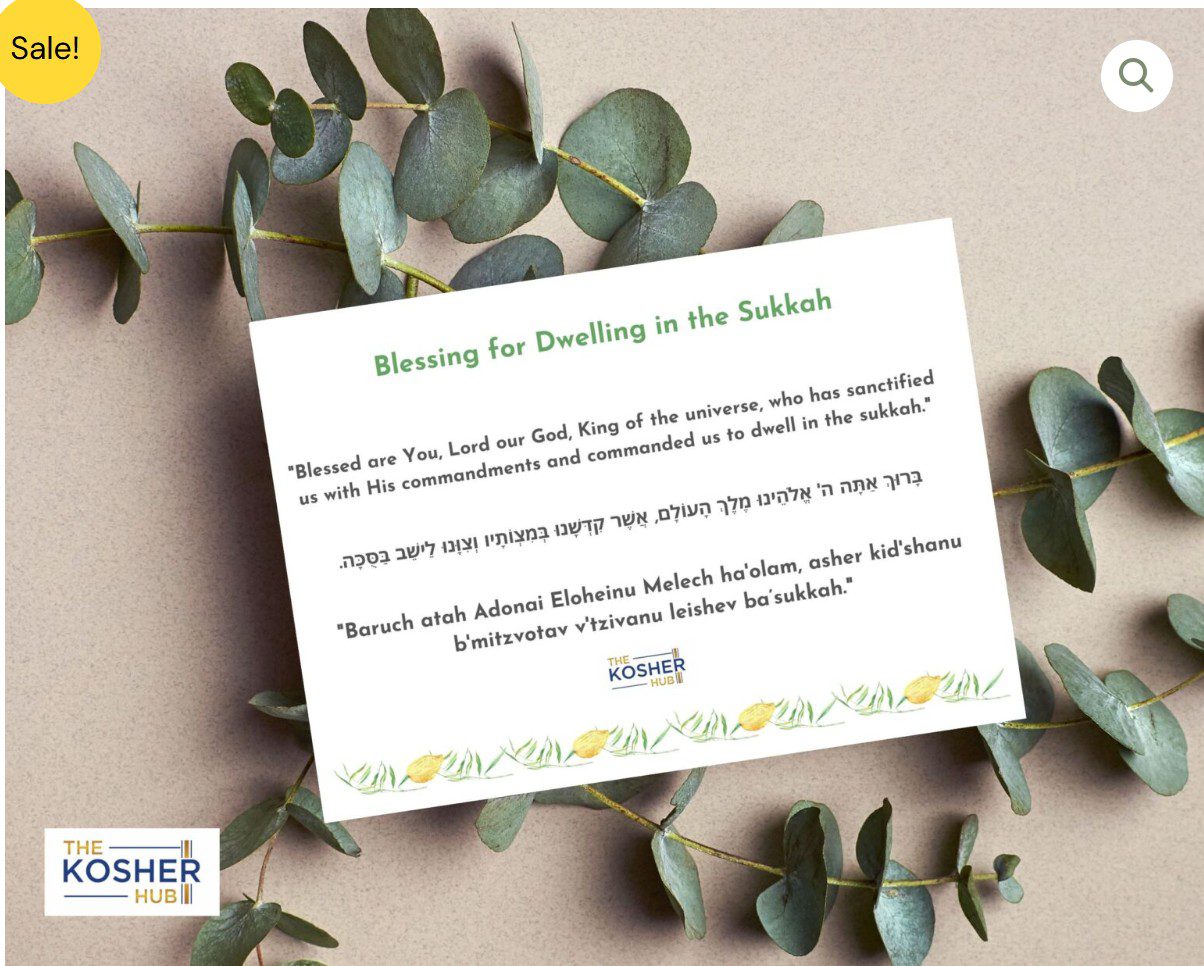
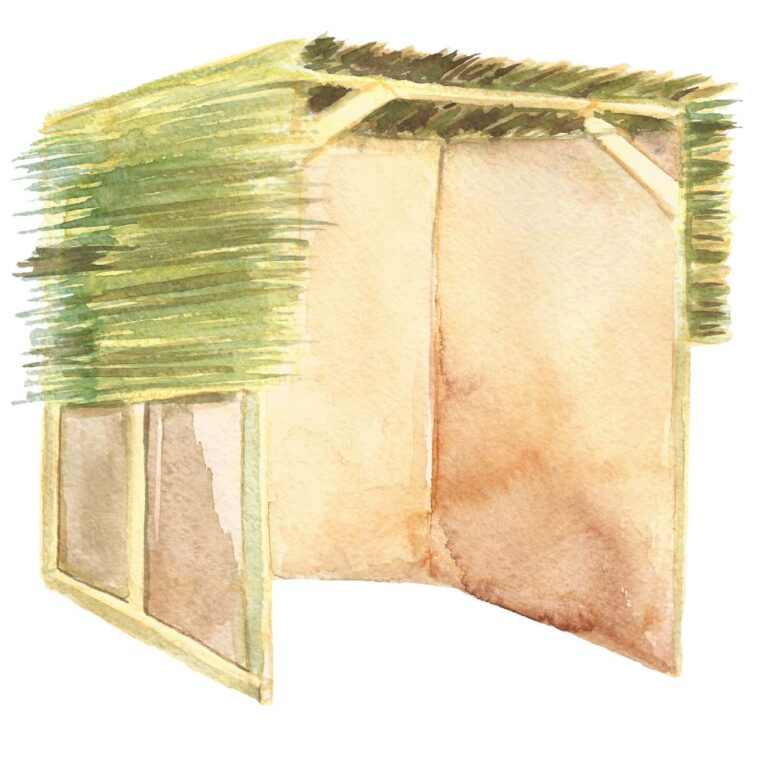
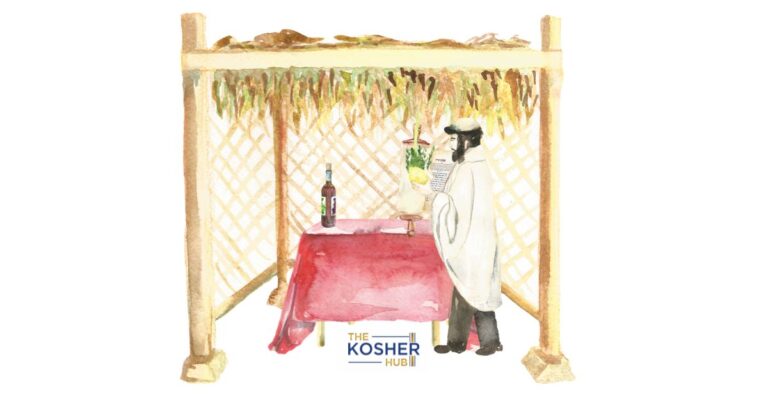
The sukkah — the temporary, roofless-yet-covered hut we eat and often sleep in for the week — is the festival's namesake symbol, and it carries two classic explanations. One view holds that it represents the actual huts the Israelites built for shelter while travelling through the desert after the Exodus. A second, well-known view holds that the sukkah represents the ananei hakavod — the clouds of glory that God sent to shelter and guide the Israelites on their journey. Either way, the sukkah's fragile walls and open schach roof are meant to be felt, not just seen: leaving a solid, secure home for a structure you can see the stars through for a week is itself the point, a physical reminder that ultimate protection comes from God rather than four walls.
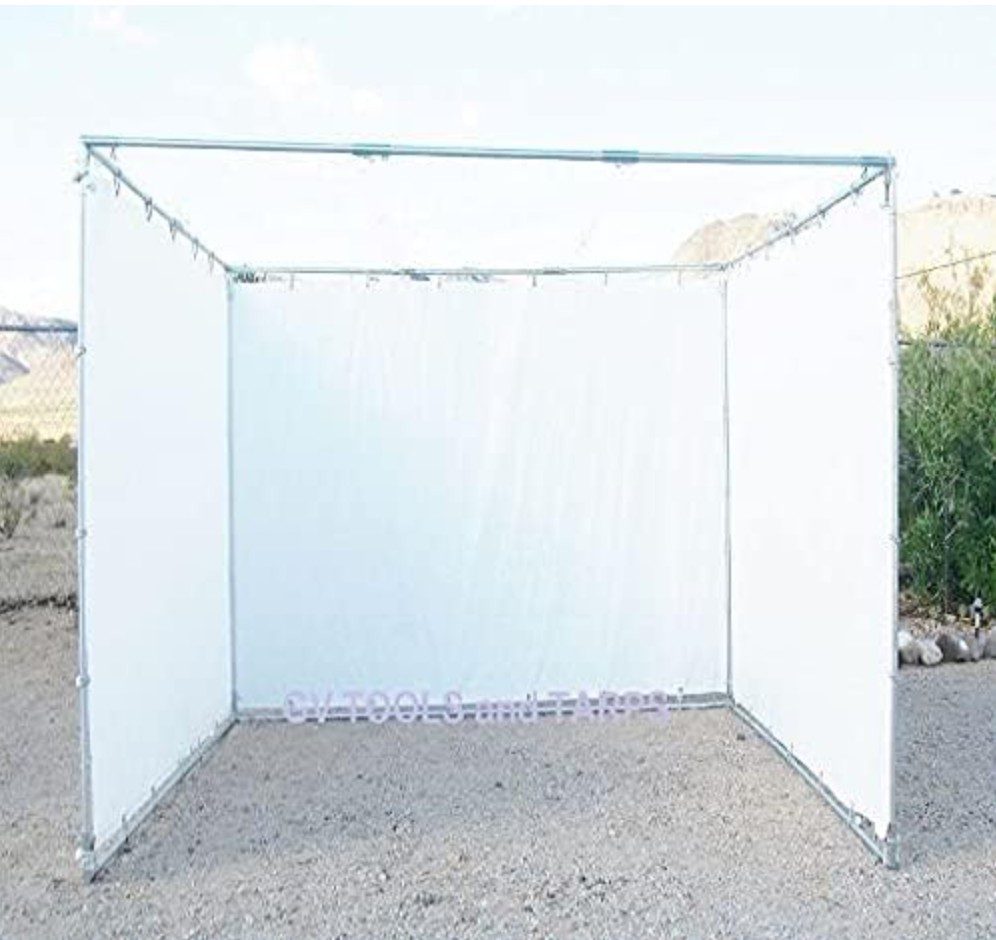
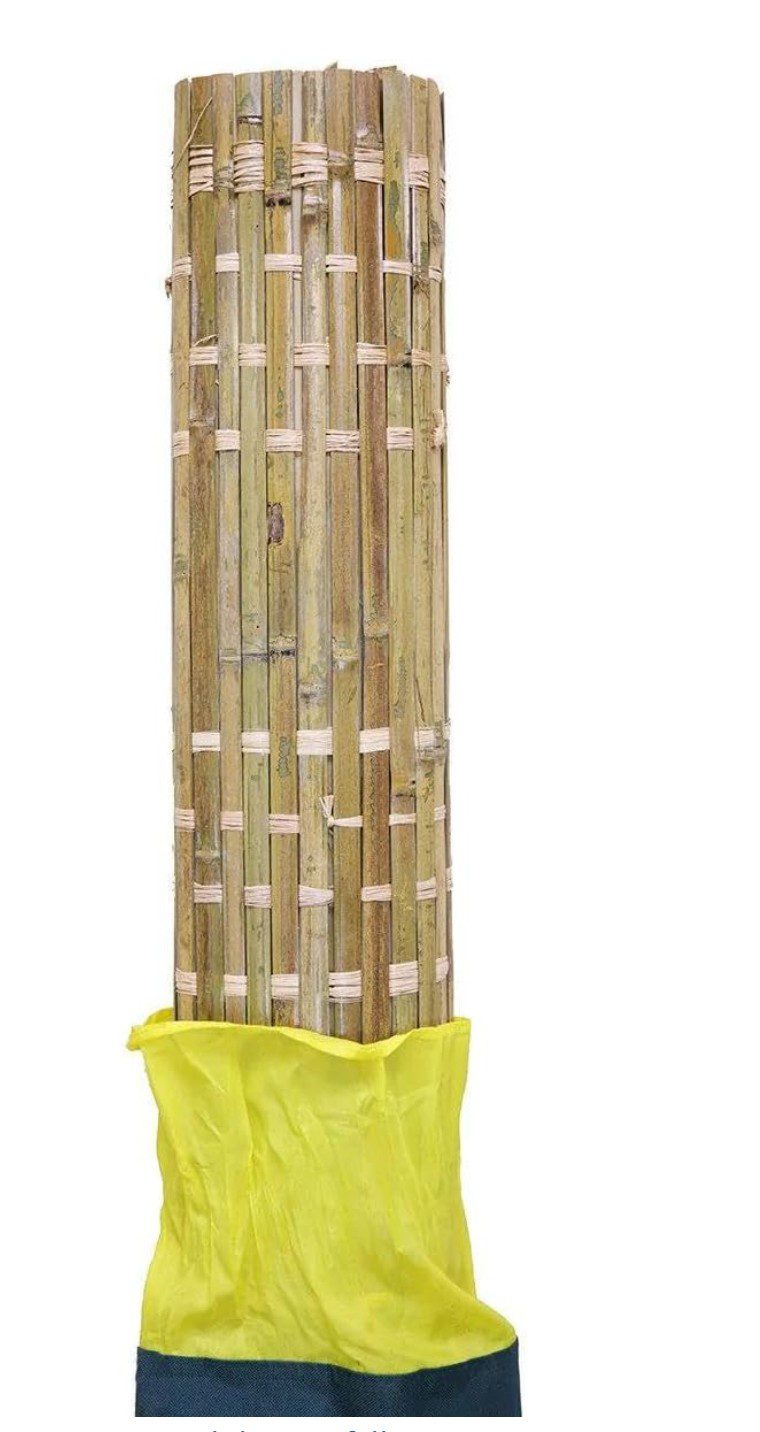
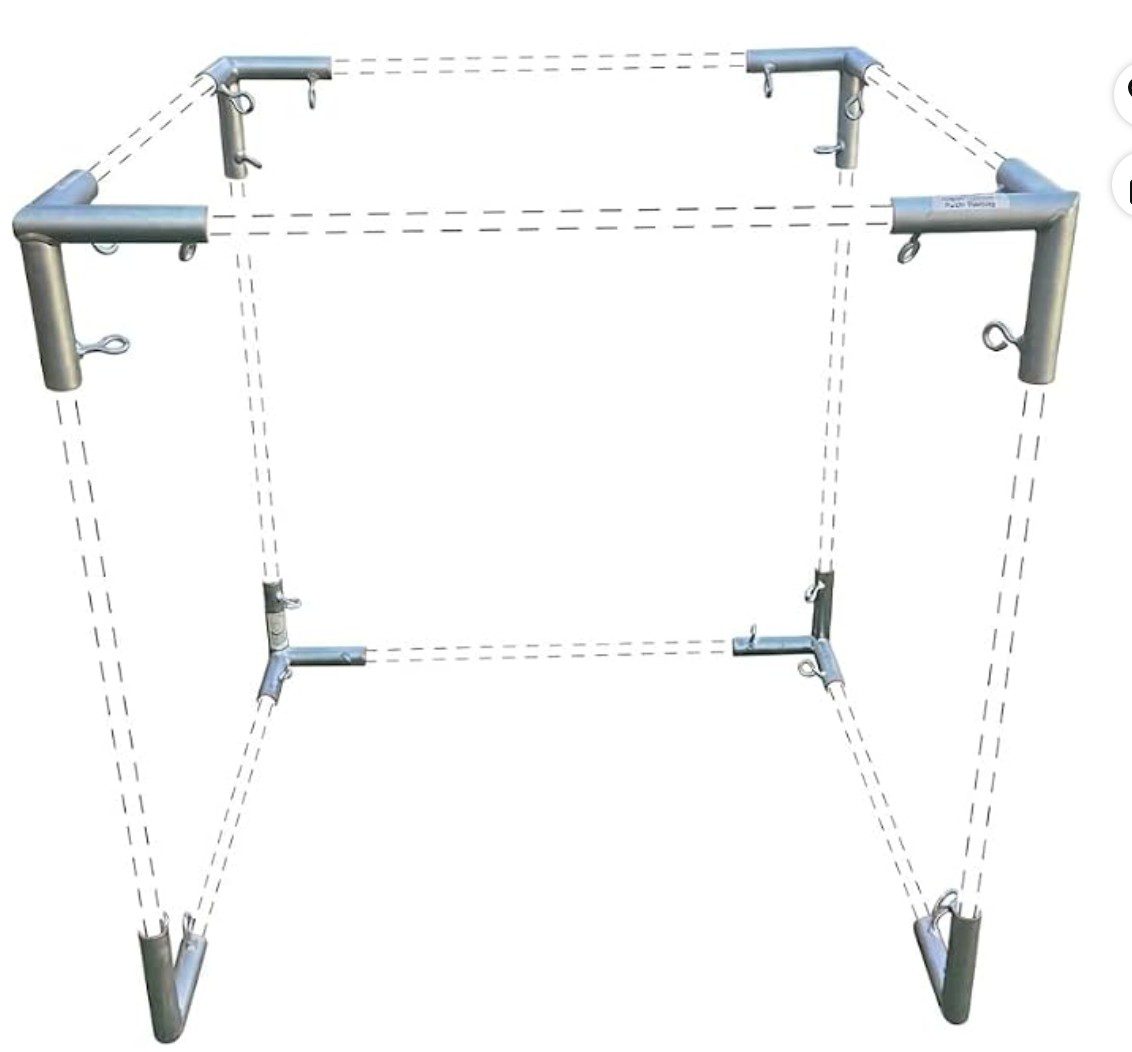
Whichever route you take into the symbolism, the physical build matters — the schach has to let in more shade than sun while still allowing you to see the stars, and the walls need to be sturdy enough to feel like a real dwelling. A kit like the Golden Valley set gives you the full frame and wall structure in one order, a dedicated schach mat solves the roof covering without foraging for branches, and a reusable square frame is a practical option if you're building the same footprint every year. None of these are food products, so kosher food certification doesn't apply here — the relevant standard is halachic (kosher in the ritual sense), which your Rabbi or a Judaica specialist can confirm for your specific structure. For the full step-by-step process, see our How to Build a Sukkah guide.
✡️ Ushpizin — The Symbolic Guests
One of Sukkot's most beloved customs is Ushpizin — inviting symbolic "guests" into the sukkah each night, one for each of the seven days. The tradition, rooted in the Zohar, names seven biblical figures — traditionally Abraham, Isaac, Jacob, Moses, Aaron, Joseph and David — each associated with the day's theme, and many families now also welcome the matriarchs (Sarah, Rebecca, Rachel, Leah, Miriam, Abigail and Esther) alongside them. It's less a ritual than a mindset: the sukkah's open walls are a reminder to think about who you're welcoming in, both figuratively and literally, which is why hospitality to real guests is considered such an essential part of the festival.
🍇 Decorating with the Harvest Symbols
Sukkot's harvest roots, hung right on the walls and schach.
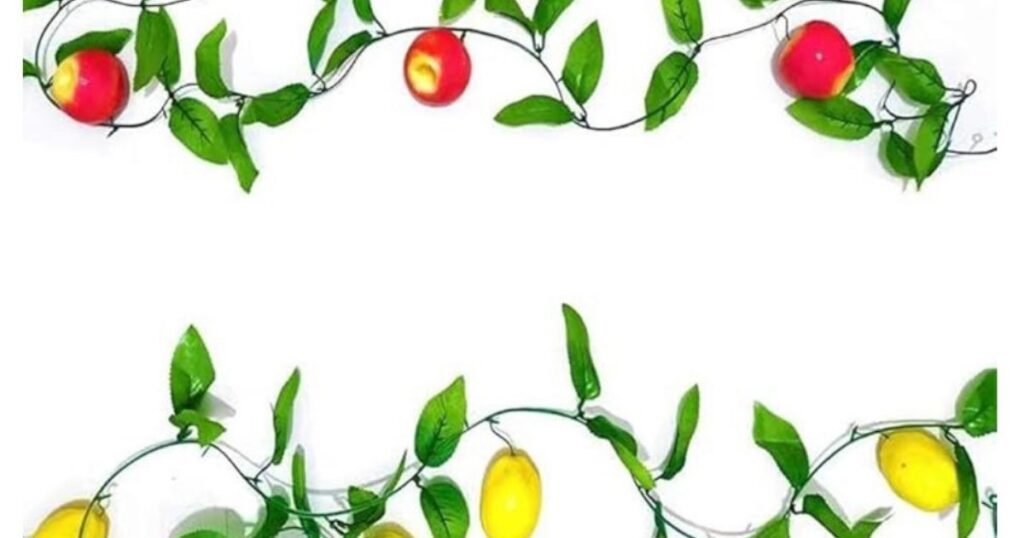
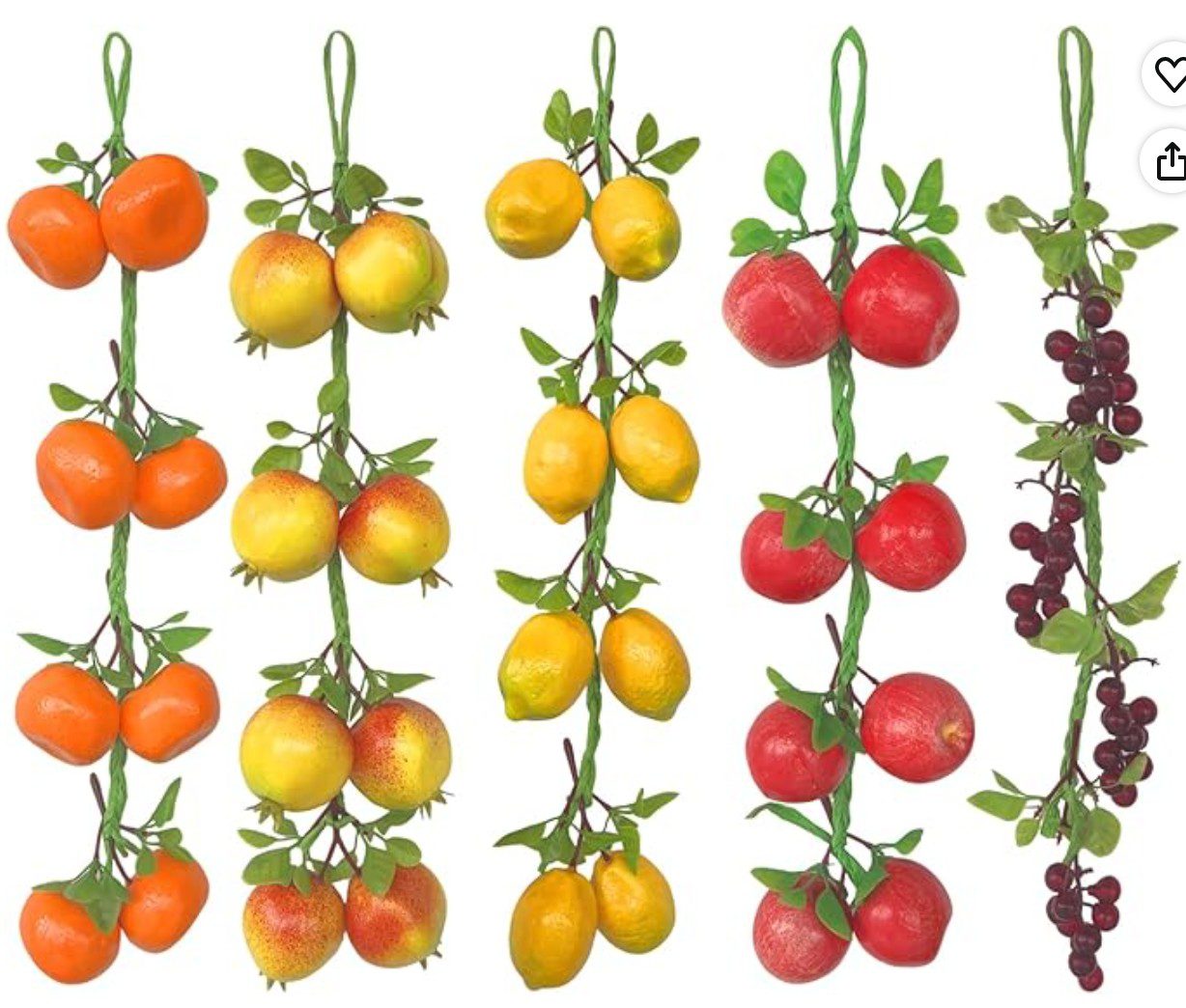
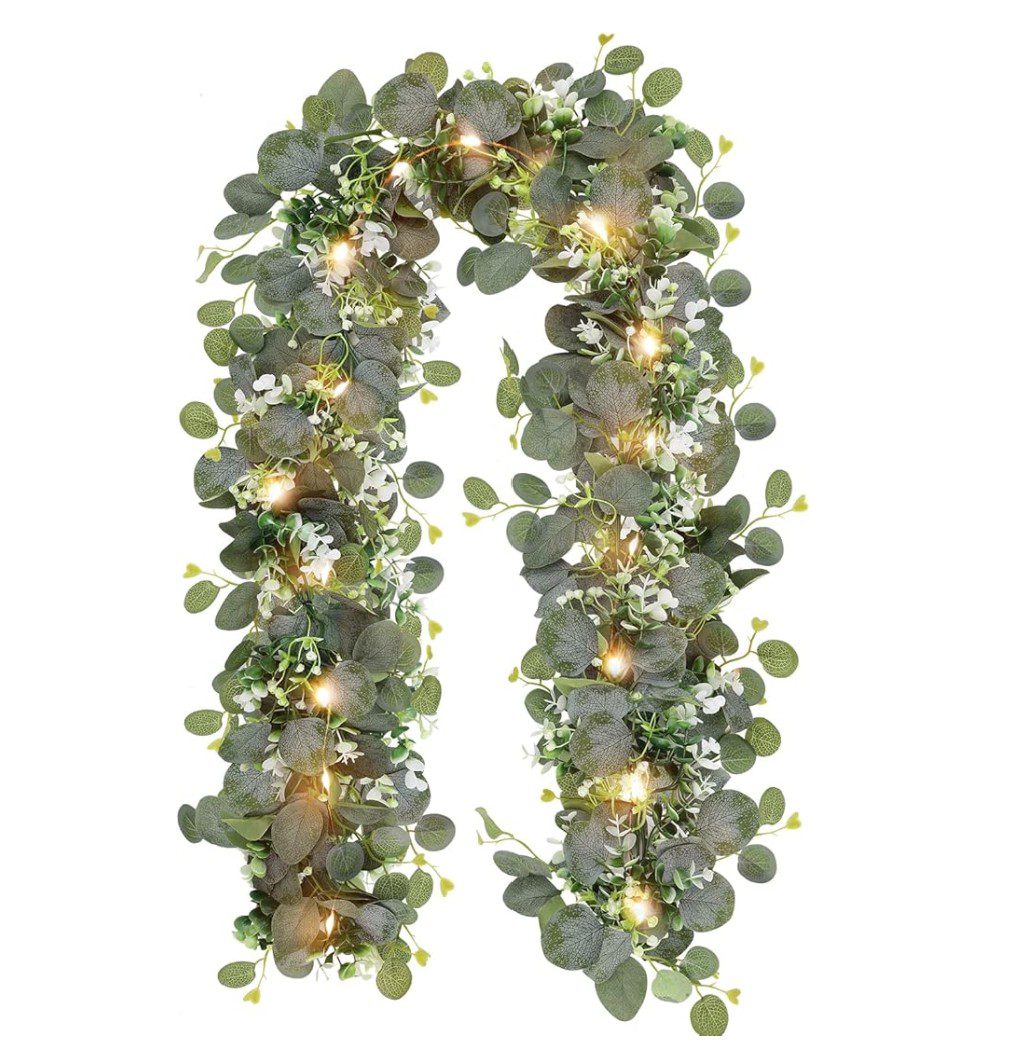
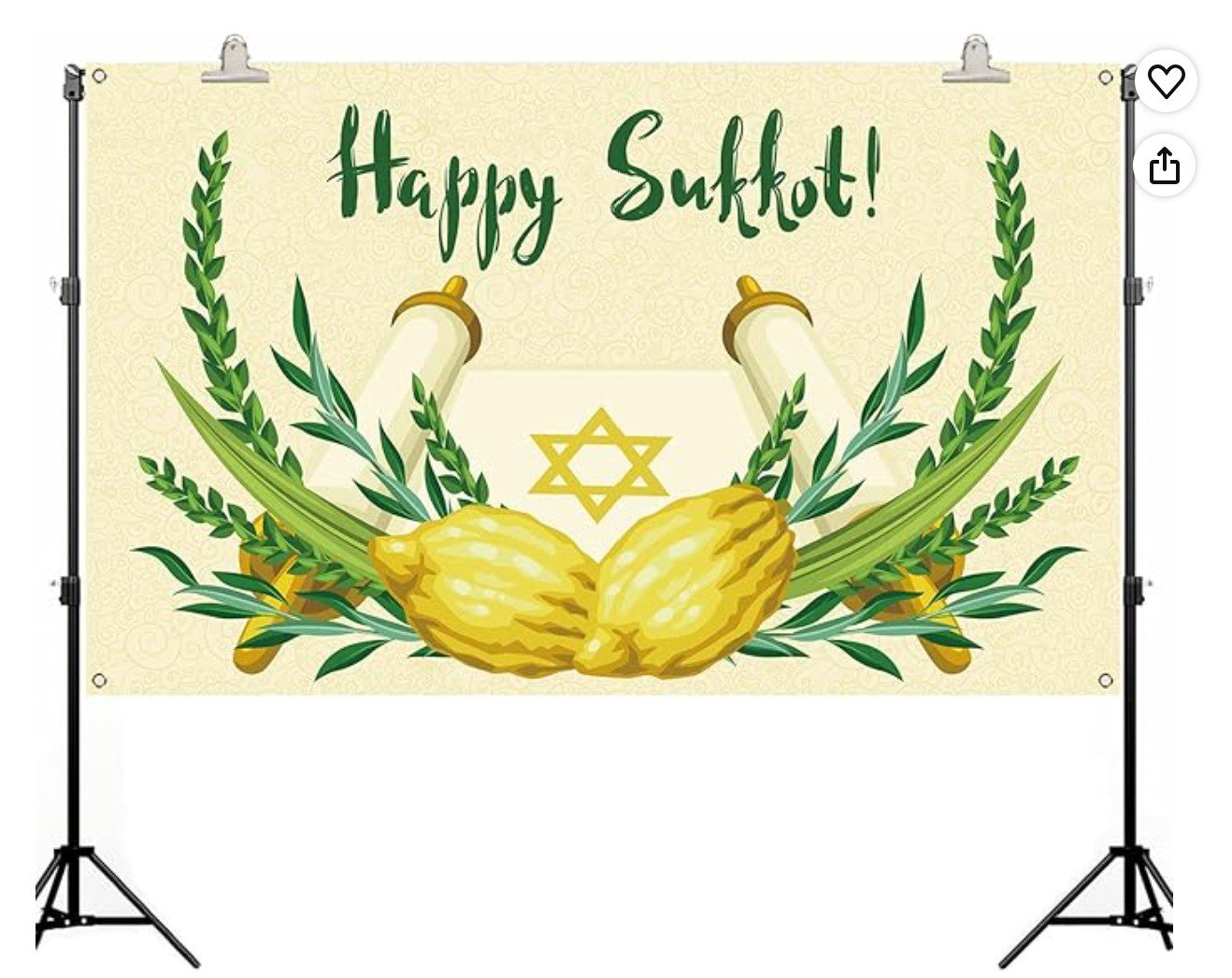
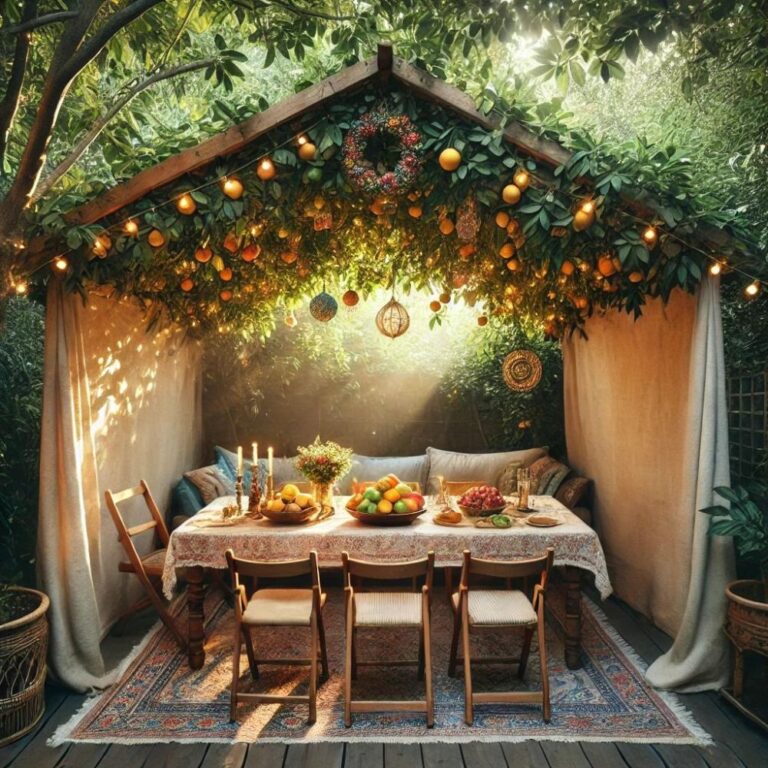
Sukkot is also called Chag Ha'Asif — the Festival of Ingathering — because it falls at the end of the harvest season in the land of Israel, and the custom of hanging fruit, gourds and greenery inside the sukkah goes straight back to that agricultural root. A garland of hanging fruit is the most literal expression of the harvest theme, while a "Happy Sukkot" banner over the entrance carries forward the welcoming spirit of Ushpizin the moment a guest arrives. As with the Four Species and the sukkah structure itself, these are decorative and textile items rather than food, so kosher food certification isn't applicable — the one rule to keep in mind is the halachic guideline that hanging decorations should sit within about 32 inches of the schach, or be attached to the walls, so the sukkah remains valid.
📖 Teaching Kids the Symbols of Sukkot
Storybooks that bring the Four Species and the sukkah to life.
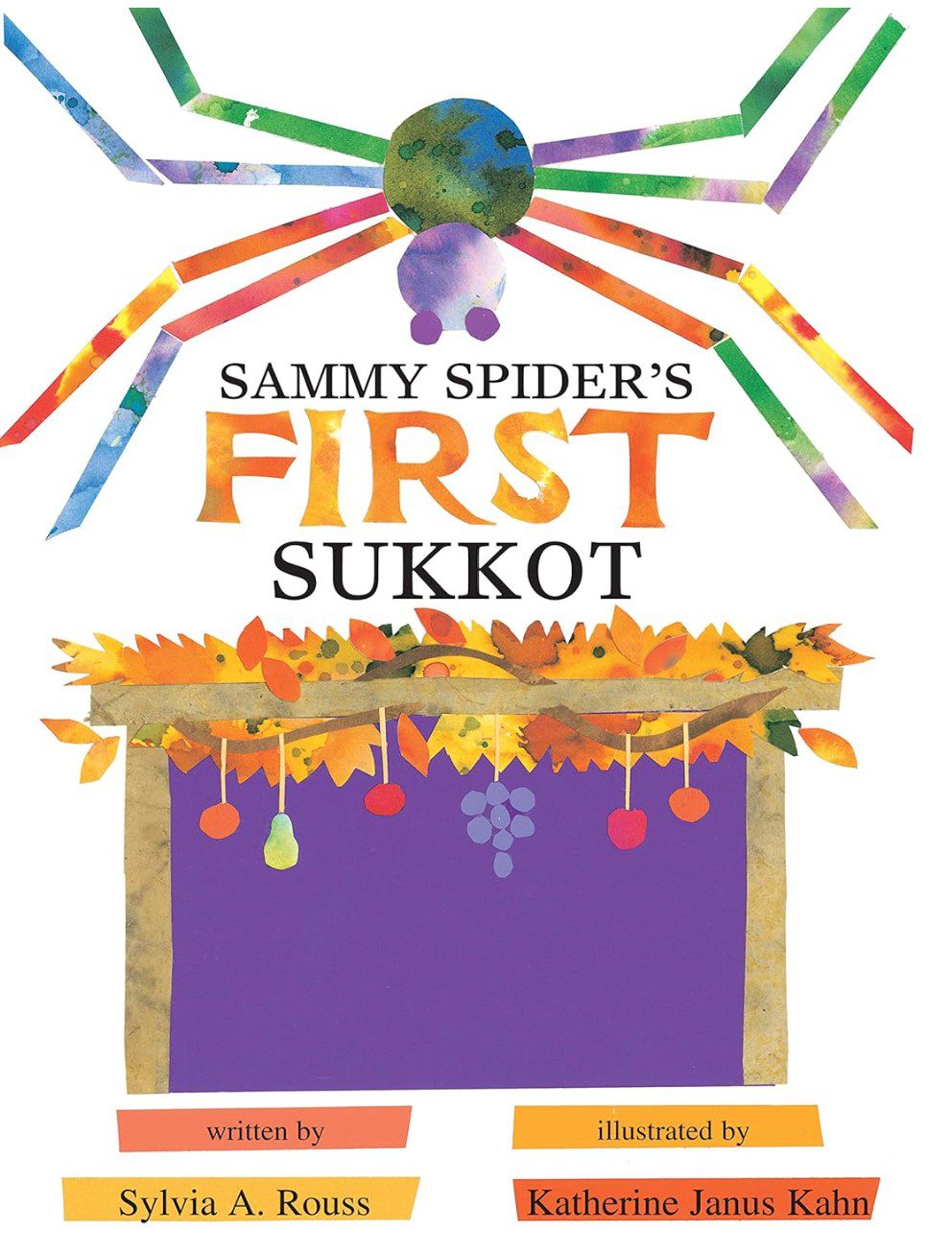
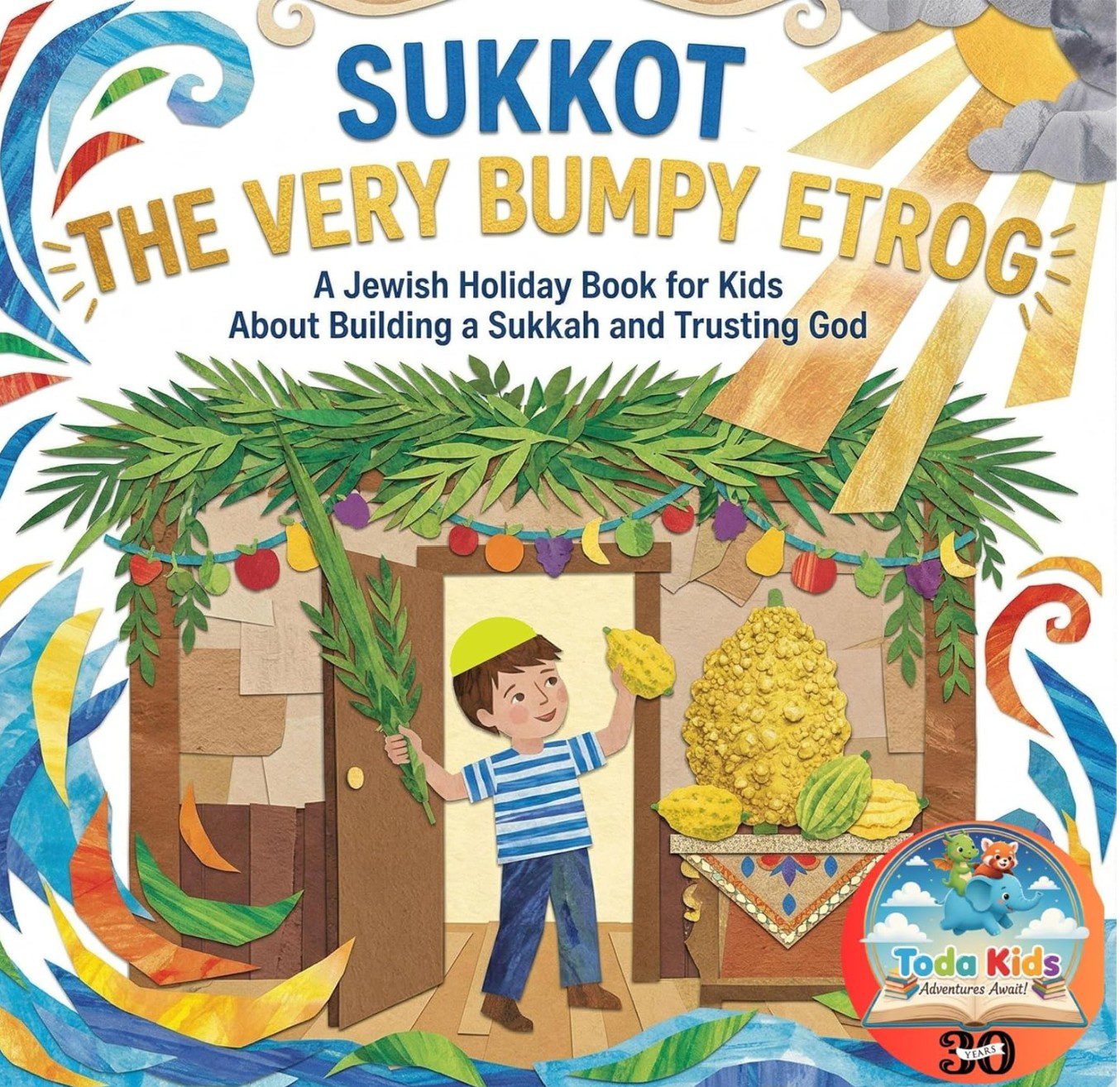
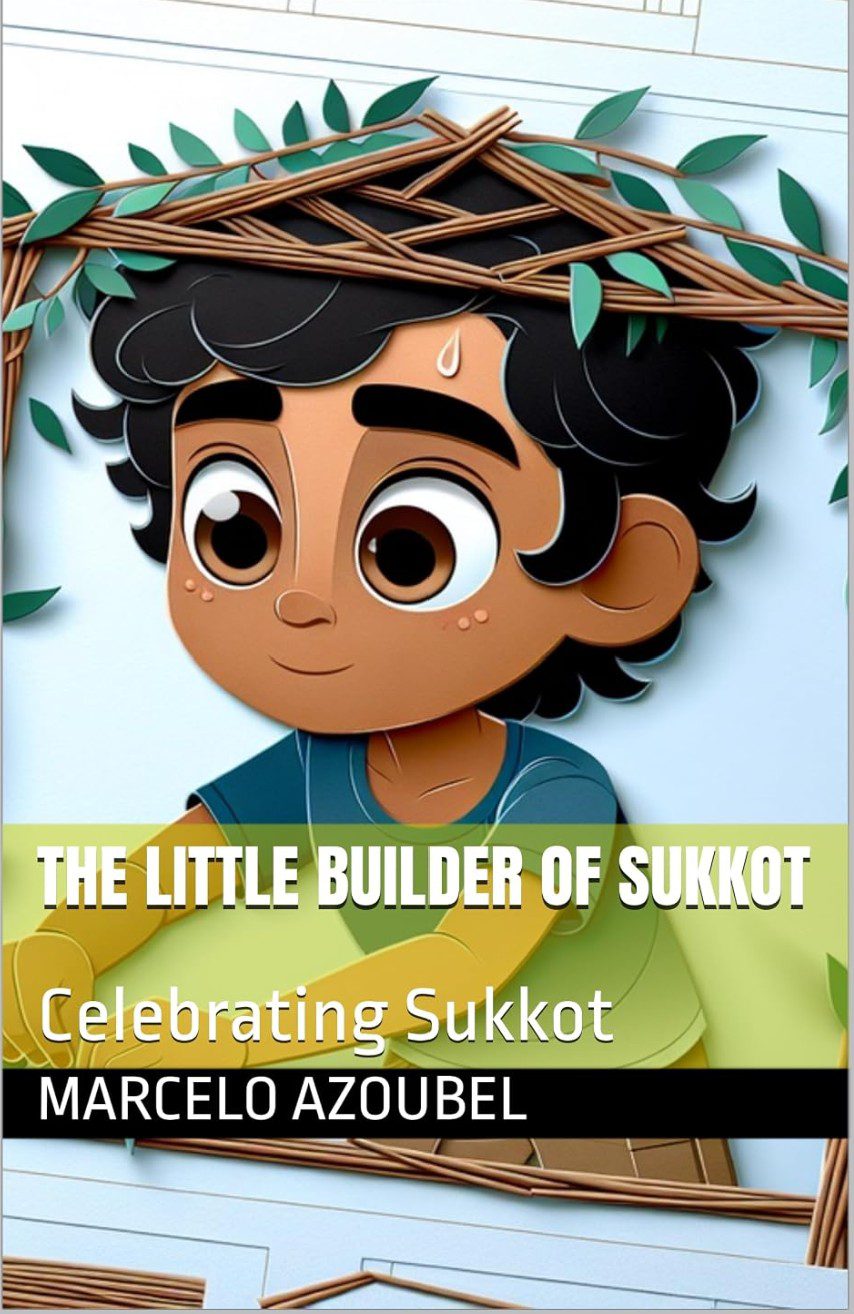
The symbolism of Sukkot lands best with children through story, not explanation, and a good Sukkot storybook does the work of connecting the lulav, etrog and sukkah to something a child can picture and remember. Sammy Spider's First Sukkot is a beloved series entry that walks young readers through the holiday's key symbols and customs through the eyes of a curious young spider — a gentle, age-appropriate introduction to why the family is suddenly eating dinner in a hut in the backyard. The other picture books below cover the same territory with their own illustration styles, so it's worth flipping through a few to see which fits your child's age and attention span.
🍇 Symbolic Sukkot Foods
The harvest and the Seven Species, brought to the sukkah table.
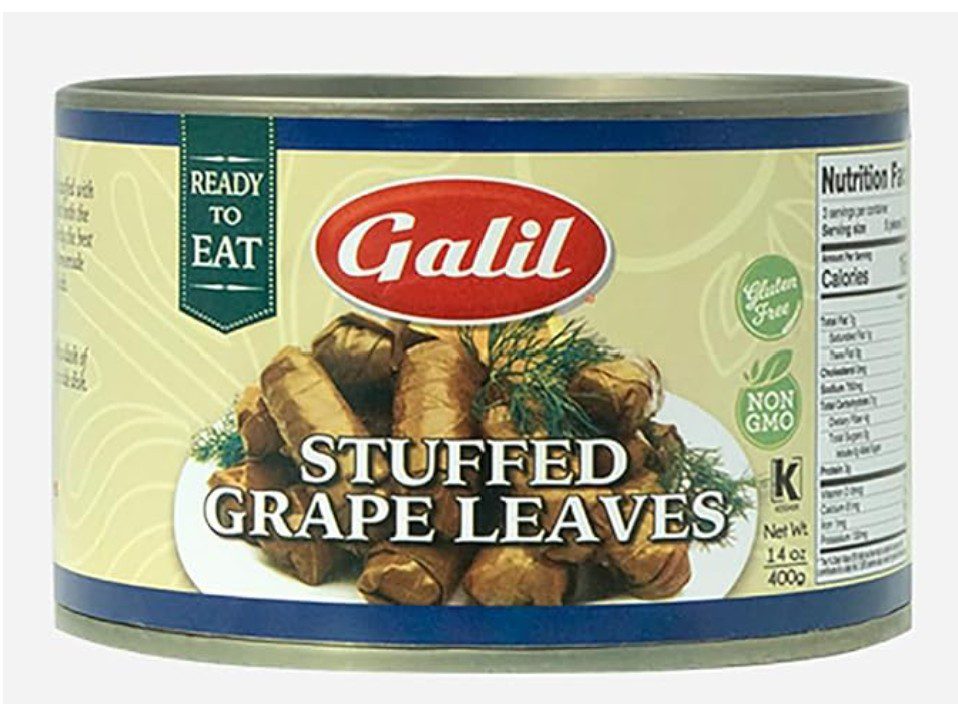
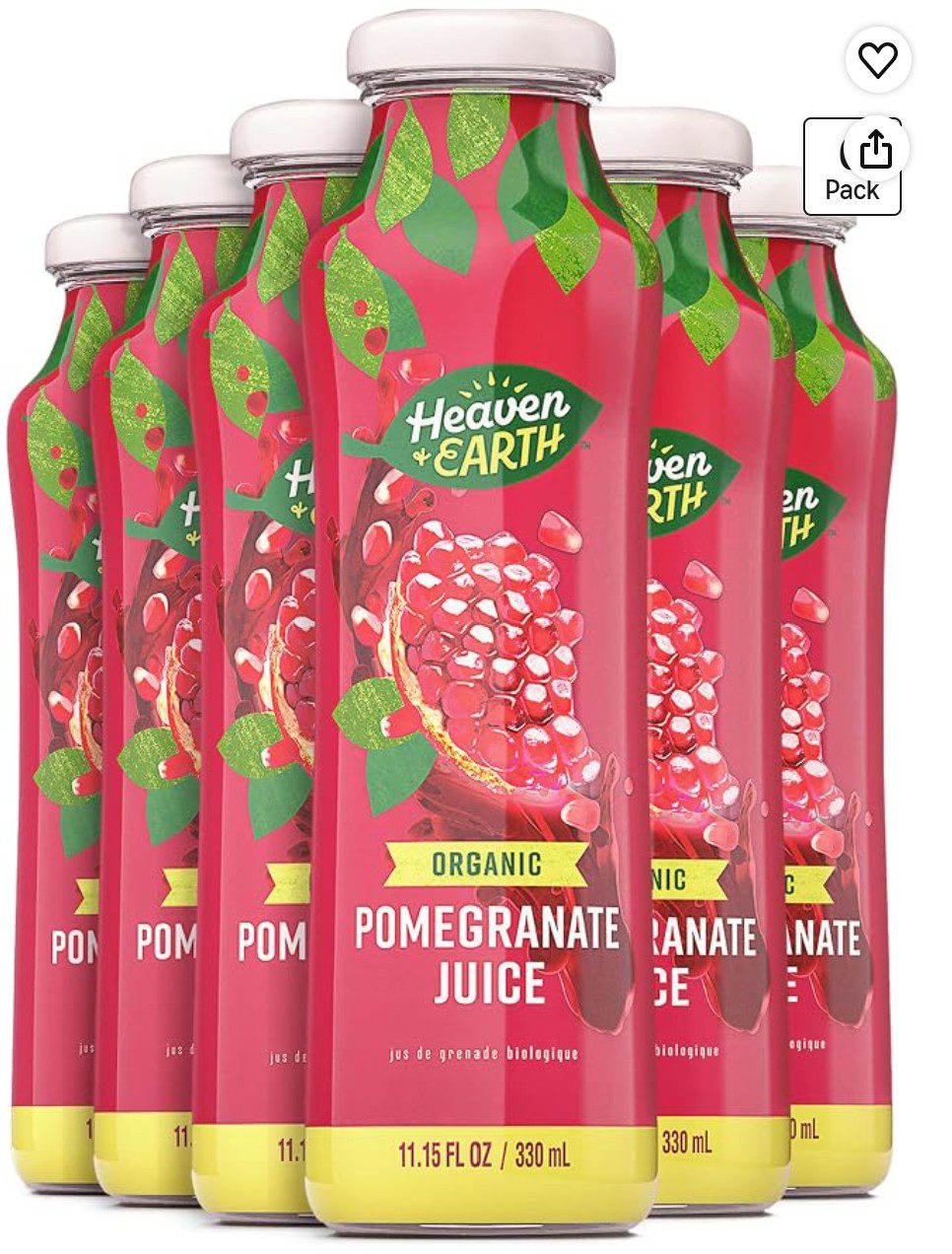
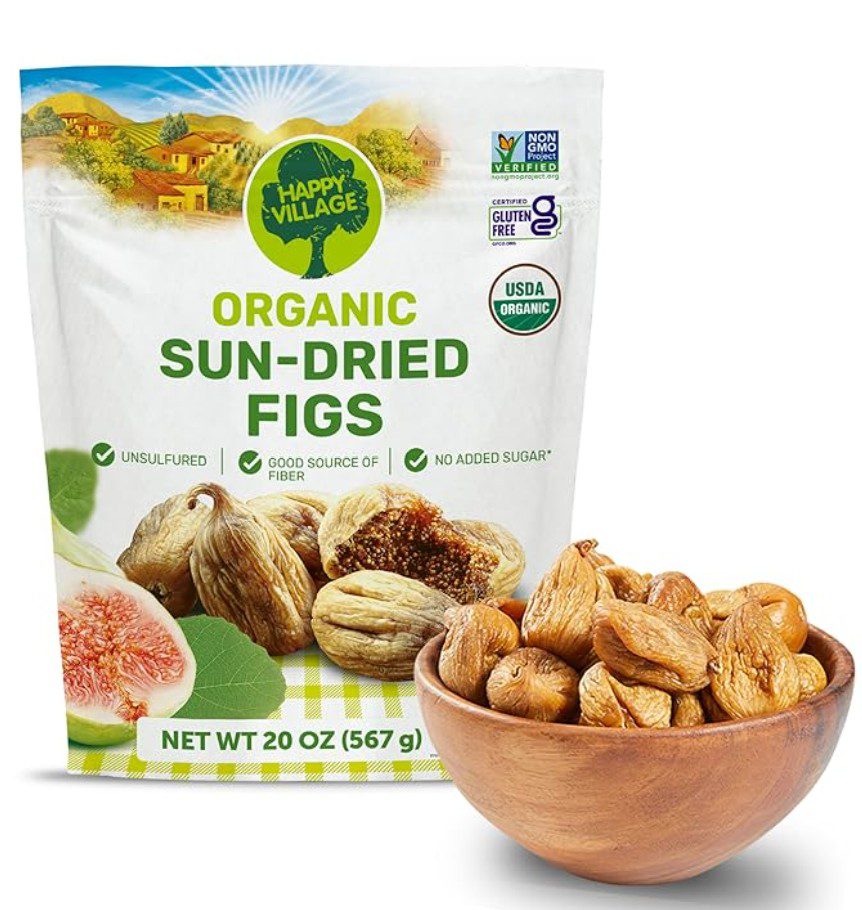
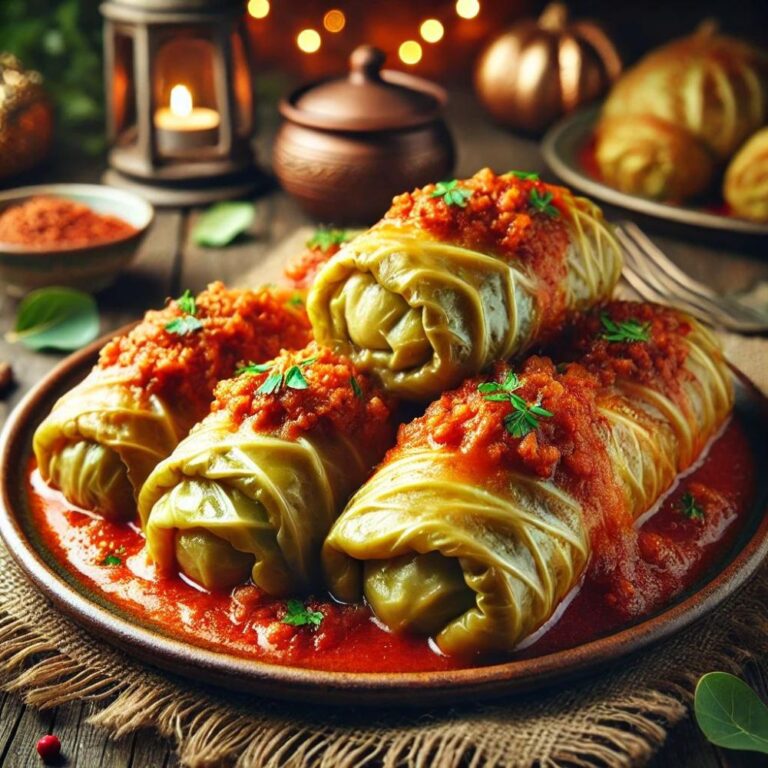
Sukkot's food traditions carry their own symbolism, tied to the same harvest theme as the Four Species and the sukkah itself. Stuffed foods, like grape leaves, are a beloved custom because they represent abundance — a harvest so plentiful it spills out of its wrapping. Other classic choices connect directly to the shivat haminim, the Seven Species named in Deuteronomy 8:8 as the land of Israel's own harvest blessings, among them the grape, the pomegranate and the fig. Bringing a few of these to the table is a simple, tasty way to carry the meaning of the festival from the sukkah's walls onto the plate.


❓ FAQs About Sukkot Symbols
What are the symbols of Sukkot?
The main symbols are the Four Species (etrog, lulav, hadass and aravah), the sukkah itself, and the custom of Ushpizin, the symbolic nightly guests.
What do the Four Species represent?
Each species is linked to a type of Jew based on whether it has taste (learning), fragrance (good deeds), both, or neither — and binding all four together represents the unity of the whole community.
Why do we wave the lulav and etrog in six directions?
Waving east, south, west, north, up and down acknowledges that God's presence fills every direction, not just one fixed place.
What does the sukkah itself symbolize?
Traditionally, either the temporary huts the Israelites lived in during the desert journey, or the ananei hakavod — the clouds of glory that sheltered them along the way.
What is Ushpizin?
Ushpizin is the custom of symbolically inviting seven biblical figures into the sukkah, one for each night of the festival, as a reminder to also welcome real guests.
Can children take part in the Four Species ritual?
Yes — a smaller, child-safe lulav and etrog set is a common way to let kids hold and wave their own set during the blessing.
What is Z'man Simchateinu?
It means "the Season of our Rejoicing," one of Sukkot's traditional names, reflecting the festival's emphasis on joy and thanksgiving after the harvest.
Where in the Torah are the Sukkot symbols commanded?
The Four Species are commanded in Leviticus 23:40, within the broader passage in Leviticus 23 that lays out the festivals of the Jewish year, including Sukkot itself.
Do sukkah decorations need to be kosher-certified?
No — decorations, garlands and banners are textile and paper items, not food, so kosher food certification doesn't apply. The one rule to follow is hanging them within about 32 inches of the schach or on the walls.
Does the etrog need special certification like food does?
The etrog and lulav aren't food certification products — what matters is that they meet halachic standards for kashrut in the ritual sense (correct species, unblemished, proper size), which is worth confirming with your Rabbi or a trusted Judaica supplier.
As an Amazon Affiliate we earn from qualifying purchases.

Understanding Our Kosher Certifications
The Kosher Hub references products certified by recognized kosher authorities, including OU, OK, Star-K, Kof-K, and CRC. Certification symbols and status can change, so always confirm the current kosher status directly on the product packaging or via the certifying agency's own listings before purchasing.