

Stocking up on kosher for Passover tea is easy once you know the difference between plain and flavored varieties. Unflavored black, green, and white tea is kosher for Passover without any special supervision — but flavored, herbal, and decaf teas are a different story and need a reliable KFP certification on the box. Below we've rounded up a full range of Passover-friendly teas, from Wissotzky's OU-P certified classic, flavored, and herbal blends to everyday favorites like Lipton and Ceylon black tea. Whether you want something plain for the Seder table or a flavored herbal blend for guests, everything here is confirmed KFP and easy to order on Amazon before the holiday.
🍃 Classic Black & Green Wissotzky Tea
OU-P certified, unflavored, and ready for the Seder table.
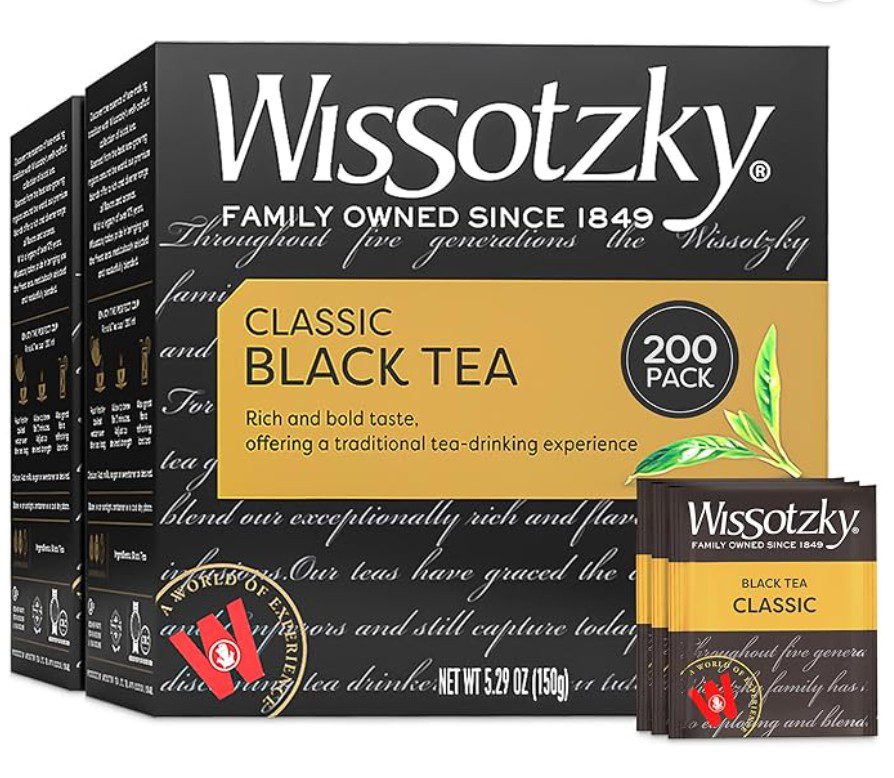
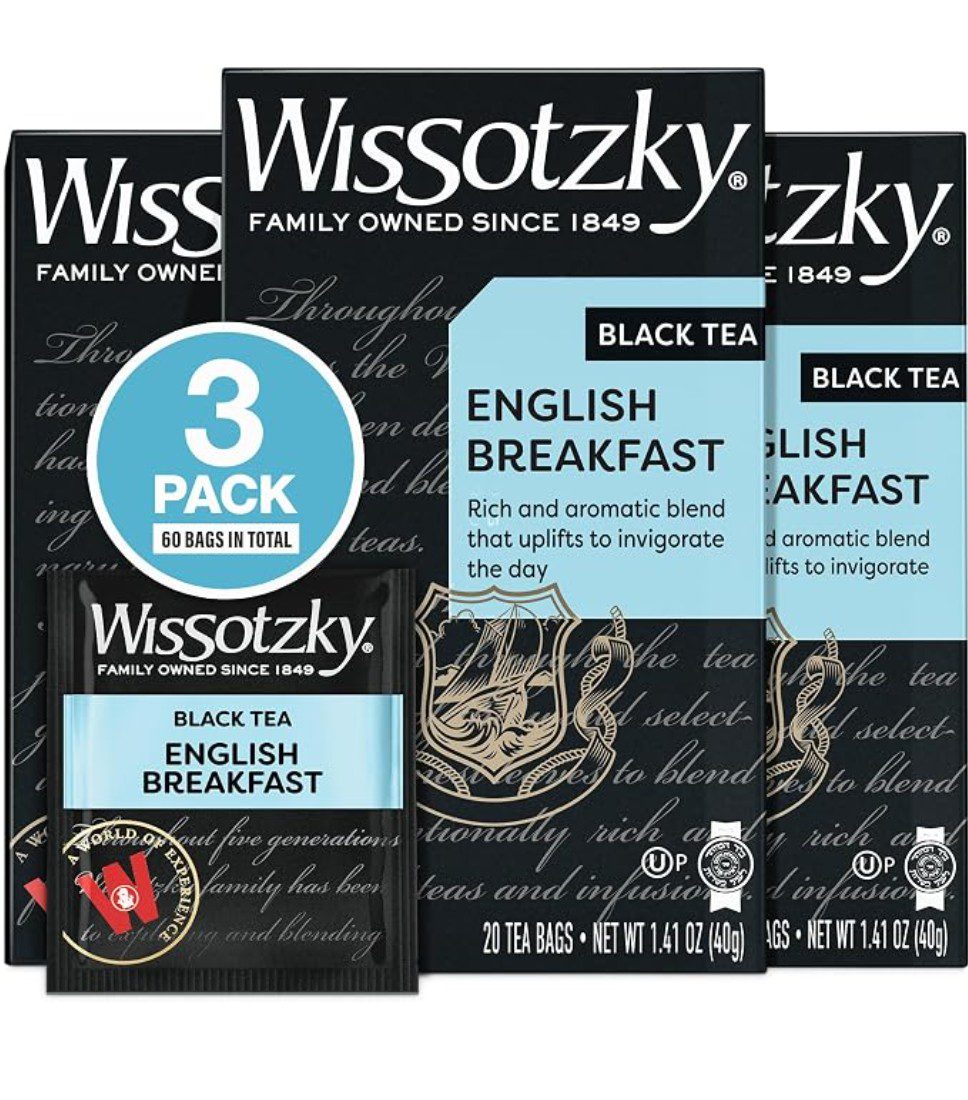
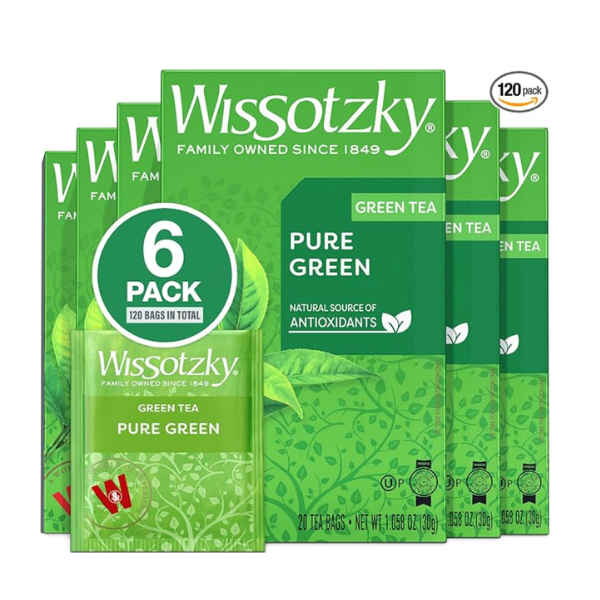
Wissotzky's classic black, English Breakfast, and green teas are unflavored — meaning they'd technically be kosher for Passover without any special supervision anyway — but all three carry the OU-P symbol, so there's no guesswork required. They're pareve and suitable for both Ashkenazi and Sephardic households, including those observing kitniyot restrictions, making them an easy, reliable pick for everyday drinking or for guests during Chol Hamoed.
🌸 Flavored Black Tea, OU-P Certified
Flavoring means certification is required — Wissotzky has it covered.
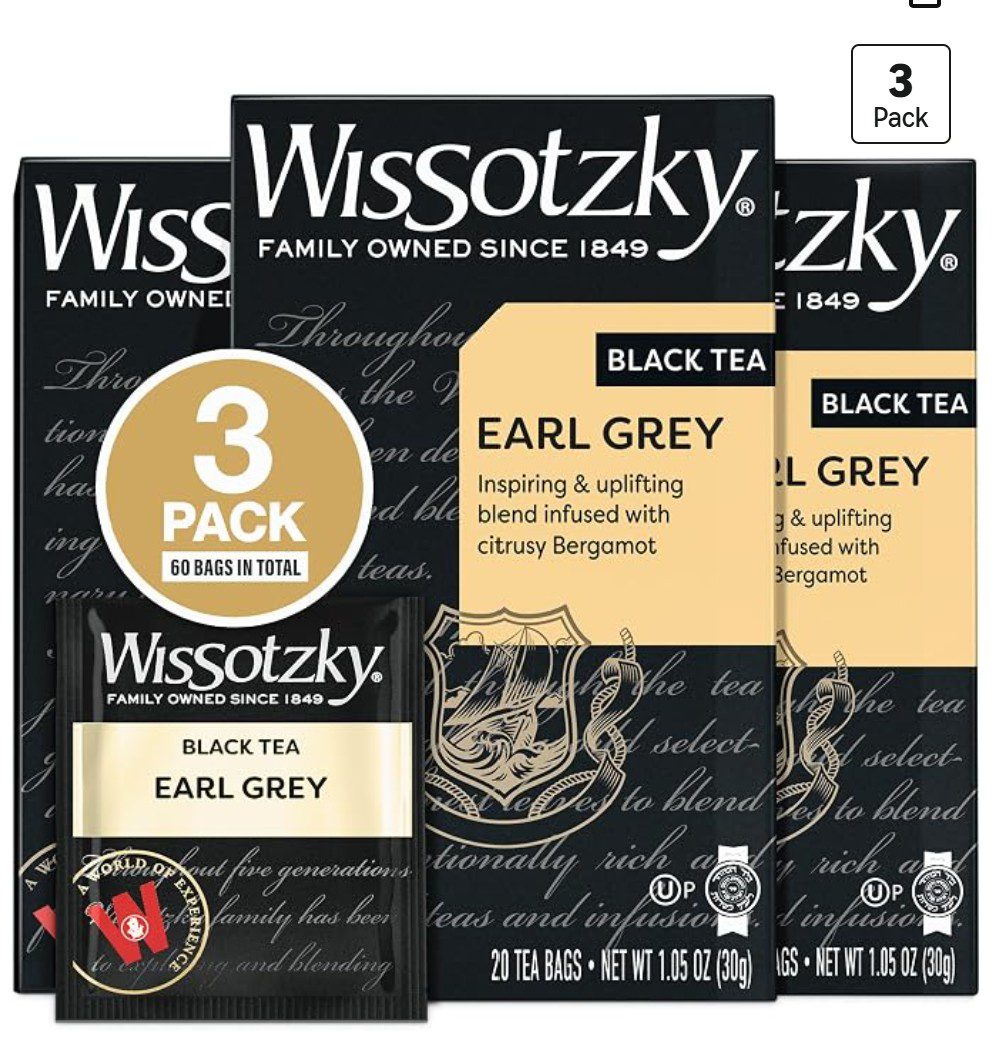
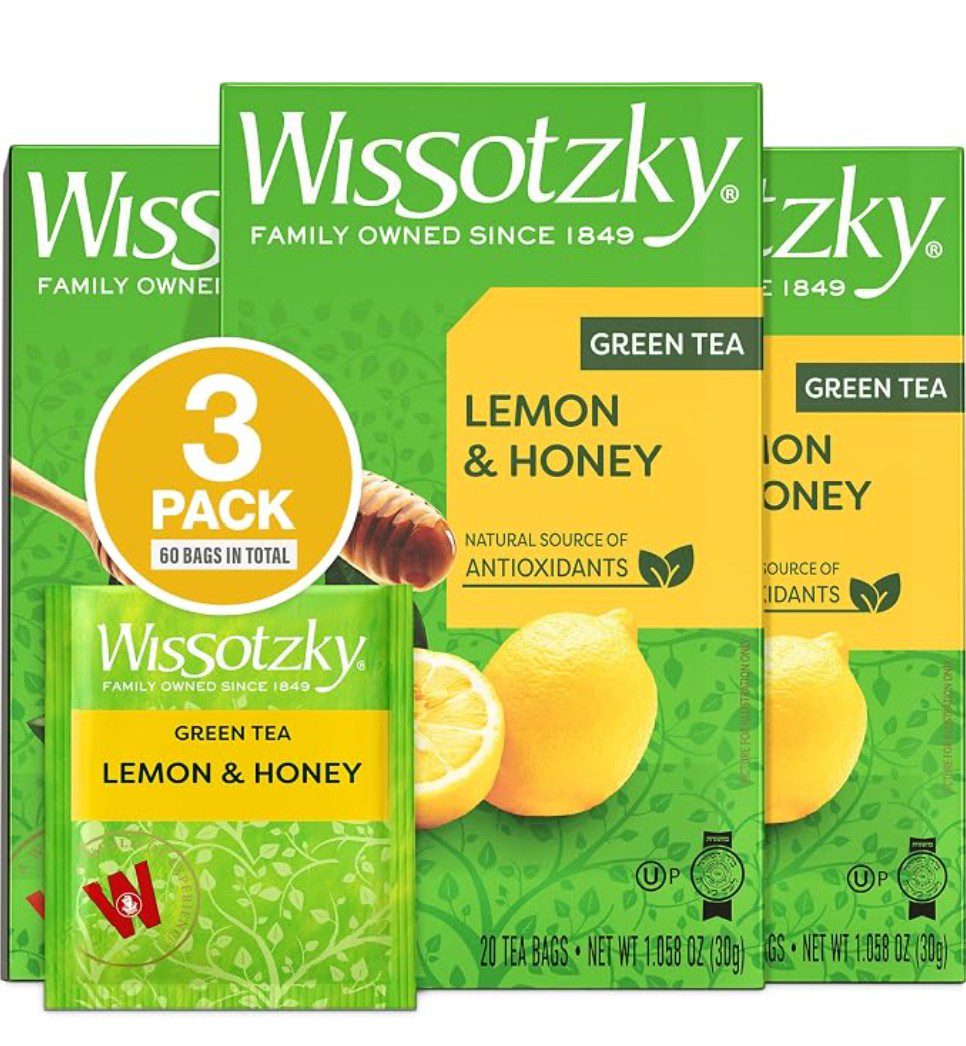
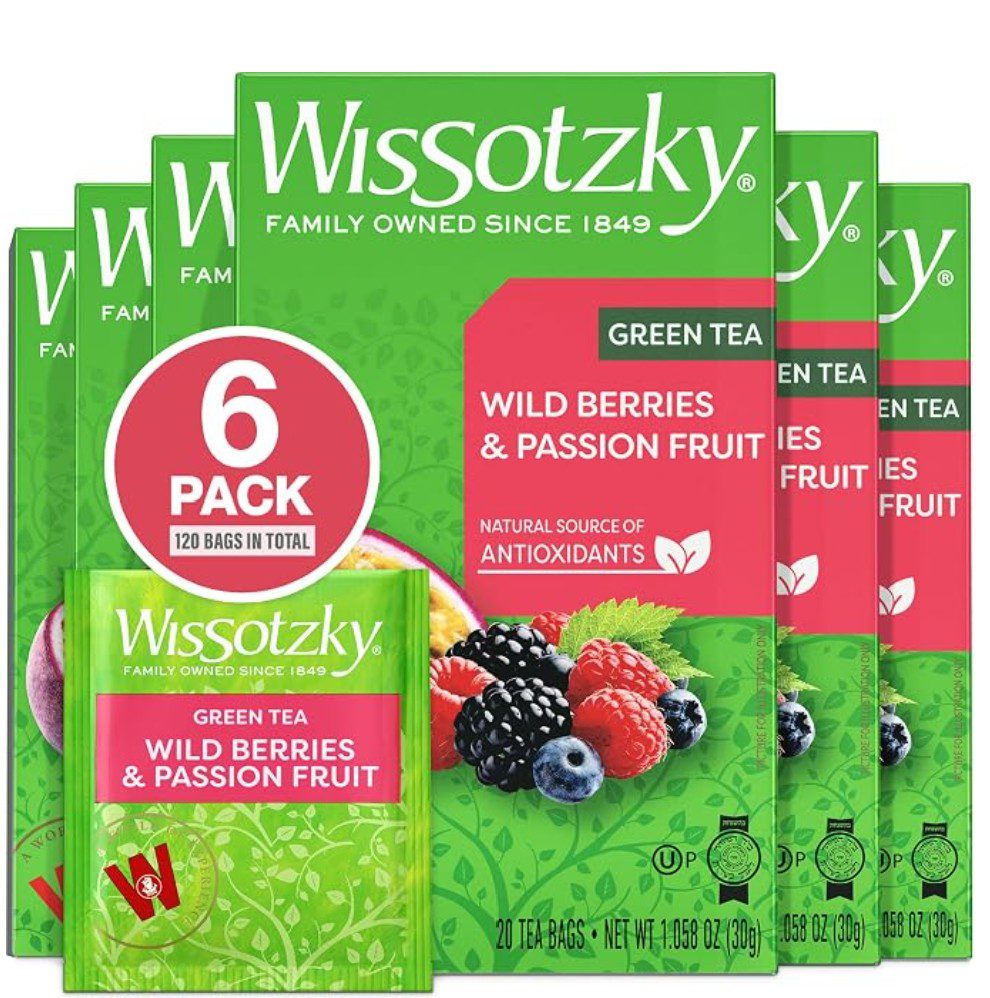
Unlike plain tea, flavored teas do need a valid Kosher for Passover certification — the flavoring agents are where chametz or kitniyot concerns can come in. Wissotzky's Earl Grey, Lemon & Honey Green, and Wild Berries teas all carry the OU-P symbol, so they're a safe, easy pick if you want something more than plain black or green tea on your Seder table or throughout Chol Hamoed. All three are pareve.

🌺 Herbal & Fruit Tea for Passover
Caffeine-free blends, all OU-P certified.
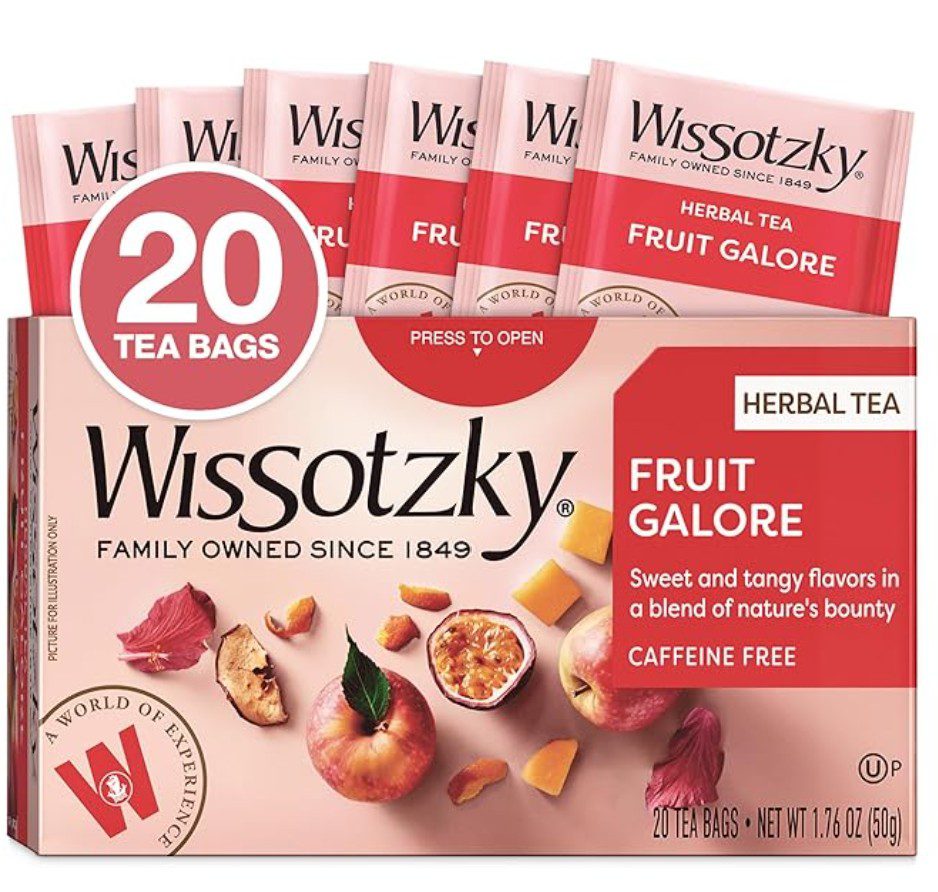
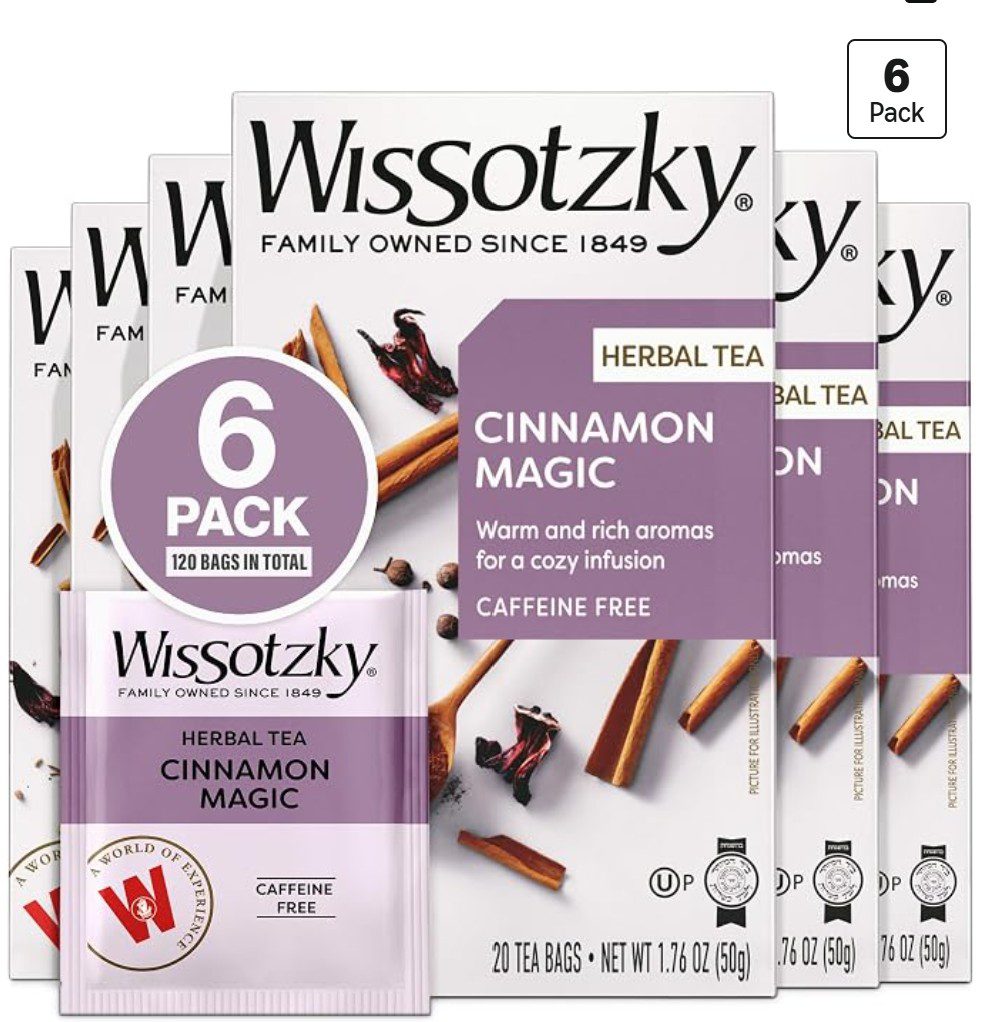
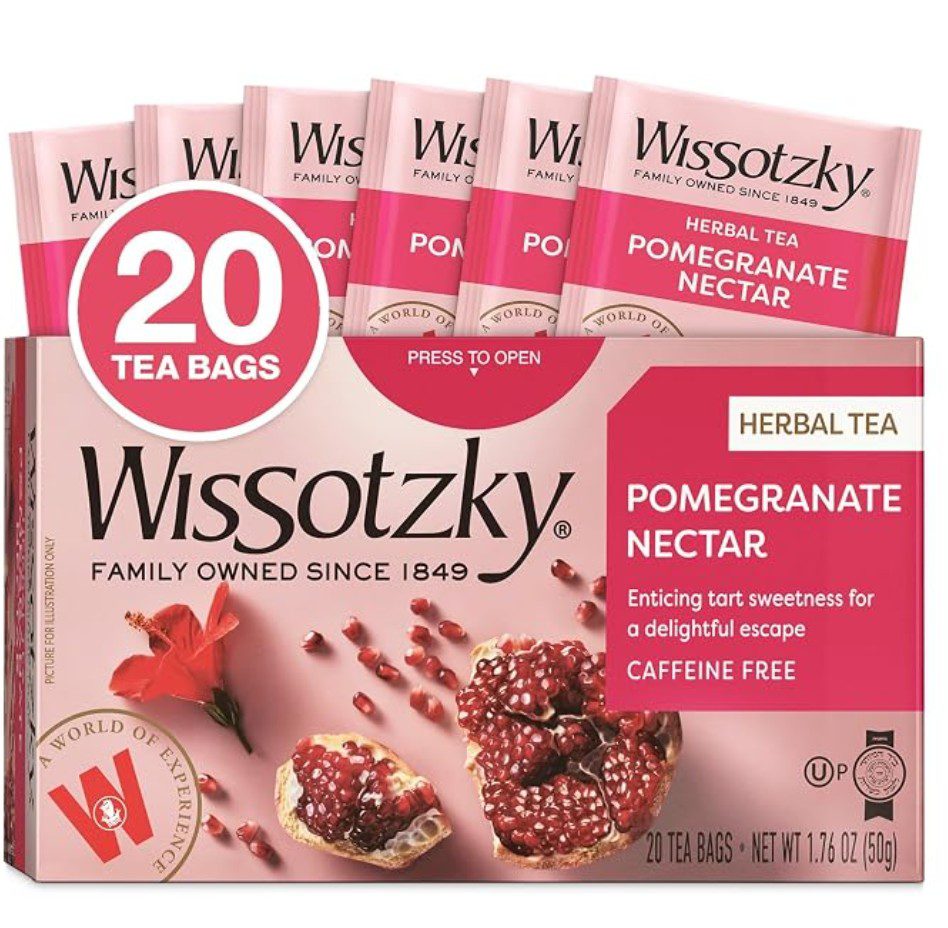
Herbal teas need the same certification scrutiny as flavored teas — they're not simply "tea leaves" and can include a range of botanicals and flavoring agents. Wissotzky's Fruit Galore, Cinnamon Magic, and Pomegranate & Nectar blends are all OU-P certified and caffeine-free, making them a nice after-dinner option for guests who don't want caffeine late in the evening during the Seder.
🧊 Everyday Tea Favorites
Unflavored black tea — kosher for Passover without special supervision.

Also Available: Wissotzky Iced Tea (3-Pack)
OU-P certified ready-to-drink iced tea — a refreshing option for the afternoon of Chol Hamoed.
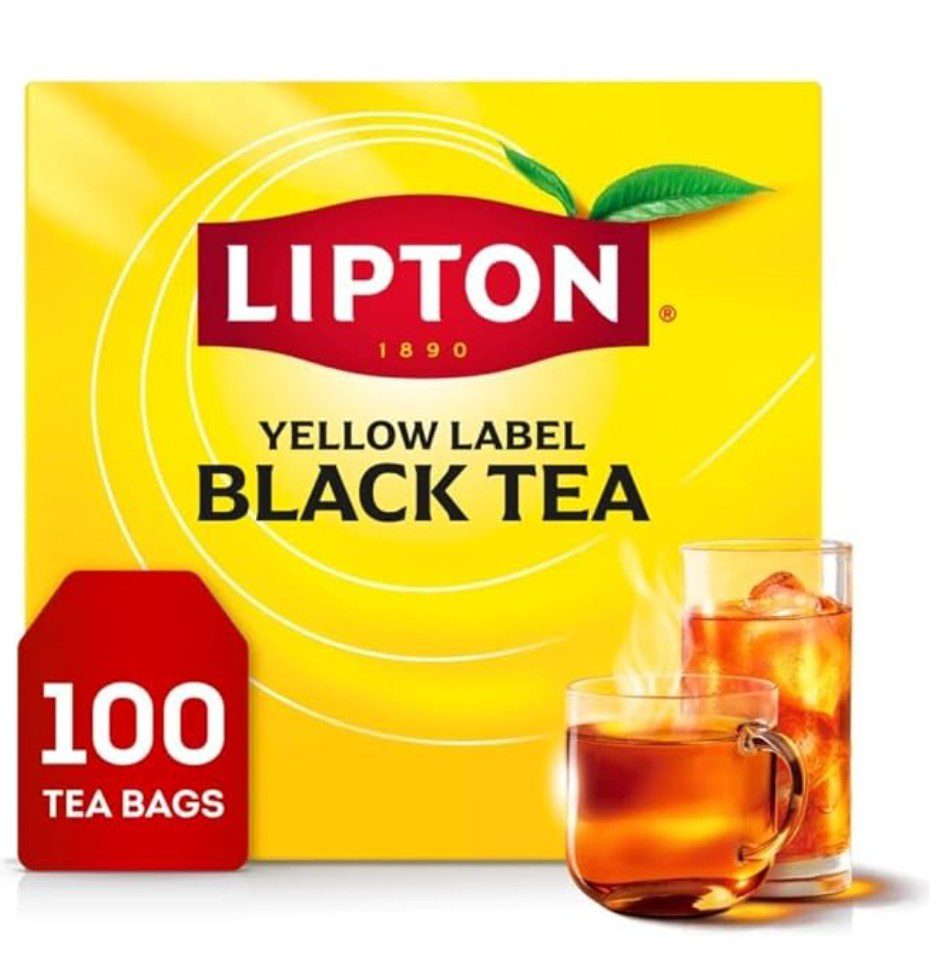
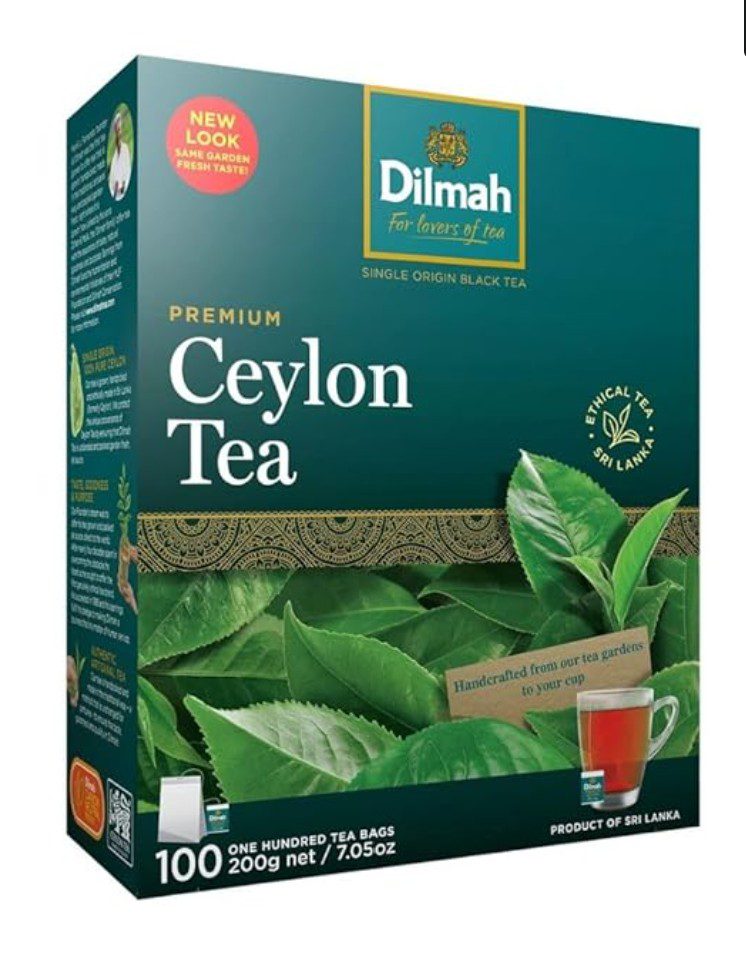
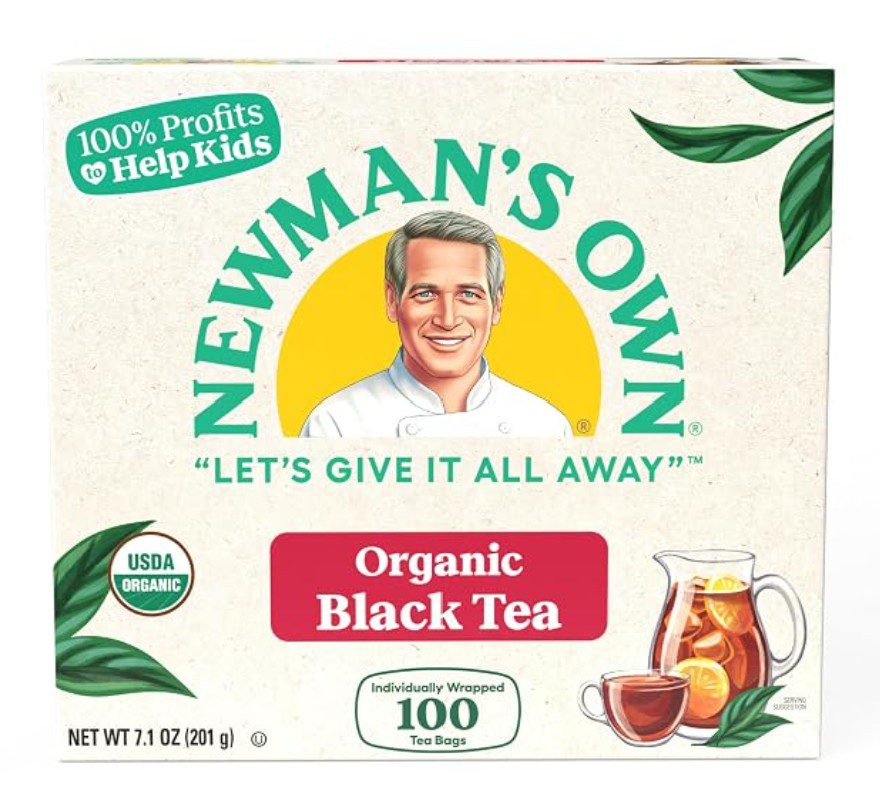
View ProductLipton Black Tea, Ceylon Tea, and Newman's Own Organic Black Tea are all plain, unflavored black teas — kosher for Passover without needing any special supervision, per Orthodox Union and cRc guidance as per the 2026 guide. (They will be reviewed again in 2027) They're an easy, budget-friendly choice for everyday drinking throughout the holiday. For a ready-made cold option, Wissotzky's OU-P certified Iced Tea 3-pack is a convenient grab-and-go pick for warmer Chol Hamoed afternoons.
🔎 What to Look For
A quick, practical guide to choosing Passover tea with confidence.
Plain tea needs no certification. Unflavored black, green, and white tea bags are acceptable for Passover without special supervision, according to the Orthodox Union's Passover guidelines.
Flavored and herbal teas need real certification. Anything with added flavoring, fruit, or botanicals — like Earl Grey, fruit blends, or herbal teas — requires a valid Kosher for Passover hechsher on the box. Look for the "P" alongside the kashrut symbol.
Decaf and instant tea always need certification. Decaffeinated and instant teas require special Passover certification unless specifically listed as approved with a regular symbol — never assume decaf is automatically fine.
Look for the actual symbol on the box. Even when a category of tea is generally accepted, the safest approach is always to check the physical packaging for the certifying agency's mark each year, since formulations can occasionally change.
When in doubt, ask your local Kashrut authority. This guide reflects our best research, but your own rabbi or local kashrut authority is always the final word on questionable products.

❓ Frequently Asked Questions
Everything you need to know about tea on Passover.
Does plain tea need Kosher for Passover certification?
No. Unflavored black, green, and white tea bags are acceptable for Passover without special supervision, per Orthodox Union guidelines.
Is flavored tea kosher for Passover?
Only if it carries a valid Kosher for Passover certification. Flavored teas like Earl Grey or fruit blends require reliable KFP supervision because of the added flavoring agents.
What about herbal tea — does it need certification too?
Yes. Herbal teas need the same Passover certification as flavored teas since they can include a variety of botanicals and flavoring ingredients.
Is decaf tea kosher for Passover?
Not automatically. Decaffeinated and instant teas require special Passover certification unless specifically listed as approved — always check the box for the symbol.
Are Wissotzky teas kosher for Passover?
Yes — the Wissotzky teas featured in this guide, including the flavored and herbal varieties, carry the OU-P symbol.
Can I use Lipton or Ceylon black tea on Passover?
Yes. Plain, unflavored Lipton and Ceylon black tea are kosher for Passover without special supervision, the same as any other unflavored black tea.
Is bottled or canned iced tea kosher for Passover?
Ready-to-drink iced tea typically contains added flavoring or sweetener, so it needs a valid Kosher for Passover certification — look for the "P" symbol on the packaging.
Should I double-check the certification every year?
Yes. Even for reliably certified brands, it's good practice to check the box each Passover season, since formulations and certifying agencies can occasionally change.
The Kosher Hub is not a Kosher Authority. For any advice please refer to your local Kashrut Authority.
As an Amazon Affiliate we earn from qualifying purchases.









Understanding Our Kosher Certifications
The Kosher Hub references products certified by recognized kosher authorities, including OU, OK, Star-K, Kof-K, and CRC. Certification symbols and status can change, so always confirm the current kosher status directly on the product packaging or via the certifying agency's own listings before purchasing.