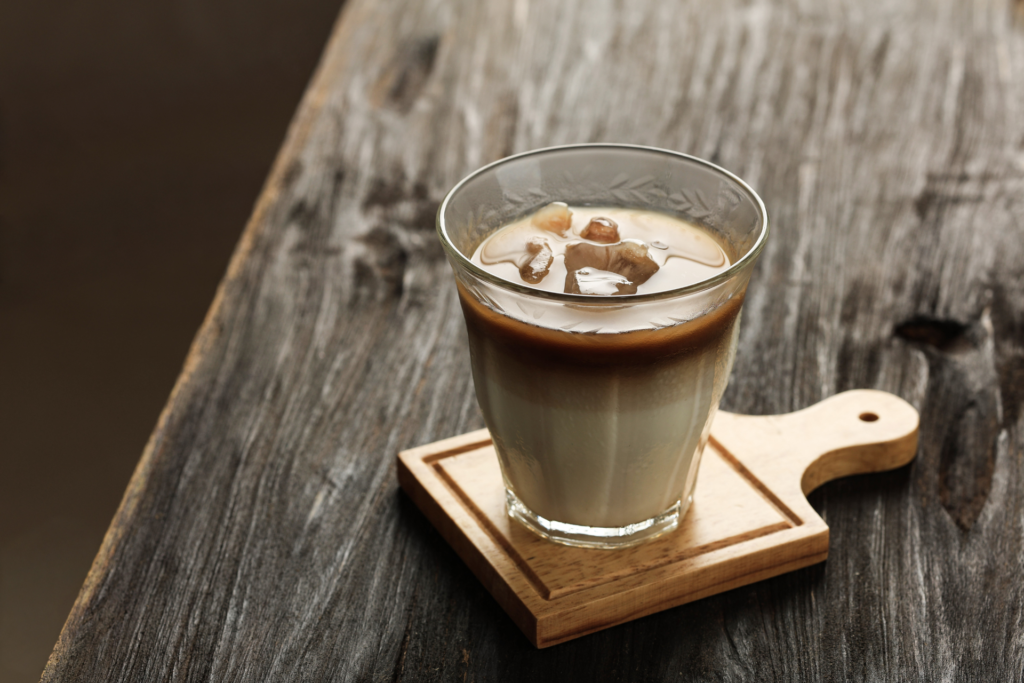
Finding kosher for Passover coffee shouldn't mean giving up your morning cup while you're busy koshering the kitchen and prepping for the seder. The good news is that plain, unflavored ground or whole bean coffee carrying a regular OU symbol is already acceptable for Passover without any special certification — it's instant, decaf, and flavored coffees that need the extra OU-P mark, since those often involve processing agents like maltodextrin or decaffeination solvents that can introduce chametz or kitniyot. Below we've rounded up classic drip brands, whole bean options, and specialty roasters so you can brew with confidence from the moment the chametz search is done through the last day of the holiday. Every product on this list is shelf-stable and available on Amazon.
☕ Classic American Coffee Brands
The everyday drip brands your family already knows — now Passover-certified.

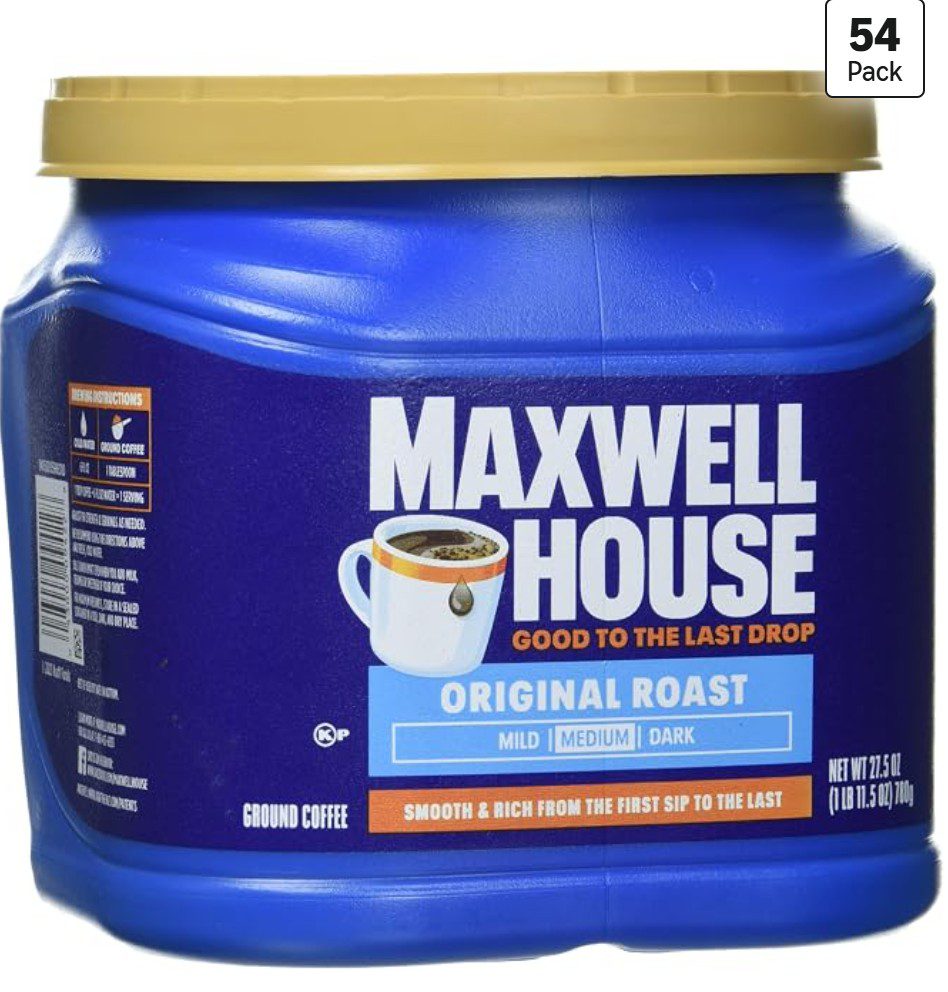
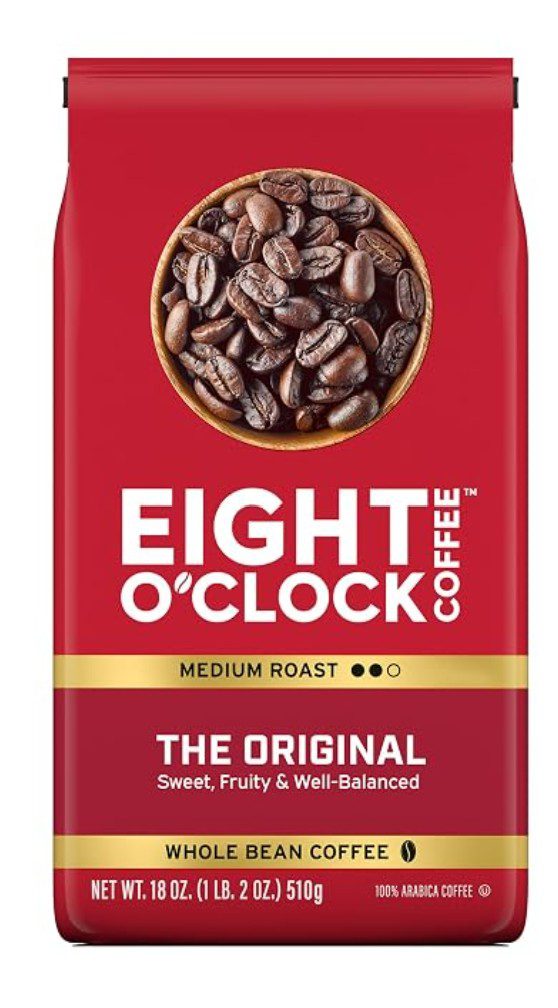
These three brands are the ones most families reach for the rest of the year, which makes them an easy swap-in for Pesach — as plain, unflavored ground coffee bearing the regular OU symbol, no special Passover run is required. Folgers and Maxwell House both offer pre-ground options that go straight into a Passover-designated drip maker or French press, while 8 O'Clock's whole bean format is a good pick if you're grinding fresh each morning. All three are pareve, dairy-free, and suitable for the entire eight days of the holiday, including Chol HaMoed — just be sure to stick to the plain, caffeinated versions rather than any decaf or flavored variants from these brands, which would need OU-P specifically.
🌱 Whole Bean & Specialty Coffee
A step up for guests and long seder mornings.
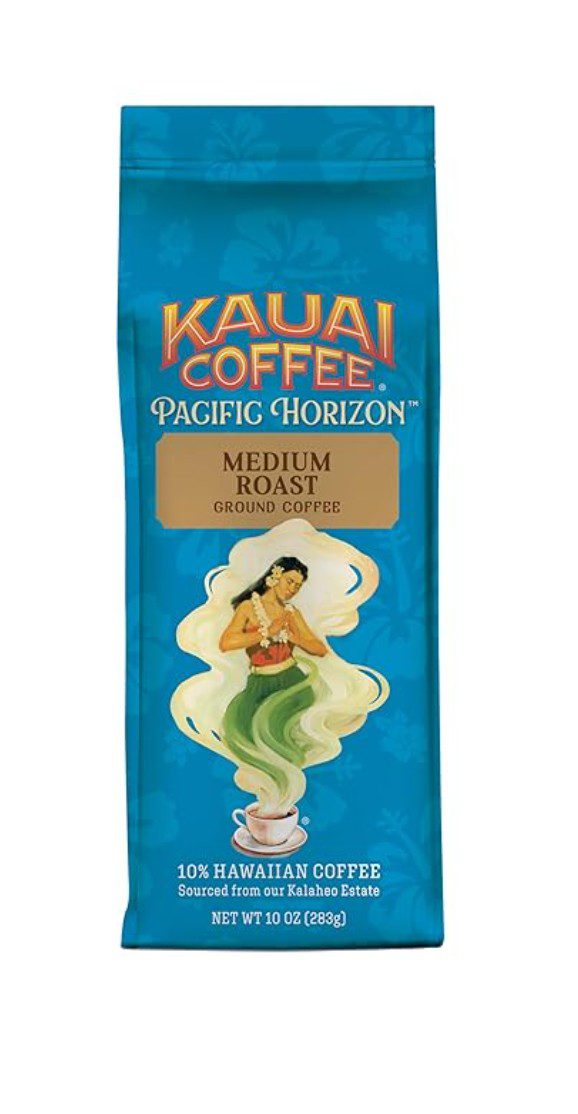
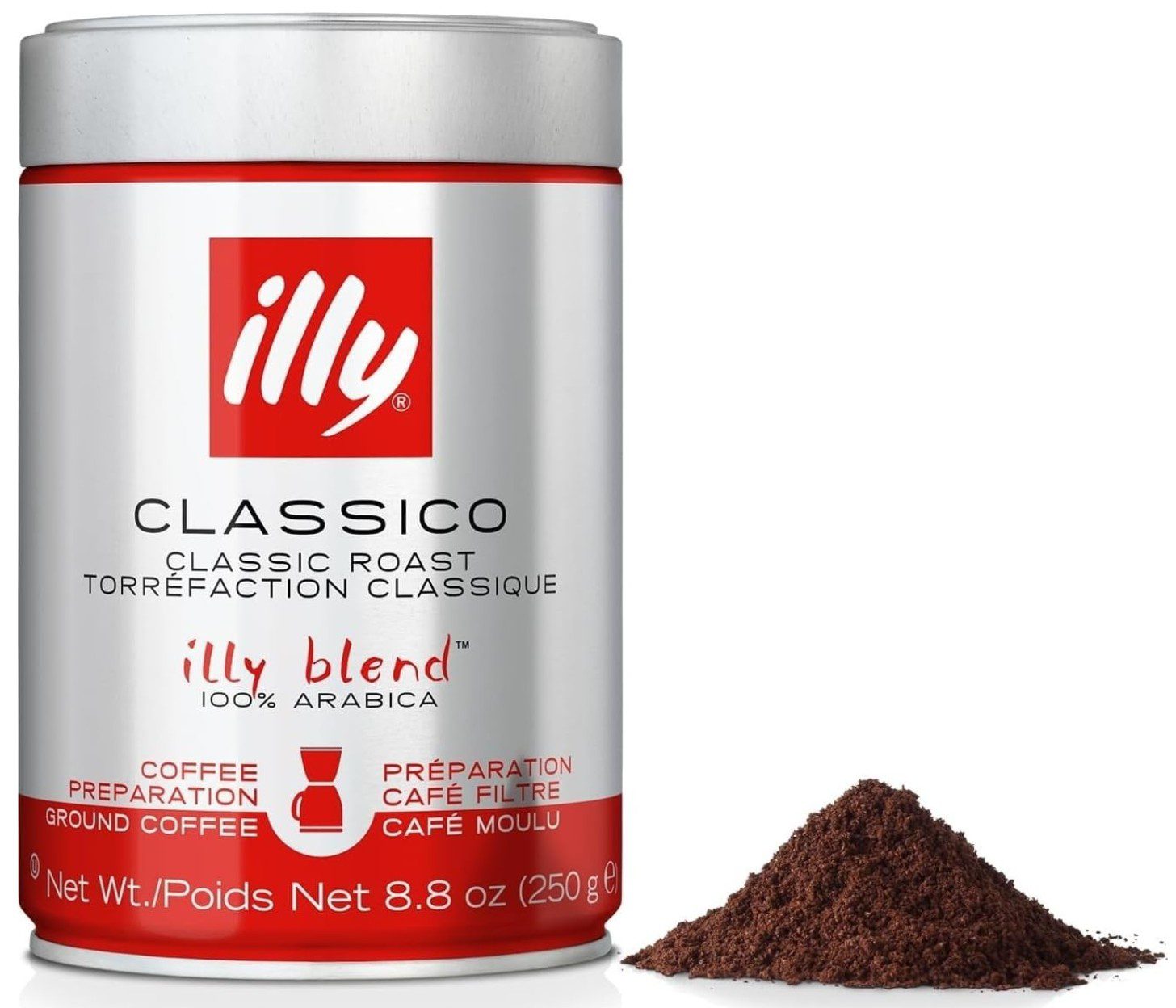
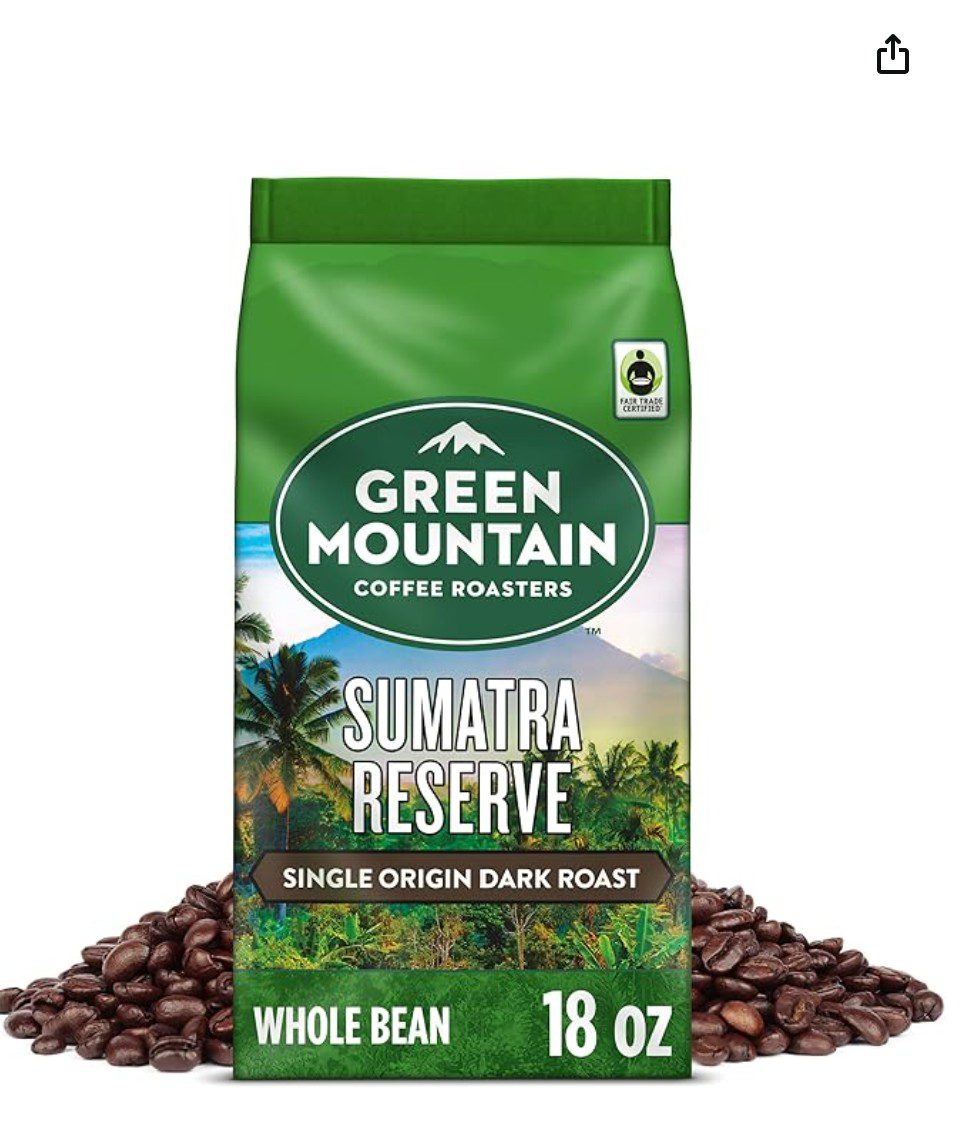
If you're hosting a full seder table, a whole bean coffee gives you a fresher, more aromatic cup — and all three of these roast profiles are approachable enough for guests who aren't usually coffee snobs. Kauai's naturally low acidity is easy on the stomach after a heavy meal, Illy brings an espresso-bar feel to your Passover-designated French press or moka pot, and Green Mountain splits the difference with a classic medium roast. As with the classic brands above, a plain, unflavored whole bean coffee bearing the regular OU symbol is Passover-acceptable as is — no separate OU-P run needed for these.

🔥 Premium & Craft Coffee Roasters
For coffee lovers who want something a little more distinctive over Yom Tov.
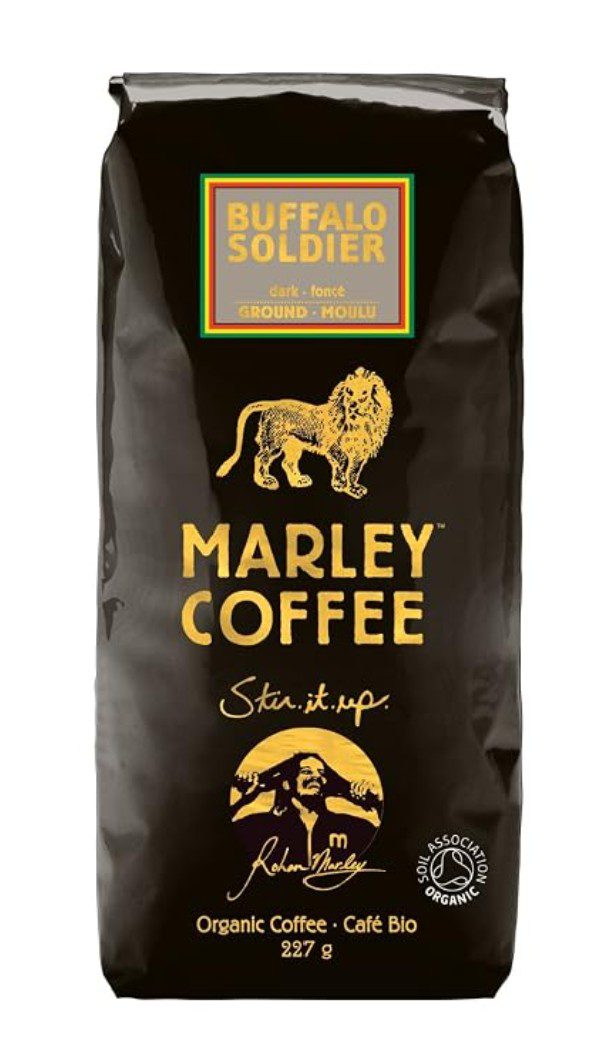
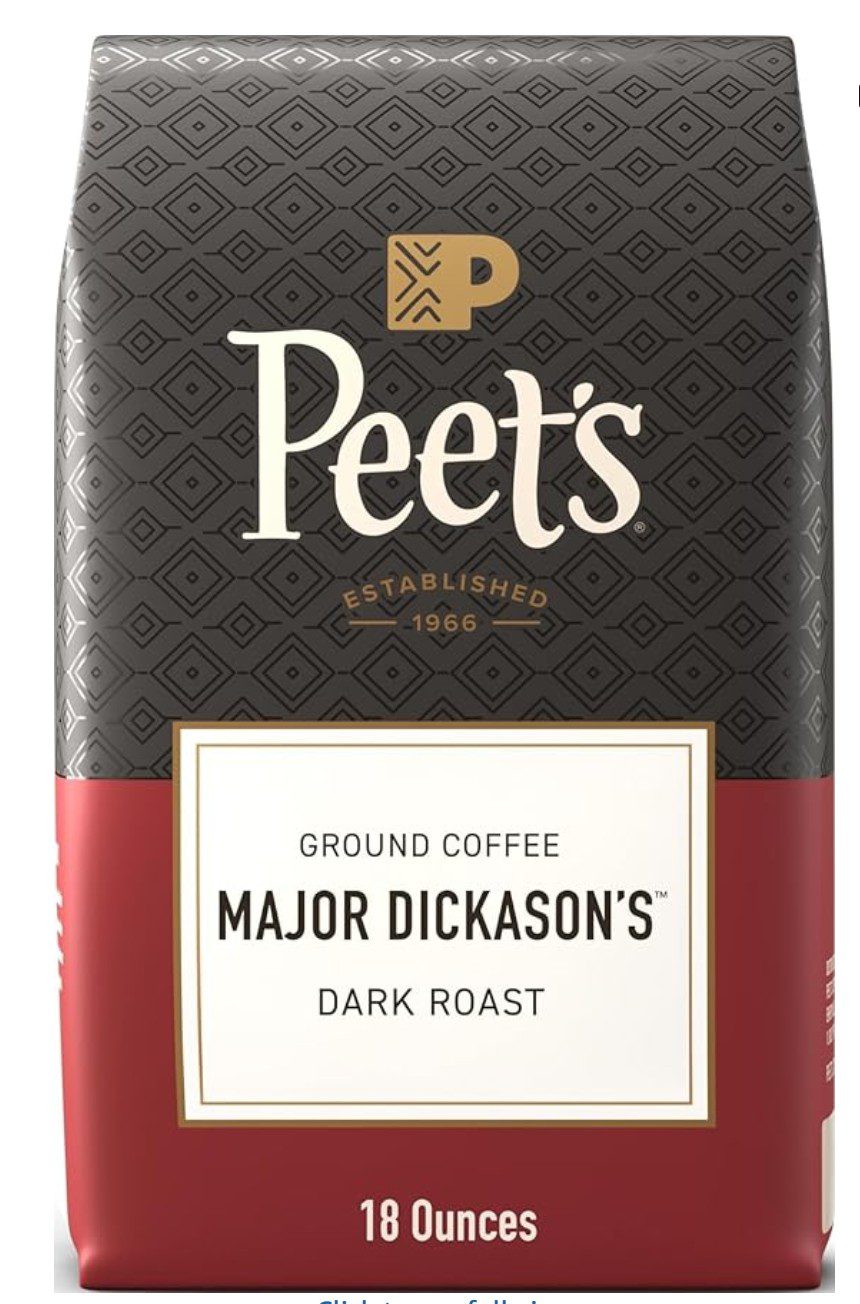
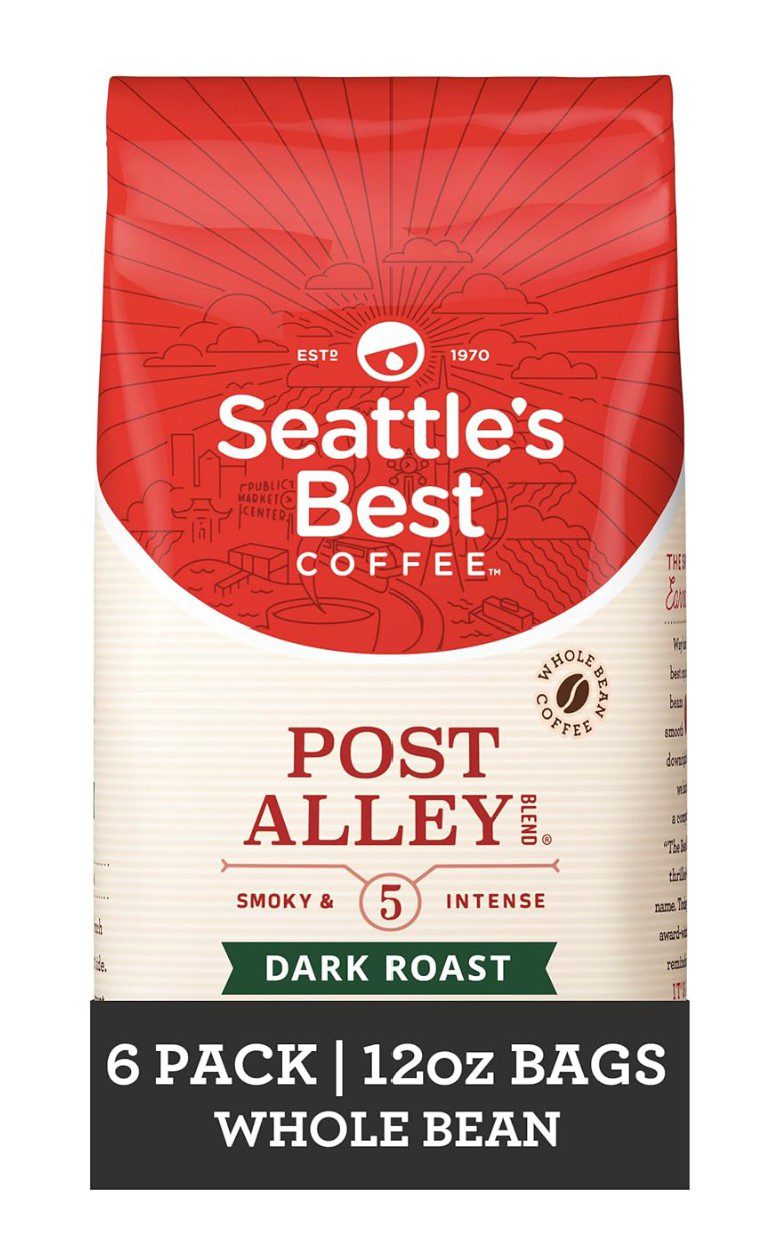
This trio is for the coffee drinker in the house who notices the difference between a standard drip roast and a proper craft blend. Marley Coffee's Buffalo Soldier and Peet's Major Dickason's Blend are both dark, punchy roasts that hold up well with milk (dairy meals only, of course — keep them off the meat table), while Seattle's Best offers a milder, crowd-pleasing middle ground. Note that Peet's is fulfilled through our coffeehouse retail partner rather than Amazon directly, so the "View Product" button will take you to Peet's own site.

🔎 What to Look For
A few things worth knowing before you buy.
Coffee beans are inherently pareve and chametz-free, and plain coffee is one of the easier Passover categories — but it still pays to know which types need extra certification and which don't. A few things to check before you buy:
Plain, unflavored ground or whole bean coffee only needs a regular OU. If the coffee is unflavored and not decaffeinated, a standard year-round OU symbol is enough — it doesn't need the special OU-P mark or a separate Passover production run.
Flavored, decaf, and instant coffee do need OU-P. Flavoring agents, decaffeination solvents, and fillers like maltodextrin used in instant coffee can introduce chametz or kitniyot, so these categories require the specific OU-P symbol on the package rather than a regular OU.
Don't assume — check the package. Packaging and formulations can change year to year, so it's worth glancing at the label each Pesach season rather than assuming last year's product is still the same.
Dedicate your brewing equipment. Even with an acceptable coffee, a coffee maker used year-round for chametz products should be koshered for Passover or replaced with a Passover-designated pot, French press, or single-use filter setup.

❓ Frequently Asked Questions
Everything you need to know about kosher for Passover coffee.
Is regular coffee kosher for Passover?
Yes — plain, unflavored ground or whole bean coffee that carries a regular OU symbol is acceptable for Passover without needing the special OU-P certification. This applies to non-decaf, non-instant coffee specifically; decaf, flavored, and instant coffees need OU-P.
Why do some coffees need OU-P while others don't?
Plain roasted coffee beans have no chametz or kitniyot risk, so a standard OU symbol is sufficient. Flavored coffees, decaf (often processed with solvents derived from chametz or kitniyot), and instant coffee (which frequently contains maltodextrin, a corn- or wheat-derived filler) all carry a higher risk of non-Passover ingredients, which is why those specific categories require the OU-P mark.
Can I use my everyday coffee maker for Passover coffee?
A coffee maker used year-round for chametz needs to be koshered for Pesach or set aside in favor of a dedicated Passover-only coffee maker, French press, or percolator, since chametz residue can linger in gaskets and internal parts.
Is instant coffee kosher for Passover?
Some instant coffees are certified OU-P, but not all — instant coffee goes through a different production process than ground or whole bean coffee, so always check the specific product's packaging for the OU-P symbol rather than assuming it matches other products from the same brand.
Are flavored or decaf coffees kosher for Passover?
Flavored coffees and decaf varieties are more likely to involve added ingredients or a decaffeination process that requires its own certification, so they need explicit OU-P approval on the package. Plain, regular (caffeinated) coffee is generally the more reliable option for Passover.
What does the OU-P symbol mean on a coffee package?
OU-P means the Orthodox Union has certified that specific product as suitable for Passover use for that particular run. For coffee, you'll only see it on decaf, flavored, and instant varieties — plain ground or whole bean coffee doesn't need it, a regular OU symbol is enough.
Can I drink coffee made outside my home during Passover?
Coffee purchased from a coffee shop or restaurant during Passover carries the same certification concerns as store-bought coffee, and the equipment used to brew it may not be Passover-koshered. It's best to bring your own certified coffee and, where possible, your own filter or brewing method when away from home.
Where can I buy kosher for Passover coffee?
Most of the major coffee brands featured above are available year-round on Amazon, with dedicated Passover runs typically stocked in the weeks leading up to the holiday. Check the product listing photos for the OU-P symbol before ordering, since regular and Passover packaging can look nearly identical.
The Kosher Hub is not a Kosher Authority. For any advice please refer to your local Kashrut Authority.
As an Amazon Affiliate we earn from qualifying purchases.




Understanding Our Kosher Certifications
The Kosher Hub references products certified by recognized kosher authorities, including OU, OK, Star-K, Kof-K, and CRC. Certification symbols and status can change, so always confirm the current kosher status directly on the product packaging or via the certifying agency's own listings before purchasing.