
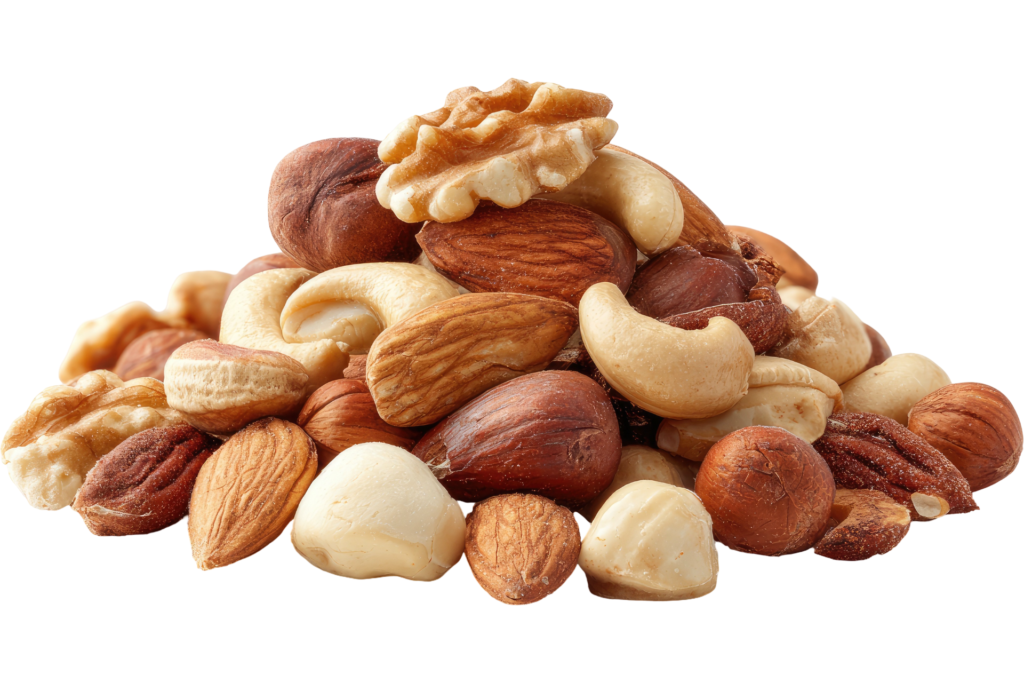
Are nuts kosher for Passover? The short answer is yes — most tree nuts are kosher for Passover, but whether a specific bag needs a Passover-specific hechsher depends entirely on how it was shelled, roasted, and packaged. Raw nuts in the shell are considered a whole, unprocessed food and don't require special certification. Once nuts are shelled, roasted, salted, or ground into flour, though, they may be run on equipment that also handles chametz grains or kitniyot-based oils, so a reliable "Kosher for Passover" symbol becomes important. The one nut most people ask about — peanuts — isn't actually a tree nut at all; it's a legume, which is why many Ashkenazi Jews avoid it under the custom of kitniyot. Below we've rounded up nuts that are certified kosher for Passover, along with a plain-English guide to reading nut labels correctly and a look at what the current OU Passover Guide says on the subject.
🥜 KFP Nuts You Can Trust
Verified kosher-for-Passover nut products — no label guesswork required.
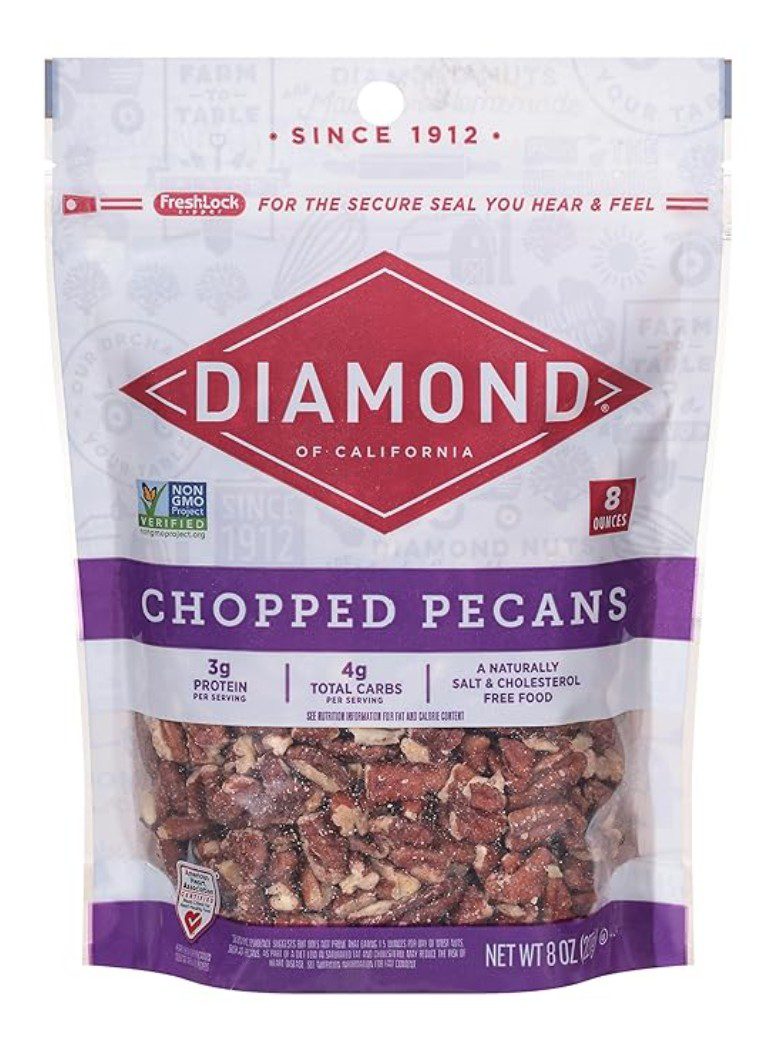
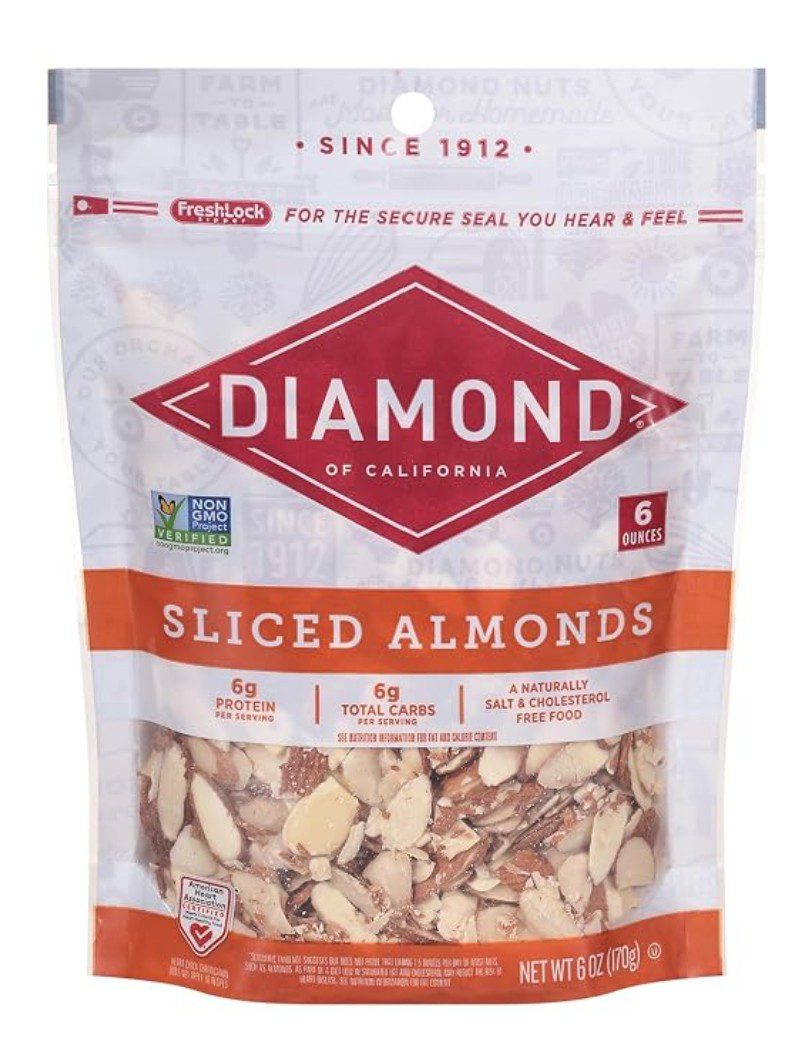
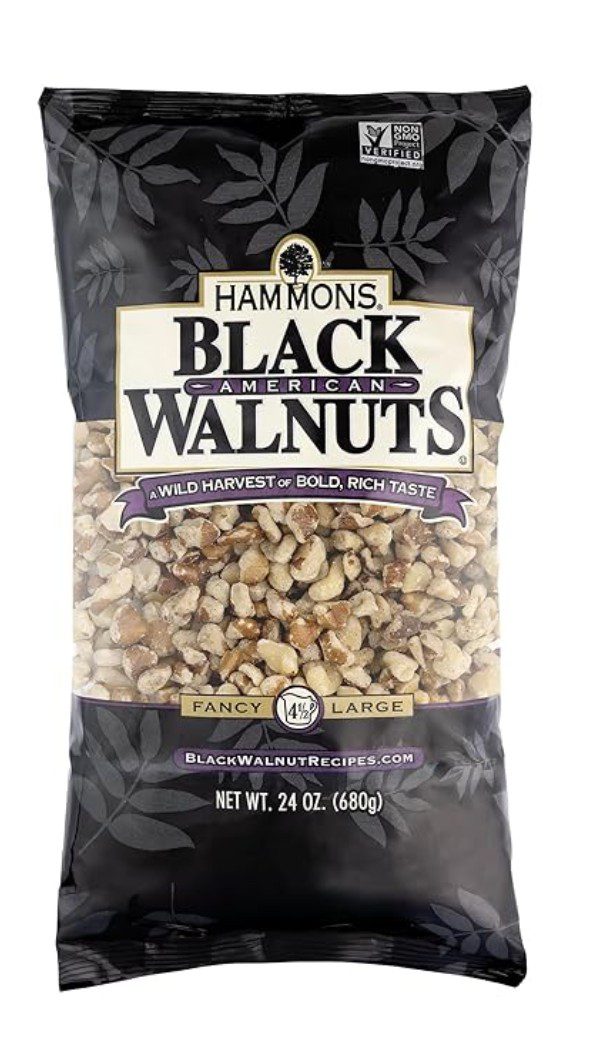
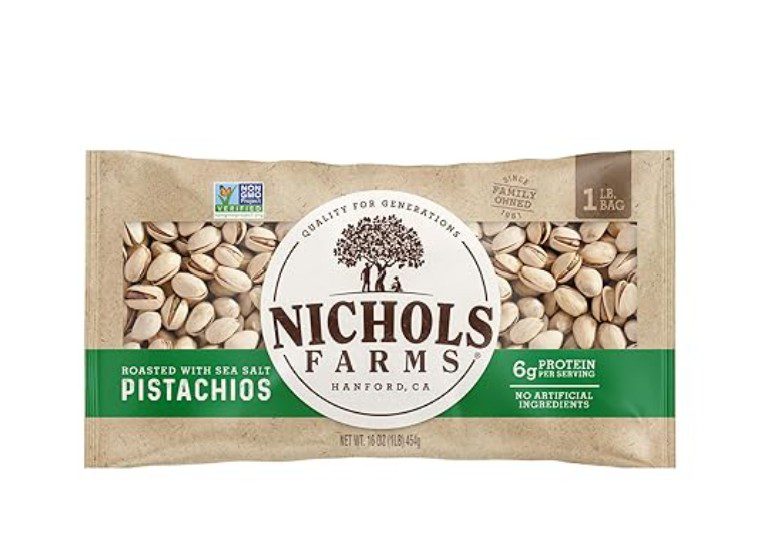
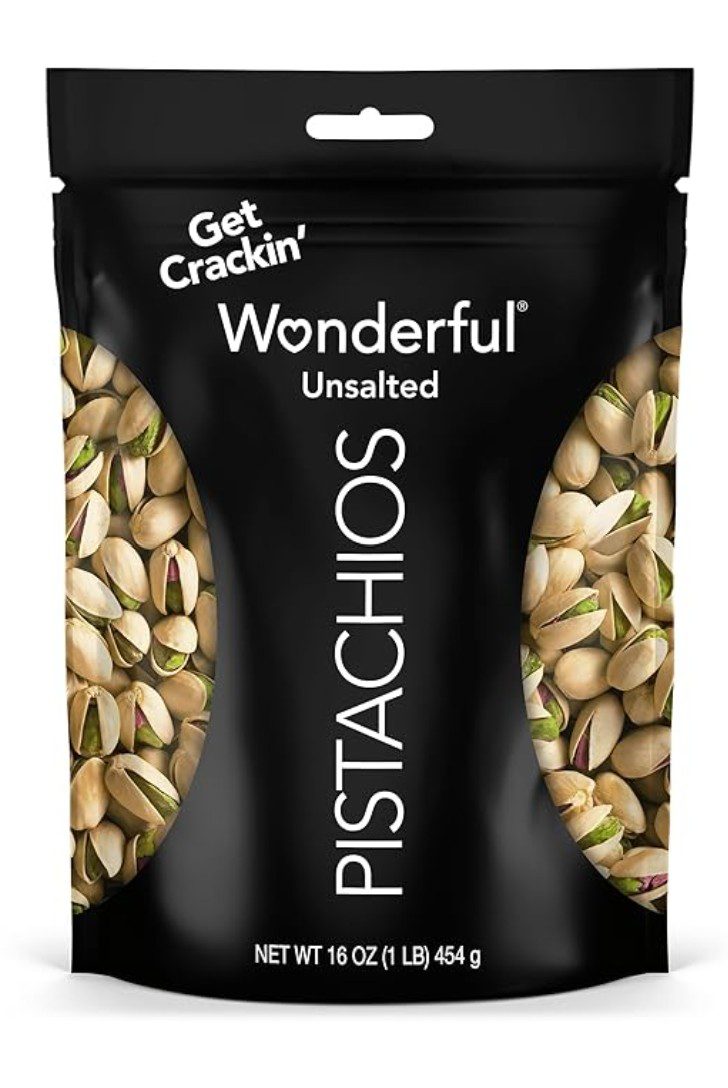
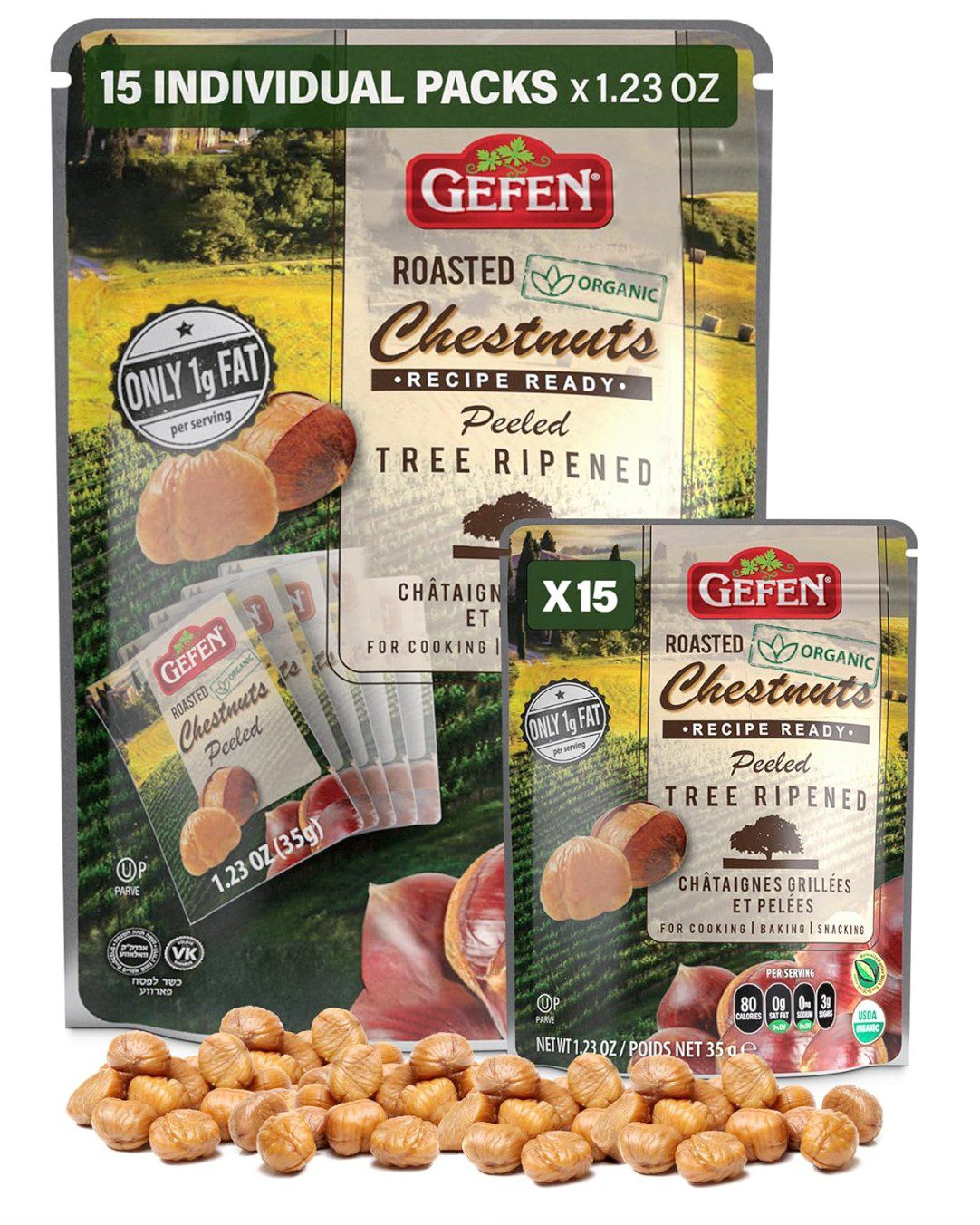
All six of these are pareve, kitniyot-free, and carry Passover certification, so they can be used across meat or dairy meals without concern. Pecans and walnuts work well chopped into charoset or scattered over roasted vegetables, both pistachio options are naturally suited to a Seder-table nut bowl or a Passover-week snack drawer, and the chestnuts are an easy addition to soups, stuffings, or a simple roasted side. As always, check the packaging each season — supervision can move from company to company even when the product name stays the same.

❓ Is It Chametz or Kitniyot?
Understanding how nuts are classified under Jewish law.
Why nuts are not chametz. Chametz refers specifically to five grains — wheat, barley, rye, oats, and spelt — that have come into contact with water and been allowed to ferment for more than 18 minutes. Nuts are botanically seeds or fruits of trees, not cereal grains, so they can never technically become chametz. This is why raw nuts in the shell are permitted without any special certification: they're a whole, unprocessed food that has had no contact with grain or leavening.
The kitniyot classification. Kitniyot is a separate category — legumes, beans, peas, rice, corn, and certain seeds — that Ashkenazi Jews customarily avoid on Passover, largely because these foods were historically stored or milled alongside grain and could be confused with chametz. Most tree nuts, including walnuts, almonds, pecans, cashews, and hazelnuts, are not considered kitniyot. Peanuts are the exception: because they grow underground and are technically a legume, most Ashkenazi authorities classify them as kitniyot, so they're customarily avoided for the holiday by those who keep this custom.

🌍 Ashkenazi vs. Sephardic Customs
How tradition shapes which nuts land on the table.
Ashkenazi customs. Ashkenazi Jews, whose traditions trace back to Eastern Europe, have historically been the most restrictive around kitniyot, which is why peanuts are typically excluded from their Passover table. Many Ashkenazi households also look for the most stringent certifications on processed nuts, since shared factory equipment may have run wheat or barley-based products earlier in the day.
Sephardic customs. Sephardic Jews, from North Africa, the Middle East, and Spain, generally do not observe the kitniyot custom, so peanuts and peanut-based products are often permitted in these households. Sephardic authorities still require checking for actual chametz contamination, and in many homes rice and legumes are sifted by hand to rule out stray wheat kernels.
Because these customs vary by community and by family, if you're unsure which approach applies to you, it's always best to ask your own Rabbi.
📋 What the 2026 OU Passover Guide Says About Nuts
Straight from this year's official guide — checked and updated annually.
Every year we pull the current OU Passover Guide to confirm the latest word on nuts, since supervision guidance can shift from one season to the next. Here's what the 2026 edition says:
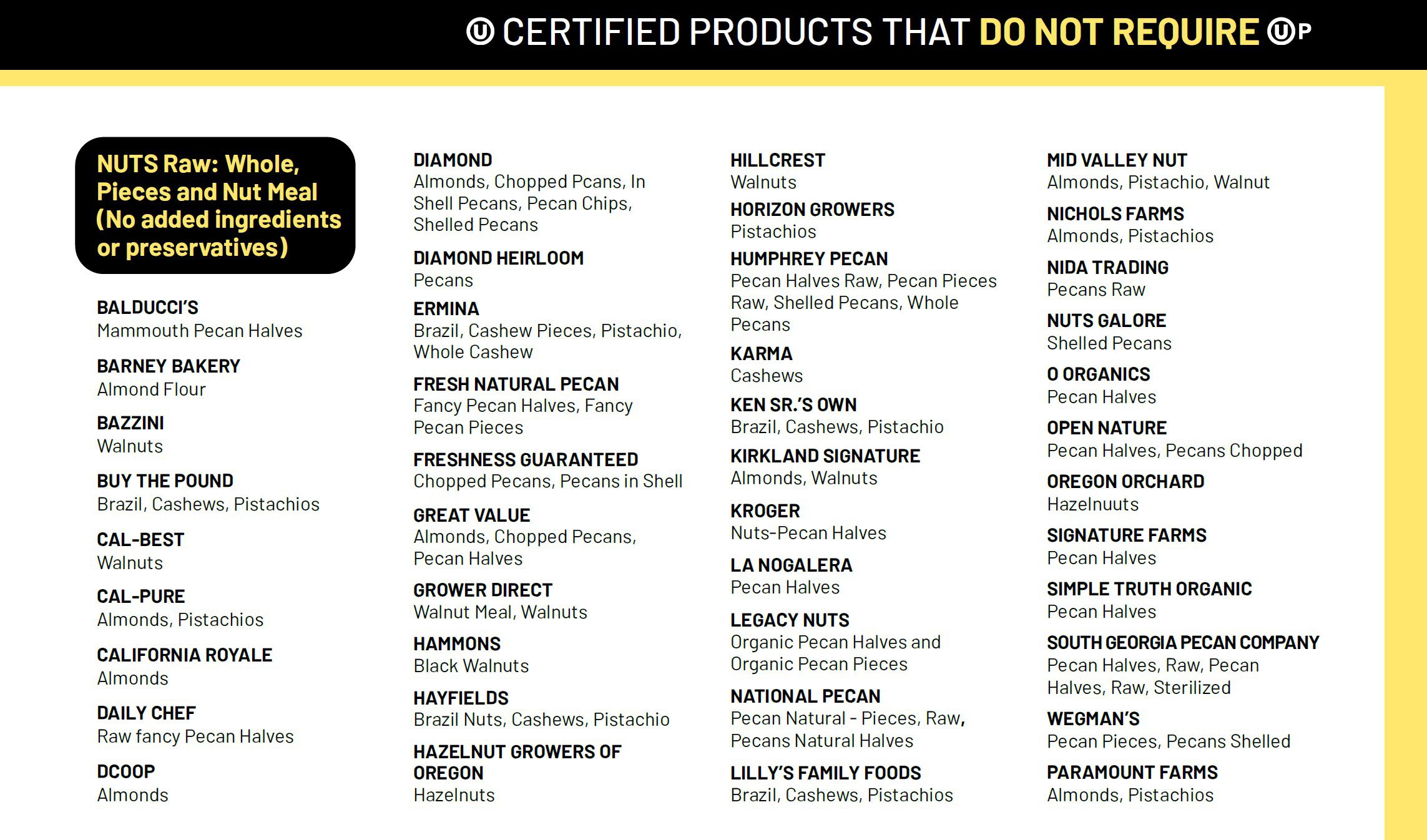
Guidance can be updated by the OU during the season, so always confirm against the current-year guide before you shop, and check the specific product's packaging for its own certification.
🔎 What to Look For
Genuine kosher-for-Passover nut buying guidance.
Raw nuts in the shell — whole walnuts or pecans still in their hard shells — don't require any special Passover certification. They're considered a whole food in its natural state, provided the bag contains no other additives.
Shelled raw nuts carry more risk, since the shelling equipment may also process grain-based products, and some nuts are treated with preservatives like BHA or BHT that can be suspended in grain-based oils. As a rule of thumb, shelled nuts (whole, slivered, or chopped) are generally fine without a "P" symbol only if they're raw with no additives on the label — but if in doubt, choose a product with a reliable Passover hechsher.
Roasted and flavored nuts almost always need Passover certification. Roasting can involve flour-based dry methods or kitniyot-based oils, and flavored nuts often contain maltodextrin, starch, or yeast — all problematic for Passover use.
Nut flours and meals are ground finely enough that the risk of shared milling equipment is high, so only buy almond flour or walnut meal that's specifically certified for Passover.

💬 Frequently Asked Questions
Common questions about nuts and Passover.
1. Are cashews considered kitniyot?
No, cashews are tree nuts and are not classified as kitniyot. They're permitted for both Ashkenazi and Sephardic Jews, provided they're raw with no additives, or carry a reliable Passover certification if roasted.
2. Why does almond flour need a "P" if it's just almonds?
Finely ground products like almond flour are often produced in mills that also process wheat. The "P" symbol confirms the milling equipment was properly cleaned and kosherized for Passover use so no trace of wheat flour enters the mix.
3. Can I use peanut oil if I'm Ashkenazi?
Traditionally, no. Peanut oil is derived from a legume and is considered kitniyot. Most modern North American certifications don't label peanut oil as kosher for Passover for Ashkenazim, even highly refined versions.
4. Are pistachios okay to eat on Passover?
Yes, pistachios are tree nuts. If purchased in the shell and unroasted, unsalted, they generally don't require certification. If shelled or roasted, look for a Passover symbol like the ones on our Nichols Farms and Wonderful Pistachios picks above.
5. What should I do if I already bought shelled nuts with BHA/BHT and no Passover certification?
It's best to set them aside for use after the holiday. Because these additives can be derived from grain sources, they're not recommended for use during Passover.
6. Do walnuts and pecans need a Passover symbol?
Whole or half pecans and walnuts that are raw and additive-free are generally fine without a "P," but chopped, pieces, or meal versions run a higher contamination risk from processing equipment, so a reliable Passover hechsher is recommended — which is why the products above carry one.
7. Where can I check the latest OU nut guidance myself?
The OU publishes an updated Passover Guide each year covering nuts and dozens of other categories. We reference the current edition above and re-check it every season, since specific product approvals can change from year to year.
The Kosher Hub is not a Kosher Authority. For any advice please refer to your local Kashrut Authority.
As an Amazon Affiliate we earn from qualifying purchases.




Understanding Our Kosher Certifications
The Kosher Hub references products certified by recognized kosher authorities, including OU, OK, Star-K, Kof-K, and CRC. Certification symbols and status can change, so always confirm the current kosher status directly on the product packaging or via the certifying agency's own listings before purchasing.