
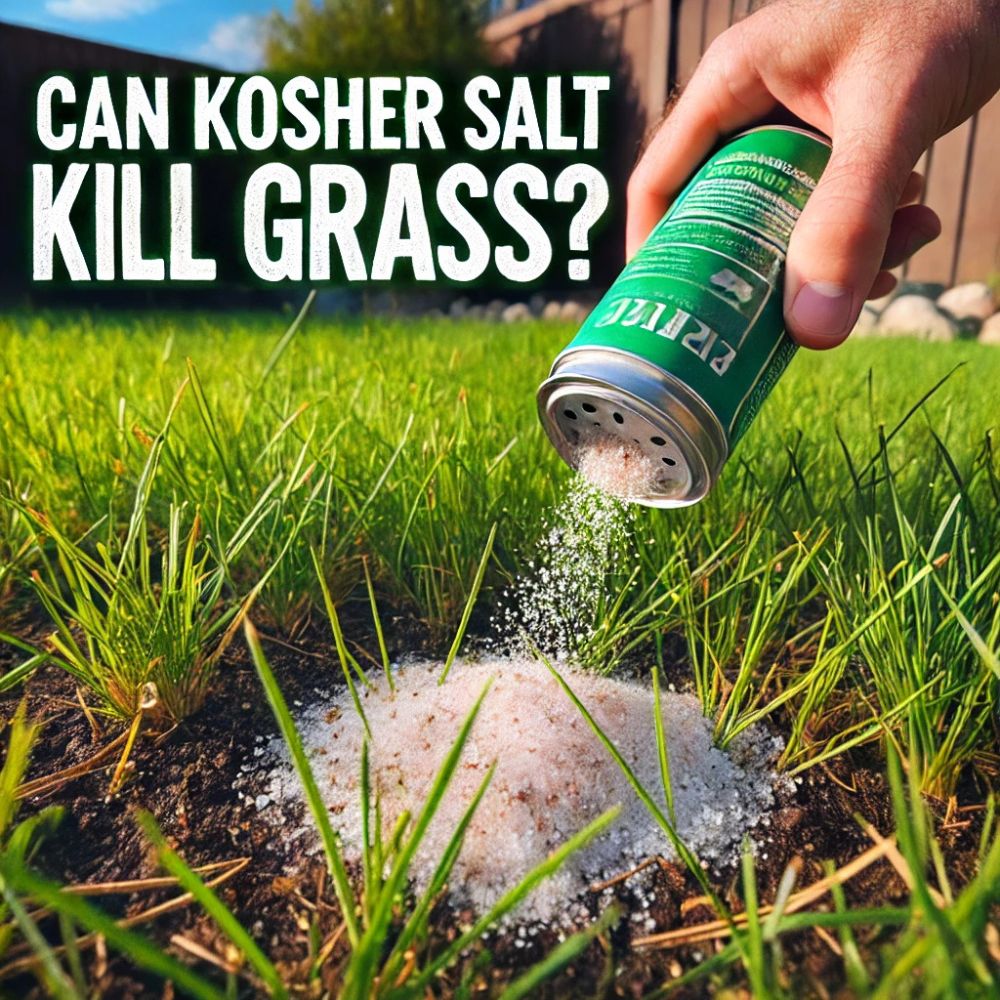
Can kosher salt kill grass? Yes — and it does so surprisingly effectively. Like all salt, kosher salt acts as a desiccant that draws moisture out of plant cells through osmosis, disrupting the plant's ability to absorb water and causing it to wilt and eventually die. It's a method people have used for centuries to clear unwanted vegetation from driveways, gravel paths, and sidewalk cracks. But before you reach for the Diamond Crystal, there are some important things to know — because salt in soil doesn't just disappear. It can remain in the ground for years, making it infertile for future planting, and runoff can damage grass, flowers, and shrubs you actually want to keep. This guide covers how kosher salt kills grass and weeds, how to use it safely and effectively, when not to use it, and the best alternative weed control products available on Amazon that won't leave lasting damage to your soil.
🌿 How Does Kosher Salt Kill Grass and Weeds?
Kosher salt kills grass and weeds through a process called osmosis. When salt is applied to or around a plant, it draws moisture out of the plant's cells — effectively dehydrating them from the inside out. The plant loses its ability to absorb water through its roots, causing it to wilt, yellow, and eventually die. This works on virtually all plant life, which is why salt needs to be applied carefully and only where you genuinely don't want anything growing.
The same process that makes kosher salt effective against weeds also makes it a long-term soil steriliser. Sodium chloride doesn't biodegrade — it binds to soil particles and can remain in the ground for months or even years, preventing new growth. This is fine for a gravel driveway or a paved path where you never want plant growth. It's not suitable for garden beds, lawns you want to reseed, or areas near drainage where runoff could reach plants you value.
The coarse grain structure of kosher salt makes it slightly slower to dissolve than fine table salt, but it's equally effective once dissolved and absorbed into the soil. There is no meaningful advantage to using kosher salt over regular table salt for weed control — the effect is the same. If your goal is simply to kill weeds with salt, any non-iodized coarse salt will do the job.
📋 How to Use Salt to Kill Weeds — Step by Step
Two methods — dry application and salt spray — and when to use each.
Method 1 — Dry Salt Application
- Choose a dry, windless day
- Sprinkle kosher salt directly at the base of the weeds
- Avoid applying salt where runoff could reach lawn or garden beds
- Best used on gravel paths, driveways, or patio cracks
- Reapply after heavy rain if weeds persist
⚠️ Do not use on soil you plan to replant — salt persists in the ground.
Method 2 — Salt & Vinegar Spray
- Mix 1 cup kosher salt with 2 cups white vinegar
- Add a few drops of dish soap (helps it stick to leaves)
- Stir until salt is fully dissolved
- Pour into a spray bottle or garden sprayer
- Spray directly onto weed leaves on a sunny, dry day
- Avoid contact with plants you want to keep — this is non-selective
⚠️ Spot treatment only — do not use near garden beds or lawn edges.
🌱 Better Weed & Grass Killers on Amazon
More effective, faster acting, and less damaging to your soil than salt.
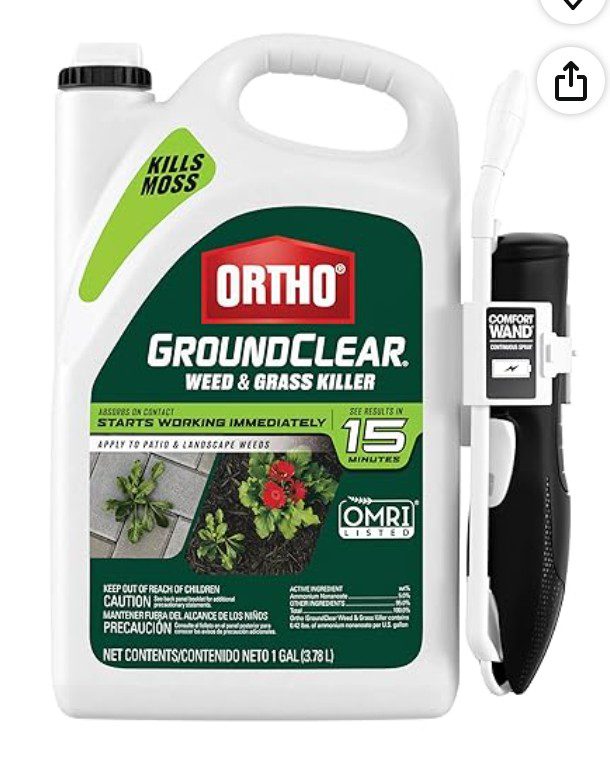
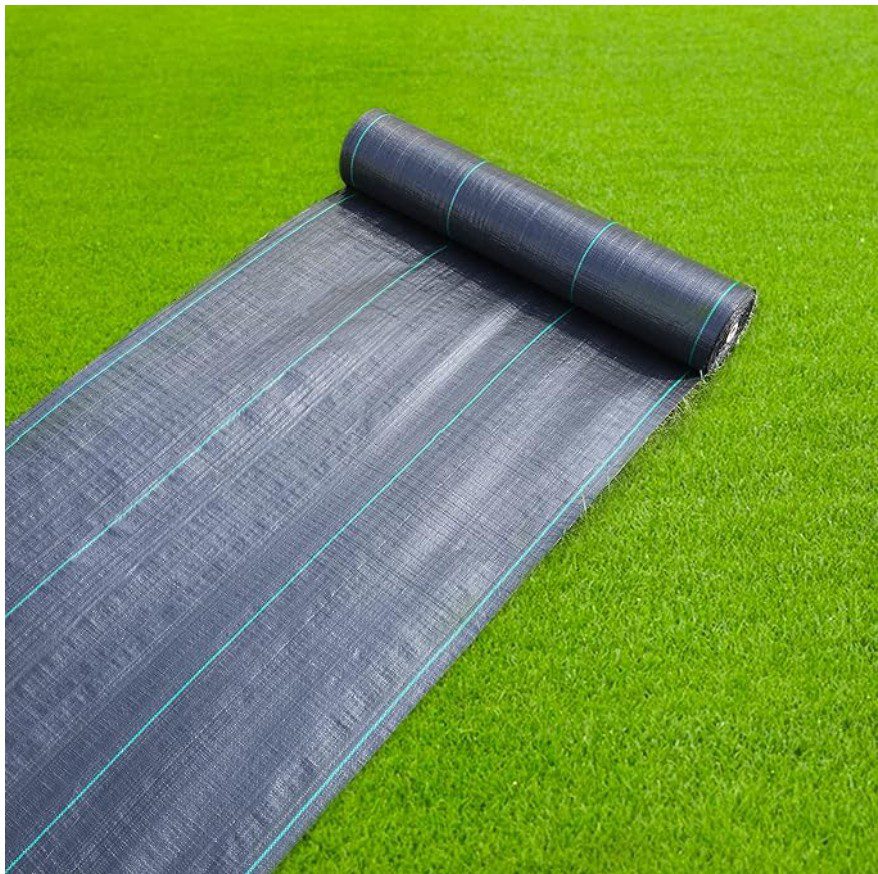
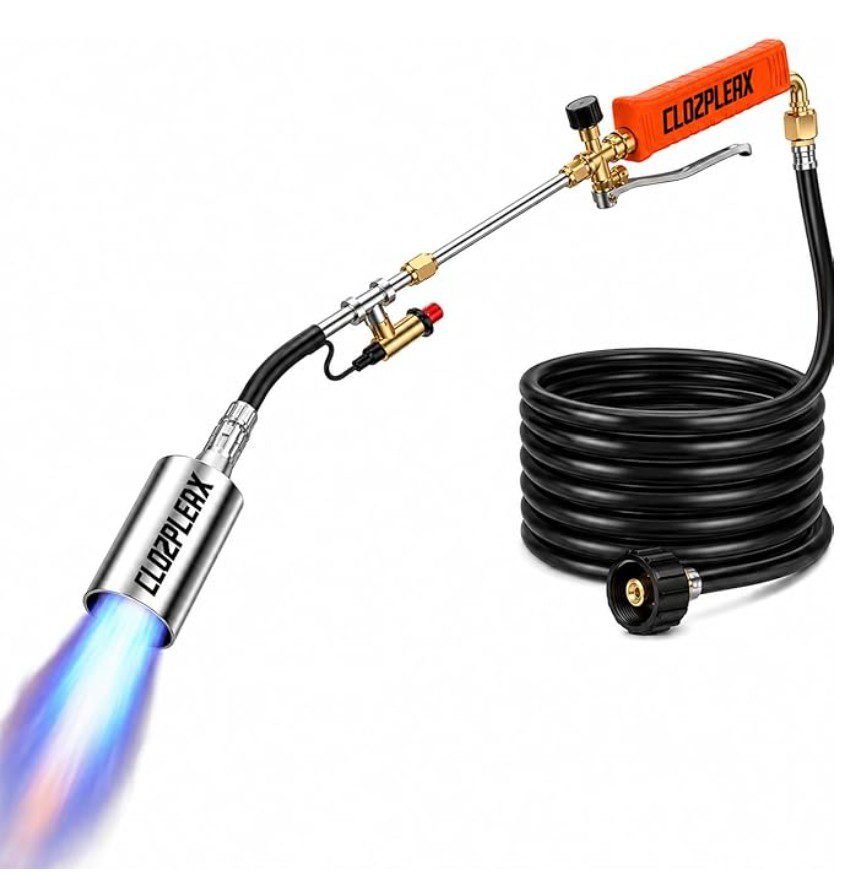
While kosher salt works as a weed killer, it's a blunt instrument with lasting consequences for your soil. If you want something faster, more targeted, and less damaging to the surrounding garden, these three options are all significantly better. Ortho Ground Clear kills weeds and grass all the way to the root and is fast acting — ideal for driveways, paths, and areas you want completely clear. Weed barrier landscape fabric is the smarter long-term solution — it physically prevents weeds from breaking through without introducing any chemicals or salt into your soil. And the weed torch is increasingly popular for people who want a completely chemical-free method — a quick pass over the weeds with a propane flame destroys the plant cells instantly and the soil remains completely unaffected.
⚠️ When NOT to Use Kosher Salt on Grass or Weeds
- Garden beds — salt will kill everything, including plants you want
- Lawn edges — runoff will spread into the turf and kill large patches
- Near trees or shrubs — roots extend far beyond the visible trunk
- Sloped areas — rain will wash salt downhill into unintended areas
- Soil you plan to reseed or replant — salt persists for years
- Near drainage areas — salt can enter waterways and harm aquatic life
- Clay-heavy soil — salt binds more aggressively and is harder to flush
- Anywhere you want future growth — salt sterilises, not just kills
🔍 Choosing the Right Weed Control for Your Garden
1. Consider what comes after. The most important question before choosing a weed control method is what you want to happen to that area afterwards. If you want bare ground permanently — a gravel driveway, a paved path — salt or a long-acting herbicide like Ortho Ground Clear is appropriate. If you want to replant, reseed, or keep grass nearby, neither salt nor long-acting herbicide is right.
2. Weed barrier for permanent prevention. The single most effective long-term weed control solution for garden paths, borders, and beds is landscape fabric. It physically blocks weeds without any chemical input, lasts for years, and allows water to pass through to the soil. It's the right answer for any area where you've already cleared weeds and want to stop them coming back.
3. Flame weeding for chemical-free control. A weed torch is an increasingly popular option for people who want zero chemicals and zero soil contamination. It works by rapidly heating the water inside plant cells, which destroys the cell walls and kills the plant. It's particularly effective on young annual weeds and works immediately — you can see results within hours.
4. Salt is best for hard surfaces only. If you do use salt, restrict it strictly to cracks in paving, gravel areas, or concrete — places where there is no soil for the salt to contaminate and no risk of runoff into planted areas. Use sparingly and don't expect the area to support plant life in future.
5. Vinegar is more targeted, but not a permanent solution. The salt and vinegar spray method described above kills weeds quickly on the surface but doesn't always reach the roots. Perennial weeds with deep root systems will often regrow after a vinegar treatment. For persistent weeds, combine vinegar spray with manual removal of the root, or use a dedicated weed killer that penetrates to root level.
❓ Frequently Asked Questions
Can kosher salt kill grass?
Yes. Kosher salt kills grass through osmosis — it draws moisture out of plant cells, disrupting the plant's ability to absorb water, which causes it to dehydrate and die. This works on all grass and plant types, not just weeds. Salt is non-selective, meaning it will kill any vegetation it comes into contact with in sufficient concentration.
How long does salt stay in the soil after killing weeds?
This depends on soil type, rainfall, and how much salt was applied, but sodium chloride can persist in soil for months to several years. In clay-heavy soils it binds particularly stubbornly. Heavy rainfall over time will eventually leach it out, but the area should not be considered safe for planting until the soil has been tested or a significant amount of time and rainfall has passed.
Is it safe to use salt to kill weeds near a lawn?
No — it's risky. Rain and water will wash salt sideways and downhill into adjacent grass and soil. Even a small application on a paved edge can migrate far enough to kill patches of lawn. If you need to kill weeds near a lawn edge, use a targeted herbicide, manual weeding, or a weed torch instead — these are far safer for the surrounding grass.
Does kosher salt work better than table salt for killing weeds?
No. Both are sodium chloride and work through exactly the same mechanism. Kosher salt's coarser grain may dissolve slightly more slowly, but once dissolved and absorbed into the soil the effect is identical. There is no meaningful advantage to using kosher salt over table salt for weed control — the difference in grain size is irrelevant to the plant.
What is the best alternative to salt for killing weeds?
For fast results without soil damage, Ortho Ground Clear is highly effective. For a chemical-free approach, a weed torch kills weeds instantly without affecting the soil at all. For long-term prevention without any repeat treatment, weed barrier landscape fabric is the best solution — it blocks weeds physically for years without chemicals, salt, or ongoing effort.
Can I use the salt and vinegar weed spray method safely?
Yes, with care. The salt and vinegar spray is effective for killing surface weeds quickly and works best on young annual weeds on a hot, sunny day. Apply directly to the leaves of the target plant and avoid any contact with plants you want to keep — it is non-selective and will harm or kill anything it touches. Be aware that the salt component still carries soil contamination risk, so avoid using this mixture near garden beds or lawns.
The Kosher Hub is not a Kosher Authority. For any advice please refer to your local Kashrut Authority.
As an Amazon Affiliate we earn from qualifying purchases.







Understanding Our Kosher Certifications
The Kosher Hub references products certified by recognized kosher authorities, including OU, OK, Star-K, Kof-K, and CRC. Certification symbols and status can change, so always confirm the current kosher status directly on the product packaging or via the certifying agency's own listings before purchasing.