
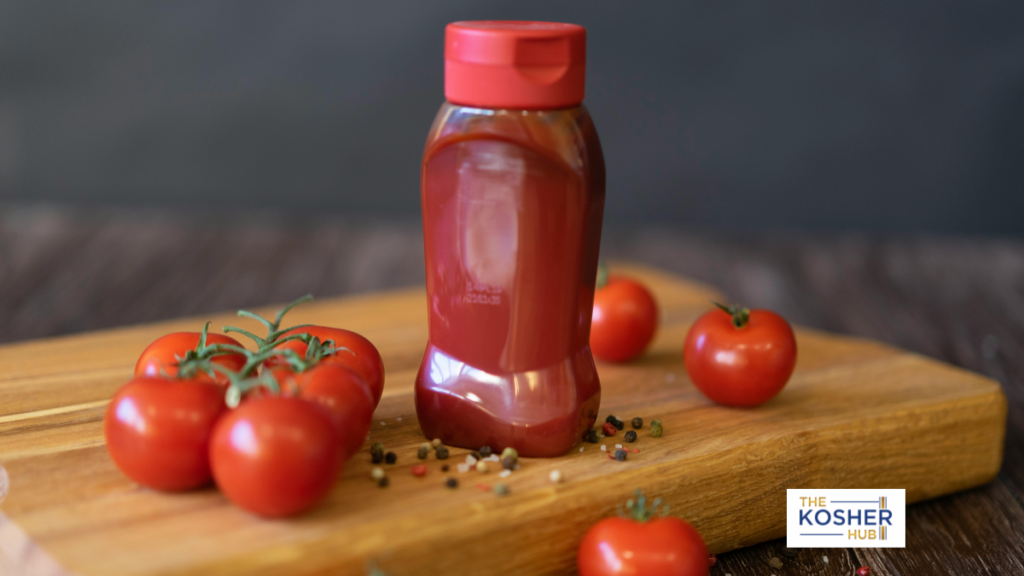
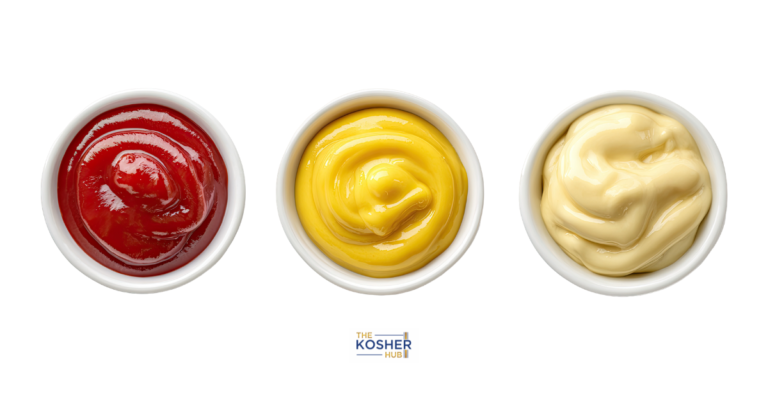
Kosher ketchup sounds like it should be a given — it's just tomatoes, vinegar, and sugar, right? Not quite. I've learned that even a pantry staple this simple can trip up a kosher kitchen if you're not checking the label. Some ketchups use flavorings, colorings, or vinegar bases that need a hechsher to confirm they're kosher, and not every bottle on the shelf carries one. Below I've rounded up the kosher-certified ketchups I trust, plus the barbecue sauces and horseradish that tend to end up in the same cart. Every product here carries verified certification from a recognized kosher authority, so you can stock your pantry with confidence.
🍅 Kosher Ketchup
Classic and organic options, all with verified kosher certification.
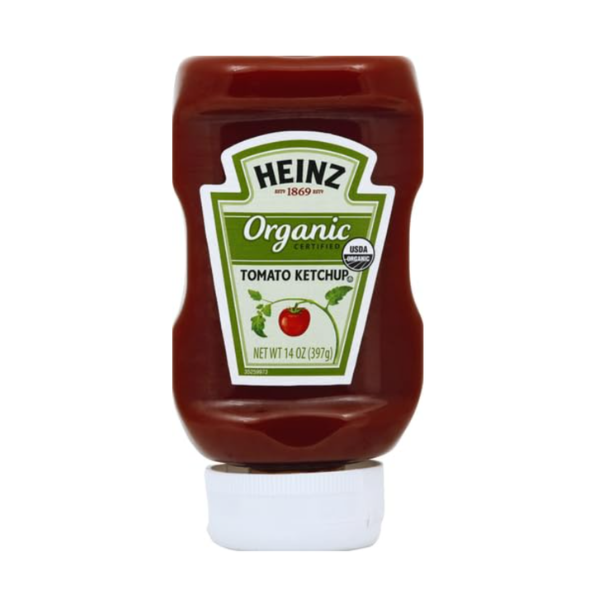
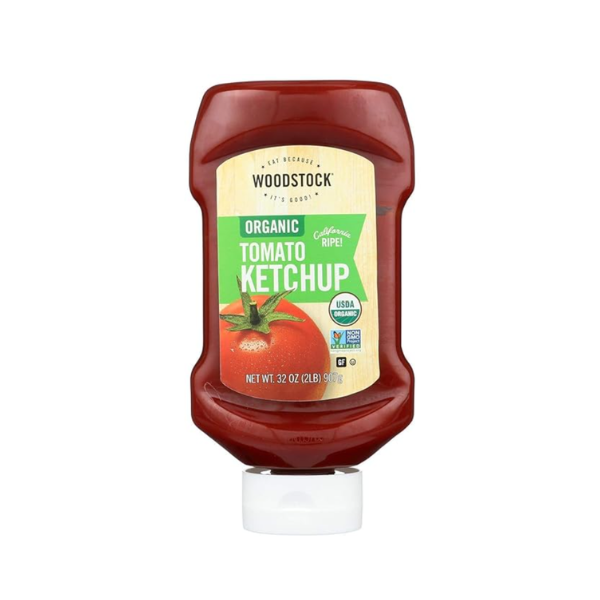
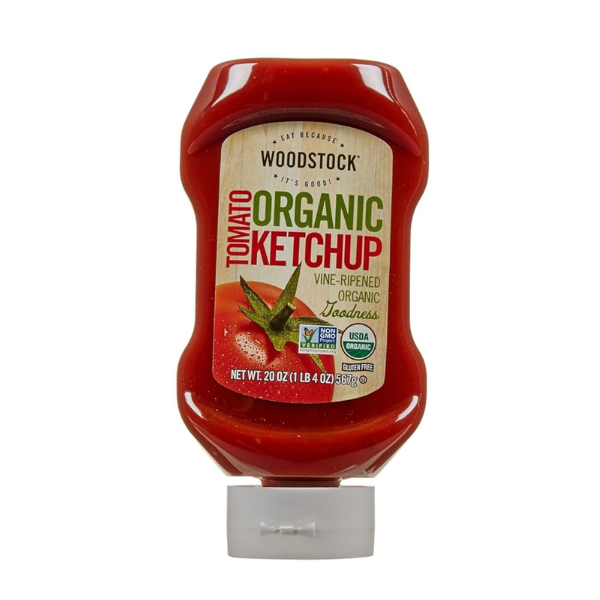
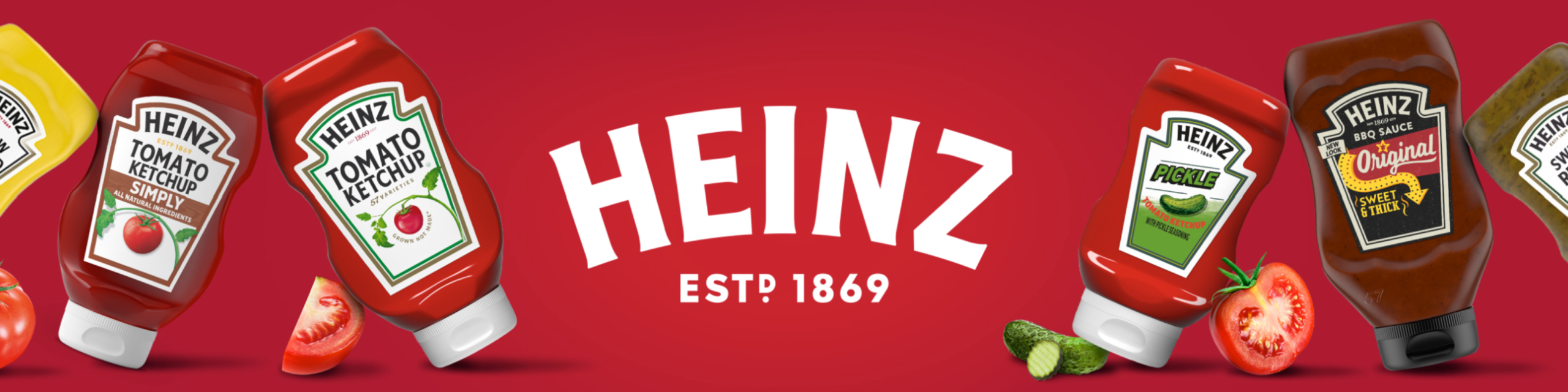
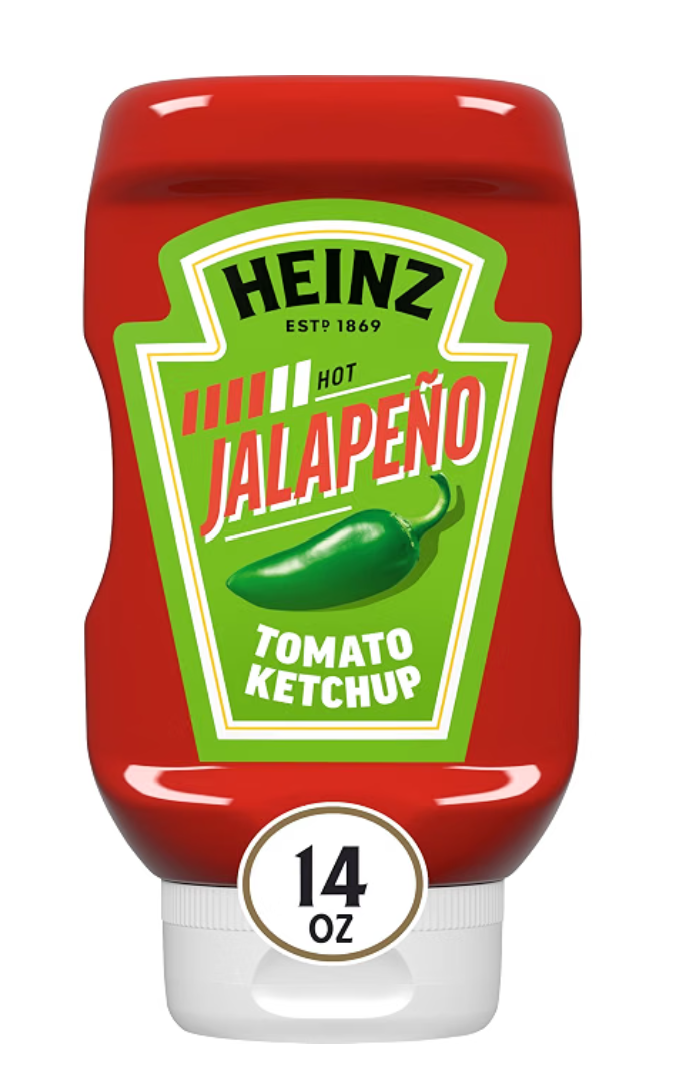
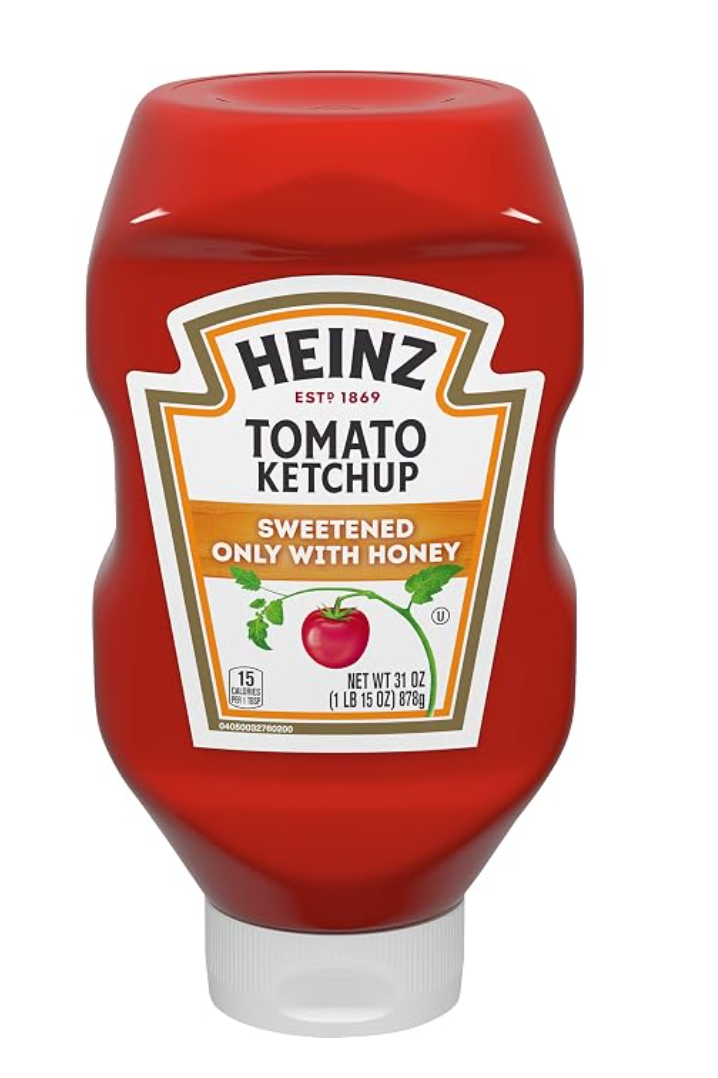
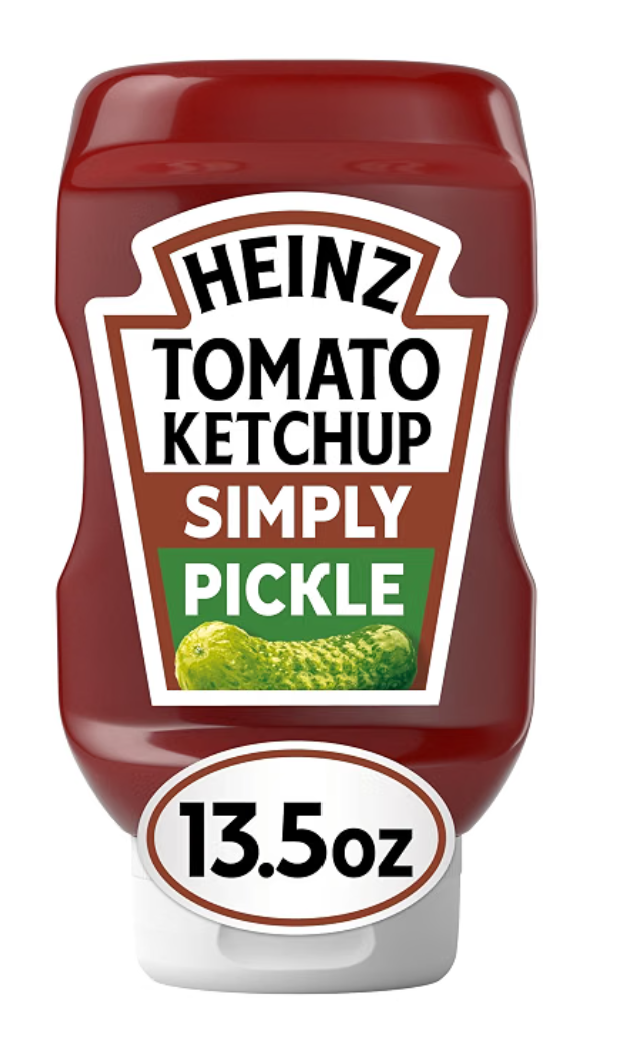
I keep coming back to these three because they cover every kitchen need without any certification guesswork. Heinz Kosher Ketchup is the one most people already know, and it's a safe, reliable choice for everyday cooking and the table. If you're leaning organic, Woodstock's ketchup is a clean, simple option, and the no-sugar-added version is worth a look if you're watching added sugar without giving up the flavor. All three are pareve, so they work fine alongside meat or dairy meals — just double-check the label on your specific bottle if you're buying for Passover, since standard ketchup generally isn't Kosher for Passover unless labeled otherwise.
🔥 Kosher BBQ Sauces
Grill-ready sauces and marinades, all kosher certified.
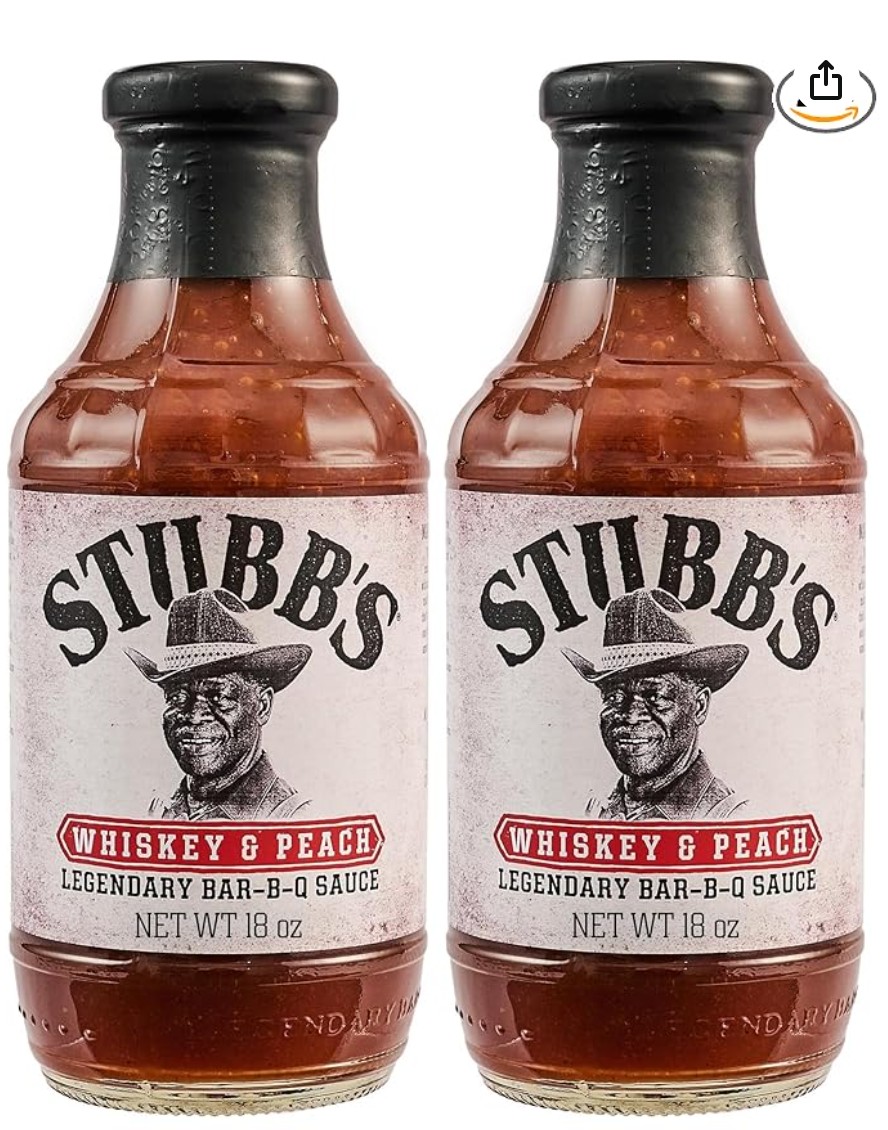
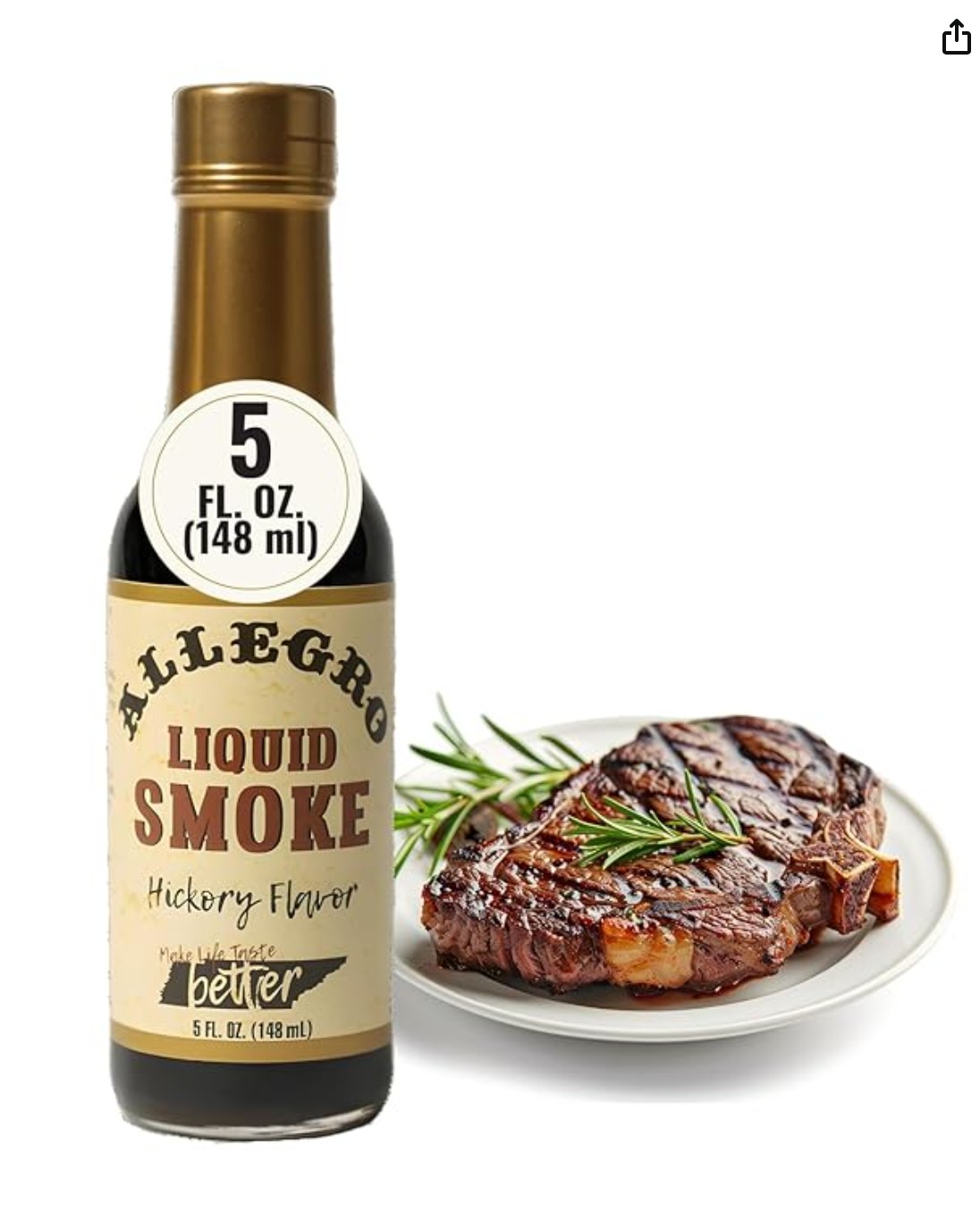
Once the grill comes out, ketchup usually isn't the only sauce in play, so I wanted to round out this list with a few kosher BBQ options I trust. Stubb's Original and their Whiskey & Peach sauce carry OU certification and are pareve, which makes them easy to use across meat or pareve grilling without a second thought. Rufus Teague's Smoky Apple sauce is a favorite for anyone who wants something a little sweeter and thicker on ribs or chicken, and it's kosher certified as well. Allegro's marinade line earned its OU certification specifically because of demand from kosher households, and it's a genuinely versatile pareve option — I use it on everything from steak to grilled vegetables.

🌶️ Kosher Horseradish
A pantry staple for gefilte fish, brisket, and the seder plate.
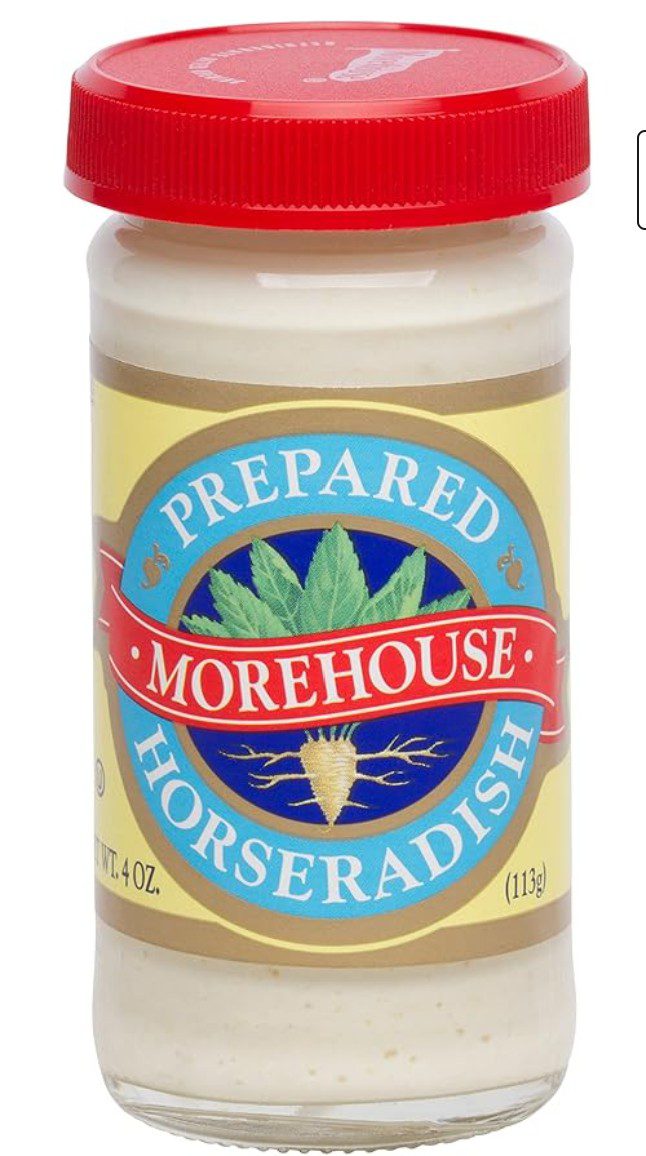
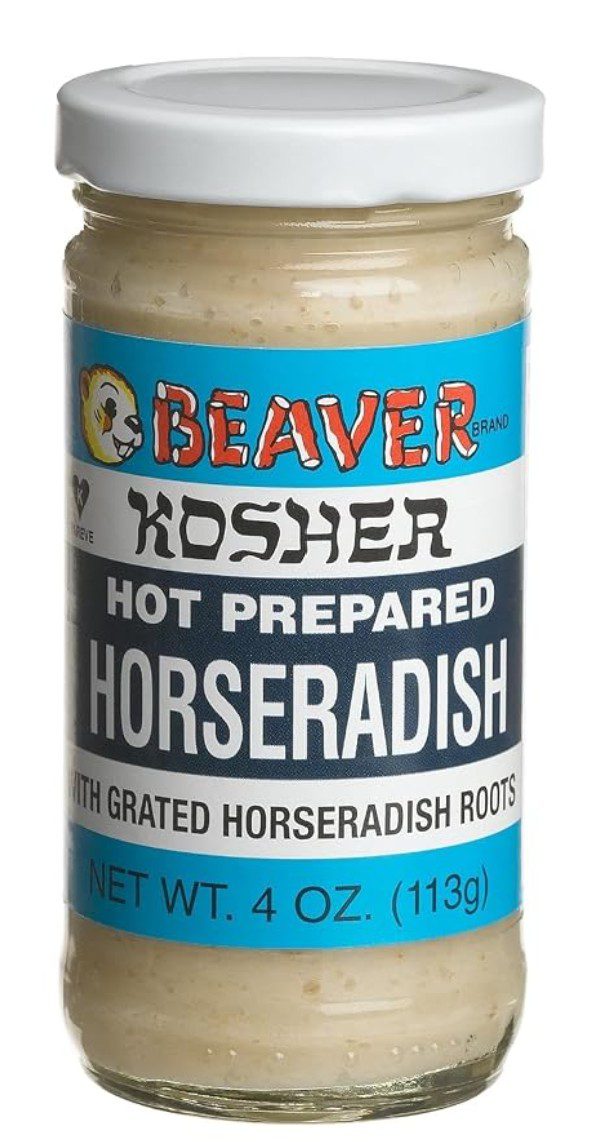
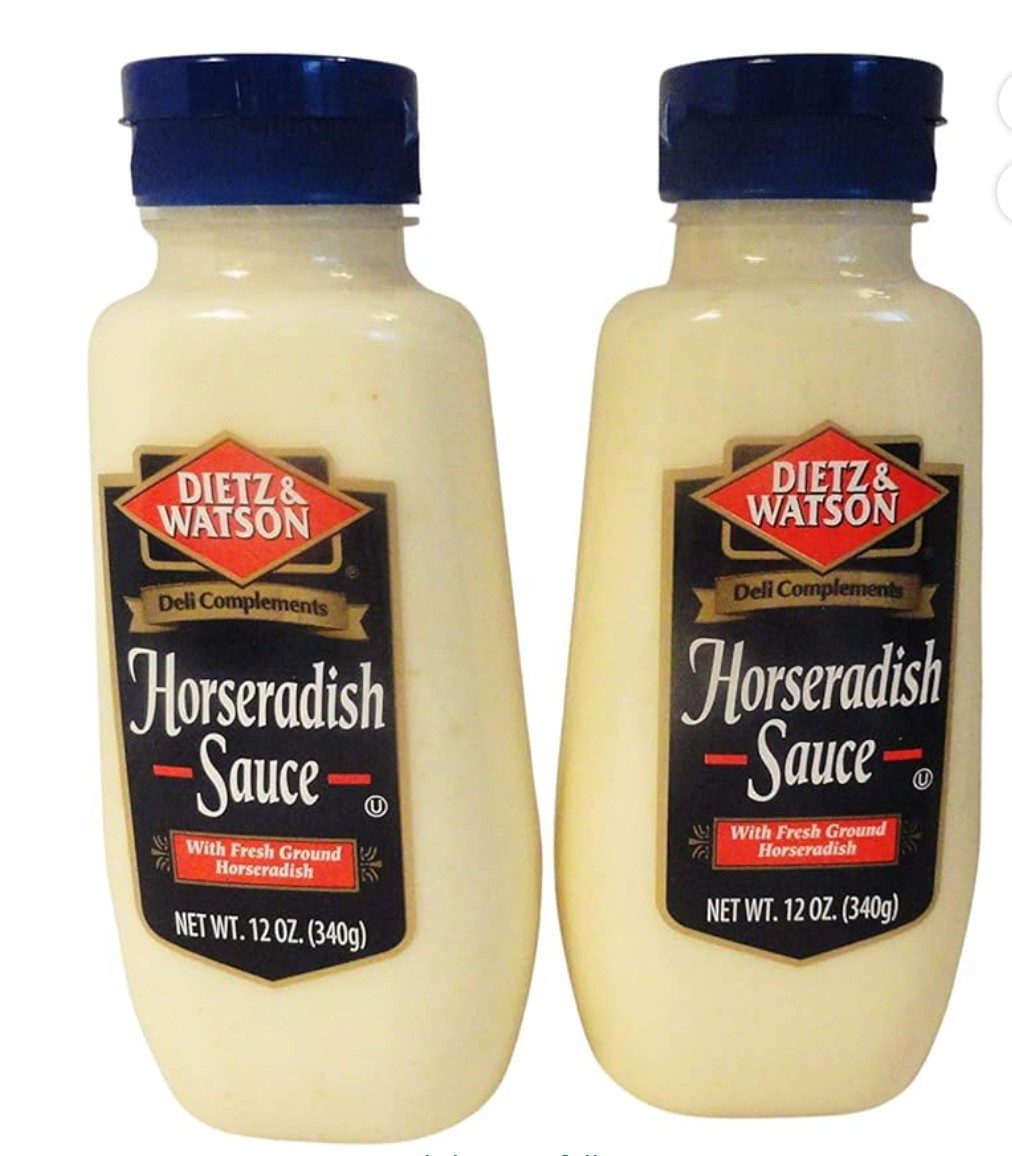
Horseradish is one of those condiments that shows up everywhere in a kosher kitchen, from the Passover seder plate to a Sunday brisket, so I always keep a kosher-certified jar on hand. Morehouse has been making theirs since 1898 and it's kosher, gluten-free, and vegan, with nothing but fresh-ground root and simple pantry ingredients. Beaver Brand is one of the few horseradish makers that's certified kosher across its whole line, and it's a reliable pick whether you want it hot or mild. Dietz & Watson's horseradish sauce leans creamier and deli-style, which I like alongside roast beef or a good pastrami sandwich.
✅ What to Look For
A few things I always check before adding a condiment to my cart.
- A clear kosher symbol from a recognized authority (OU, OK, Star-K, Kof-K, and similar) printed directly on the label
- Whether the product is labeled pareve, dairy, or meat — most ketchup, BBQ sauce, and horseradish is pareve, but always check
- A "P" next to the kosher symbol if you need it Kosher for Passover — a plain "U" or "K" is not enough on its own
- Ingredient lists with vague terms like "natural flavors" or "spices," which sometimes need a certifying agency to verify
- If you're ever unsure about a specific bottle, I'd always recommend checking with your local Rabbi or Kashrut Authority rather than guessing

❓ Kosher Ketchup FAQs
Common questions about kosher ketchup, BBQ sauce, and horseradish.
Is all ketchup kosher?
Many ketchup brands are kosher, but certification still matters because of how the vinegar, sweeteners, and flavorings are processed. Always look for a recognized kosher symbol on the label.
Does ketchup need kosher certification?
Yes. Ingredients like vinegar and natural flavorings can come from a variety of sources, so certification is what confirms the finished product meets kosher standards.
Is kosher ketchup or BBQ sauce pareve?
Most ketchup, BBQ sauce, and horseradish is pareve, meaning it can be served with meat or dairy meals. Check the label for the pareve designation next to the kosher symbol to be sure.
Are organic ketchups automatically kosher?
No. Organic certification and kosher certification are entirely separate. An organic ketchup still needs its own kosher symbol to be considered kosher.
Is kosher ketchup Kosher for Passover?
Not automatically. Standard kosher ketchup is generally not Kosher for Passover unless the label specifically shows a "P" next to the kosher symbol.
What should I check before buying a kosher BBQ sauce?
Look for a recognized kosher symbol, confirm whether it's pareve or dairy, and review the ingredient list for anything vague like "natural smoke flavor" that may need verification.
Is horseradish always kosher?
No. Plain grated horseradish root is naturally kosher, but prepared horseradish with vinegar, preservatives, and added ingredients needs its own certification, just like any processed condiment.
Can I buy kosher condiments online?
Yes, many kosher-certified ketchups, BBQ sauces, and horseradish brands are available on Amazon and ship nationwide — just double-check the certification on the specific listing before you order.
What if I can't find a kosher symbol on a product I already have?
If certification isn't visible or verifiable, I'd recommend checking with your local Rabbi or Kashrut Authority rather than assuming it's kosher.
The Kosher Hub is not a Kosher Authority. For any advice please refer to your local Kashrut Authority.
As an Amazon Affiliate we earn from qualifying purchases.






Understanding Our Kosher Certifications
The Kosher Hub references products certified by recognized kosher authorities, including OU, OK, Star-K, Kof-K, and CRC. Certification symbols and status can change, so always confirm the current kosher status directly on the product packaging or via the certifying agency's own listings before purchasing.