




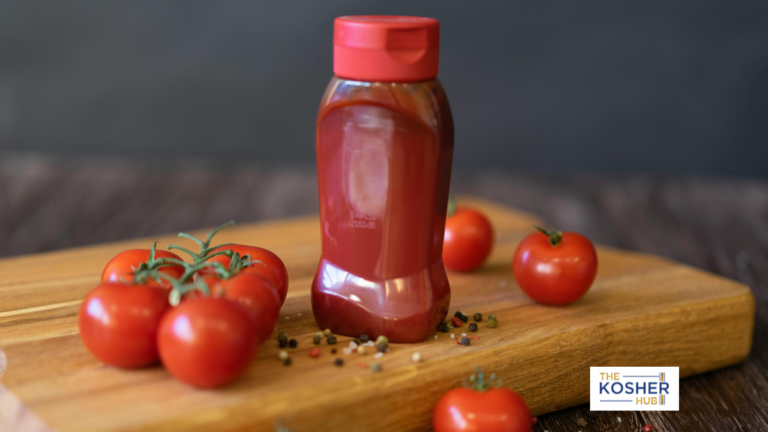
Kosher for Passover (KFP) ketchup requires careful checking, as many regular varieties contain ingredients...
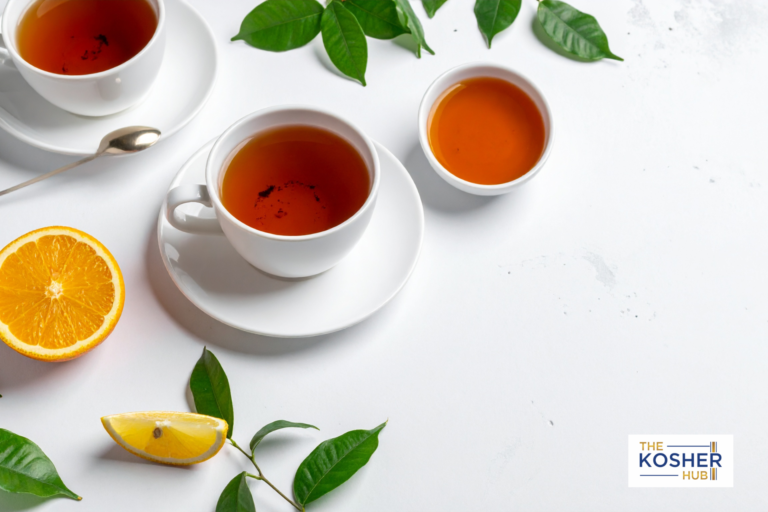
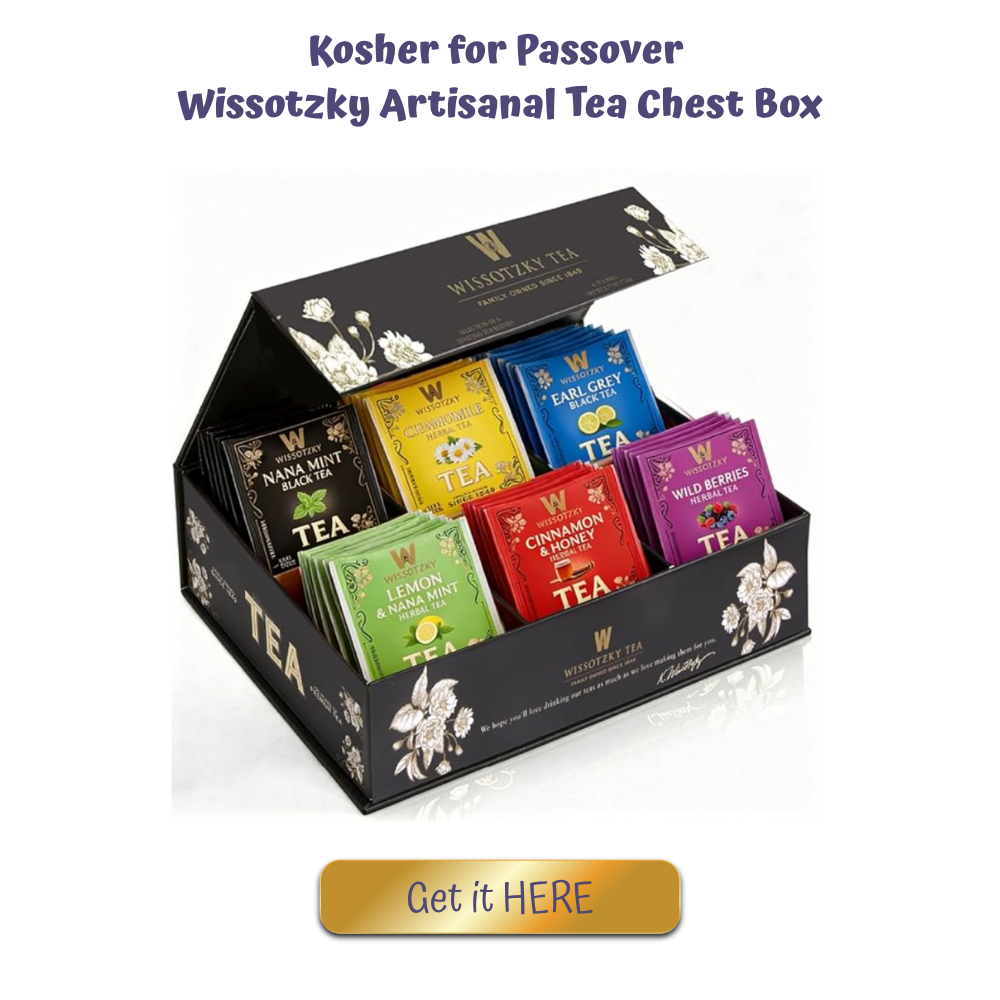
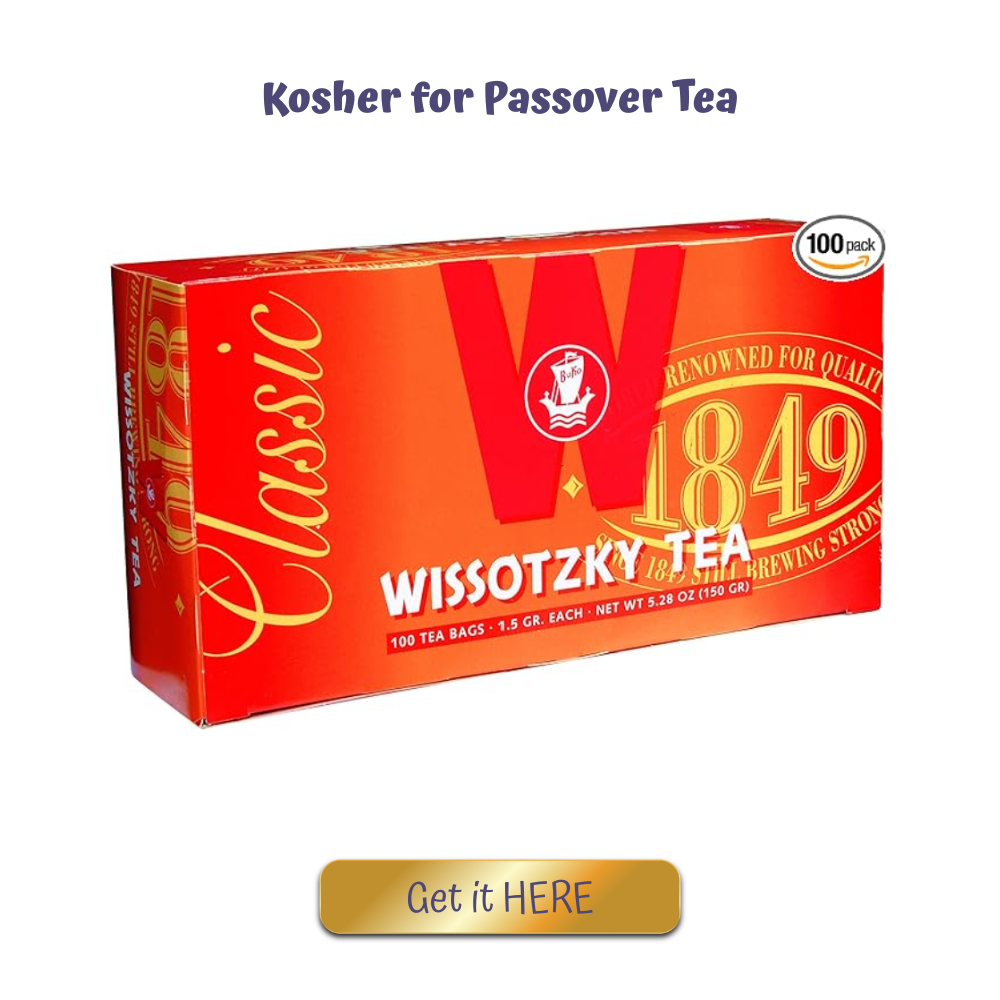
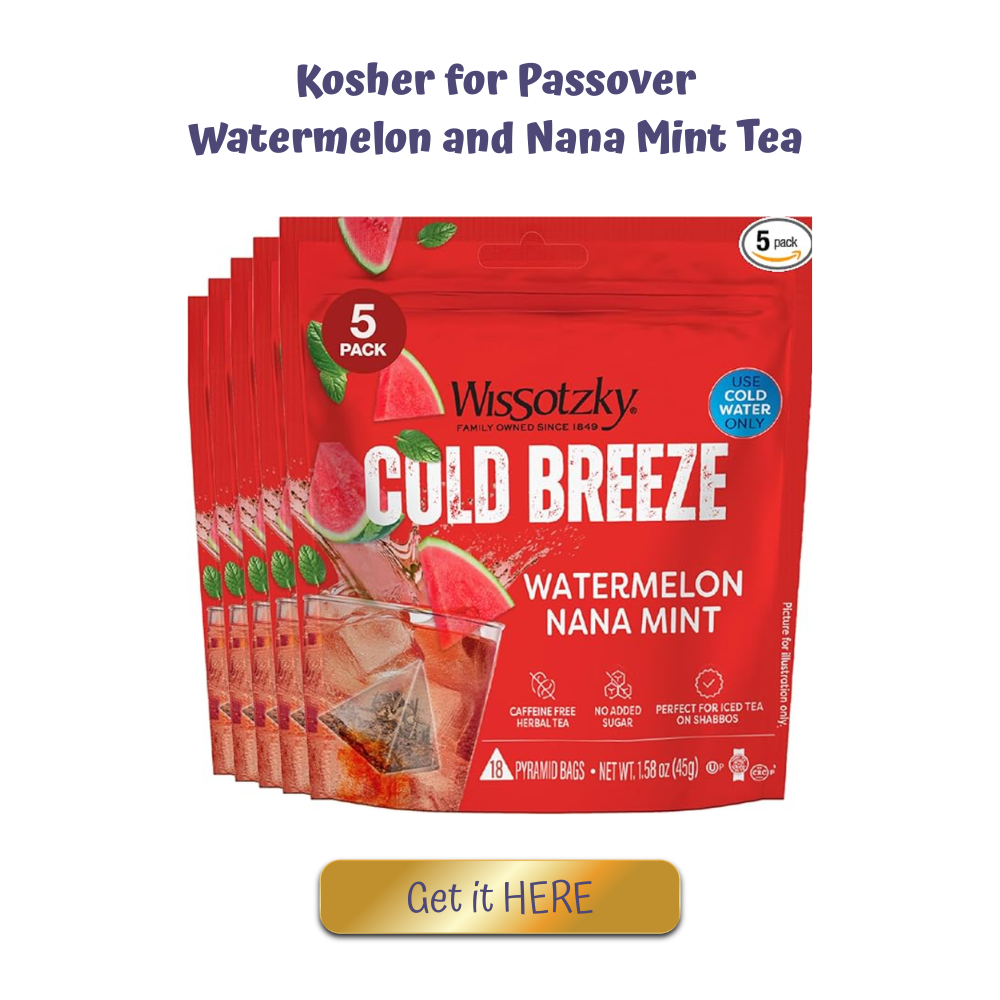
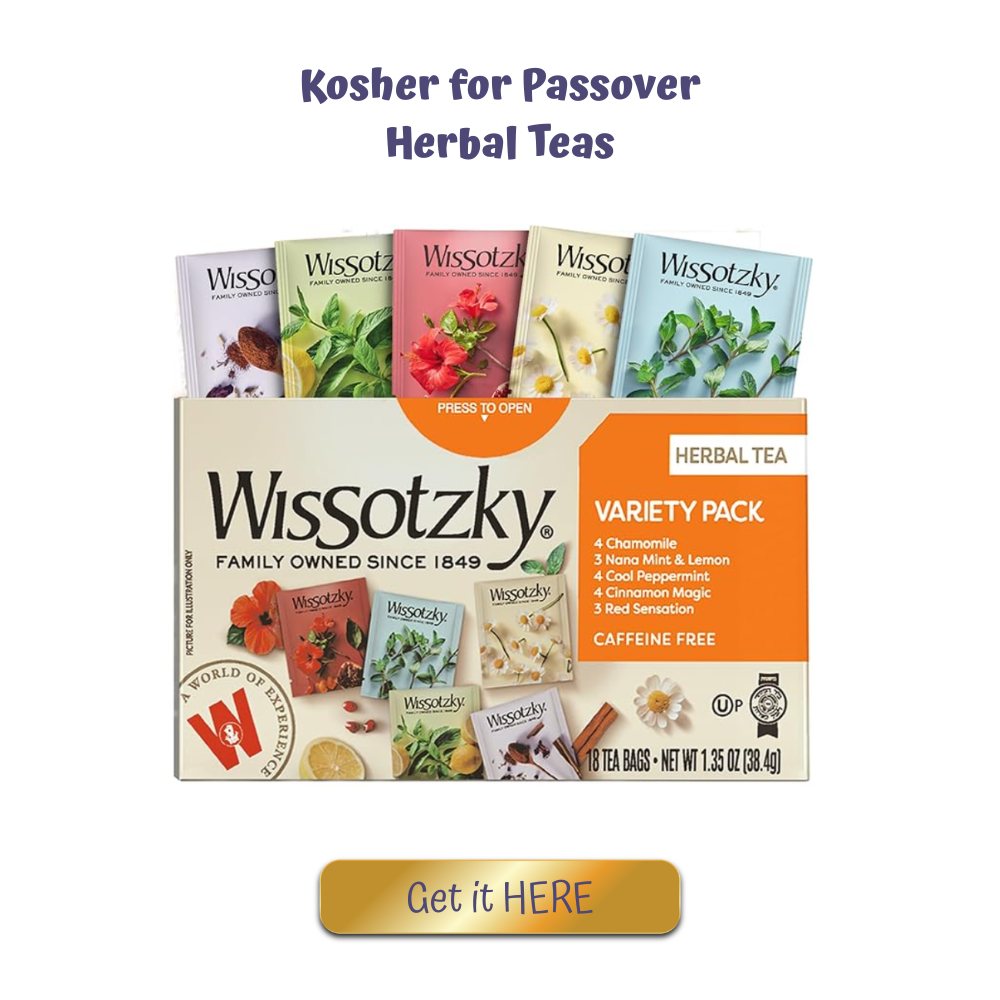
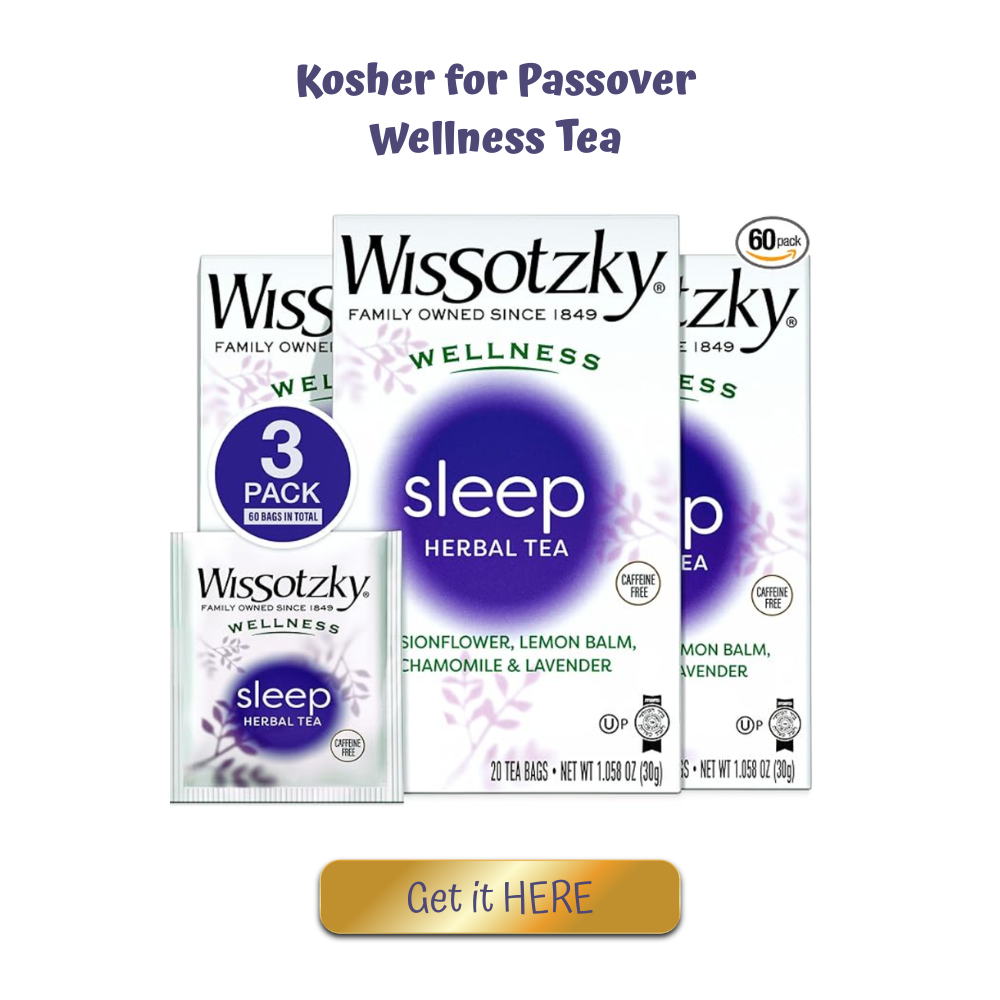
Kosher for Passover tea is generally straightforward, but it’s still important to check carefully. Plain,...
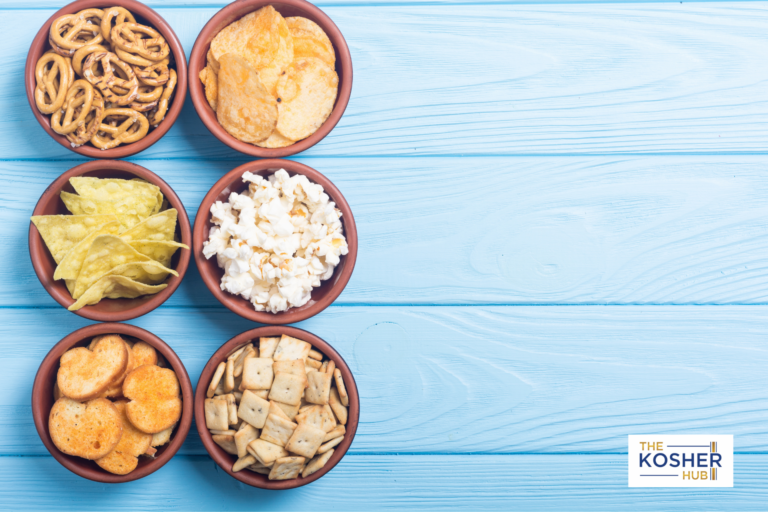
Finding kosher for Passover snacks can be tricky, especially with so many everyday snack foods off-limits...
Kosher for Passover fruit slices are a popular sweet treat during the holiday, but not all fruit candies...
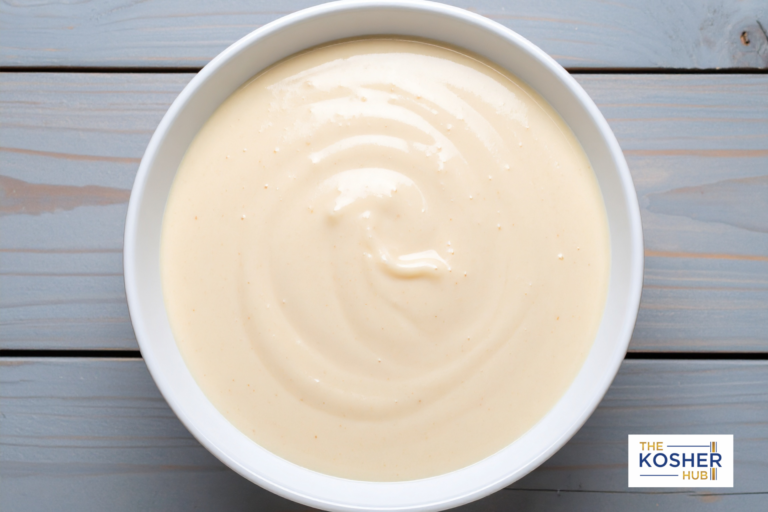
Finding kosher for Passover mayonnaise can be tricky, as many regular mayonnaise brands contain ingredients...
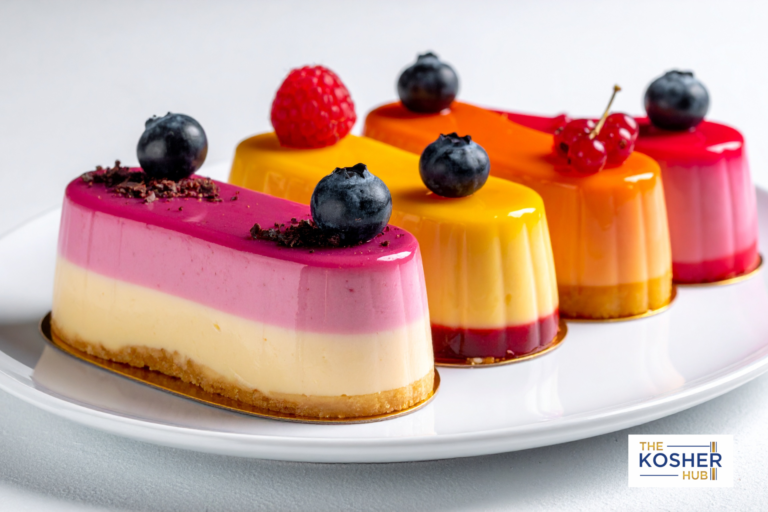
Kosher for Passover desserts are made without chametz, which means traditional ingredients such as wheat...

Kosher for Passover frosting can be used to decorate cakes, cupcakes, and cookies during the holiday,...
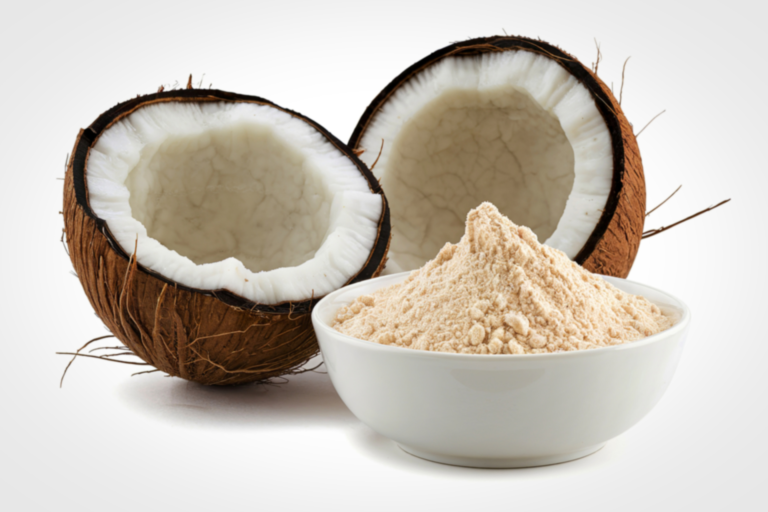
During Passover, traditional wheat flour cannot be used because it is made from grains that become chametz....
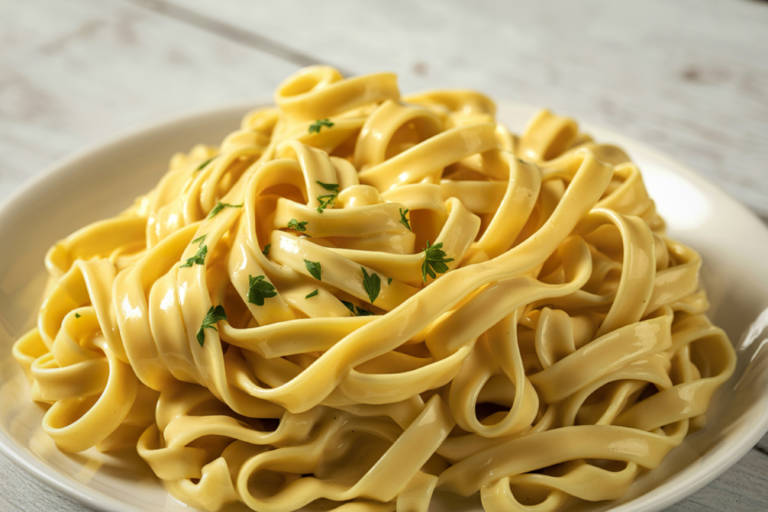
Egg noodles are usually not Kosher for Passover when they are made from traditional wheat flour, which...
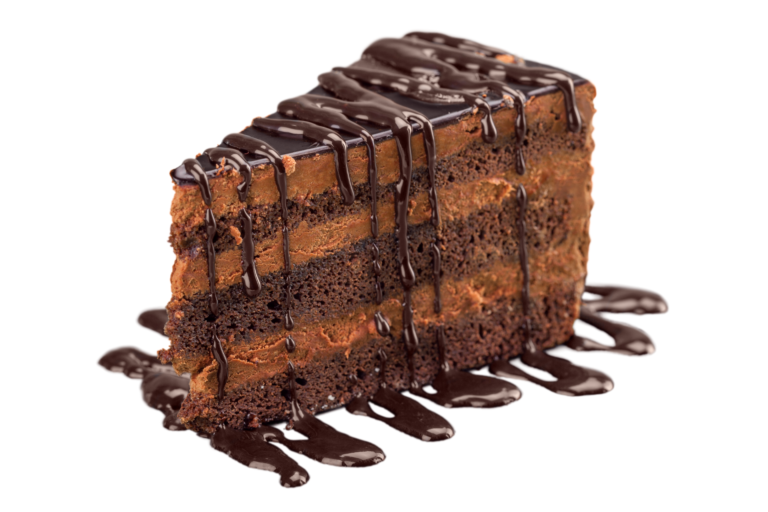
Passover desserts can still be rich and delicious even without traditional flour. Many recipes use ingredients...
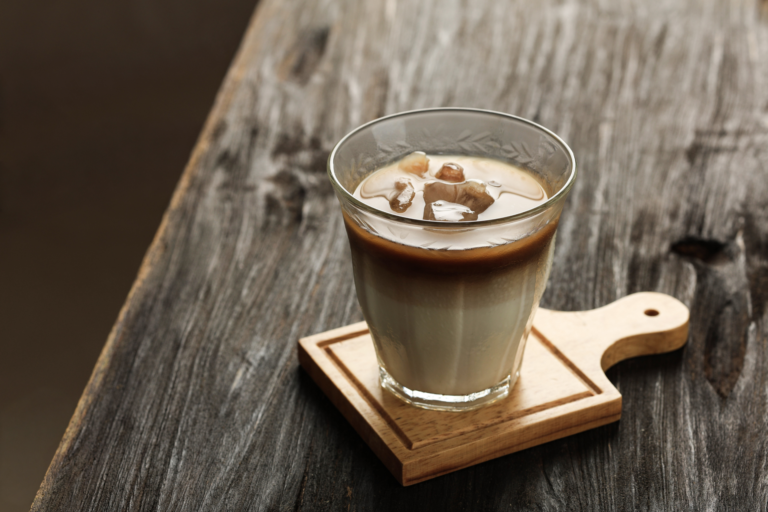
Coffee is generally permitted during Passover, but it is important to check how the coffee is processed...

Cereal is one of the trickier foods during Passover because most breakfast cereals are made from wheat,...
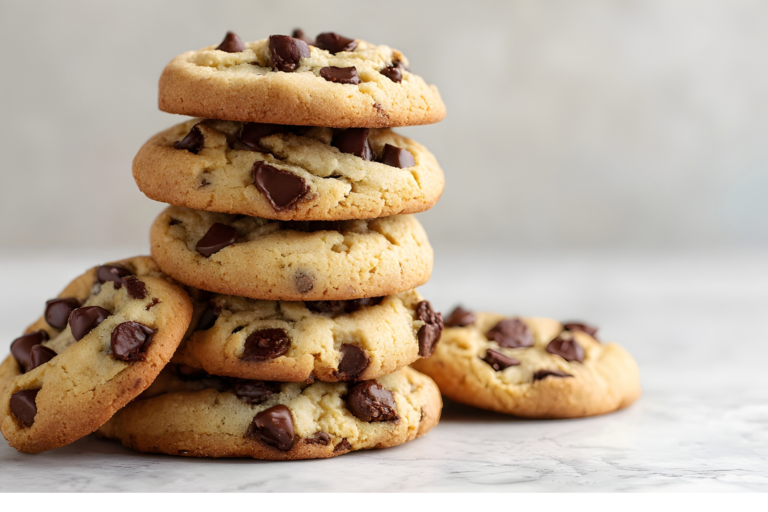
Cookies can still be enjoyed during Passover, but they must be made without traditional wheat flour or...
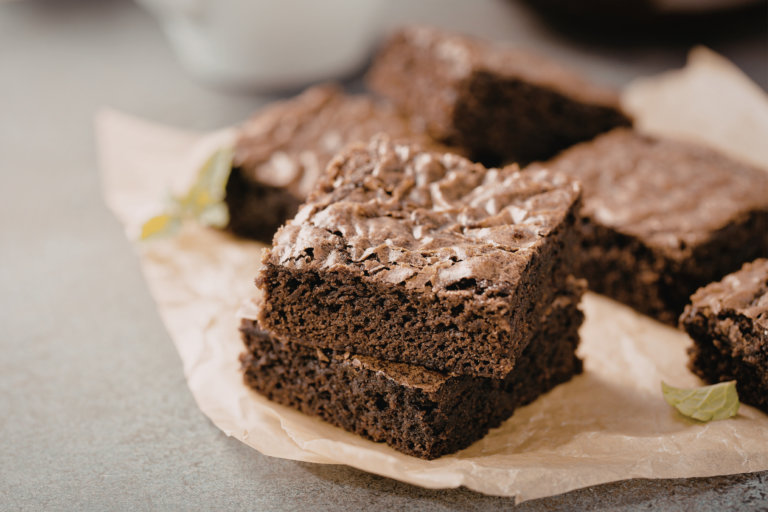
Brownies can absolutely be enjoyed during Passover, but they must be made without traditional wheat flour...

Celebrating a birthday during Passover can be a little tricky because traditional cakes rely on wheat...
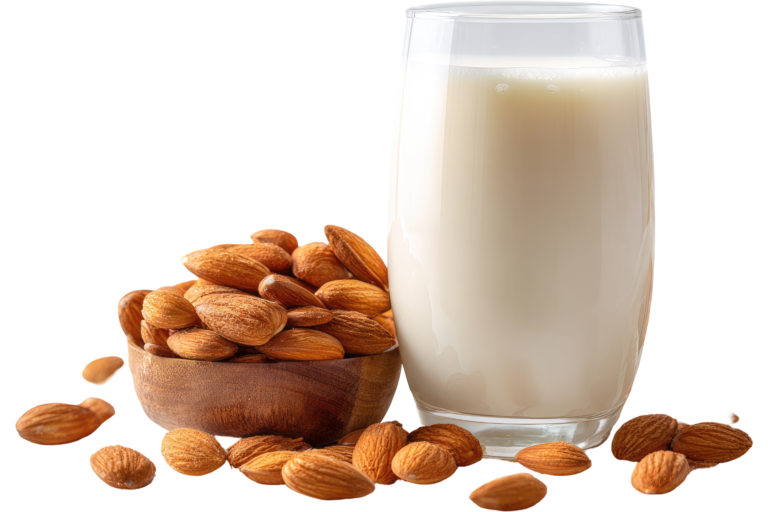
Almond milk is sometimes used during Passover as a dairy-free alternative and works well in coffee, smoothies,...
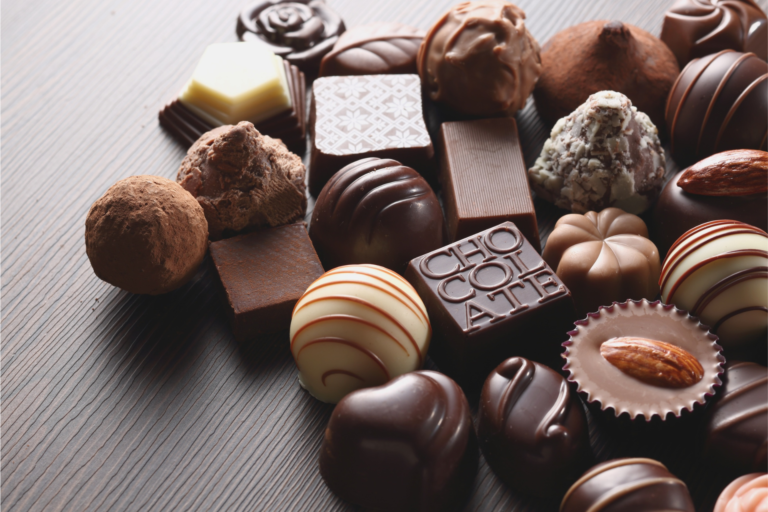
Chocolate is widely enjoyed during Passover and is commonly used in desserts such as cakes, brownies,...

Passover is a holiday defined by its unique dietary laws and the joyous celebration of freedom. Central...
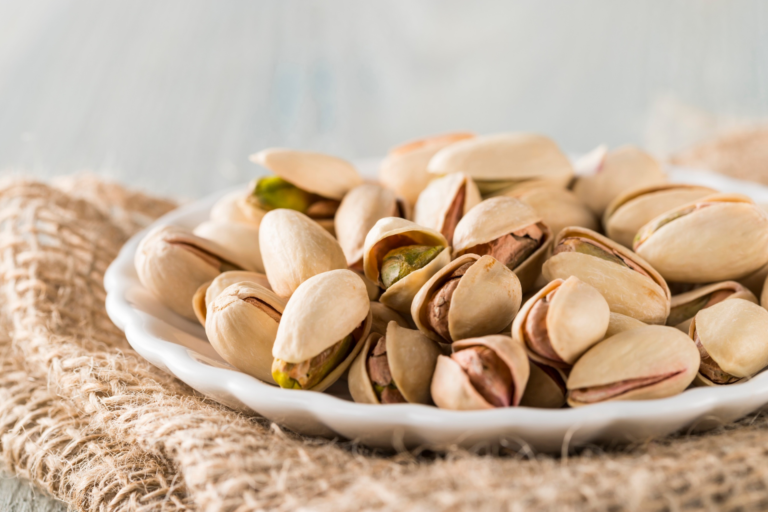
The short answer is: Yes, raw pistachios in their shell are generally considered Kosher for Passover...
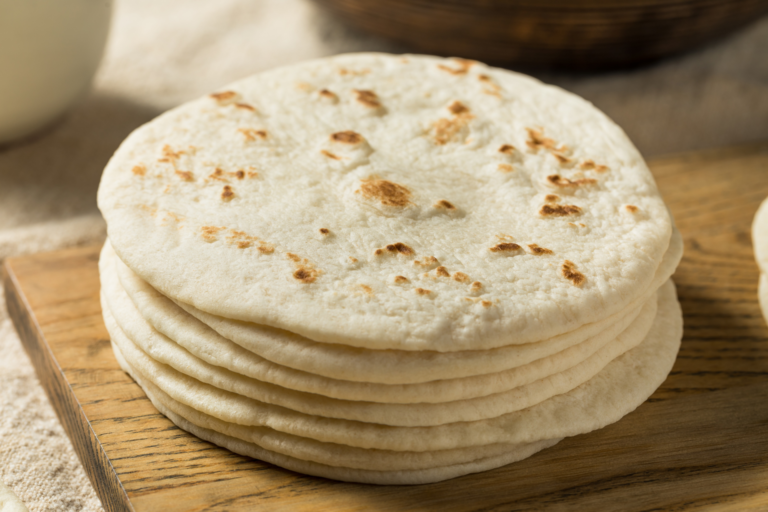
The answer to whether tortillas are Kosher for Passover depends entirely on their ingredients and the...