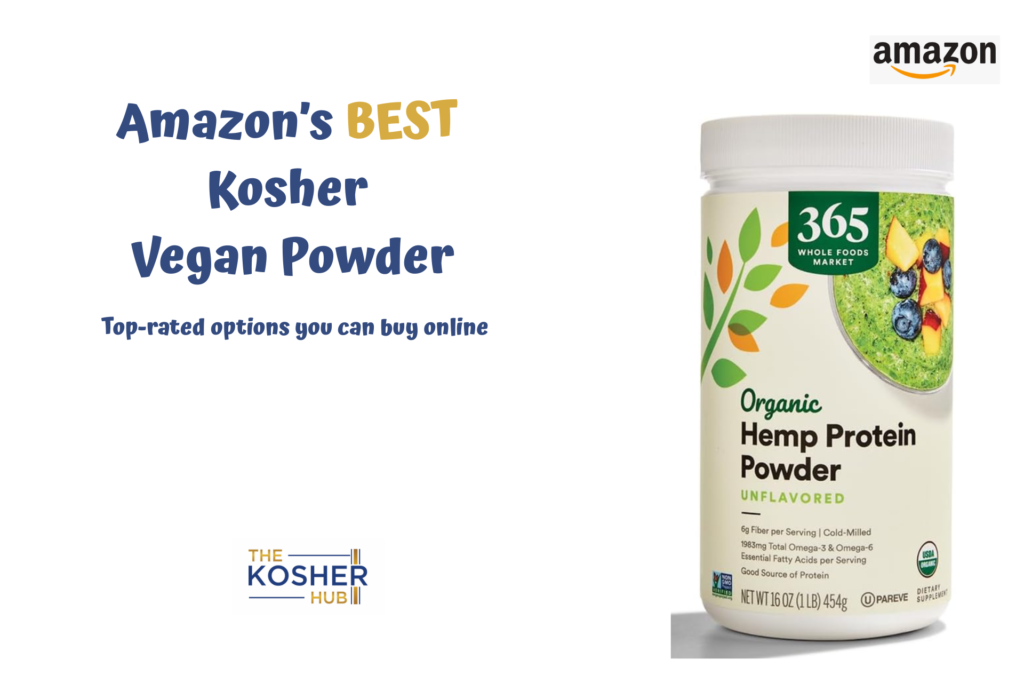
Finding the best kosher vegan protein powder means looking for products that are not only plant-based but also carry a recognised kosher certification. Whether you need a pareve option for after meat meals, a dairy-free protein for everyday use, or a certified plant-based supplement that supports your fitness goals, this guide covers the top kosher vegan protein powders available on Amazon right now.
🔍 What to Look For
How to choose a certified kosher vegan protein powder.
- Kosher certification on the finished product — Vegan ingredients alone do not make a product kosher. Look for OU, OK, Star-K, or Kof-K on the packaging.
- Pareve status clearly stated — If you need a protein powder after meat meals, verify the pareve designation on the certification, not just the ingredient list.
- Protein source identified — Check whether it uses pea, rice, hemp, almond, soy, or a plant blend, as each has different nutritional properties and kosher considerations.
- Transparent flavouring — Flavoured powders can be harder to verify. Chocolate, vanilla, and dessert flavours may include additives that require careful kosher checking.
- Protein per serving — Look for at least 20g of protein per serving for effective muscle support. Some plant-based powders offer less than this, so check the label.
- Allergen information — Many plant-based powders are free from the most common allergens, but always check if you have sensitivities to soy, nuts, or gluten.
🌱 Top Kosher Pareve Protein Powders
Certified kosher pareve — suitable after meat meals.
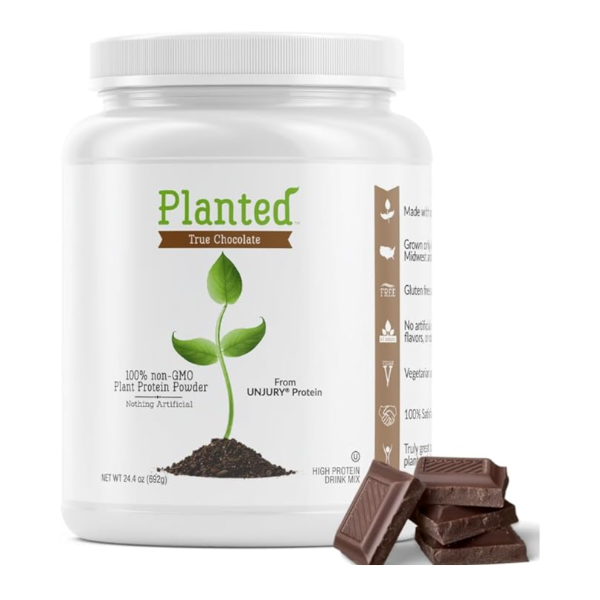
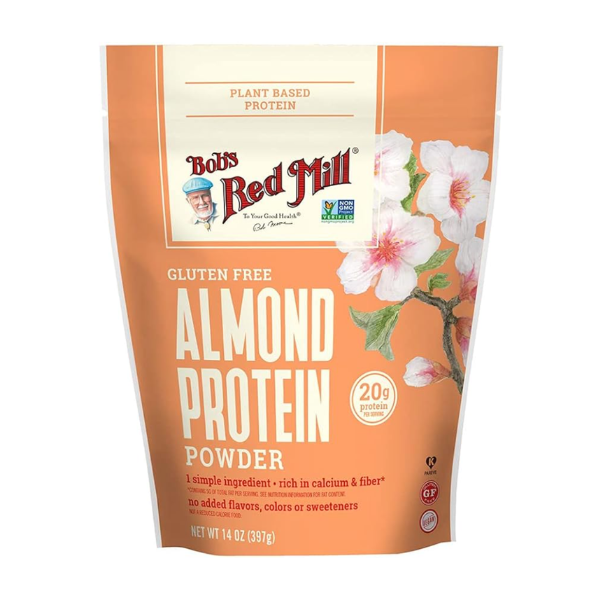
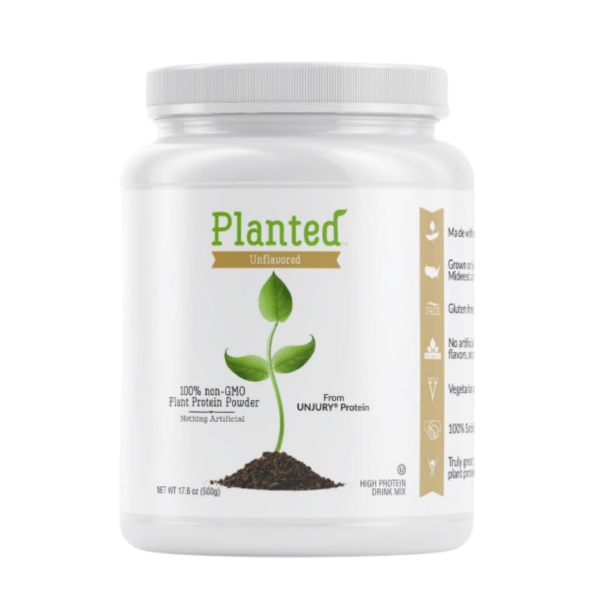
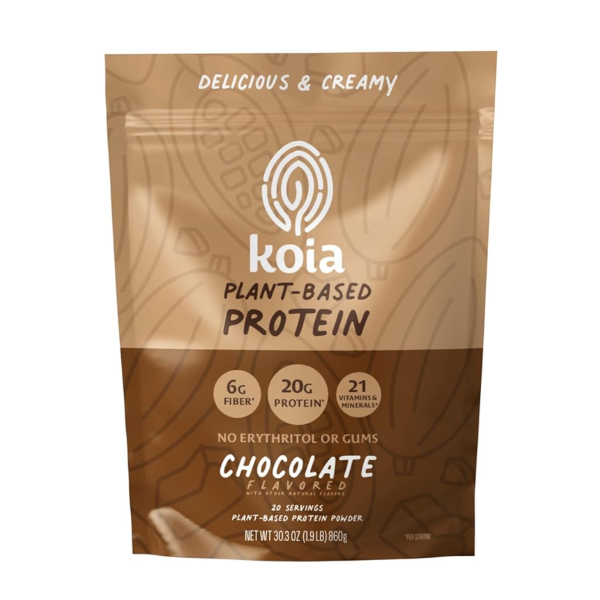
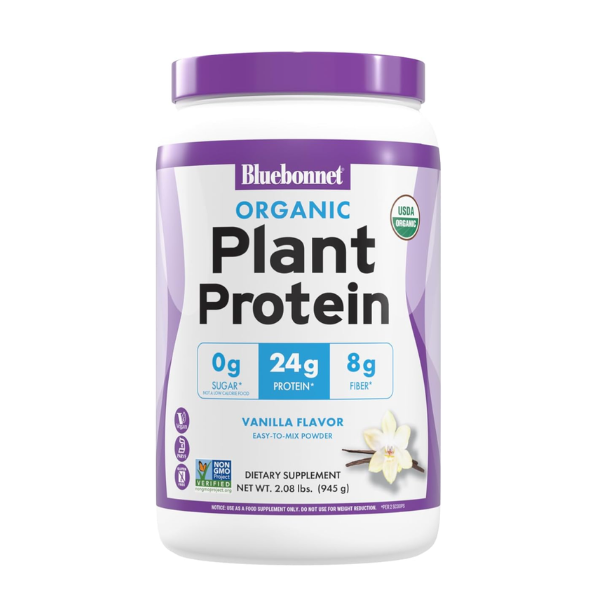
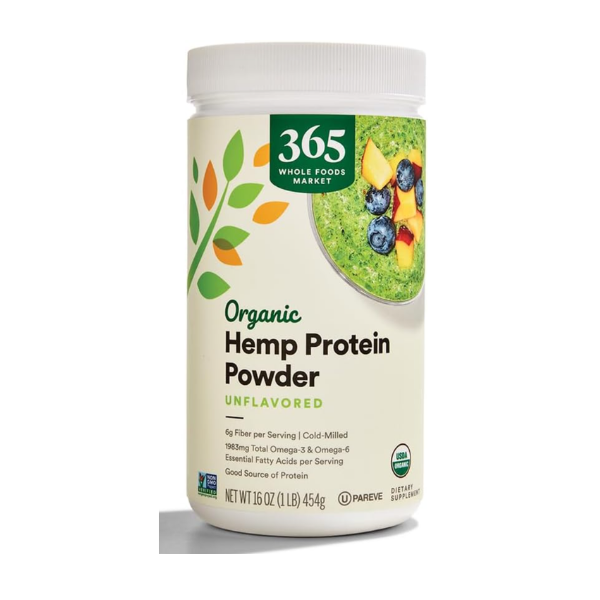
These kosher pareve protein powders are ideal for anyone following a strictly kosher lifestyle who needs a protein supplement they can use at any meal. Plant-based sources such as pea, almond, and hemp are naturally free from dairy and animal derivatives, making them a straightforward pareve choice. Unjury stands out for offering clearly labelled kosher pareve options, while Bob's Red Mill and BlueBonnet are well-established brands with strong certification track records. Always verify the pareve status on the current product packaging as formulations can occasionally change.
💪 OWYN — Only What You Need
100% plant-based, allergen-friendly and kosher certified.
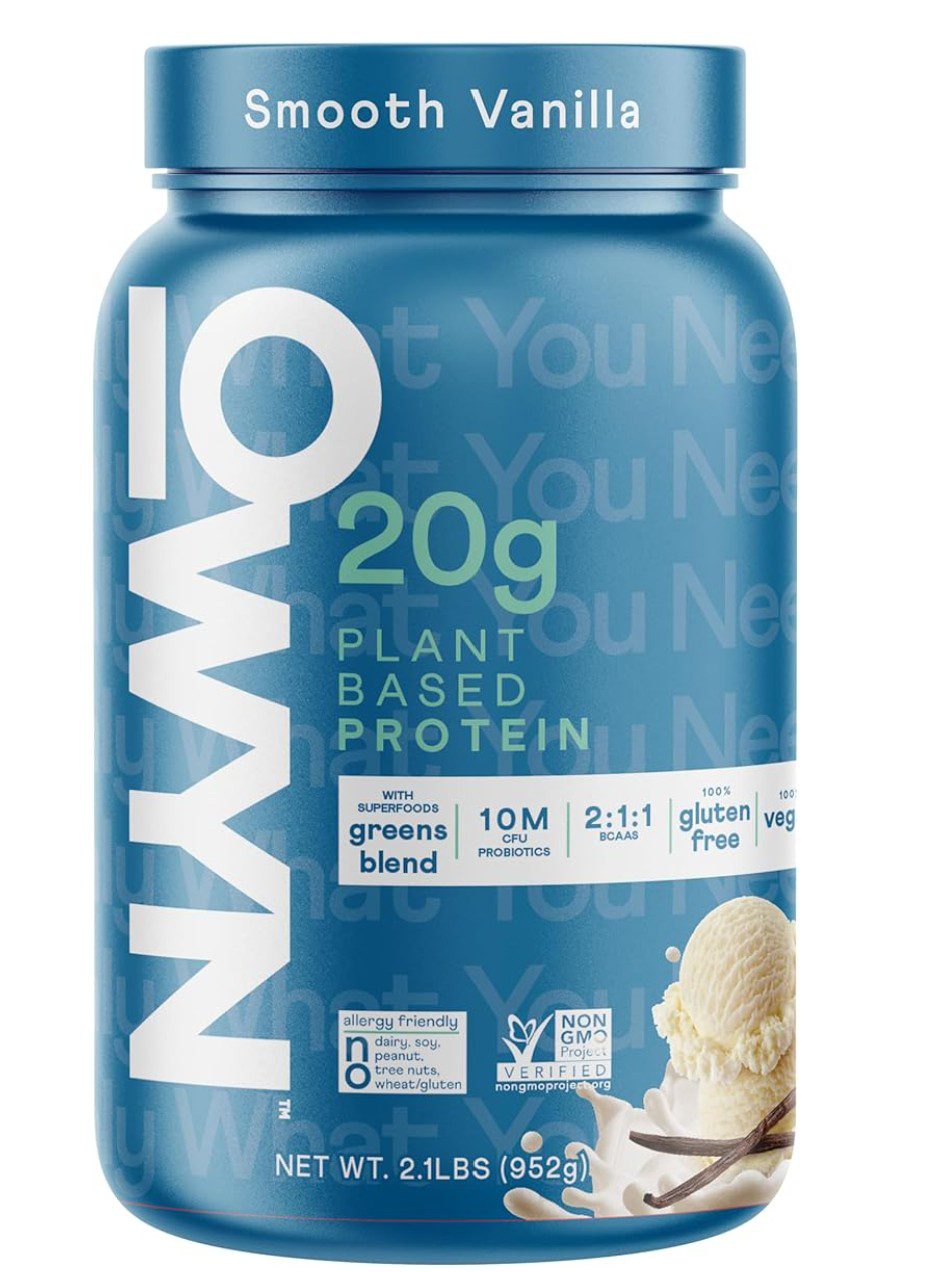
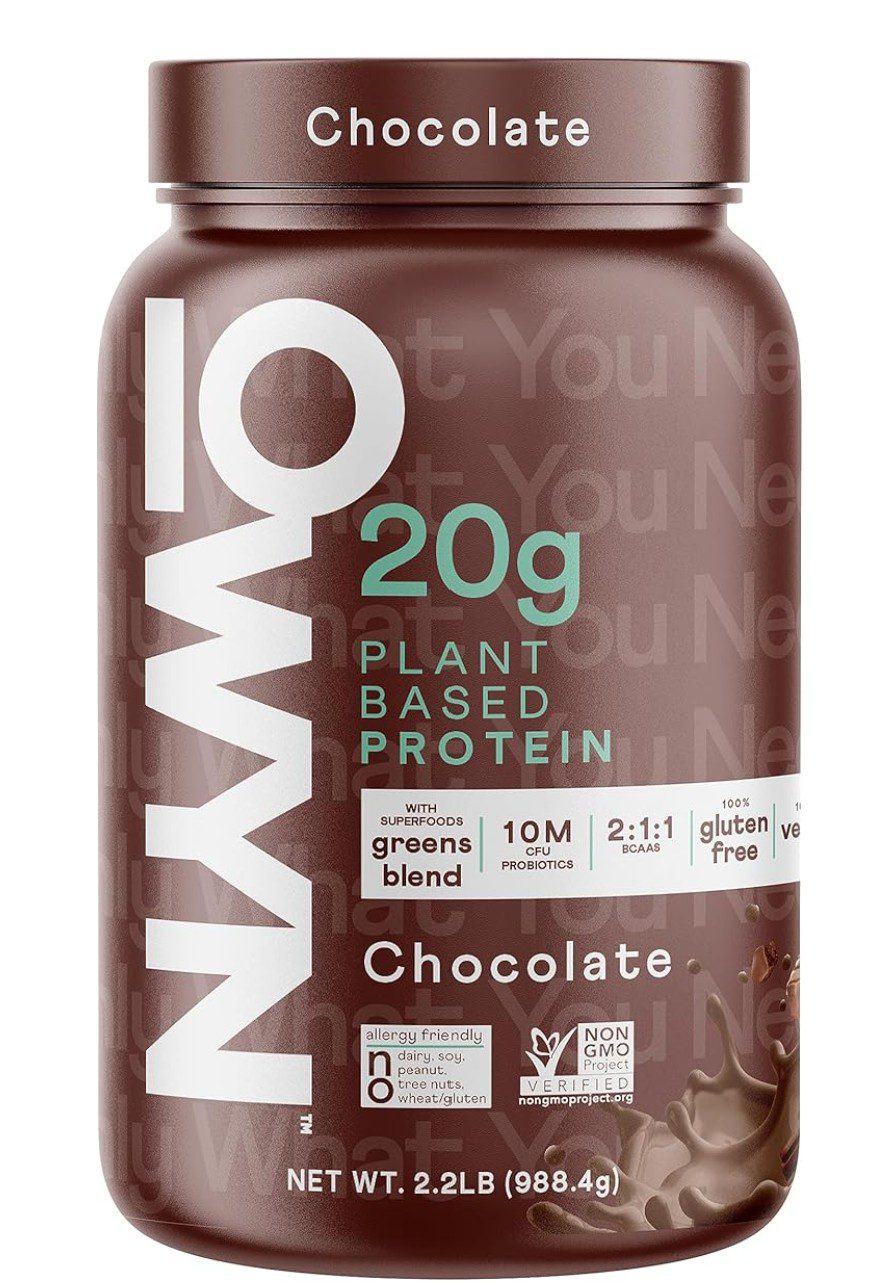
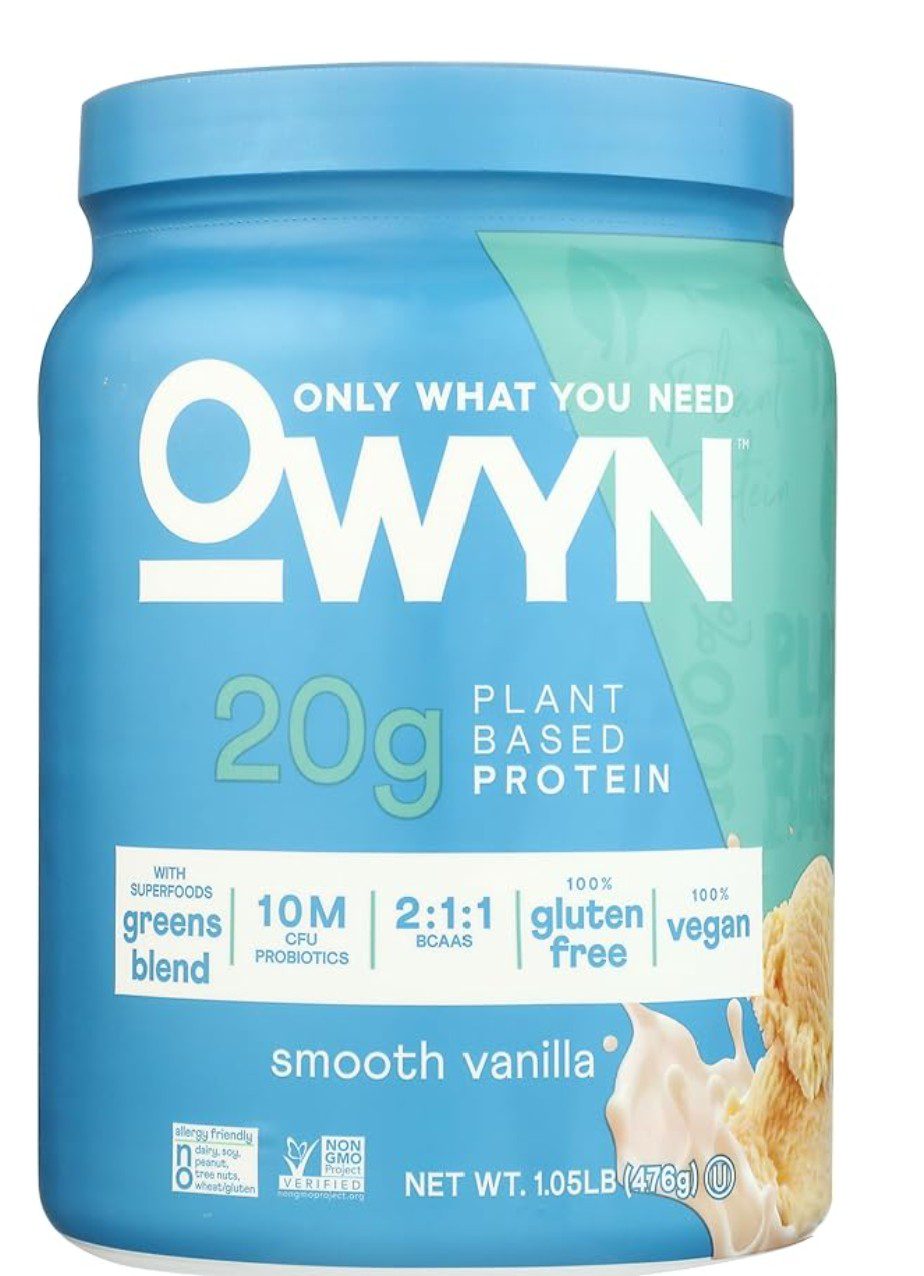
OWYN, which stands for Only What You Need, is a fully plant-based protein brand that is 100% free from the top allergens and certified kosher. Their powders use a pea, pumpkin seed, and flaxseed protein blend, making them a strong choice for anyone who wants a clean, complete amino acid profile without dairy, soy, or gluten. With both vanilla and chocolate options available, OWYN is one of the most versatile kosher pareve protein powders on Amazon.

🌿 Orgain Kosher Plant Based Protein Powder
Organic, certified kosher and widely available on Amazon.
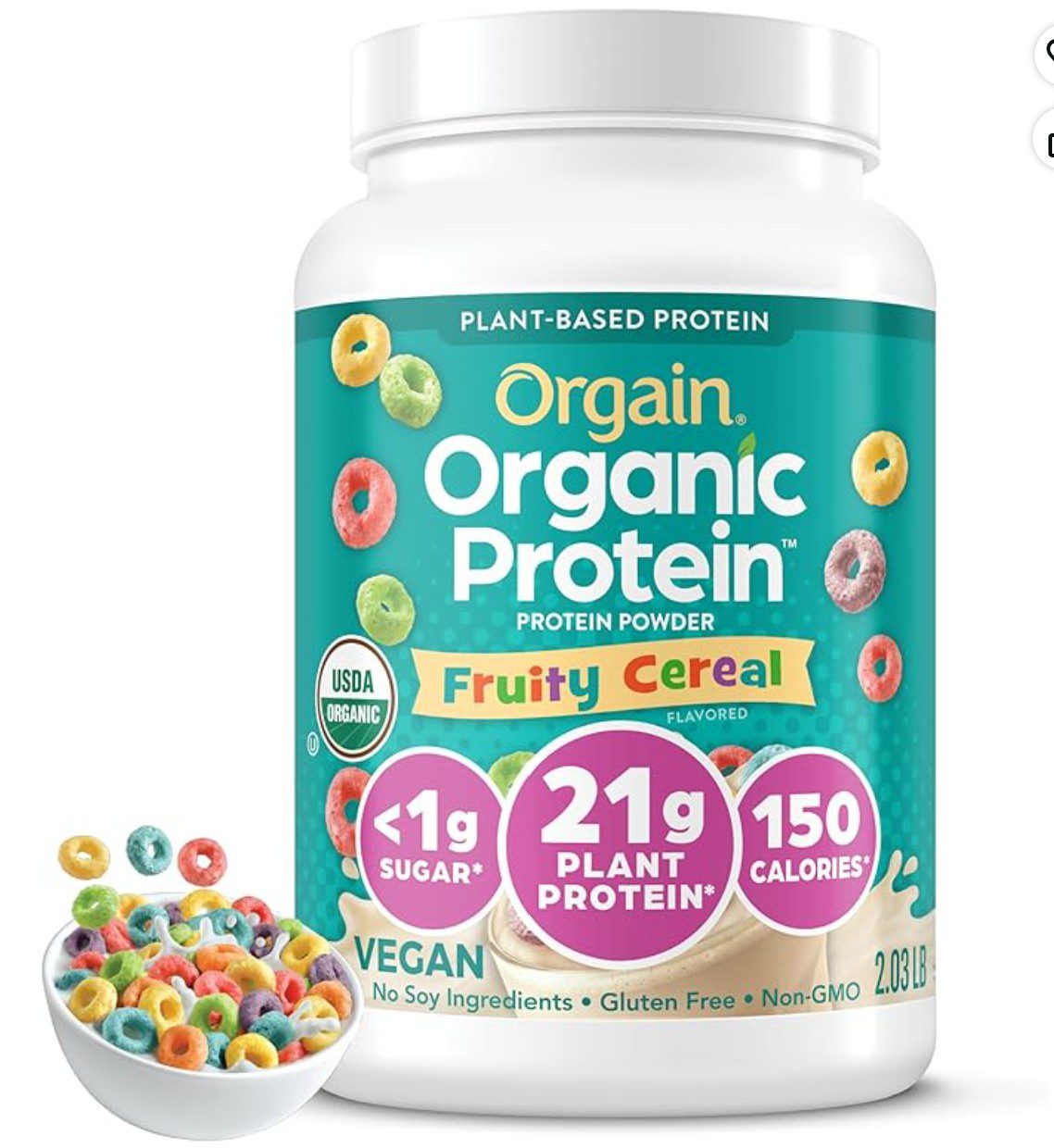
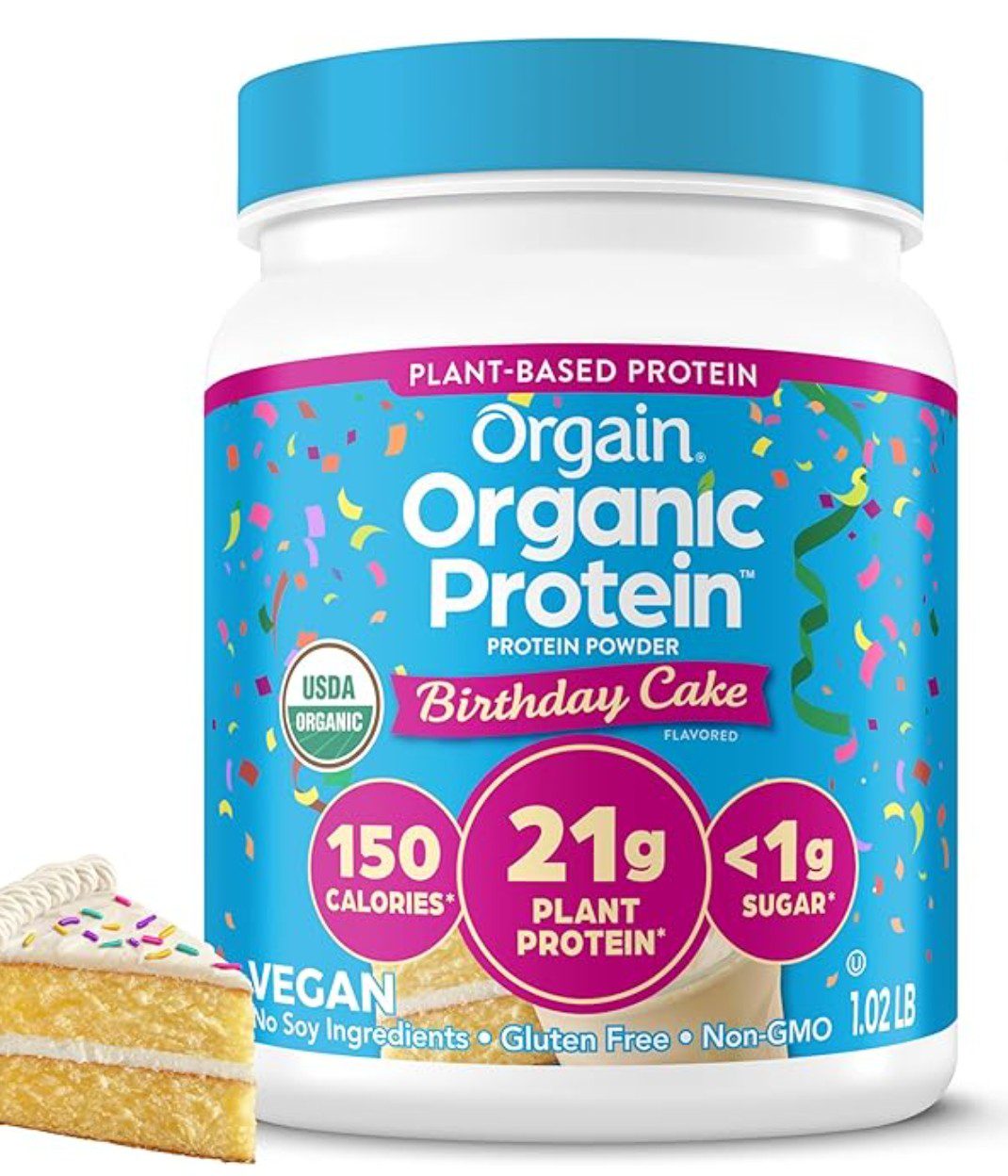
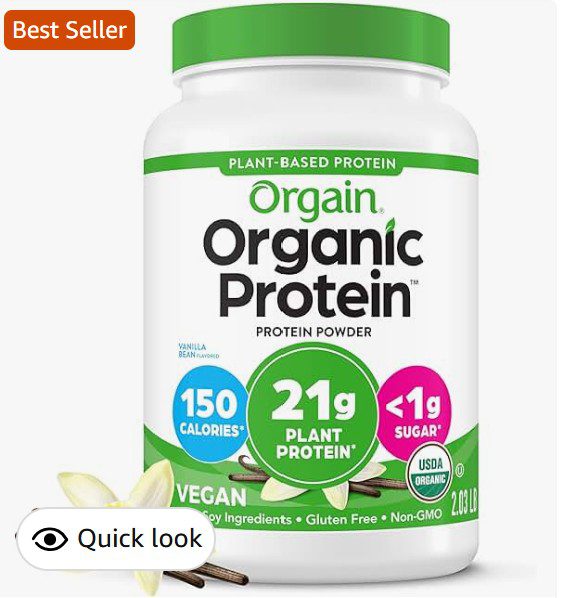
Orgain is one of the most recognisable names in organic plant-based protein and is a popular choice among kosher consumers. Their products are widely stocked on Amazon, making them easy to reorder, and the range includes fun flavours such as Birthday Cake alongside more classic options. Orgain uses a blend of pea, brown rice, and chia seed protein, offering a good balance of amino acids in a clean, organic formula. Always check the current product listing for the kosher symbol before purchasing.


❓ Kosher Vegan Protein Powder FAQs
Your questions answered.
1. Is vegan protein powder automatically kosher?
No. Vegan protein powder is not automatically kosher because flavourings, sweeteners, processing aids, and manufacturing equipment can all affect kosher status. Always look for a recognised kosher certification symbol on the finished product.
2. Is kosher vegan protein powder usually pareve?
Many kosher vegan protein powders are pareve, but you should always check the certification details rather than assuming. Pareve status matters if you want to use the protein powder after meat meals or maintain a fully dairy-free kosher kitchen routine.
3. What plant proteins are commonly used in kosher vegan protein powder?
Common sources include pea protein, brown rice protein, hemp protein, almond protein, soy protein, pumpkin seed protein, and mixed plant blends. Each has a different texture, flavour, and amino acid profile, so the best choice depends on your goals and preferences.
4. What is the best kosher vegan protein powder for muscle recovery?
The best option is usually one with at least 20g of protein per serving and a complete amino acid profile. Blended plant proteins such as pea and rice together, or pea, pumpkin, and flaxseed as used by OWYN, tend to offer stronger recovery support than single-source powders.
5. Can I buy kosher vegan protein powder on Amazon?
Yes, Amazon carries a wide range of kosher vegan protein powders. Always check the product images for the kosher symbol, read the current ingredient panel, and check that the seller is the brand itself or an authorised retailer.
6. What kosher symbols should I look for?
Look for recognised kosher symbols such as OU, OK, Star-K, or Kof-K. A plain letter K by itself is not always the same as formal kosher certification from a recognised certifying authority.
7. Is pea protein kosher?
Pea protein can be kosher when it is produced under proper kosher supervision and sold as a certified finished product. The ingredient itself is not enough — the entire product including all flavourings and processing must carry kosher certification.
8. Are flavoured vegan protein powders harder to verify?
They can be, because flavours, sweeteners, and added ingredients may have different kosher considerations. Certification is especially important for chocolate, vanilla, salted caramel, berry, or dessert-style flavours where additives are more complex.
9. What should I check before buying vegan protein powder online?
Check the kosher symbol, the vegan claim, the protein source, grams of protein per serving, sugar content, allergen information, and whether the product images match the current packaging on sale.
10. Is kosher vegan protein powder better than whey protein?
It depends on your needs. Vegan protein powder is ideal for people avoiding dairy or needing a pareve supplement, while whey may suit people who specifically want a dairy-based protein with a naturally high leucine content for muscle synthesis. Both can be effective when used consistently.
The Kosher Hub is not a Kosher Authority. For any advice please refer to your local Kashrut Authority.
As an Amazon Affiliate we earn from qualifying purchases.



Understanding Our Kosher Certifications
The Kosher Hub references products certified by recognized kosher authorities, including OU, OK, Star-K, Kof-K, and CRC. Certification symbols and status can change, so always confirm the current kosher status directly on the product packaging or via the certifying agency's own listings before purchasing.