



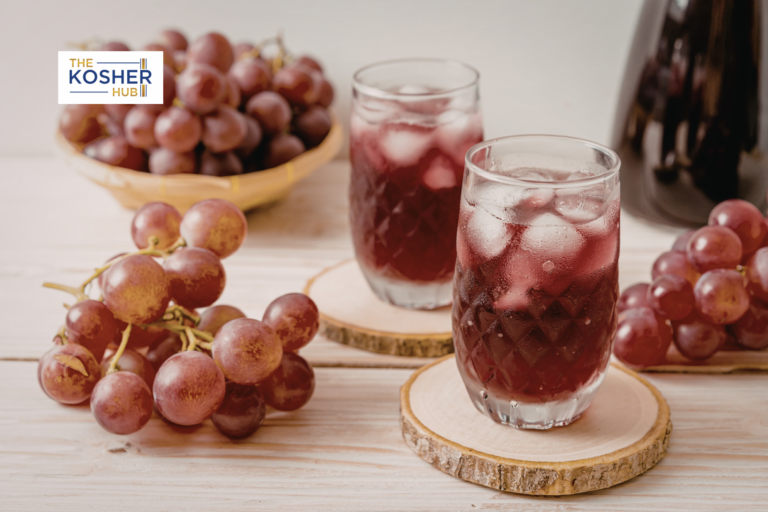
Kosher grape juice is produced under strict kosher supervision from the moment the grapes are crushed,...
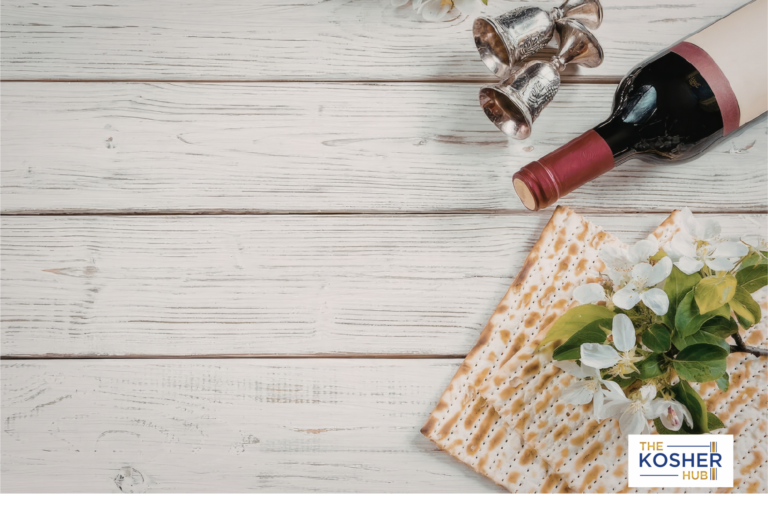
Kosher for Passover 2026 – Shoppable Guide
This shoppable guide is designed to help you easily find kosher...
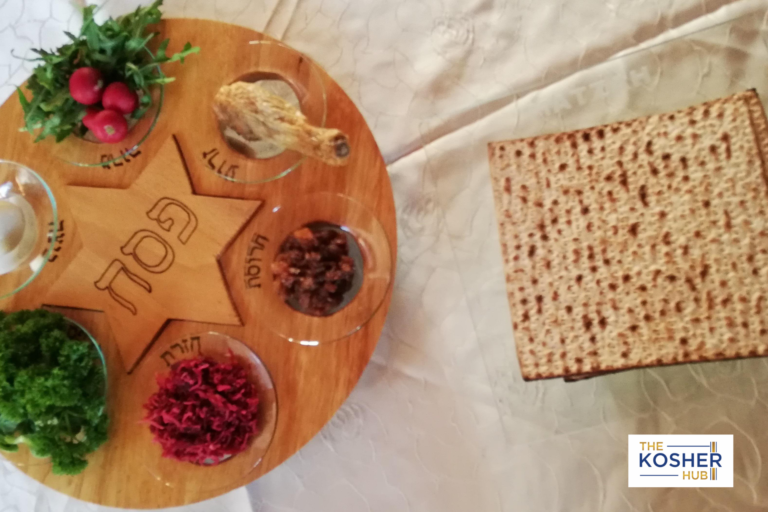
Passover food is carefully prepared to comply with strict dietary laws that commemorate the Israelites’...
Text here
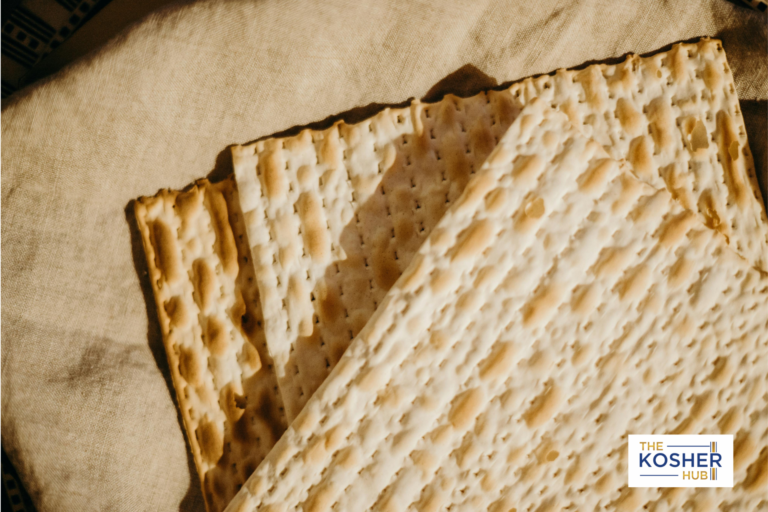
Finding Kosher for Passover/Pesach Matzah is fairly easy in big cities with large Jewish populations....
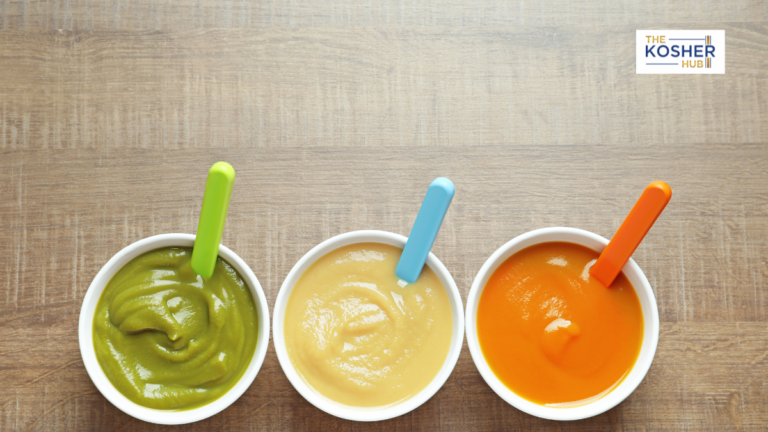
Although most infant formulas are not specifically certified Kosher for Passover, the Orthodox Union...
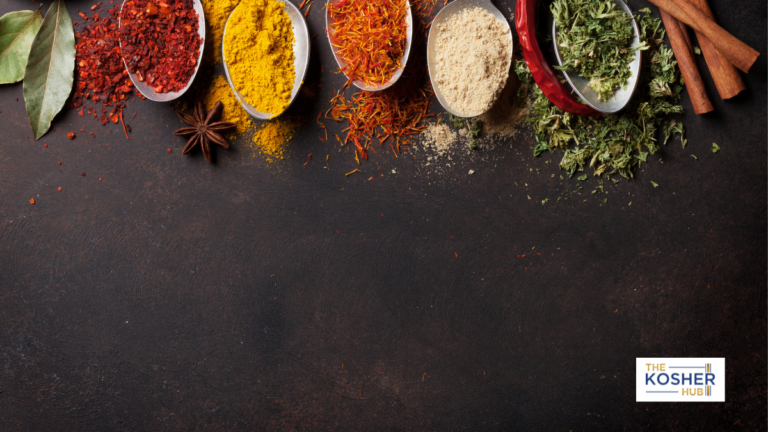
Spices can be used during Passover, but extra care is needed as many may be processed or packaged with...

Cleaning for Passover is one of the most important parts of preparation. The goal is to remove all chametz...
Text here
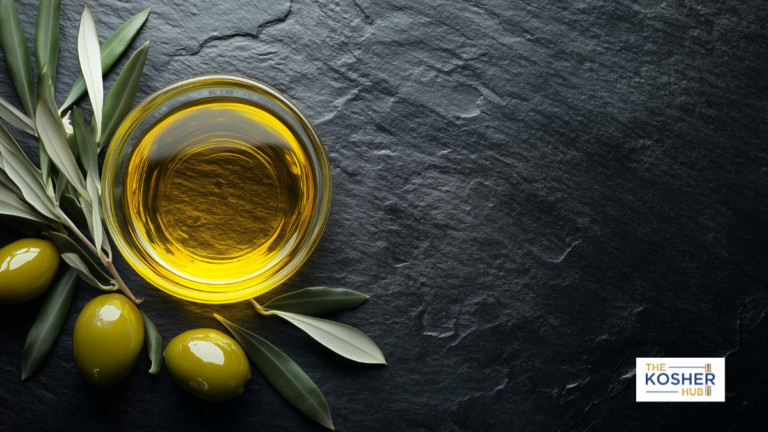
Kosher for Passover (KFP) olive oil is generally considered one of the simplest and safest...
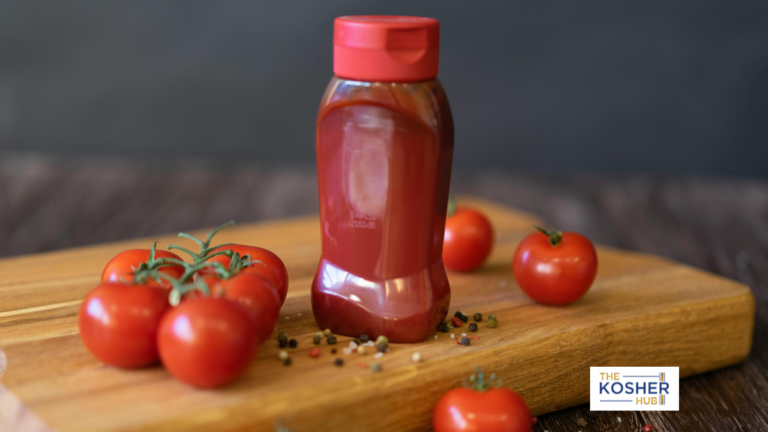
Kosher for Passover (KFP) ketchup requires careful checking, as many regular varieties contain ingredients...
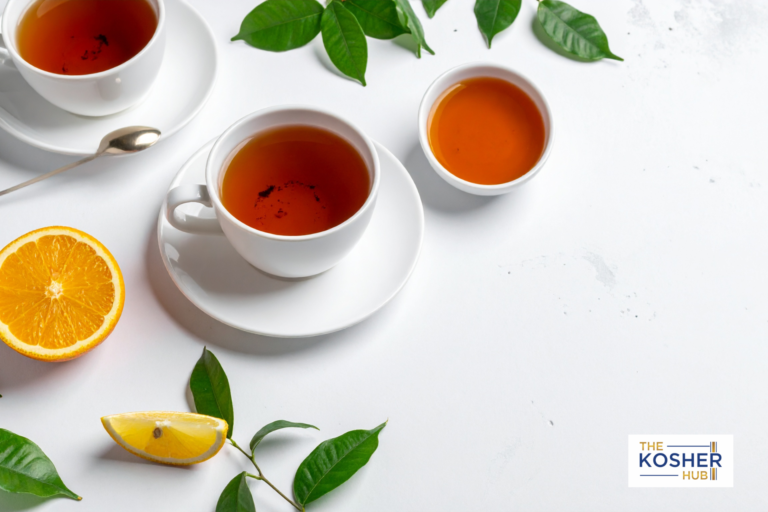
Kosher for Passover tea is generally straightforward, but it’s still important to check carefully. Plain,...
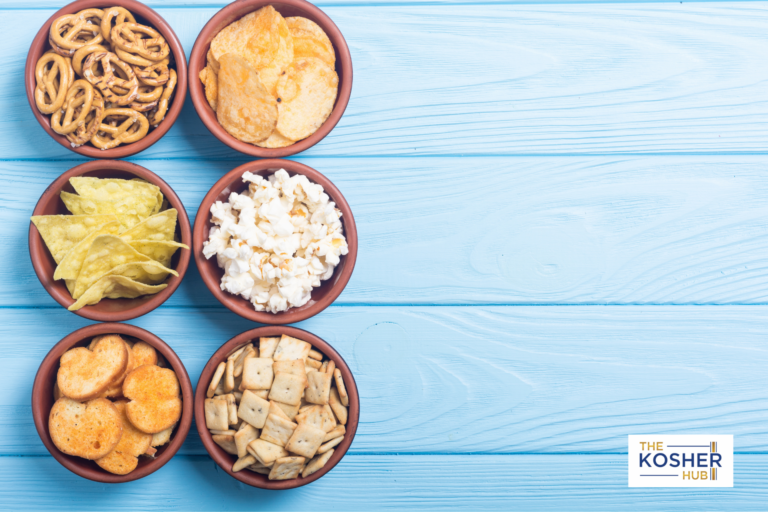
Finding kosher for Passover snacks can be tricky, especially with so many everyday snack foods off-limits...
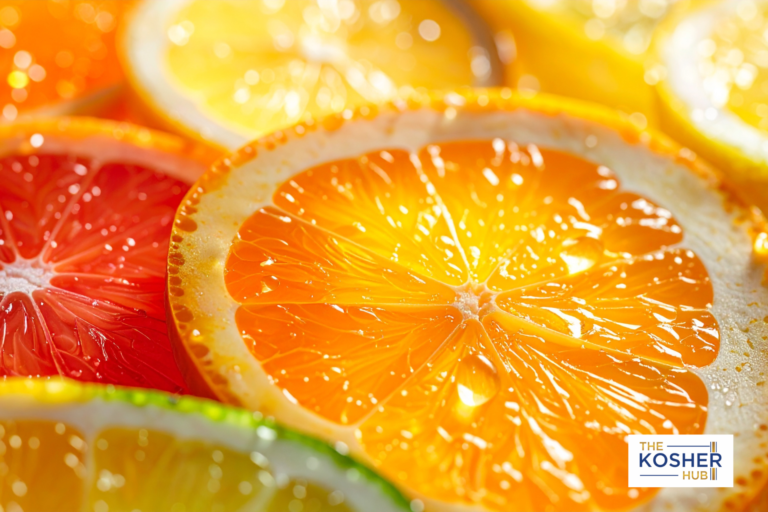
Kosher for Passover fruit slices are a popular sweet treat during the holiday, but not all fruit candies...
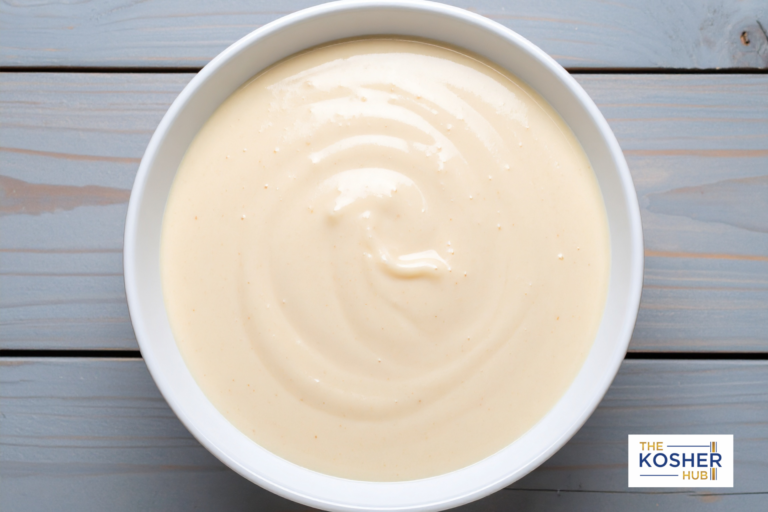
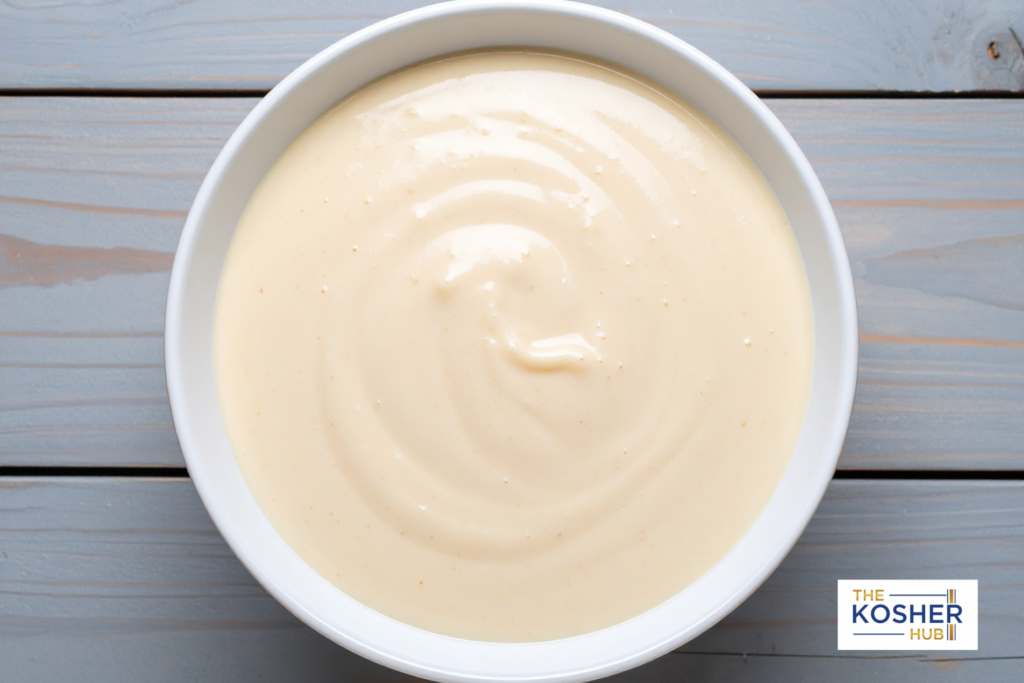
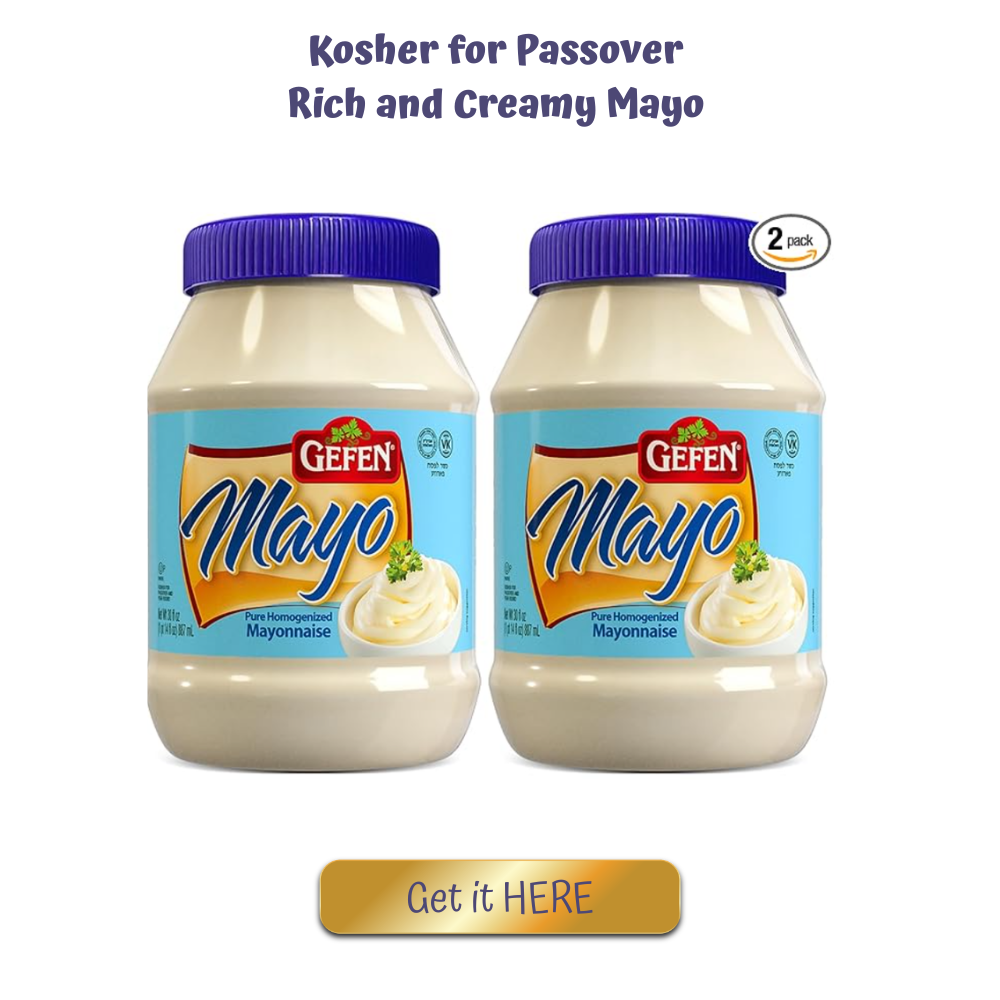
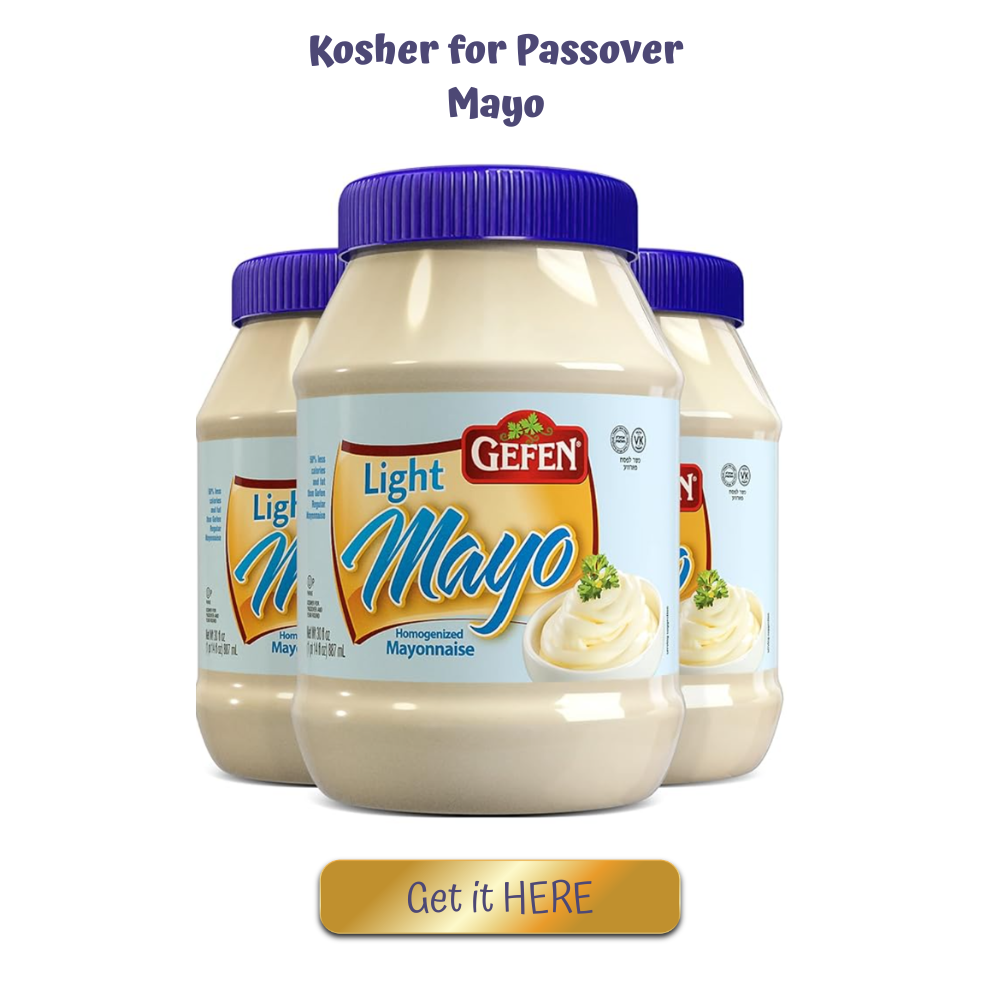
Finding kosher for Passover mayonnaise can be tricky, as many regular mayonnaise brands contain ingredients...
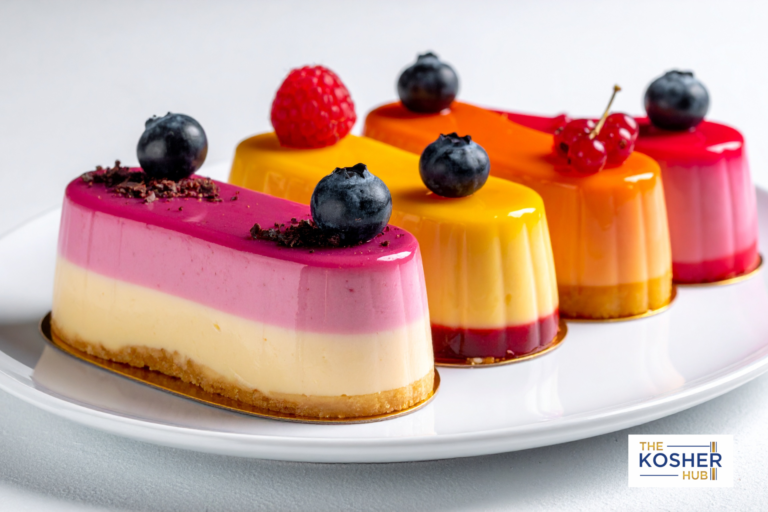
Kosher for Passover desserts are made without chametz, which means traditional ingredients such as wheat...

Kosher for Passover frosting can be used to decorate cakes, cupcakes, and cookies during the holiday,...
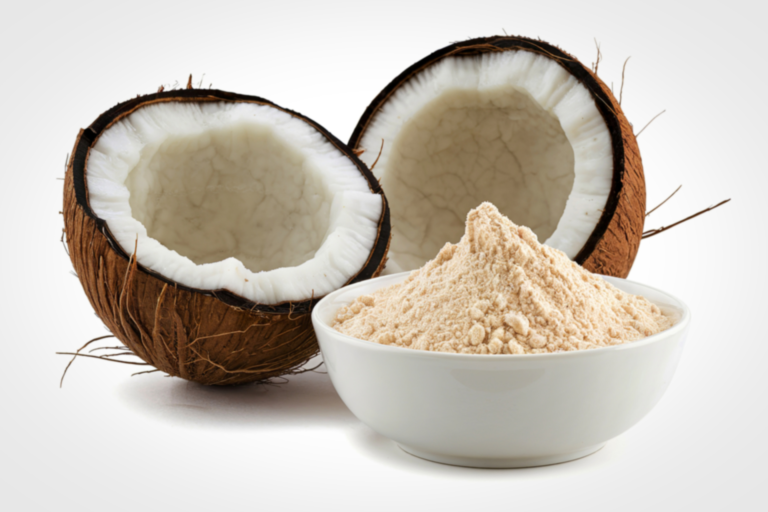
During Passover, traditional wheat flour cannot be used because it is made from grains that become chametz....
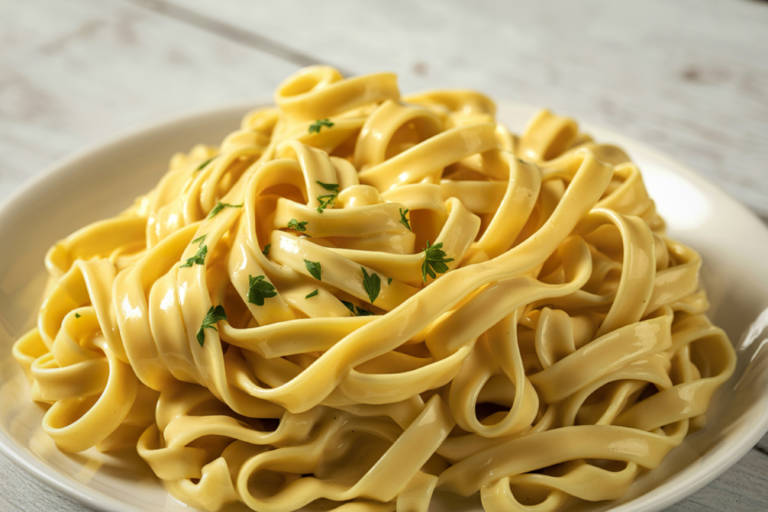
Egg noodles are usually not Kosher for Passover when they are made from traditional wheat flour, which...
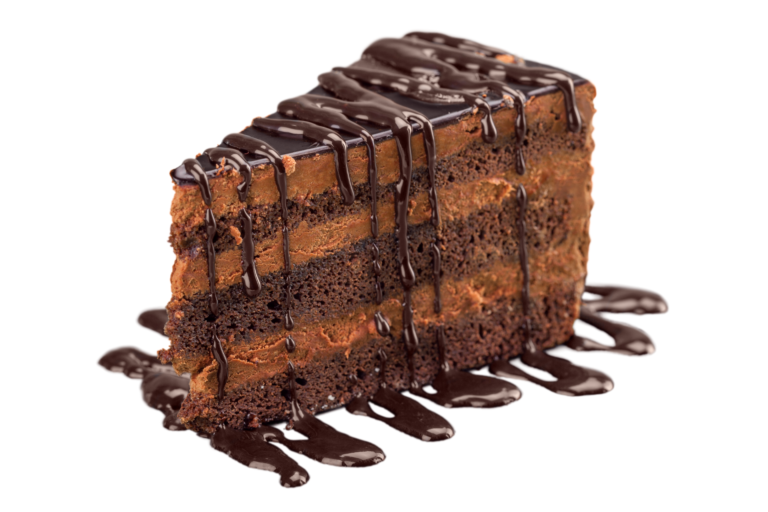
Passover desserts can still be rich and delicious even without traditional flour. Many recipes use ingredients...

Coffee is generally permitted during Passover, but it is important to check how the coffee is processed...

Cereal is one of the trickier foods during Passover because most breakfast cereals are made from wheat,...