
The Kosher Hub Home of all Things Jewish

Can Kosher Salt Go Bad?

Kosher salt does not go bad in the traditional sense. It’s a mineral (sodium chloride) and is naturally shelf-stable. However, its quality can diminish over time if it’s exposed to moisture or contaminants.

Why Kosher Salt Doesn’t Technically Expire

Kosher salt is essentially pure sodium chloride. As a mineral, it’s incredibly stable and doesn’t support bacterial growth or decay like organic food products. That’s why, if kept dry and clean, kosher salt can last indefinitely.

In fact, most brands don’t include an expiration date—only a “best by” date, which is more about maintaining quality than safety.

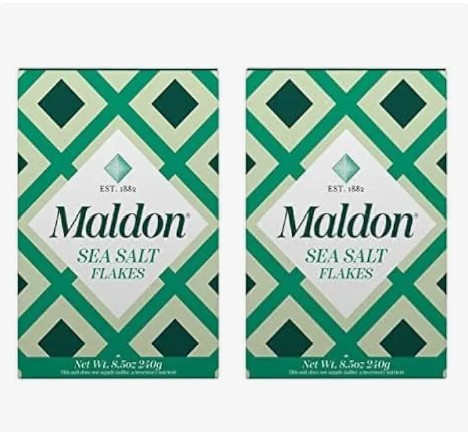
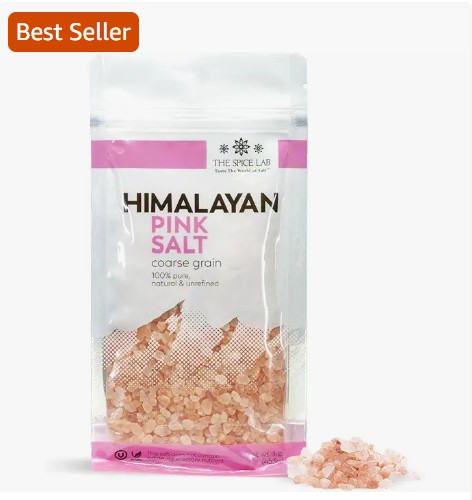
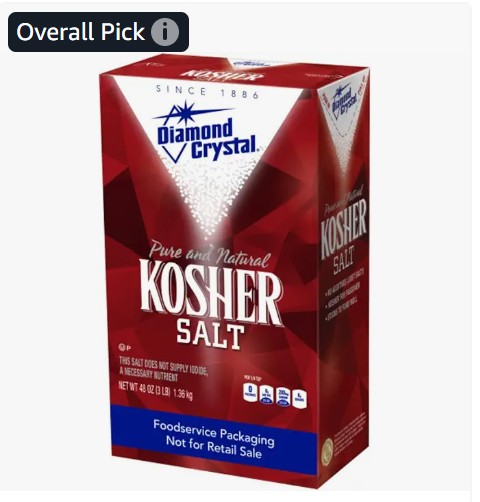
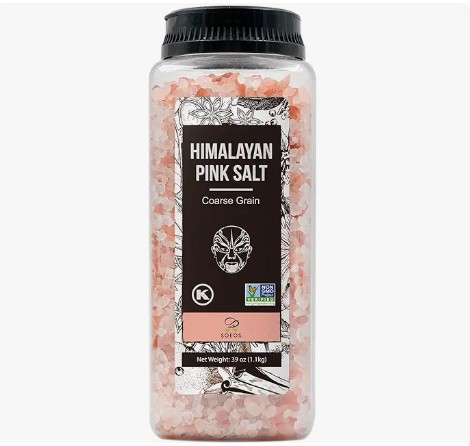
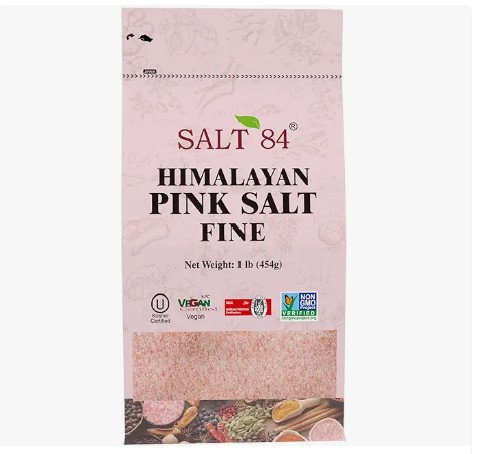
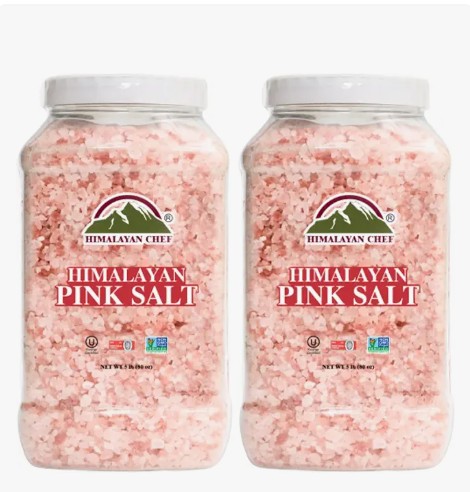
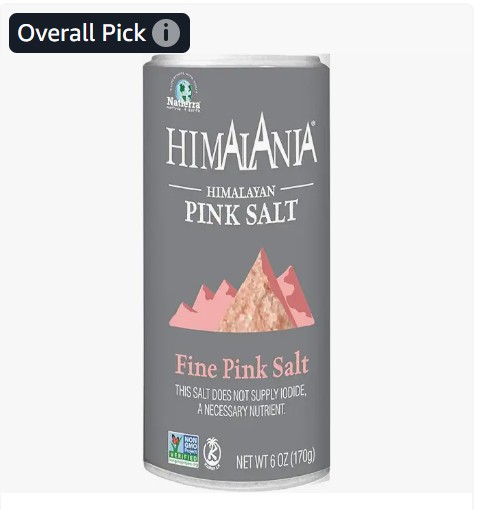
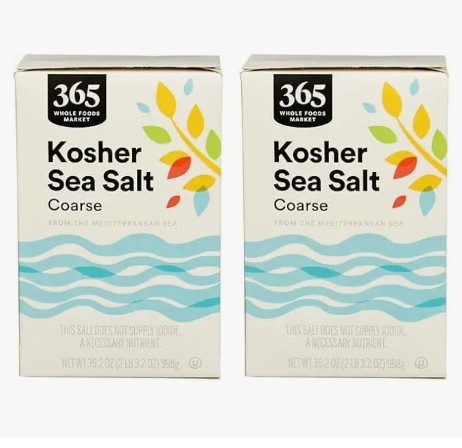
Most Popular Kosher Salt on Amazon

Diamond Crystal Kosher Salt
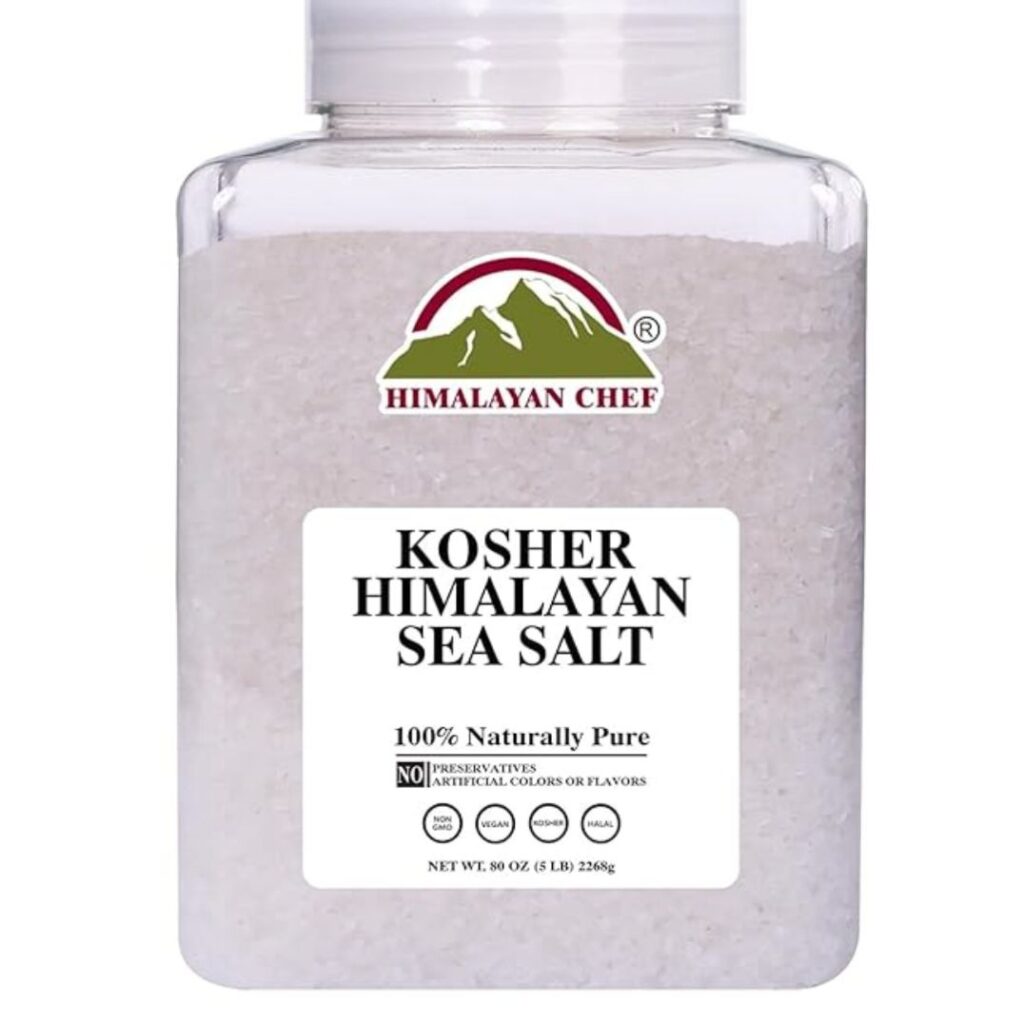
Himalayan Kosher Salt
Maldon Sea Salt Flakes

What Can Go Wrong?

While the salt itself won’t go bad, here are a few ways its usability can be compromised:

  • Moisture Exposure: If the salt absorbs water from humidity or spills, it can clump up or dissolve partially. This doesn’t make it dangerous, but it makes it harder to measure and may affect your recipes.

  • Contamination: If the box isn’t sealed well, your salt can pick up smells from nearby spices or even get dirty from airborne particles, insects, or other contaminants.

  • Packaging Breakdown: Over time, cardboard boxes can deteriorate, letting in moisture or pests. Transferring salt to an airtight container can help extend its freshness.

Top 10 Tips for Keeping Kosher Salt from Going Bad

Kosher salt is a staple in many kitchens due to its coarse texture and purity, and while it doesn’t truly “go bad” like perishable foods, it can degrade in quality or become unpleasant to use if not stored properly. Here are the top 10 tips for keeping your kosher salt in great condition:

  1. Store in an Airtight Container
    Use a container with a tight-sealing lid to prevent moisture from getting in, which can cause clumping or dissolving.

  2. Keep Away from Humidity
    Avoid storing salt near the stove, dishwasher, or any humid environment where steam or moisture could reach it.

  3. Use a Dry Spoon
    Always scoop salt with a completely dry utensil to avoid introducing moisture.

  4. Avoid Cross-Contamination
    Don’t dip used or dirty hands or utensils into your salt container, especially after handling raw food.

  5. Use a Dedicated Salt Cellar or Box
    A covered salt cellar (salt pig or box) allows for convenient access while keeping contaminants out.

6. Store in a Cool, Dark Place
Keep salt away from direct sunlight or heat sources to prevent the container from heating and creating condensation inside.

7. Label and Date Bulk Purchases
If buying in bulk, label the storage container with the purchase date to keep track of freshness.

8. Avoid Plastic Bags for Long-Term Storage
Transfer salt from plastic bags to more stable containers like glass or heavy-duty plastic with a proper seal.

9. Add a Desiccant Packet
Place a food-safe desiccant packet inside the salt container to absorb excess moisture (optional but helpful in humid areas)

10. Check for Odors
Salt can absorb odors from its surroundings. Keep it away from strong-smelling substances and check for off smells if stored near spices or cleaning products.

Most Popular Salt Storage on Amazon...

Storage Tips to Maximize Shelf Life

To ensure your kosher salt stays fresh and clump-free:

  • Store it in a cool, dry place away from humidity.

  • Use an airtight container—glass or plastic both work well.

  • Keep it away from strong-smelling foods or chemicals.

Does Kosher Salt Ever Taste Different?

Typically, no. But if it’s been stored improperly, it could develop a slightly musty or stale odor from absorbing odors or moisture. If that happens, it’s best to toss it and get a fresh batch.

Top 10 Kosher Salts on Amazon

You Might Also Be Interested In

Kosher Milk
Kosher Milk
Kosher milk includes both traditional dairy and plant-based options that meet kosher dietary laws and...

Read More
Kosher Jello
Kosher Jello
Kosher jello is a gelatin-based dessert that meets kosher dietary laws, but not all jello qualifies due...

Read More
Kosher Grape Juice
Kosher Grape Juice
Kosher grape juice is produced under strict kosher supervision from the moment the grapes are crushed,...

Read More
Kosher Chocolate
Kosher Chocolate
Kosher chocolate is made in accordance with Jewish dietary laws, meaning all ingredients and equipment...

Read More
Kosher Chinese
Kosher Chinese
Kosher Chinese food follows traditional Chinese cooking styles but uses only kosher-certified ingredients...

Read More
Kosher Sushi
Kosher Sushi
Kosher sushi can be tricky because while fish itself may be kosher, the preparation process often introduces...
Read More
Kosher Marshmellows
Kosher Marshmellows
Kosher marshmallows are a high-demand product because traditional marshmallows almost always contain...

Read More
Kosher Bagels
Kosher Bagels
Bagels are a very Jewish food coming to New York in the 17th century from Poland. A lot of bagels are...
Read More
Kosher Gelatin
Kosher Gelatin
Kosher gelatin is a gelling agent that complies with Jewish dietary laws and must be sourced from kosher-certified...

Read More
Kosher Hotdogs
Kosher Hot Dogs
Kosher hot dogs are made from beef that has been prepared according to Jewish dietary laws and must be...
Read More