
Kosher Salt vs Table Salt: What’s the Difference?
Choosing between kosher salt and table salt might seem simple, but the differences actually matter more than most people realise — especially in a kosher kitchen.
In this guide, we’ll break down the key differences, when to use each, and the best kosher salt brands for everyday cooking and Passover preparation.
See Best Kosher SaltsWhat is the Difference Between Kosher Salt and Table Salt?
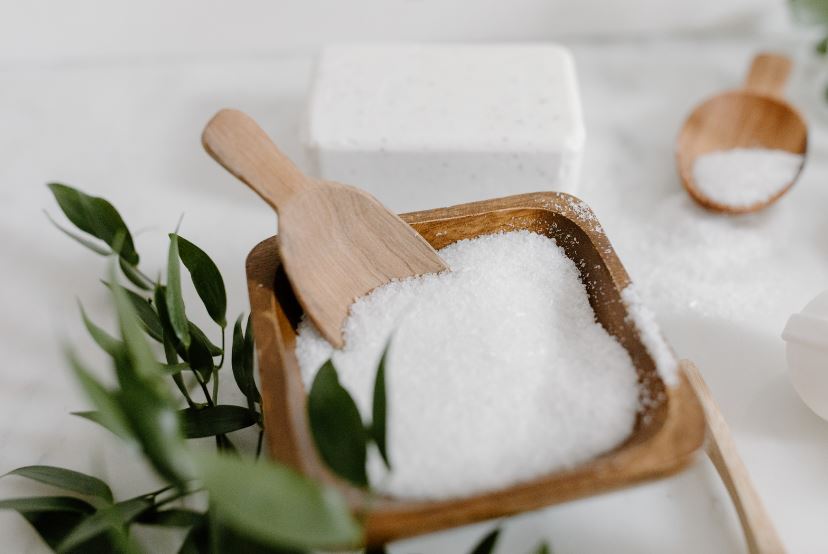
The main difference between kosher salt and table salt is the size and structure of the crystals.
- Kosher salt: larger, coarse flakes with no additives
- Table salt: fine grains with iodine and anti-caking agents
This affects taste, texture, and how the salt behaves in cooking.
Kosher Salt vs Table Salt (Side-by-Side)
| Feature | Kosher Salt | Table Salt |
|---|---|---|
| Grain Size | Large, flaky | Fine |
| Additives | Usually none | Iodine + anti-caking agents |
| Taste | Cleaner, milder | Sharper |
| Dissolving Speed | Slower | Fast |
| Best Use | Cooking & seasoning | Baking & precision |
Best Kosher Salt Brands
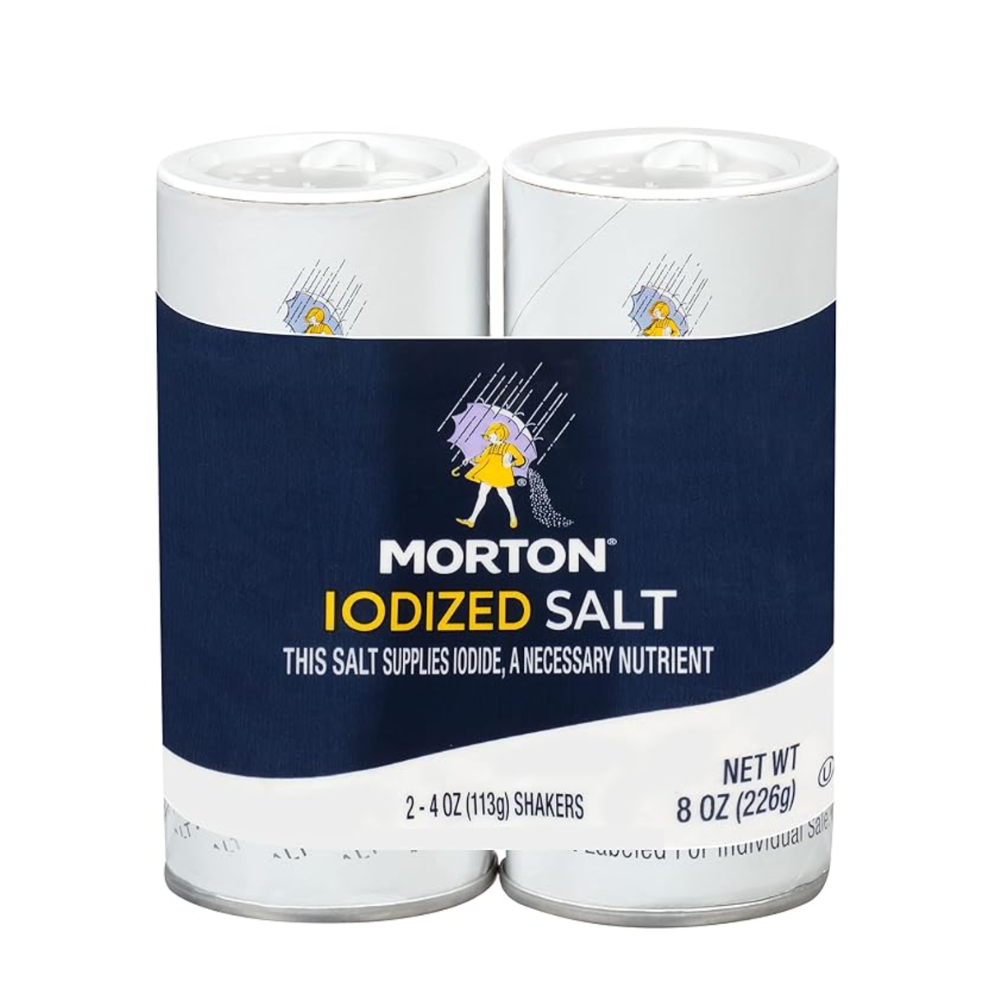
Morton Coarse Kosher Salt – Best Overall
- Widely available
- Consistent grain size
- Great for everyday cooking
A reliable and popular option that works well in most kosher kitchens.
Check Price on Amazon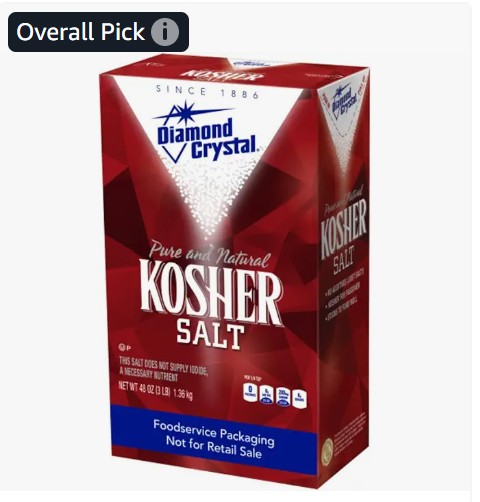
Diamond Crystal Kosher Salt – Best for Chefs
- Lighter flakes
- Easy to pinch and control
- Preferred by chefs
Known for its texture and control, making it a favourite in professional kitchens.
Check Price on Amazon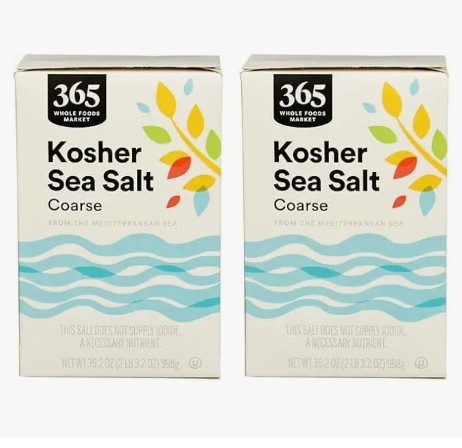
365 Kosher Salt – Best Budget Option
- Affordable
- Simple ingredients
- Great for bulk use
A practical option if you want a second salt for everyday or Passover use.
Check Price on AmazonWhen Should You Use Kosher Salt?
- Seasoning meat and vegetables
- Cooking where texture matters
- When you want better control
When Should You Use Table Salt?
- Baking
- Precise measurements
- Quick dissolving recipes
Can You Use Kosher Salt for Passover?
Many kosher salts are suitable for Passover, but always check certification and avoid additives. Simple, pure salt is usually preferred.
FAQs
Is kosher salt healthier?
Not necessarily — both are sodium chloride.
Can you substitute kosher salt for table salt?
Yes, but adjust the quantity.
Why do chefs prefer kosher salt?
Because it’s easier to control and distribute.
Final Thoughts
Kosher salt is often the better choice for everyday cooking, especially in a kosher kitchen. The brands above are reliable, easy to use, and widely trusted.
View Top Picks Again