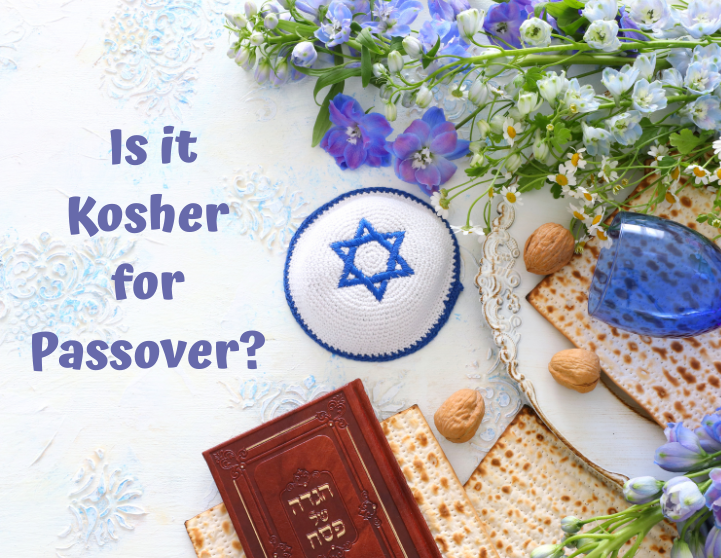


Passover is a cornerstone of the Jewish year, celebrating the miraculous redemption of the enslaved Israelites from Egypt and the forging of a new nation. As early spring approaches, the Jewish home transforms into a space of meticulous preparation and spiritual reflection. This eight-day holiday (seven days in Israel) is defined by its focus on family, tradition, and a very specific set of dietary laws that set this time apart from any other month.
Preparation for Passover 2026 should begin early, as the transition to a kosher for Passover lifestyle involves more than just a change in diet; it requires the thorough removal of leavened products from our homes and the procurement of specifically supervised foods. By organizing your pantry and kitchen well in advance, you can focus on the deeper themes of the holiday: freedom, humility, and the transmission of our heritage to the next generation.
This guide is designed to serve as your authoritative partner in navigating the complexities of the holiday. Whether you are hosting your first Seder or have been preparing for decades, understanding the “how” and “why” of these laws ensures a meaningful and stress-free observance.
What Does Kosher for Passover Mean?
The central theme of Passover is the removal of chametz. Historically, as the Hebrew slaves fled Egypt, they had to depart so quickly that their bread dough did not have time to rise. To commemorate this hurried departure, we abstain from eating or owning any leavened grain products for the duration of the holiday.
Chametz refers to any food or drink containing fermented products derived from five specific grains: wheat, barley, rye, oats, and spelt. When these grains come into contact with water and are not baked within 18 minutes, they are considered leavened. The prohibition is extremely strict; while standard kosher laws often allow for minor traces of non-kosher substances to be “neutralized,” on Passover, even the minutest amount of chametz is a problem.
The difference between being “kosher year-round” and “kosher for Passover” is substantial. Many ingredients that are routine and acceptable during the year—such as standard yeast, certain food starches, and even some vinegars—are not acceptable for Passover. To ensure a product is safe, manufacturing equipment must be scoured and purged of any trace of non-Passover food before production begins. This is why specialized “P” certification is so vital.
What Foods Are Allowed on Passover?
While the restrictions are significant, the list of permitted foods is vast, especially when focusing on fresh, whole ingredients.
Matzah and Matzah-Based Products
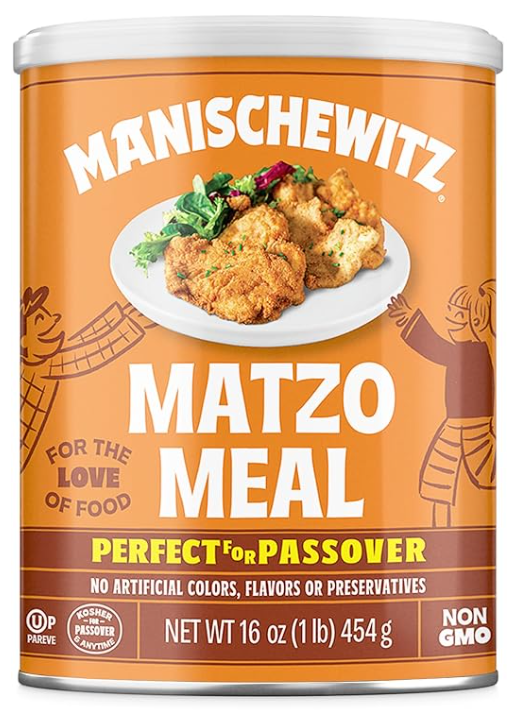
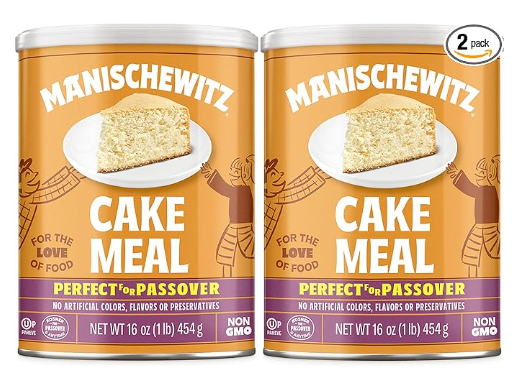
Matzah is the “Bread of Affliction” and the only grain product permitted on Passover. It must be made from one of the five grains mentioned above and baked under 18 minutes. For the Seder night, many prefer Shmura Matzah, which is guarded from moisture from the moment of harvest. Matzah meal and matzah cake meal are common substitutes for flour in holiday cooking.
Fruits and Vegetables
Nearly all fresh, raw fruits and vegetables are inherently kosher for Passover and do not require special certification. However, once they are processed, rules change. Frozen fruits are acceptable if they are unsweetened and contain no sensitive additives like corn syrup. Frozen vegetables require certification because they are often washed in water containing anti-foaming agents or packed on shared machinery with pasta.
Meat, Poultry, and Fish
Raw, unprocessed meat and poultry in their original factory-sealed packages are generally acceptable for Passover with a standard kosher symbol. Ground, cooked, or broiled meats require specific Passover certification. For fish, raw frozen portions of certain brands (like Kirkland or 365) are acceptable if they are unseasoned and unspiced.
Dairy Products
While milk is generally acceptable if purchased before the holiday (allowing for the nullification of trace additives), it is preferable to purchase milk with specific Passover supervision. Many cheeses and yogurts are available with Passover certification, provided they contain no prohibited stabilizers or corn syrup.
Title
Image
Price
$53.66
$16.79
Available on Amazon
Title
Image
Price
$53.66
Available on Amazon
Wine and Grape Juice
Wine is essential for the Seder’s four cups. The vast majority of kosher wines are certified for Passover, but you must check for the “OU-P” or equivalent symbol, as some flavored or colored wines may contain grain-based additives or kitniyot.
Packaged Foods with Kosher for Passover Certification
All processed foods must bear a reliable symbol, such as OU-P, STAR-KP, or OKP. This indicates the product was made under rabbinic supervision in a chametz-free environment. Trusted legacy brands often include Kedem, Gefen, and Manischewitz, while newer brands like Heaven & Earth offer modern alternatives.
What Foods Are Not Allowed on Passover?
Avoiding chametz is the primary dietary commandment of the holiday.
Chametz Grains
The following five grains are prohibited unless baked into matzah:
• Wheat (found in bread, pasta, and most crackers)
• Barley (found in soups and many alcoholic beverages)
• Rye
• Oats (except for certified gluten-free oat matzah)
• Spelt
Processed Foods That May Contain Chametz
Many common items are hidden sources of leavening. This includes breadcrumbs, pastries, cakes, and most cereals. Beer and most grain-based liquors are also strictly forbidden.
Title
Image
Price
$22.34
$38.99
$22.99
Available on Amazon
Title
Image
Price
$38.99
Available on Amazon
Title
Image
Price
$22.99
Available on Amazon
Hidden Ingredients to Watch For
Labels can be deceptive. Ingredients like maltodextrin (often wheat-derived), modified food starch, ethyl acetate (used in decaffeination), and even certain vinegars can be chametz. Because it is impossible to know the source of these additives from a standard label, only products with a Passover “P” symbol should be used.
Ashkenazi vs. Sephardic Differences
One of the most notable variations in Passover observance involves kitniyot. This category includes “small things” like rice, corn, millet, legumes, beans, peas, and certain seeds.
Traditionally, Ashkenazi Jews (of Eastern European descent) avoid kitniyot because these items can be ground into flour or are often grown near prohibited grains, leading to potential confusion. Sephardic Jews (from Spain, North Africa, and the Middle East) generally permit these foods, provided they are sifted to ensure no stray wheat kernels are present.
In recent years, modern rabbinical rulings from the Reform and Conservative movements have permitted kitniyot for all Jews to encourage a healthier, more affordable diet. However, many individuals still choose to follow their family’s ancestral custom.
Title
Image
Price
$38.22
$5.50
$35.99
Available on Amazon
Title
Image
Price
$38.22
Available on Amazon
Title
Image
Price
$5.50
Available on Amazon
Title
Image
Price
$35.99
Available on Amazon

Common Kosher for Passover Mistakes to Avoid
• Assuming Gluten-Free is Passover-Safe: This is a common error. Products containing oats can be gluten-free but are still chametz.
• Forgetting to Check Spices: Ground spices like cinnamon or garlic powder can be adulterated with grain-based anti-caking agents and require certification.
• Using Year-Round Condiments: Jars of mayonnaise or mustard used during the year may contain breadcrumbs from previous use and must be replaced for the holiday.
• Buying Too Late: Certain items, like milk and eggs, are ideally purchased before the holiday begins so that any trace additives can be nullified.
• Bulk Bins: Never purchase nuts or dried fruit from open bulk bins, as shared scoops create a high risk of cross-contamination.
Best Kosher for Passover Brands in 2026
As you build your 2026 Passover grocery list, look for these high-quality, certified brands:
Best Kosher for Passover Snacks:
• Heaven & Earth: Known for veggie medley chips, beet chips, and cassava tortillas.
• BaKol: Offers potato chips made with avocado oil (avoiding common cottonseed oil).
Best Kosher for Passover Desserts
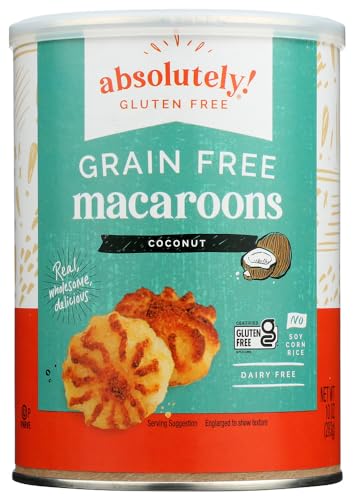
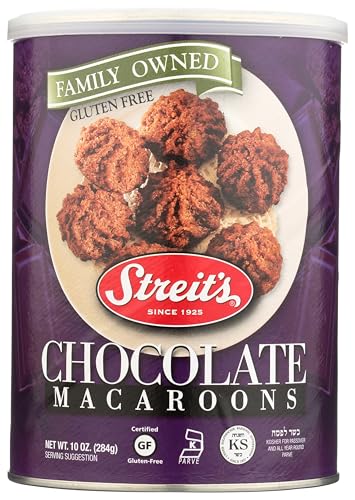
• Kedem: Famous for traditional macaroons and fruit slices.
• Schmerling’s: High-quality dark chocolate bars (85% cocoa is a great low-sugar option).
Best Kosher for Passover Baking Mixes
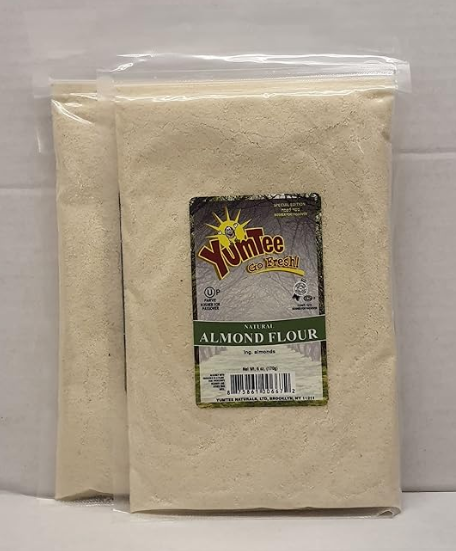
• Wellbees: Reliable source for almond flour and nut-based baking.
• Pereg: Offers high-quality quinoa flour and coconut flour.
Best Kosher for Passover Wine
• Herzog Wine Cellars: Known for high-quality, sustainable wines.
• Elvi Wines: Excellent options for those seeking organic grapes and no added sulfites.
Best Kosher for Passover Pantry Staples
• Kirkland (Costco): Great for extra virgin olive oil, raw nuts, and frozen salmon.
• Tuscanini: A top choice for marinara sauces and balsamic vinegars.


| Kosher for Passover Baking Product | Amazon Link | Image |
|---|---|---|
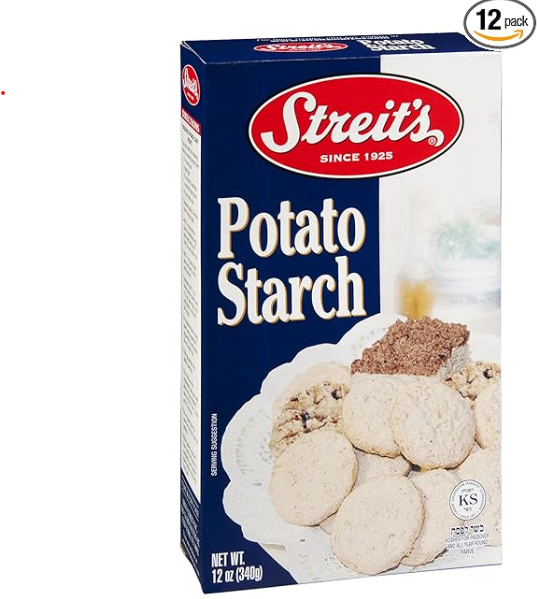
| Kosher for Passover Potato Starch | Streits Starch | ![]() ![]() |
| Kosher for Passover Almond Flour | Amazon | ![]() ![]() |
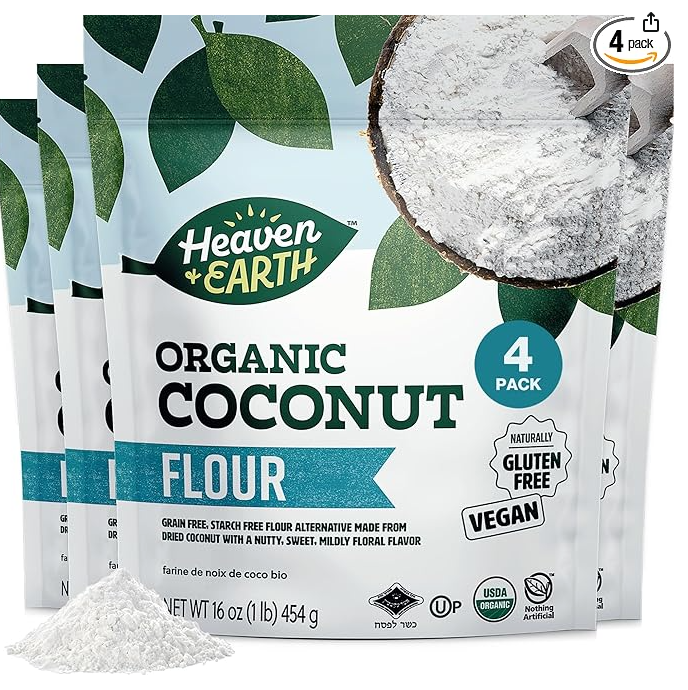
| Kosher for Passover Coconut Flour | Amazon | ![]() ![]() |
| Manischewitz Matzo Meal | Amazon | ![]() ![]() |
| Manischewitz Cake Meal | Amazon | ![]() ![]() |
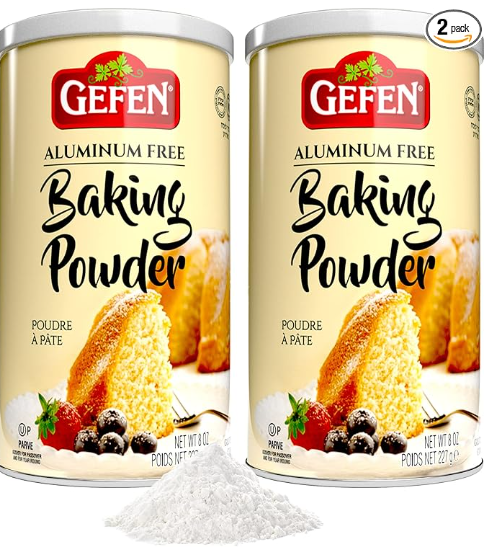
| Passover Baking Powder | Gefen | ![]() ![]() |
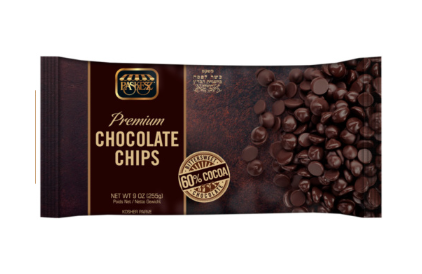
| Passover Chocolate Chips | Paskesz | ![]() ![]() |
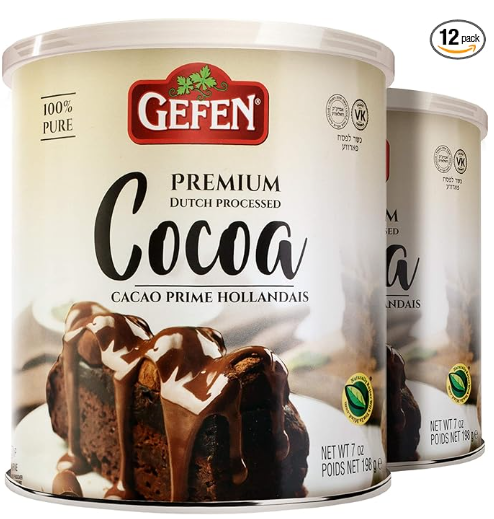
| Passover Cocoa Powder | Amazon | ![]() ![]() |
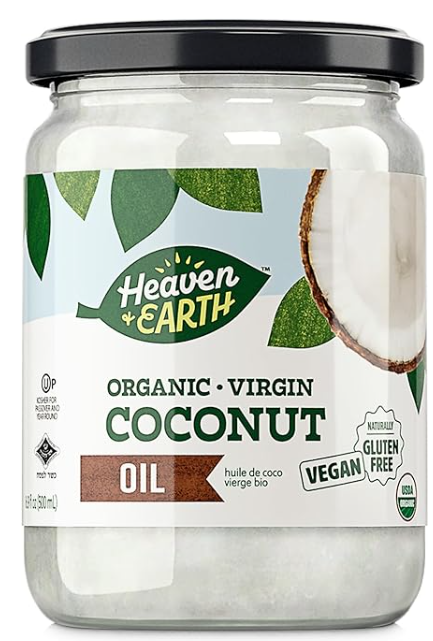
| Coconut Oil (Kosher for Passover) | Amazon | ![]() ![]() |
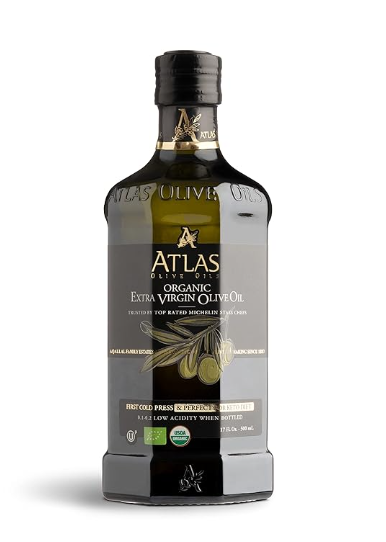
| Virgin Olive Oil | Amazon | ![]() ![]() |
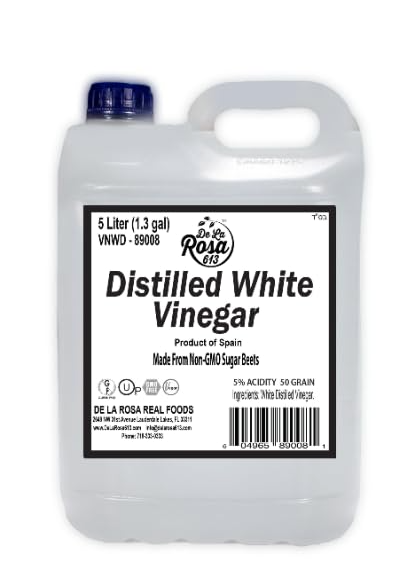
| Passover White Vinegar | Amazon | ![]() ![]() |
Where to Buy Kosher for Passover Products Online
Finding specialized products is easier than ever. Major retailers like Costco, Trader Joe’s, and Whole Foods stock many KFP staples like almond flour, olive oil, and raw nuts. For a wider selection of certified snacks and matzah, specialty kosher grocery stores in hubs like New York or Los Angeles often offer nationwide shipping.
Order early—ideally several weeks before the holiday—to ensure the best selection and avoid shipping delays. Comparing prices between bulk retailers like Costco and specialty markets can significantly reduce your overall holiday budget.
Title
Image
Price
$9.99
$8.15
$16.99
Available on Amazon
Title
Image
Price
$9.99
Available on Amazon
Title
Image
Price
$8.15
Available on Amazon
Title
Image
Price
$16.99
Available on Amazon
Frequently Asked Questions About Kosher for Passover
Is quinoa kosher for Passover? Yes. Quinoa is considered a “pseudo-cereal” and is not related to the five prohibited grains. It is generally classified as non-kitniyot. However, it requires a specific OU-P certification to ensure it was not processed on equipment used for barley or wheat.
Is peanut butter kosher for Passover? This depends on your tradition. For most Ashkenazi Jews, peanuts are considered kitniyot and are avoided. For Sephardic Jews and those who follow recent rulings, it is permitted if it bears a Passover-specific certification to ensure no prohibited oils or corn syrups were used.
Is coffee kosher for Passover? All unflavored ground coffee is acceptable with a standard OU. However, decaffeinated coffee and instant coffee require a “P” symbol because the decaffeination process often uses grain-based ethyl acetate, and instant coffee often contains maltodextrin.
Is baking soda kosher for Passover? Yes, baking soda is generally acceptable for use without a special Passover hechsher, as it is a chemical leavener rather than a fermented grain product.
When should I start preparing for Passover 2026? It is wise to start planning your menu and checking your pantry by January 2026. Early shopping allows you to secure specialty items like oat matzah or specific wines before they sell out.
What does KP certification mean? “KP” or “Kosher for Passover” means the food has been produced under rabbinic supervision specifically for the holiday. This ensures the ingredients and the facility were completely free of chametz and cross-contamination.
Do I need special certification for raw eggs? Raw eggs in the shell do not require a Passover certification. However, it is a traditional preference to purchase them before the holiday begins.


Kosher for Passover Recommenations...
Our Blog Posts
Passover is a holiday defined by its unique dietary laws and the joyous celebration of freedom. Central...
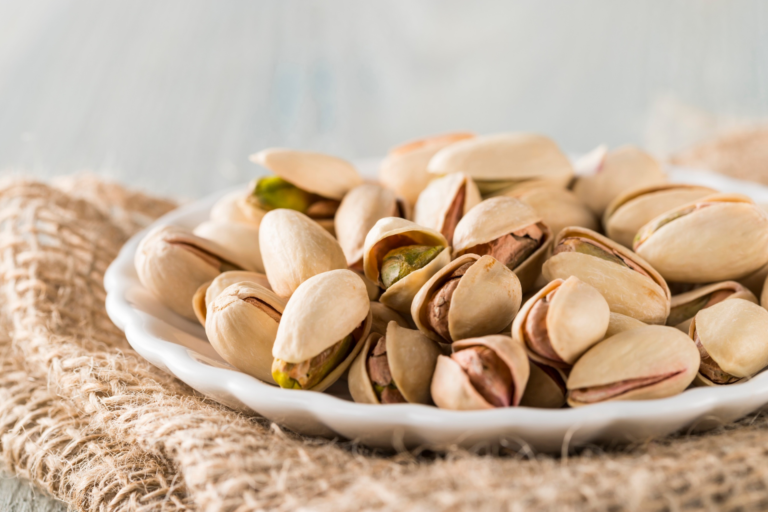
The short answer is: Yes, raw pistachios in their shell are generally considered Kosher for Passover...
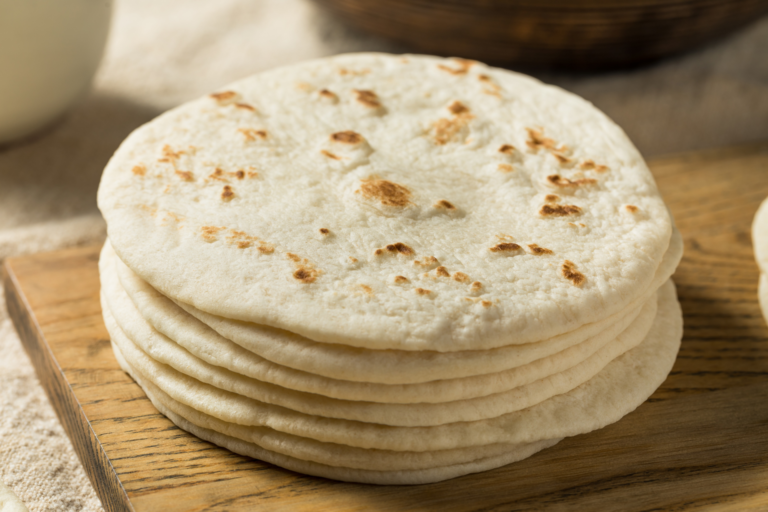
The answer to whether tortillas are Kosher for Passover depends entirely on their ingredients and the...
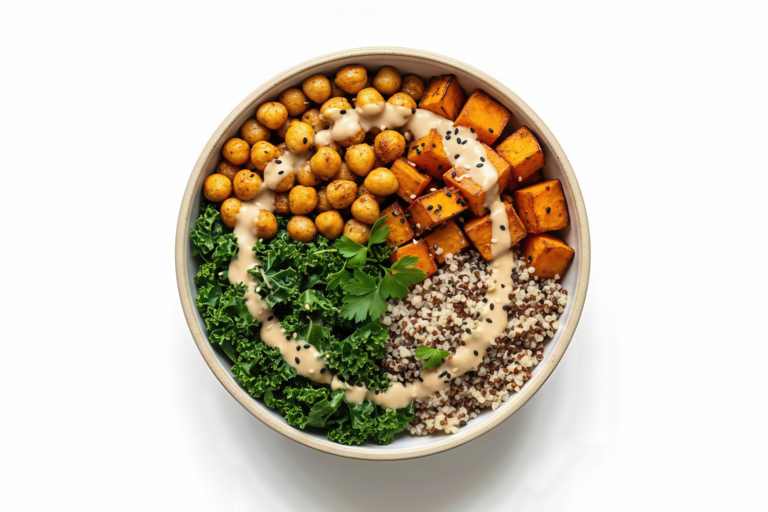
Whether chickpeas are Kosher for Passover depends entirely on your community’s ancestral customs.•...
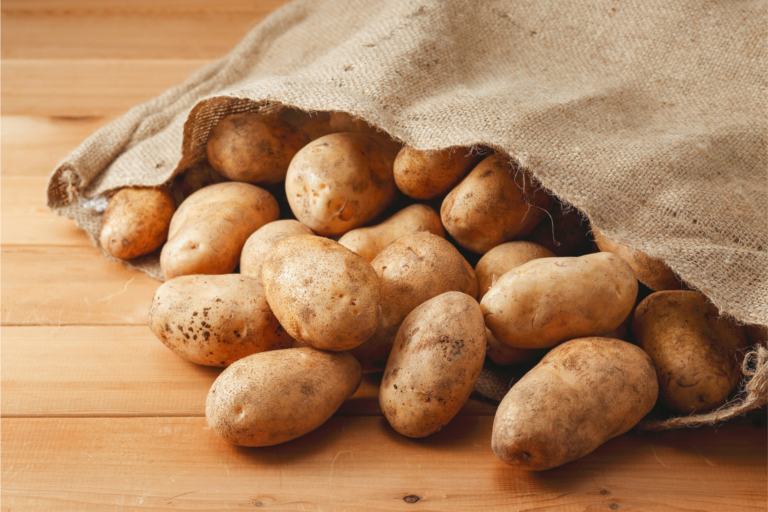
The clear and direct answer is Yes, potatoes are Kosher for Passover. They are permitted for all Jewish...
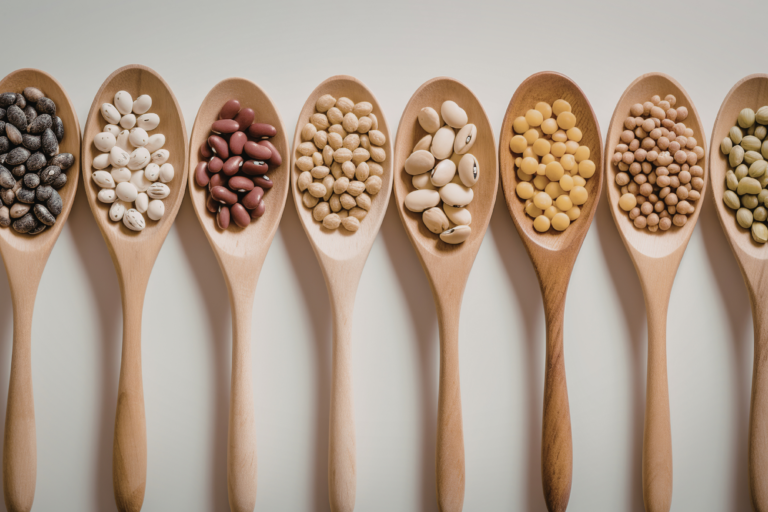
The short answer to whether lentils are Kosher for Passover is: It depends on your tradition and community...
The answer to whether beans are Kosher for Passover depends entirely on your ancestral tradition and...
The direct answer is that oats are generally not Kosher for Passover. Oats are classified as one of the...
The short answer is: Yes, most nuts are Kosher for Passover, but their status depends heavily on how...
No posts found