
The Kosher Hub Home of all Things Jewish

Lentils

Are Lentils Kosher for Passover?

The short answer to whether lentils are Kosher for Passover is: It depends on your tradition and community affiliation.
For Ashkenazi Jews: Traditionally, the answer is No. Lentils are classified as kitniyot, a category of foods that Ashkenazi Jews have avoided for centuries during Passover.
For Sephardic Jews: The answer is generally Yes. Most Sephardic traditions permit lentils, though they must be thoroughly inspected before use to ensure no grains are mixed in.
For Reform and Conservative Jews: The answer is increasingly Yes. Modern rabbinical rulings in these movements now permit the consumption of kitniyot, including lentils, for all Jews regardless of their ethnic background.
Regardless of your tradition, if you are purchasing processed lentil products—such as canned or pre-cooked lentils—they must bear a reliable Kosher for Passover certification symbol (like an OU-P or OK-P).

Explanation: Chametz or Kitniyot?

To understand why lentils are a subject of debate, we must distinguish between the two primary categories of restricted foods on Passover.
Why Lentils are Not Chametz
Chametz refers specifically to five grains: wheat, barley, rye, oats, and spelt. According to biblical law, these are the only grains that can become chametz when they come into contact with water and are allowed to ferment or “rise” for more than 18 minutes. Jews are prohibited from eating, owning, or deriving any benefit from chametz during the eight days of Passover.
Lentils are legumes, not grains. Botanically, they do not belong to the grass family that produces wheat or barley. Because they do not leaven in the way grains do, lentils are not biblically prohibited. You are allowed to own lentils during Passover and keep them in your home, even if your custom is not to eat them.
The Definition of Kitniyot
Lentils fall into the category of kitniyot, which literally translates to “small things.” This category includes legumes, beans, peas, rice, corn, and certain seeds. While not biblically forbidden, kitniyot became restricted for certain communities due to rabbinic decrees and long-standing customs.
The prohibition against eating kitniyot arose for several practical reasons. First, kitniyot are often ground into flour that can be used to bake items resembling bread or crackers, leading to potential confusion about what is or isn’t chametz. Second, lentils and other kitniyot were historically stored in the same types of sacks and shipped alongside grains. The rabbis were concerned that stray kernels of wheat or barley could easily become intermingled with a bag of lentils, leading a person to accidentally consume actual chametz.

Ashkenazi vs. Sephardic Differences

The status of lentils is a prime example of the beautiful diversity of Jewish tradition.
Ashkenazi Customs
Ashkenazi Jews, who trace their ancestry to Central and Eastern Europe, have strictly avoided kitniyot since the Middle Ages. This custom is deeply ingrained in Ashkenazi identity. For many, even though lentils aren’t “real” chametz, they are treated with the same level of caution during the holiday. The concern remains that allowing kitniyot could lead to a laxity in the laws of chametz.
Sephardic Traditions
Sephardic Jews, originating from Spain, North Africa, and the Middle East, never adopted the ban on kitniyot. For these communities, lentils are a staple of the holiday. However, Sephardic law requires that dried lentils be sifted and checked grain-by-grain—often three times—before the holiday begins. This ensures that no stray wheat or barley kernels, which may have been mixed in during harvesting or packaging, remain in the pot.

Modern Rabbinical Rulings

In recent years, the Reform Jewish Movement’s Responsa Committee and the Conservative Movement’s Committee on Jewish Law and Standards have ruled that kitniyot should be permitted for all Jews. These rulings argue that the original reasons for the ban are less relevant in a modern, highly regulated food industry. Permitting lentils provides a healthy, fiber-rich, and affordable protein source, which can be particularly helpful for those who struggle with the heavy, starch-based diet typical of a traditional Ashkenazi Passover.

Does it Require Passover Certification?

This is the most critical question for those who choose to eat lentils on Passover.
Dry Lentils in a Bag
If you are following Sephardic or modern liberal traditions, raw dried lentils in a bag generally do not require a special “P” certification, but they must be carefully inspected for foreign grains. However, some authorities still prefer certification to ensure the bagging equipment was not shared with wheat products.
Processed and Canned Lentils
Processed lentils absolutely require Kosher for Passover certification. Canned lentils often contain additives, salt, or preservatives that could be derived from chametz or kitniyot sources. Furthermore, the canning and steaming equipment used in large-scale factories is frequently shared with products containing pasta or grain-based thickeners. Without an OU-P or similar symbol, there is a high risk of cross-contamination.
Frozen Lentils
Frozen vegetables and legumes are often washed in water containing anti-foaming agents. Since these agents can sometimes be derived from prohibited grains, frozen lentils should only be used if they bear a reliable Passover seal.

Common Mistakes People Make

1. Assuming “Gluten-Free” is “Passover-Ready”: This is a frequent error. A product can be gluten-free but still contain chametz, such as vinegar or flavorings derived from fermented wheat. Never use a product based on its gluten-free status alone.
2. Buying from Bulk Bins: Never purchase lentils from open bulk bins at the grocery store for Passover. The risk of cross-contamination from shared scoops or dust from nearby flour bins is extremely high.
3. Forgetting to Sift: If your tradition allows lentils, don’t skip the manual checking process. Finding a single kernel of barley in your lentil soup on Passover can render the entire meal problematic.
4. Mixing Customs: While it is permitted to host guests with different customs, if you are an Ashkenazi guest at a Sephardic Seder where lentils are served, you should be aware of your own custom. Some people are comfortable eating from dishes where lentils were cooked (as kitniyot is not “non-kosher” in the usual sense), while others prefer to avoid them entirely.
5. Using Year-Round Spices: Many people make lentil soup with spices like cumin or coriander. Ground spices require Passover certification because they are often processed on equipment that handles grain or may contain anti-caking agents that are not Passover-approved.

FAQ Section

1. Are red lentils treated differently than green or brown lentils? No. All varieties of lentils (red, green, brown, black, or yellow) are classified as kitniyot and follow the same rules regarding custom and certification.
2. Can I eat lentil sprouts on Passover? Since the source is a legume, the sprouts are also considered kitniyot. They would be permitted for Sephardim (with checking) and avoided by Ashkenazim.
3. Is lentil flour okay for Passover baking? For those who eat kitniyot, lentil flour is technically permitted. However, it must be certified Kosher for Passover to ensure that the mill was cleaned of any wheat flour residue.
4. Can I feed my pet food that contains lentils? Yes. Even Ashkenazi Jews who do not eat kitniyot are permitted to derive benefit from them and own them. Since you are not allowed to feed your pet chametz (wheat, oats, etc.), switching to a pet food that uses lentils or peas as a protein source is an excellent solution for the holiday.
5. Why do some people call the kitniyot ban a “foolish custom”? Historically, some rabbis—even as far back as 13th-century France—opposed the ban on kitniyot, arguing it was an unnecessary stringency that made the holiday more difficult for the poor. However, for many, the custom remains a cherished part of their family heritage and a way to maintain the high walls of protection around the laws of chametz.
Passover Parting of the Sea Dress
Parting of the Sea Passover Dress
Passover Matzah Dress
Matzah Dress
Seder Plate Passover Dress
Seder Plate Dress
Torah Scroll and Matzah Passover Dress
Torah Scroll and Matzah Dress

Our Passover Posts

KFP Frosting
Kosher for Passover Frosting
Kosher for Passover frosting can be used to decorate cakes, cupcakes, and cookies during the holiday,...

KFP Coconut Flour
Kosher for Passover Flour
During Passover, traditional wheat flour cannot be used because it is made from grains that become chametz....
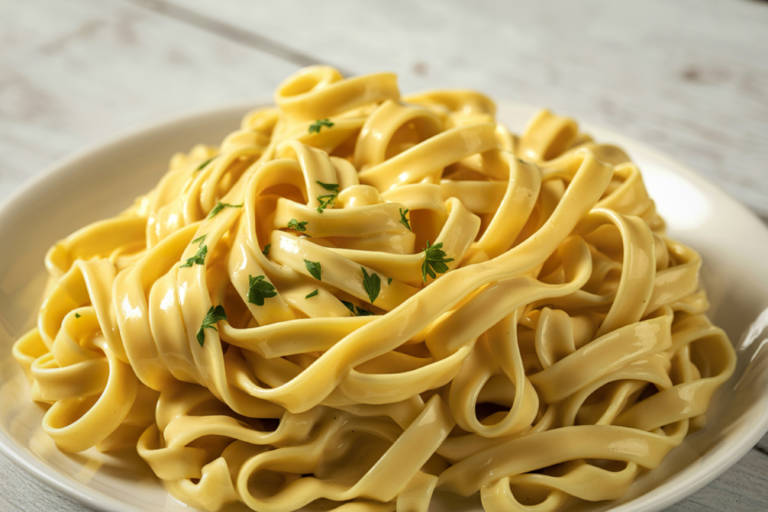
KFP Egg Noodles
Kosher for Passover Egg Noodles
Egg noodles are usually not Kosher for Passover when they are made from traditional wheat flour, which...

KFP Dessert
Kosher for Passover Desserts
Passover desserts can still be rich and delicious even without traditional flour. Many recipes use ingredients...

KFP coffee
Kosher for Passover Coffee
Coffee is generally permitted during Passover, but it is important to check how the coffee is processed...

KFP cereal
Kosher for Passover Cereal
Cereal is one of the trickier foods during Passover because most breakfast cereals are made from wheat,...

KFP cookies
Kosher for Passover Cookies
Cookies can still be enjoyed during Passover, but they must be made without traditional wheat flour or...
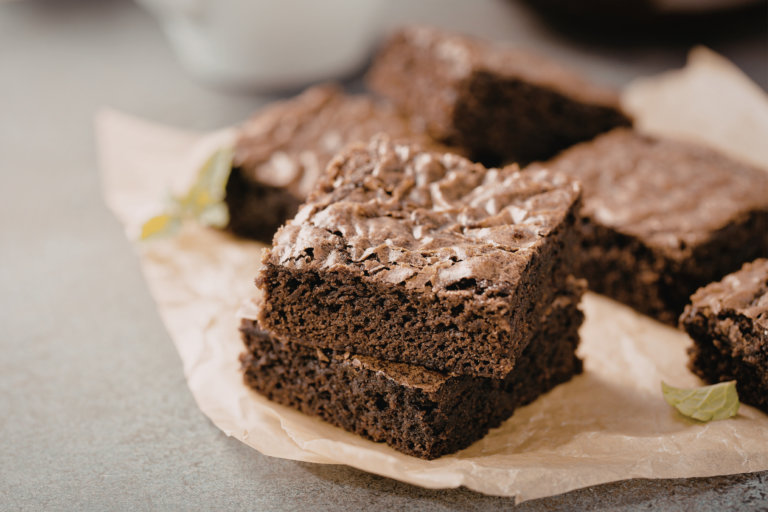
KFP Brownies
Kosher for Passover Brownies
Brownies can absolutely be enjoyed during Passover, but they must be made without traditional wheat flour...

KFP Birthday Cake
Kosher for Passover Birthday Cake
Celebrating a birthday during Passover can be a little tricky because traditional cakes rely on wheat...

KFP Almond Milk
Kosher for Passover Almond Milk
Almond milk is sometimes used during Passover as a dairy-free alternative and works well in coffee, smoothies,...