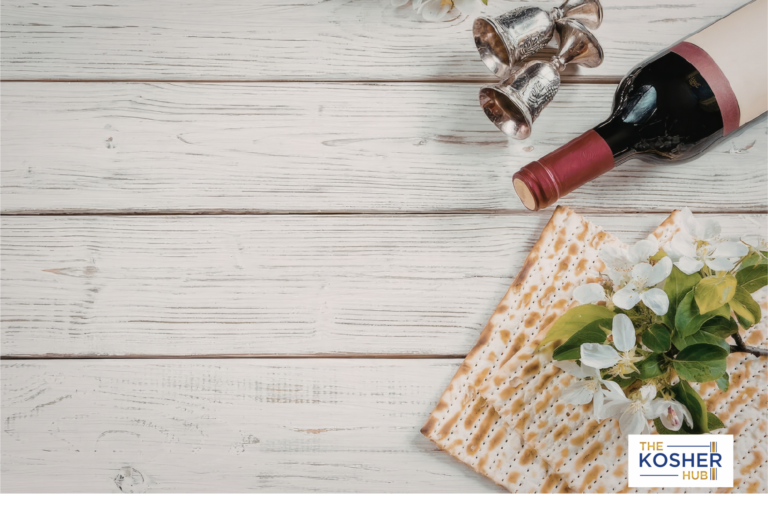

Passover is a holiday defined by its unique dietary laws and the joyous celebration of freedom. Central to the holiday experience is the Seder, a festive meal where we drink four cups of wine to commemorate the redemption of the enslaved Israelites from Egypt. However, because Passover strictly prohibits the consumption, ownership, or benefit of chametz—any fermented product derived from wheat, barley, rye, oats, or spelt—navigating the liquor cabinet can be challenging.
While grain-based spirits are entirely off-limits, there is a wide variety of alcohol that is perfectly acceptable for holiday use. Understanding which beverages are permitted and why certification is necessary will ensure your holiday bar is as kosher as your kitchen.
Title
Image
Price
$35.99
$38.99
$20.99
Available on Amazon
Title
Image
Price
$35.99
Available on Amazon
Title
Image
Price
$38.99
Available on Amazon
Title
Image
Price
$20.99
Available on Amazon
Primary Alcohol Types for Passover
When shopping for Passover alcohol, the most important rule is to look for a reliable “Kosher for Passover” symbol, such as an OU-P, OK-P, or STAR-KP. Because alcohol is a fermented and often highly processed product, the risk of chametz contamination is significant.
Wine and Grape Juice
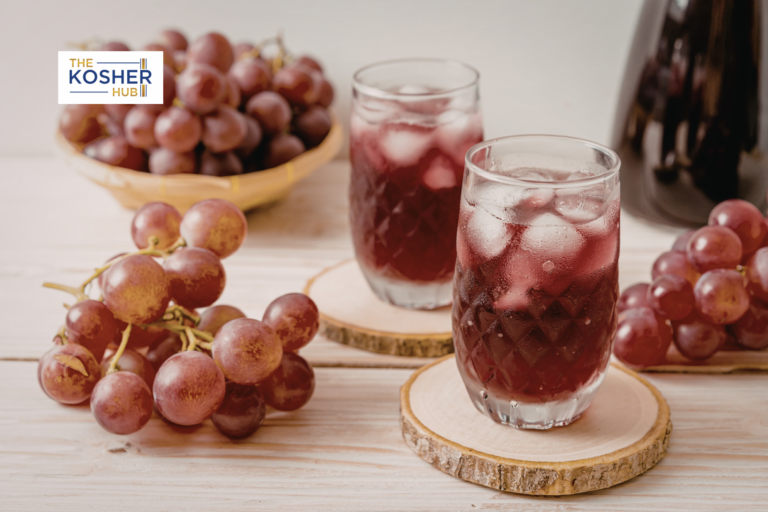
Wine is the most essential alcohol for Passover. The vast majority of kosher wines are certified for Passover use, but you must check each bottle. Some wines use flavorings, colors, or kitniyot-based ingredients that make them unsuitable for the holiday. Leading brands like Kedem and Manischewitz offer specialized Passover runs, as do premium boutique wineries from Israel, France, and California. For those who prefer non-alcoholic options, USDA Organic grape juice (like Kedem) is often a safer bet to avoid added sulfites and ensure it is acceptable for the Seder.
Slivovitz (Plum Brandy)
Historically, Slivovitz has been the go-to spirit for Passover. Because it is distilled from plums rather than grain, it is inherently non-chametz. However, modern Slivovitz still requires Passover certification to ensure that the fermentation enzymes and distillation equipment were not in contact with grain alcohol.
Potato or Beet Vodka
Standard vodka is frequently made from wheat or rye, making it strictly chametz. For Passover, you must find vodka specifically distilled from potatoes, beets, or sugar cane. Even if a vodka is labeled as 100% potato-based, it must have a Passover-specific certification. This ensures the distillery was scoured of grain residue and that the “neutral grain spirit” often used in the industry did not find its way into the bottle.
Tequila
High-quality tequila is distilled from the agave plant, which is not a grain. While theoretically acceptable, the processing of tequila involves complex fermentation and distillation stages that require supervision. Some tequilas may use yeast grown on a chametz medium or be processed on shared equipment. Only bottles bearing a reliable Passover seal should be used.
Brandy and Cognac
Brandy is distilled from grapes (wine), and Cognac is a specific type of brandy from France. Since their base is fruit, they are excellent Passover options. Like wine, they must be produced under strict rabbinic supervision to ensure no non-kosher or chametz additives were used during the aging or flavoring process.
Title
Image
Price
$9.99
$8.15
$16.99
Available on Amazon
Title
Image
Price
$9.99
Available on Amazon
Title
Image
Price
$8.15
Available on Amazon
Title
Image
Price
$16.99
Available on Amazon
Where to Buy Passover Alcohol in the USA
The availability of Passover-certified alcohol has grown significantly, and many mainstream retailers now carry a holiday selection.
Trader Joe’s
Trader Joe’s is a favorite for Passover shoppers because they often carry Holyland Matzos and a variety of OU-P certified wines. Their wine selection is region-specific, so prices and availability may vary, but you can frequently find specific Moscato or Cabernet varieties that are certified for the holiday.
Costco
Costco is an excellent resource for buying in bulk for the Seder. Many Kirkland Signature wines are certified OU-P, particularly their specialized holiday runs. Additionally, you may find frozen fish, oils, and almond flour to complement your holiday meals, though the alcohol selection is primarily focused on wine and the occasional certified brandy.
Specialty Kosher Markets
For the widest selection of spirits beyond wine—such as potato vodka, certified tequila, or Slivovitz—specialty kosher markets in major hubs like New York, Los Angeles, Chicago, and Miami are the best options. These stores typically stock a “Passover Aisle” dedicated to certified spirits.
Online Retailers
If you live in an area without a large Jewish population, several online kosher wine and liquor retailers ship nationwide. This is often the easiest way to find specific certifications for high-end Cognacs or vodkas.
Title
Image
Price
$38.22
$5.50
$35.99
Available on Amazon
Title
Image
Price
$38.22
Available on Amazon
Title
Image
Price
$5.50
Available on Amazon
Title
Image
Price
$35.99
Available on Amazon
Why Certification is Mandatory
It is a common mistake to assume that if the base ingredient (like agave or plum) is fine, the drink is fine. There are three main reasons why alcohol requires a Passover-specific “P” certification:
1. Shared Equipment: Many distilleries process different types of alcohol on the same machinery. A facility that makes wheat-based gin may use the same stills for its potato vodka.
2. The Fermentation Process: Fermentation requires yeast and nutrients. In the industrial world, these nutrients are often derived from grain sources or kitniyot, which can render the alcohol unacceptable for Passover.
3. Ethanol and Flavorings: Neutral grain spirit (ethanol) derived from wheat is ubiquitous in the beverage industry. It can be found in flavorings, as a carrier for additives, or even in the “wash” used to clean equipment. Because even a minute trace of chametz is prohibited on Passover, rabbinic supervision is the only way to guarantee purity.
Title
Image
Price
$14.99
$9.42
$6.19
Available on Amazon
Title
Image
Price
$14.99
Available on Amazon
Title
Image
Price
$9.42
Available on Amazon
Title
Image
Price
$6.19
Available on Amazon
Ashkenazi vs. Sephardic Traditions
The primary difference in alcohol consumption between these two groups revolves around kitniyot (legumes, corn, and rice).
Ashkenazi Customs
Ashkenazi Jews traditionally avoid kitniyot. This means they do not consume alcohol derived from corn (such as bourbon or most American whiskey) or rice (such as sake). Additionally, many Ashkenazim avoid sodas or liqueurs sweetened with corn syrup, looking instead for “yellow-cap” sodas made with real cane sugar specifically for Passover.
Sephardic Customs
Sephardic Jews generally permit the consumption of kitniyot. Therefore, corn-based or rice-based alcohol may be acceptable in Sephardic homes, provided it is certified as being produced in a chametz-free environment. However, many Sephardic authorities still recommend looking for a Passover-specific certification to avoid actual grain contamination.
Title
Image
Price
$53.66
$16.79
Available on Amazon
Title
Image
Price
$53.66
Available on Amazon

Reform and Conservative Rulings
In recent years, Reform and Conservative movements have ruled that kitniyot is permitted for all Jews. This significantly expands the options for these communities, allowing for corn-based products that were previously avoided by Ashkenazim.
Common Mistakes People Make
• Assuming Gluten-Free Equals Passover-Ready: This is the most frequent error. A product like ethanol can be derived from wheat (chametz) but be processed to the point where it is technically gluten-free. It is still forbidden on Passover.
• Buying Beer: Beer is made from barley and is the definition of chametz. There is no such thing as standard beer that is Kosher for Passover.
• Whiskey and Bourbon: These are grain-based and strictly prohibited.
• Using Decaffeinated Coffee Alcohol: Some liqueurs use decaffeinated coffee. Coffee is often decaffeinated using ethyl acetate, which can be derived from chametz. Always check the label.
• Flavoring Mistakes: Unflavored spirits are safer, but once a drink is “spiced,” “honey-flavored,” or “infused,” the risk of chametz-based additives skyrockets.
FAQ Section
1. Is beer Kosher for Passover? No. Beer is made from fermented grains like barley or wheat, making it 100% chametz. You should not own or consume it during the holiday.
2. Is 100% agave Tequila okay without a “P”? No. Even if it is 100% agave, the fermentation enzymes and the equipment used for distillation may involve chametz. Always look for a Passover-certified bottle.
3. Why do some sodas have a different cap for Passover? Mainstream sodas often use high-fructose corn syrup, which is kitniyot. For Passover, companies produce versions with cane sugar (often marked with a yellow cap or a “P”) for those who avoid kitniyot or want a higher standard of supervision.
4. Can I use the wine I bought last year? Yes. Sealed wine that was certified Kosher for Passover and stored in a chametz-free environment remains kosher for use in future years.
5. Is Gin Kosher for Passover? Most gin is made from a grain base and flavored with botanicals. Unless you find a specialty gin distilled from a non-grain source (like potatoes) and specifically certified for Passover, it should be avoided.
Our Passover Posts
Passover is a holiday defined by its unique dietary laws and the joyous celebration of freedom. Central...
The short answer is: Yes, raw pistachios in their shell are generally considered Kosher for Passover...
The answer to whether tortillas are Kosher for Passover depends entirely on their ingredients and the...
Whether chickpeas are Kosher for Passover depends entirely on your community’s ancestral customs.•...
The clear and direct answer is Yes, potatoes are Kosher for Passover. They are permitted for all Jewish...
The short answer to whether lentils are Kosher for Passover is: It depends on your tradition and community...
The answer to whether beans are Kosher for Passover depends entirely on your ancestral tradition and...
The direct answer is that oats are generally not Kosher for Passover. Oats are classified as one of the...
The short answer is: Yes, most nuts are Kosher for Passover, but their status depends heavily on how...
For many families preparing for the eight-day holiday of Passover, or Pesach, the dietary restrictions...
No posts found