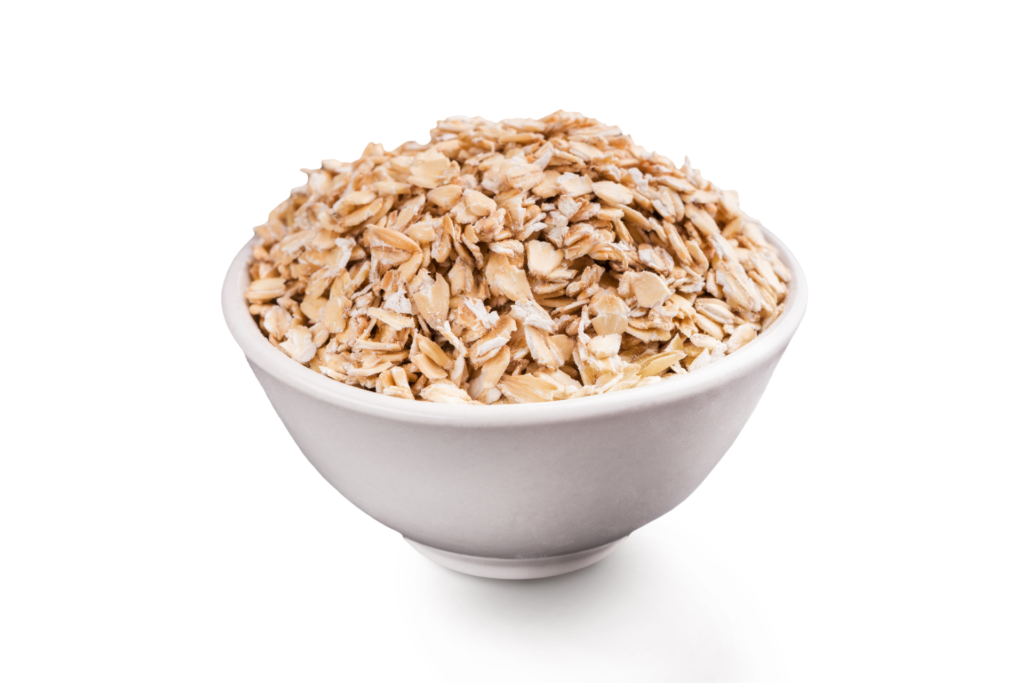
The direct answer is that oats are generally not Kosher for Passover. Oats are classified as one of the five grains that can become chametz (leavened grain) when they come into contact with water. Therefore, your typical canisters of rolled oats, steel-cut oats, and instant oatmeal are strictly forbidden during the holiday.
The only exception to this rule is certified Kosher for Passover oat matzah or matzah meal made from oats. These products are specially produced under rigorous rabbinic supervision to ensure the oats never had the opportunity to leaven.
Title
Image
Price
$35.99
$38.99
$20.99
Available on Amazon
Title
Image
Price
$35.99
Available on Amazon
Title
Image
Price
$38.99
Available on Amazon
Title
Image
Price
$20.99
Available on Amazon
Explanation: Chametz or Kitniyot?
To understand the status of oats, we must look at the definitions of chametz and kitniyot, as these two categories dictate almost everything we eat during the eight days of the festival.
Oats as Chametz
In Jewish law, there are five specific grains mentioned in the Torah and by the Sages: wheat, barley, spelt, rye, and oats. These grains have a unique property: when they are mixed with water, a fermentation process begins. If this process is allowed to continue for 18 minutes or longer, the resulting product is chametz.
Because oats are one of these five grains, they are considered “primary” grains. This means they are the very definition of chametz if they rise. Conversely, they are also the only grains from which one can fulfill the mitzvah (commandment) of eating matzah on the Seder night. For a food to be considered matzah, it must be made from one of these five grains and baked in under 18 minutes to prevent leavening.
Oats Are Not Kitniyot
Kitniyot is a category that includes legumes, beans, peas, rice, and corn. While many Ashkenazi Jews avoid kitniyot, oats do not fall into this category. Because oats are a primary grain, their prohibition is much more stringent than the prohibition of kitniyot. While kitniyot are avoided due to custom and their similarity to grains, oats are prohibited by biblical law once they have fermented.
Title
Image
Price
$9.99
$8.15
$16.99
Available on Amazon
Title
Image
Price
$9.99
Available on Amazon
Title
Image
Price
$8.15
Available on Amazon
Title
Image
Price
$16.99
Available on Amazon
Ashkenazi vs. Sephardic Differences
Often, Passover dietary laws differ significantly between Ashkenazi Jews (of Eastern European descent) and Sephardic Jews (of Spanish, Middle Eastern, and North African descent). For example, Sephardic Jews generally eat rice and beans, which Ashkenazim avoid as kitniyot.
However, when it comes to oats, there is no difference between Ashkenazi and Sephardic tradition. Because both groups adhere to the biblical prohibition against chametz, and both groups recognize oats as one of the five grains that can become chametz, oats are forbidden to all Jews during Passover.
The only slight variation lies in the concept of “Matzah Ashirah” (rich matzah), which is matzah made with fruit juice or eggs instead of water. Some Sephardic traditions are more lenient regarding these mixtures for healthy adults, whereas Ashkenazi tradition generally restricts egg matzah to the elderly, the sick, or young children. Regardless, regular oatmeal or oat-based cereal remains prohibited for everyone.
Title
Image
Price
$38.22
$5.50
$35.99
Available on Amazon
Title
Image
Price
$38.22
Available on Amazon
Title
Image
Price
$5.50
Available on Amazon
Title
Image
Price
$35.99
Available on Amazon
Does it Require Passover Certification?
Oats require the highest level of Passover certification possible. You cannot simply buy “raw” oats from the grocery store and assume they are acceptable.
The Processing Risk
Commercial oats are almost always heat-treated or steamed during processing to stabilize them and prevent spoilage. This contact with moisture and heat can trigger the fermentation process long before the oats ever reach your kitchen. Furthermore, oats are frequently processed on the same equipment as wheat and barley, creating a massive risk of cross-contamination.
Oat Matzah Production
If you require oats for Passover—usually due to a gluten allergy or Celiac disease—you must look for a specific “OU-P” or similar “Kosher for Passover” designation. Oat matzah is a specialty product. The oats used for this matzah are grown in controlled environments and kept absolutely dry from the moment of harvest until they enter the matzah bakery.
Once in the bakery, the flour is mixed with water and baked into a cracker-like matzah in under 18 minutes, all under constant rabbinic observation. Only then is an oat product considered “Kosher for Passover.”
Title
Image
Price
$14.99
$9.42
$6.19
Available on Amazon
Title
Image
Price
$14.99
Available on Amazon
Title
Image
Price
$9.42
Available on Amazon
Title
Image
Price
$6.19
Available on Amazon
Common Mistakes People Make
Given the complexity of modern food labeling, it is easy to make a mistake. Here are the most common errors seen during Passover preparations:
• Confusing “Gluten-Free” with “Kosher for Passover”: This is the most dangerous mistake. A product can be labeled gluten-free but still contain chametz or be processed on chametz equipment. For instance, many gluten-free products use oat fiber or oat flour that has not been supervised for Passover.
• Assuming Raw Oats are Safe: Some people believe that “pure” steel-cut or whole oat groats are fine because they haven’t been “cooked.” However, as mentioned, the industrial cleaning and steaming processes used by major brands make them chametz.
• Buying in Bulk: Even if you think a certain grain is safe, buying from bulk bins is a major risk. Shared scoops and dust from nearby flour bins can easily contaminate otherwise acceptable foods.
• Using Non-Certified Oat Milk: Oat milk has become a popular dairy alternative. However, during Passover, oat milk is considered liquid chametz and is strictly forbidden to be owned or consumed.
• Feeding Pets Chametz: It is forbidden to derive benefit from or own chametz during the holiday. Many pet foods contain oats or wheat. You must switch your pets to a grain-free or kitniyot-based diet (as kitniyot can be owned and fed to animals) that does not contain any of the five grains.
Title
Image
Price
$53.66
$16.79
Available on Amazon
Title
Image
Price
$53.66
Available on Amazon

FAQ Section
1. Why is oat matzah so much more expensive than wheat matzah? Oat matzah requires specialized, certified gluten-free oat supplies and a highly controlled production environment. Because the demand is smaller and the risk of the dough becoming chametz is higher with oats, the labor and overhead costs are significantly greater than those for standard wheat matzah.
2. Can I use oats for my pet if I don’t eat them myself? No. Jewish law prohibits owning or deriving any benefit from chametz during Passover. This includes feeding it to your animals. You should look for pet food that uses rice or potatoes instead of oats, wheat, or barley.
3. Is oat fiber acceptable if the product is certified gluten-free? No. Oat fiber is derived from the same grain source as oatmeal. Unless the final product has a specific Kosher for Passover certification, it must be considered chametz.
4. If I am allergic to wheat, can I fulfill the mitzvah of the Seder with oat matzah? Yes. In fact, for those with Celiac disease or severe wheat allergies, certified Kosher for Passover oat matzah is the only way to fulfill the mitzvah of eating matzah at the Seder. Ensure that the box specifies it is “Shmura” (guarded) matzah for the best observance of the Seder.
5. Does the 18-minute rule apply to oats found in processed snacks? The 18-minute rule applies to the production of matzah. For all other processed snacks, if they contain oats and do not have a Passover certification, they are assumed to have fermented during the manufacturing process and are prohibited.
TEXT
Our Passover Posts
The answer to whether tortillas are Kosher for Passover depends entirely on their ingredients and the...
Whether chickpeas are Kosher for Passover depends entirely on your community’s ancestral customs.•...
The clear and direct answer is Yes, potatoes are Kosher for Passover. They are permitted for all Jewish...
The short answer to whether lentils are Kosher for Passover is: It depends on your tradition and community...
The answer to whether beans are Kosher for Passover depends entirely on your ancestral tradition and...
The direct answer is that oats are generally not Kosher for Passover. Oats are classified as one of the...
The short answer is: Yes, most nuts are Kosher for Passover, but their status depends heavily on how...
For many families preparing for the eight-day holiday of Passover, or Pesach, the dietary restrictions...
When preparing for Passover, the kitchen becomes a focal point of careful scrutiny. Among the many questions...
No posts found