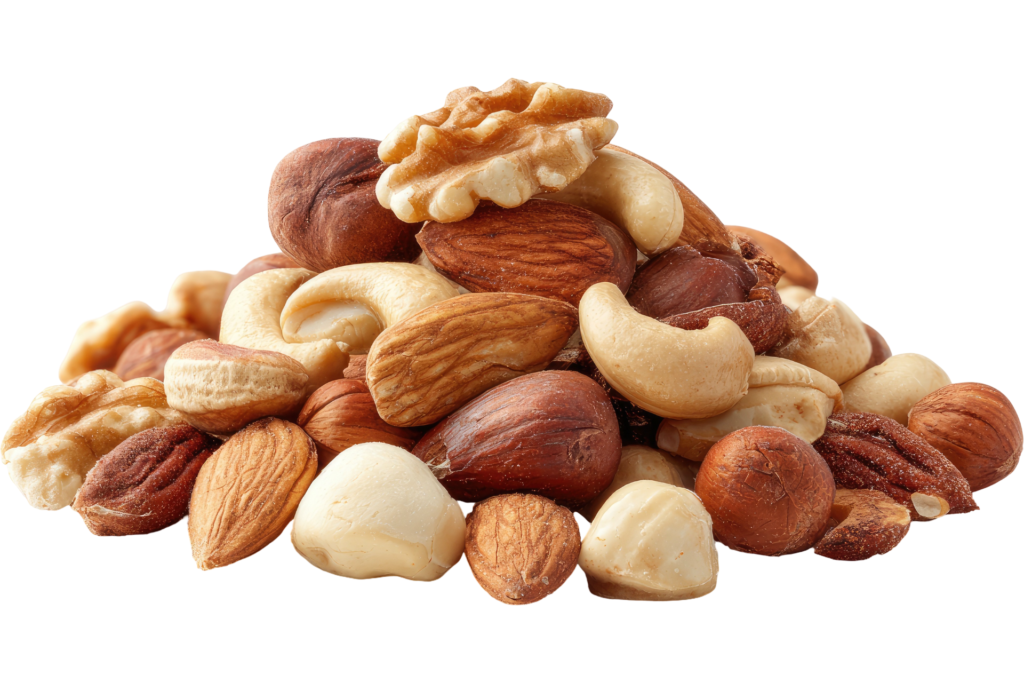
The short answer is: Yes, most nuts are Kosher for Passover, but their status depends heavily on how they are processed and packaged.
Raw nuts in the shell are universally accepted without special Passover certification. However, once nuts are shelled, roasted, salted, or ground into flour, they enter a high-risk category for cross-contamination with chametz grains. Most major kosher agencies recommend purchasing shelled nuts only if they bear a reliable “Kosher for Passover” (OU-P, STAR-KP, or OK-P) symbol. The primary exception to the “mostly yes” rule is peanuts, which many Ashkenazi Jews avoid due to the custom of kitniyot.
Title
Image
Price
$35.99
$38.99
$20.99
Available on Amazon
Title
Image
Price
$35.99
Available on Amazon
Title
Image
Price
$38.99
Available on Amazon
Title
Image
Price
$20.99
Available on Amazon
The short answer is: Yes, most nuts are Kosher for Passover, but their status depends heavily on how they are processed and packaged.
Raw nuts in the shell are universally accepted without special Passover certification. However, once nuts are shelled, roasted, salted, or ground into flour, they enter a high-risk category for cross-contamination with chametz grains. Most major kosher agencies recommend purchasing shelled nuts only if they bear a reliable “Kosher for Passover” (OU-P, STAR-KP, or OK-P) symbol. The primary exception to the “mostly yes” rule is peanuts, which many Ashkenazi Jews avoid due to the custom of kitniyot.
Title
Image
Price
$9.99
$8.15
$16.99
Available on Amazon
Title
Image
Price
$9.99
Available on Amazon
Title
Image
Price
$8.15
Available on Amazon
Title
Image
Price
$16.99
Available on Amazon
Is it Chametz or Kitniyot?
To determine if a food is acceptable for Passover, we must categorize it according to Jewish law.
Why Nuts are Not Chametz
Chametz refers specifically to five grains—wheat, barley, rye, oats, and spelt—that have come into contact with water and been allowed to ferment or rise for more than 18 minutes. Nuts are botanically seeds or fruits of trees, not cereal grains. Therefore, nuts can never technically become chametz. This is why raw nuts in the shell are permitted; they are a whole, unprocessed food that has had no contact with leavening agents or grains.
Title
Image
Price
$38.22
$5.50
$35.99
Available on Amazon
Title
Image
Price
$38.22
Available on Amazon
Title
Image
Price
$5.50
Available on Amazon
Title
Image
Price
$35.99
Available on Amazon
The Kitniyot Classification
Kitniyot is a category of foods that include legumes, beans, peas, rice, corn, and certain seeds. While not biblically prohibited like chametz, these foods were historically avoided by Ashkenazi Jews because they were often stored in the same sacks as grain or could be ground into a flour that looks like grain flour, leading to potential confusion.
Most tree nuts—such as walnuts, almonds, pecans, cashews, and hazelnuts—are not considered kitniyot. However, peanuts are a major point of debate. Because they grow underground and are technically legumes, they are classified as kitniyot by most Ashkenazi authorities. For those who observe the prohibition of kitniyot, peanuts and peanut oil are off-limits for the duration of the holiday.
Title
Image
Price
$14.99
$9.42
$6.19
Available on Amazon
Title
Image
Price
$14.99
Available on Amazon
Title
Image
Price
$9.42
Available on Amazon
Title
Image
Price
$6.19
Available on Amazon
Ashkenazi vs. Sephardic Differences
The way you approach nuts on Passover often depends on your ancestral tradition or the specific rulings of your community.
Ashkenazi Customs
Ashkenazi Jews (those of Eastern European descent) have traditionally been the most restrictive. They avoid all kitniyot, which means peanuts are excluded from their Passover diet. Furthermore, Ashkenazi families often look for the most stringent certifications on processed nuts to ensure there is no chance of “gebrokts” (though this usually applies to matzah) or cross-contamination from shared factory equipment that might have processed wheat or barley earlier in the day.
Sephardic Customs
Sephardic Jews (from North Africa, the Middle East, and Spain) generally do not observe the prohibition of kitniyot. For these communities, peanuts and peanut-based products are often permitted. However, Sephardic authorities still emphasize that these items must be checked for actual chametz contamination. In many Sephardic households, rice and legumes are sifted grain-by-grain to ensure no stray wheat kernels are present.
Title
Image
Price
$53.66
$16.79
Available on Amazon
Title
Image
Price
$53.66
Available on Amazon

Modern Rabbinical Rulings
In recent years, the Reform and Conservative movements have issued rulings permitting both Ashkenazi and Sephardi Jews to eat kitniyot. These committees determined that the prohibition was a custom that could be set aside to make the holiday more affordable and nutritionally balanced. For followers of these movements, the distinction between kitniyot and other nuts is largely irrelevant.
Does it Require Passover Certification?
This is the area where most consumers encounter confusion. The need for a “P” symbol (like OU-P) depends on the state of the nut.
Raw Nuts in the Shell
If you buy whole walnuts or pecans still in their hard shells, they do not require any special Passover certification. They are considered a “whole food” in its natural state. You should, however, ensure the bag contains no other additives.
Shelled Raw Nuts
Once the shell is removed, the risk increases. Shelled nuts are often processed on machinery that also handles grain-based snacks. Additionally, certain nuts are treated with preservatives like BHA or BHT to prevent spoilage. These antioxidants are sometimes suspended in grain-based oils.
• The Rule of Thumb: Shelled nuts (whole, slivered, or chopped) are generally acceptable without a “P” only if they are raw and the ingredient label lists no additives (no BHA, BHT, or oils).
• Pecan Exception: Many agencies, including the OU and Chicago Rabbinical Council (cRc), note that shelled pecan pieces and midgets require a Passover-specific symbol because the equipment used to break them is high-risk for contamination. Whole or half pecans are usually okay without it if raw and additive-free.
Roasted and Flavored Nuts
Roasted nuts almost always require Passover certification. Many roasting processes use “dry” methods that might involve flour or “wet” methods using oils that could be kitniyot-based (like soybean or canola oil) or even chametz-contaminated. Flavored nuts, such as honey-roasted or smoked varieties, frequently contain maltodextrin (often derived from corn or wheat), starch, or yeast—all of which are problematic for Passover.
Nut Flours and Meals
Almond flour and walnut meal have become staples for gluten-free Passover baking. However, because these are finely ground, the risk of them being processed on equipment used for wheat flour is very high. It is strongly recommended to only purchase almond meal or flour that is specifically certified for Passover.
FAQ Section
1. Are cashews considered kitniyot?
No, cashews are tree nuts and are not classified as kitniyot. They are permitted for both Ashkenazi and Sephardic Jews, provided they are raw and have no additives or have a reliable Passover certification if roasted.
2. Why does my almond flour need a “P” if it’s just almonds?
Finely ground products like almond flour are often produced in mills that process wheat. The “P” symbol guarantees that the milling equipment was thoroughly cleaned and “kosherized” for Passover use to prevent even a trace of wheat flour from entering the mix.
3. Can I use peanut oil if I am Ashkenazi?
Traditionally, no. Peanut oil is derived from a legume and is considered kitniyot. While some Ashkenazi authorities in the past allowed highly refined oils, most modern North American certifications do not label peanut oil as Kosher for Passover for Ashkenazim.
4. Are pistachios okay to eat?
Yes, pistachios are tree nuts. If purchased in the shell and unroasted/unsalted, they generally do not require certification. If they are shelled or roasted, look for a Passover symbol.
5. What should I do if I accidentally bought shelled nuts with BHA/BHT?
If you have already purchased them and they do not have a Passover certification, it is best to set them aside for use after the holiday. Because these additives can be derived from grain sources, they are not recommended for Passover use.
Our Passover Posts
The answer to whether tortillas are Kosher for Passover depends entirely on their ingredients and the...
Whether chickpeas are Kosher for Passover depends entirely on your community’s ancestral customs.•...
The clear and direct answer is Yes, potatoes are Kosher for Passover. They are permitted for all Jewish...
The short answer to whether lentils are Kosher for Passover is: It depends on your tradition and community...
The answer to whether beans are Kosher for Passover depends entirely on your ancestral tradition and...
The direct answer is that oats are generally not Kosher for Passover. Oats are classified as one of the...
The short answer is: Yes, most nuts are Kosher for Passover, but their status depends heavily on how...
For many families preparing for the eight-day holiday of Passover, or Pesach, the dietary restrictions...
When preparing for Passover, the kitchen becomes a focal point of careful scrutiny. Among the many questions...
No posts found